|
He told me about the first chapters of his dissertation: charmingly excited at the praise he had just received from his advisor on his first chapter. We talked about the inevitable book that would come out of that dissertation - exploring the decolonizing of Fanon’s consciousness.
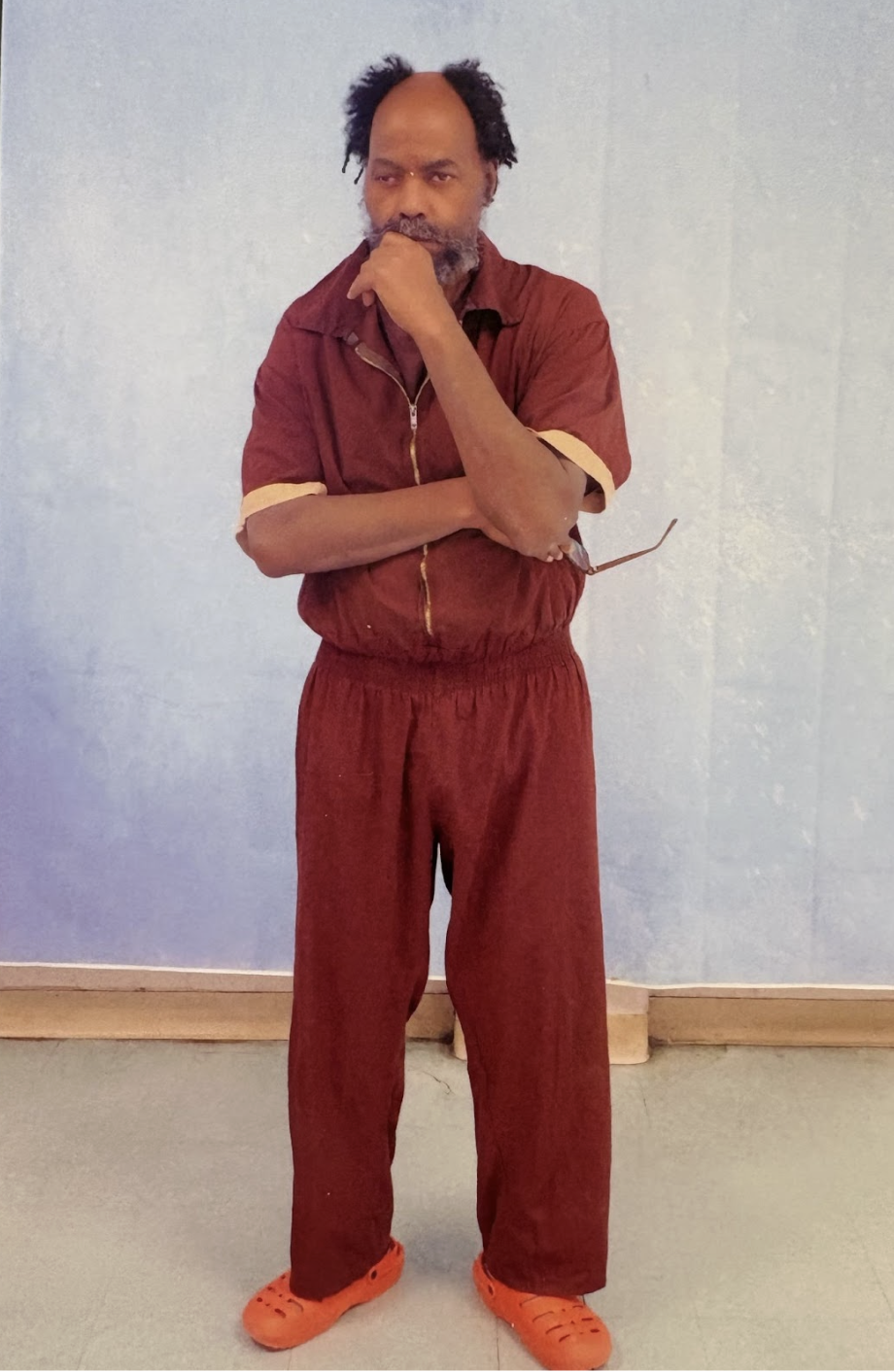
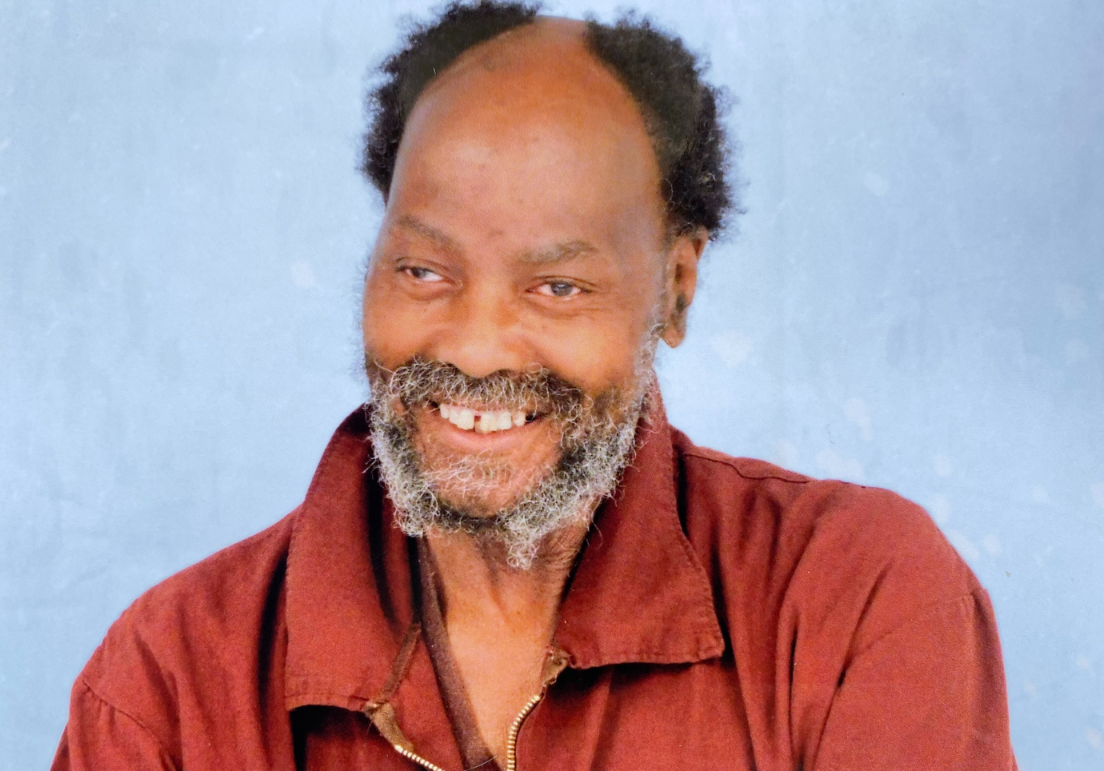
We shared our ailments - his vision problems, my stiffness. We laughed at the indignities of aging.
We had to discuss the new president. He laughed wryly as he pinpointed how the Democrats launched the greatest public works program of this century with their mass incarceration: securing generations of jobs for otherwise de-industrialized workers, workers who then, in a shift in loyalty and partisanship , turned their backs on the party that put food on their prison-guard tables.
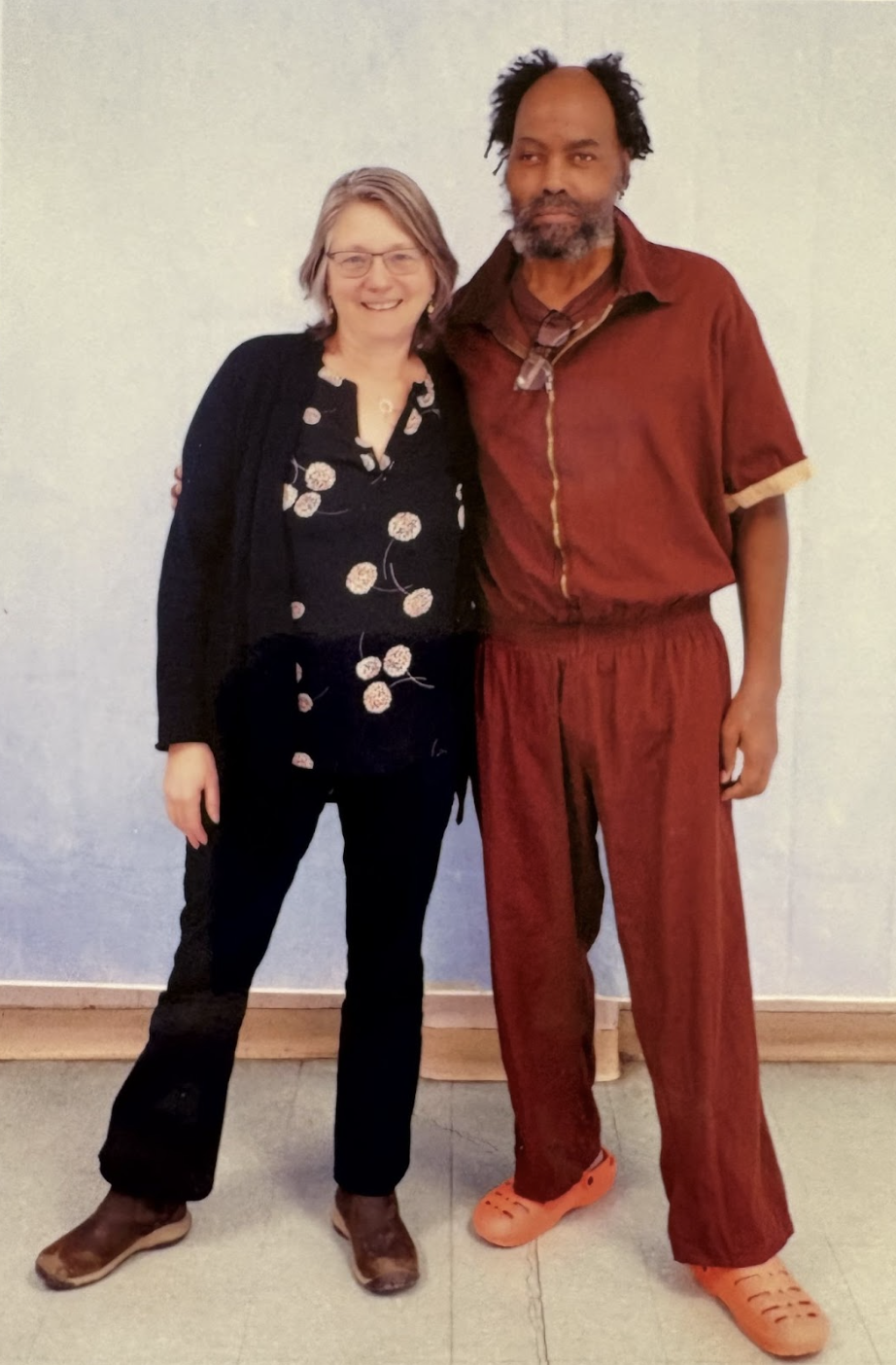
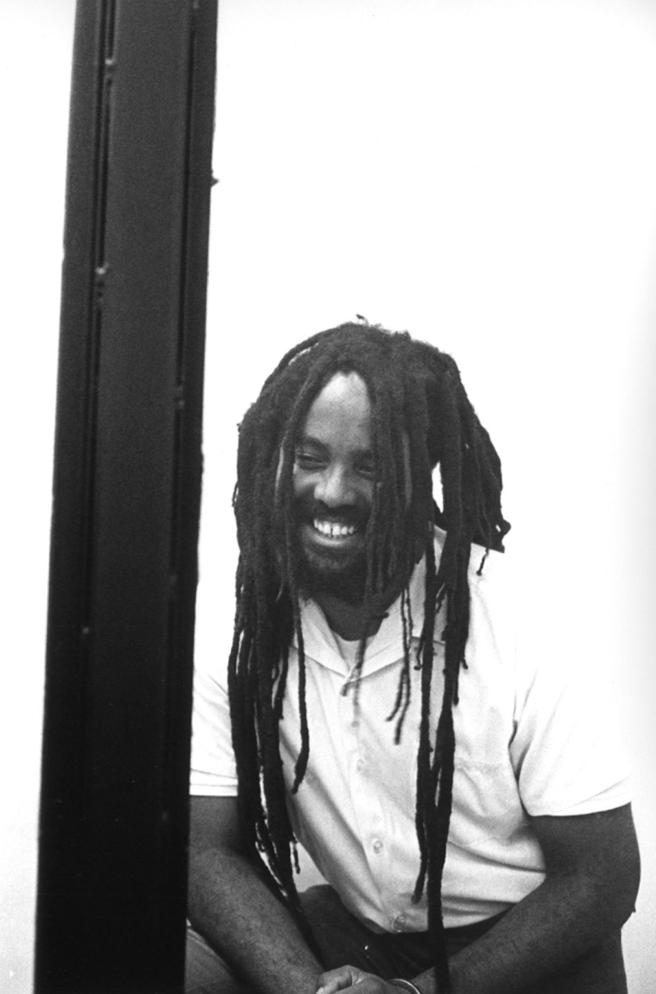
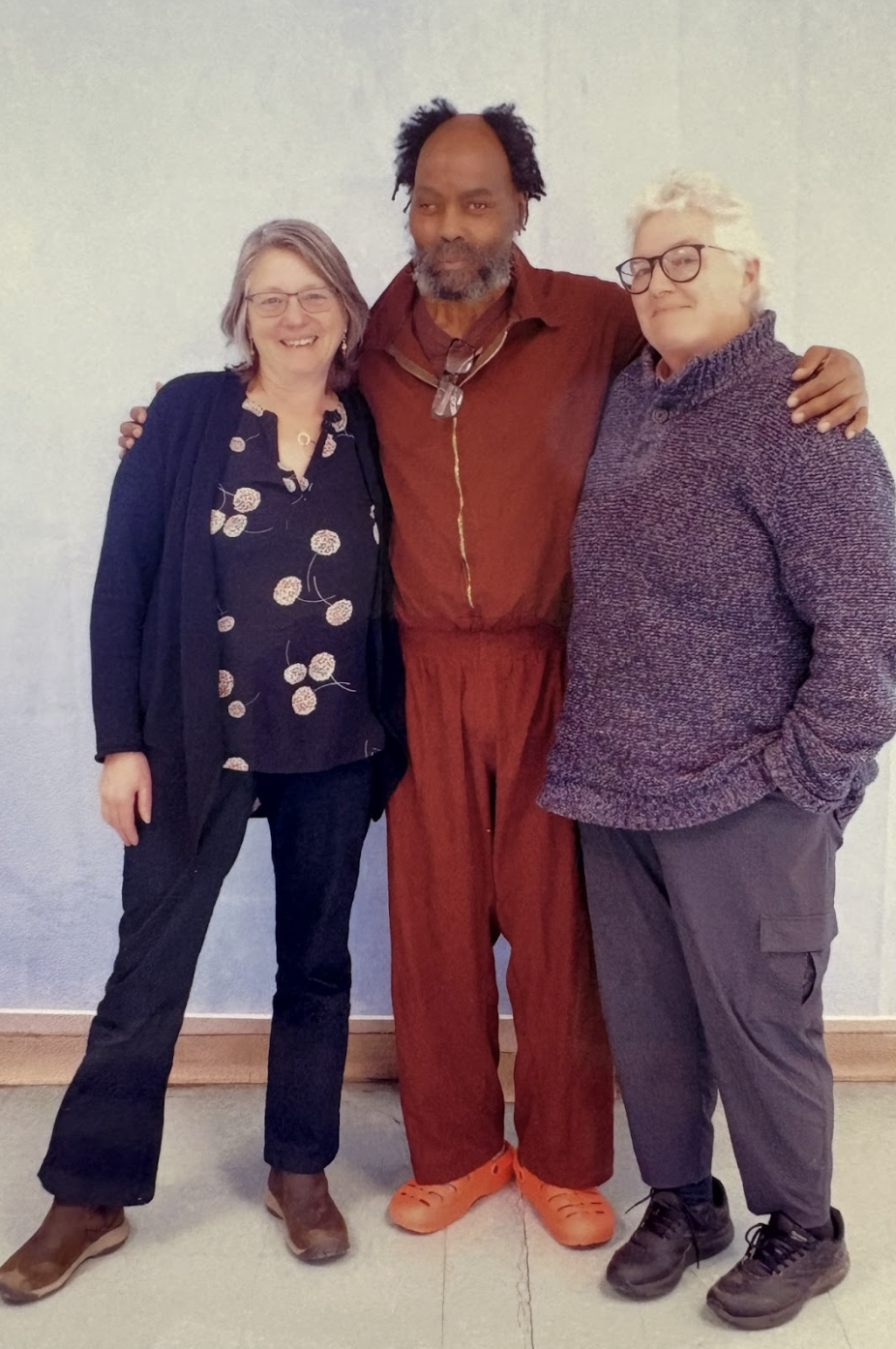
It had been many years since we had visited in person, but the warmth and ease was palpable. It was like so many conversations among long-term activists and comrades. I took photos of him during our first visit, in 1992 and 1993, but on this visit we relied on a prisoner “trustee” to use the approved prison camera to take a photo of us together.
In our analysis and our laughter, we - for a short time - created a space of liberation from the distortion that is the incarceration nation.
At the end of the visit, I went out one door - to my car, and the highway. And he went out another - to a strip search and his cell.
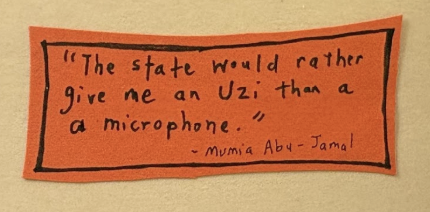
Mumia Abu-Jamal has offered the movement for social change all kinds of leadership, but perhaps his biggest gift had been his refusal to allow his mind to be incarcerated, his insistence on his own full creative and intellectual life, and his profound commitment to the people.
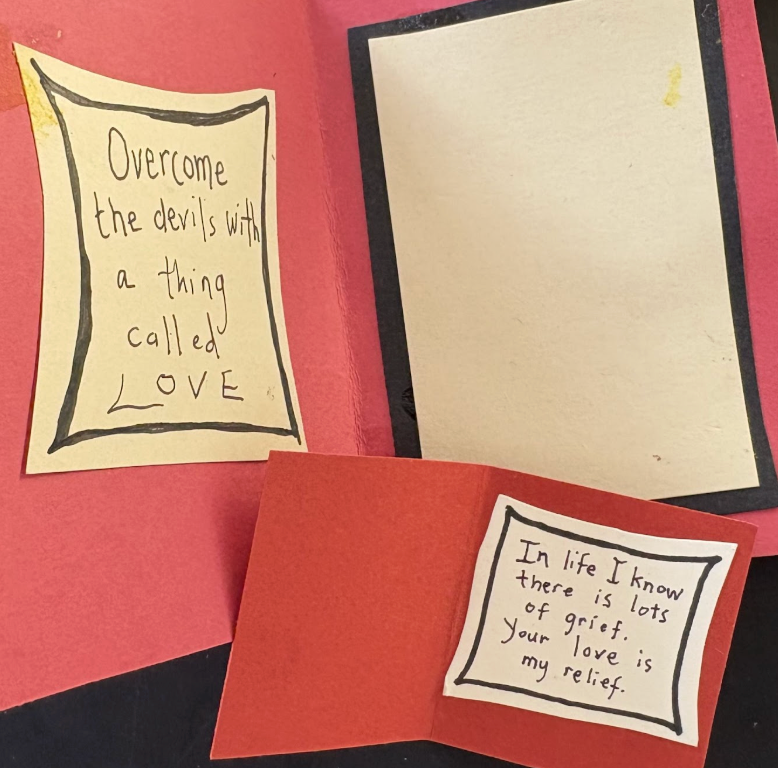
I want to thank him for his body of work, for his deep-seated dignity, for his shining example of unrelenting consciousness and love, and for his resilience in the face of unspeakable challenges.
|