NEWS & NOTES

November 2025

In This Issue:

  • Last quarterly meeting: Recording & slides
  • Network virtual meeting, Nov 12
  • SNAP freeze: Resources in MA
  • Resources for patients
  • MassHealth 1115 demonstration waiver
  • New diabetes fact sheet
  • Upcoming events
  • Trainings & Resources
  • Spotlight: Rebecca Rick Longo, 
    Lahey Hospital and Medical Center


Network Updates

Catch up on the last quarterly meeting's presentation!


'Diabetes & Medication Management'

Recording | Slides


On September 16, the Network hosted a meeting exploring diabetes medication management in two presentations:

  • Lost in Transition: How Medication Errors Sneak In (and How We Prevent Them)
  • Bridging the Gap: Medication Management Best Practices Across Care Settings


Questions? Email Jennifer.Brais@mass.gov


---

View more past recordings.


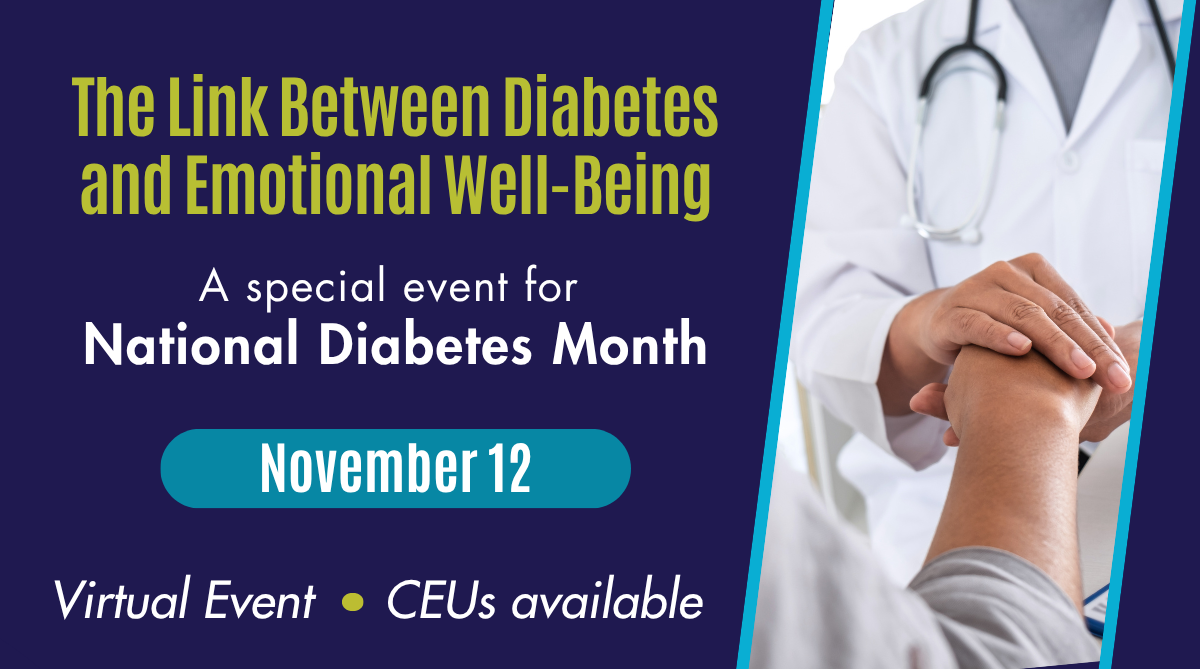
The Link Between Diabetes and Emotional Wellbeing

Wednesday, November 12

10:30 AM - 12:00 PM


Join the Massachusetts Diabetes Network for a special virtual session that will explore the connection between diabetes and mental health. You will gain insights into recognizing emotional distress, applying behavioral health screening tools, and identifying effective referral and intervention strategies.


Note: Previously, this session was a hybrid event, but it is now only virtual. If you haven't registered for the virtual event, please do so to receive the Zoom link.


SNAP Freeze: Accessing Food in Massachusetts


Food insecurity is linked to diabetes.

Research shows adults who experience food insecurity are 2-3 times more likely to have type 2 diabetes. With SNAP benefits frozen, accessing nutritious foods to help manage diabetes is now even more difficult.


MA resources to access food and help those in need:

Massachusetts has created a SNAP Resource Hub that includes:

  • Information on how families facing hunger can get help.
  • Ways for people and businesses to offer help.
  • A new digital map showing how many people depend on SNAP in each city and town in Massachusetts.


SNAP updates and FAQs from the Commonwealth:

Massachusetts is also maintaining a SNAP Updates page. Use it to stay up to date on which services are impacted, which are still operating, when new SNAP funds may be issued, and more.


For Your Patients


Diabetes Self-Management Education and Support Program

Enhance Asian Community on Health (EACH) is offering their ADA-accredited DSMES program in English, Cantonese, Mandarin, and Vietnamese! The program is virtual. Learn more about the program.

  • Enrollment is ongoing on a rolling basis. To sign up, call (857) 331-8568 or email qtu@each4asian.org.
 

MassHealth 1115 Demonstration Waiver Road Map and Listening Sessions


MassHealth recently released a Roadmap outlining its plans to extend its 1115 Demonstration waiver, which currently ends in 2027.


If you would like to learn more, MassHealth will hold two virtual public meetings to review the Roadmap:

  • Monday, 11/10, 12:30pm - 2:00pm
  • Monday, 11/17, 2:00pm - 3:30pm


Click here for the meetings' Zoom links and passcodes.


SAVE THE DATE! Upcoming Events


State of Diabetes: Boston (in person)

November 13, 11:00am - 2:00pm

Edward M Kennedy Institute for the United States Senate

210 Morrissey Blvd, Boston

Join this panel discussion on new treatments, lifestyle changes, and ways to make diabetes and obesity care more accessible. Learn more and register.


Leveraging Community Health Workers in Chronic Disease Care, an Eye Health Screening Case Study (webinar)

November 13, 3:00pm - 4:00pm

Join this webinar from the National Association of Chronic Disease Directors to learn the results of a recent survey on CHW programs focused on chronic disease. The webinar will also include a presentation about the American Diabetes Association's Eye Health Initiative that equips CHWs to prevent diabetes-related vision loss. Learn more and register.


The GLP-1 Era: From Metabolic Control to Cardio-Renal Protection (webinar)

November 13, 7:00pm

Join this webinar from the New England Endocrine Alliance to explore the evolution and expanding role of GLP-1 receptor agonists in modern medicine. Learn more and register.


Diabetes Technology Conference (in person)

December 12-13

Chicago Marriot Downtown Magnificent Mile

Join this conference from the Association of Diabetes Care & Education Specialists for the only event built by and for the diabetes care team focused on making diabetes technology practical, sustainable, and person-centered. Learn more and register.


Featured Resource: New Diabetes Fact Sheet

 
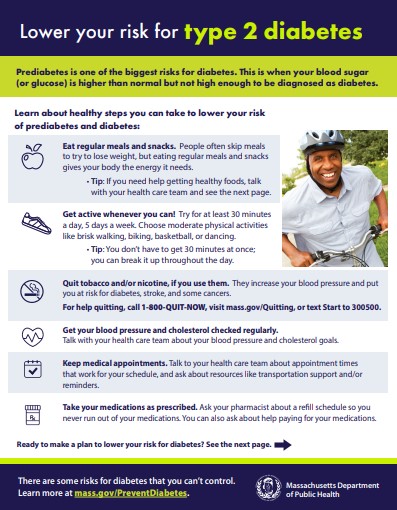
Image of diabetes fact sheet

New Product:
Lower Your Risk for Type 2 Diabetes


The Massachusetts Department of Public Health has a new fact sheet called,
Lower Your Risk for Type 2 Diabetes. 


The fact sheet provides steps to lower risk. It also includes a fillable form to create a risk reduction plan with a health care professional, which can be filled out electronically.


The fact sheet is available as a download-only product. Check it out!


Trainings and Resources


FREE online trainings on blood pressure, cholesterol management, and more

These trainings from DPH are designed for front line health providers. Also available is chronic disease training for community health workers. CEs are offered through APHA, and all registration fees are waived for MA professionals! Register today following these instructions:


FREE Materials from the MA Health Promotion Clearinghouse

DPH continues to produce and print materials on chronic diseases for community-based and health care settings. Materials are free to order and come in a variety of languages. See materials on:


Diabetes Network Member Spotlight


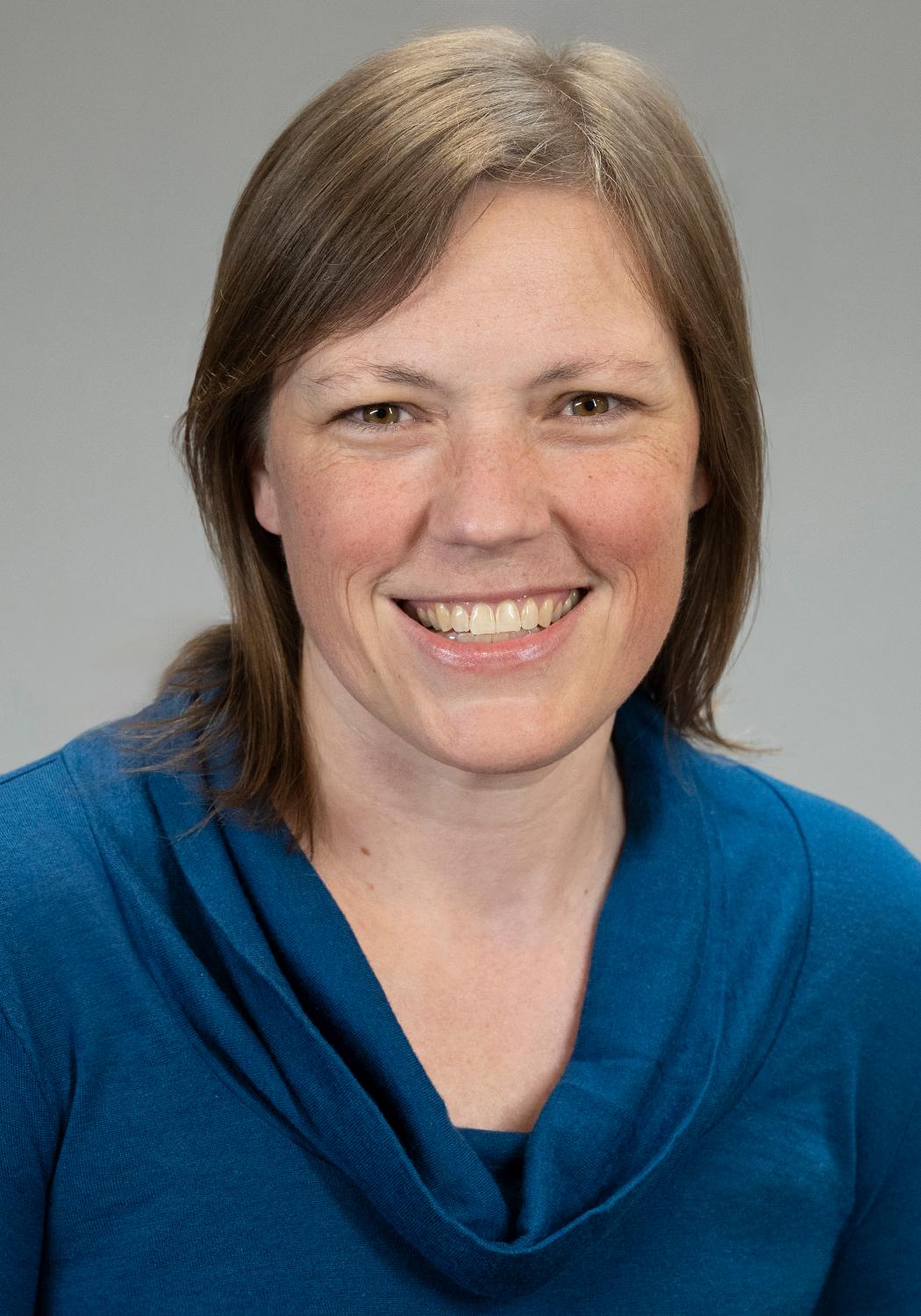
Rebecca Rick Longo, DNP, ACNP-BC, CDCES
Endocrinology Lead for Diabetes Care and Quality, 
Lahey Hospital and Medical Center

-

Assistant Professor of Medicine, 
UMass Chan-Lahey in the T.H. Chan School of Medicine

Can you describe your work?

I am a nurse practitioner leading the inpatient and outpatient diabetes programs at Lahey Hospital and Medical Center. At Lahey, I was fortunate to develop our inpatient diabetes program, including a transitional care clinic for higher-risk patients who need close follow-up to avoid emergency visits and hospitalizations. I support an amazing team of advanced practice providers (APPs) and established an APP fellowship in diabetes to train and mentor clinicians in specialized care. I am also involved in research on diabetes technology. Still, I find working directly with patients and supporting them through both complex medical episodes and routine diabetes care most rewarding.


How did you get into work related to diabetes?

I’ve lived with type 1 diabetes for over 40 years, which gives me a unique perspective on the challenges patients face every day. Early in my nursing career, I wanted nothing to do with diabetes, but I became frustrated by the gaps in how diabetes was understood and managed in health care. That experience ultimately led me to specialize in diabetes care.


As someone who lives with diabetes, can you think of an example of the ways you saw diabetes being misunderstood or mismanaged that led you to pivot into diabetes work?

I noticed how many health care professionals didn’t fully appreciate how unpredictable glucose fluctuations can be or the mental effort it takes to manage them. My colleagues would often say things like, “You have to eat lunch!” which is a well-meaning comment but really illustrates how misunderstood diabetes management can be.


How do you think your experience living with diabetes shapes the way your provide care?

I try to approach every individual the way I would like to be treated. It may sound simple, but it’s true. Too often, people are labeled as “noncompliant,” when the real issue is usually related to education, fear, limited resources, or the difficulty of managing diabetes. What we ask patients to do is HARD, but it is important. And occasionally, I’ll pass along some of the practical life hacks I’ve learned along the way.


What do you like most about your job?

I love being part of a diabetes care team and building relationships with my patients. Diabetes touches every part of a person’s life, and I feel fortunate to have the opportunity to help ease that burden and support patients in achieving the best possible care. I also truly value being part of a diabetes team. We review complex cases, brainstorm process improvements, and support one another as we celebrate successes and share frustrations along the way.


What guidance or “lessons learned” would you give other health professionals working in the diabetes space?

I think it is critical to recognize that everyone is trying their best. As I said earlier, individuals with diabetes are often labeled as “noncompliant,” but there are usually underlying social, emotional, financial, and other stressors that make diabetes care challenging. It is easy for diabetes to get deprioritized until more urgent issues arise. Even for the most resourced and diligent person, managing diabetes is complex and demanding.


Want to nominate a diabetes professional, organization, or project for this spotlight series? Please email Julie.Eisen@mass.gov.


Stay Connected!


Join Our LinkedIn Group

Network, share insights, and stay informed.