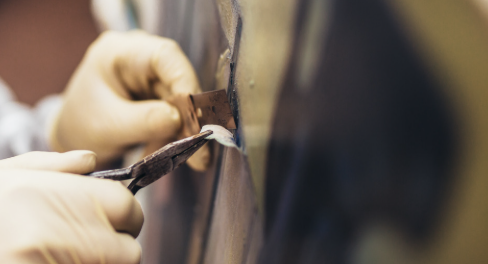
Do you need an appraiser or a conservator? How does condition affect value? | | |
We are delighted to collaborate with Preservation Arts for this fall edition and extend a special thank you to Robin Bernhard for sharing her expertise and perspective. Her contributions offer valuable insight into the role of conservation and the importance of a thoughtful, collaborative approach to collection care.
Every work of art tells a story, and preserving that story requires thoughtful care, informed decisions, and an understanding of the many factors that contribute to its significance. At Roth|Escher Art Group, we are committed to helping collectors and their trusted advisors navigate the complexities of art ownership. In this issue, we explore the important relationship between art conservation and appraisal, and how these two areas of expertise work together to help collectors protect their collections.
As always, we are grateful for the continued trust of our clients, colleagues, and professional partners. It is a privilege to support collectors and their advisors in caring for the objects that hold both personal and cultural significance.
Warmly,
The Roth|Escher Art Group Team
| | |
What does it mean to care for a work of art?
Two complementary perspectives
| | |
Caring for a work of art means more than keeping it looking its best. It means understanding its materials, history, condition, significance, and purpose. Conservation and appraisal bring different expertise to that task:
-
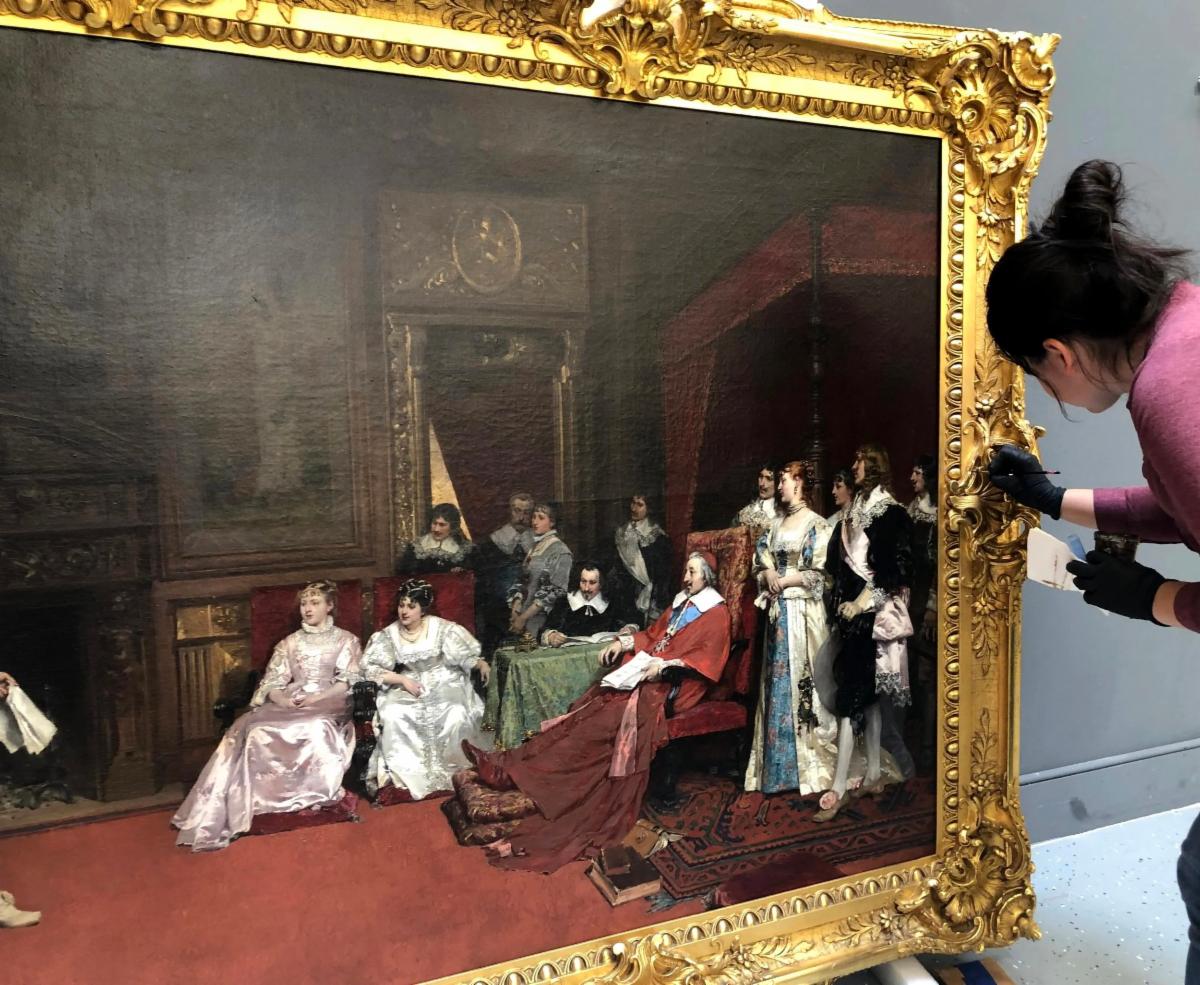
The conservator evaluates physical condition, deterioration, preservation needs, and appropriate treatment options.
-
The appraiser develops an independent, evidence-based opinion of value for a defined purpose, considering the relevant market and circumstances of the assignment.
Together, these perspectives can help owners make informed decisions about care, insurance, sale, donation, and estate planning.
| | |
Condition matters – but its effect
on value varies
| | Condition is one factor in an appraisal, not a value conclusion on its own. Its significance depends on the artwork, the nature and extent of the issue, and the market for that particular work. | |
Common condition concerns:
-
Paintings: flaking or lifting paint; losses, cracks, tears, punctures, or canvas distortion; surface grime; discolored or excessive varnish; previous repairs, overpainting, or extensive inpainting.
-
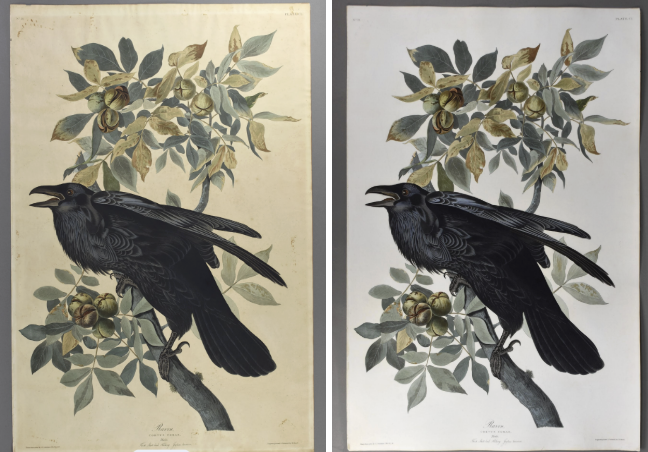
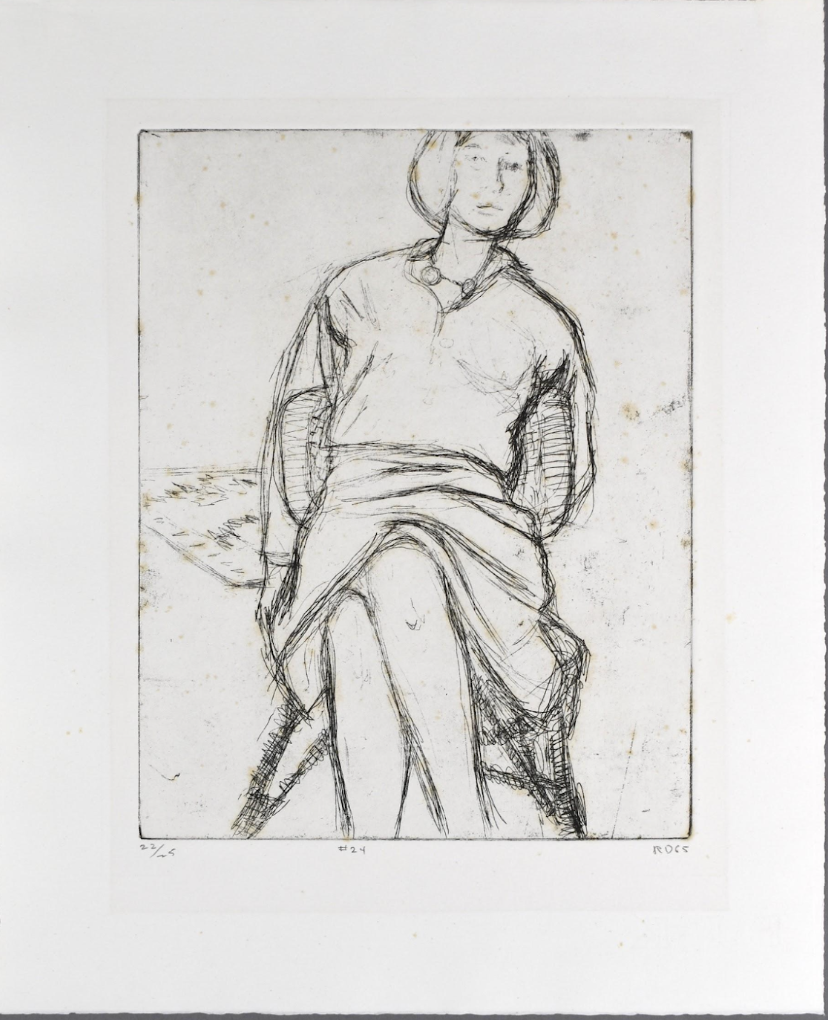
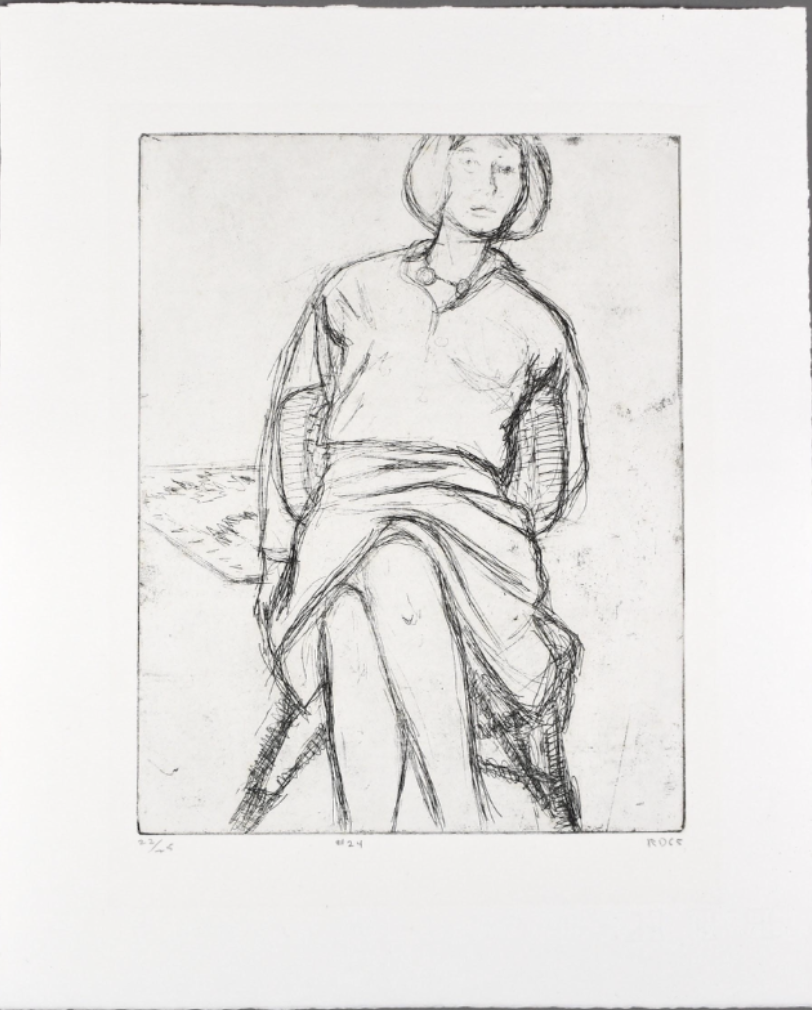
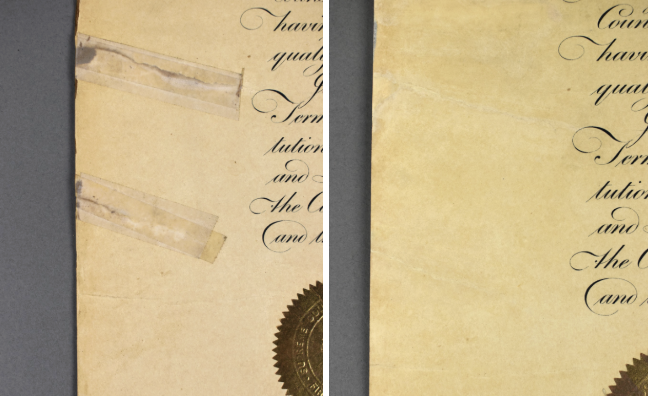
Works on paper: staining, discoloration, and foxing; folds, creases, tears, and losses; adhesive residue, tape, or unsuitable backing; fading from light exposure.
-
Sculpture and three-dimensional objects: chips, cracks, losses, corrosion, surface abrasion, unstable joins, previous repairs, or deteriorating finishes. Materials such as metal, stone, wood, ceramic, glass, and mixed media each present different needs.
| |
How condition may affect value:
- Stable signs of age or minor wear may have little effect, particularly for older works.
- Significant losses, structural instability, or extensive overpainting may reduce market appeal or raise questions for buyers.
- Discolored varnish or grime can obscure an artist’s palette and visual effects; a conservator can assess whether treatment is appropriate.
- Conservation may improve presentation or marketability, but it does not automatically increase monetary value - and treatment costs are not necessarily recovered.
| |
Common condition issues that can be
addressed in conservation treatment:
| | |
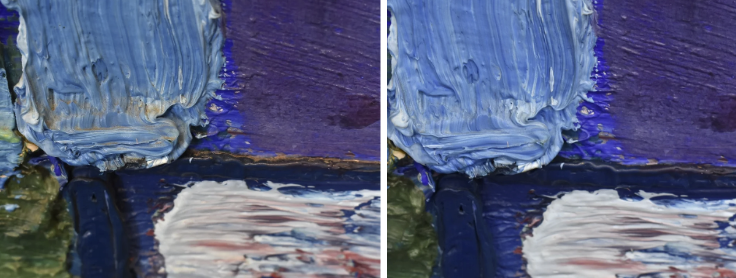
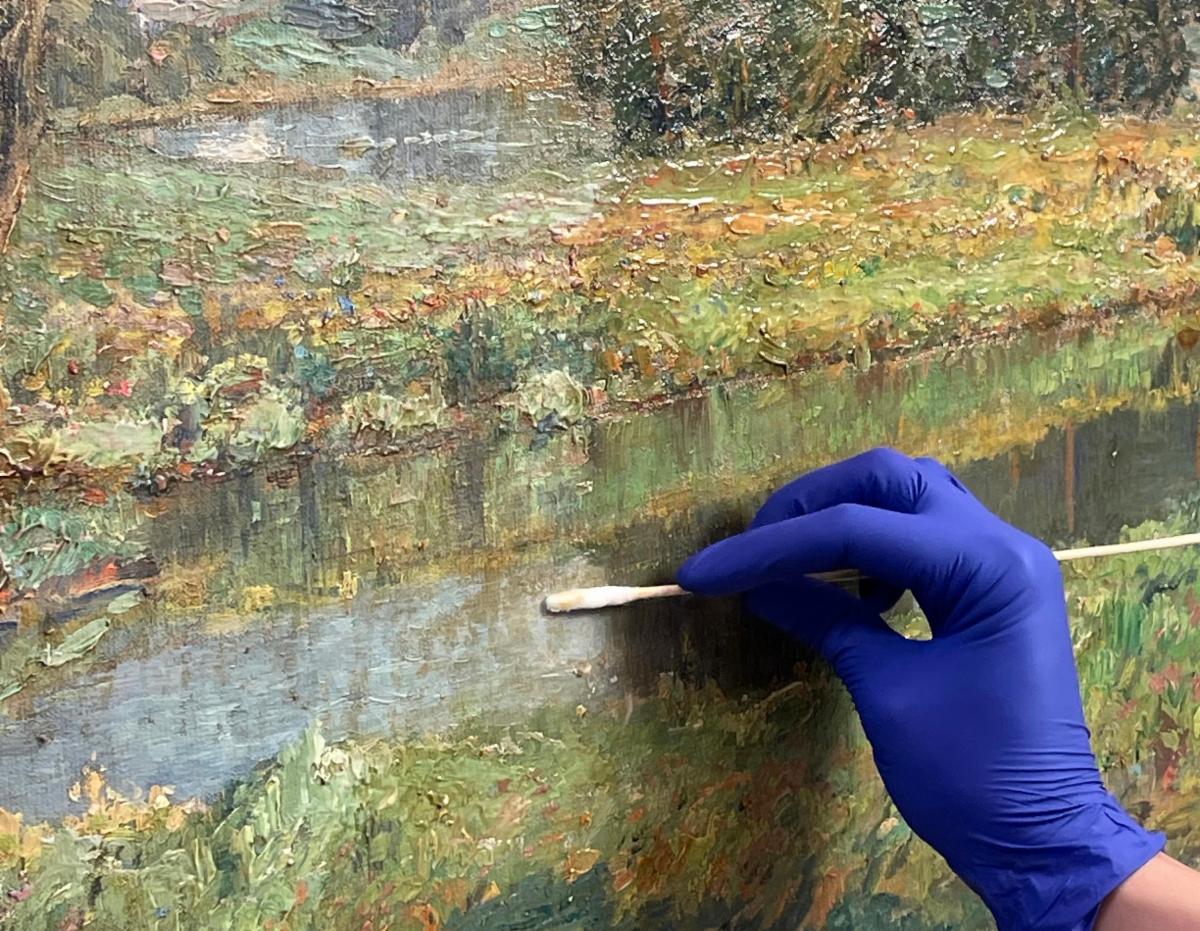
Heavy surface dirt accumulated on peaks of impasto:
| | |
Tear repair and integration of losses:
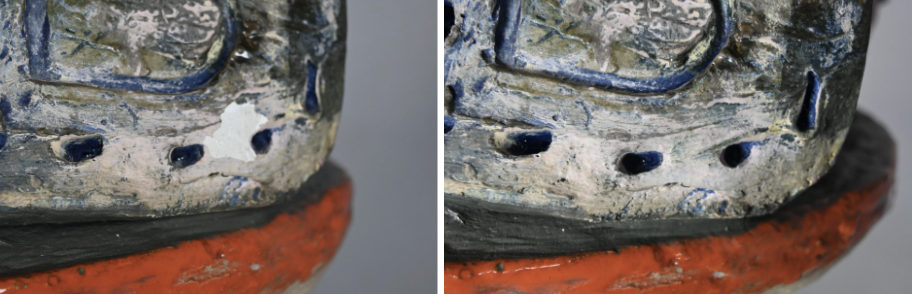
| | Chips and losses in ceramic surface that can be filled and inpainted: | | |
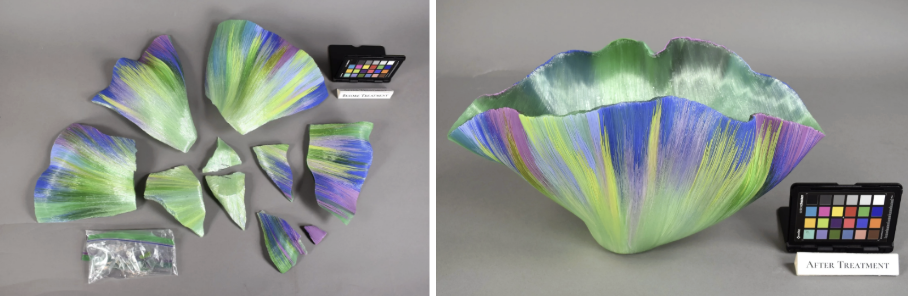
Reassembly of a glass object:
| | |
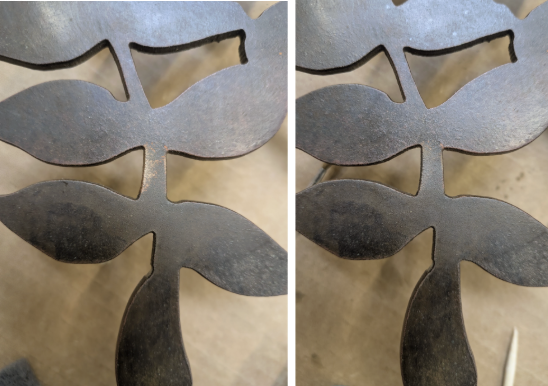
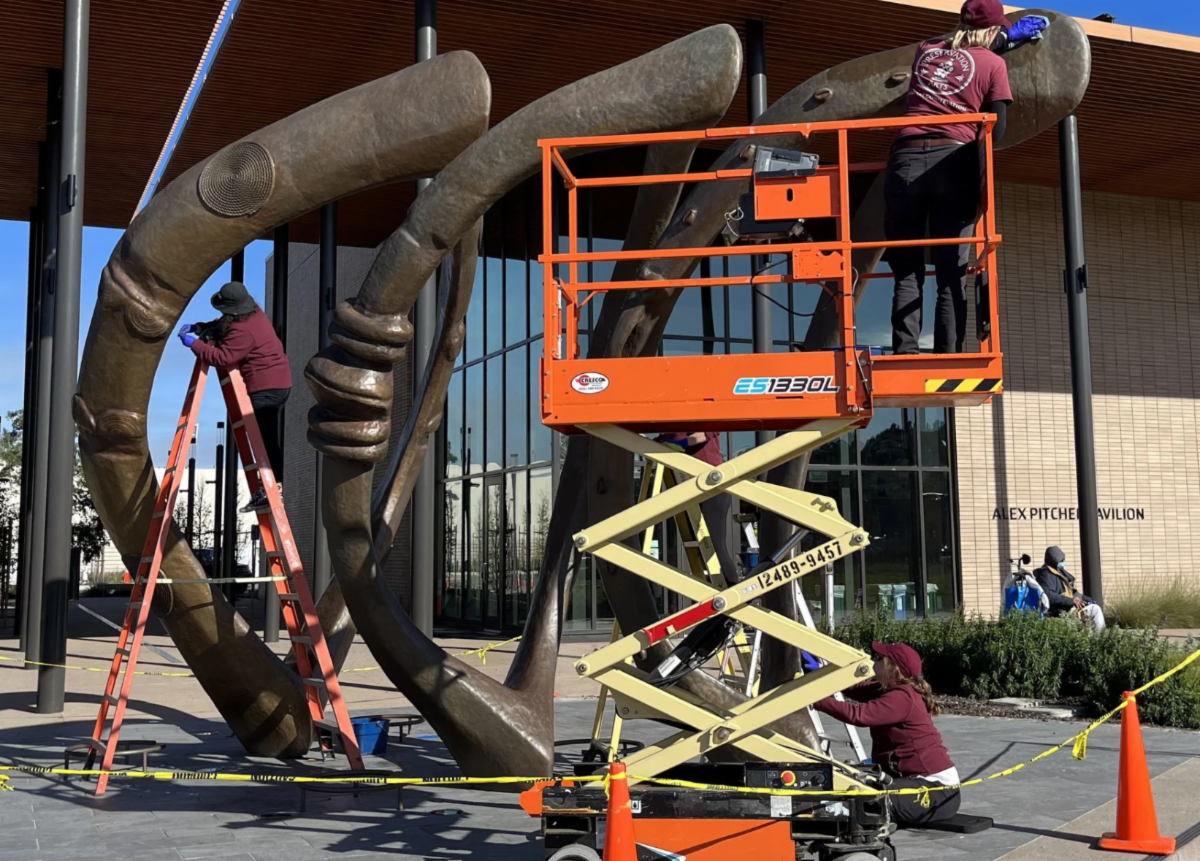
Patina loss and abrasion in bronze:
| | |
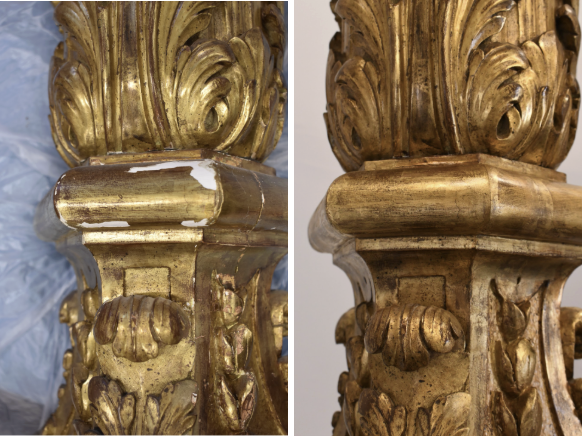
Losses to gilding surface:
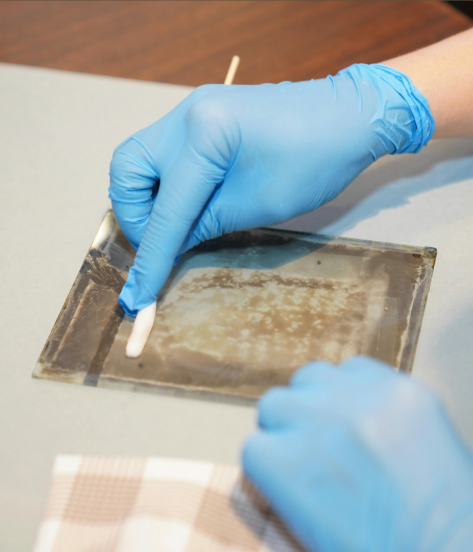
| | Discoloration and staining of paper: | | |
Tear repair and adhesive removal:
| |
How an appraiser approaches
condition and value
| | |
An appraiser considers condition alongside other factors, including:
- Authenticity and attribution
- Provenance and history
- Rarity, quality, size, and subject matter
- Artist reputation and market demand
- Comparable market transactions and the relevant value premise
An appraisal of an artwork in its current condition should not assume that recommended treatment has already occurred. The appraiser does not prescribe conservation treatment or promise a financial return from it. If treatment is being considered, the appraiser can help clarify the artwork’s current market position while the conservator assesses the condition, options, risks, and estimated costs.
| | Know which value you need | | |
An artwork does not have one universal monetary value. The conclusion depends on the appraisal’s purpose, the applicable definition of value, the relevant market, and the effective date.
-
Fair market value (FMV): commonly used for estate tax, divorce and charitable contribution appraisals or collateral.
-
Replacement Value: commonly used for insurance coverage; the cost of replacing an item with one of like kind and quality in the relevant market.
These value premises are not interchangeable. An appraisal prepared for one purpose may not answer the question posed by another.
| | Conservation: care, ethics, and prevention | | |
Conservation is not simply about making an object look new. It is about preserving the object while respecting its artistic integrity, materials, and history. Not every crack, discoloration, loss, or sign of age requires treatment; some changes are stable or inherent to the materials.
| |
- Minimal intervention: treat only when there is a sound reason to do so.
- Documentation: record condition and treatment so future caretakers understand what was done.
- Material compatibility: choose appropriate materials and methods for the object.
| |
- Future treatment: reversibility or safe re-treatment is an important consideration, although not every treatment can be completely reversed.
- Prevention: suitable lighting, stable environmental conditions, safe handling, appropriate storage, and periodic condition checks can reduce the need for invasive treatment.
| | Repairing an existing problem is different from preventing one. Sometimes the most effective conservation strategy is a change in storage, display, or handling—not physical treatment. | | |
Case Study:
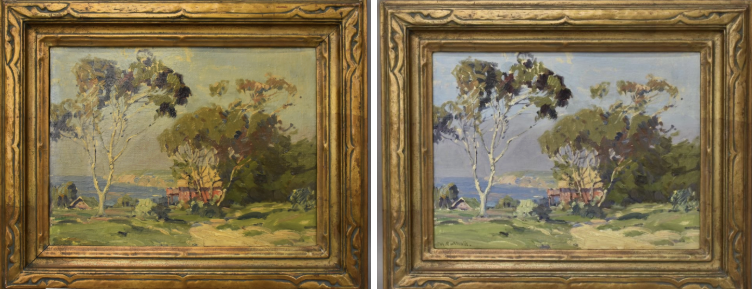
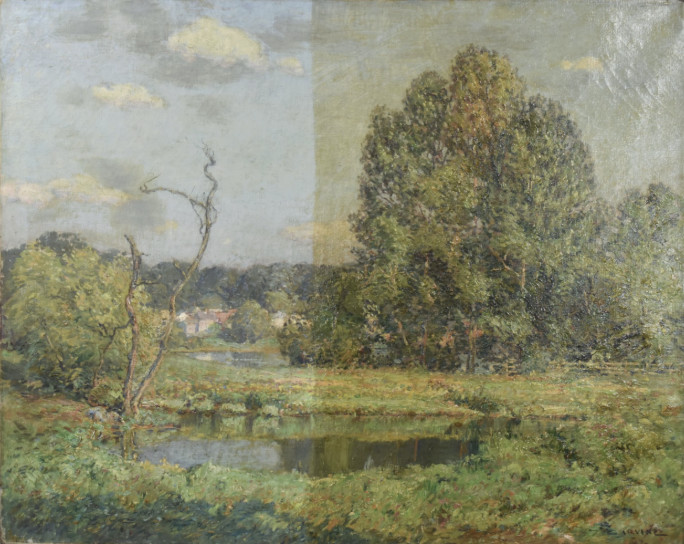
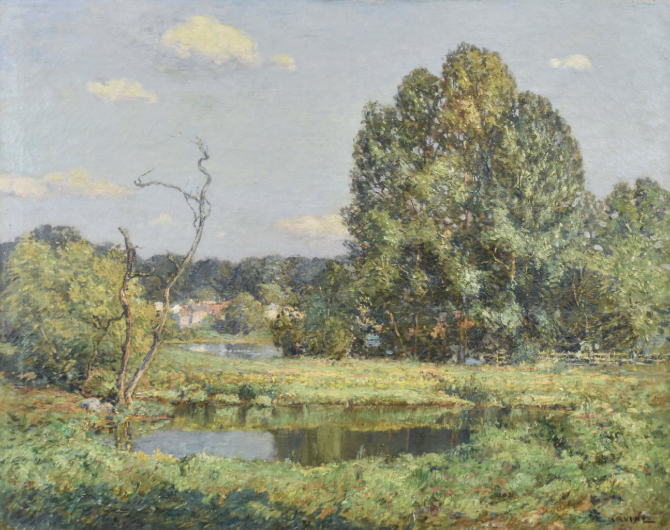
Wilson Irvine, In Early Autumn, 1912
| | |
A careful conservation treatment helped reveal qualities that had been obscured by thick, discolored varnish and previous overpaint. The process was adjusted to address different surface conditions and included:
- Overall dry cleaning, followed by aqueous cleaning and varnish removal using solvents and solvent gels
- Addressing areas of previous overpaint as the varnish was removed
- Filling losses and inpainting small areas where necessary
- Applying a final conservation-grade varnish
- Cleaning and making minor repairs to the original frame
With the obscuring varnish removed and the surface stabilized, Irvine’s nuanced palette, luminous effects, and atmospheric qualities became more apparent.
What this means for value. From an appraisal perspective, improved presentation can help collectors and prospective buyers better appreciate an artwork’s qualities. The impact on monetary value, however, depends on the work, the treatment, and the relevant market; a visual transformation does not guarantee a corresponding increase in value.
| | |
During varnish removal:
Wilson Irvine, In Early Autumn, 1912, oil on canvas
| | After varnish removal: The painting’s original color relationships and luminous qualities become more apparent following treatment. | | When Restoration goes too far | | |
Over-restoration can compromise an artwork’s integrity and may affect how it is regarded in the market. Potential concerns include:
- Excessive cleaning that alters original surfaces or removes important material
- Overpainting or inpainting that extends beyond what is needed to reintegrate losses
- Replacing original components unnecessarily
- Treatment that makes an object look newer but diminishes evidence of its history
A qualified conservator weighs the benefits and risks of treatment and documents the work. Owners should understand the proposed approach before authorizing significant intervention.
| | Who should you call – and when? | |
Contact an appraiser when you need to:
- Establish current values for insurance coverage or a scheduled collection
- Determine FMV for estate planning, estate tax, charitable contribution, or another applicable purpose
- Understand financial considerations when selling, donating, or dividing a collection
- Review whether existing valuations remain appropriate as markets change
- Obtain an independent opinion when condition, attribution, provenance, or marketability raises questions
|
Contact a conservator when you need to:
- Assess damage, deterioration, or structural instability
- Understand previous restoration or determine whether treatment is appropriate
- Evaluate treatment options, risks, feasibility, and estimated cost
- Prepare an artwork for safe transport, display, storage, or a museum loan
- Develop a preventive-care plan or obtain a condition report
|
Consult both when:
- Significant damage or previous restoration may affect value
- You are considering conservation before a sale
- An estate, donation, or insurance matter involves substantial condition concerns
- You need to weigh potential treatment benefits against cost
| | Sentimental value vs. monetary value: when an object means everything | | |
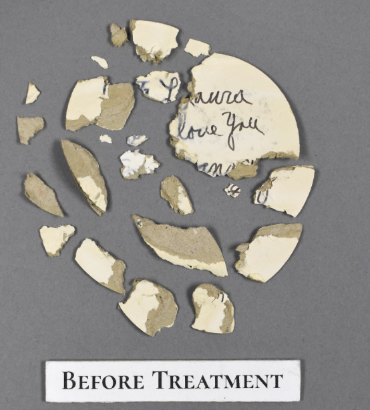
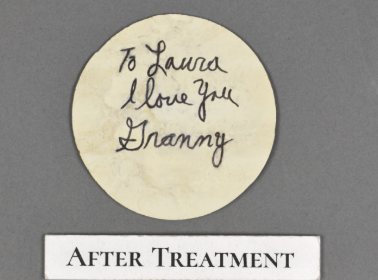
A client once brought a conservator a small keepsake from her grandmother: laminated cardboard and thin paper bearing the handwritten message, “To Laura, I love you, Granny.” The family dog had chewed it into pieces, which arrived at the conservation studio in a plastic bag.
The token may have had little monetary value, but its personal meaning was immeasurable. For the conservator, the work was about preserving a tangible connection to a cherished family relationship—not simply repairing damaged material.
The distinction: An appraiser can assess monetary value using factors such as maker, provenance, rarity, condition, and comparable sales. Sentimental value is personal and cannot be reliably measured in dollars. Neither diminishes the other: an object with little resale value may still be one of a family’s most precious possessions.
| | Common Collection Care Mistakes | | Even well-intentioned decisions can put artworks and collections at risk. | | | | |
From an appraiser's perspective:
- Treating purchase price, insurance Replacement Value, and FMV as interchangeable
- Relying on outdated appraisals without checking whether the values and purpose remain appropriate
- Assuming an insurance schedule automatically reflects current holdings, descriptions, and replacement values
- Paying for treatment before considering the artwork’s current market position and the likely costs and benefits
| | |
From a conservator's perspective:
- Cleaning or repairing artwork with household products or untested methods
- Underestimating the cumulative effects of light, humidity fluctuations, poor storage, and improper handling
- Overcleaning gilded frames or delicate surfaces
- Moving or packing fragile works without assessing stability and support needs
| | | |
Your annual collection-care checkup
- Review your inventory and insurance coverage; confirm descriptions and photographs are accurate.
- Check appraisal dates and confirm that each valuation addresses the appropriate purpose.
- Update photographs and condition records after a move, treatment, or noticeable change.
- Look for new cracks, lifting paint, tears, stains, corrosion, or structural changes.
- Review display and storage conditions, including sunlight, heat, moisture, and environmental fluctuations.
- Avoid untested cleaning methods, especially on delicate surfaces, works on paper, and gilded frames.
- Consult a qualified conservator when professional cleaning, maintenance, or treatment may be needed.
The goal is not to intervene unnecessarily. It is to understand a collection’s condition and respond thoughtfully before small issues become more serious.
| | Questions collectors often ask | | |
What condition issue is often overlooked?
Appraisers often see owners relying on outdated values or assuming an insurance schedule reflects current holdings. Conservators emphasize the cumulative effects of environmental conditions, previous restoration, and improper handling. Regular reviews can help prevent misunderstandings and identify developing problems.
| |
Should you conserve an artwork before having it appraised?
Not necessarily. If the goal is to appraise the work in its current condition, treatment beforehand may be unnecessary and could obscure its pre-treatment state. If the work is unstable or condition concerns may affect a sale or other decision, consult a conservator. Documenting condition before treatment is especially useful.
| |
Can conservation increase an artwork’s value?
Treatment can improve presentation and may support marketability, but an increase in monetary value is not guaranteed. Results depend on the artwork, condition issue, treatment, and relevant market; treatment costs are not automatically recovered.
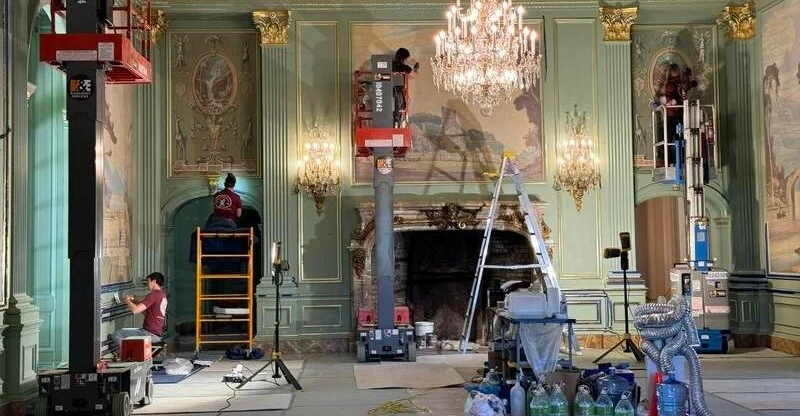
| | A collaborative approach to caring for collections | | Conservation and appraisal serve different purposes, but both help owners understand and care for the objects entrusted to them. A conservator evaluates physical condition and preservation options; an appraiser evaluates monetary value in the context of the relevant market and purpose. Together, they can help owners make informed decisions that respect an artwork’s integrity and support its long-term care. | A huge thank you to Robin Bernhard of Preservation Arts for sharing her expertise and collaborating with us | | |
Preservation Arts, founded by Rowan Geiger, is a leading art conservation studio providing museum-quality care for paintings, works on paper, objects, and outdoor sculpture. With a team of 19 specialists, the company partners with public and private collections to deliver expert conservation treatments, collections management, art services, and emergency response. As the largest private art conservation facility on the West Coast, Preservation Arts brings together specialized expertise and a collaborative approach to preserving and protecting art and cultural heritage.
Preservation Arts’ leadership includes Vice President Robin Bernhard, who brings more than 30 years of experience in collections care, conservation, and cultural institution management. Her expertise reinforces the company’s commitment to thoughtful stewardship, responsive client service, and long-term preservation of significant collections.
| | Thank you for your support and partnership. Please visit our website for more information or to request a consult. | | Roth | Escher Art Group | 925-299-6850; 310-633-5047 | P.O. Box 545 Lafayette, CA 94549 | Website | | | | |