With lightbulbs, like a lot of things in life, we may just stick with something familiar – and with a smaller price tag. If you haven’t made the full switch to LED lightbulbs it is time.
- Incandescent bulbs - These are the old-fashioned, “typical” bulbs that many of us grew up with. They’re not very energy-efficient and they don’t last long.
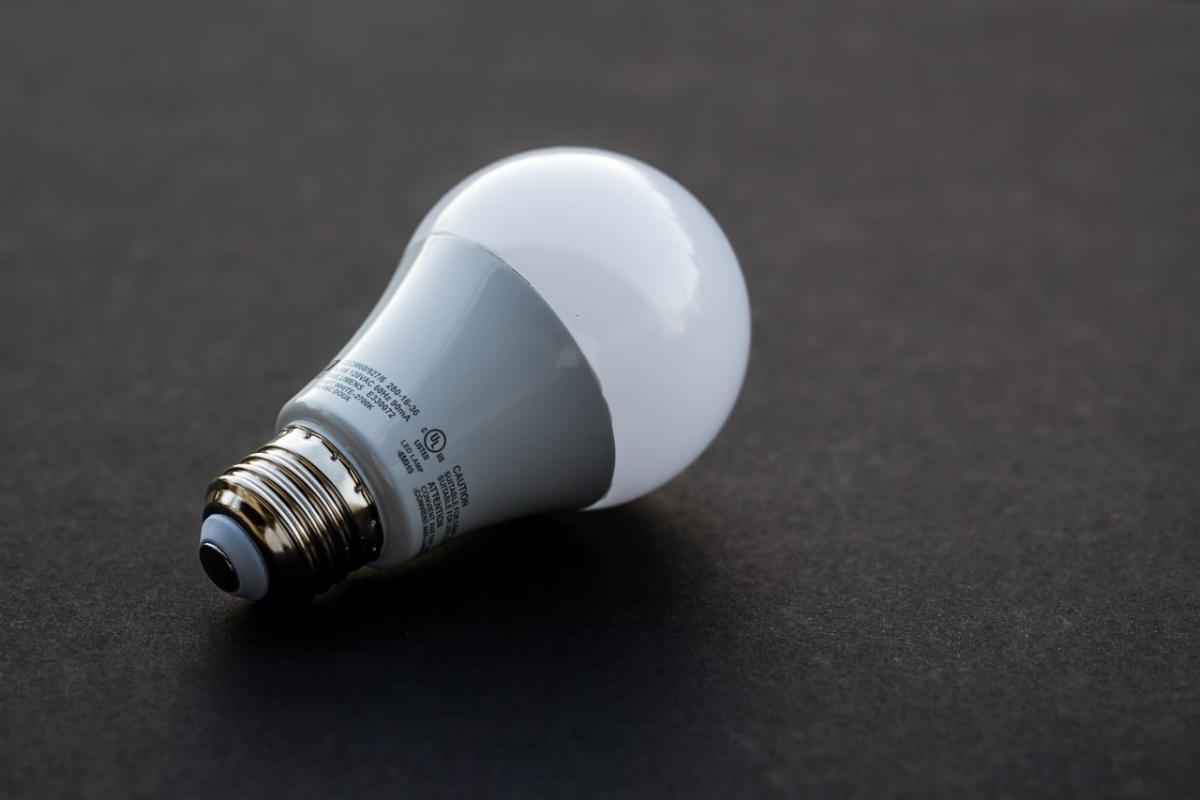
- LEDs (light-emitting diode) - LED bulbs are very energy-efficient but still maintain the look and feel of an incandescent bulb.
When we talk about a “regular lightbulb,” we mean an incandescent bulb, the type that’s been around since Thomas Edison patented his invention in 1879. These bulbs have filaments that glow, producing both heat and light when energy flows through them. LEDs, on the other hand, have electrons that flow to create photons – light we can see. Photons generate almost no heat allowing them to be left on for many hours without fear of getting burned or fires. LEDs also require much less energy to create the same amount of brightness as incandescent lights, and last much longer.
LEDs use much less energy than incandescent bulbs because diode light is much more efficient, power-wise, than filament light. LED bulbs use more than 75% less energy than incandescent lighting. At low power levels, the difference is even larger. Bright LED flood lamps use only 11 to 12 watts while creating a light output comparable to a 50-watt incandescent bulb.
But don’t LEDs cost more? The costs have been coming down, and now it’s becoming harder to find bulbs that aren’t LEDs. That’s because they’re so much more efficient than incandescent bulbs that they save money in the long term.
The average American home has around 40 lightbulbs. Replacing all of those incandescent bulbs with LEDs could result in savings of $300 a year on energy costs That more than makes up for the slightly higher upfront cost of LEDs.
Since LEDs do not contain mercury and other toxic materials commonly found in other types of bulbs, LEDs can be recycled - making them earth-friendly.
Another advantage of LEDs is the “hassle factor.” Manufacturers say an LED lasts for approximately 10 years, or 100,000 hours of continuous use. Saving you money and from having to keep pulling out the ladder.