Click Here If You Cannot View Entire Newsletter

 
321506_p1.png


Returning to the Wholeness of Taoist Learning

By Dr. Mao Shing Ni

This year marks 50 Years of Healing in America—1976 to 2026. As we look back over half a century, it is also an opportunity to reflect on what our tradition has preserved, how it has evolved, and where it may be going next.


When people encounter Taoism today, they often enter through a single doorway. Some discover the Tao Te Ching or Chuang Tzu. Others begin with Tai Chi or Qigong, meditation, the I Ching, Feng Shui, astrology, or Chinese medicine.


These may appear to be separate disciplines, but they grew from the same understanding of life.


At the College of Tao, this broad field of knowledge is organized into the Eight Pillars: Taoist Philosophy, Contemplation, Jing (vital essence) cultivation, Spiritual Arts, Nutrition, Healing Arts, Qi Cultivation and Forecasting. Each offers a different way to understand ourselves, nature and the subtle universal laws operating through life.


Eight Doorways Into One Tao


Taoist Philosophy provides the foundation through classics such as the Tao Te Ching, Chuang Tzu and I Ching. They teach us to recognize Yin and Yang, change, balance, simplicity, wu wei and the natural patterns underlying existence.


But Taoism was never meant to remain an intellectual study. We must experience what we learn.


Through Qi Cultivation, practices such as Qigong, Tai Chi, Dao-In and Bagua allow these principles to become embodied. We learn to feel Qi, experience Yin and Yang within ourselves and become more sensitive to our relationship with nature.


The Spiritual Arts deepen this cultivation through meditation, invocation, energetic practices and the Advanced Traditional Practice, or ATP, a long-term path of spiritual development transmitted through our Integral Way tradition. Practices such as the Gratitude and Renewal Meditation cultivate the heart and help us recognize our relationship with Heaven and Earth, our ancestors, teachers, nature and the many visible and invisible forces supporting life.


The Contemplative Arts—including poetry, calligraphy, music, painting and gardening—develop attention, sensitivity and presence. Jing Cultivation teaches the responsible cultivation and conservation of reproductive vitality.


Nutrition explores food as both substance and energy—considering constitution, season, climate and preparation as part of maintaining harmony.


Forecasting, through the I Ching, Feng Shui, astrology, Five Element psychology and related disciplines, trains us to recognize cycles, timing and patterns of change so that we may respond more wisely to changing circumstances.


And the Healing Arts encompass acupuncture, herbal medicine, Tuina, medical Qigong, energy healing and the larger body of knowledge we now call Traditional Chinese Medicine.


Why study such a wide range of subjects? Because each develops a different faculty of perception.


One teaches us to observe change. Another teaches us to feel Qi. Another reveals patterns within the body. Another develops awareness of timing and environment. Another quiets the mind.


Over time, the disciplines begin to converge. We discover that the Yin and Yang of the I Ching are the same forces operating within the body. The Five Elements used in medicine are also expressed through seasons, foods, emotions and nature. Principles encountered in the Tao Te Ching become something we can actually experience through Tai Chi and meditation.


This is how knowledge gradually matures into wisdom.


The purpose of studying the Eight Pillars is not simply to become knowledgeable in eight different subjects. Through studying the whole, we begin to perceive the relationships between them and gain insight into the mysteries—the subtle universal laws beneath visible life.


Fifty Years of Healing in America


Our family’s history in America reflects this larger journey.


In 1976, our father, Hua-Ching Ni arrived in the United States, bringing with him a living Taoist tradition—the College of Tao—transmitted through generations of our family. He taught Taoist philosophy, meditation and cultivation while also practicing the healing arts. Students came to learn, and patients came to heal. The two belonged together.


As my brother, Dr. Daoshing Ni, and I became more involved during the 1980s, the healing practice continued to grow. We also recognized the need for a formal institution capable of educating future generations of professional practitioners of Chinese medicine. So in 1989, we founded Yo San University of Traditional Chinese Medicine.


The Healing Arts, one of the Eight Pillars, now had a dedicated institution where acupuncture and Chinese medicine could be taught within the requirements of modern professional education.


Meanwhile, the College of Tao continued carrying the broader teachings of Taoist philosophy, meditation, spiritual practice, nutrition, forecasting and self-cultivation.


For practical reasons, what had traditionally existed together developed into two institutions, yet both grew from the same root.


Bringing the Two Branches Together Again


Now, as we commemorate 50 Years of Healing in America, efforts are underway to make College of Tao courses and teachings increasingly accessible to the Yo San University community and to bring these two branches of our tradition closer together again.


I believe this is especially important for the future of Chinese medicine. A student can master acupuncture points, herbal formulas, diagnosis and clinical techniques. All are essential. Yet ultimately, the medicine is only as good as the practitioner delivering it. The practitioner is part of the medicine.


Our presence enters the treatment room. Our state of mind, Qi, intention, compassion, clarity and ability to listen influence the therapeutic encounter. This is why Taoist physicians traditionally cultivated themselves.


Before attempting to regulate another person’s Qi, we learn to regulate our own. Before helping another person restore balance, we continually cultivate balance within ourselves. To perceive increasingly subtle patterns in a patient, we must refine our own powers of observation.


Without spiritual cultivation, it is difficult for a healer to reach his or her full potential.


Completing the Circle


Fifty years after our father arrived in America, perhaps we are completing another circle.


The College of Tao and Yo San University followed different paths because each had a particular responsibility. One preserved the broader landscape of Taoist cultivation and the other carried the Healing Arts into professional education. Now we have an opportunity to reconnect them.


One person may enter Tao through Tai Chi, another through acupuncture, meditation, nutrition, Feng Shui, the I Ching or the Tao Te Ching. The doorway matters less than whether we continue exploring. As our understanding deepens, the boundaries between the disciplines begin to disappear. Everything connects.


Perhaps this is the greatest lesson of the Eight Pillars: we study the many so that eventually we may understand the whole.


After fifty years of planting these teachings in American soil, our responsibility is to nourish what has taken root, reconnect its branches and pass this living tradition forward to the generations that follow.


The Tao is one, yet the doorways are many.

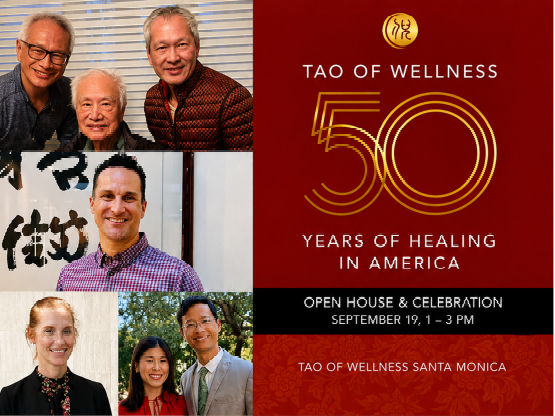
Join Us to Celebrate 50 Years of Healing in America


As we commemorate this extraordinary milestone, we warmly invite you to join our family, practitioners, teachers, students, patients and friends for the Tao of Wellness 50th Anniversary Celebration & Open House.


Come experience the living history of our journey from China to Taiwan to America, meet three generations of the Ni family, explore Taoist and Chinese healing traditions, enjoy demonstrations and mini wellness experiences, visit our history walk, and celebrate the community that has made these past fifty years possible.


Saturday, September 19, 2026

1:00 – 3:00 PM

Tao of Wellness, Santa Monica


This is more than an anniversary celebration. It is an opportunity to honor those who came before us, give thanks to everyone who has walked this path with us, and look forward together to the next chapter.


We hope you will join us as we celebrate 50 years

and the generations yet to come.


RSVP: officeadmin@taoofwellness.com


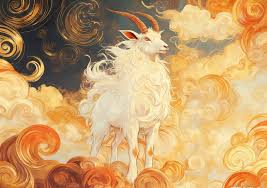
2027 Year of the Fire Goat


Save these dates!


College of Tao and Yo San University

invite you to join us to Celebrate Chinese New Year of the Fire Goat/Sheep/Ram.


Days of Qi at Yo San University


February 5 - 7, 2027

Friday 5:00 pm - Sunday 2:00 pm PT


Learn self-healing practices and remedies.


2027 Annual Retreat at Yo San University

undefined


Awakening the Inner Light


Returning to Your Original Nature Through Taoist Cultivation


April 17 - 20, 2027


Registration for Session III is now open to all, including those who did not attend Sessions I and II. Begins September 2. Please join us. 


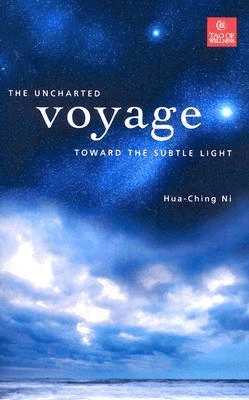
Uncharted Voyage Toward the Subtle Light

by Ni, Hua Ching


Online Study Group 2026 - 2027


This book is a written record of a series of gatherings of spiritual beings and the principle teacher, the Great One of the

Great Path of One Truth. 


Further information, enrollment and payment here.


               The Zoom link will be emailed to each participant after registration is complete.


Class facilitator: Peter Stege, COT Mentor pstege@hotmail.com 


“ A great mind carefully chooses what to feed itself.” UV, p. 421


Eight Treasures Qi Gong

with Edward Sullivan


Mondays

5:00 pm - 6:00 pm PT

September 14 - November 16


Note:

Zoom classes will be recorded.

All registrants will receive

a link after each class.

 Releases tension • Stimulates vitality • Promotes self-healing

Clears stagnation • Strengthens the immune system

 Assists in uplifting and balancing mind and emotions

 Helps to increase spiritual awareness

$59


Complimentary Zoom Offerings

from the College of Tao Community

Open to All

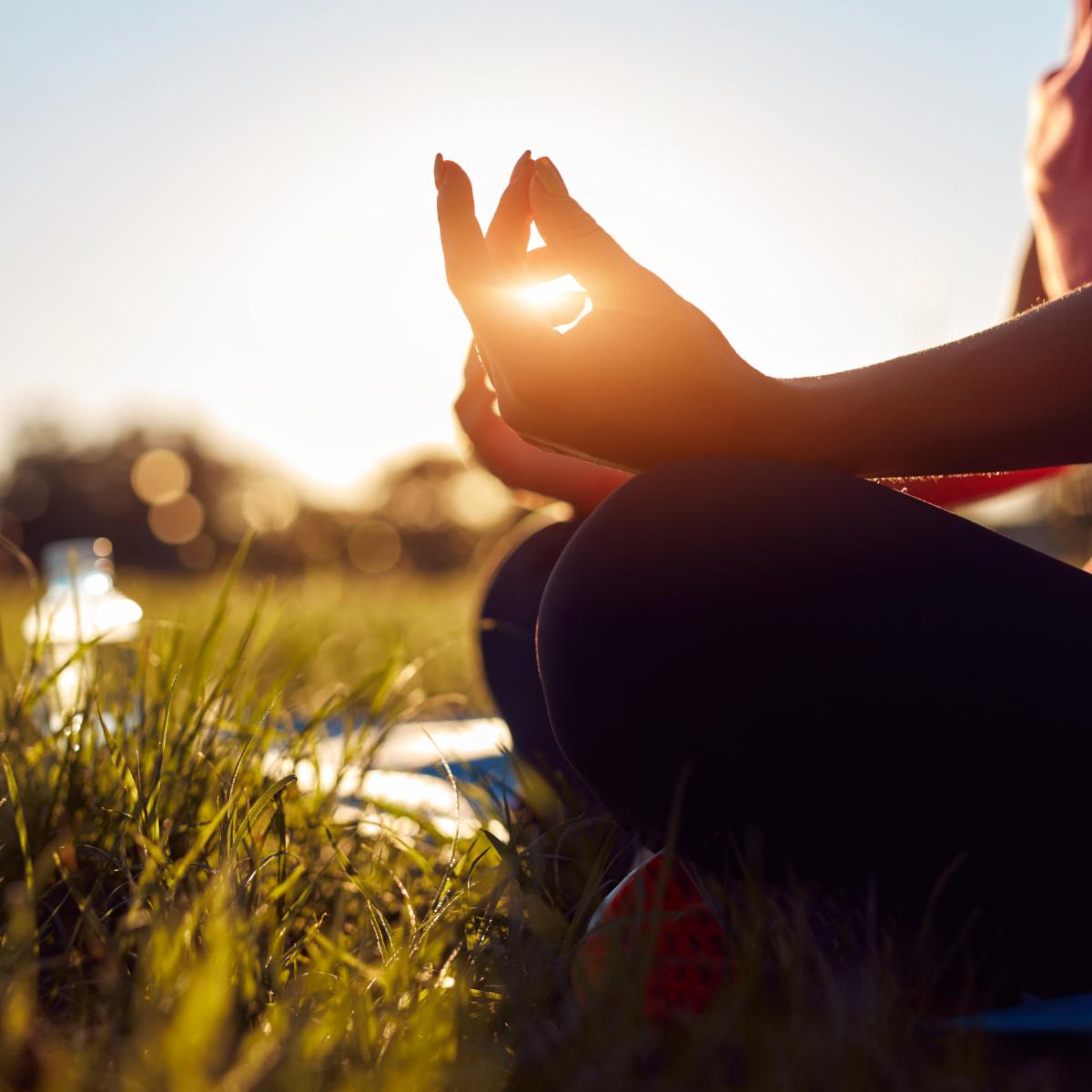
Young woman exercising on a sports yoga mat on the grass in a park during summertime sunset time.

Sundays

• Spiritual Renewal Ceremony

Zoom link

• Taoist Meditations

itmiteachingassociation@gmail.com


Mondays

• Taoist Meditations

itmiteachingassociation@gmail.com


1st Wednesdays

• Lao Tzu Study Group

amira.cultivating.harmony@gmail.com


3rd Thursday

• Tao of Life Tele-Study Group

with Dr. Dao

Zoom Link


Complimentary

Taoist Meditation Offering


Daily meditation is highly recommended by doctors for your health, by employers for your productivity, creativity, and ingenuity, and by spiritual teachers who know world peace begins with peace within yourself. 


The International Taoist Meditation Institute (ITMI) serves to sustain and share the ancient meditation practices passed down through the ages in the Integral Way Taoist tradition. 


ITMI's Teaching Association offers complimentary meditations via Zoom, led by Certified Guides on Sundays at 11:00 am PT & on the 4th Sunday of the month - 3:00 am PT & Mondays at 4:00 pm PT.  Please join us. 


International College of Tao

Affiliated Centers & Classes


Europe • Russia • Australia

Malaysia


United States College of Tao

Affiliated Centers & Classes


Oregon • Los Angeles • Texas

Washington • Sacramento


The Tao Guan (Spiritual Retreat)


A Tao Guan is a place, though it literally means to observe your life objectively. ...Positive endeavors can originate in and flourish from the spiritual nurturing found in a Tao Guan. ...always centered around a shrine, it invites harmonious interchange with natural spirits and deities. It also gives recognition to such human qualities as morality, decency, sanity, independence, mellowness, love of nature, universal love and other positive virtues.


Edited from Workbook for Spiritual Development, Hua-Ching Ni, p 244

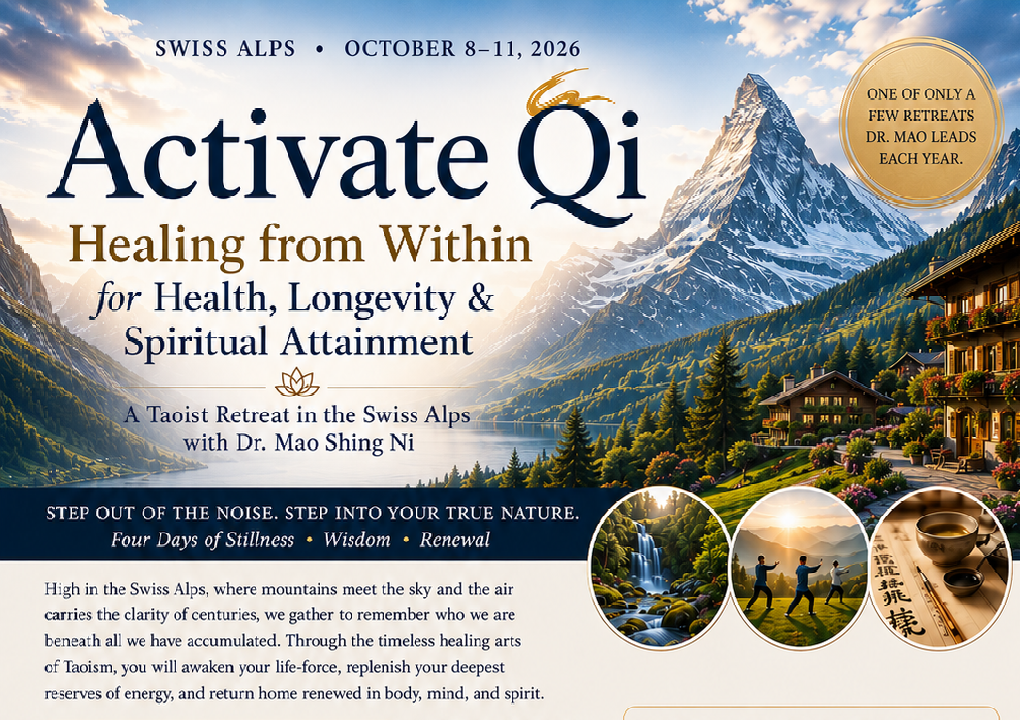
Live Pre-Retreat • October 7 - 8, 2026

Eight Treasures & Qigong Intensive

at Hotel Balance, Valais, Switzerland


Info & Registration


Yo San University

Offerings


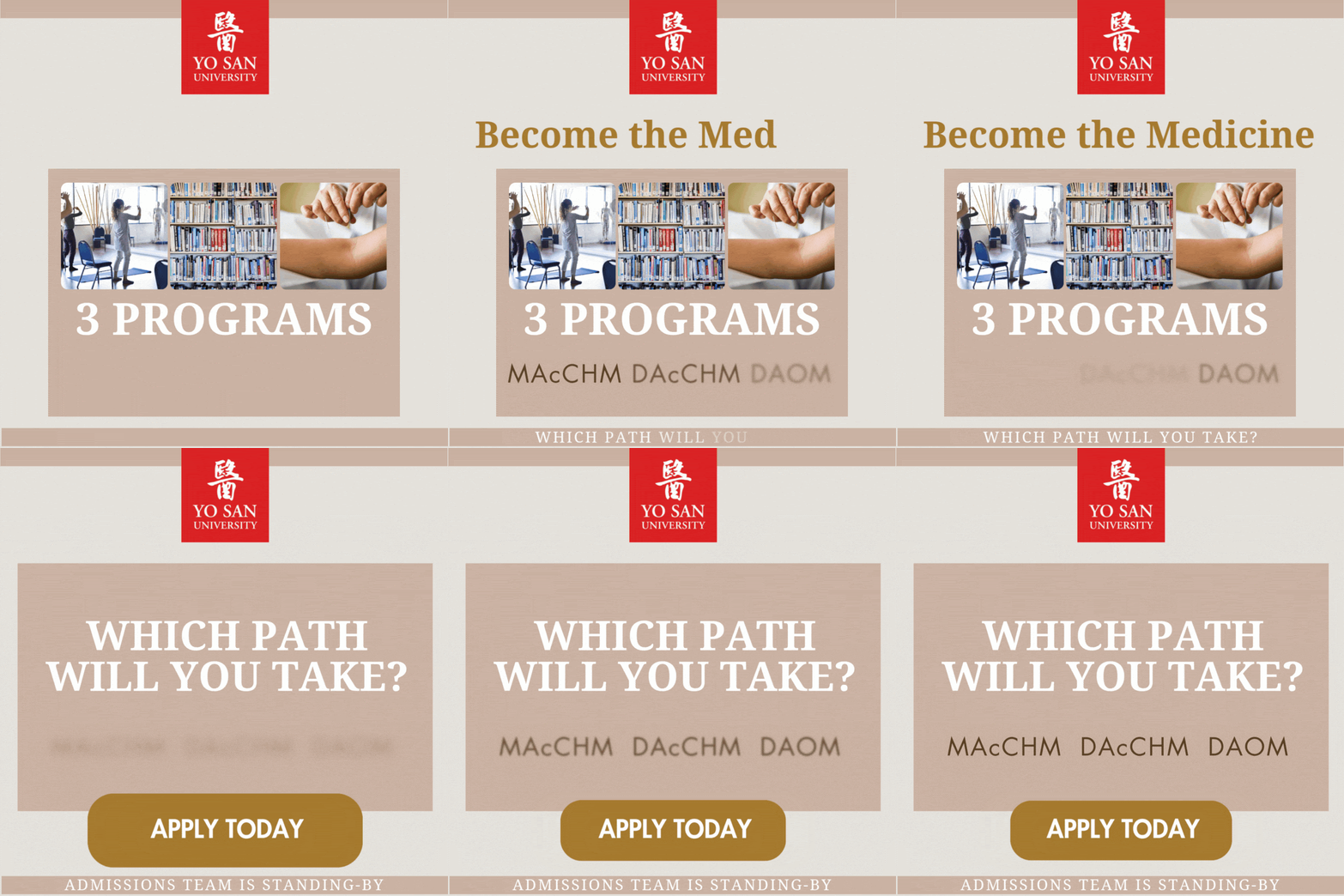
DOAM • DACcHM • MACcHM

2027 SPRING SESSION

NOW ACCEPTING APPLICATIONS


2026 YSU Graduates - Enroll Now & Receive 30% Off DAOM Tuition!

All YSU Alumni Receive 15% Off Tuition

Doctor of Acupuncture (DAcCHM) & Completion Module

For acupuncturists with an MAcCHM degree

Advance your career with Yo San University's Online Doctor of Acupuncture (DAcCHM) and the DAc Completion Track. 

Transformative programs designed for practitioners with an MAcCHM degree.

1-Year Completion Module DAc (for anyone with a MAcCHM degree) 

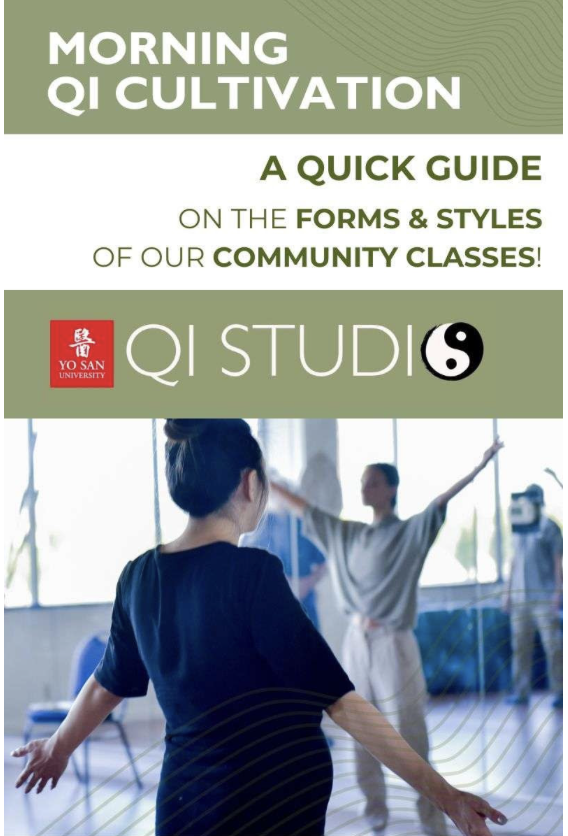
Qi Studio provides morning qi cultivation classes to the community.

Weekly Morning Sessions

Monday • 8–9 AM

Dao-Yin Yoga

Snohomish Brown

Tuesday • 8–9 AM

 Self-Healing Qigong

Elisa Halma

Wednesday • 8–9 AM

18-Step Harmony Tai Chi

Chris Me’aly Mudarri

Thursday • 8–9 AM

 Self-Healing Qigong

Trenton Kershner

Through gentle movements, breathing exercises, and meditation, practitioners can improve their physical, mental, and emotional well-being.


New CEU Classes every month!


Quietly and skillfully working behind the scenes, Lindsay Montague has been redesigning the College of Tao website alongside Curt Callison, who has generously maintained our online campus for many years. If you haven't seen the upgrade yet, take a look here!!


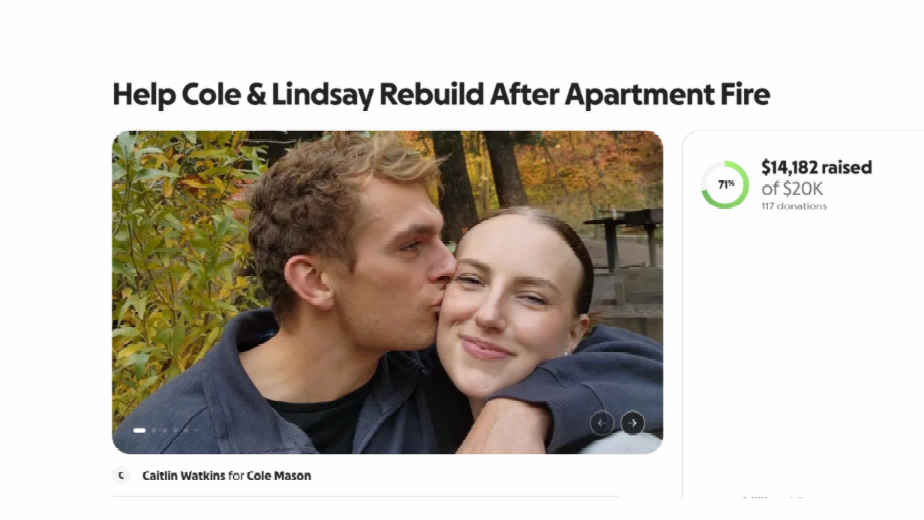
On July 31, Lindsay and her boyfriend, Cole Mason, experienced a sudden and devastating loss when a fire destroyed their apartment, leaving them with only the clothes they were wearing. Cole is the son of Marc Mason, Director of the College of Tao, and Wendi Mason. Please click the button below to read their story and, if you're able, make a donation to help them begin rebuilding their lives. Thank you for your kindness and support.


Taoist Astrology

The Season of Clarity and Refinement

by Dr. Mao Shing Ni


September brings a noticeable change in rhythm. Summer still lingers, but the light is changing, mornings are cooler, and nature has begun turning from the outward expansion of summer toward the more inward movement of autumn.


In Chinese astrology, September is Ding Yo (丁酉) month—Yin Fire over Metal—within the Bing Wu Fire Horse year. This is quite different from August’s Bing Shen. Bing Fire is like the sun—hot, expansive and outward. Ding Fire is more like a candle or lantern, illuminating what is close at hand and helping us notice what we may have overlooked. Yo is Metal element, associated with precision, discernment, order, and refinement. Together, they provide September a clear message: look carefully at what deserves your energy.


After the considerable activity of this Fire Horse year, this is a good time to review what is working and what needs adjustment. Finish what deserves completing, simplify what has become unnecessarily complicated, and give more attention to what matters and less to what merely keeps you busy.

Your Horoscope

by Your Element

Take the Quiz to

Find Your Element

Brothers of the Integral Way

August 2026

Brothers’ Meeting


“You may wonder how world reality and spirituality can be joined in oneness. It is because world reality is how we express ourselves.”

 Eternal Light, Hua-Ching Ni, 89


If we look around ourselves today, we can see that the current expression of humanity has become unhealthy. We may even feel some despair or disappointment at the state of things. This response to our current situation gets to the heart of humanity’s spiritual trouble. Humanity needs a better expression, an expression that is closer to spiritual truth. We have gone too far astray for too long. It is time to stop our current direction and draw nearer to the oneness of our spiritual root. In doing so, the expression of the human world can rectify itself.


Note - Date Change: Our next meeting is September 13, 10:00 am PT. 

To join us, please email Rob Bruce:

RBTBRC@yahoo.com


"When people realize their true identity and adhere to the cosmic laws which govern all manifestations in the universe, it is within humanity’s potential to transform the quality of life on this planet."


The Taoist Inner View by Hua-Ching Ni

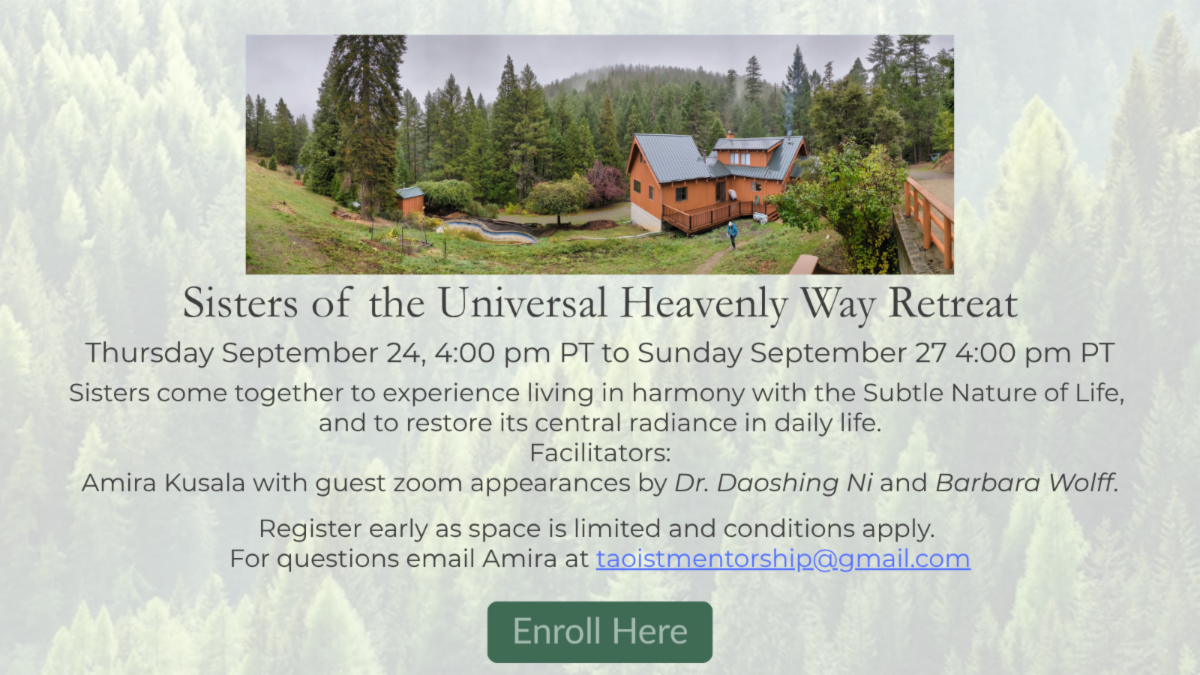
Sisters of the Universal Heavenly Way

undefined

How we view life,

shapes the way we live life.


Viewing it partially, we live a partial life—like when we view life through only perceiving, thinking, sensing and feeling. Hua-Ching Ni’s mother, The Encourager of Great Harmony, remarks that most people live at this formed and limited level. Most people “respond to what they see and hear; they think about it and have desires.”


There is a way of living that is different.

It is the subtle and formless Way.

It is Simple and Peaceful.


To know this Way, we need to give it our attention.


So, when we don’t need to think or shape our minds to perform our living tasks, we rest in the unformed Peace and Quietness. Then, naturally and gradually, Peace begins to settle itself throughout our entire being.


Moving and sitting meditation can help.

Their purpose though is not to remain as something we do,

but to dissolve us into what we are:

Peace and Happiness;

Whole and Unlimited.


Our next Sisters’ Gathering in September is:


 7:00 am on Sunday September 27th. Australia AWST, and 

4:00 pm on Saturday September 26th, USA PT


Email Barbara Wolff to join.

sistersofuhw@gmail.com

"Alone I am and different

because I prize and seek my sustenance from the Mother."


Chapter 20 Tao Teh Ching

Copyright © 2026 College of Tao, All rights reserved.

You are receiving this email because you showed interest in the College of Tao