Ocean Sciences Meeting 2024 Edition (& More!) |
|
Meet SCOR at booth #607 at the Ocean Science Meeting (OSM) in New Orleans, USA (18-23 February 2024)! Executive Director Emily Twigg and representatives from SCOR working groups and projects will be present. Interested in a specific activity? View the booth schedule here.
Scroll down for more news about the call for new SCOR working groups, the selected 2024 SCOR Visiting Scholars, new publications, and more.
Upcoming Annual Meetings:
- 2024: 16-18 October, Qingdao, China
- 2025: Santa Marta, Colombia
- 2026 LOCATION NOW ANNOUNCED: Helsinki, Finland
|
|
Working Groups and Projects at OSM 2024 |
|
WG 145 MarChemSpec
WG 148 IQuOD
WG 157 MetaZooGene
WG 161 ReMO
WG 162 OASIS
- Community Workshop: This 2-day workshop (17-18 February) will bring the OASIS community together for its first face-to-face meeting to review current activities and projects, frame the main objectives of OASIS, discuss the four Grand Ideas, highlight emerging areas, and define what is needed as a community to reach these objectives. Register and learn more here.
WG 168 4D-BGC
WG 169 GLUBS
GEOTRACES (View complete information here)
IIOE-2 Early Career Scientist Network
IMBeR
SOLAS
SOOS (View complete information here)
|
|
Call for New SCOR Working Groups |
|
In case you missed it...
The 2024 Call for SCOR Working Groups is open until the 17 May 2024. The selection of the new SCOR working groups will take place at the 2024 SCOR Annual Meeting scheduled to take place in Qingdao, China on 16-18 October 2024.
|
|
Congratulations 2024 SCOR Visiting Scholars! |
|
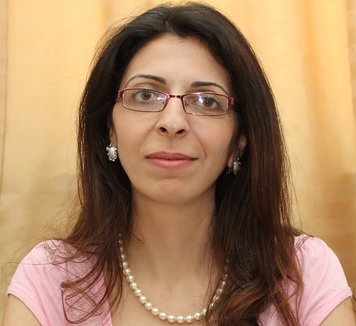
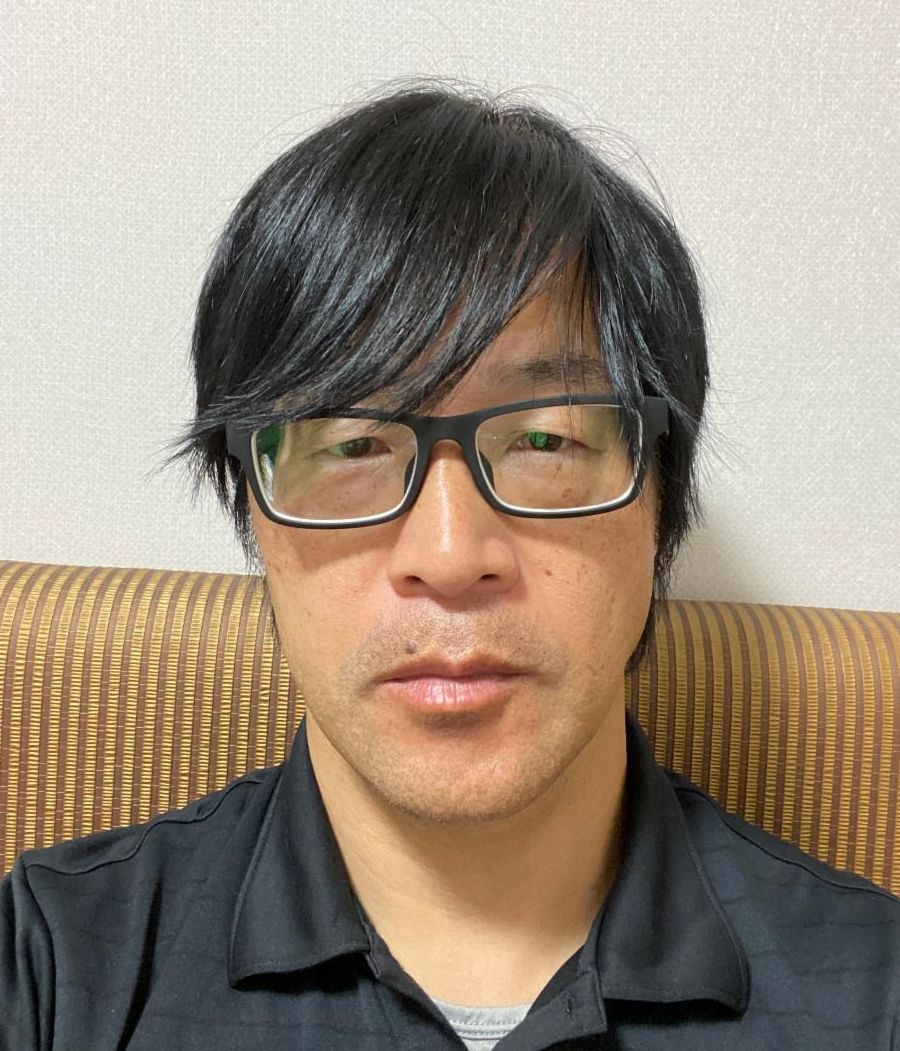
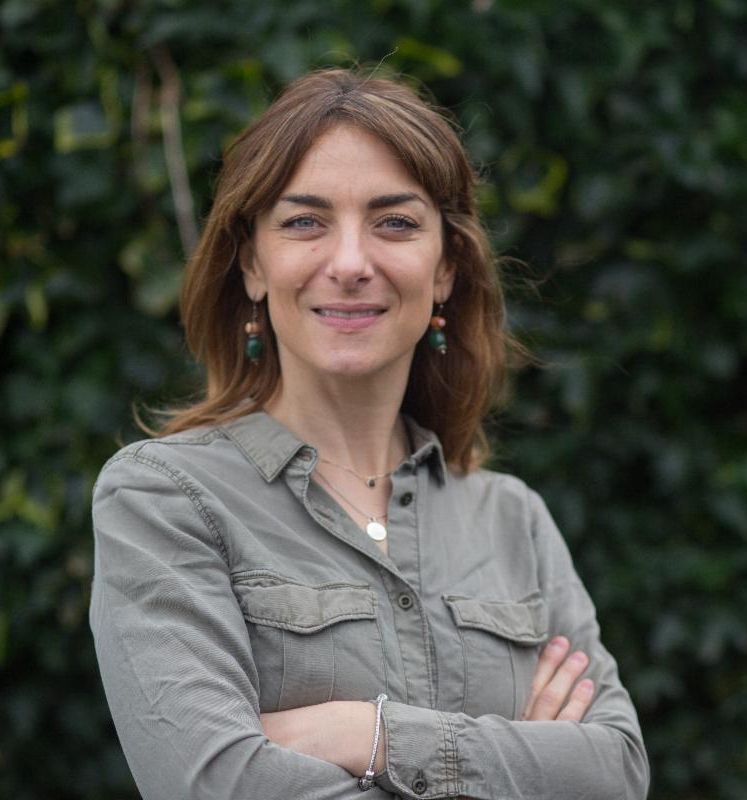
Ramia Al Bakain
(Jordan to Lebanon)
Evaluation and removal of contaminants from marine sediments and biota
|
|
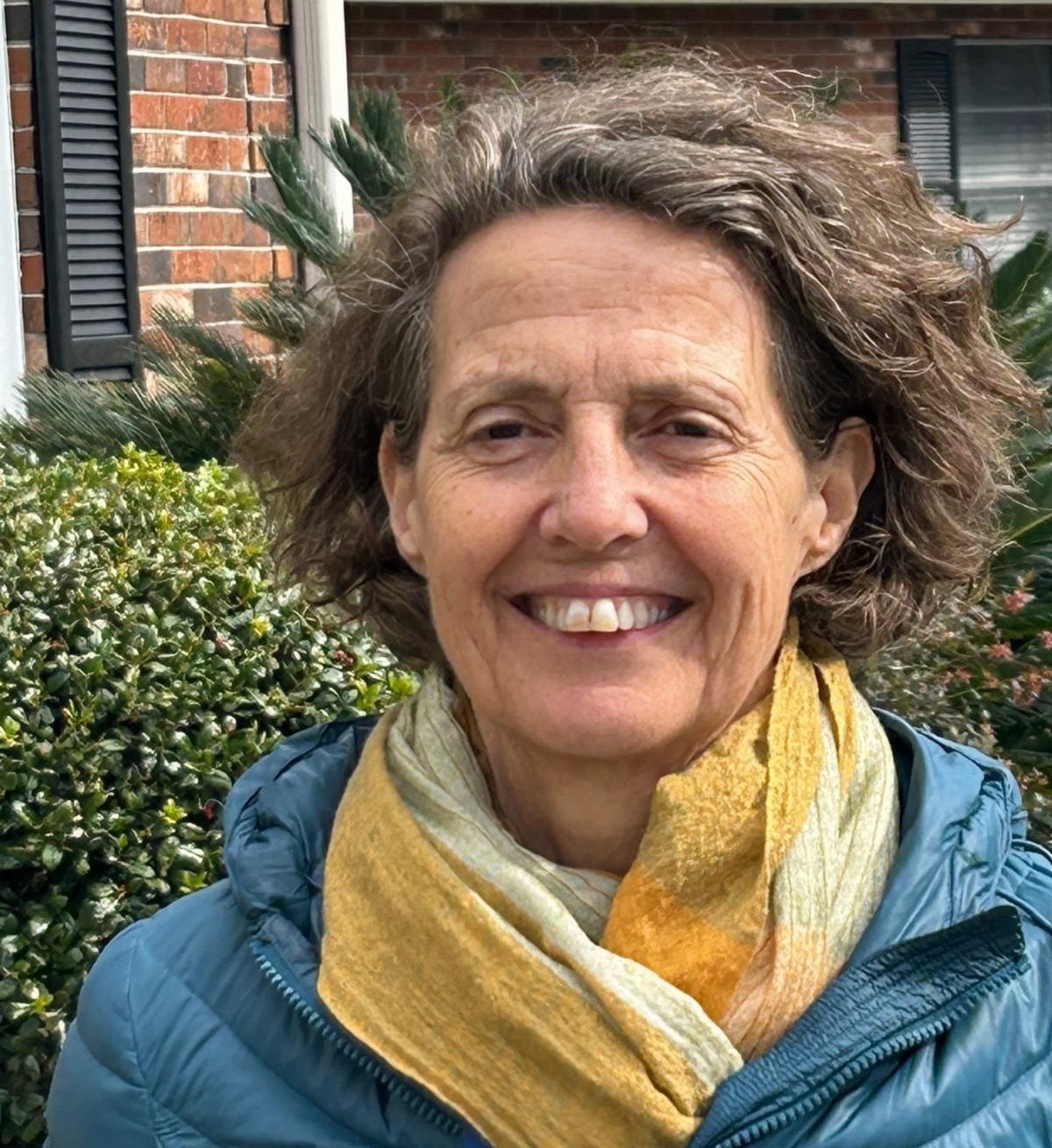
Isaure de Buron
(USA to Morocco)
Marine parasitology in semi-enclosed coastal systems
|
|
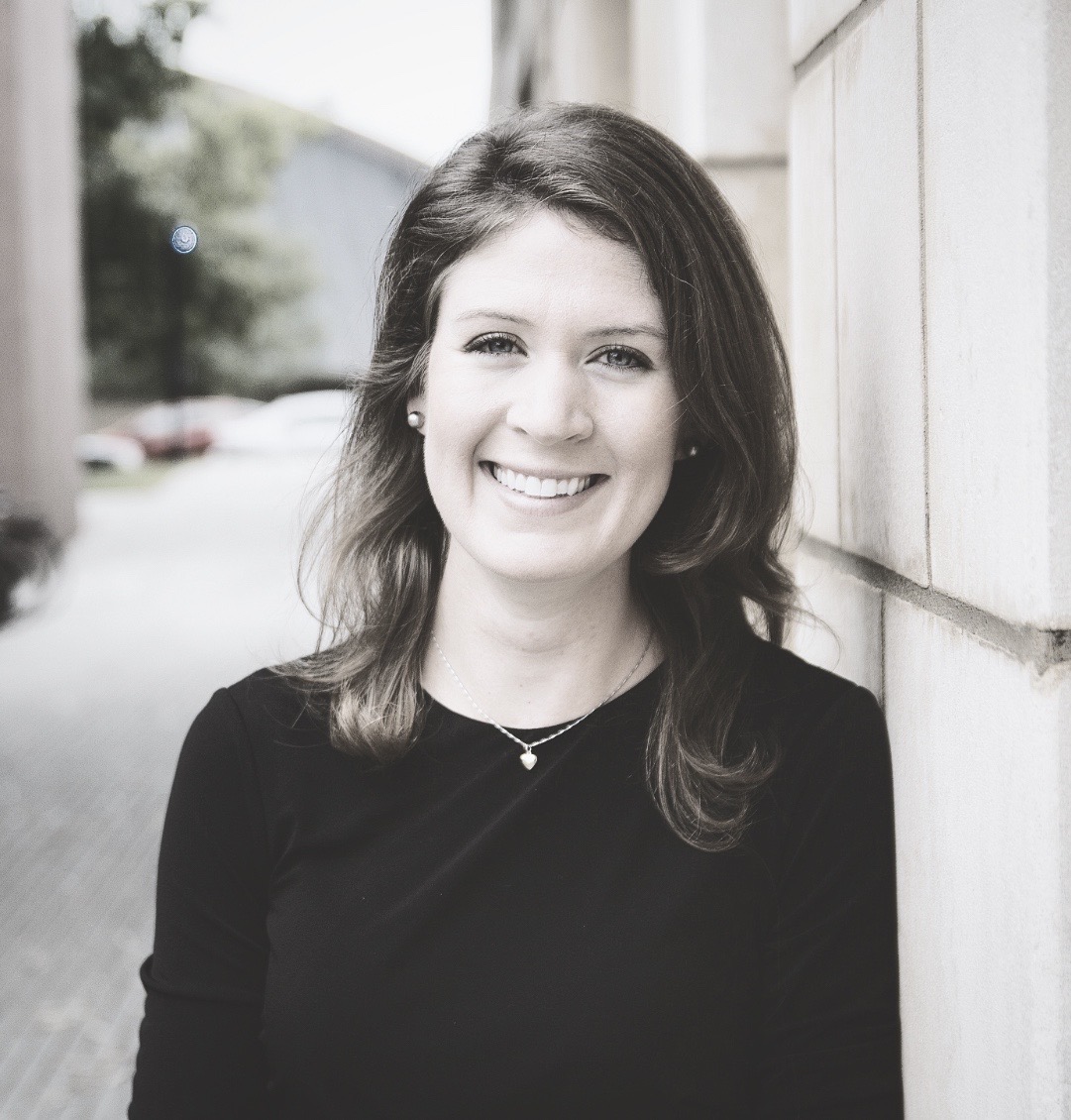
Jessica Glass
(USA to Seychelles)
eDNA and population genetics
|
|
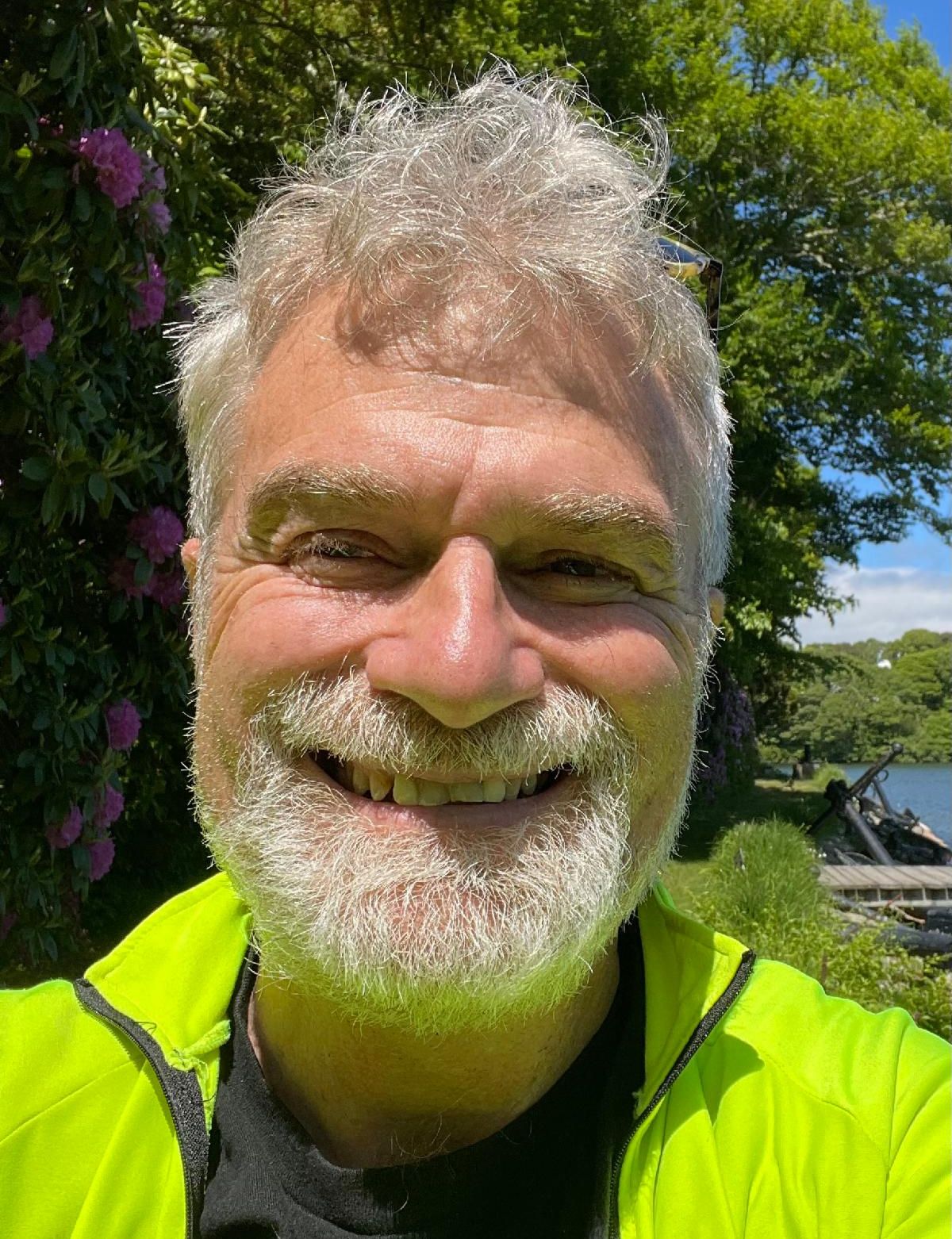
James Moffett
(USA to India)
Biogeochemistry of oxygen minimum zones
|
|
Satoshi Nagai
(Japan to Philippines)
Harmful Algal Bloom genomics
|
|
Eleanora Puccinelli
(Netherlands to South Africa)
Best practices in aquatic food web investigations: stable isotope and fatty acid approaches
|
|
Recognition and Awards in the SCOR Community |
|
The ISC Fellowship recognizes individuals for their outstanding contributions to the promotion of science as a global public good.
- Jacqueline Uku, member of the SCOR Executive Committee 2019-2023
- John Church, Full member of WG 94 Altimeter Data and In-situ Current Observations
- Ramia Al Bakain, 2024 SCOR Visiting Scholar
TOS recognizes members who have made outstanding and sustained contributions to the field of oceanography through scientific excellence, extraordinary service and leadership, and/or strategic development of the field.
-
TOS Fellow: Claudia Benitez-Nelson, recent Chair of the SCOR Capacity Development Committee, Full member of WG 146 Radioactivity in the Ocean, 5 decades later (RiO5)
-
TOS Fellow: Frank Muller-Karger, IMBeR SSC member (2018-2020), Associated member WG 154 Integration of Plankton-Observing Sensor Systems to Existing Global Sampling Programs (P-OBS), Associated member WG 158 Coordinated Global Research Assessment of Seagrass System (C-GRASS)
-
TOS Fellow: Mitsuo Uematsu, SOLAS SSC member (2001-2006)
-
2024 TOS Mentoring Award: Charitha Bandula Pattiaratchi, founding contributor to IIOE-2
|
|
News from the Working Groups and Projects |
|
2024 Call for Applications for the GEOTRACES ECS Committee
The GEOTRACES Early Career Scientists (ECS) committee will act as a strategic and operational body to coordinate and champion early career activities within the framework of GEOTRACES science under the supervision of the GEOTRACES Scientific Steering Committee ( SSC) and the International Project Office (IPO). The GEOTRACES ECS committee will consist of 10-20 rotating members, who will each serve for a 2-year term. Read the announcement here.
IMBeR IMBIZO7 Call for Abstracts
IMBeR will hold its seventh IMBIZO (the Zulu word for ‘a gathering’) at the Institut Agronomique et Vétérinaire Hassan II (IAV) in Rabat, Morocco from 23-26 September 2024. Submit an abstract to one of the three workshops to be considered as a participant in IMBIZO7 by 19 February. Read about the IMBIZO7 here.
Submit your data for the GEOTRACES IDP2025
Declaration on Operationalising the Surface Ocean Carbon Value Chain
IOCCP participated in the publication of the Oostende Declaration, which calls for concerted international and intergovernmental efforts to create a robust, resilient and sustainable surface ocean carbon observing system. Read more here.
Latest news from the projects at:
SCOR Research projects:
- Marine biogeochemical cycles of trace elements and their isotopes (GEOTRACES)
- Integrated Marine Biosphere Research (IMBeR)
- Surface Ocean Lower Atmosphere Studies (SOLAS)
- International Indian Ocean Expedition II (IIOE-2)
- International Quiet Ocean Experiment (IQOE)
SCOR Infrastructural projects:
- International Ocean Carbon Coordination Project (IOCCP)
- Global Harmful Algal Blooms (GlobalHAB)
- Southern Ocean Observing System (SOOS)
- Changing Ocean Biological Systems (COBS)
- Joint Committee on Seawater (JCS)
|
|
|
|
Read the preface to this special issue: Perron, M. M. G., S. Fietz, D. S. Hamilton, A. Ito, R. U. Shelley, and M. Tang. (2024). Preface to the inter-journal special issue “RUSTED: Reducing Uncertainty in Soluble aerosol Trace Element Deposition”, Atmos. Meas. Tech. 17, 165–166, https://doi.org/10.5194/amt-17-165-2024
|
|
|
|
WG 165: Baldrich, A. M., P. A. Díaz, S. A. Rosales, C. Rodríguez-Villegas, G. Álvarez, I. Pérez-Santos, M. Díaz, C. Schwerter, M. Araya, B. Reguera. (2024) An unprecedented bloom of oceanic dinoflagellates ( Karenia spp.) inside a fjord within a highly dynamic multifrontal ecosystem in Chilean Patagonia. Toxins 16: 77. https://doi.org/10.3390/toxins16020077.
WG 157: Bucklin, A., J.M. Questel, P.G. Batta-Lona, M. Reid, P.H. Wiebe, R.G. Campbell, and C.J. Ashjian (2023) Population genetic diversity and structure of the euphausiids Thysanoessa inermis and T. raschii in the Arctic Ocean: Inferences from COI barcodes. Marine Biodiversity 53:70. https://doi.org/10.1007/s12526-023-01371-y.
GEOTRACES: Chen, X.-G., M. Gledhill, M. C. Lohan, A. Milne, and E. P. Achterberg. (2024). Surface ocean biogeochemistry and deep ocean circulation control relationships between nutrient-type trace metals (Cd, Ni, Cu, and Zn) and nutrients in the South Atlantic Ocean near the subtropical front. Geochimica et Cosmochimica Acta. https://doi.org/10.1016/j.gca.2024.01.001.
WG 165: Díaz P. A. and R. I. Figueroa. (2023). Toxic algal bloom recurrence in the era of global change: Lessons from the Chilean Patagonian fjords. Microorganisms 11:1874. https://www.mdpi.com/2076-2607/11/8/1874.
COBS: Feng, Y., Xiong, Y., Hall-Spencer, J. M., Liu, K., Beardall, J., Gao, K., Ge, J., Xu, J., & Gao, G. (2024). Shift in algal blooms from micro- to macroalgae around China with increasing eutrophication and climate change. Global Change Biology, 30, e17018. https://doi.org/10.1111/gcb.17018.
SOLAS & WG 167 RUSTED: Hamilton, D. S., A. R. Baker, Y. Iwamoto, S. Gassó, E. Bergas-Masso, S. Deutch, J. Dinasquet, Y. Kondo, J. Llort, S. Myriokefalitakis, M. M. G. Perron, A. Wegmann, and J.-E. Yoon. (2023). An aerosol odyssey: Navigating nutrient flux changes to marine ecosystems. Elementa: Science of the Anthropocene 11 (1): 00037. https://doi.org/10.1525/elementa.2023.00037. Part of the SOLAS Special Feature: Boundary Shift: The Air-Sea Interface in a Changing Climate.
COBS: Hudson, C. J., Agostini, S., Wada, S., Hall-Spencer, J. M., Connell, S. D., & Harvey, B. P. (2023). Ocean acidification increases the impact of typhoons on algal communities. Science of The Total Environment, 865, 161269. https://doi.org/10.1016/j.scitotenv.2022.161269.
COBS: Jiang, M., Hall-Spencer, J.M., Gao, L., Ma, Z. and Gao, G. (2023), Nitrogen availability regulates the effects of a simulated marine heatwave on carbon sequestration and phycosphere bacteria of a marine crop. Limnol Oceanogr. https://doi.org/10.1002/lno.12487.
GEOTRACES: Léon, M., van Beek, P., Sanial, V., Baudet, C., Charette, M. A., Souhaut, M., Vivier, F., Kestenare, E., Jeandel, C., and Planquette, H. (2024). Investigation of hydrothermal activity in the South West Indian ridge region using Ra isotopes and 227Ac as tracers. Progress in Oceanography, 221, 103191. https://doi.org/10.1016/j.pocean.2023.103191.
WG 165: McManus, G., A. Mitra, B. Reguera, and L. Santoferrara. (2023). The Mixoplankton paradigm in plankton ecology. In Harmful Algae News. Editors B. Reguera, E. Bresnan. 73: 15-18. http://www.e-pages.dk/ku/1556/.
WG 165: Mitra, A. and S. G. Leles. (2023). A revised interpretation of marine primary productivity in the Indian Ocean: The role of mixoplankton. In: Tripathy, S.C., A. Singh (eds) Dynamics of Planktonic Primary Productivity in the Indian Ocean. Springer, Cham. https://doi.org/10.1007/978-3-031-34467-1_5.
WG 157: O’Brien, T.D., L. Blanco-Bercial, P.G. Batta-Lona, J.M. Questel, and A. Bucklin (2024) DNA barcode reference databases: MetaZooGene Atlas and Database. In: DNA Barcoding: Methods and Protocols (Robert Desalle, Ed.); Springer Protocols Methods in Molecular Biology 2744 (Humana Press) ISBN-13: 978-1071635803.
WG 165: Rodríguez, F., L. Escalera, B. Reguera, E. Nogueira, A. Bode, M. Ruiz-Villarreal, A. E. Rossignoli, B. Ben-Gigirey, V. Rey, and S. Fraga. (2024) Red tides in the Galician rías: historical overview, ecological impact, and future monitoring strategies. Environmental Science: Processes & Impacts 26, 16-34. https://pubs.rsc.org/en/content/articlehtml/2023/em/d3em00296a.
COBS: Zhang, X., Zhang, P., Deng, Z., Huang, R., Zhang, D., Tian, Y., Wang, N., Li, H., Wang, X., Jiang, X., Sun, J., Fu, Q., Yi, X., Qu, L., Zhou, C., Rao, Y., Zeng, X., Hall-Spencer, J.M., Gao, G., Gao, K. and Lin, X. (2023), Ocean acidification has a strong effect on communities living on plastic in mesocosms. Limnol. Oceanogr. Lett, 8: 675-684. https://doi.org/10.1002/lol2.10329.
|
|
Robert Fournier (Canada) served as Secretary of SCOR from 1986 to 1992. He was professor emeritus of ocean studies at Dalhouse University at the time of his passing. According to a memorium by Dalhousie, he was also passionate about outreach and communicating science to the public. Having made an estimated 2,500 appearances on CBC radio and television since 1974, Dr. Fournier helped educate a generation of listeners and viewers on a wide range of scientific topics. The obituary by Dalhousie University can be read here. |
|
For updates on SCOR activities, see our Latest News section
|
|
Emily Twigg
SCOR Executive Director
|
|
|
|
|
|
|