A Bay Area News Group survey found homeowners, Whites, the wealthy and older residents were more likely to oppose construction
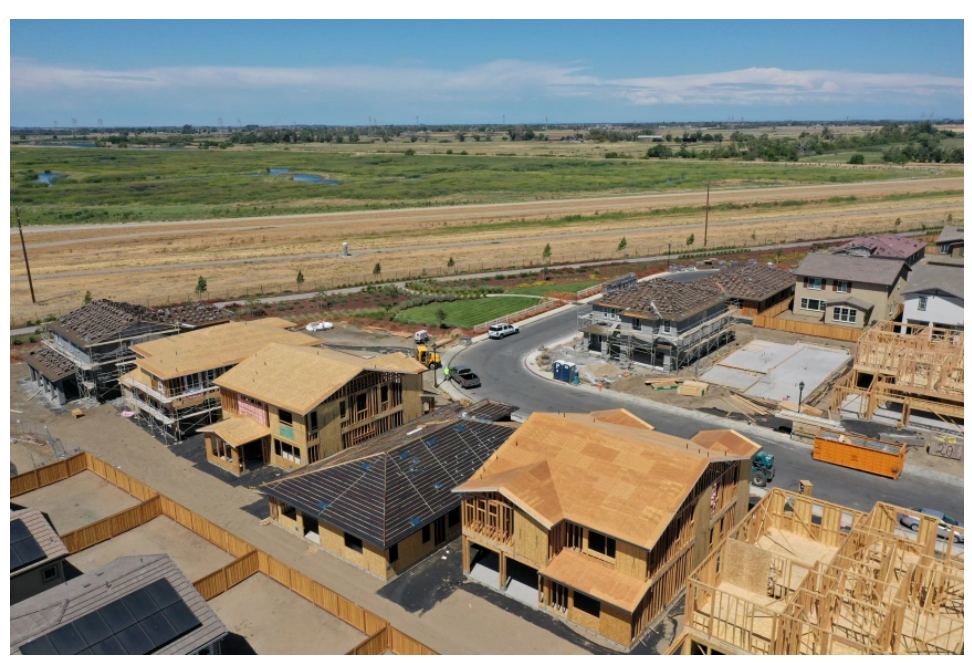
Nearly everyone agrees that sky-high housing costs are a serious problem in the Bay Area. But there’s potent resistance to the notion that the region could — or should — try to build its way out of a deepening crisis.
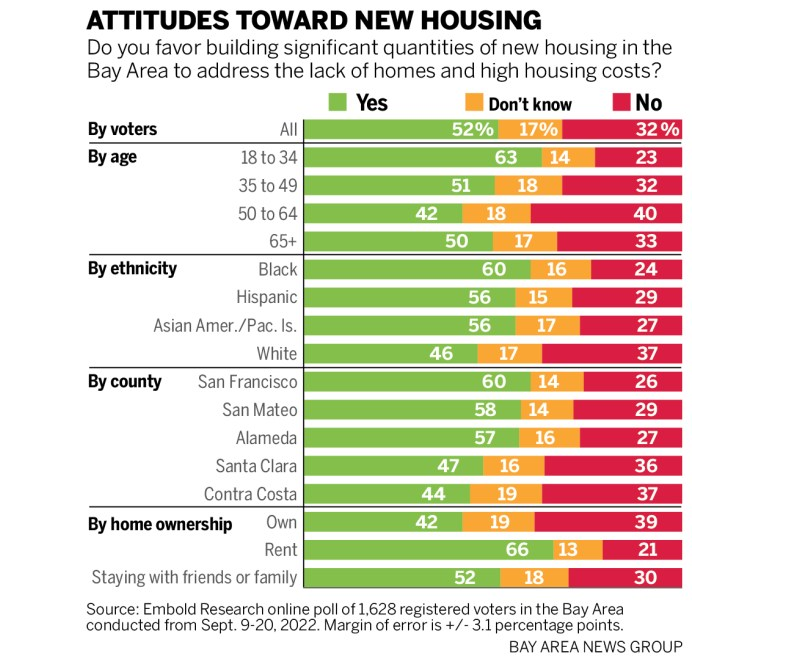
A new survey by the Bay Area News Group and Joint Venture Silicon Valley shows a solid one-third of the region’s residents oppose building significant quantities of new homes. Opposition grows when the conversation turns to the kinds of construction advocates say are most desperately needed: Affordable housing, housing for homeless people, high-density housing around transit.
One of the clearest indicators in the poll that someone is likely to oppose new housing? They already own a home. How to make that opposition even stronger? Tell them the housing will be nearby.
With the Bay Area at a critical juncture in planning for future growth, this entrenched opposition – dubbed “Not In My Backyard” or NIMBY sentiment by its critics – helps drive local and state policies that alternately seek to cater to the resistance or break its influence. The poll provides a powerful look at how those efforts are playing out – and who’s lining up on which side of the battle.
“The folks who have the most political power, who are the loudest, are oftentimes your affluent homeowners,” said David Garcia, policy director for UC Berkeley’s Terner Center for Housing Innovation. “And so it creates challenges for lawmakers who would like to pursue pro-housing policies, but have to answer to this very loud slice of their constituency.”
According to the online poll – which surveyed 1,628 registered voters in the five core Bay Area counties earlier this month – 92% of respondents identified the cost of housing here as a very serious issue, the strongest consensus around any challenge confronting the region. When asked if they supported building “significant quantities” of new homes of all kinds to bring down costs, 52% agreed while 32% disagreed. The rest said they didn’t know.