|
Bloodshed in Karak: A Christian Funeral, Three Extremists and the Shadow of Islamic State
Nearly a decade after Islamic State militants struck Karak, a deadly attack on Christian mourners has renewed questions about the group's enduring influence in Jordan.
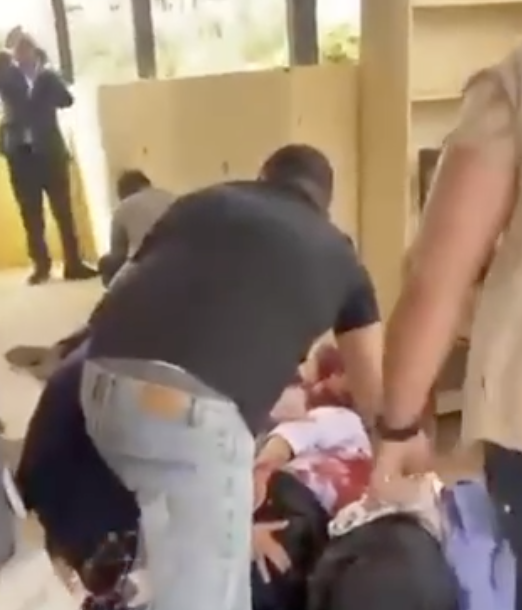
On 23 October 2026, armed assailants opened fire on mourners attending a funeral at a Greek Orthodox church in Karak Governorate, southern Jordan, killing nine people and wounding 40 others. The attackers arrived in a pickup truck before opening fire on civilians gathered inside and around the church. Witnesses described sustained gunfire and scenes of panic as approximately 150 to 200 people attended the funeral.
The attack immediately raised concerns over a possible Islamic State (IS) connection, given the group's longstanding hostility towards Jordan's monarchy, its history of deadly operations in the country and its repeated propaganda threats against the kingdom. TRAC also identified chatter concerning an alleged pledge of allegiance by the attackers.
Three Suspects Arrested — But Questions Remain
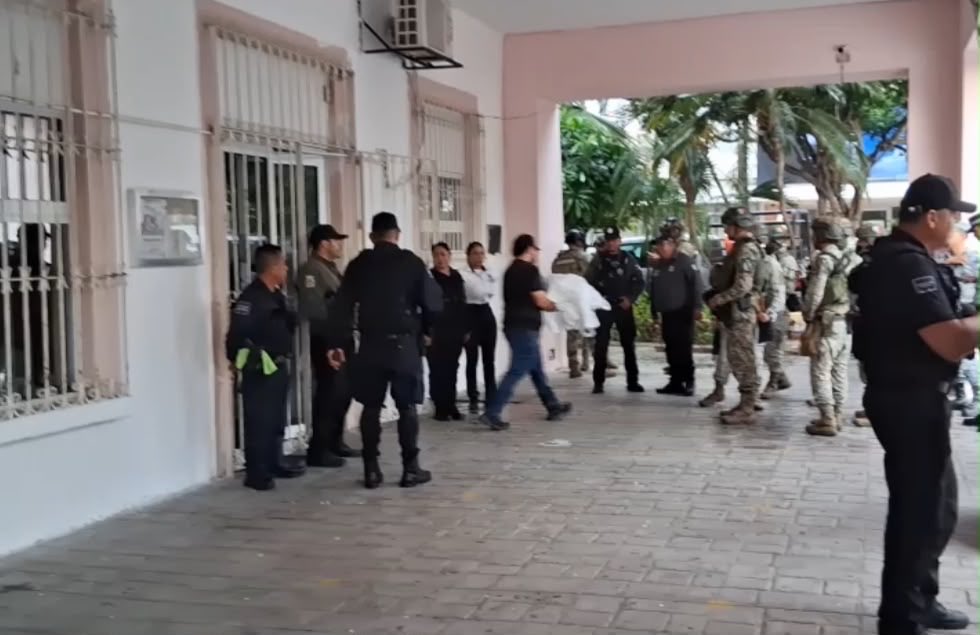
On 26 October, Jordan's Public Security Directorate (PSD) announced the arrest of three suspects linked to the massacre. Security forces located the men hiding in an abandoned house, where they opened fire and resisted arrest. All three were wounded during the confrontation and subsequently detained, while authorities recovered multiple weapons and a substantial quantity of ammunition. Of particular significance are the PSD's preliminary findings: the three suspects belonged to the same family, held extremist views and acted independently, with no identified links to other terrorist cells. Authorities also described the decision to attack the funeral as spontaneous rather than premeditated.
Of course, Jordan has an interest in playing down any suspected IS involvement. However, for TRAC, the absence of an identified operational connection does not exclude ideological inspiration or informal contact with extremist networks. IS has long encouraged supporters to conduct attacks independently, without requiring direct instructions or formal membership. TRAC therefore continues to examine the possibility of IS-inspired or IS-linked involvement, while recognising that neither organisational affiliation nor operational coordination has been established.
Why Jordan? Islamic State's Longstanding Enemy
Jordan has occupied a prominent place in IS propaganda for more than a decade. The group has repeatedly portrayed the Jordanian monarchy as an illegitimate, apostate government aligned with Western and Israeli interests, accusing it of obstructing jihadist operations and suppressing efforts to confront Israel. TRAC has documented repeated messaging from unofficial IS-aligned outlets, including al-Adiyat and Halummu Media, reinforcing these narratives. Such propaganda frames Jordan not merely as a political adversary but as a legitimate target for violence.
The group's hostility towards Jordan is neither new nor confined to online rhetoric. In February 2015, IS released one of its most notorious propaganda videos, showing the immolation of captured Jordanian pilot Muath al-Kasasbeh. The execution became a defining example of the group's brutality and its deliberate targeting of the Jordanian state. In the years that followed, IS released multiple additional videos threatening the kingdom, including The Tyrant of Jordan Pays the Price in 2016, Humankind in 2017 and The Lions of Jordan in 2018. These publications demonstrate Jordan's persistence as a propaganda target, although they do not independently establish a connection to the October 2026 attack.
Why Karak Matters: A City Already Marked by IS Violence
The location of the latest massacre is especially significant. On 18 December 2016, IS militants carried out a series of shootings targeting Jordanian security forces and civilians in Karak, culminating in an armed confrontation at the historic Karak Castle. The attack killed ten people, including security personnel, civilians and a Canadian tourist. The operation demonstrated IS's ability to carry out a deadly assault deep inside Jordan, beyond the country's border regions and established security flashpoints.
Nearly ten years later, Karak has once again become the scene of mass-casualty violence. The latest attack's targeting of Christian mourners introduces an additional sectarian dimension, consistent with IS's longstanding hostility towards Christian communities. However, the victims' religious identity and the geographical overlap with the 2016 attack are indicators of possible ideological alignment, not proof that the same organisation was responsible.
TRAC Assessment: The Threat Beyond Organised Cells
The Karak massacre raises renewed concerns over the potential for extremist violence in Jordan, particularly attacks conducted by small groups of radicalised individuals operating outside established organisational structures. The family relationship between the suspects, their extremist beliefs and the authorities' finding that they acted independently are compatible with a locally organised attack. They do not, however, resolve whether the perpetrators were influenced by IS propaganda, maintained informal extremist contacts or acted for reasons unrelated to the group.
The central question is therefore not only whether IS directed the attack, but whether its ideology helped motivate it. Jordan's prominence in IS propaganda, the group's documented history of attacks in Karak and the deliberate targeting of Christian mourners make this a real possibility.
|