|
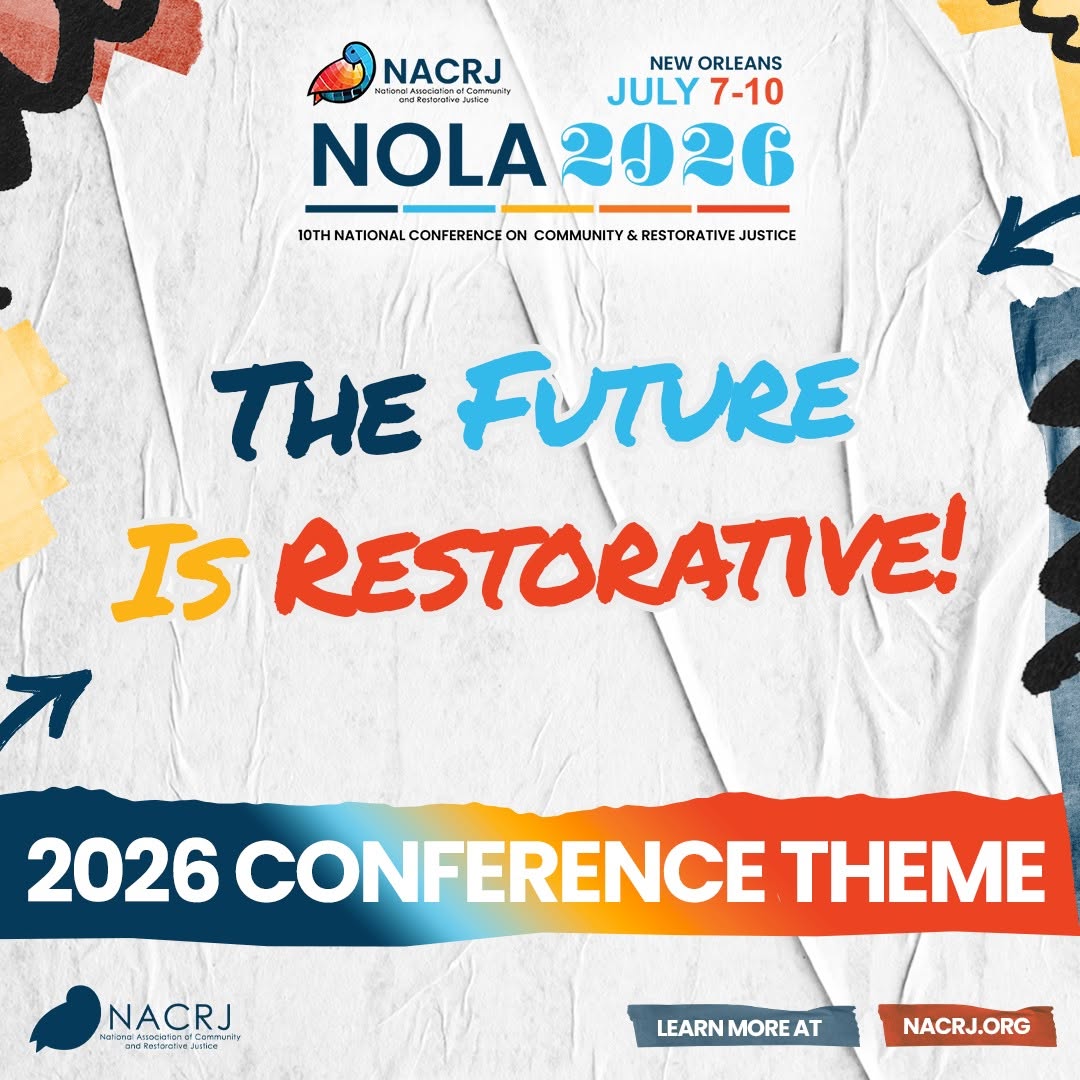
NACRJ itself is a relatively young organization, exemplary in leading restorative justice into the future, even though restorative justice draws upon ancient Indigenous wisdom and cultural traditions from around the world. Following the success of the first three conferences (starting in 2007), visionary leaders recognized the need for a permanent organization to support this rapidly expanding field. In 2013, NACRJ was formally incorporated as a nonprofit with a bold vision:
To create a safe and equitable world where restorative interactions transform individuals, relationships, communities, and systems through the prevention, repair, and deep healing of harm.
Its mission is equally compelling: to advance community and restorative justice as a social movement by supporting individuals and organizations committed to building stronger communities while addressing harm through restorative principles.
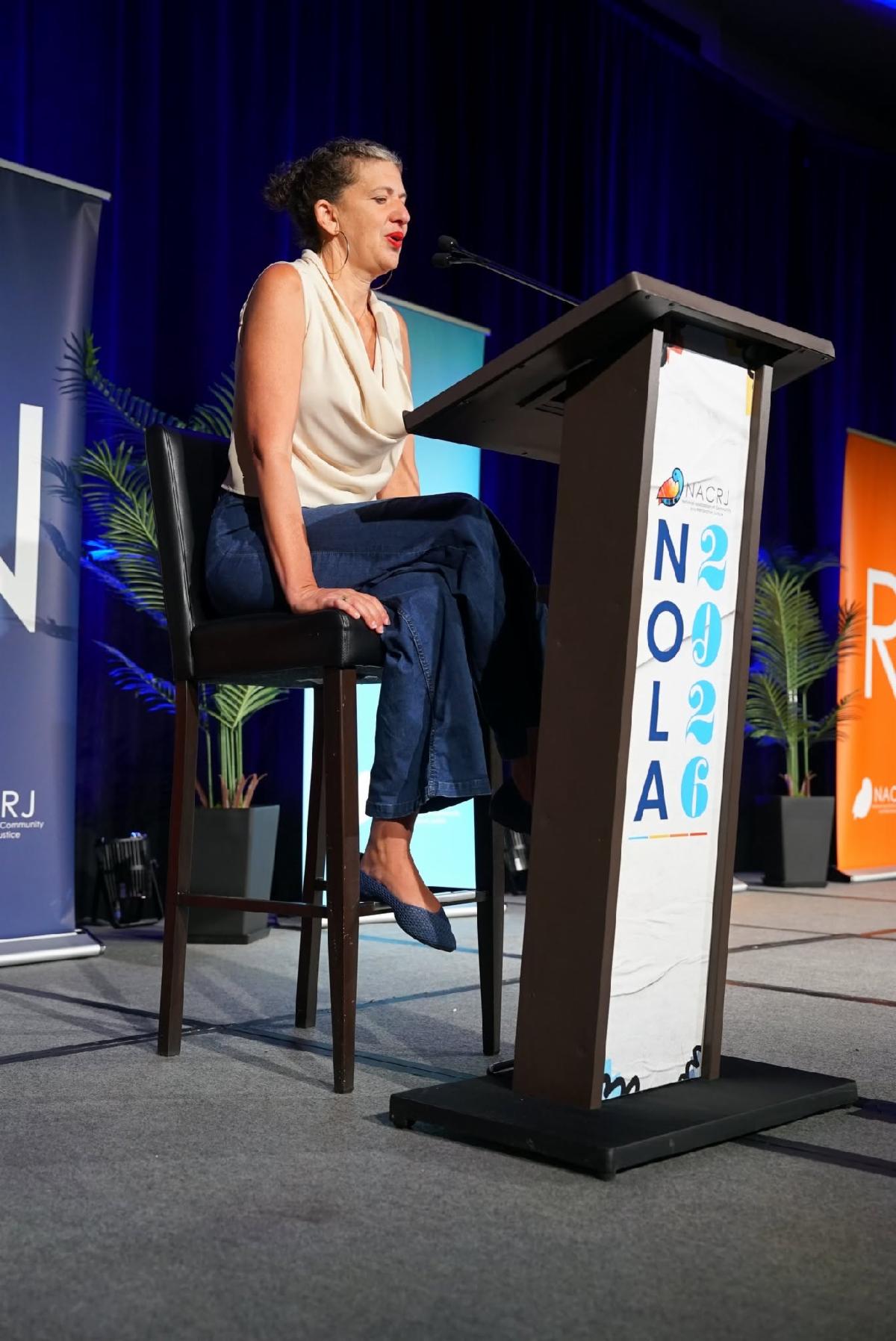
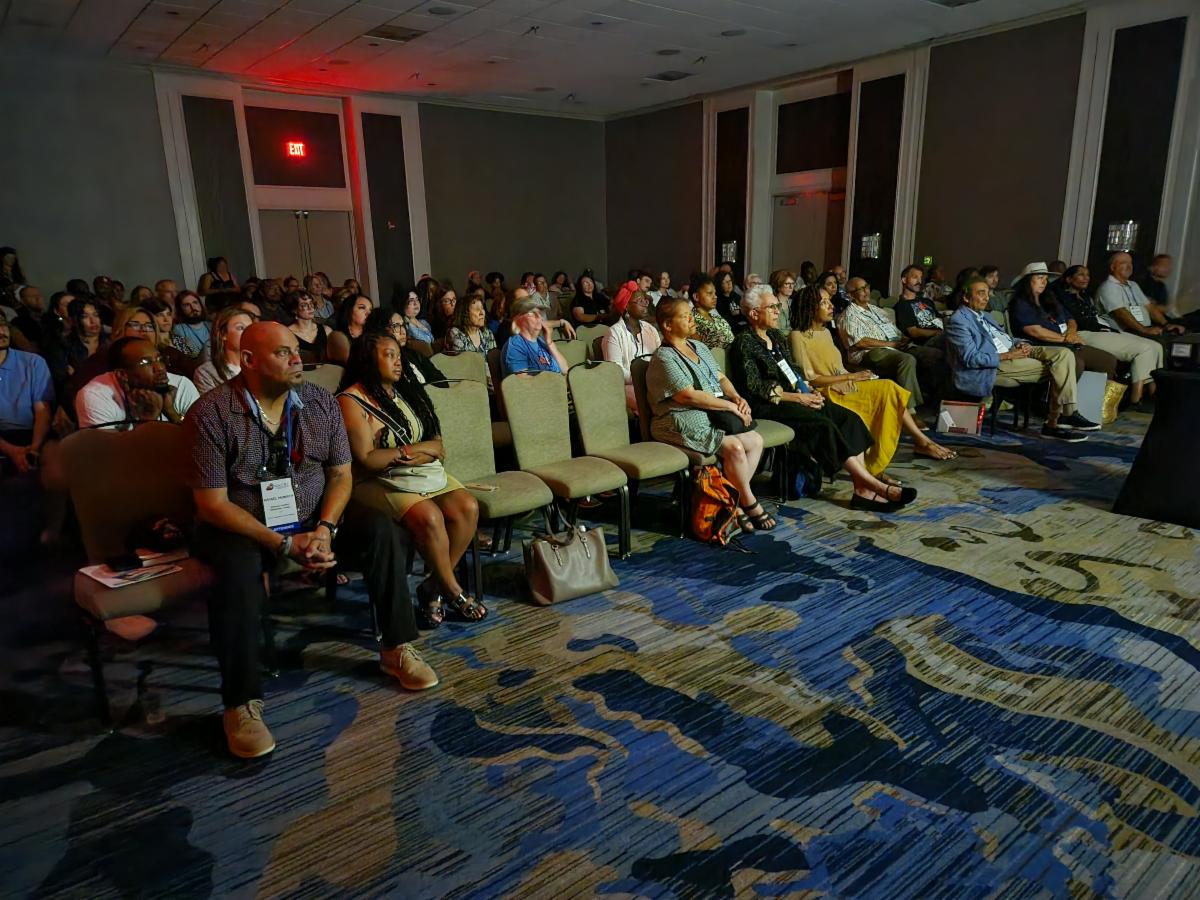
The organization's growth has been remarkable. From its first conference less than two decades ago to welcoming more than 1,700 participants in Chicago in 2022 (and the same stellar turnout recently in New Orleans), this is the largest restorative justice gathering in international history. NACRJ has become the largest membership organization in the United States devoted to community and restorative justice, yet numbers tell only part of the story.
The real story is that restorative justice is no longer a conversation taking place at the margins. Increasingly, it is influencing schools, neighborhoods, courts, correctional institutions, universities, workplaces, and public policy. More people are recognizing that justice is not weakened by compassion. It is strengthened when accountability is paired with healing and relationships are restored whenever possible.
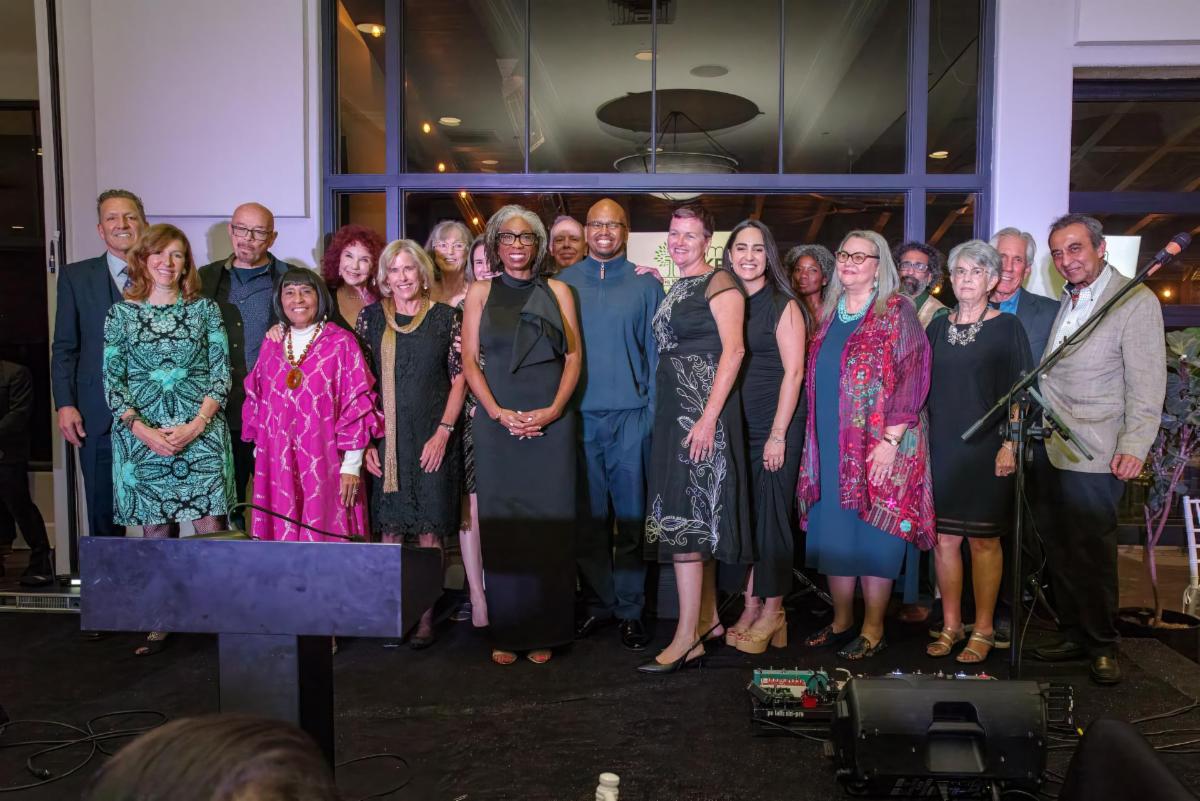
One of the heartwarming conversations I had was with NACRJ’s brilliant Executive Director, Joel Friesz, his mother, and sister. They were all present at both the TKF presentations and many other presentations. We reminisced about the NACRJ conference and how its success, like TKF's, has grown over the years. Under the capable leadership of Joel and team members Lucinda Cross and Amanda Mitchell, NACRJ is my favorite conference to be part of, and the memory of being their keynote in the past will always be with me.
These NACRJ conferences are so exceptionally organized and well-run that they are also the favorite conference of many advocates of restorative justice from around the world. It was a rare pleasure to meet the president, Thalia Gonzalez, whom I had the honor of spending quite a bit of time with. Look them up here and follow their work on social media, as you may enjoy attending the biennial 2028 conference, as I can honestly say it is life-changing for many in attendance.
Why This Conference Matters
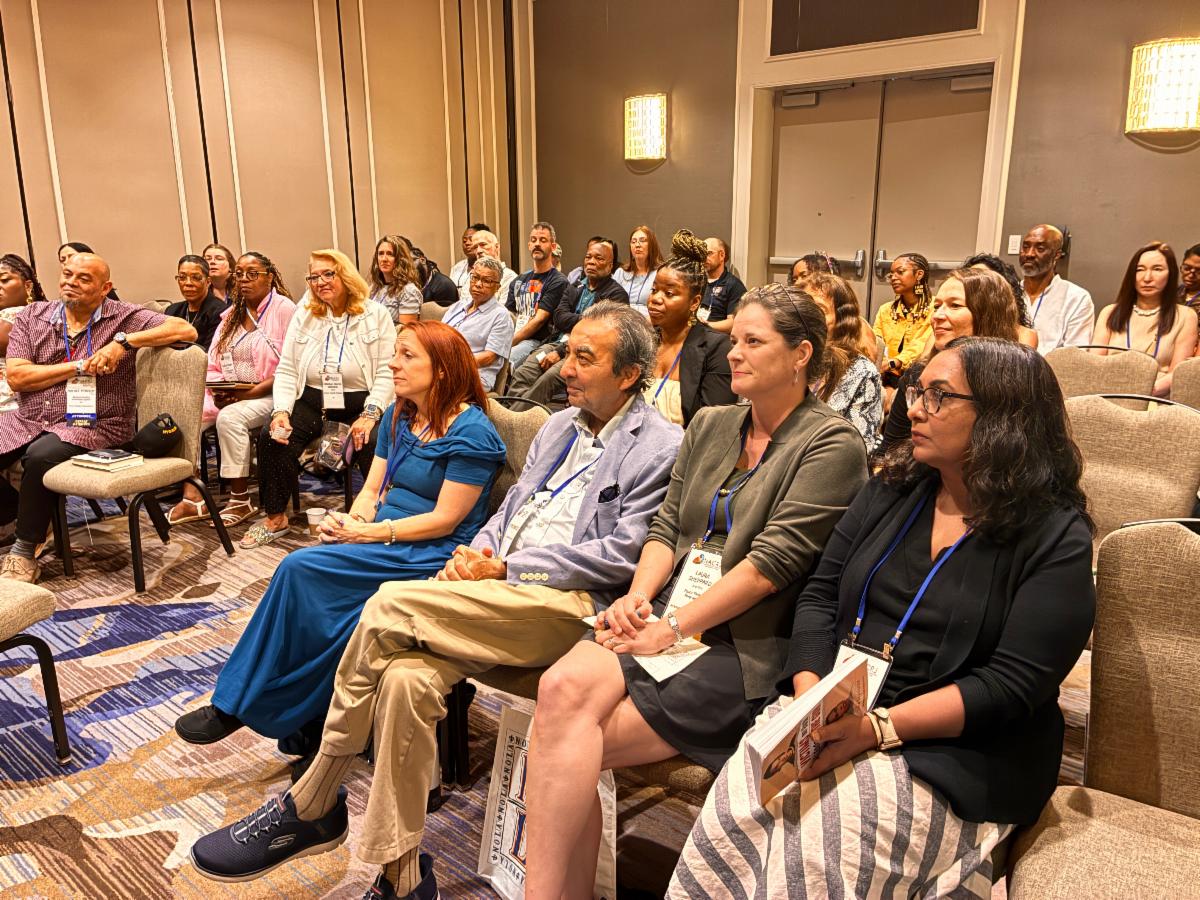
What makes NACRJ unique is not simply the quality of its presentations, but the community it creates. Few conferences bring together such a diverse collection of people united by a common purpose. Victims and survivors. Individuals who have caused harm and taken responsibility for it. Judges, prosecutors, public defenders, law enforcement officers, educators, researchers, nonprofit leaders, youth advocates, community organizers, and restorative practitioners all gather—not to defend positions, but to deepen understanding. The conference itself models the values it teaches.
Participants listen deeply. They share honestly. They challenge one another respectfully. They learn across professional boundaries and lived experiences. In doing so, they remind us that lasting change is rarely created by one profession or one institution. It is created through collaboration. For me, every NACRJ conference renews my hope that a different way forward is not only possible—it is already unfolding.
TKF's Contribution to the Movement
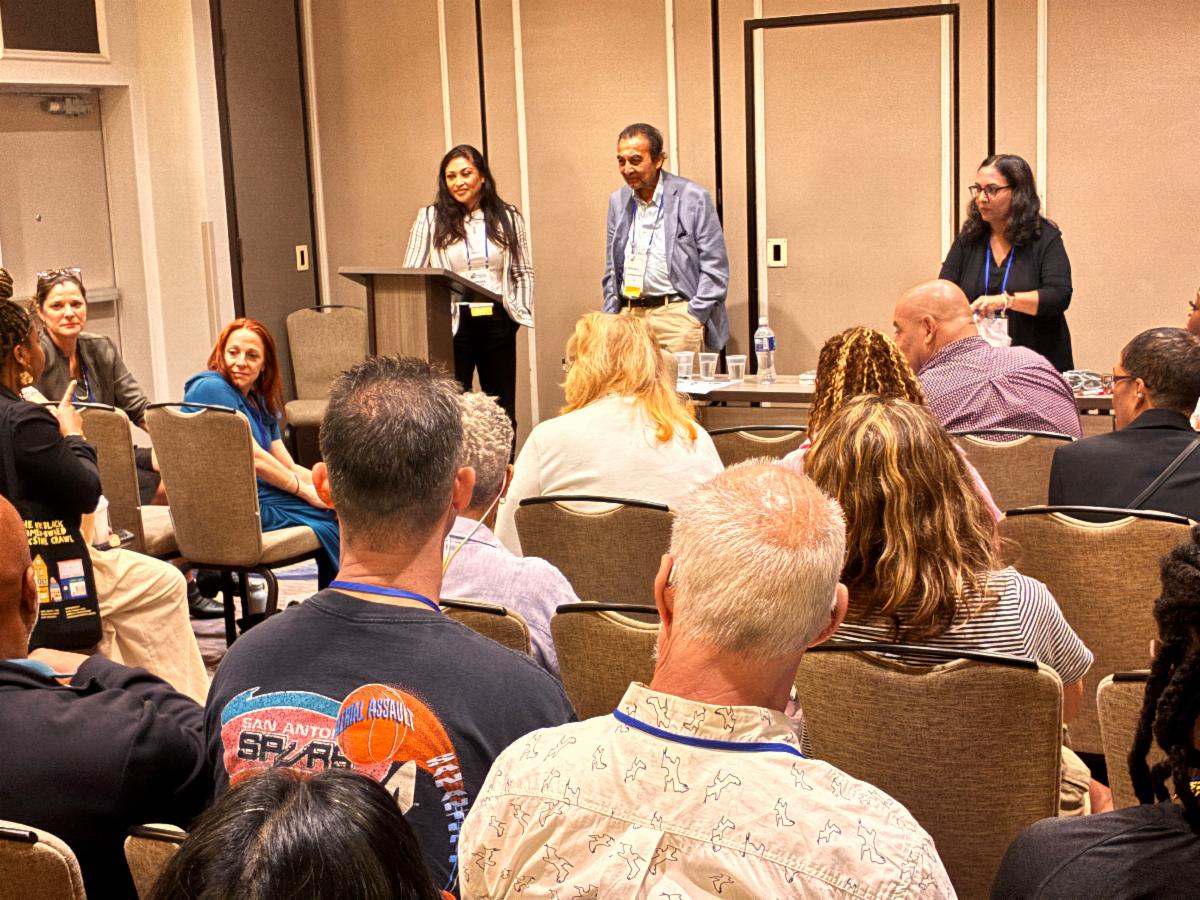
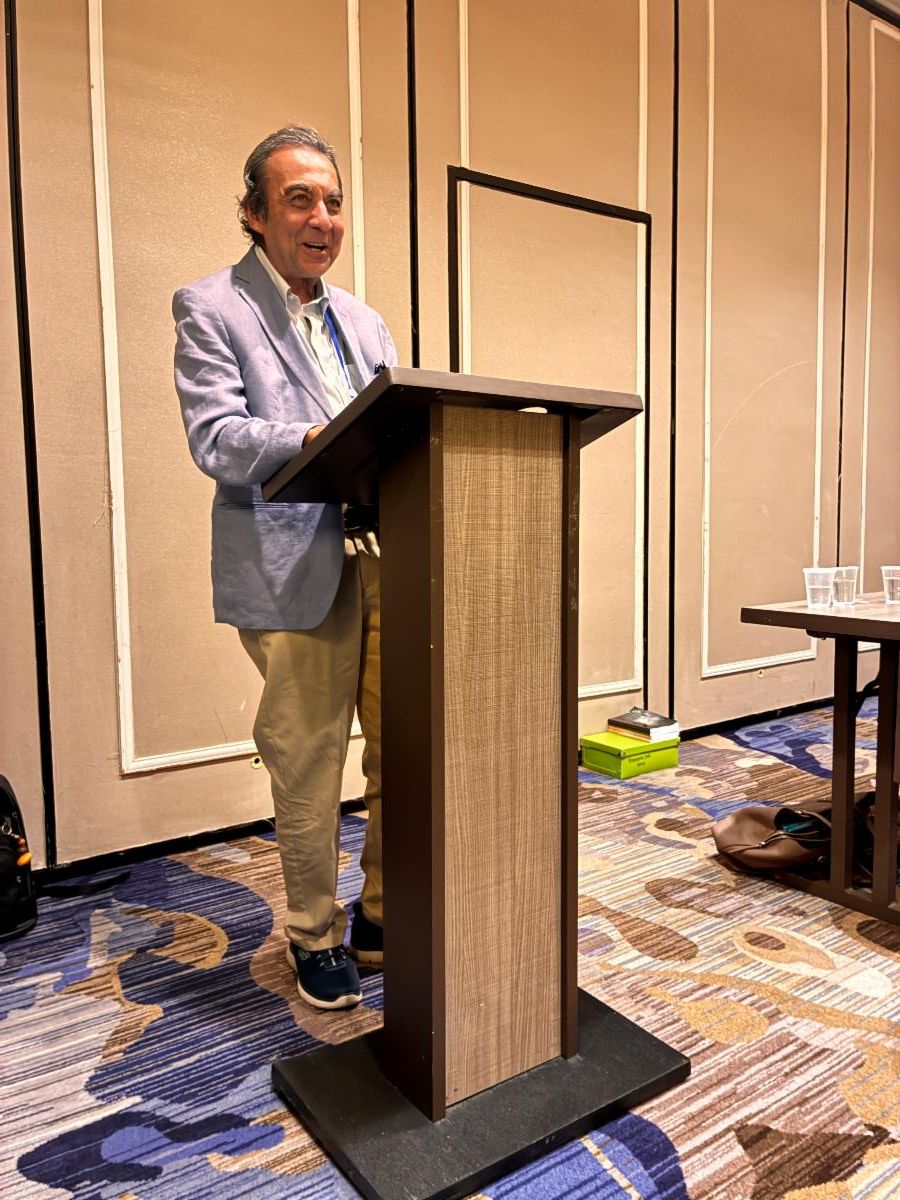
This year, The Tariq Khamisa Foundation was honored to contribute two presentations exploring an area that has become central to our work over the past thirty years: the relationship between restorative justice, forgiveness, emotional healing, and community transformation.
Our first presentation, Forgive It Forward, explored how forgiveness can strengthen emotional regulation, empathy, resilience, and restorative practices in classrooms and communities. Through interactive experiences and examples from our work with schools, participants explored practical ways to help young people move beyond anger and resentment without minimizing accountability.
Our second presentation, From Forgiveness to Systemic Change, examined how personal healing can become the foundation for institutional transformation. Developed in collaboration with Restorative Justice for Oakland Youth (RJOY), the session explored how schools, justice systems, and community organizations can work together to build restorative ecosystems where accountability and compassion reinforce one another.
Together, these presentations reflected an idea that has become increasingly clear throughout my own journey: Forgiveness transforms individuals. Restorative justice helps transform communities. Together, they can transform society.
Forgiveness addresses what happens within the human heart after harm has occurred. Restorative justice addresses what happens within relationships, communities, and institutions. They ask different questions, yet together they provide a more complete pathway toward healing.
A Story Larger Than Any One Person
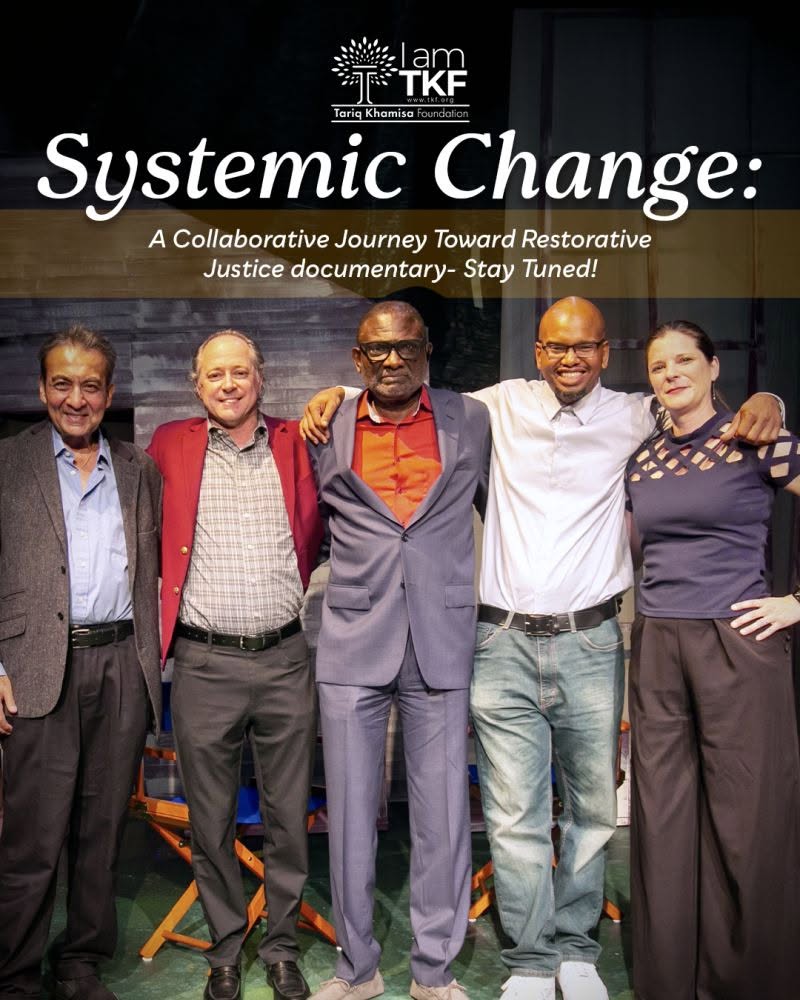
One of the highlights of this year's conference was the premiere of our new documentary, From Forgiveness to Systemic Change.
What makes this film especially meaningful is not simply the story it tells, but the remarkable community of people whose voices it brings together. It reflects more than three decades of relationships built across boundaries that once seemed impossible to cross.
The documentary features Ples Felix—Tony Hicks' grandfather and my partner in this work for over thirty years—alongside Judge Joan Weber, Public Defender Henry Coker, Prosecutor Peter Deddeh, parole attorney Laura Sheppard, Tasreen Khamisa, CEO of TKF, filmmaker Ken Kebow, and our belovedly reformed Tony Hicks. Each brings a unique perspective shaped by personal experience and professional responsibility.
Together, these voices demonstrate that restorative justice is no longer merely an aspiration. It is becoming a collaborative reality in which people from every part of the justice system can work together toward accountability, healing, and hope.
As I look back over the past thirty years, I am struck by how far the restorative justice movement has come. Ideas that once seemed idealistic are increasingly becoming practical realities in schools, communities, and justice systems around the world. The future will undoubtedly bring new challenges. But it also offers unprecedented opportunities to rethink how we respond to harm, conflict, and division.
Movements are not built overnight. They grow conversation by conversation, relationship by relationship, community by community. That is why this year's conference theme resonates so deeply with me. The Future IS Restorative.
Thousands of dedicated people are quietly demonstrating every day that healing is possible, accountability can restore dignity, and compassion is not the opposite of justice—it is one of its highest expressions. If forgiveness can transform individuals, and restorative justice can transform communities, then together they hold the promise of transforming society itself.
To a future worth building,
Azim Khamisa
|