Faulkner County Agriculture Update
October 17, 2025
| | |
Weather
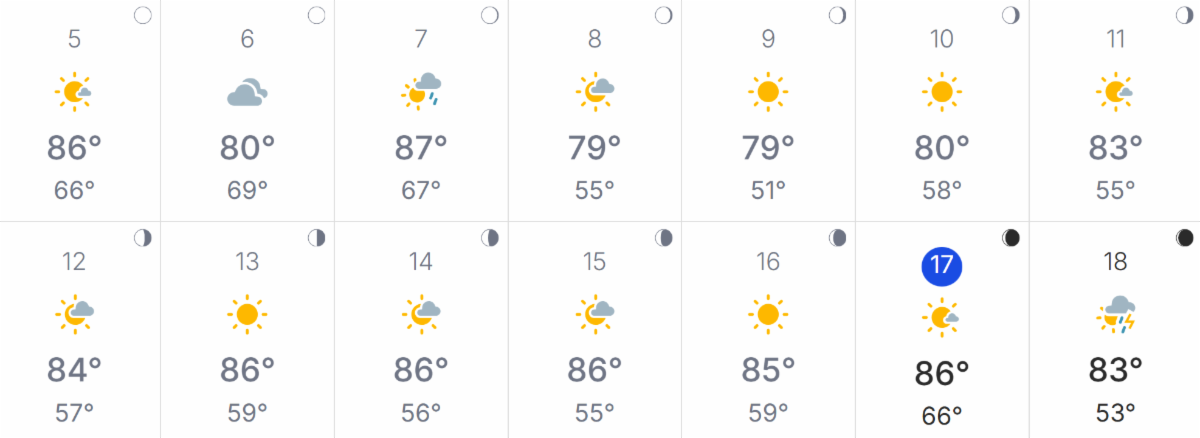
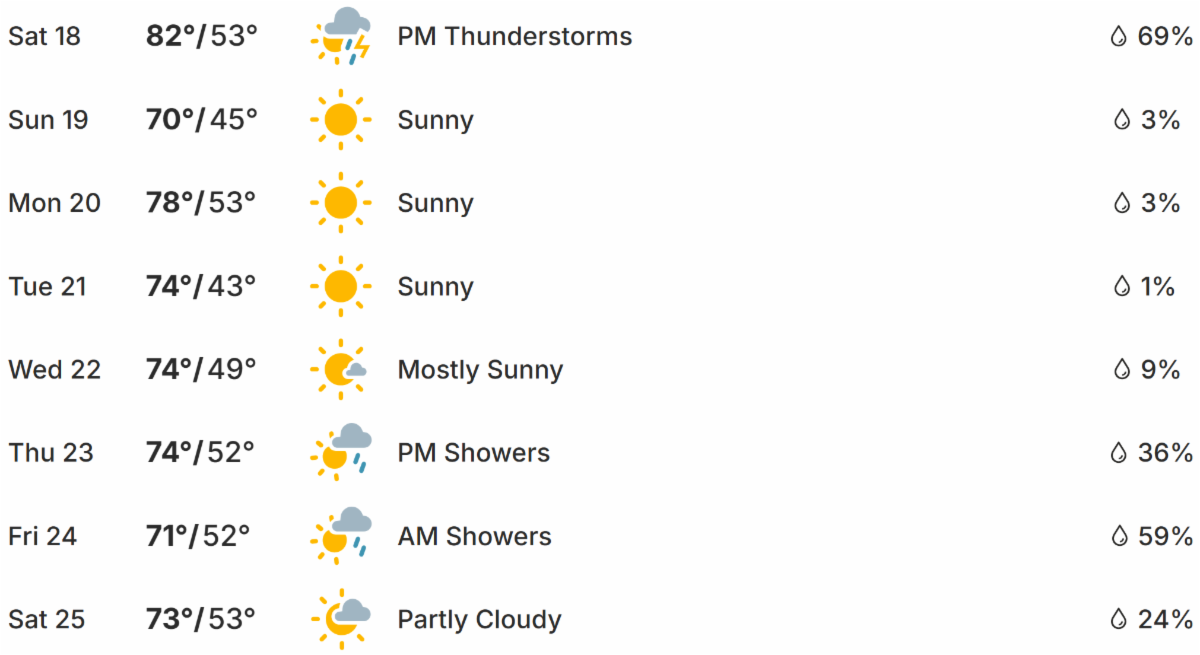
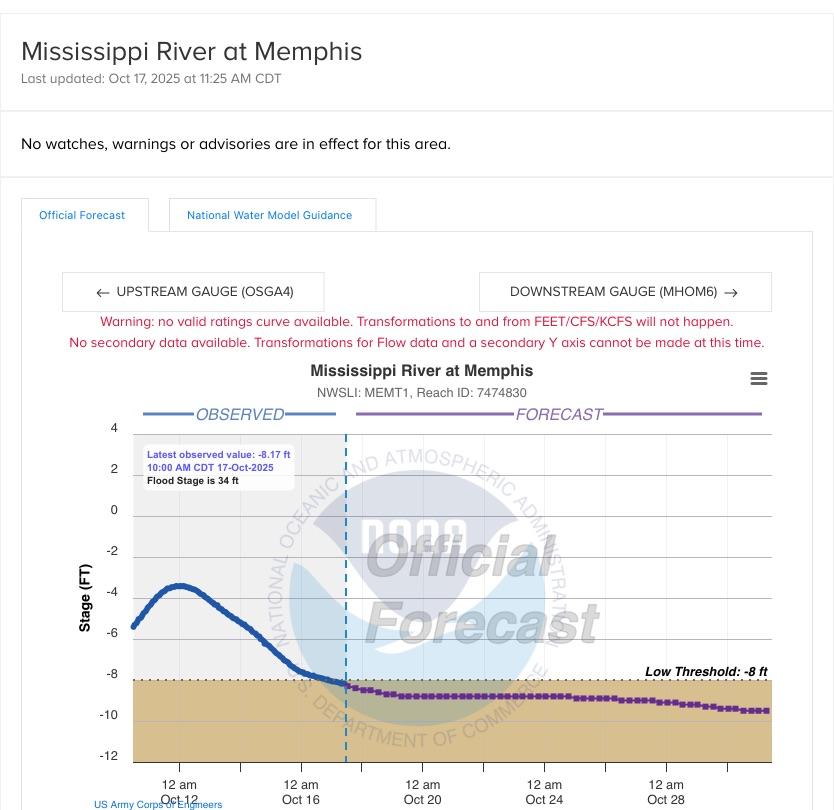
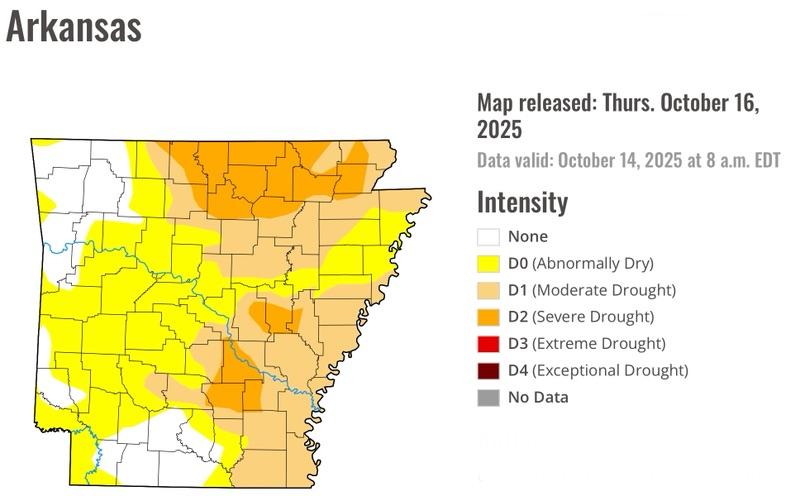
Tomorrow brings a good chance of rain for the County. We are getting really dry and need a rain bad. It looks like another good chance towards the end of next week. Temperatures are going to fall next week to the 70's.
| | Arkansas and Mississippi River | | |
Harvest
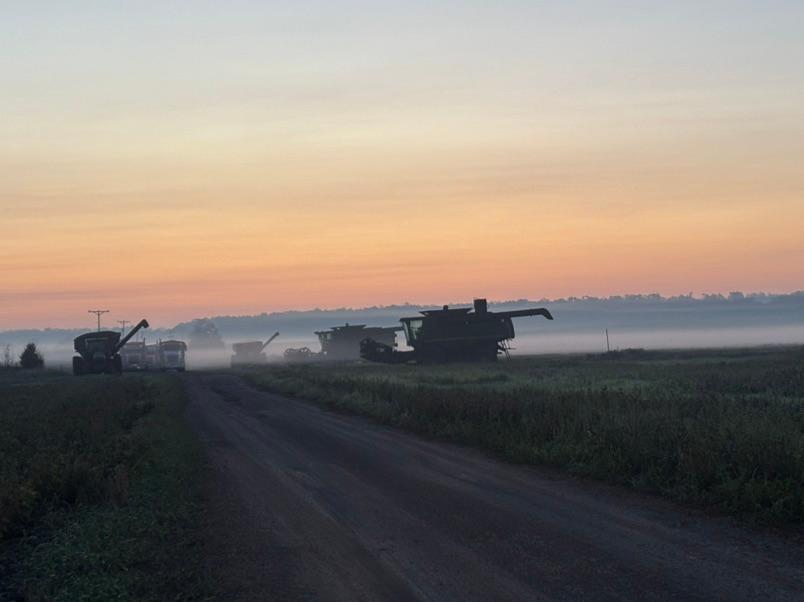
Soybean harvest ramped up this week as we finish up with rice. We are getting close to being done with rice, with just a few fields left.
| |
Wheat
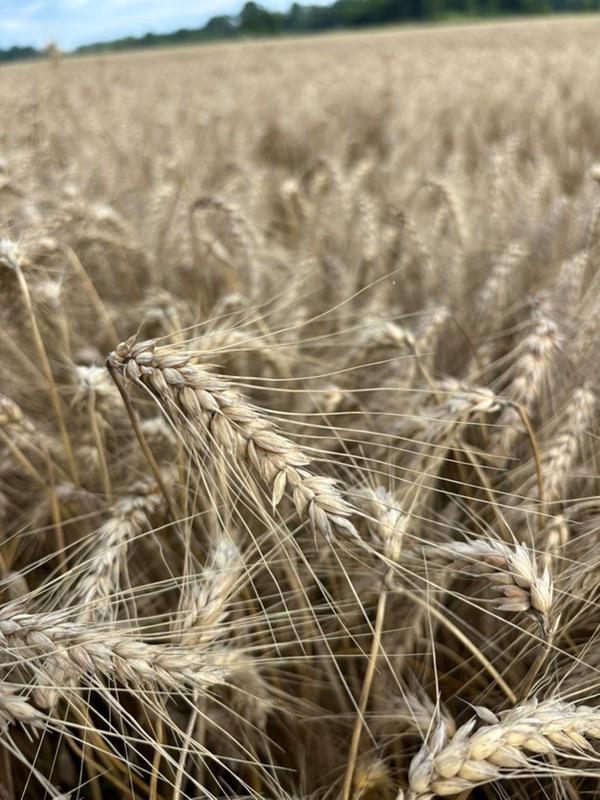
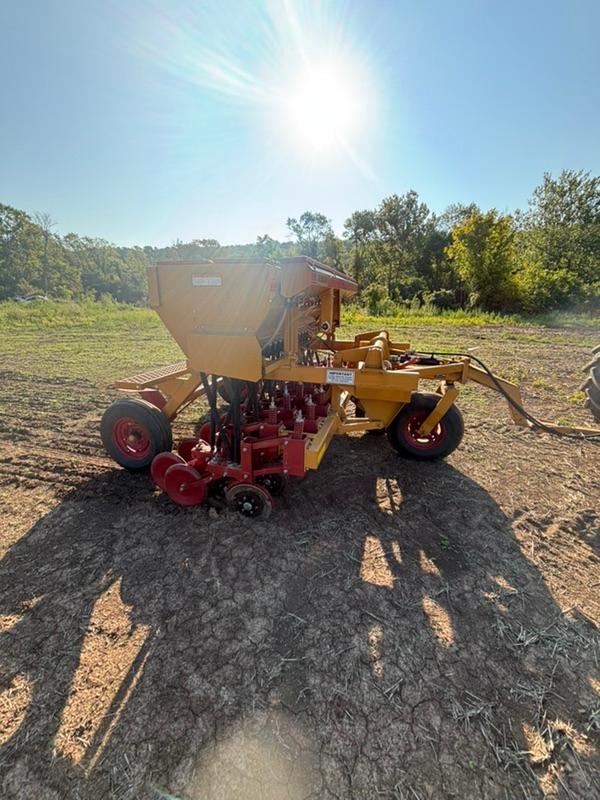
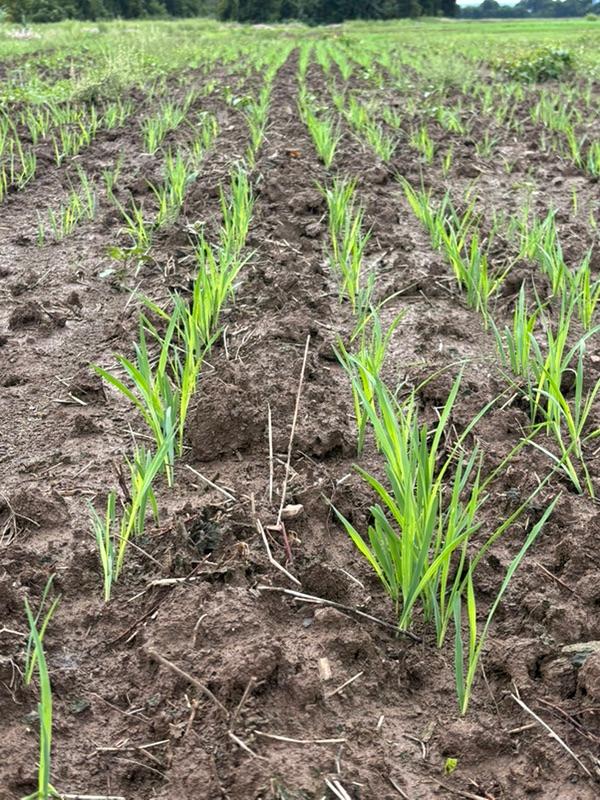
Getting a rain will help with wheat planting. We are really dry right now and a good rain will give us the moisture we need to get seed germinated.
Here are links to the 2025-2026 Wheat Update and the 2026 Wheat Quick Facts.
| | |
Managing Row Crop Operating Expenses Webinars
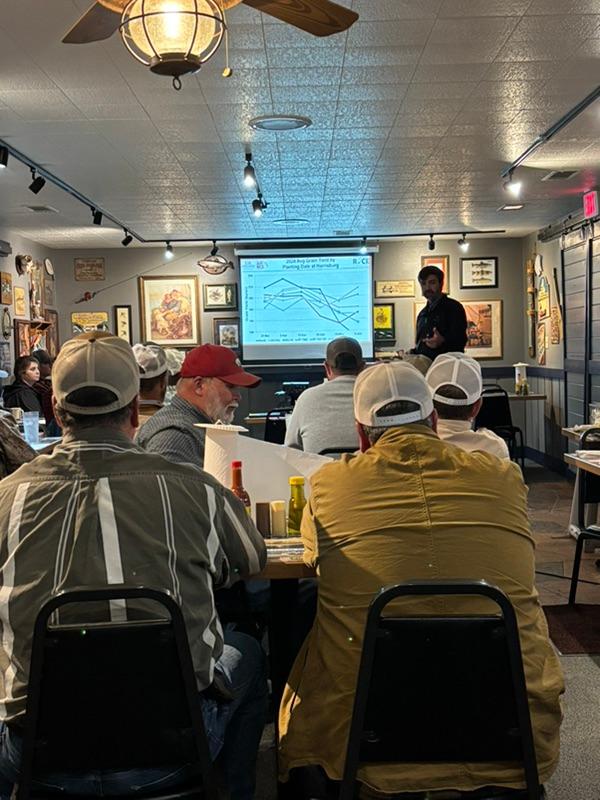
The University of Arkansas Division of Agriculture is offering two webinars focused on the 2026 crop year. Anyone can watch these from any device, but if anyone wants to watch these at the Extension Office, please let me know and I would be happy to set something up.
Eleven UA Division of Agriculture Extension specialists are coming together to offer this two-part webinar series to discuss topics that could help with operating costs for this upcoming crop year. Although we are months away from next year's crops going into the ground, planning, and implementing some practices like weed management starts now. This webinar series covers topics including fall herbicide applications, using soil moisture sensors for irrigation management, pest control, seeding rates, and farm financial decision aids.
October 28th
Weed management, nematode management, and cost-effective crop management decisions in our major crops – Dr. Tom Barber – Dr. Travis Faske-Dr. Jeremy Ross-Dr. Jason Kelley-Dr. Zachary Treadway-Dr. Jarrod Hardke.
Topic: Managing Row Crop Operating Expenses - Part 1
Date: October 28, 9:00 AM
Registration: https://uada.zoom.us/webinar/register/WN_AzRM7zKaR1yyNjxtaWwuVw
November 4th
Weed management, soil moisture sensors, IPM in rice, new insects of concern, and farm financial web tools. – Dr. Bob Scott-Dr. Chris Henry, Dr. Nick Bateman-Dr. Ben Trash and Dr. Ryan Loy.
Topic: Managing Row Crop Operating Expenses - Part 2
Date: November 4, 9:00 AM
Registration: https://uada.zoom.us/webinar/register/WN_BL-LKCOkSRyf3x8kUwwqjw
| | |
Row Crop Production Meetings
Our annual row crop production meetings will be coming up in early 2026. Save theses dates and I will share more information as we get it.
Corn and Soybean Production Meeting - January 22, 2026 - Morrilton (Place TBA)
Rice Production Meeting - February 24, 2026 - The Barn at Lollie
| | |
2025/26 Rice Market Outlook
Ryan Loy, Assistant Professor, University of Arkansas
Alvaro Durand-Morat, Associate Professor, University of Arkansas
U.S. Production and Harvest Acres
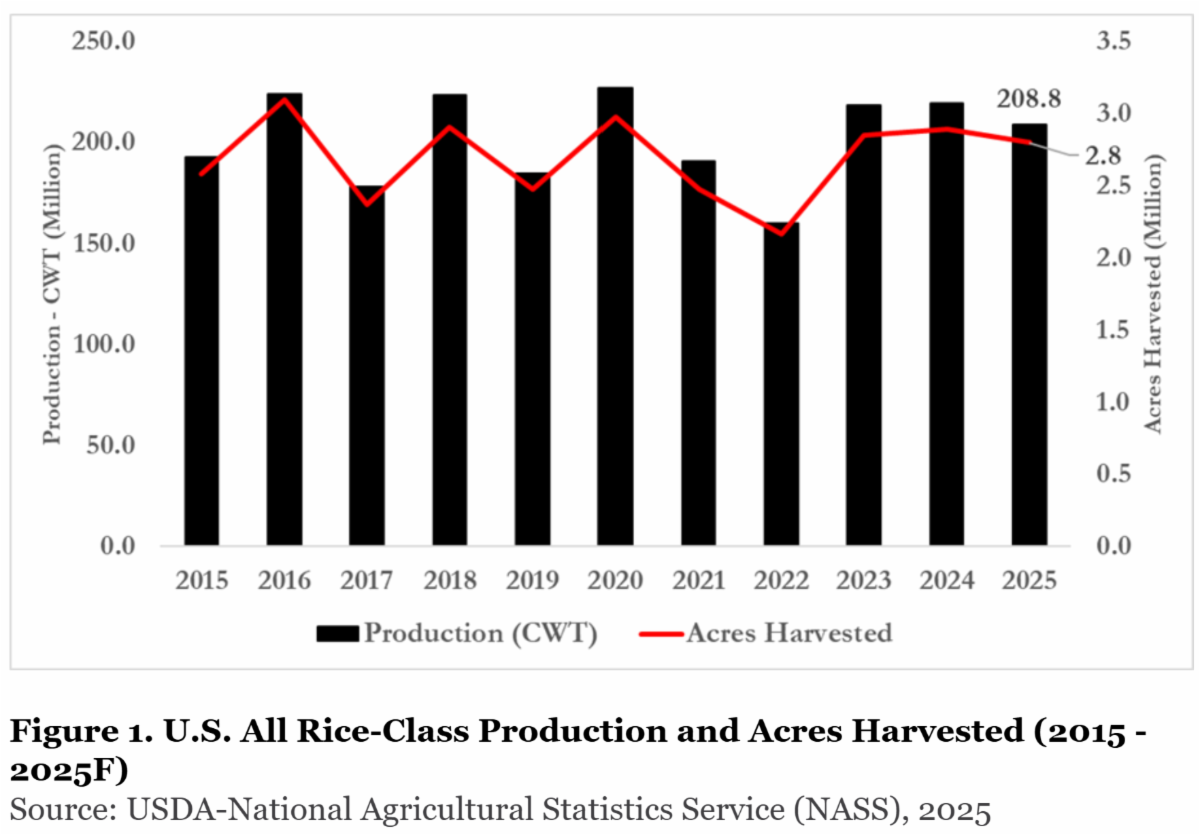
The 2025 planting season was marked by considerable challenges. Farmers in the Midsouth faced historical flooding in April that forced replanting across a significant portion of the Mississippi delta region. As farmers put planting behind them, the growing season brought extreme heat and a prolonged drought. In contrast, California experienced a relatively normal year with ideal planting temperatures and no surface water allocation issues (USA Rice, 2025). Even with California’s improved season, the production setbacks in the Mississippi delta region offset those gains, and, as a result, U.S. rice production is expected to decline roughly 10 million cwt from 2024 levels, falling to 208.8 million cwt in 2025 (Figure 1). Over the past decade, production has fluctuated between 160 and 230 million cwt, with acreage shifting between 2 – 3 million acres. Peaks in 2016, 2018, and 2020 reflect the typical crop rotation across the midsouth. However, with high input costs and weaker rice prices, 2022 marked a contraction in production at 160 million cwt. Production has since recovered, due in part to more favorable returns for a rice crop compared to other Midsouth commodities such as corn or cotton.
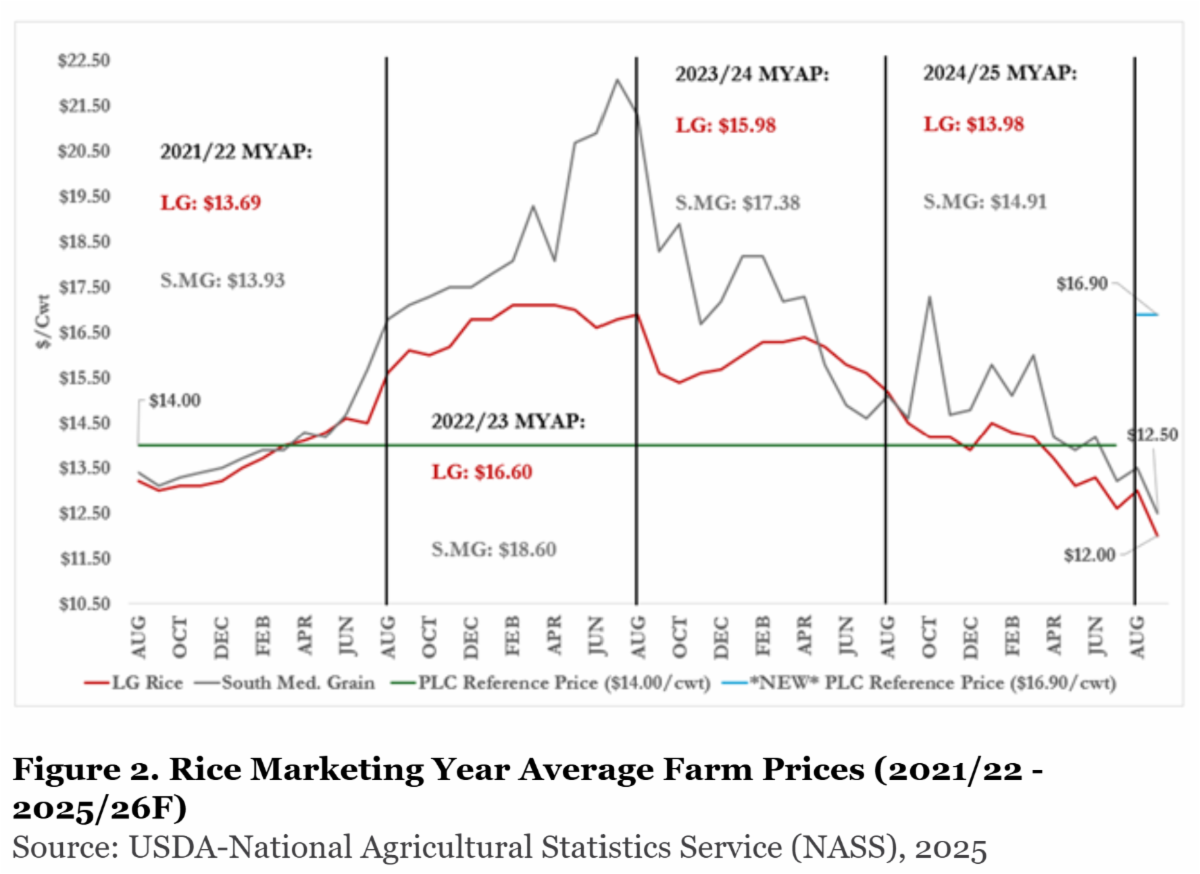
| The September 2025 World Agricultural Supply and Demand Estimates (WASDE) report forecasts a 35% year-over-year increase in all rice-class beginning stocks. This increase in beginning stocks is almost entirely driven by the 93% year-over-year increase for long grain, the result of record yields across the southern region in 2024, with Arkansas averaging 169.8 bu/acre (UADA-CES, 2025). On the other hand, medium grain is forecasted to fall by 27.5%. The current outlook is for a slight rise in overall exports and a relatively minor decrease (~0.9%) in ending stocks relative to 2024/25 (USDA-AMS, 2025). Ending stocks are currently forecasted at 53.4 million cwt, compared to 2024/45, which was 53.9 million cwt. The USDA anticipates long-grain rice exports will reach 64 million cwt, a level that hinges on maintaining price competitiveness in global markets. As a result, farm prices for long-grain rice are forecast to decline to $12.00/cwt, while the prices for Southern medium & short-grain rice are forecast at $12.50/cwt (Figure 2). These expectations represent a severe decline from the 2024/25 marketing year, with long grain and Southern medium & short grain prices falling 14% and 18%, respectively. It’s worth noting that the effective reference price has increased from $14.00/cwt to $16.90/cwt for the 2025/26 marketing year (One Big Beautiful Bill Act, 2025). Figure 2 highlights this change, showing that current forecasts indicate a possible PLC payment under the new effective reference price. | |
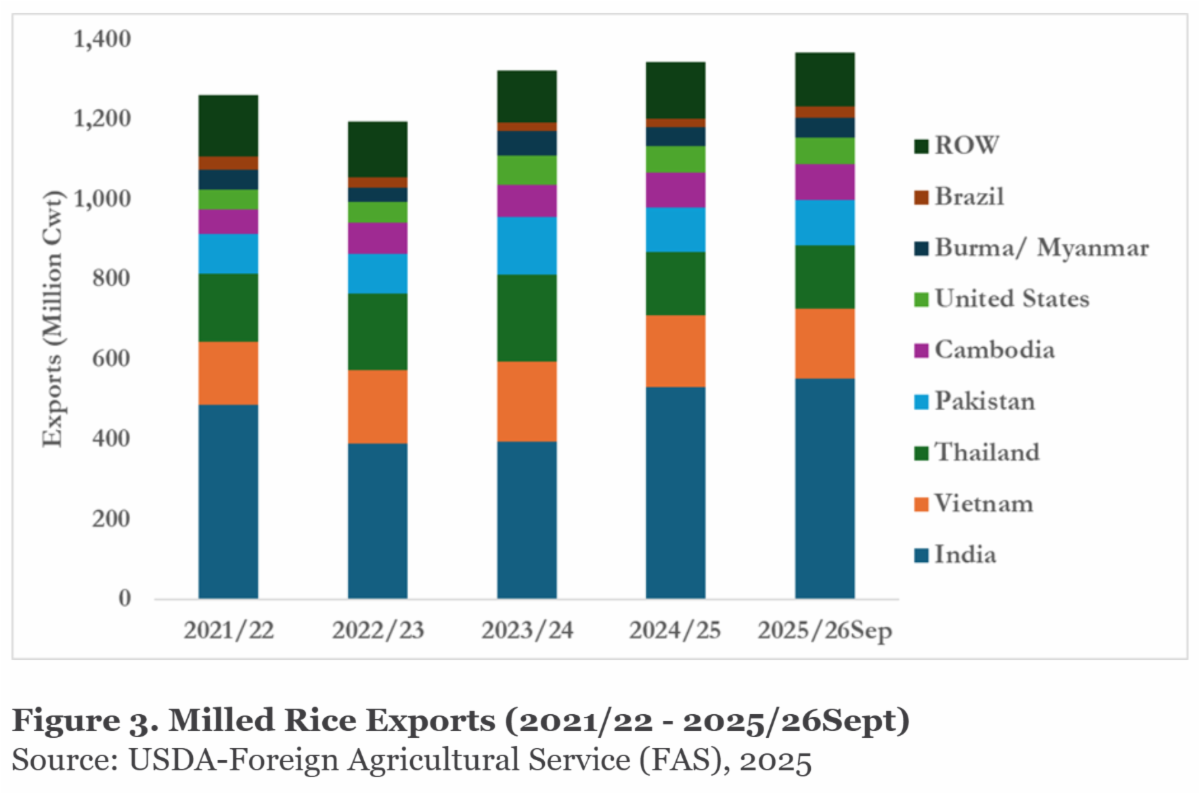
Figure 3 highlights a modest increase in exports across major rice-supplying countries. However, global rice prices have trended downward throughout 2025, primarily due to weaker global demand, India resuming rice exports, much lower import demand from Indonesia, and a temporary ban on rice imports in the Philippines, which is expected to lift in November (USDA-FAS, 2025). U.S. long-grain rice is currently priced around $585/ton[1], which represents the most expensive rice on the world market. In contrast, India, Pakistan, and Thailand are all competing for the cheapest rice on the market, priced at around $360/ton. The broad decline in the world rice price has been from India’s decision to lift its rice export ban in September 2024. Nearly a year later, Indian exports continue to exert downward pressure on international markets.
[1] This price reflects #2, 4-percent brokens, sacked FOB, Gulf Coast (Childs and Abadam, 2025)
| | Beef, Small Ruminants, & Forages | | |
Faulkner County Conservation District Office Shutdown
This message was on Facebook and for anyone looking to rent the county equipment please take note!
Our office is closed due to the government Shutdown. If you're needing to rent equipment. Call me at 501-450-2858. LaDonna Taylor District Coordinator.
| | |
Addressing Follow up Questions to Carcass Weights, Quality Grades & Consumer Demand
Mark Z. Johnson, Oklahoma State University Extension Beef Cattle Breeding Specialist
The article titled “Carcass Weights, Quality Grades & Consumer Demand” from last week led to several good questions. This week, I will address the most commonly asked questions.
First, the key points from last week. Carcass weights are going up and there are currently no market signals to indicate they will go down. Even long-term, pending increased heifer retention and a larger national cow inventory, market signals indicate more days on feed and heavier carcass weights will be the new normal. One of the most dramatic and interesting market signals is the proportion of higher USDA Quality Grade (upper two-thirds Choice and Prime) carcasses currently in the weekly harvest mix and robust consumer demand for consistently great tasting, higher quality beef. Consumer preference for high quality beef and their willingness to pay for a great tasting beef product have created the need to supply this demand.
Most frequently asked question: “Do commercial cow-calf producers need to select for more growth and accordingly increase mature cow size to produce calves that fit the current industry norms?”
Answer: No. The cows in our nation’s cow herd are the cows currently producing the feeder calves spending over 200 days on feed and finishing at live weights well in excess of 1,500 pounds. As an entire industry, it appears we have ample growth. The post weaning growth potential of feeder calves produced in the U.S. is not tethered to weaning weights. This suggests, at the cow-calf level, the production environment (forage availability and level of nutrition) is not permitting cows to tap their full potential for milk production, nor calves to tap their full potential for growth to weaning. Whereas, the post weaning production environments (stocker operations and feedyards), ARE permitting calves to tap their full genetic potential for growth which manifest itself in the form of strong postweaning growth, heavier finishing weights and heavier carcass weights than ever. Given the diversity of our production environments and biological diversity of the U.S. cow herd, it is still critically important that beef cows fit their production environment. The best evidence that a cow is a good fit to her production environment is producing a weaned calf each year. Repeating this process year after year, and weaning off as high a percentage of her body weight as is reasonably possible.
As cow-calf producers, we all like heavy weaning weights. That being said, there is a growing amount of evidence that efficiencies and profit potential of commercial cow-calf operations would be better served by focusing selection pressure on other economically important traits and avoiding excessive mature weight. Several Cow-calf Corner articles over the past three years have addressed this issue. Bottomline: seldom is the maintenance cost of high growth cows with excessive mature size offset by the additional calf weight that results.
This question leads to another question to consider: “How can commercial cow-calf operations responsible for producing calves with superior post weaning growth and end-product merit reap the dividends of superior genetics?”
Answer: Avoid Information Asymmetry when marketing calves. This can be done by documenting the pre-weaning health/vaccination protocol and providing evidence of the post-weaning genetic potential. This is a long-term process that will require a combination of: 1) retaining a share of ownership through finishing and collecting evidence of post weaning performance which can be used in marketing future calf crops, 2) submitting DNA samples or, 3) enrolling calves in a program like Anguslink to receive a Genetic Merit Scorecard.
| | |
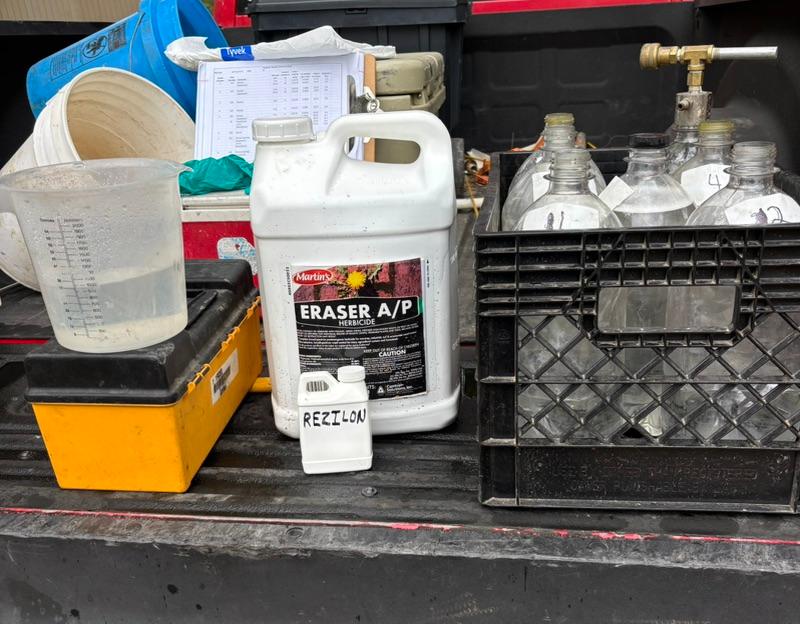
Rezilon Herbicide Demonstration
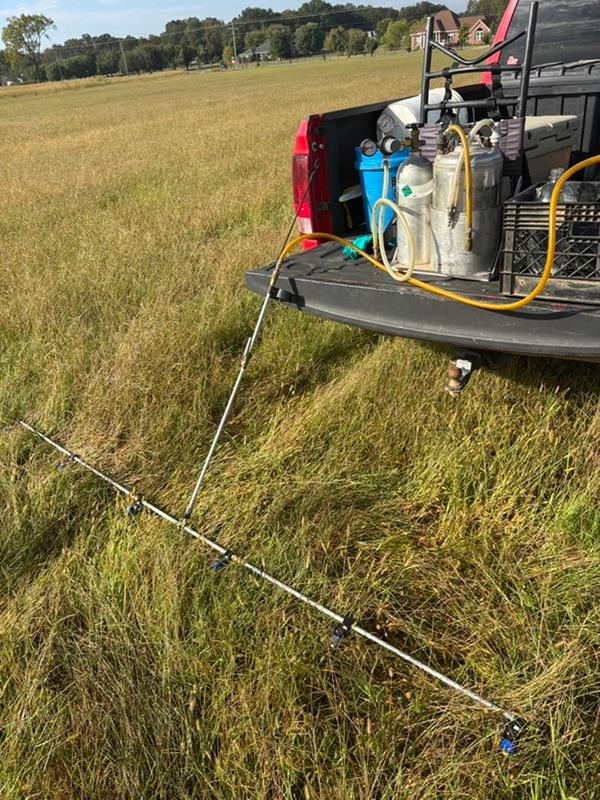
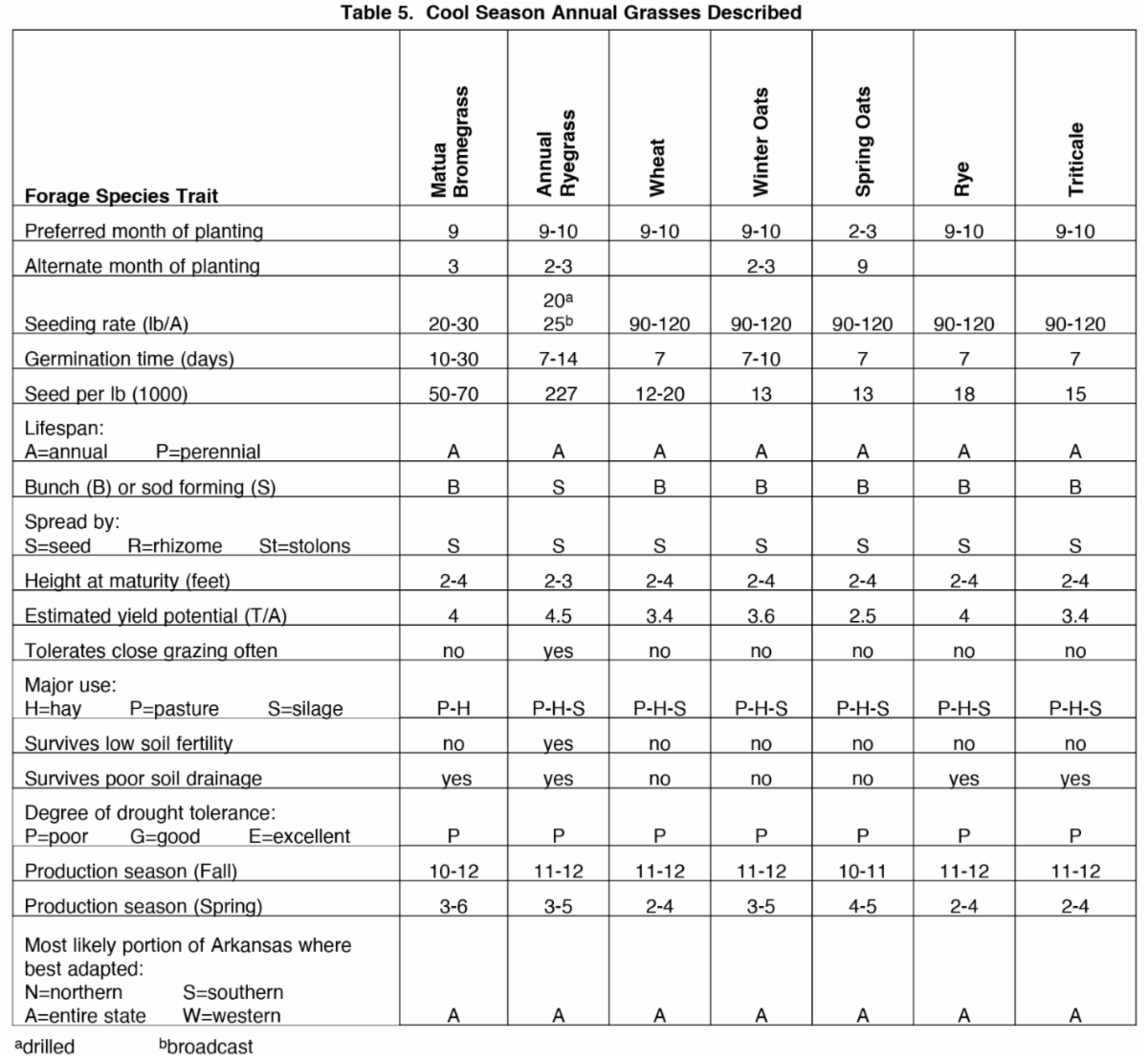
Rezilon is a preemerge herbicide that works on grasses that come back from seed. Grasses like crabgrass, ryegrass, and barnyardgrass can be controlled with Rezilon if applied at the right time.
For this demonstration I am looking at controlling ryegrass in a bermudagrass hay field. The first cutting in this field every year has lower quality because of the mature ryegrass. Today I applied different rates of Rezilon alone and Rezilon plus glyphosate. I am a little late getting this out since some ryegrass has already emerged, but I am hoping the plots with glyphosate will show good control. This demonstration will also have some spring applied plots. My goal is to get those plots sprayed in February to early March.
| | Cool Season Annual Resources | | Upcoming Meetings and Field Days | | |
Sheep & Goat Genetic Improvement Field Day
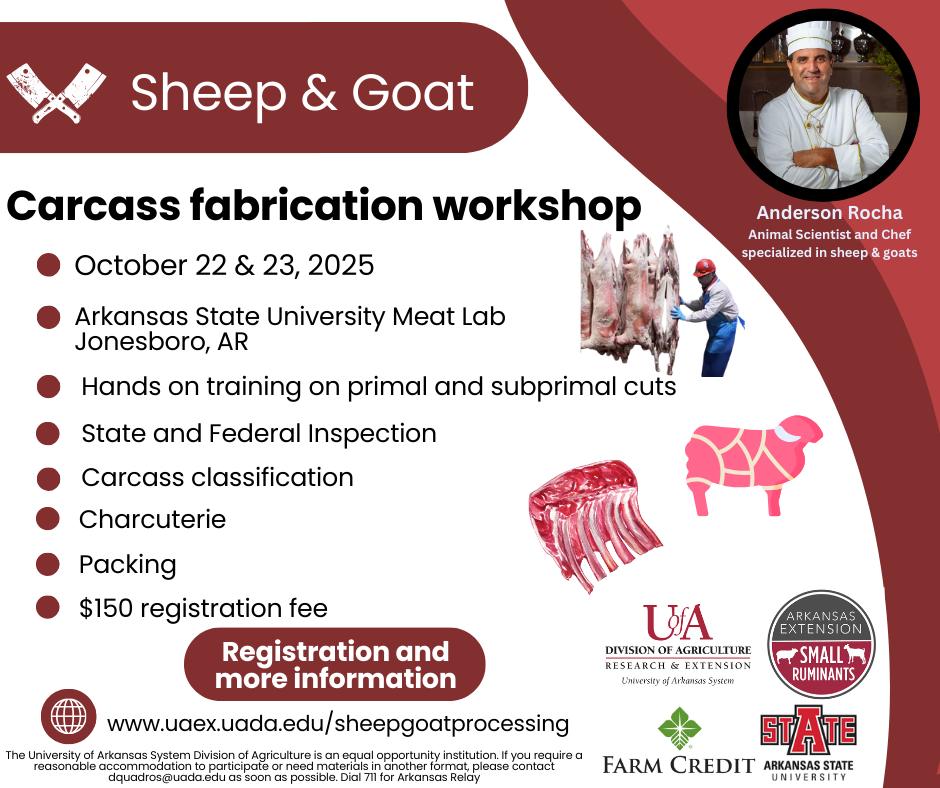
Unleashing the power of genetics to improve sheep & goat health, performance, and carcass traits is the theme of the "Sheep & Goat Genetic Improvement Field Day", the best event about small ruminant genetics that has ever been held in Arkansas. Do not miss this opportunity: great speakers, hands-on opportunities, and lamb burgers! On November 14th at the USDA/ARS Dale Bumpers Small Farms Research Center (6883 South State Highway 23, Booneville, AR), from 9:30 am to 3:30 pm. In person only, lunch included, and no cost to attend; please register by November 11. More information and registration at: www.uaex.uada.edu/smallruminantgenetics
Tentative agenda
9:00 am: On-site registration, coffee and donuts
9:30 am: Welcome, Dr. Joan Burke, USDA/ARS
9:45 am: Economic benefits of using rams/bucks with EBVs, Dr. Murphy, USDA/ARS
10:30 am: Breakdown sessions I: Collecting and recording data
Parasites: FAMACHA system, Dr Joan Burke, USDA/ARS
Parasites: Collecting and submitting fecal samples, fecal egg counting methodology, body condition scoring, Dr. Dan Quadros, UADA and Dr. Susan Rohila, USDA/ARS
12:00 pm: Lamb burgers
12:30 pm: Implementing an on-farm genetic improvement program, Dr. James Morgan, Round Mountain Consulting
1:00 pm: Breakdown sessions II: Collecting and recording data
Growth performance: types of ID and RFID, number of lambs born/weaned, birth weight, weaning weight, postweaning weight and collecting tissue, USDA/ARS and Texas A&M University
Buying rams with good genetics: visual assessment vs. EBVs, Dr. Joan Burke, USDA/ARS
Using ultrasound for pregnancy check and carcass evaluation, Dr. Jake Thorne, Texas A&M AgriLife
2:30 pm: The future development of the NSIP, Dr. Murphy, USDA/ARS and Dr. Jake Thorne, Texas A&M AgriLife
3:00 pm: Producer Panel: Using Estimated Breeding Values (EBVs) to improve economically important traits
Christine Hernandez, Heifer Ranch
Lauri Cellela, Rockwall, TX
Tia Broderick, The Farmhouse on Persimmon Hill
Zac Vann, Rafter V Ozark Farms
3:30 pm: Adjourn
Optional, 3:30 p.m - 4:30 pm: Learn more about the National Sheep Improvement Program (NSIP)
Dr. Joan Burke, USDA/ARS
Dr. Jake Thorne, Texas A&M AgriLIfe
Dr. James Morgan, Round Mountain Consulting
Dr. Murphy, USDA/ARS
| | |
Pesticide Applicator Trainings
In order to purchase restricted use pesticides (herbicides, insecticides, fungicides, etc) you must have a private applicators license. The license is good for 5 years.
To obtain a license you must first attend a certification training. Certification trainings are done in person by a County Extension Agent or you can go online and be certified. Below is a link to the online training.
In person trainings this year will all be at the Faulkner County Extension Office and will be on:
December 11 - 2:00 PM
January 29 - 6:00 PM
March 12 - 6:00 PM
April 30 - 2:00 PM
A certification training costs $20 and is due the day of the training.
Once a producer is certified, they will go through the Arkansas Department of Agriculture to obtain the license which is $45.
Please call the Extension office at 501-329-8344 to sign up for one of these dates.
There will be other opportunities for trainings in Perry and Conway County and I will post those as soon as those dates are available.
If you have a question about your license, please follow the License Search and Verification link below to find your license.
| | |
Livestock Market Report
The weekly livestock market report is available on the Arkansas Department of Agriculture website.
| | |
Sign up for Text Alerts
You can now sign up for text alerts from me throughout the year. I have two areas you can sign up for which includes Faulkner Livestock or Faulkner Ag (Row Crop Updates). To sign up you can follow one of these links or use the QR Codes below.
| | Pursuant to 7 CFR § 15.3, the University of Arkansas System Division of Agriculture offers all its Extension and Research programs and services (including employment) without regard to race, color, sex, national origin, religion, age, disability, marital or veteran status, genetic information, sexual preference, pregnancy or any other legally protected status, and is an equal opportunity institution. | | | | |