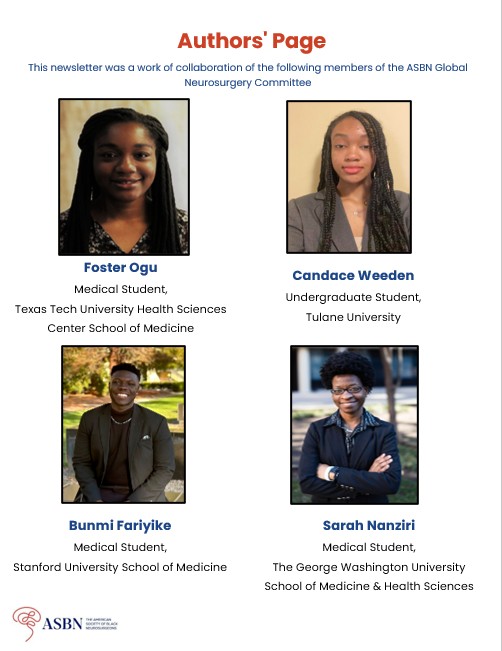
The ASBN Global Neurosurgery Committee Newsletter
The American Society of Black Neurosurgeons Global Neurosurgery
Committee Presents:
Our monthly newsletter delivers updates on events, research, resources, and initiatives of the global neurosurgery committee (ASBN-GNC) and in the larger global neurosurgery space, all curated specifically for our ASBN members.
The ASBN Global Neurosurgery Committee (ASBN-GNC) is a subcommittee of the Service and Communications/Outreach committee. Building on the ASBN mission, ASBN-GNC centers on three core values:
I. Global Health Equity
II. Decoloniality
III. Pan-Africanism
Research Highlight:
Stay informed with the latest updates and information on groundbreaking research, innovative projects, and cutting-edge developments within ASBN-GNC.
Neurosurgeon Highlight
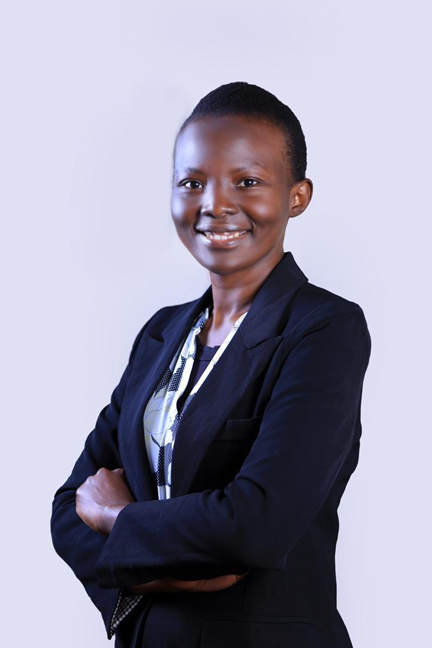
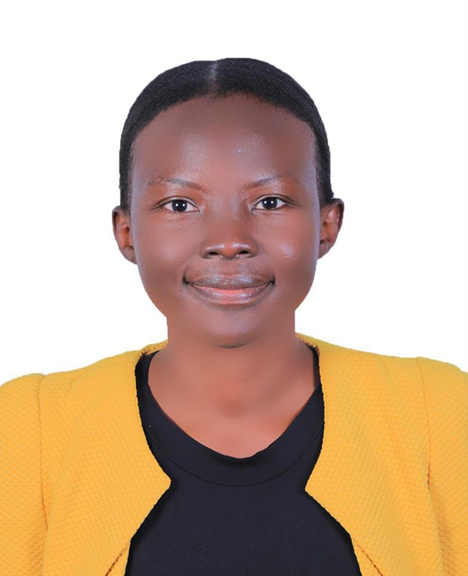
Winny Costa Mapuor, MD
Dr. Winny Costa Mapuor is one of the few certified neurosurgeons certified in South Sudan. Dr. Mapuor received her Bachelor's of Medicine and Surgery (MBBS) from the University of Khartoum in Sudan and then completed her medical internship there. Following her graduation, she worked in general practice before joining a neurosurgery residency program at Addis Ababa University in Ethiopia. Dr. Mapuor finished this program in November 2024 to become the first South Sudanese Neurosurgeon. She then joined the University of Juba School of Medicine as an assistant professor of neurosurgery.
Dr. Mapuor was selected as a Clack Family Fellow in 2023 by Foundation for International Education in Neurological Surgery (FIENS), supporting her continued neurosurgical development. Currently, she is completing a spine research fellowship at Barrow Neurological Institute as a Mission:BRAIN fellow and is serving as a International Sonntag Spine Center Research Fellow for the 2025–2026 academic year, further advancing her expertise in complex cranial and spine surgery.
Following her fellowship completion, Dr. Mapuor plans to practice at the Juba Teaching Hospital in Juba, South Sudan. Professionally, she is interested in cerebrovascular and global neurosurgery, particularly cases involving the spine and skull base.
Around the Globe: Impacts and Projects
A Look at Current Events in Global Neurosurgery
Dr. Mapuor:
Training, Teaching, Research, & Initiative
Before Dr. Mapuor's qualification, South Sudan - home to approximately 12.4 million people - had no practicing neurosurgeons. In collaboration with international colleagues, she hopes to establish South Sudan’s first neurosurgical unit, bringing lifesaving care to a population that has long gone without access in the world’s youngest nation. Her vital role stands to strengthen South Sudan’s overall healthcare delivery system.
Clinical interests
Global neurosurgery
Spine
Cerebrovascular neurosurgery
Skull base
Hobbies:
Reading
Cooking
Stepping outside to unwind while immersing herself in nature
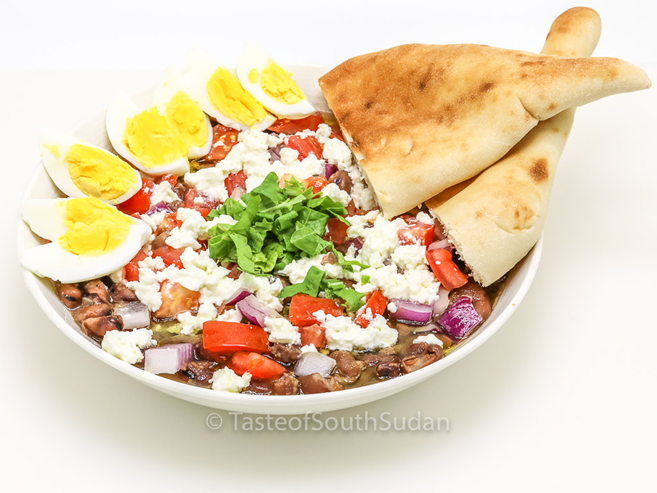
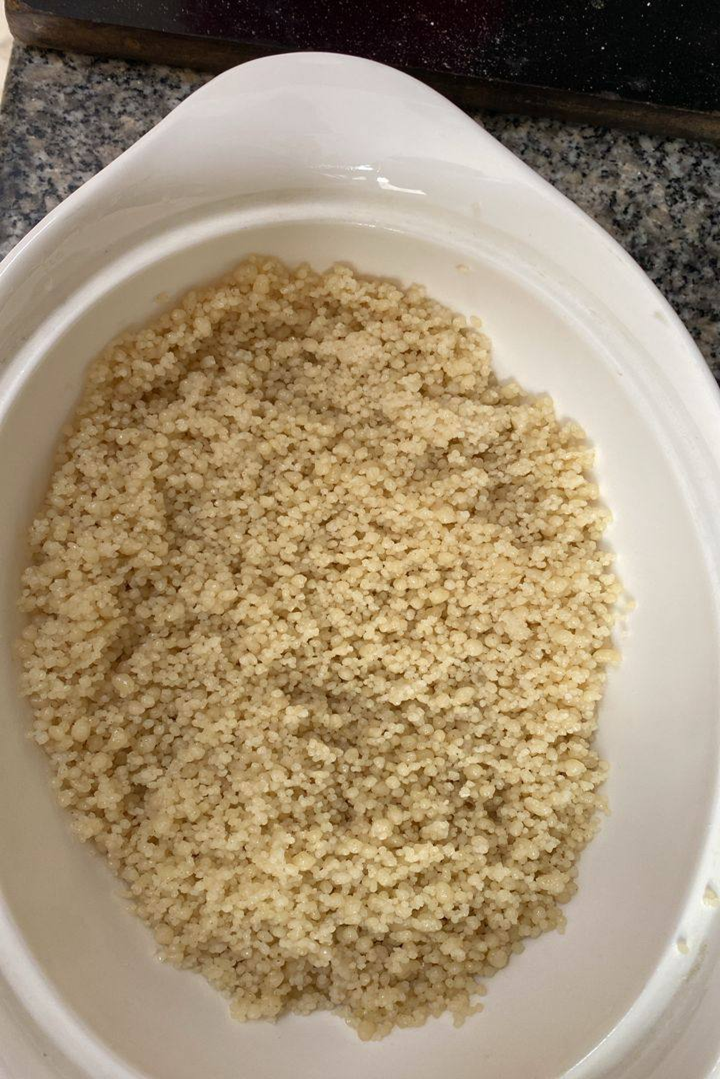
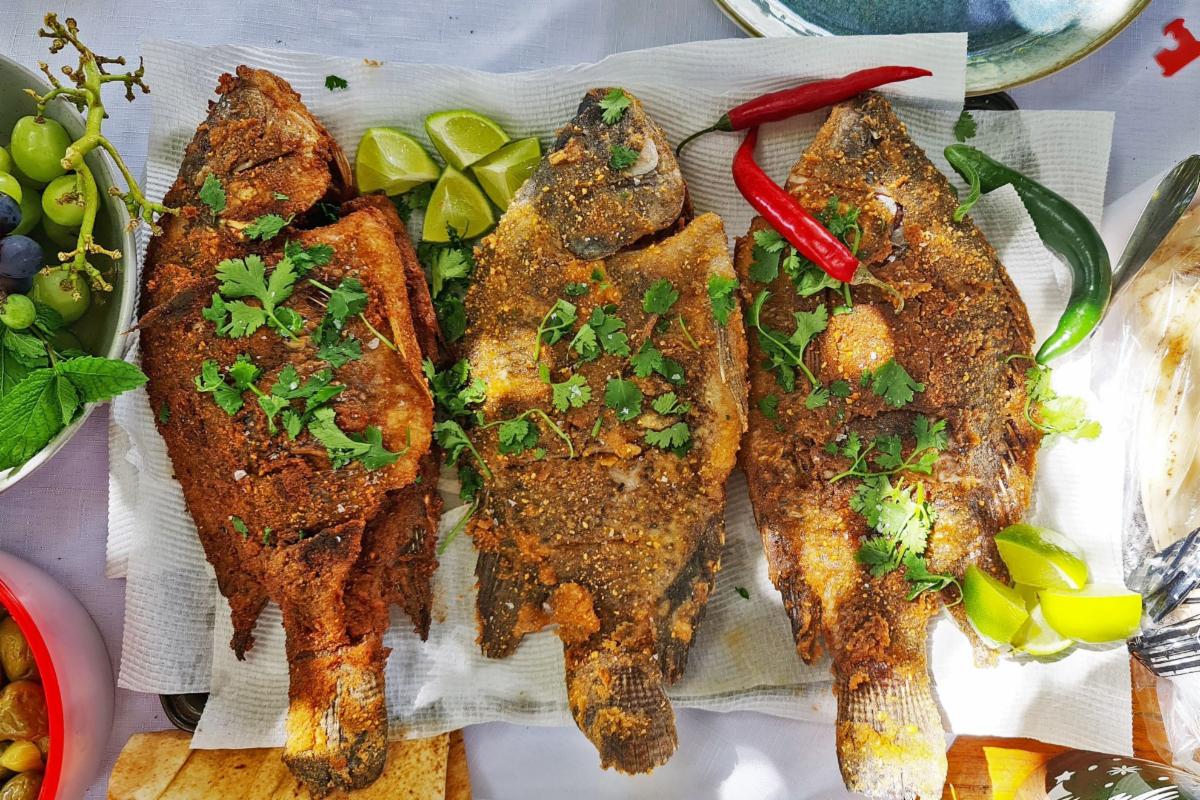
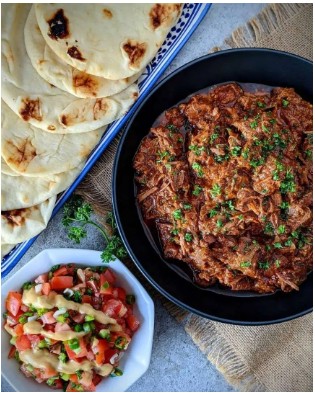
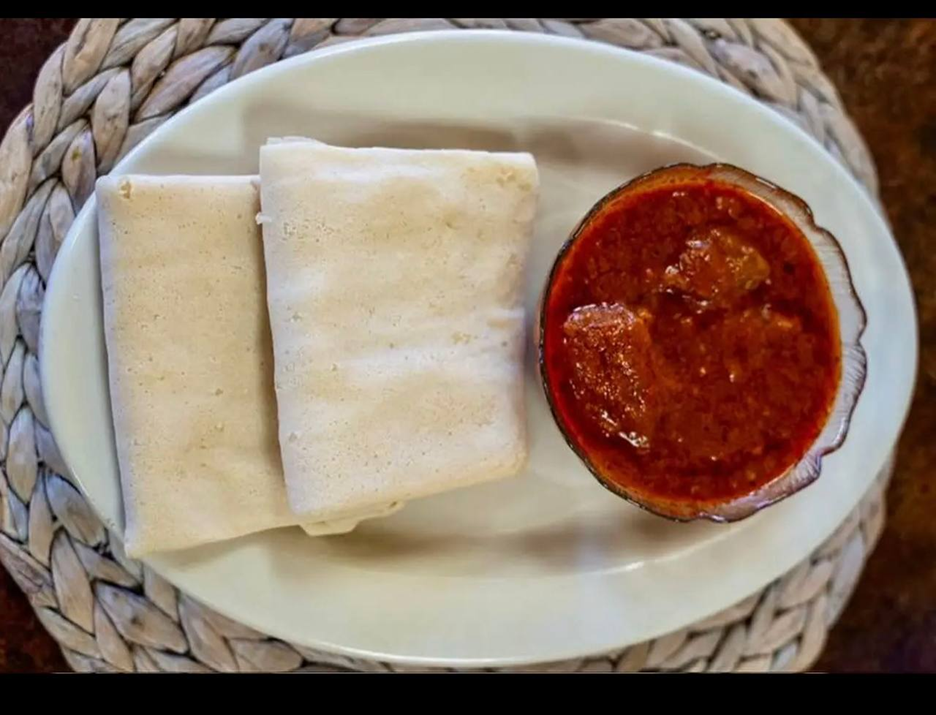
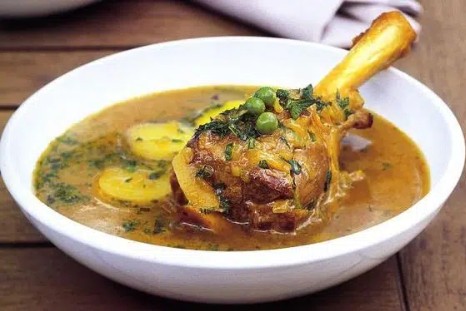
Favorite Meals:
Dr. Mapuor enjoys preparing and savoring delicious traditional South Sudanese dishes, rich for their flavors and nutritonal value.
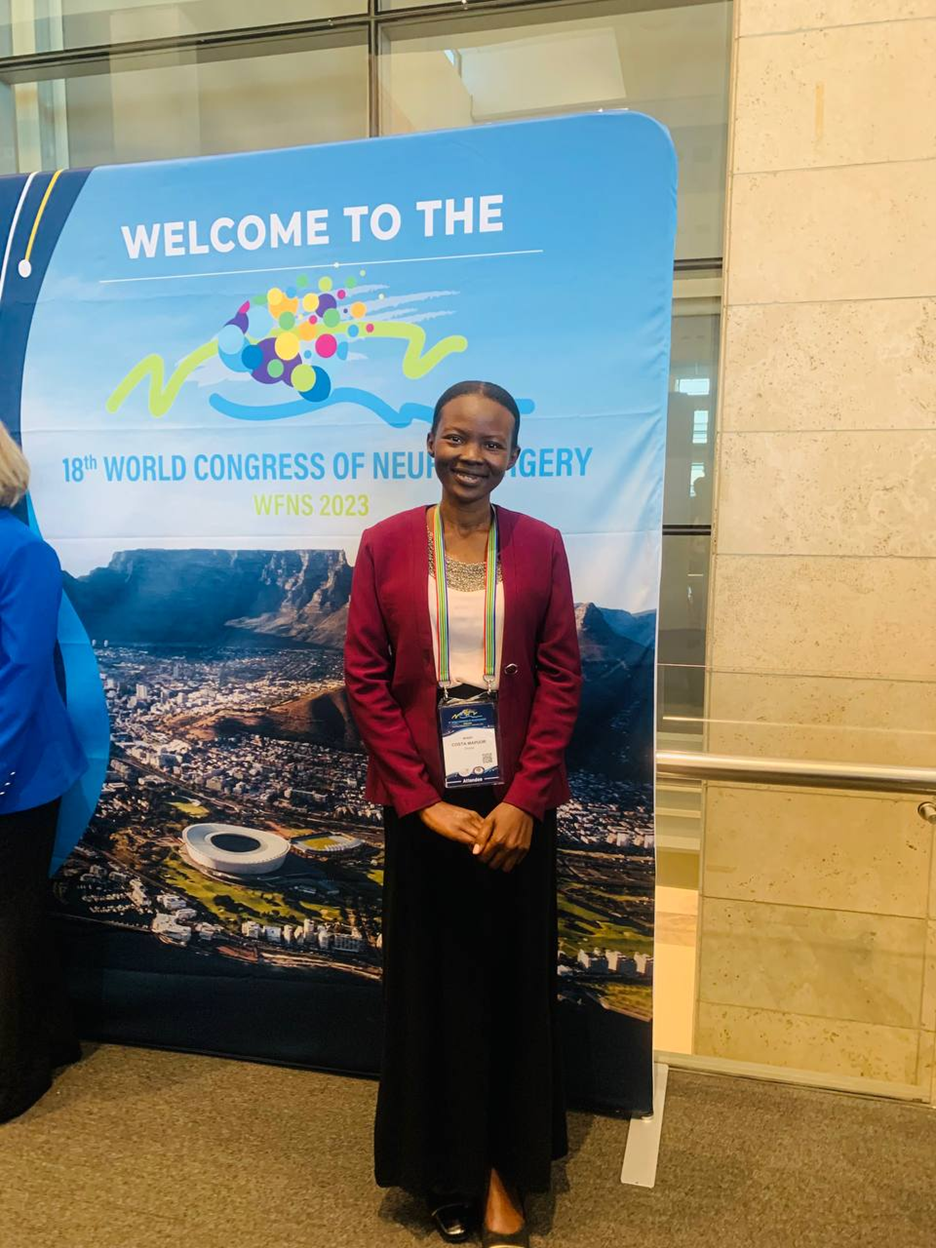
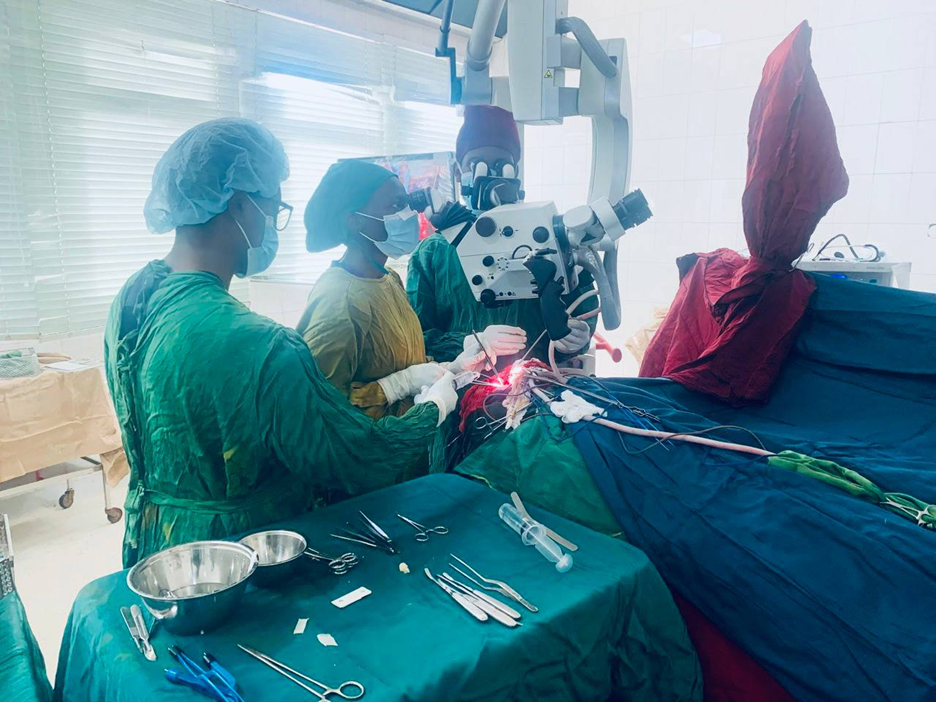
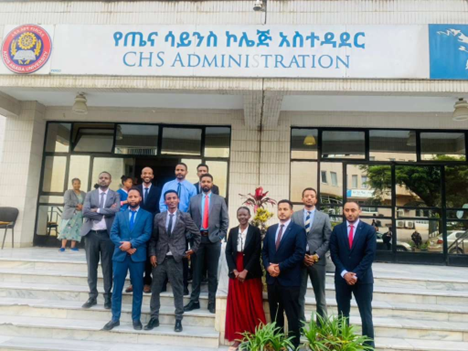
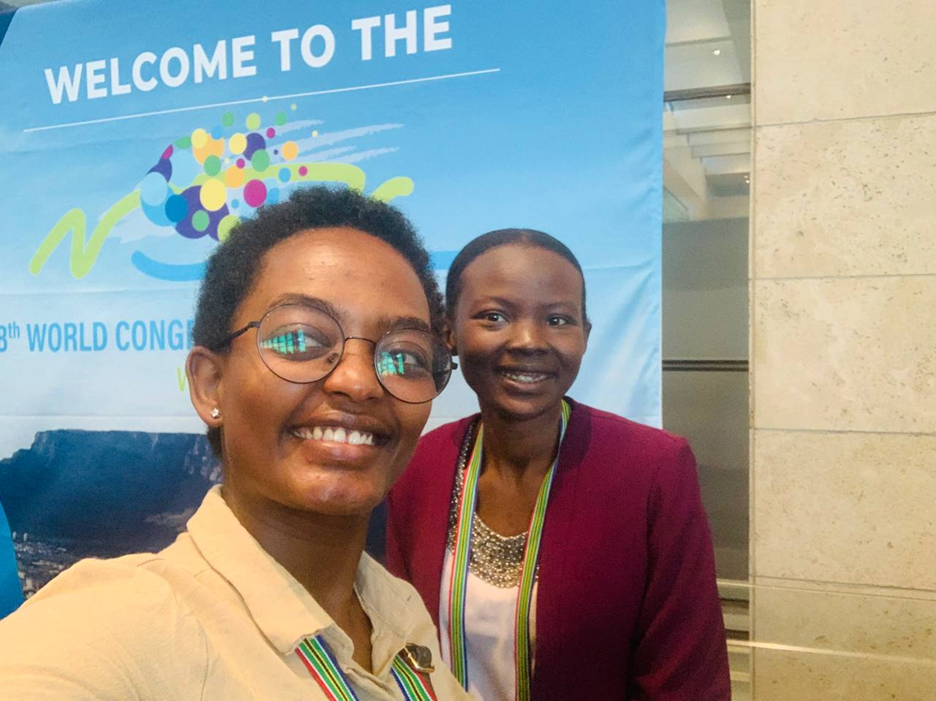
Dr. Mapuor at her neurosurgery graduation in Addis Ababa, Ethiopia (top right) and with several of her colleagues, including Dr. Eyerusalem Banti (bottom right) are shown across multiple professional settings including collaborating in clinical and academic activities.
The Republic of South Sudan:
Health Systems Delivery and Neurosurgery Engagement
In South Sudan, health service delivery operates across four levels: community, primary, secondary and tertiary. Certain services are delivered mainly at the secondary and tertiary level within General and Teaching Hospitals. Currently, neurosurgical services in South Sudan are limited. Due to this, general surgeons have performed emergency cranial surgeries, while other cases are referred abroad. Two neurosurgeons from neighboring countries are working in the private sector, primarily focusing on spine surgeries and emergency cases due to limitations in South Sudan. While there is no neurosurgery residency program in the country, three South Sudanese students are training in both Ethiopia and Kenya.
In the future, Dr. Mapuor plans to establish a neurosurgical unit at Juba Teaching Hospital to alleviate the strain on general surgeons. Furthermore, she hopes to start a neurosurgery residency program to further close the gaps.
Visit South Sudan
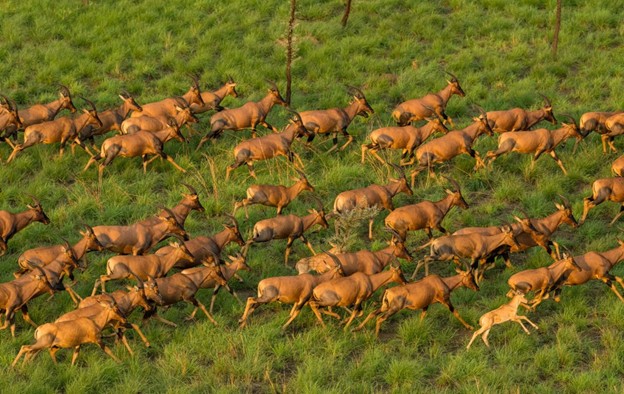
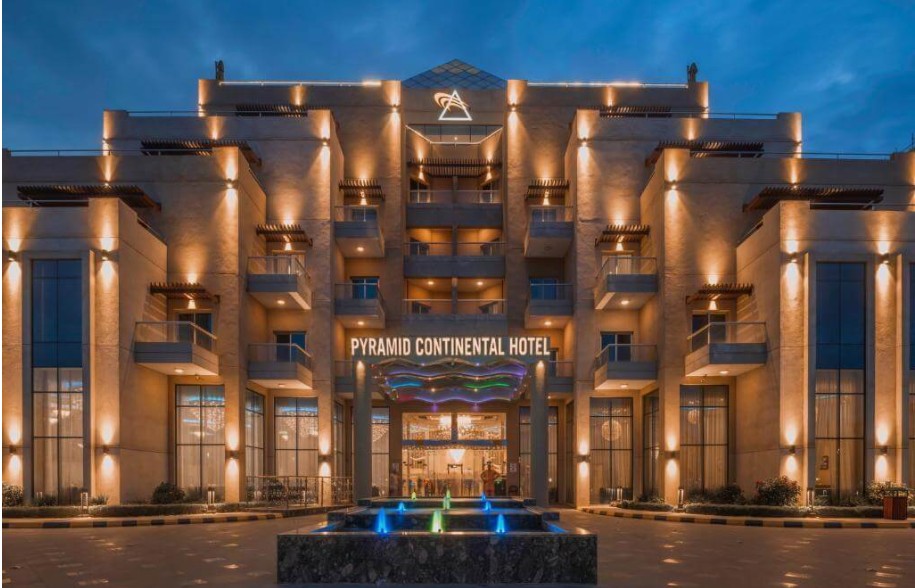
Visit South Sudan to experience the world’s youngest nation, where vast, untouched landscapes meet deep-rooted cultural traditions. It offers a raw sense of discovery far beyond the reach of standard tourist routes. From the dense forests of Equatoria to the jagged peaks of Bahr el Ghazal, the wilderness remains beautifully wild. In places like Boma National Park, you can witness breathtaking wildlife and scenery in a state of pure preservation. This is a rare opportunity to see a nation defining its identity in real-time, anchored by a rapidly evolving capital in Juba - now a rising hub for regional culture and commerce.
Committee Meeting Highlights
Winter 2025 Meetings
Collaborative paper on decolonization with effort from organizations like WFNS, Mission:BRAIN, FIENS and CAANS: If interested in participating, please submit a paragraph toDr. Barthélemy atglobalneurosurgeon@gmail.comdiscussing what you propose to contribute to this paper.
PAN-BRAIN (Pan-African Neurosurgical Biobank and Registry for Acquired Injury & Neurodegeneration): Neurosurgical biobank designed to collect and manage biospecimens from African and Afro-descendant communities with the goal to advance neurosurgical care in African and Afro-descendant regions with a focus on neurotrauma and neuro-oncology.
Join the GNC Newsletter Team !!!
Interested members should join our GNC Newsletter team!
Networking and mentorship across borders
Highlight impactful global leaders and initiatives
Journalism and leadership development skills
Interested?Email Dr. Barthélemyatglobalneurosurgeon@gmail.com with brief statement of interest and attend our February Monthly Meeting to meet the team!
Fostering Worldwide Global Neurosurgical Care Advancements
Any ASBN member (student, resident, attending, etc...) who is engaged in a project, particularly one focused on global neurosurgical healthcare and international or multi-organizational collaboration, is encouraged to reach out to our team. We are committed to fostering partnerships and facilitating proper collaboration to achieve our shared goals. Let's work together to make a meaningful impact.
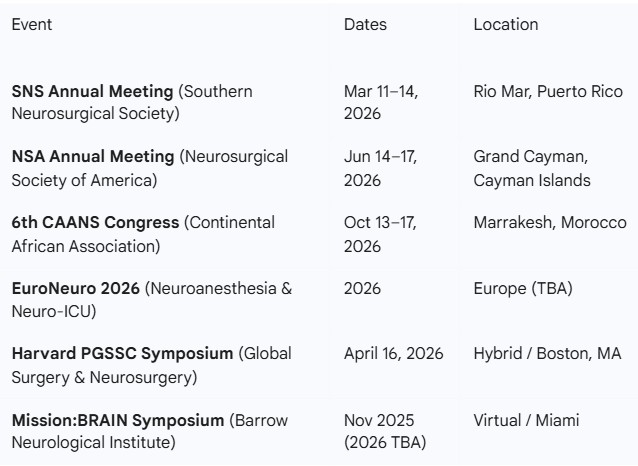
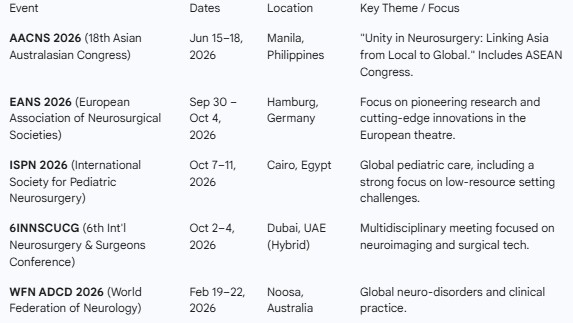
Upcoming Conferences and Conventions
AANS Annual Scientific Meeting. May 1–4, 2026 in San Antonio, Texas. Explore more at https://annualmeeting.aans.org/
76th CNS Annual Meeting (Congress of Neurological Surgeons). October 31 – November 4, 2026 in Washington, D.C. Explore more at https://www.cns.org/annualmeeting.
The 1st World Conference of Computational Neurosurgery. February 13–15, 2026. Online/Virtual. Explore more at https://wccns.com.au/
The 3rd Yaşargil Academy Congress of Microneurosurgery. Explore more at https://yasargilcongress.com/
G4 Alliance Global Surgery Day. May 2026. Explore more at https://theg4alliance.org/
Summary of Key Registration Hubs for Global Neurosurgery Conferences:
WFNS Events: wfns.org/events (The definitive source for endorsed international meetings).
AANS Events: aans.org/about/events-calendar/ (Best for North American and major global summits).
EANS Events: eans.org/events (Best for European and Mediterranean training courses).
Recommended Readings
Neurogenetics
Each issue, we recommend published research articles with a unifying theme. You can also always check out our comprehensive reading list linked below!
Although genetic diagnosis of neuromuscular diseases has led to improved care pathways and targeted treatments in high-income countries, the vast majority of affected patients are from low-to-middle-income countries, where to DNA-based diagnostic tools remains limited. In this study, the authors bring together 18 centers across South America, Asia, Africa, and Europe to develop a cloud-based means of collecting and analyzing genetic data, providing a likely genetic basis for over half of the study’s 6,000 participants.