June 10, 2022
VHC Weekly Digest
Jack Jackson on Feminism and Queer Legal Theory
In this episode of our podcast, Voices in Vulnerability, Professor Jack Jackson of Whitman College speaks about his involvement with the Feminism and Legal Theory Project over the years, focusing on the book Feminist and Queer Legal Theory: Intimate Encounters, Uncomfortable Conversations, which he co-edited with Martha Albertson Fineman and Adam Romero. 

Listen to the interview here.
Feminist and Queer Legal Theory: Intimate Encounters, Uncomfortable Conversations
"This anthology focuses on the vigorous and sometimes contentious debates between and among feminist and queer legal theorists, bringing into direct dialogue many of the key players in this ongoing set of “uncomfortable conversations.” Many of the chapters speak directly to one another, debating not only important issues such as intimacy, privacy, sex harassment, and political strategy, but also the very conceptualization of feminism and queer theory. Cumulatively, the chapters pursue the shifting complexities and difficult questions feminist and queer legal theories consider as well as produce. This anthology also maps the different approaches to the concepts of sex and gender that have been articulated over the past decades by feminist and queer theorists. In particular, it explores evolving and contested assertions about the centrality of a positive theory of sexuality to the formulation of critical perspectives on legal, social, political, and cultural institutions." - Martha Albertson Fineman
 
This blog post includes the introduction to the book. Read the blog post here.
“Vulnerability, Resistance and LGBT Youth”
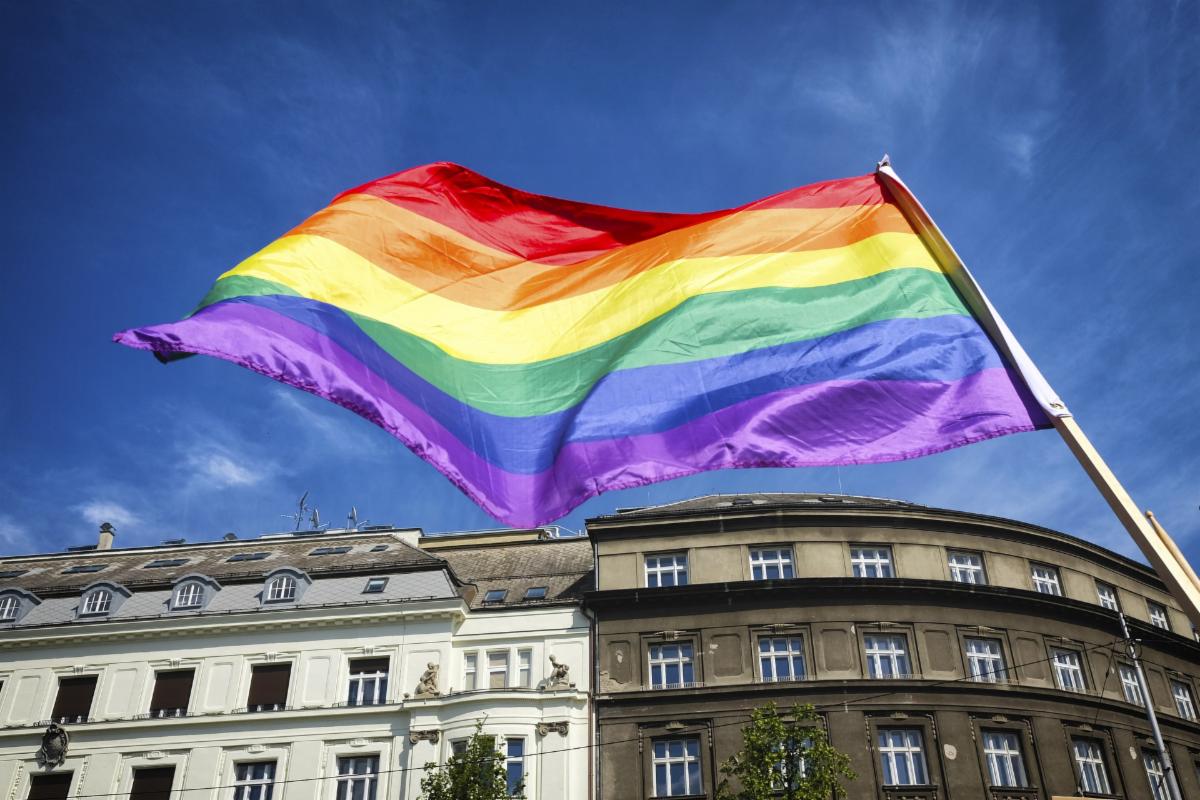
Image via Pixabay
"The amalgamation of interests and creation of alliances with people across differences reflected in “Generation LGBTQIA” is also an effective political strategy. The students have varied individual sexual and gender identities, but emphasize similarities rather than differences in order to reach others who share their interest in broader social justice questions that affect everyone. 
…
While the students’ approach remains built around sexual identities, by expanding the frame to potentially include all possible positions, preferences, and perspectives, they have created a universal (or all-inclusive) sexual subject. The differences among the students are not erased, but enfolded within a broad category that is relevant to everyone. As such, it invites a more inclusive and comprehensive approach to issues involving sexuality and gender." - Martha LA Fineman

This article was part of a symposium for the Temple Political & Civil Rights Law Review titled LGBT Youth: Reconciling Pride, Family, and Community.

Read the blog post here.