Department growing with new faculty
|
|
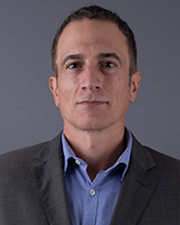
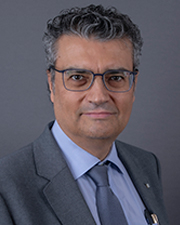
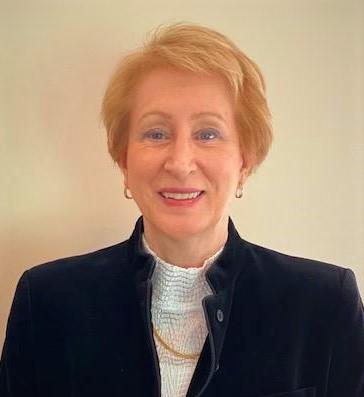
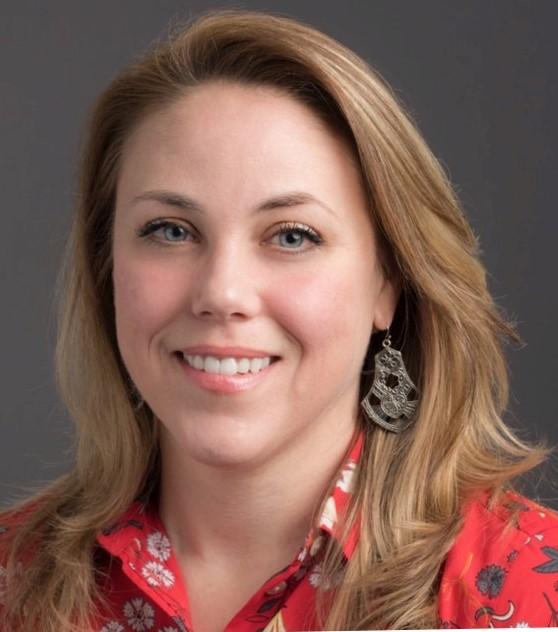
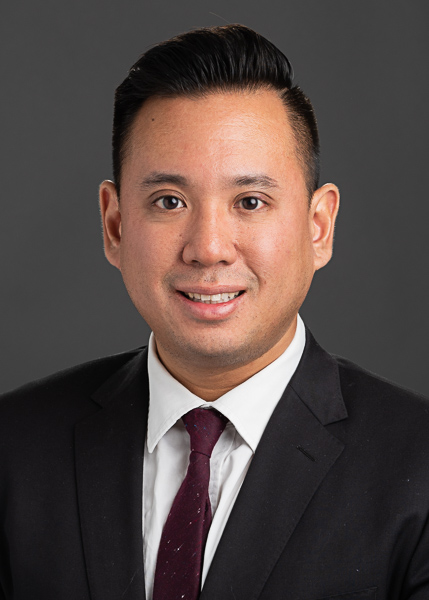
The Louis A. Faillace, MD, Department of Psychiatry and Behavioral Sciences at McGovern Medical School at UTHealth has been fortunate enough to expand its staff, adding a few dynamic team members. Each one of these individuals brings a unique skill set.
|
|
 |
Ron
Acierno, PhD
Professor
Vice Chair for Veteran Affairs
Executive Director, UTHealth Trauma and Resilience Center
Areas of interest:
PTSD
Depression
Elder abuse
|
|
|
|
Cesar A. Soutullo, MD, PhD
Professor
Director, ADHD Outpatient Program
Areas of interest:
ADHD
Bipolar disorder
Pediatric psychopharmacology
Mood disorders
Child and adolescent psychiatry
|
|
|
|
|
Melba Hernandez-Tejada, PhD, DHA
Associate Professor
Areas of interest:
Evidence-based treatments of PTSD
Anxiety
Depression
PTSD, anxiety and depression in older adults and veterans
|
|
|
|
Peggy Stephens, MD
Associate Professor
Areas of interest:
Telepsychiatry program
Board certified in adult, geriatric, and addiction psychiatry
|
|
|
|
Trauma and Resilience Center offers unique environment for patients
|
|
Leslie Taylor, PhD (left), and Austin Lin (right), MD, oversee UTHealth Trauma and Resilience Center
|
|
The UTHealth Trauma and Resilience Center at the Faillace Department of Psychiatry and Behavioral Sciences offers a wide range of services to both adult and children who experience traumatic events in their lives.
Any person, regardless of age or gender, can experience a traumatic event and psychological problems in its aftermath. Common reactions include depression, anxiety, or anger.
Leslie Taylor, PhD, is the director of Child Services at the center. She says many children and teens experience trauma, and that the cumulative effects of multiple exposures can result in toxic stress responses, which have a profound impact on physical and mental health. This has resulted in increasing recognition of trauma as a public health concern.
Exposure to events such as community violence, experiencing a physical trauma, or losing a loved one can trigger post-traumatic reactions.
“The experience of trauma is not uncommon in youth,” Taylor said. “Some may report initial upset and then return to normal. Others may continue to experience problems in their daily functioning related to the trauma, such as difficulties sleeping or having nightmares, being quick to anger, or becoming very afraid when things remind them of the trauma.”
Difficulty with response to trauma is not limited to children. Austin Lin, MD, directs the Adult Services at the center. Originally marketed to work with veterans experiencing post-traumatic stress disorder (PTSD), the center treats all forms of trauma including car accidents, violence, abusive relationships, and others.
Lin says when a patient comes in, there are usually multiple areas to address. A patient suffering from PTSD could be impacted by a number of different disorders such as depression, anxiety, substance use, or a personality disorder. The goal is to treat every issue that arises. The Trauma and Resilience Center offers a unique environment that other institutions do not have.
“One advantage of this center is that we have a very holistic approach,” Lin said. “We can help treat the person, their partner, and their children, and we can refer internally to other clinics who can offer further specialized care.”
For more information on the TRC, click
here
.
|
|
Faculty spotlight:
Hernandez-Tejada implements proven model
|
|
Melba A. Hernandez-Tejada, PhD, DHA, joins the Faillace Department of Psychiatry and Behavioral Sciences with a wealth of experience in studying the relationship between stresses and developing chronic illnesses, such as cardiovascular disease and diabetes.
Originally from Venezuela, Hernandez-Tejada is well-traveled, having earned a doctoral degree in clinical and health psychology from Universitat Autònoma de Barcelona in Spain as well as a doctoral degree in health administration from the Medical University of South Carolina (MUSC). She also completed her postdoctoral fellowship in health disparities at MUSC.
Hernandez-Tejada has worked extensively with veterans, who are at a higher risk for illnesses such as PTSD, anxiety, and depression. One of the issues she faced was the veterans’ dropout rate from treatment programs.
While still at MUSC, she conducted a study that showed if veterans had peer support from other veterans, they stayed in their treatment programs longer, showing improvement over time. Hernandez-Tejada also works with the elderly who suffer from similar conditions. Her work shows a strong relationship between support and positive treatment results.
Currently, Hernandez-Tejada is planning to implement the model she developed and add a natural disaster component. She is also working on collaborations to combine physical and mental health treatments for patients with chronic pain as well as PTSD.
One aspect that attracted Hernandez-Tejada to UTHealth is the diversity Houston has.
“It’s very exciting to be in a place where so many things are happening,” Hernandez-Tejada said. “There seems to be a ton of opportunity for collaboration. There are more experts in different areas and collaborations across professions add to your research.”
|
|
Brazilian duo visits UTHealth
|
|
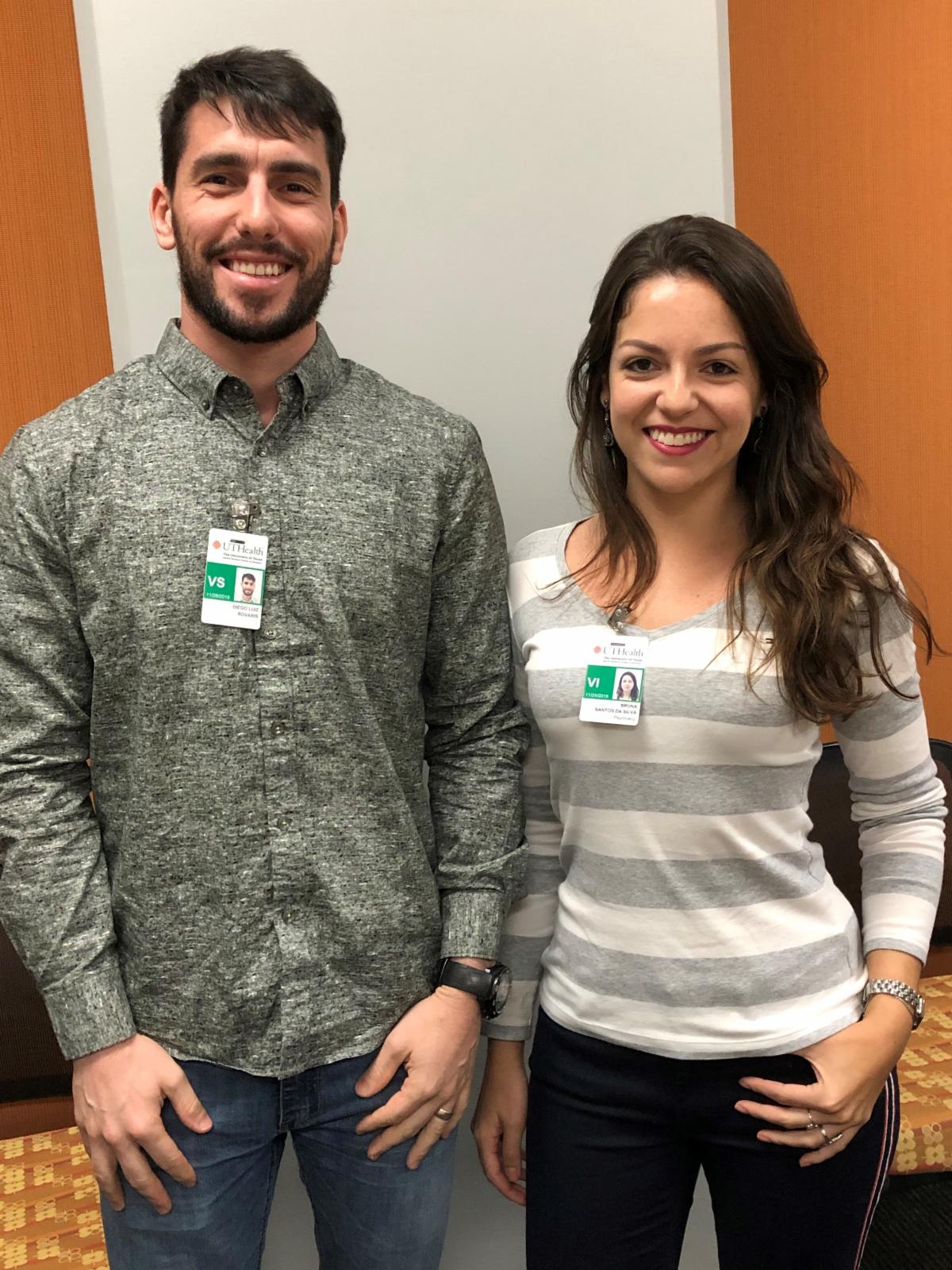
Diego Luiz Rovaris, PhD, (left) and Bruna Santos Da Silva, (right) visit UTHealth. Photo by Joy Schmitz, PhD.
|
|
Researchers at UTHealth, Pontifícia Universidade Católica of Rio Grande do Sul (PUC-RS), and Universidade Federal do Rio Grande do Sul (UFRGS) in Brazil are working together to study drug addiction. The goal of the joint venture, made possible through a grant by the National Institute of Health (NIDA R01 DA044859), is to collect blood samples from individuals addicted to crack cocaine in order to investigate genetic and epigenetic mechanisms in the Brazilian population.
A pair of Brazilian postdoctoral students from UFRGS, Bruna Santos Da Silva and Diego Luiz Rovaris, PhD, visited UTHealth’s facilities to take a closer look at the process of analyzing the samples and the results that follow.
Last month, a trio of Louis A. Faillace, MD, Department of Psychiatry and Behavioral Sciences at McGovern Medical School at UTHealth researchers - Joy Schmitz, PhD; Consuelo Walss-Bass, PhD; and Gabriel Fries, PhD – traveled to Brazil to get a firsthand look at the crack cocaine epidemic.
Rovaris calls the cocaine issue the biggest health problem Brazil is currently facing. He estimates that nearly one million people are using the drug, mostly - in the smokable “rock” form of crack cocaine.
The funded project involves identifying genetic and epigenetic markers that are associated with risk of developing cocaine use disorder. The project seeks to discover ways in which environmental factors influence epigenetic changes that affect the individual and their risk of addiction.
In order for new treatments to be introduced, the biology of cocaine addiction must be understood. Once a gene or pathway associated with addiction is discovered, future research can translate these findings into novel epigenetic-based treatments that can be tested in clinical trials by by research groups like those at the UTHealth’s Center for Neurobehavioral Research on Addiction.
Both Rovaris and Da Silva are gaining valuable experience to take back with them to Brazil. Rovaris recently received an appointment at the University of São Paulo as an assistant professor in the Department of Physiology and Biophysics where he hopes to create a brain bank to continue studying cocaine addiction.
Da Silva’s visit to UTHealth provided insight into development of cellular models of addiction using induced pluripotent stem cells. She hopes to use these cellular models to test different treatments for effectiveness in Brazil.
|
|
Patient care:
HCPC recognized as "age-friendly"
|
|
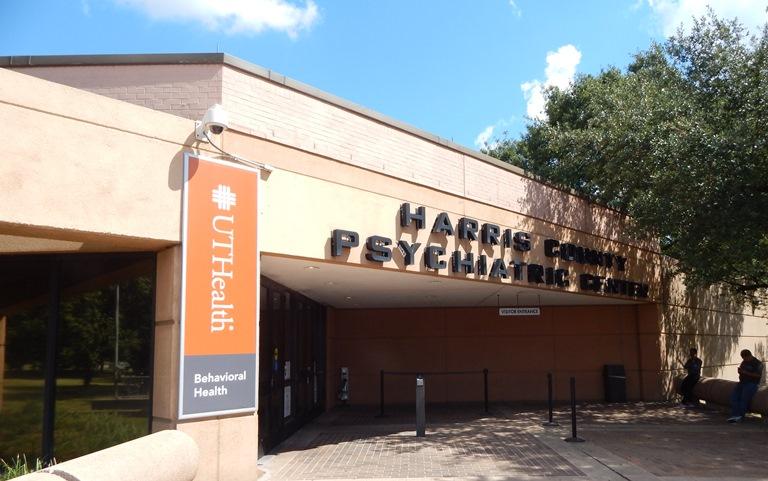
The Harris County Psychiatric Center (HCPC) is proud to be recognized as part of the “Age-Friendly Health Systems ” initiative. The John A. Hartford Foundation and the Institute for Healthcare Improvement, in partnership with the American Hospital Association and the Catholic Health Association of the United States, came together to promote the Age Friendly Health System.
The initiative focuses on improving health care for elderly patients. As the world’s population grows, and people, on average, are living longer, the number of older people will continue to increase. The result will put more pressure on health care facilities not only to take on more patients, but also to be ready to offer specialized treatments to an older population.
The Age-Friendly Health System looks to develop a framework using four evidence-based elements of high-quality care: What Matters, Mobility, Medications, and Mentation, known as the “4 M’s.” These help physicians understand the patient’s needs, review plans for each patient, making adjustments if needed, open a discussion involving medications use, and improve any other conditions such as dementia, delirium, and depression.
All of this will be used to create an organized approach to meet an older population’s medical needs. As a result of being recognized by the movement, HCPC will have the opportunity to be ahead of the curve in preparing for a shifting market as well as take an overall look at the operation to ensure maximum efficiency.
For additional information, click
here
.
|
|
Education:
Findley oversees medical student program
|
|
Providing outstanding education for medical students is one of the top priorities for the Faillace Department of Psychiatry and Behavioral Sciences.
The four-year MD program curriculum at McGovern Medical School provides the foundation for students future careers as physicians.
J. Chase Findley, MD, Director of Medical Student Education, says psychiatry is an integral part of training at McGovern Medical School, and plays a fundamental role in the education of students entering any future medical specialty.
Year 1 consists of learning the doctor-patient relationship and basic psychiatric interviewing skills, and providing students the opportunity to interview patients under faculty supervision. An overview of the opioid crisis, emphasizing the impact and treatments for opiate use disorder, is also introduced.
In year 2, students complete the
Nervous System and Behavior module that introduces students to the basic science of psychiatry and other neurosciences, as well as the clinical aspects of psychiatric medicine.
Year 3 sees the students do a rotation in the psychiatry clerkship, a six-week clinical experience, receiving extensive hands-on exposure rotating with faculty and residents in clinical settings.
If students show interest in pursuing psychiatry as a career, there are various electives they can take to further their knowledge of the field in the fourth and final year.
A new program is going to be launched called the Behavioral Health and Substance Use Disorders Scholarly Concentration, aimed at students who show a great interest in psychiatry early on. This three-year program will allow a longitudinal experience in mental health, developing a deeper understanding of the field.
In all, McGovern Medical School receives more than 5,000 applications each year. Of those, around 1,000 applicants are interviewed and 500 are offered acceptance into the MD program, ultimately resulting in a matriculating class of 240. Factors that go into determining admission include GPA, research experience, community service, and the potential for unique contributions to medicine.
Findley, a faculty member for six years, takes great pride in overseeing students' education.
“It’s been a real honor to participate in the education of physicians through the medical school years,” Findley said. “To see in the beginning the amount of self-doubt and uncertainty gradually transform into students who are confident, self-assured, and knowledgeable in psychiatry and ready to take patients themselves has been an amazing experience.”
For more information about the medical school education program, click
here
.
|
|
UTHealth and Curemark join to research children with autism spectrum disorder
|
|
Deborah Pearson, PhD (left), and Cynthia Santos, MD (right) worked on autism study
|
|
Children with Autism Spectrum Disorder (ASD) have a variety of social, communication, and atypical behaviors. In recent years, more and more children are being identified with ASD. Some of this increase can be attributed to an overall better understanding of the disease. Other theories for this increase range from possible changes in our environment, to parents having children later in life. ASD is a multi-faceted, lifelong developmental condition that likely has a number of contributing causes.
In an effort to understand ASD, Curemark LLC, a small bio-pharmaceutical company, is conducting a study at over 30 clinical sites to determine if pancreatic enzymatic replacement therapy can improve ASD associated behaviors that significantly impact the patient’s functional quality of life as well as activities of daily living.
UTHealth psychiatry faculty, including Deborah Pearson, PhD; Cynthia Santos, MD; and other faculty and students have worked on this project.
Curemark’s approach is founded on observations that many children diagnosed with ASD have self-restricted diets, and often prefer diets that are high in carbohydrates, and low in protein. Joan Fallon, founder and CEO of Curemark, also found in her early clinical work that many children with ASD have low levels of a pancreatic protease, a digestive enzyme that is needed to break down proteins into their component essential amino acids. Amino acids are the building blocks of proteins that our bodies need, including neurotransmitters, which affect behavior. Additionally, amino acids are now recognized as having a role in gene activation and development. Fallon hypothesized that replacing these enzymes might help address some symptoms of ASD by altering digestion of protein so as to re-balance deficient amino acids stores. This restored amino acid balance could potentially correct deficiencies in neural growth, neurotransmitter production, gene expression and development, leading to behavioral improvement.
Curemark conducted four different studies examining this question. Two studies were 12 week “double-blind” studies, in which two groups of children were compared. Half the children took the medication while the other half took placebo. The other two studies examined the long-term safety and efficacy of the pancreatic enzyme replacement. One of these studies is still ongoing. Specific behavioral symptoms of interest include irritability and social withdrawal, which are a significant problem among children with ASD. Many of these behaviors are related to a lack of self-regulation and executive function and fewer coping skills.
In May of 2019, Deborah Pearson, PhD, presented some early study results at an international autism meeting. These results showed a significant decrease in maladaptive behaviors, such as irritability, hyperactivity, and inappropriate speech, in preschool children who took the medication, as compared with placebo, in the first 12 weeks of treatment.
“ASD is multi-faceted condition,” Pearson said. “The work that is being done in this multi-site study addresses a piece of a very large puzzle. If we can address at least one of the puzzle pieces that constitutes ASD, and possibly improve the lives of some children with this condition, then this project might make a very nice contribution to our understanding and treatment of children with ASD.”
|
|
Richards EM, Zanotti-Fregonara P, Fujita M, Newman L, Farmer C, Ballard ED,
Machado-Vieira R
, Yuan P, Niciu MJ, Lyoo CH, Henter ID, Salvadore G, Drevets WC, Kolb H, Innis RB, Zarate CA Jr.
EJNMMI Res. 2018 Jul 3;8(1):57. doi: 10.1186/s13550-018-0401-9.
Yammine L, Kosten TR, Pimenova M,
Schmitz JM
.
Diabetes Res Clin Pract. 2019 Mar;149:78-88. doi: 10.1016/j.diabres.2019.01.033. Epub 2019 Feb 5. Review.
Acierno R
, Knapp R, Tuerk P, Gilmore AK, Lejuez C, Ruggiero K, Muzzy W, Egede L, Hernandez-Tejada MA, Foa EB.
Behav Res Ther. 2017 Feb;89:57-65. doi: 10.1016/j.brat.2016.11.009. Epub 2016 Nov 22.
|
|
Vineeth John, MD, MBA, was quoted by
TMC Pulse
(pages 22-23) about how isolation and loneliness can affect the overall health of a senior. It also ran in the TMC News
online edition
.
Deborah Pearson, PhD, was quoted in three articles for the new Reader's Digest website The Healthy: the
differences
between attention deficit/hyperactivity disorder (ADHD) and autism;
health issues
faced by people with untreated ADHD; and myths about
medications
for ADHD.
Melissa Goldberg, PsyD, spoke to
FOX 26 News
viewers about a new report that shows a link between childhood trauma and adult illness.
|
|
Upcoming grand round speakers
|
|
Join us for the Grand Rounds in December on Wednesdays at noon at UTHealth Harris County Psychiatric Center:
December 4:
Lance Black, MD, MBID, Associate Director of the Texas Medical Center’s TMCx Accelerator program
December 18: Ramiro Salas,
Associate Professor, Psychiatry Research, Baylor College of Medicine
December 25: Christmas break!
|
|
Registration is now open!
|
|
Louis A. Faillace, MD, Department of Psychiatry and Behavioral Sciences at McGovern Medical School at UTHealth
713-486-2500
|
|
|
|
|
|
|
|