|
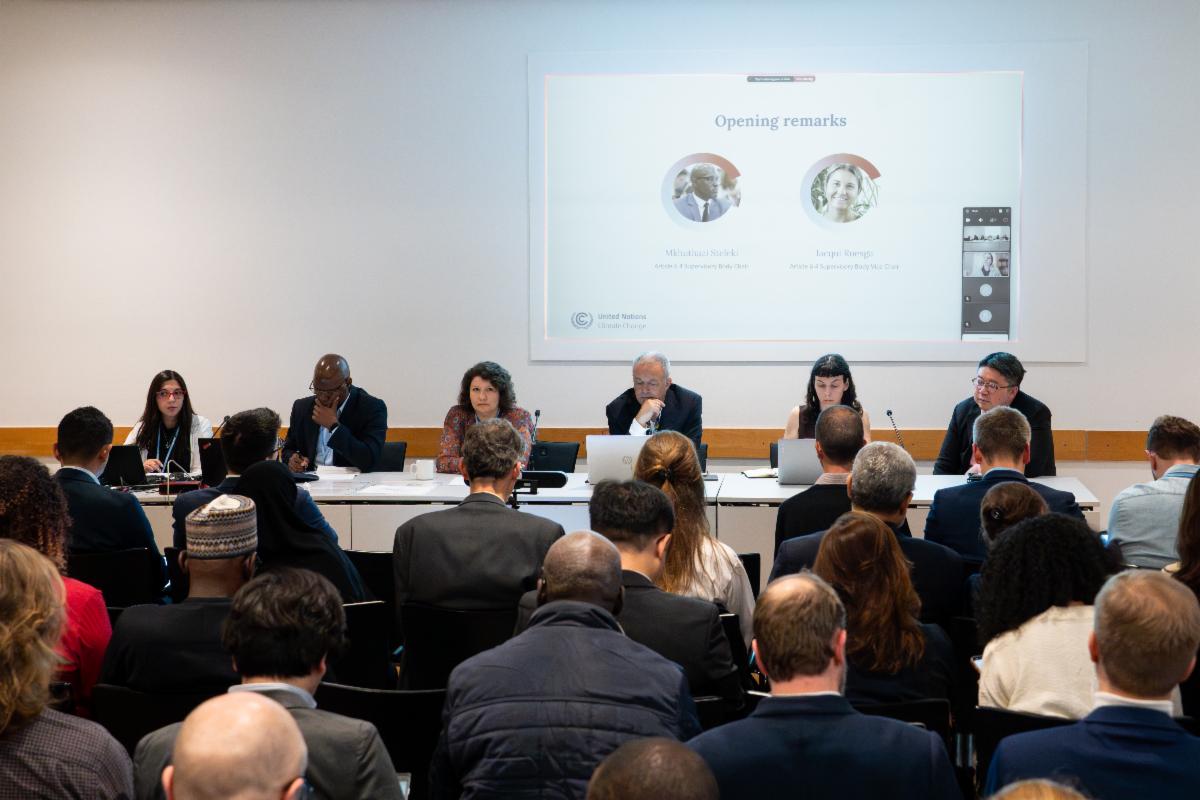
Early concerns, including around over‑crediting, were also discussed, particularly in relation to the first credits issued under the PACM for clean cooking activities. The Supervisory Body underlined that a deliberately conservative approach has been applied, resulting in around 40% lower crediting than under previous CDM methods.
Furthermore, the Supervisory Body has since clarified that over‑crediting claims referenced during the event were based on a global “stacking” average, which does not reflect how credits were calculated in these projects. In practice, crediting is based on project‑specific monitored data, including observed household stove use. These activity-level measurements are used to adjust emission reductions downward where traditional stoves continue to be used, rather than relying on generalized assumptions.
Taken together, this reflects a system designed to apply conservative, evidence‑based crediting in real‑world conditions.
More broadly, the discussion during the event reinforced that safeguards are being strengthened as implementation progresses, and that the mechanism is designed to evolve as issues are raised.
Supervisory Body Members encouraged stakeholders to use established appeals and grievance processes to raise activity-specific issues, and to continue to provide input on regular meeting documents and draft tools, methodologies and procedures.
Overall, the discussion reflected ongoing implementation, with a continued focus on integrity, transparency, and practical application.
|