News From Los Alamos County
February 17, 2023
|
|
Inside this newsletter, you will find...
The Epidemiology Corner - COVID-19 Update, Moderna to provide free vaccines, Answers about Long COVID, How do pandemics start,
Weekly Survey, COVID-19 data, and more.
|
|
|
|
COVID-19 Update:
XBB.1.5 Variant Causing Most Cases in US as Endemic Transmission Continues in County...
|
|
COVID-19 Update: Omicron XBB.1.5 Variant Predominates in US, No New Variants on the Horizon
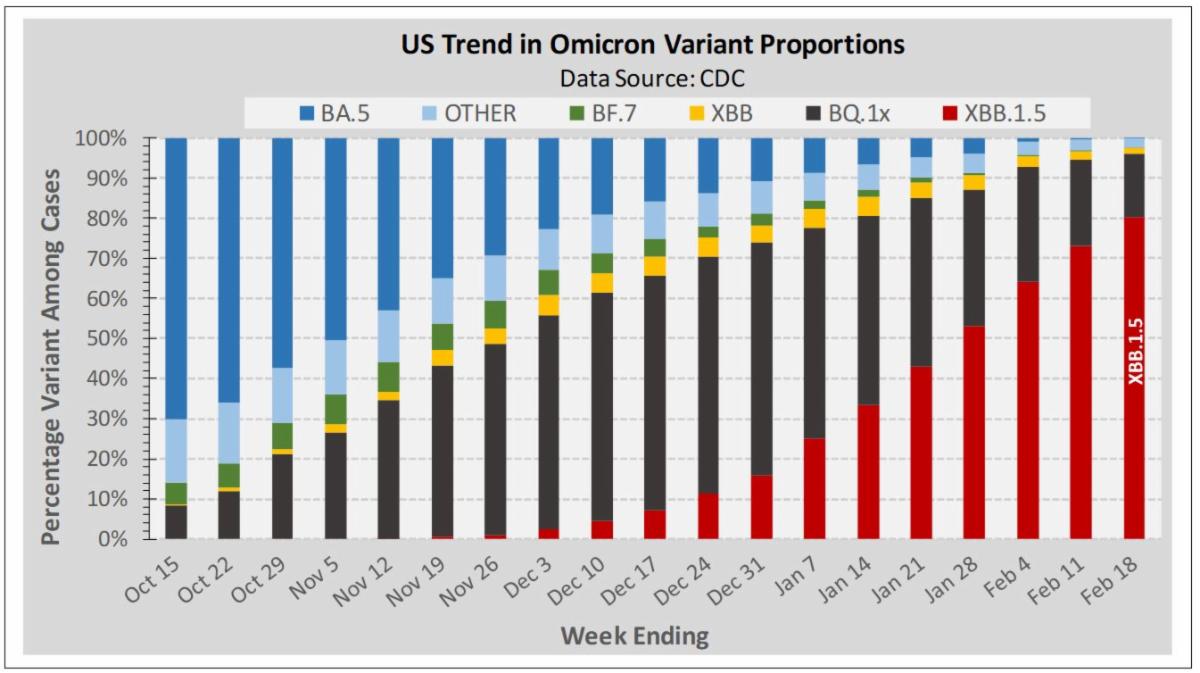
CDC projects that the Omicron variant XBB.1.5 now accounts for 80% of COVID-19 cases nationwide, with most remaining cases due to the receding BQ.1 and BQ.1.1 (BQ.1x) variants. XBB.1.5 first emerged in the northeastern US, where it now accounts for virtually all new cases. All previous Omicron variants circulating in the US are declining in prevalence and CDC has reported no new emerging variants of interest or concern on the horizon. See HERE Clinical studies continue to suggest that the XBB.1.5 variant does not cause more severe disease than prior Omicron variants. See HERE An apparent lack of enhanced clinical severity would be consistent with population-based data from CDC that show both COVID-19 deaths and new hospital admissions have been trending downward since the beginning of January despite a rising nationwide prevalence of the XBB.1.5 variant, which now stands at 80%.
|
|
CDC Community Level Risk Remains at LOW Into February but COVID-19 Hospitalization and Death Continue to Occur in County
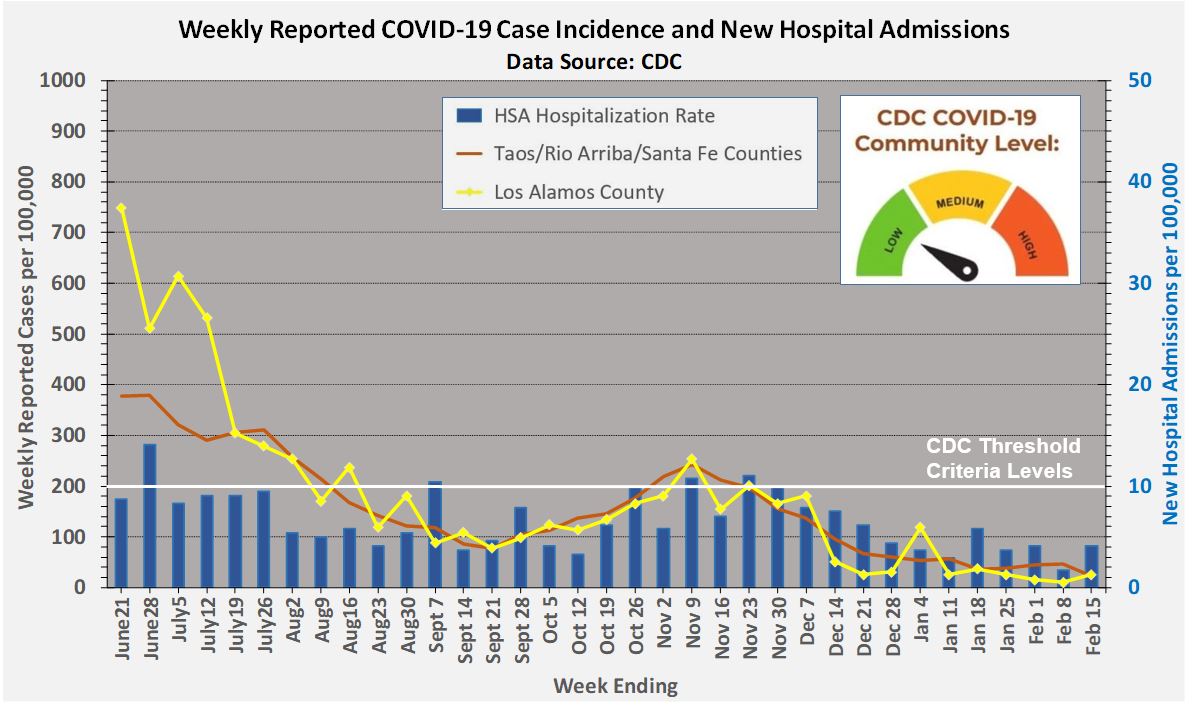
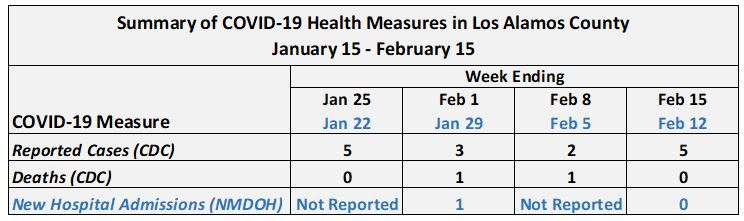
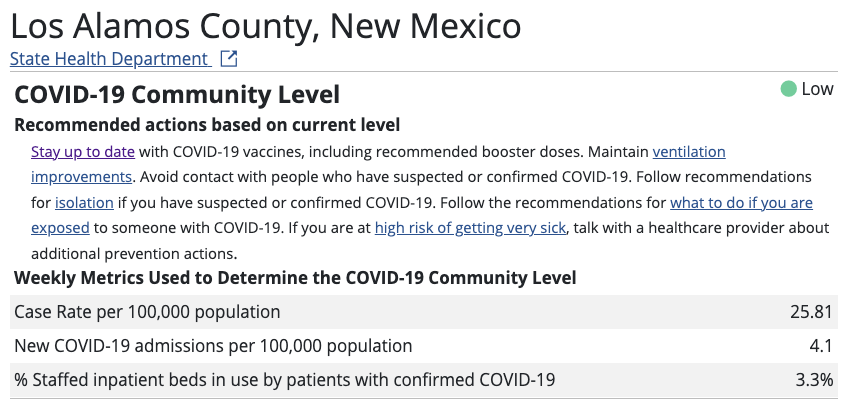
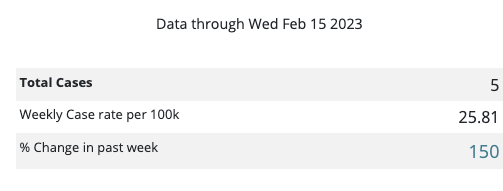
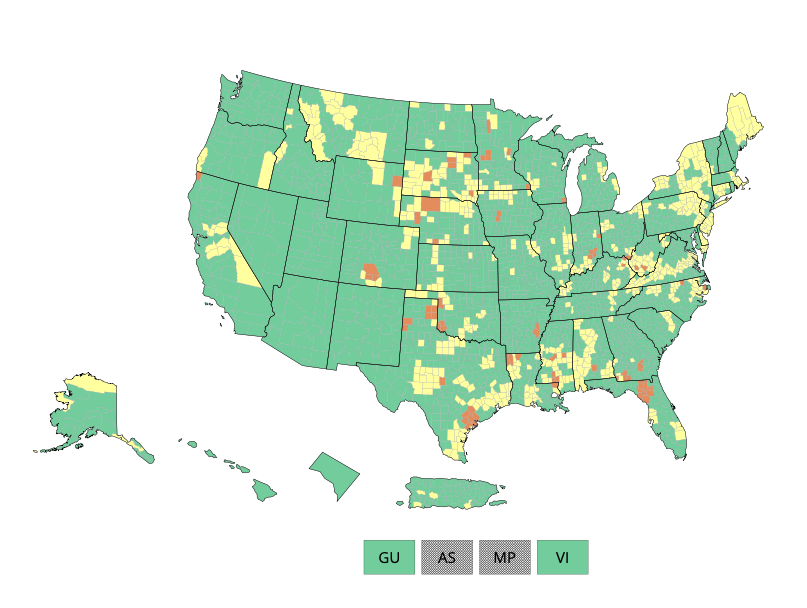
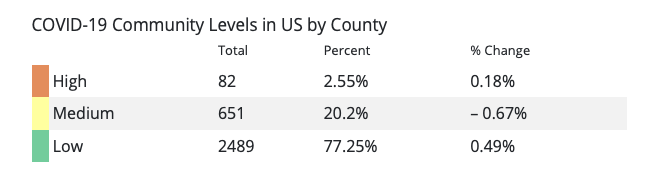
For the week ending February 15, the CDC Community Level remained at LOW for Los Alamos County, as it did for the three other counties (Taos, Rio Arriba, Santa Fe) which collectively comprise the regional Health Services Area (HSA) over which CDC hospitalization metrics are calculated. Total reported cases in the county have remained well under 10 for the past four weeks, however case reporting is known to be incomplete due to the use of at-home testing. Reported case incidence rates in all four counties comprising the HSA remain stable and well below CDC threshold criteria. The four-county HSA hospitalization rate remained stable at 4.1 new admissions per 100,000. NMDOH reported no new hospital admissions for COVID-19 in the county for the week ending February 15. Hospitalization data are now only being reported every other week by NMDOH, so there is a gap in this surveillance measure. CDC reported two COVID-19 deaths in the county for the two week period ending February 8.
|
|
Emergency Department Visits for COVID-Like Illness Remain Stable at Low Level
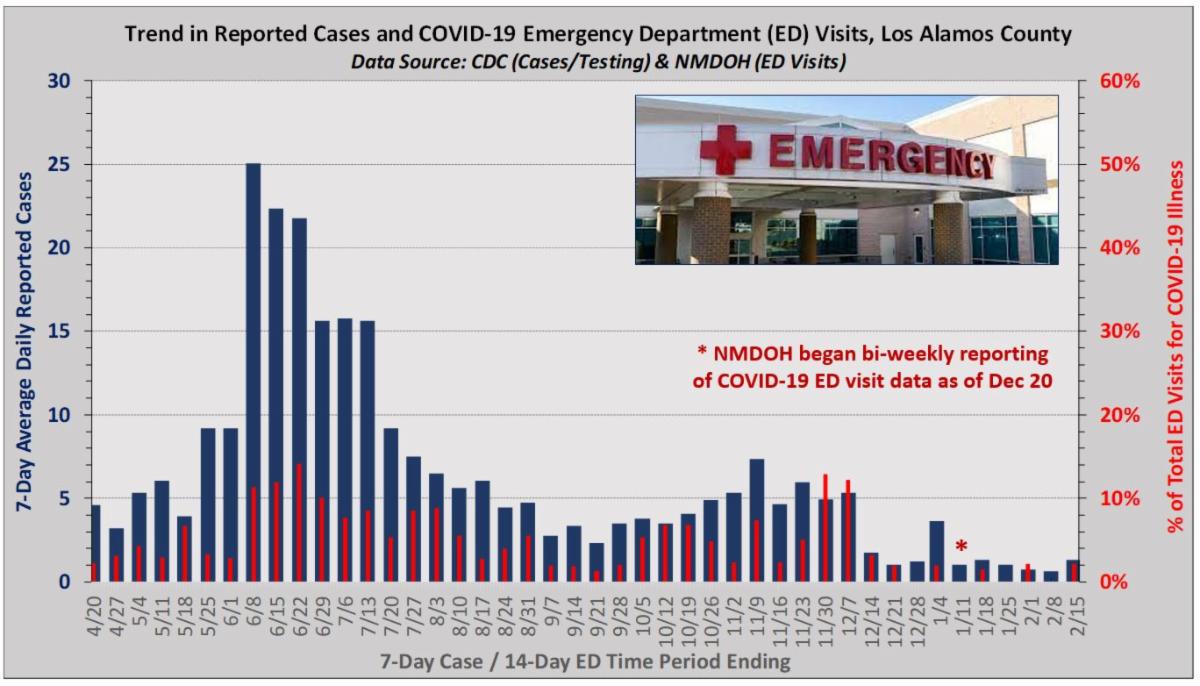
NMDOH reports the percentage of emergency department (ED) visits in county residents for COVID-like illness remained stable at 2.1% for the two-week period ending February 14. Statewide, the percentage of ED visits for COVID-like illness stands at about 2%-3%. ED visits for flu-like illness have declined sharply from a peak of 18% in December to about 4% currently. See HERE
|
|
COVID-19 Virus in County Wastewater Increased over Past Several Weeks - XBB.1.5 Variant Predominates
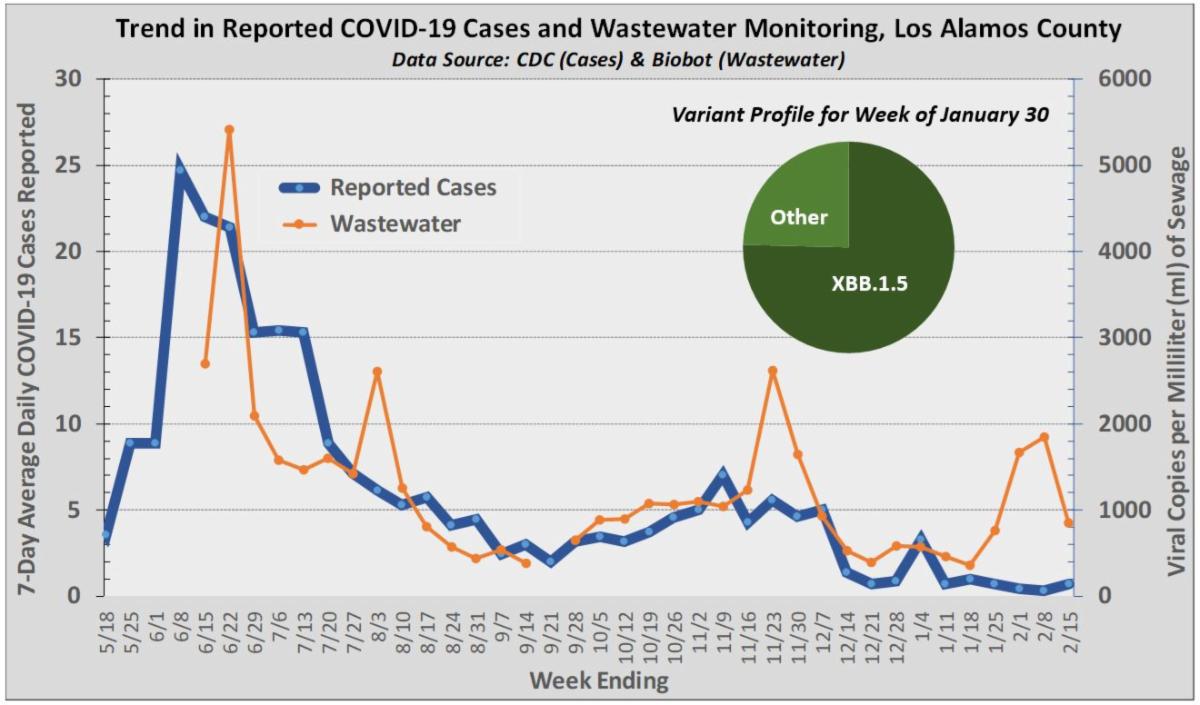
Levels of SARS-CoV-2 virus in county wastewater increased over the past several weeks suggesting that increased transmission has been occurring in the county. For the week of January 30, the CDC/Biobot contractor reports that the XBB.1.5 variant accounted for 75% of detected virus in county wastewater, a level generally consistent with nationwide prevalence data. See https://biobot.io/data/
|
|
PCR Testing in County Remains at Historically Low Levels
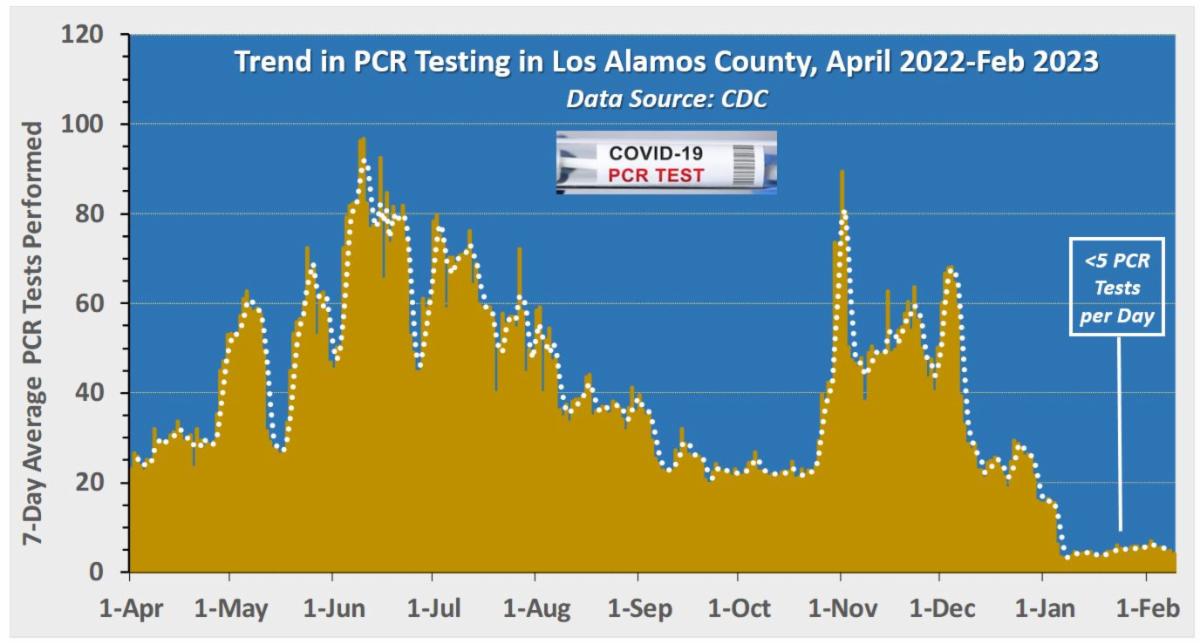
The sharp decline in PCR testing that began in early January 2023 has continued through the first week of February. The decline to less than 5 PCR tests per day on average likely has contributed to the decrease in reported cases in the county observed over the same time frame.
|
|
New Mexicans Encouraged to Self-Report Positive COVID-19 Home Tests
To assist with more complete case monitoring in New Mexico, NMDOH encourages residents to download the NM Notify app and to report positive COVID-19 home tests on the app, or for a fast and easy way to report your at-home test results online, visit https://makemytestcount.org/.
The NMDOH/CDC COVID-19 incidence data reviewed here are based on PCR-confirmed testing results and do not include data on positive at-home antigen tests. As such, case counts are incomplete and underestimated, but by how much cannot be determined precisely at any given time point.
|
|
|
Are you testing for COVID-19 when symptoms are present?
|
|
Yes, only if I know I was exposed.
|
|
|
|
|
I am testing without symptoms when exposed.
|
|
|
|
|
|
|
Moderna to offer free COVID vaccine shots to uninsured after emergency ends
Moderna will offer free COVID-19 vaccines for "uninsured or underinsured people," the company announced Wednesday, pledging to ensure continued access to the shots after the public health emergency ends in May and government-bought supplies run out.
"Moderna's COVID-19 vaccines will continue to be available at no cost for insured people whether they receive them at their doctors' offices or local pharmacies. For uninsured or underinsured people, Moderna's patient assistance program will provide COVID-19 vaccines at no cost," the company said in a statement.
The announcement comes as the vaccinemaker has come under scrutiny for plans to raise its price on the commercial market.
Rivals Pfizer and BioNTech have already confirmed plans to list their COVID-19 vaccines starting at $110 per dose, more than triple the cost the Biden administration paid for a bulk purchase of updated COVID boosters last summer.
But Democratic lawmakers have warned Moderna against pursuing the same kind of price hike, citing the federal dollars spent to subsidize the company's development of the vaccine.
The Senate Health, Education, Labor and Pensions Committee announced on Wednesday plans for a hearing titled "Taxpayers Paid Billions For It: So Why Would Moderna Consider Quadrupling the Price of the COVID Vaccine?" with the company's CEO scheduled to testify.
The Centers for Disease Control and Prevention's Vaccines for Children program already plans to add COVID-19 vaccines to its roster of shots offered at no cost to uninsured and underinsured kids.
However, Congress has so far not funded the Biden administration's request for a similar sweeping program to provide free vaccinations for adults who do not have health insurance. In lieu of that, federal health officials have said that they might rely on a patchwork of programs ranging from health centers to state and local partnerships to cover these uninsured shots.
"We don't have a vaccine program for the uninsured adult as we do for children. And so it would be really helpful, and we're working now, to see how we can ensure that uninsured adults will get vaccinated," CDC Director Dr. Rochelle Walensky told a House hearing earlier this month.
To view the article, click HERE!
|
|
Long COVID Now Looks like a Neurological Disease, Helping Doctors to Focus Treatments
The causes of long COVID, which disables millions, may come together in the brain and nervous system
People with long COVID have symptoms such as pain, extreme fatigue and “brain fog,” or difficulty concentrating or remembering things. As of February 2022, the syndrome was estimated to affect about 16 million adults in the U.S. and had forced between two million and four million Americans out of the workforce, many of whom have yet to return. Long COVID often arises in otherwise healthy young people, and it can follow even a mild initial infection. The risk appears at least slightly higher in people who were hospitalized for COVID and in older adults (who end up in the hospital more often). Women and those at socioeconomic disadvantage also face higher risk, as do people who smoke, are obese, or have any of an array of health conditions, particularly autoimmune disease. Vaccination appears to reduce the danger but does not entirely prevent long COVID.
The most common, persistent and disabling symptoms of long COVID are neurological. Some are easily recognized as brain- or nerve-related: many people experience cognitive dysfunction in the form of difficulty with memory, attention, sleep and mood. Others may seem rooted more in the body than the brain, such as pain and postexertional malaise (PEM), a kind of “energy crash” that people experience after even mild exercise. But those, too, result from nerve dysfunction, often in the autonomic nervous system, which directs our bodies to breathe and digest food and generally runs our organs on autopilot. This so-called dysautonomia can lead to dizziness, a racing heart, high or low blood pressure, and gut disturbances, sometimes leaving people unable to work or even function independently.
The SARS-CoV-2 virus is new, but postviral syndromes are not. Research on other viruses, and on neurological damage from the human immunodeficiency virus (HIV) in particular, is guiding work on long COVID. And the recognition that the syndrome may cause its many effects through the brain and the nervous system is beginning to shape approaches to medical treatment.
Although 16 million U.S. sufferers is a reasonable estimate of the condition's toll, there are other, more dire assessments. A meta-analysis of 41 studies conducted in 2021 concluded that worldwide, 43 percent of people infected with SARS-CoV-2 may develop long COVID, with about 30 percent—translating to approximately 30 million people—affected in the U.S. Some studies have offered more conservative numbers. A June 2022 survey reported by the U.S. National Center for Health Statistics found that among adults who had had COVID, one in five was experiencing long COVID three months later; the U.K. Office for National Statistics put the estimate at one in 10. Even if only a small share of infections result in long COVID, experts say, they will add up to millions more people affected—and potentially disabled.
ROOTS OF DYSFUNCTION
Several early studies showed that COVID attacks endothelial cells, which line blood vessels. That can lead to clotting and oxygen deprivation in multiple organs, including the brain. Even subtle disruption of endothelial cells in the brain could contribute to cognitive dysfunction.
One study found that in people with neurological COVID symptoms, the immune system seems to be activated specifically in the central nervous system, creating inflammation. But brain inflammation is probably not caused by the virus infecting that organ directly. Avindra Nath, who has long studied postviral neurological syndromes at the National Institutes of Health, found something similar in an autopsy study of people who died of COVID. “When you look at the COVID brain, you don't actually find [huge amounts of virus, but] we found a lot of immune activation,” he says, particularly around blood vessels. The examinations suggested that immune cells called macrophages had been stirred up. “Macrophages are not that precise in their attack,” Nath says. “They come and start chewing things up; they produce all kinds of free radicals, cytokines. It's almost like blanket bombing—it ends up causing a lot of damage. And they're very hard to shut down, so they persist for a long time. These are the unwelcome guests” that may be causing persistent inflammation in the brain.
Determining which patients have ongoing inflammation could help inform treatments. Early research identified markers that often are elevated in people with the condition, says Troy Torgerson, an immunologist at the Allen Institute in Seattle. Three cell-signaling molecules—tumor necrosis factor alpha, interleukin 6 and interferon beta—stood out in long COVID patients. But this pattern wasn't found in absolutely everyone.
What keeps the immune system in attack mode? The response to the virus “turns the autoimmunity on, and that doesn't get better even when the virus goes away,” he says. Several studies have found evidence of autoimmune components called autoantibodies that interact with nerve cells in people with long COVID.
Clues about the inflammatory processes at work could point toward treatments for neurological symptoms. The treatment, referred to as IVIg, contains a cocktail of proteins and antibodies that can mitigate an overactive immune response.
If the virus does hang around in some form, antiviral medications could potentially clear it, which might help resolve neurological symptoms. That's the hope of scientists running a clinical trial of Paxlovid, Pfizer's antiviral drug for acute COVID.
A CHRONIC FATIGUE CONNECTION?
Postviral syndromes have been documented for more than a century, arising after infection with viruses from HIV to the flu. Epstein-Barr virus, which causes mononucleosis, is one of several viruses linked to a condition called myalgic encephalomyelitis/chronic fatigue syndrome (ME/CFS), which is estimated to affect at least one and a half million people in the U.S. ME/CFS bears striking resemblances to long COVID, with symptoms such as immune system dysregulation, fatigue and cognitive dysfunction.
ME/CFS has been difficult to study because it often arises long after a mild infection, making it hard to identify a viral trigger. But with long COVID, Nath says, “the advantage is that we know exactly what started the process, and you can catch cases early in the [development of] ME/CFS-like symptoms.”
...To read more about treatment options and where research is headed, click to read the rest of the article: HERE!
|
|
HIDDEN VIRUSES: HOW PANDEMICS REALLY BEGIN
How do pandemics begin? There's a new theory — and a new strategy to thwart them
Spillover theories, old and revamped
For decades, scientists pretty much thought they understood how pandemics, such as COVID-19, began. It centers on this idea of what's called spillover.
Most new pathogens, up to 75%, come from animals. They're often viruses that have been circulating in animals for decades, even centuries. At some point, they jump — or "spill over" — into people.
For the past 10 years, I've been a global health reporter at NPR. That whole time, I've heard the same idea repeated over and over again about spillovers: They are extremely rare. Animal viruses tend to stay in their animal host. One way scientists have described it is that a virus spilling over is, in a way, winning the lottery: The virus is in the right place at the right time, and on top of that, it has special, rare characteristics that allow it to infect people. For all these events to coincide is remarkably rare, the thinking went.
This theory has shaped how scientists look for new deadly pathogens — or try to predict which ones could cause future pandemics. In particular, it led scientists to focus on searching for new viruses in wild animals. Since 2009, the U.S. government has spent hundreds of millions of dollars trapping wild animals, such as bats and rodents, cataloging all the viruses circulating in their bodies and then trying to predict which of these viruses will most likely spill over into people and cause a costly outbreak or pandemic.
Unfortunately, this effort failed to detect SARS-CoV-2 before the virus could spread to multiple continents.
Over the past few years, a growing number of virologists and epidemiologists have begun to question whether this approach is feasible. Some have blatantly said it won't work.
Animals contain more than a million viruses, and only a tiny, tiny fraction of those will ever be able to infect people.
But what if the tiny fraction of animal viruses that do infect people actually jump into people way more frequently than scientists thought? What if spillovers aren't extremely rare but are common enough that scientists can actually detect them inside people?
Over the past few decades, few studies have actually looked for spillovers inside people to see how common they are.
In fact, scientists really haven't had the tools — or funding — to detect new viruses inside people.
When a person comes to a hospital with a severe respiratory infection, it doesn't matter whether they're in Sarawak, Malaysia, or San Francisco, Calif. Doctors run tests to see what's causing the infection. But this panel of tests identifies the source of an infection only about 40% of the time.
The problem is that the current panel of tests can detect only specific — and known — pathogens.
Some scientists have been wondering: What are these other, unknown pathogens? Could some of them be new viruses spilling over from animals that scientists have never detected because nobody has really looked inside people?
...Learn how scientists are studying past cases and mystery illnesses with fresh eyes and collaborating to identify new viruses in people before they become a pandemic by reading the rest of the article HERE!
|
|
CDC COVID Data Tracker - February 17, 2023
To get today's break down of positive case data, demographics information, vaccine status and more for Los Alamos County or other counties across the United States, click HERE
|
|
NMDOH Epidemiology Reports - Daily and Weekly Data
As part of the COVID-19 pandemic response, NMDOH collects and analyzes statewide data for COVID-19 positive cases, hospitalizations, and deaths. The reports reflect these critical data and are updated weekly - click HERE
|
|
We are listening to you!
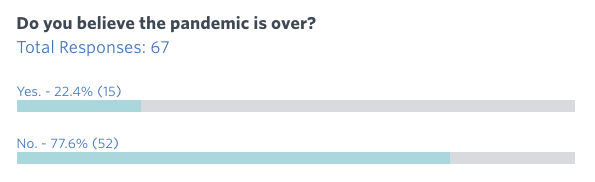
Your feedback is helping to shape future newsletters, inform decisions regarding services, and make Los Alamos County healthier and safer. Make sure to participate each week to be heard!
Check out the responses to our last survey:
|
|
Remember, we appreciate your questions! We always try to respond in a timely manner, and if appropriate, we will include those Q&As in future newsletters.
|
|
Have a question? Email us. |
|
Los Alamos Testing Information |
|
CDC website to helps consumers find free COVID-19 testing sites
CDC launched the COVID-19 Testing Locator website, which will allow consumers to search for free COVID-19 testing sites near them. The locator is part of the CDC Increasing Community Access to Testing (ICATT) program, which provides access to COVID-19 testing, focusing on communities at a greater risk of being impacted by the pandemic, people who do not have health insurance, and surge testing in state and local jurisdictions.
COVID-19 testing is available at no-cost at ICATT sites to people with or without health insurance who are experiencing symptoms or have been exposed to someone with COVID-19. The tests are billed to third-party payers, such as Medicare, Medicaid, and private health insurers. People without health insurance do not have to pay for COVID-19 testing at ICATT locations. Consumers can access the Testing Locator at testinglocator.cdc.gov.
To view the article, click HERE!
|
|
Free COVID-19 at-home antigen tests still available
All U.S. households can order a total of four at-home COVID-19 tests that will be mailed directly to them for free. Tests can be ordered HERE.
Additionally, New Mexico residents can still receive mail order free at-home tests through the Rockefeller Foundation’s Project Act program while supplies last at: https://accesscovidtests.org/.
DOH would like to remind residents with private insurance, as well as Medicare and Medicaid that they can request reimbursement for up to eight tests per month.
Residents can self-report a positive COVID test at Make My Test Count. The reporting of tests on this site is confidential and no personal information is required to use the site.
For more information on how to stay safe and healthy from COVID-19, visit cv.nmhealth.org.
|
|
Los Alamos County COVID Testing Resources
Visit the County COVID Page for information regarding testing, click below:
|
|
Los Alamos Vaccine & Booster Information |
|
Where can I get my COVID-19 Vaccine or Omicron booster?
In addition to the clinics that use the NMDOH scheduling site, Los Alamos has other options available. Click below on the vaccine/booster resources website for more information.
|
|
Los Alamos County COVID Vaccine/Booster Resources
Visit the County COVID Page for information regarding vaccinations/boosters, click below:
|
|
Los Alamos Treatment Information |
|
Los Alamos County COVID Treatment Resources
Visit the County COVID Page for information regarding treatments, click below:
|
|
Click below to email us your feedback and questions! |
|
|
|
|
|
|