Bi-Weekly

News Briefs

Wednesday, November 18, 2026

In this Issue:

Latest MVCAC Member News


Open Committee Seats


MVCAC is seeking volunteers to fill open seats on the following committees:


Public Relations (PR) Committee – Four open seats:

  • 1 Northern San Joaquin Region
  • 1 Southern San Joaquin Region
  • 2 open seats


Vector and Vector-borne Disease (VVBD) Committee – One vacant seat for the Northern San Joaquin Region


To join these (or any other) MVCAC committees, please reach out to the respective committee chair. Contact information for all committee chairs is available here:

mvcac.org/membership/mvcac-committees


Current recurring meeting schedules and meeting login information are available behind the member login:

members.mvcac.org/member-resources/committee-meeting-information


Recurring committee meetings are also listed on the public-facing events calendar:

mvcac.org/events-calendar


Interested members are encouraged to get involved—committee participation is a great way to contribute to MVCAC’s work and connect with colleagues across the state.


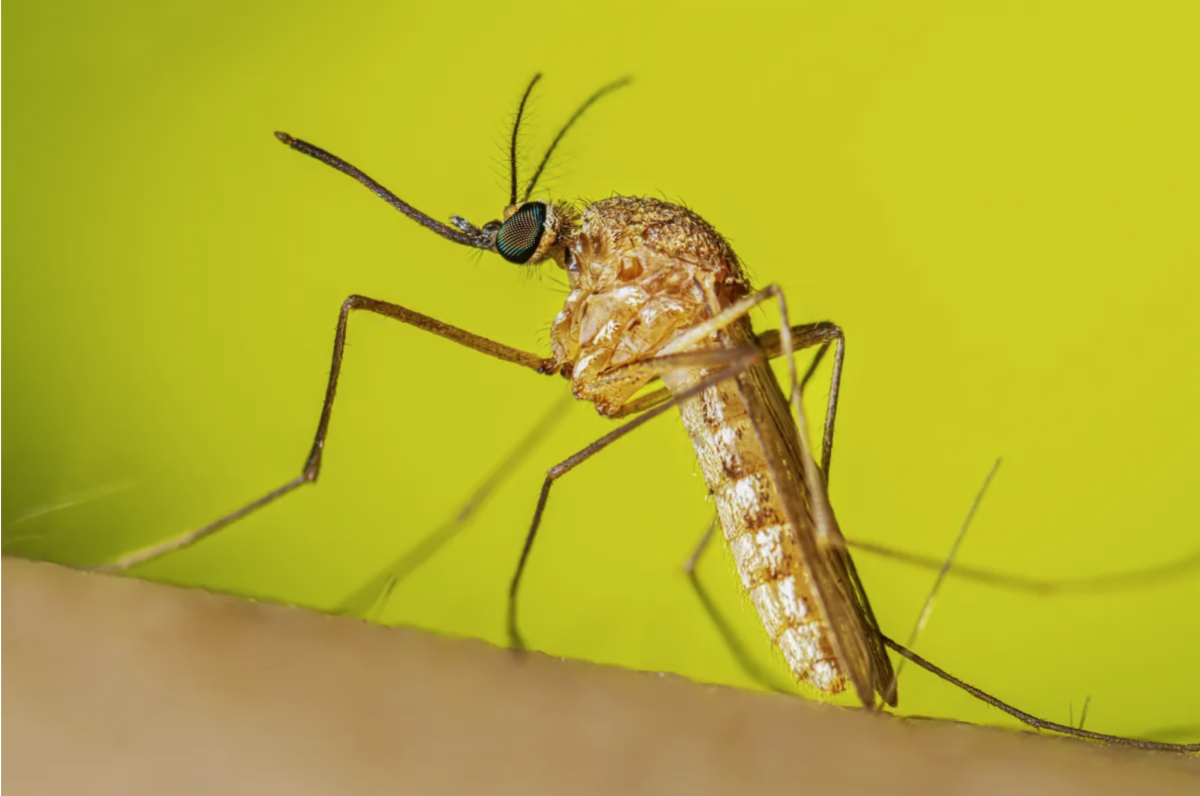
L.A. had its worst mosquito year this decade. El Niño could make it even worse


California is experiencing its highest level of West Nile virus activity in five years. As of November 6, the virus has seriously sickened 528 people and caused 32 deaths, according to the California Department of Public Health. Southern California has been hardest hit, with Los Angeles County accounting for more than half of all reported human cases.


A new CalMatters report examines how this year’s warm, wet summer and fall created favorable conditions for Culex mosquitoes and virus transmission—and why experts are concerned about the season ahead. Remnants of Hurricane Marie brought heavy rain to the Los Angeles region in September, flushing larvicide from storm drains and allowing mosquito populations to surge. Temperatures then climbed well above the threshold that accelerates West Nile virus replication in mosquitoes.


“We’re all scared of next year,” said Paula Macedo, President of the Mosquito and Vector Control Association of California. “With the amount of activity that we already saw this year and having the forecast of being an El Niño year, we are all bracing ourselves.”

Press release calling for California invasive species grant proposals


The Invasive Species Council of California released a request for grant proposals to be funded by the Proposition 4 Climate Bond: https://pressreleases.cdfa.ca.gov/Home/PressRelease/70453116. 


The purpose of this grant program is to support work on minimizing the ecological, economic, and human health impacts caused by invasive species. The request is open to a wide variety of applicants with preference for projects that restore and protect biodiversity and ecosystem health, priority for projects increasing regional or statewide programmatic capacity, and priority for projects that provide direct and meaningful benefits to disadvantaged communities.


An informational webinar takes place November 18, 3:00-4:30.


More information can be found here: https://www.iscc.ca.gov/climate-bond-funding.html


News Worth Repeating

Upcoming Events

November

19


IVM Committee

Virtual

1:30PM – 2:30PM

November

27


Lab Technologies Committee Meeting

Virtual

1:00PM – 2:00PM


December

8


Regulatory Affairs Committee Meeting

Virtual

9:00AM – 10:00AM


December

8


IT Committee Meeting

Virtual

9:00AM – 10:00AM


December

9


Public Relations Committee Meeting

Virtual

1:00PM – 2:00PM


December

14


VCR Committee Meeting

Virtual

2:00PM – 3:00PM


MVCAC 95th Annual Conference

Research Papers and Industry Events

November

18


American Society of Tropical Medicine and Hygiene ASTMH Annual Meeting

Gaylord National Harbor Maryland | Maryland, USA

November 18–22, 2026

March

1-5


AMCA 2027 Annual Meeting

Hyatt Regency St. Louis at The Arch | St. Louis, MO

March 1–5, 2027

April

8-9


2027 PACVEC Annual Meeting

UC Davis Campus | Davis, CA

April 8–9, 2027

Neighborhood-scale modeling of Culex tarsalis abundance and West Nile virus infection prevalence


Flesh‑Eating Screwworm Is Spreading in the US – Hunters Can Be the First Line of Defense


Low Generation Culex quinquefasciatus from Texas and Culex pipiens from New Jersey Are Incompetent Vectors for Oropouche Virus


Perspective: Decreasing the Burden of West Nile Virus Disease: The Need for More Prevention Measures


Andes Virus — A Clinical Review


Dengue transmission risk in California under climate and land-use change: a semi-mechanistic modelling study


Comparative fitness of reemerging St. Louis encephalitis virus in vertebrate and mosquito cells, Culex tarsalis and Culex quinquefasciatus mosquitoes, and mice

MVCAC Issue Notification Form

Please use our new Issue Notification Form to report needed changes, updates, or issues. Simply describe the change required, select the relevant area, and provide your contact info for follow-up.


Submit here: MVCAC Issue Notification Form


This streamlined tool helps MVCAC staff address items quickly and efficiently. Thank you for helping keep things running smoothly!

Share Your News with Us!

Do you have important news to share about your district or mosquito and vector issues? 


If you would like your news to be included in the MVCAC News Briefs, please fill out this form or email mvcac@mvcac.org. 


Miss an Issue? Check out the News Brief Archive!

X  LinkedIn