News and information to help journalists serve the public and stay safe.
|
|
Nearly one-fifth of the U.S. population lives with an intellectual or physical disability. Multiply that number by their families and friends, says
Kristin Gilger
, and you get a sense of how large the audience is for inclusive reporting.
“There is some very good coverage being done about how people with disabilities are being affected by this pandemic,” Gilger, executive director of the
National Center on Disability and Journalism
, said in an email interview. “But coverage still doesn’t come close to need and demand.”
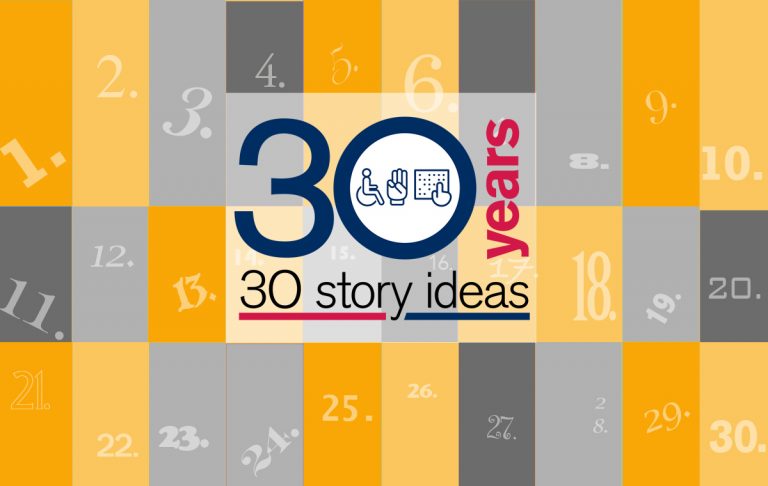
The campaign, “NCDJ30for30” is presenting 30 story ideas, one every other day on
Twitter
and
Facebook
, through July 26 — the 30th anniversary of the Americans With Disabilities Act. More than one-third of the ideas are related to COVID-19.
“Finding these kinds of stories simply means doing what good reporters have always done — putting themselves in the place of others and describing what that is like,” she said.
What are some of the most common mistakes journalists make when covering stories for and about people living with different abilities?
Gilger
: In my view, the biggest mistake is not what is covered but what is not covered. People with disabilities are just too often invisible. I’ve found that we, as journalists, often feel uncomfortable covering disability, and that’s totally understandable. There may be a lot we don’t know or understand. It may feel like we’re going to make some terrible mistake and offend someone. Even the language of disability is fraught. Should we say “disabled person” or “person with a disability”? Is it OK to refer to someone as “able-bodied” or should we say “non-disabled”? If we do a story about someone who has a disability who has achieved something noteworthy, will it be derided as “inspiration porn” – something that essentially dehumanizes others by using them to make the rest of us feel good? So it’s no wonder that journalists steer clear.
I encourage journalists and other communications professionals to educate themselves and take the plunge. The NCDJ offers advice that can help. For example, we have a
disability language style guide
that can help with figuring out what language to use to describe various disabilities and how to refer to people who live with those disabilities.
|
|
|
This week, major newspaper publisher Gannett stopped sharing
mugshot galleries
on GateHouse Media websites, joining a handful of other newsrooms including the
Houston Chronicle
,
WRAL
and
WCPO
. The move is part of a larger effort to address racial inequities and curb the spread of negative stereotypes.
“Mugshot galleries presented without context may feed into negative stereotypes and, in our editorial judgment, are of limited news value,” read Gannett’s editorial statement released June 10.
While mugshot galleries can boost website traffic and ad revenue, there is rarely follow-up reporting to account for wrongful arrests or other important case details.
“It’s pure schadenfreude,” said
Keri Blakinger
, staff writer at
The Marshall Project
, in an email interview with the Institute. “Mugshot galleries have no news value, harm communities, and perpetuate racism by trotting out images of predominantly Black and brown people accused of crimes.”
We reached out to Blakinger to find out how news organizations can cover crime without contributing to prejudice and why these galleries are so harmful.
Why do you think newsrooms are reconsidering the mugshot gallery?
Blakinger
: I think part of the reason that this began changing was because of a shift in the national conversation around criminal justice generally in recent years. But also, newspapers were starting to get a deluge of takedown requests from people who wanted their images taken off the Internet. Then came the police killing of George Floyd and the widespread protests that forced many
primarily white-run newsrooms
to think even more critically about their relationships with communities of color and their coverage of police and crime.
How does the removal of these images fit into the larger picture of police reform?
Blakinger
: In this moment, it seems that more people are beginning to question police narratives. We’re seeing more and more video of police encounters with protesters that don’t square with official accounts of events, and I think it’s increasing awareness that simply because authorities allege something is true – or someone committed a crime – does not make it so. I think that realization should force newsrooms to re-evaluate their relationship with police narratives and police press releases.
|
|
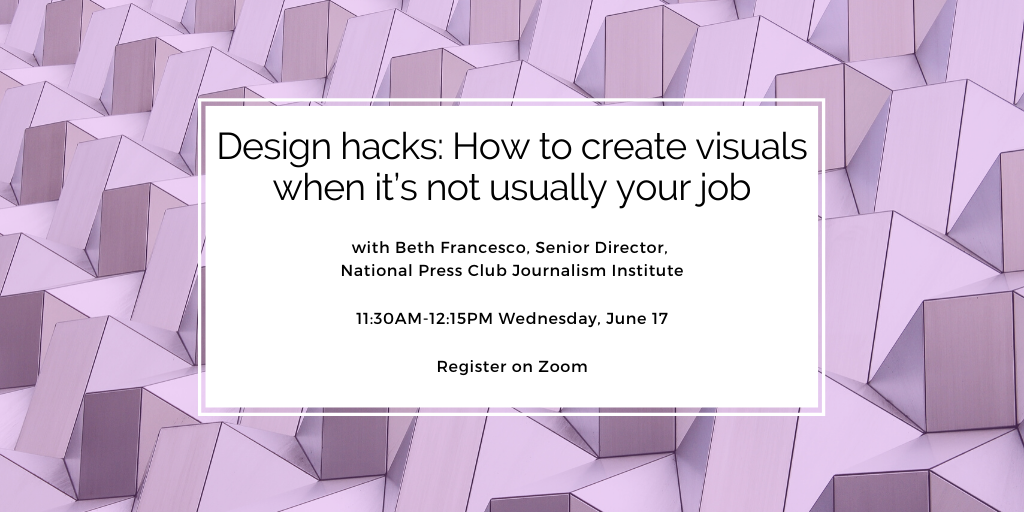
In our scroll and skim culture, dynamic visuals can make the difference in whether a reader engages with a story. But not every story can attract a graphic design professional’s time in the newsroom, especially in the continuing pandemic news cycle. If you’re a reporter, editor, social media manager now handling (or who wants to handle) quick-turn graphics, get a head start with our hacks for designing visuals when it’s not usually part of your job.
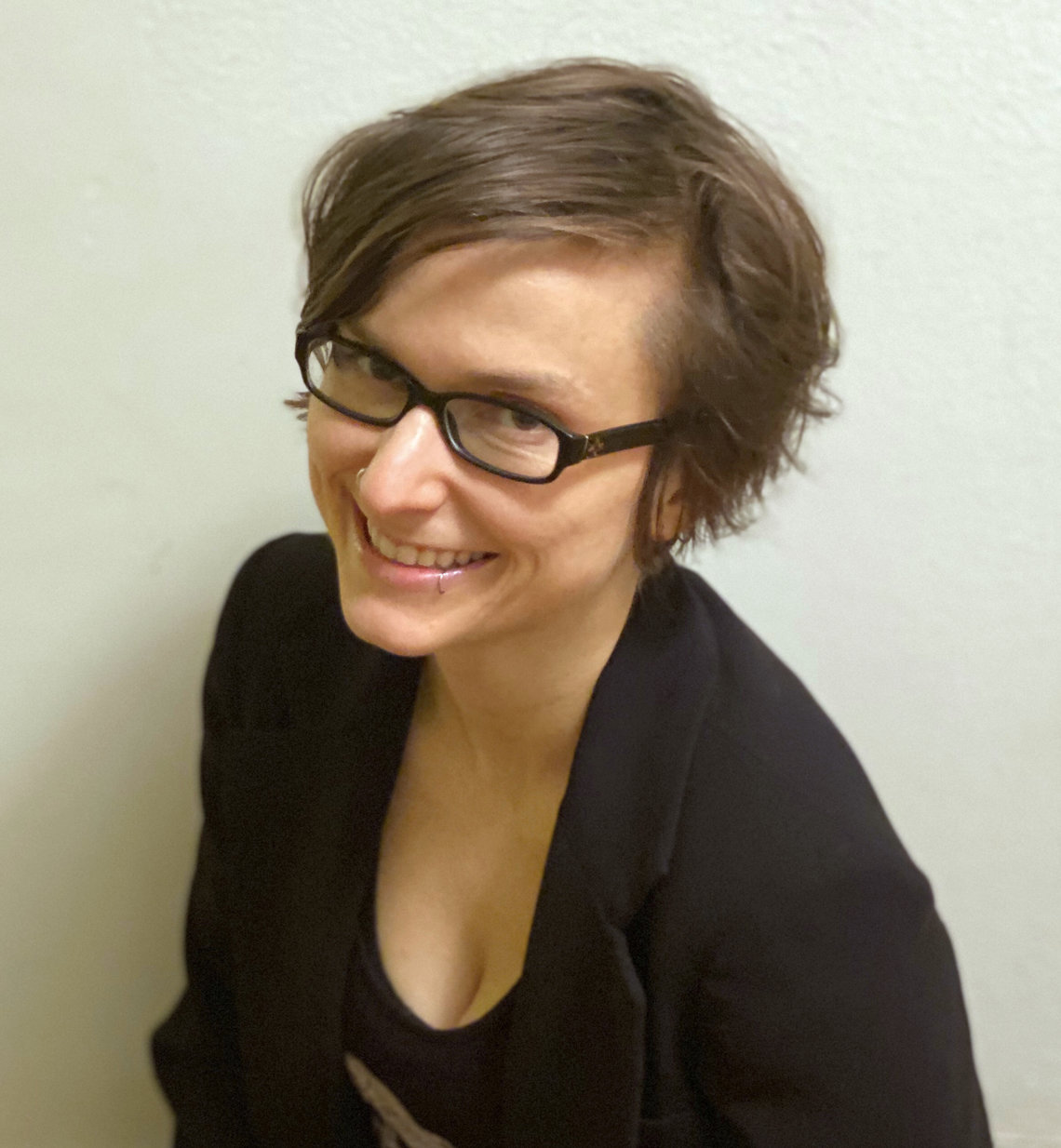
Beth Francesco
, the National Press Club Journalism Institute’s senior director, will share best practices, tools you have at your disposal from home, and exercises for creating visuals regardless of your hands-on design experience.
Registration is open
.
|
|
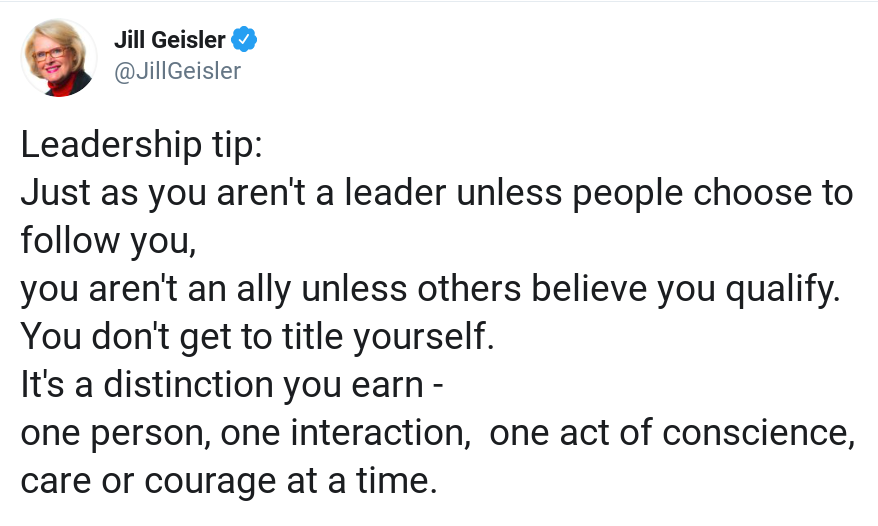
Aspiring allies listen, learn
and never expect that a colleague is obligated to teach you. Don’t assume that those who have been underrepresented, undervalued, and perhaps exhausted from years of trying to enlighten the unwilling, are eager to take you on as a pro bono project. Start educating yourself by
reading these books
or
listening to the podcasts
highlighted as part of the Power Shift Book Club. Do the work, show good faith, demonstrate courage. That’s where aspiring allies begin.
Advice from
Jill Geisler
, Bill Plante Chair in Leadership & Media Integrity, Loyola University Chicago, Freedom Forum Fellow in Women’s Leadership
|
|
|
When the question marks begin to add up, consider the following:
|
|
This newsletter is written & edited by the National Press Club Journalism Institute staff: Beth Francesco, Holly Butcher Grant, Jim Kuhnhenn, and Julie Moos.
Send us your questions and suggestions
for topics to cover.
|
|
|
|
|
|
|