|
Housing is a Climate Solution—
But Only if We Get It Right
| |
BY CATHERINE BALTAZAR, SENIOR POLICY ANALYST & ORGANIZER
In Los Angeles, the urgency of the climate crisis and our worsening housing crisis are colliding. But what if we told you that the solution to both could—and must—be one and the same?
Housing is a climate solution. Where and how we build housing influences our greenhouse gas emissions, energy use, and access to sustainable transportation. But more than that, the way we invest in housing determines who gets to thrive amidst climate change—and who is left behind. That’s why we must push for intersectional, innovative solutions that treat housing not just as shelter but as an investment in a just and climate-resilient future.
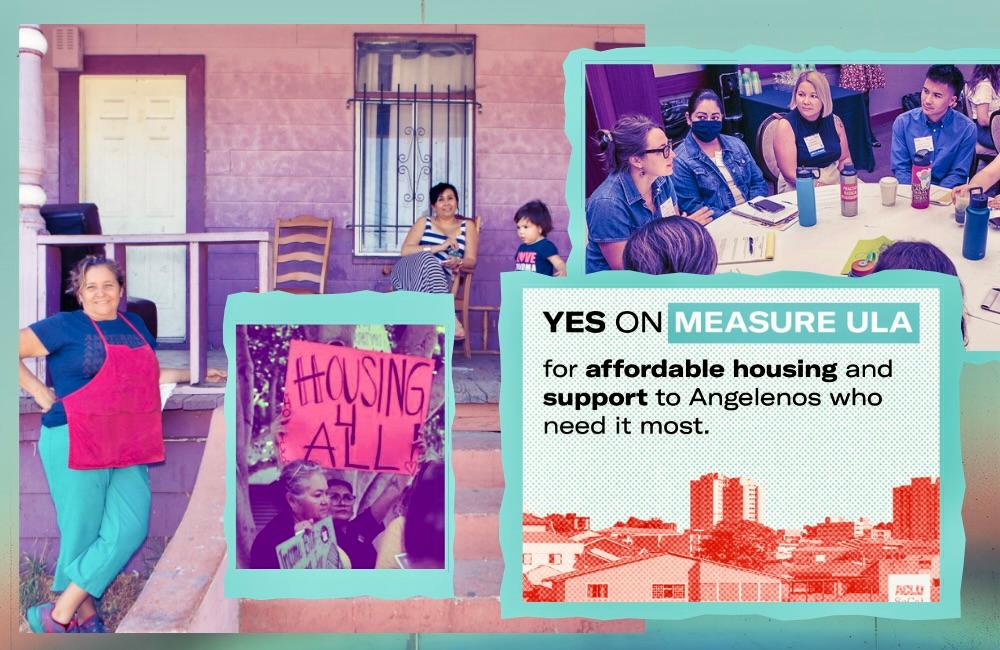
Thanks to the leadership of tenant organizers, advocates, and community coalitions like Our Future LA (OFLA), the City of Los Angeles has already laid a powerful foundation with Measure ULA. Since its implementation in April 2023, the ULA “mansion tax” has raised $661 million, created over 10,000 union construction jobs, supported 795 new affordable housing units, and prevented 11,000 Angelenos from falling into homelessness through direct financial aid. With more than 100,000 tenants reached through public education efforts, ULA is not just a housing policy. As the only meaningful local funding source for affordable housing production in the City of LA – it’s a lifeline. Measure ULA proves what’s possible when we invest in people and community well-being, all while ensuring transparent implementation through a Citizen’s Oversight Committee.
Now, it’s time to bring this same bold vision countywide.
Earlier this year, voters passed Measure A, which authorized the creation of the Los Angeles County Affordable Housing Solutions Agency (LACAHSA). This new agency—also born from grassroots power and led by the OFLA coalition—has a chance to transform how we build, preserve, and protect housing across our entire region. But the opportunity is only as powerful as our commitment to getting it right.
LACAHSA must prioritize:
- The construction of deeply affordable, climate-resilient social housing—permanently affordable homes designed with resident governance, income-based rents, and protections against speculative displacement.
- The preservation of Naturally Occurring Affordable Housing (NOAH)—to protect existing lower-income tenants from eviction and prevent displacement from rising rents.
- A countywide Right to Counsel program—so no one is forced into homelessness simply because they couldn’t afford a lawyer.
- Direct rental assistance and holistic legal services for residents precariously housed or facing economic hardship to preempt what could otherwise turn into a crisis.
- Streamlined, single-source financing to reduce construction timelines and ensure deeper affordability in every unit built.
This focus is not just about funding housing development. It’s about building an equitable Los Angeles County where no one pays more than 30% of their income toward rent, where Black and Brown communities are no longer pushed out, where low-income residents can live safely and with dignity, and where our climate investments don’t come at the cost of our people.
Affordable housing is climate action. Tenant protections are racial justice. Public investment is resilience.
With Measure ULA as our blueprint and LACAHSA as our next chapter, we have the tools to build a future where housing is not a privilege but a guaranteed right. Now, we must ensure that the future reaches every corner of our county.
Let’s build it together.
| | |
The Blue Ribbon Commission on Climate Action and Fire-Safe Recovery, which includes Climate Resolve Executive Director Jonathan Parfrey among its members, has announced its initial recommendations.
The recommendations, aimed at supporting a more resilient and sustainable recovery from the 2025 LA County Wildfires, include calling for a new local authority to oversee post-fire rebuilding, strengthening water systems, and bolstering community health.
The independent commission is working to identify solutions to help rebuild fire-ravaged areas, which are also exposed to earthquakes and increasing climate risks, into stronger, safer, and more resilient communities. You can read more about the initial recommendations here.
| |
What's Possible Event Recap
| | |
Almost 100 policymakers, banking leaders, and community organizations gathered at the Los Angeles Cleantech Incubator on May 22 for What’s Possible, an engaging event on the subject of financial investment to aid local resilience to extreme weather events.
Building on themes from the recently-released book What’s Possible: Investing NOW for Prosperous, Sustainable Neighborhoods, Climate Resolve, together with the Federal Reserve Bank of New York, Estolano Advisors, and Better World Group, convened the half-day conference spotlighting innovative financial tools for building resilient projects and sustainable community development.
| |
🧑🌾 A big thank you to everyone who joined us for our second gardening workshop last month!
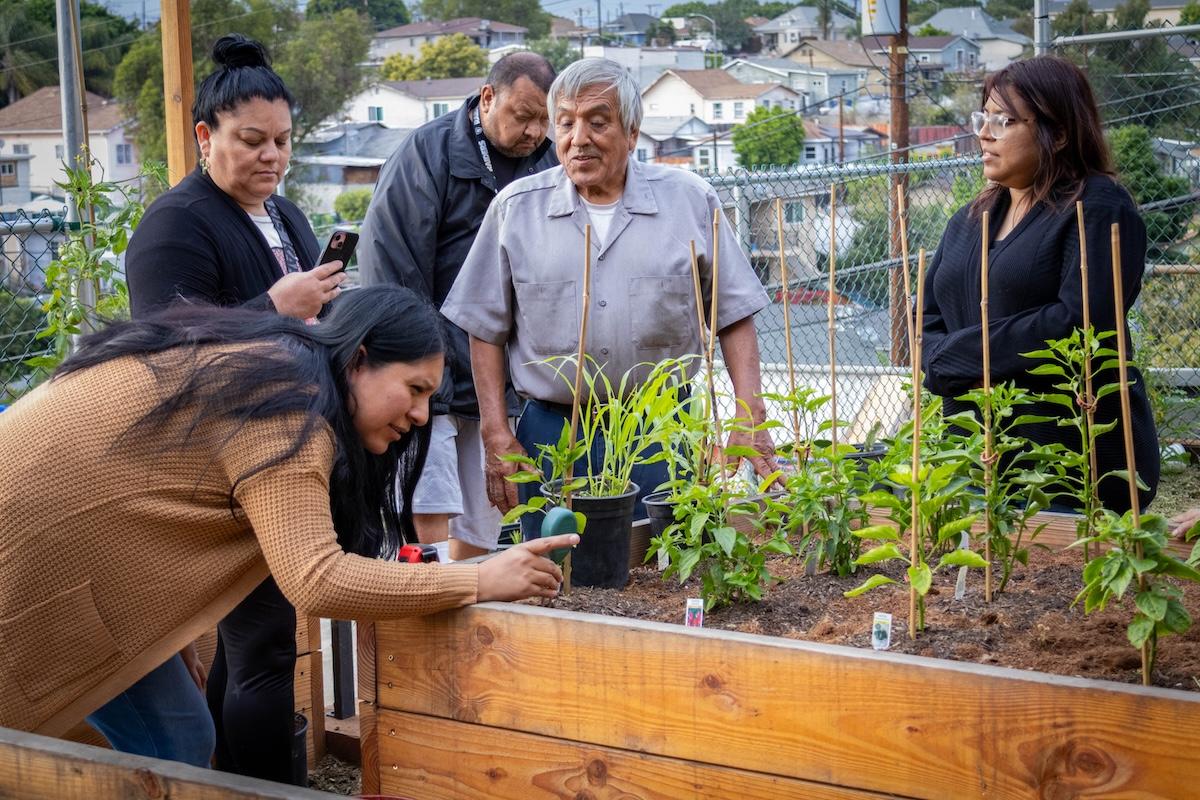
We collaborated with ELACC and Campos de Cultivo to host this fun and interactive session focused on climate-resilient herbs and veggies. During the workshop, residents engaged in the following activities:
🗺️ Learned how to use the Living Infrastructure Field Kit, a digital tool designed to help communities imagine and shape more climate-resilient neighborhoods. We provided printouts of the Lorena Terrace garden and numerous nature-based solutions – including shade trees, water stations, benches, and art – and designed a more resilient garden space utilizing these solutions.
🪴 Measured the moisture and pH of the soil and learned how to identify healthy soil conditions for proper plant growth.
🥕 Toured the garden to see what is currently growing.
🗓️ The best part? We’ve got one more workshop this year! Don’t miss our next session on September 3. Follow Climate Resolve on Instagram to stay updated!
| Camping 101 and Emergency Preparedness Recap | |
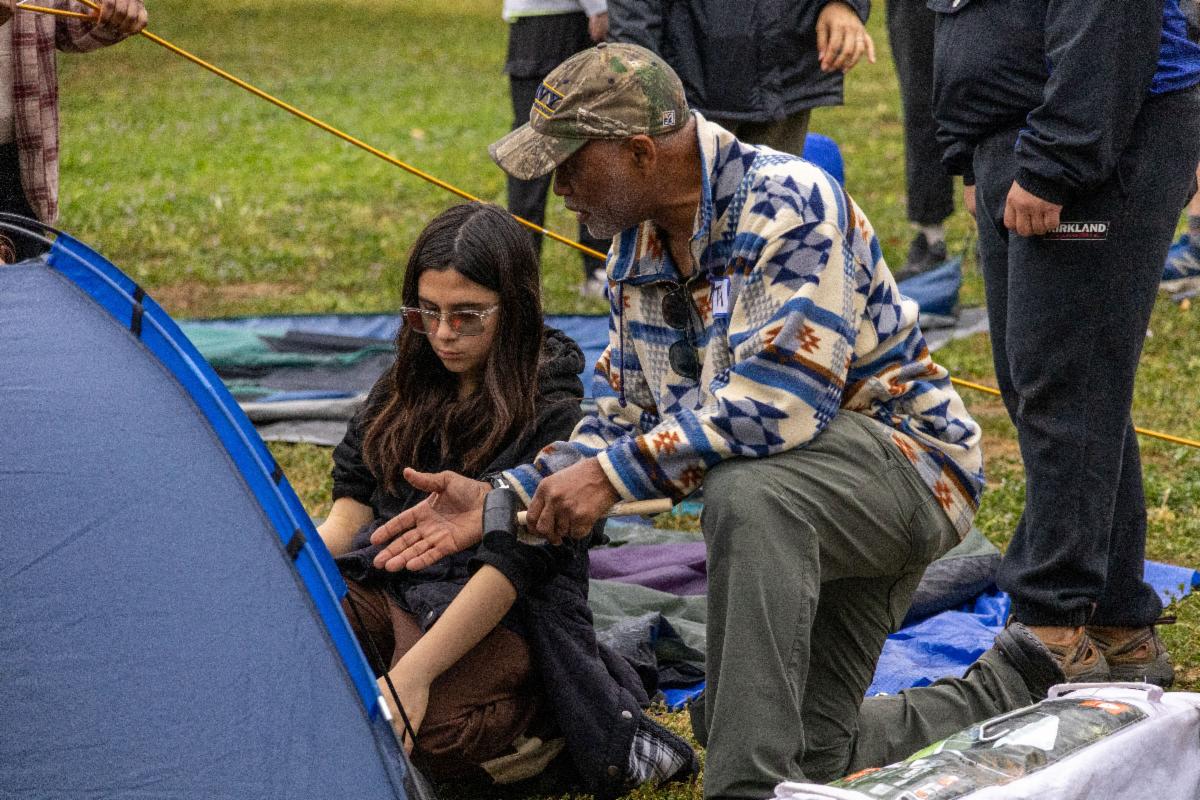
🏕️ HUGE thank you to everyone who attended our Camping 101 & Emergency Preparedness class.
📚 Our South LA attendees are ready to thrive outdoors, prepare for unexpected emergencies, and stay safe during extreme heat events because knowledge is the ultimate survival tool!
⛺🍳🥾 Attendees built tents and learned how to camp responsibly and comfortably thanks to our outdoor expert, Tim Jones! They also went home with some delicious camping recipes, including a Ziploc bag omelet (which we give 5 ⭐).
🚨 Ariel Maldonado from The Climate Initiative taught us how to prepare for unexpected disasters and what to pack in our emergency bag/box.
🌳 Who doesn’t love a fun game? Attendees participated in a 4 Corners Resilience activity that prompted them to think about their camping comfort level and how prepared they are for emergencies.
🌧️ Rain or shine, we had a blast! Want to join the fun? We’ve got another class coming to East LA this fall! Follow Climate Resolve on Instagram to stay in the loop.
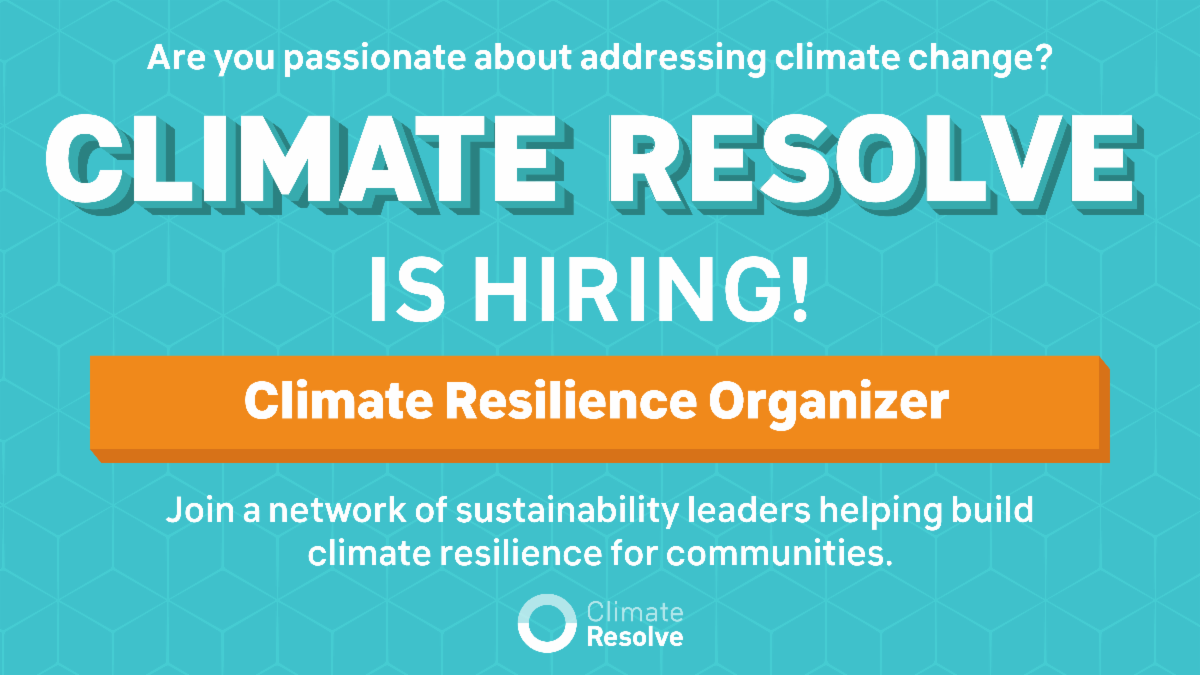
| Climate Resolve is Hiring! | | |
Climate Resolve is looking for a Climate Resilience Organizer to play a key role in advancing the organization’s climate justice, resilience planning, policy, and advocacy agenda.
This position is ideal for an individual deeply committed to environmental justice and skilled in community organizing, public engagement, and coalition building.
Reporting to the Senior Policy Analyst & Organizer, the Climate Resilience Organizer supports community-based and policy-driven efforts to advance equitable climate solutions in under-resourced communities throughout California. The position involves a dynamic mix of organizing, community-driven planning, advocacy, capacity building, and program development.
Read the full job description and apply here!
| | Community Air Grant Award | | |
Climate Resolve received an award as part of Cycle 5 of the California Air Resources Board’s (CARB) Community Air Grant program to co-design and install a community-led air monitoring network.
With our partners Clarity Movement Co. and Promesa Boyle Heights, we’re deploying 10 advanced sensors to track ozone, black carbon, nitrogen dioxide, and PM2.5—pollutants linked to asthma, cancer, and heart disease.
“These investments are helping make California communities healthier and more livable—especially in neighborhoods that have long faced the greatest air quality challenges,” said CARB Chair Liane Randolph.
For more information, please see the press release.
| | Community Design Workshop #1 | | |
👷🏽♂️👷🏽♀️ Curious about how to build a more resilient future in Boyle Heights? Join us on June 26 for an interactive community design workshop focused on envisioning cooler, safer, and healthier public spaces! See how your feedback has shaped project goals, tell us about your experiences coping with rising temperatures and hotter summers, and share your ideas for improving and implementing needs for shade, trees, safety, and other city infrastructure.
🗺✏ Our workshop will include hands-on mapping, collaborative design activities, and informational stations. Whether you’re a street vendor, resident, youth, elder, or community advocate, your voice is essential in shaping climate-resilient infrastructure!
🙌🏼 Together, we’re reimagining public spaces to better serve all who live, walk, and work in Boyle Heights 🤝🏼🏘.
🥤🎁 Free refreshments and giveaways will be provided!
Register to get the event address.
Haga clic aquí para ver nuestro folleto en español.
| | Thank you for reading and helping to build collaborations that champion equitable climate solutions! | | | | |