ASIPP State Society Meeting | |
Join us this weekend in downtown Cincinnati! | |
Earn up to 15 CMEs while learning from experts and exchanging ideas with colleagues in beautiful downtown Cincinnati this weekend! | |
|
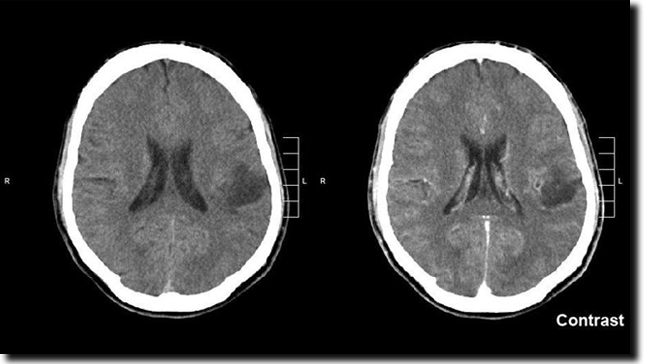
The US Food and Drug Administration (FDA) has approved vorasidenib (Voranigo, Servier) for the treatment of certain isocitrate dehydrogenase (IDH)–mutant diffuse gliomas, marking the first approval of a targeted therapy for these types of brain tumors.
Specifically, the oral targeted inhibitor of IDH1 and IDH2 was approved for use after surgery in adults and children aged 12 years or older who have grade 2 astrocytoma or oligodendroglioma with a susceptible IDH1 or IDH2 mutation. According to the FDA, surgery includes biopsy, subtotal resection, or gross total resection.
Mutations in IDH1 are present in around 80% of grade 2 gliomas, whereas IDH2 mutations are more infrequent, occurring in about 4%.
Read More
| |
|
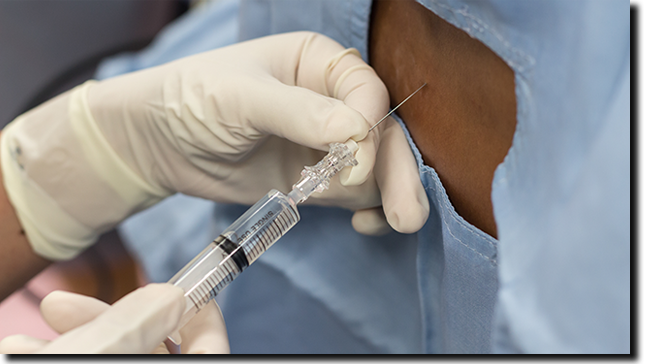
A new study finds that ultrasound-guided thoracic paravertebral block (TPVB) is more effective than stellate ganglion block (SGB) for treating chronic upper arm pain, providing better pain relief and increasing hand temperature more significantly after the procedure.
METHODOLOGY:
- This multicenter, prospective, randomized trial included 70 patients with chronic upper extremity pain who were randomly assigned to receive either TPVB or SGB.
- Participants' pain scores, temperatures, and brachial artery blood flow were measured 20 minutes post-block.
-
Patients in the TPVB group received a 10-mL injection of 1% mepivacaine in the upper back, while those in the SGB group received a 5-mL injection in the neck.
- Success was defined as an increase in hand temperature of at least 1.5 °C, indicating an effective nerve block.
Read More
| |
|
Initiating medication for opioid use disorder (OUD) within 7 days of a hospital visit reduces the risk for fatal or nonfatal opioid overdose at 6 months; however, this association is not seen at 12 months.
METHODOLOGY:
- Hospital visits, including emergency department (ED) visits and inpatient admissions, present opportunities to initiate medication for OUD, potentially reducing the risk for future overdoses.
- This retrospective cohort study included 22,235 patients (aged ≥18 years) with an OUD-related hospital visit and used data from the Oregon Comprehensive Opioid Risk Registry database with diagnosis codes recorded at an index ED visit or hospitalization from January 2017 to December 2019.
-
Among them, 1184 patients (5.3%) received medication for OUD within 7 days of an ED visit or hospitalization, with 683 receiving buprenorphine, 463 receiving methadone, and 46 receiving long-acting injectable naltrexone.
Read More
| |
Many surgical residency programs still use live animals for training
A new study supports the potential to repurpose glucagon-like peptide 1 (GLP-1) receptor agonists, used to treat type 2 diabetes and obesity, for dementia prevention.
In the phase 2b ELAD clinical trial, adults with early-stage Alzheimer's disease (AD) taking the GLP-1 receptor agonist liraglutide exhibited slower decline in memory and thinking and experienced less brain atrophy over 12 months compared with placebo.
"The slower loss of brain volume suggests liraglutide protects the brain, much like statins protect the heart," study chief Paul Edison, MD, PhD, with Imperial College London, London, United Kingdom, said in a statement.
Read More
| |
|
Virtual
August 31 & September 28
Click here for the complete list of upcoming exams.
ABIPP Part I; ABIPP Path - Combined DCCPM/CSM virtual exam;
ABIPP Competency Exam in IPM; ABIPP Competency Exam in Regenerative Medicine;
CSM Competency Exam; DCCPM Competency Exam
In Person
October 18, 2024
ABIPP Part II - Practical Examination
Lab Venue: MERI, 44 S. Cleveland Street, Memphis, TN 38104
| |
|
Jeffrey E. Janis, MD, is on a mission. The professor of plastic surgery, surgery, neurosurgery, and neurology at The Ohio State University Wexner Medical Center, Columbus, Ohio, wants to convince neurologists of the safety and efficacy of nerve decompression surgery for treatment-resistant headache. However, many neurologists remain unconvinced.
"Headache surgery is a viable alternative for complex patients who have failed medical management and who could benefit from this treatment approach. There's 24 years of evidence behind this surgical technique across hundreds of different studies with different study designs," Janis told Medscape Medical News.
Yet this treatment approach — surgery on peripheral nerves rather than the brain or spinal cord — hasn't garnered much support from neurologists. A scan of the agenda of topics at the recently held at the American Headache Society 2024 Annual Meeting showed few if any studies or presentations on this topic. And neurologists Medscape Medical News spoke to said they believe the surgery is experimental and unproven.
Read More
| |
Registration is open for
ASIPP's 2025 Annual Meeting
We would love it if you would register and join us in Orlando!
| |
|
Nipocalimab, iscalimab, and tibulizumab, but not lusvertikimab, appear to be promising new agents for Sjögren disease that warrant further investigation, suggest the results of four separate early clinical trials reported at the recent European Alliance of Associations for Rheumatology (EULAR) 2024 Annual Meeting.
This is potentially good news for patients, as discovering new treatments that work for managing the various symptoms of Sjögren disease is a high priority, Jacques-Eric Gottenberg, MD, PhD, said when he presented the results of the phase 2 DAHLIAS study of nipocalimab during a late-breaking abstract session.
"All patients suffer from high burden of symptoms — pain, fatigue, and dryness; nearly 50% of patients have systemic complications; mortality is increased, so there is a high unmet need since no specific drug has been accepted so far," said Gottenberg, who works at Strasbourg University Hospital in Strasbourg, France.
Read More
| |
ASIPP State Society Meeting: | |
- ASIPP Members Only Site Information - | |
-
To log in for the first time you will need to click “forgot password” at the bottom of the login window.
- Check your email and then log in as directed.
-
If you have problems logging into your account, click here.
| |
|
Pain Medicine Case Reports (PMCR) and Editor-in-Chief Alaa Abd-Elsayed, MD, PhD would like to invite you to submit case reports and case series to the PMCR journal. Your article will be published free of charge.
Open access journals are freely available online for immediate worldwide open access to the full text of published articles. There is no subscription fee for open access journals. Open access journals are no different from traditional subscription-based journals: they undergo the same peer review and quality control as any other scholarly journal.
Interested in becoming a member of the PMCR Editorial Board?
Editorial board members are asked to review 2-6 manuscripts per year. Please submit your most up-to-date CV to sgold@asipp.org for consideration.
For more information or to submit your articles, click here.
| |
|
Aaron Mates, MD
Abstract
BACKGROUND: Chronic pain impacts multiple facets of daily life, including mental health, mobility, and ability to work. Conservative management strategies often fail to control pain adequately, and pharmaceutical treatments involve unwanted side effects. With the development of specialized technology, peripheral nerve stimulation (PNS) has emerged as a treatment for pain caused by peripheral neuralgias that cannot be managed with conservative strategies.
CASE REPORT: This was a retrospective study collecting data from the electronic medical records of patients. A chart review was conducted for all eligible study patients. Patients who underwent a PNS trial for the treatment of peripheral neuropathy were recruited to participate in this study. Verbal Rating Scale (VRS) scores decreased from 7.8 ± 1.6 to 1.6 ± 1.1 after the trial. At 3 months, VRS scores decreased to 2.1 ± 2.7.
CONCLUSIONS: The Freedom® PNS System is a safe and effective treatment modality for the management of pain caused by peripheral neuropathy.
KEY WORDS: Peripheral nerve stimulation, chronic pain, foot, ankle, knee, shoulder, suprascapular, peroneal, infrapatellar saphenous, peroneal
Read More
| |
|
Alan D. Kaye, MD, PhD, Christopher J. File, MD Candidate, Grant E. Borne, BS, Charles P. Daniel, BS, Ramaswamy Sharma, PhD, Sahar Shekoohi, PhD, and Miguel A. Pappolla, MD, PhD
Abstract
BACKGROUND: Melatonin, one of the most versatile hormones in the body, is well appreciated in managing circadian rhythm and for antioxidant properties. Produced in the pineal gland and within mitochondria, melatonin influences many physiologic processes through receptor mediated and direct effects.
OBJECTIVE: The present investigation explores the evolving pharmacologic properties of melatonin, as well as current therapeutic uses in areas where mitigating oxidative stress, inflammation, and cellular senescence. This review also delves into novel therapeutic potential of melatonin and how current research is revealing a wide array of therapeutic promise in pain medicine.
STUDY DESIGN: A systematic review of randomized controlled trials (RCTs) and observational studies was performed using various search engines focused on melatonin and its role in pain medicine.
METHODS: The available literature on melatonin and pain medicine was reviewed. A comprehensive literature search of multiple databases from 1966 to July 2024, including manual searches of the bibliography of known review articles was performed. Quality assessment of the included studies and best evidence synthesis were incorporated into qualitative and quantitative evidence synthesis.
OUTCOME MEASURES: The primary outcome measure was the proportion of patients receiving melatonin with significant relief and functional improvement of greater than 50% of at least 3 months. Duration of relief was categorized as short-term (less than 6 months) and long-term (greater than 6 months).
RESULTS: Melatonin can affect intervertebral disc (IVD) health through the enhancement of survival and function of nucleus pulposus cells, primarily through activation of the ERK1/2 signaling pathway. Melatonin also influences the biochemical environment of the IVD by modulating inflammation and oxidative stress, crucial factors in the pathogenesis of disc degeneration. Melatonin has been shown to reduce senescence and promote autophagy within disc cells, vital for clearing out damaged cellular components, preserving cellular function and preventing deterioration associated with aging and degenerative diseases.
LIMITATIONS: Despite the availability of multiple studies, the paucity of clinical pain related literature is considered as the major drawback.
CONCLUSION: Based on the present systematic review, melatonin plays a critical role in sleep, but evolving studies have demonstrated substantive roles in mitigating degenerative conditions in various tissues, including IVD degeneration. Ongoing studies will better clarify the role of melatonin as a potential therapeutic agent, including the targeted delivery to various body regions.
KEY WORDS: Melatonin, 5-methoxy-N-acetyltryptamine, pineal gland, neurodegenerative disease, intervertebral disc disease
Read More
| |
|
Shirui Cheng, MD, Xiaohui Dong, MD, Peng Lai, MM, Xingyao Chen, MM, Jun Zhou, MM, Zhengjie Li, MD, and Xi Wu, MD
Abstract
BACKGROUND: Abnormalities of structural and functional brain regions might influence the persistence of knee pain, the progression, and the response to treatments in knee osteoarthritis (KOA). These complex alterations present a challenge to the understanding of its mechanism.
OBJECTIVES: To meta-analyze the concurrence across structural and functional magnetic resonance imaging studies.
STUDY DESIGN: Systematic review and meta-analysis.
SETTING: This meta-analysis examined all voxel-based morphometric (VBM) and amplitude of low-frequency fluctuation (ALFF) studies involving the whole-brain alterations of KOA.
METHODS: VBM and ALFF studies published up to May 7, 2023, were searched in the Web of Science, PubMed, EMBASE, Cochrane Library (CENTRAL), China National Knowledge Infrastructure (CNKI), Chinese Biomedical Literature Database, Chongqing VIP, Wanfang Database. Two independent researchers carried out study screening, quality assessment, clinical data extraction, and neuroimaging data extraction. The whole-brain voxel-based gray matter (GM) and brain activity data of KOA were collected from eligible studies and meta-analyzed using the anisotropic effect size-signed differential mapping (AES-SDM).
RESULTS: Fourteen studies were included in this study. In VBM meta-analyses, a total of 481 patients were enrolled in this study (252 KOA and 229 healthy patients). In the ALFF meta-analysis, a total of 518 patients were enrolled in this study (265 KOA and 253 healthy patients). According to the meta-analysis, KOA had increased GM volume in the right inferior frontal gyrus and decreased GM volume in the bilateral superior frontal gyrus, as well as increased brain activity in the left inferior frontal gyrus and inferior temporal gyrus, and decreased brain activity in the left middle occipital gyrus, right supramarginal gyrus, right superior frontal gyrus, and right superior parietal gyrus compared with healthy patients.
LIMITATIONS: Most of the ALFF studies included in this meta-analysis were conducted in China. Our findings are exclusively addressed by the VBM and ALFF studies. The meta-regression between the duration of KOA, pain intensity and abnormal gray matter, and functional activity of brain regions in patients with KOA were unable to be analyzed.
CONCLUSION: The results of this meta-analysis indicate that patients with KOA present significant abnormalities in GM volume and functional activity. These findings contribute to a better understanding of the structural and functional abnormalities seen in patients with KOA.
KEY WORDS: Knee osteoarthritis, meta-analysis, signed differential mapping, voxel-based morphometry, amplitude of low frequency fluctuation
Read More
| |
|
ASIPP is now in collaboration with Curi Medical Liability Program
| |
|
Since this malpractice insurance program officially launched in November 2018, ASIPP has signed up hundreds of providers with an average savings of 30%. This is professional liability insurance tailored to our specialty and will stand up for us and defend our practices.
Curi is a full-service advisory firm that serves physicians and their practices. Their valued advice is grounded in your priorities and elevated in your outcomes. They are driven by a deep understanding of your specific circumstances in medicine, business, and life. To read a few important points to keep in mind about the program, including discounts, administrative defense, cyber coverage, aggressive claims handling, and complimentary risk management CME activities, visit our website.
| | |
|
Group Purchasing Organization Offer Better Pricing and Creates Added Value
ASIPP has formed a partnership with Henry Schein and PedsPal, a national GPO that has a successful history of negotiating better prices on medical supplies and creating value-added services for independent physicians. Working with MedAssets, PedsPal provides excellent pricing on products like contrast media that alleviate some of the financial pressures you experience today.
Learn More
| |  |
|
ASIPP, Fedora Billing,
and Revenue Cycle Management Partnership
ASIPP is now offering our members the benefit of a unique revenue cycle management/ billing service.
We have received a tremendous amount of interest in the ASIPP® billing and coding program.
Click here to learn more about the negotiated rate for practices and more!
| |
|
Like and follow ASIPP® on Facebook, X, and LinkedIn for the most
up-to-date news related to you, your practice, and your patients!
| | | | |