UPCOMING
BUDGET
MEETINGS:
Wednesday, April 13
7 p.m.
City Council Meeting
School budget public hearing
Wednesday, April 20
7 p.m.
City Council Special Meeting
City budget public hearing
Wednesday, April 20
Following Special Meeting
City Council Workshop
Fire and Police departmental budgets
Wednesday, May 4
6 p.m.
City Council Workshop
General budget review
Wednesday, May 4
Following Workshop
City Council Special Meeting
Budget adoption
Wednesday, May 11
7 p.m.
City Council Meeting
Fallback budget adoption date
|
MORE
INFORMATION, RESOURCES
AVAILABLE AT:
|
|
Budget presentations continue
The City Council held its second budget workshop yesterday, April 6. The Council reviewed departmental budgets from Community Services, Welfare, Library, and Recreation departments. These proposed budgets, budget presentations and accompanying slides can be viewed on the FY2023 Budget Revealed webpage.
Next week, the City Council will hold a public hearing on the School portion of the budget on Wednesday, April 13. The following week, the Council will hold a public hearing on the City-portion of the budget, on Wednesday, April 20.
This week's presentations
at a glance
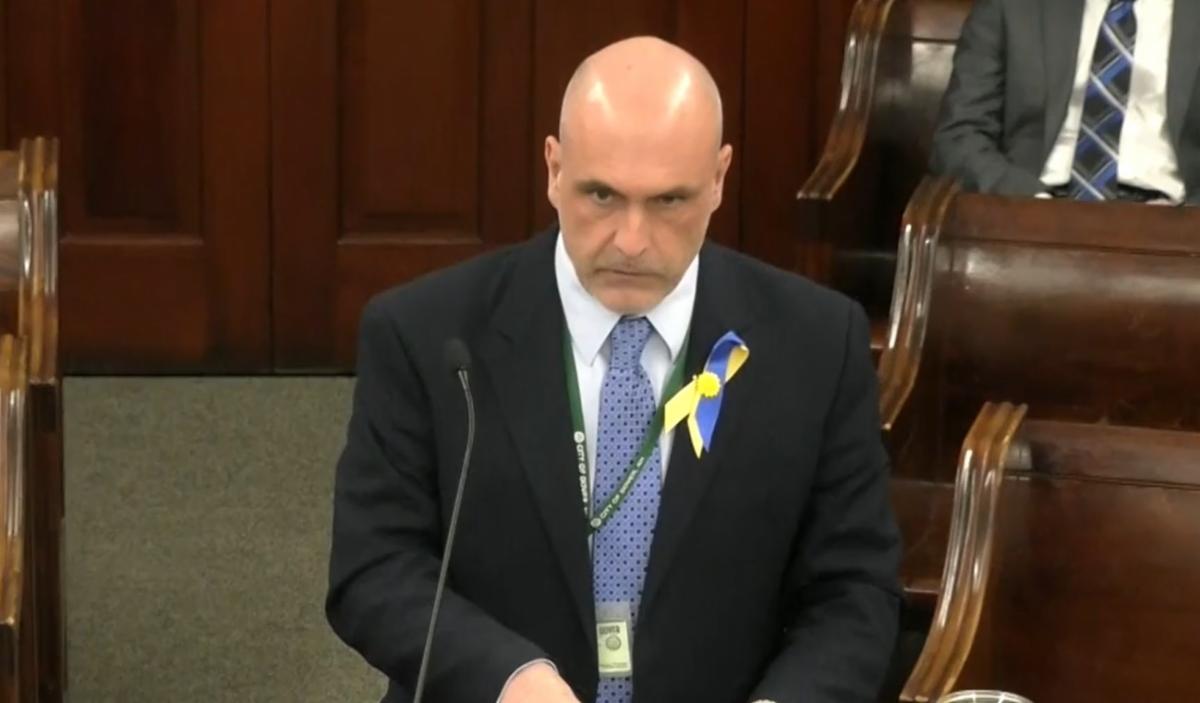
Community Services
|
John Storer, Community Services Director |
Community Services' proposed budget for fiscal year 2023 totals $29,966,087, a $2,509,464 increase, or 9.1%, across all funds.
The budget includes expenditures from the following funds:
-
General Fund: $9,906,090, an $809,077 increase, or 8.9%.
-
Residential Solid Waste Fund: $1,813,979, an increase of $18,494, or 1%. This is a special revenue fund generated by the purchase of trash bags and tags that help pay for trash collection and Recycling Center operations.
-
Water Fund: $7,052,364, an increase of $593,536 , or 9.2%. This is an enterprise fund generated from water-use fees appropriated for drinking water operations and maintenance, water main replacement and other water-related capital projects.
-
Sewer Fund: $9,936,229, an increase of $935,552 increase, or 10.4%. This is an enterprise fund generated from sewer-use fees appropriated for sewer operations, including the wastewater treatment plant, sewer replacement and other capital projects.
-
Fleet Maintenance Fund: $1,277,425, an increase of $152,805, or $13.8%. This is an internal service fund other departments with city vehicles contribute to for vehicle maintenance, repair and replacement.
Community Services employs 65 people in the following seven divisions:
- Facilities, Grounds and Cemeteries
- Engineering
- Highways and Drainage
- Solid Waste and Recycling
- Utilities
- Administration
- Fleet Services
Those seven divisions are broken into 15 budgeted cost centers consisting of administration, engineering, streets and sidewalks, snow removal, stormwater, street lighting, facilities and grounds, government buildings, public cemeteries, and recycling and waste management.
Continued Fiscal Year 2023 objectives of the Community Services include:
- Customer-focused;
- Capital Improvement Program projects successfully completed and efficiently managed;
- Workforce recruitment, development and management;
- Embracing technology and innovation.
Community Services' budget begins on page 435 of the proposed budget, which can be viewed here.
Proposed increases to water and sewer rates
The budget includes a proposed water rate increase of 46 cents to $6.41 per hundred cubic feet of water and a proposed 17-cent sewer rate increase to $9.81 per hundred cubic feet. A hundred cubic feet equals 748 gallons. The proposed schedule of fees for fiscal year 2023 can be viewed here.
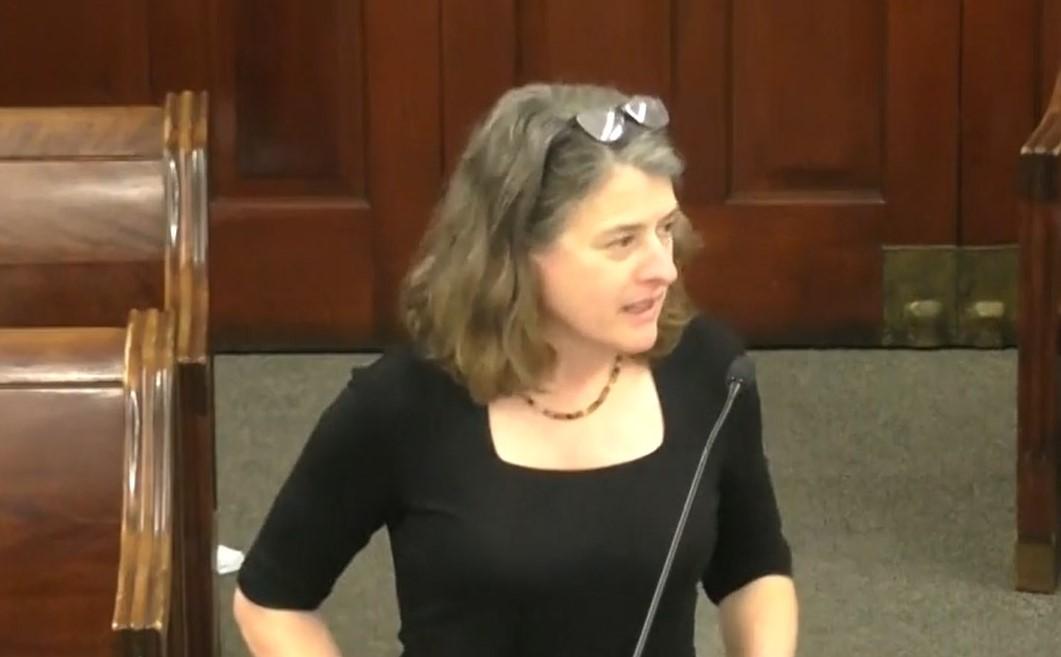
Library
|
Denise LaFrance, Library Director |
The Library Department's proposed budget totals $1,763,990, an increase of $130,628, or 8.0%, across all funds.
The proposed budget includes expenditures from the following funds:
-
General Fund: $1,727,385, an increase of $135,221, or 8.5%.
-
Library Fine Fund: $36,605, a decrease of $4,593, or 11.1%. This is a special revenue fund.
The Library Fine Fund includes revenues from overdue books, public printing and faxing fees, replacement fees for books and lost library cards, and U.S. Passport execution fees. The Library is requesting the City Council consider eliminating overdue book fines, as other libraries in the state and country have done, with a goal of making the library more equitable to all residents. Overdue book fines make up an estimated $16,500 of the Library Fine Fund.
The Dover Public Library supports lifelong enjoyment of reading and learning. The Library focuses on a broad range of information services in multiple formats, which entertain, enlighten, empower, educate and enrich the residents of Dover.
The Fiscal Year 2023 objectives of the Dover Public Library include:
- Emphasizing the Library’s range of creative tools, databases, classes, and activities for makers of all ages
- Promoting collaboration with relevant community organizations to better serve all demographics.
- Work with an architect to formulate plans for library renovations
- Working towards equity of access to our collections for all community members.
- Complete a redesign of the Library’s website.
The Library Department budget begins on page 663 of the proposed budget, which can be viewed here.
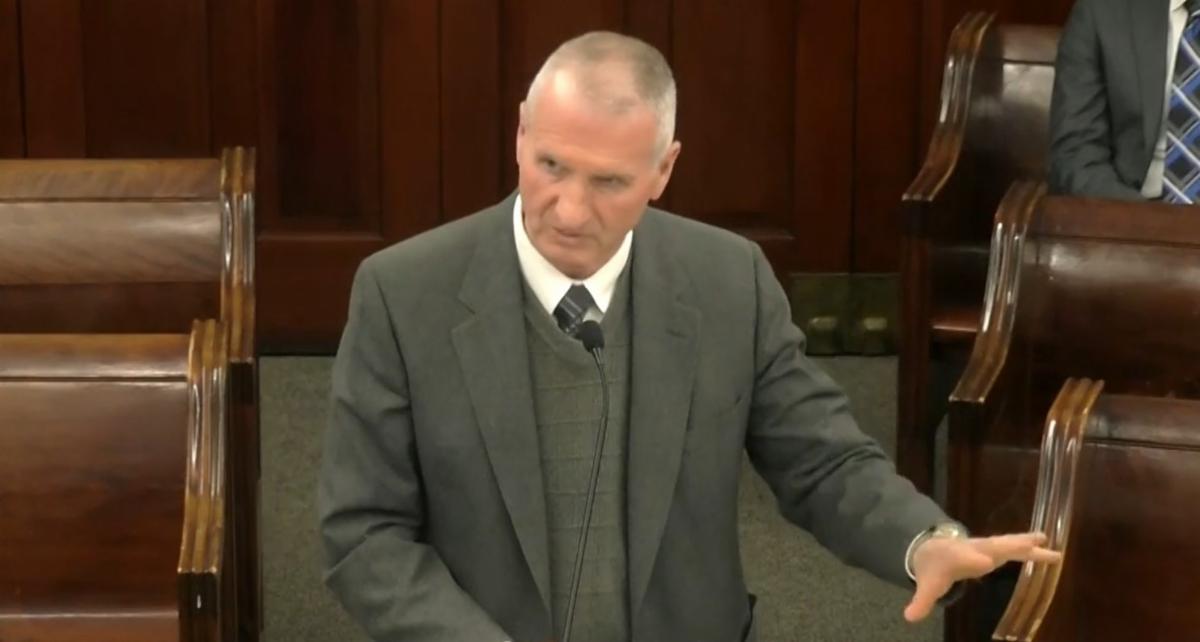
Recreation
|
Gary Bannon, Recreation Director |
The Recreation Department's proposed budget totals $4,210,058 an increase of $57,445, or 2%, across all funds.
The department's budget is funded through the General Fund, the McConnell Center Fund, made up of rental fees of the building, and the Recreation Programs Fund, generated by user fees from recreation programs such as swim lessons, summer program Camp Kool, fitness center and senior center programs.
The proposed budget includes the following expenditures:
-
General Fund: $2,919,166, a $94,200 increase;
-
McConnell Center Fund: $828,972, a reduction of $36,755 or 4.2%;
-
Recreation Program Fund: of $461,920 -- no change from the current budget year.
The Recreation budget consists of several divisions and programs, including administration, the Indoor and Outdoor pools, the Ice Arena, and McConnell Center recreation programs. The Recreation budget also provides some funding for the Cochecho Arts Festival, July 4 fireworks, Arts Commission projects and the city's 400th-anniversary celebration in 2023.
Among the key objectives for Fiscal Year 2023 are
- Continue renovations of athletic fields and facilities
- Work on plans to develop active recreation facilities on the Waterfront parcel;
- Adopt new Master Plan recommendations to improve programs and parks;
- Work with the McConnell Center tenants to develop new programs;
- Work closely with the School Department to schedule spaces in the new High School and athletic fields and facilities for community use;
- Recover from pandemic impacted areas throughout the entire department.
The Recreation Department budget begins on page 581 of the proposed budget, which can be viewed here.
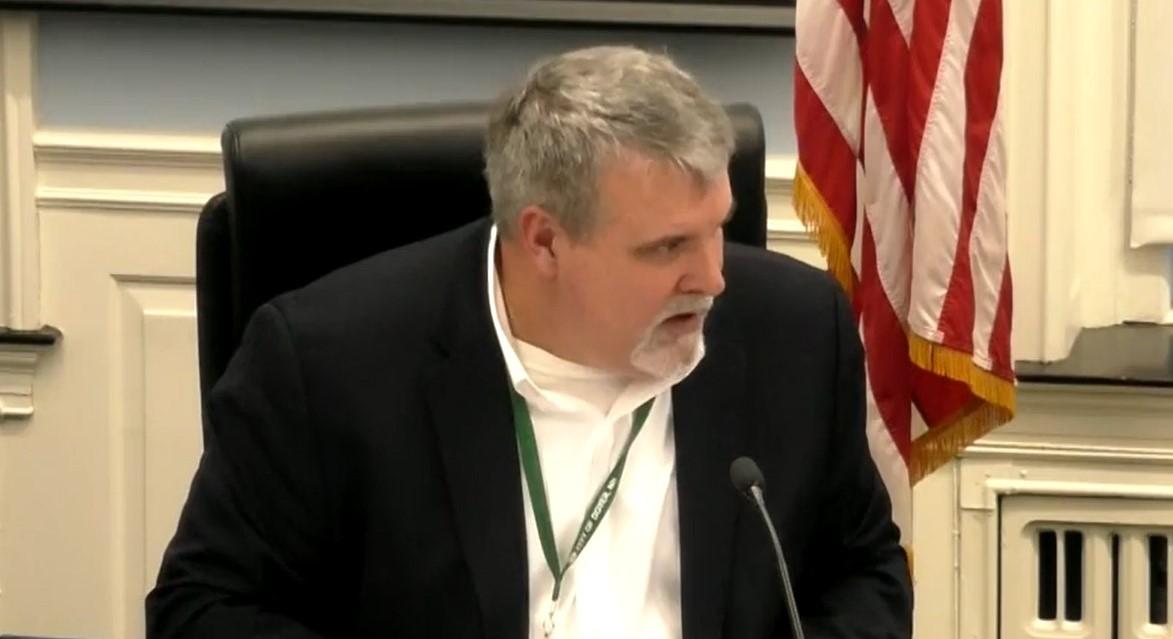
Welfare
|
J. Michael Joyal, Jr., City Manager |
The Welfare Department's proposed budget totals $898,614 from the General Fund. It's an increase of $86,201, or 10.6%, above the current year's budget.
Public Welfare provides general assistance to meet the genuine needs of all eligible residents in compliance with state law and City guidelines, in a respectful and fiscally responsible way that fosters dignity and self-sufficiency.
Fiscal Year 2023 priorities for the Welfare Department include:
- Continued support for the Homeless Center of Strafford County, My Friends Place, and Willand Warming Center
- Working with the City government and other service providers to establish a better means of finding shelter for Dover's Homeless
- Continuing active participation in N.H. Local Welfare Administrators Association and County Local Welfare Association
- Collaborating with groups and other agencies to improve service delivery to those in need
- Investigating and/or creating new resources to supplement current services, especially for the homeless and to provide security deposits.
- Finding a location to place the laundry and shower trailers owned by the city.
The Welfare budget begins on page 683 of the proposed budget, which can be viewed here. |
|
Schedule of Fees
The City of Dover offers a variety of services and facilities to the public. Many of these services are dependent on fees, which are included as a source of revenue in the proposed budget each year. The schedule of fees includes building permits and inspection fees, cemetery fees, water and sewer rates, and Recreation Department fees.
During budget deliberations, the City Council reviews the proposed fee schedule for the upcoming fiscal year. The fee schedule is adjusted annually by the City Council, based on a number of factors, including inflation, studies, and equity.
The FY2023 Proposed Schedule of Fees can be viewed here or at the Budget Revealed online resource. Each page includes a list of services, the adopted fee from the current budget year, the proposed fee for fiscal year 2023, and the proposed change amount. |
|
What is Priority Based Budgeting?
Among the many factors that contribute to a proposed budget are the priorities of the city's greatest resource, its customers. The city reaches out to its citizens by a variety of means, including numerous surveys, polls, public meetings, informational sessions, newsletters and easily accessible public information, to help gauge the community's priorities. This information plays an important role in helping shape the budget each year.
In recent years, the community has identified several areas as the highest priorities, including public safety, public schools, street maintenance and snow removal, public drinking water and sewer utilities, code enforcement and land-use regulation, municipal financial management, and communication with citizens.
In many of the surveys conducted by the city, more than 180 services, programs, and operations are identified.
These range from the most basic to some of the little known services. The services mentioned above are included in the first of four groups of priorities the city reviews when preparing the budget. The second group contains services and programs such as economic development, community oriented policing, traffic control and street lighting, fleet maintenance, the Ice Arena, and municipal buildings and parks. Examples of priorities identified in the third and fourth groups include municipal records archives, utility billing and tax assessment, cemetery operation and maintenance, the McConnell Center, the public pools, public meeting space, public transportation, hours of operation at the Recycling Center, and community events and programs.
Other factors contribute to priority based budgeting, including attributes and rating levels derived from case studies across the country, including whether a community is mandated to provide a program or service, whether the cost of a program or activity can be recovered, the change in demand for a service, and the reliance on municipal government for service.
As a result of these guidelines, it's important to point out that many of the lower and lowest ranking items are often mandated by the state or federal government, or are taken for granted, such as public welfare. It should also be noted that many related items rank in different groups. For example, the public schools rank in the first group, but school transportation ranks in the fourth group.
These priorities also emphasize the City of Dover consists of a diverse population with a variety of needs and priorities. Nonetheless, the needs and priorities are more than numbers. The City works to serve all of these needs, recognizing the true success of a budget is a positive impact on the entire community.
|
|
Want to know more? In addition to the online resource for this fiscal year's budget, check out Budget Revealed for more information about the budget process, including previous budgets, insight into the budget cycle, and additional multimedia content.
Click on the image below to view:
|
|
|
|
|
|
|