The pursuit of the American Dream in the Silver State has long been a tale of two very different cities. While Las Vegas often dominates the headlines with its shimmering lights and international fame, the northern gem of Reno has quietly cultivated a housing market and economic landscape that offers something far more valuable than neon spectacle: stability.


For decades, Southern Nevada has operated like the very slot machines that line its famous Strip, offering massive payouts during economic surges but delivering devastating losses when the luck inevitably runs out. In contrast, Reno has transformed itself from a modest gambling town into a sophisticated hub of technology and logistics, creating a residential environment that is significantly more resilient to the turbulence of the national economy.


Choosing a place to call home involves more than just selecting a floor plan; it is an investment in a community and a long-term financial future. By examining the structural differences between these two regions, it becomes clear that Reno offers a level of security and consistent growth that the volatile southern market simply cannot match.

The Foundation of Economic Resilience


The most significant advantage Reno holds over its southern counterpart is the fundamental diversity of its economy. For a long time, both cities were seen primarily as gaming destinations, but Reno took a deliberate path toward modernization that has insulated its residents from the whims of discretionary spending.


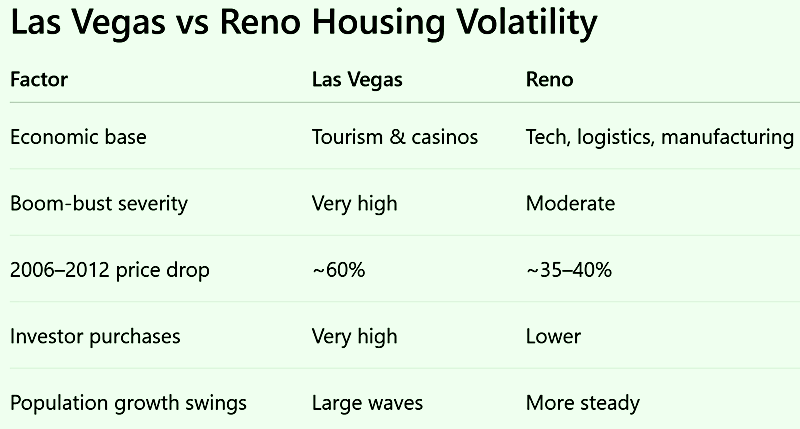
While Las Vegas remains heavily dependent on tourism and the casino industry, Reno has successfully courted some of the most influential corporations in the modern world. The presence of the Tesla Gigafactory, alongside massive operations from Amazon, Google, and the Switch data center campus, has shifted the region’s identity from a tourist stop to a technological powerhouse. This diversification is the bedrock of a stable housing market.


When national economic downturns occur, people often cut back on vacations to Las Vegas, causing immediate spikes in unemployment and a subsequent wave of housing defaults in the valley. Reno’s workforce, however, is anchored by high-income tech roles and essential logistics sectors that maintain steady demand even during lean years. This shift has created a more reliable pool of homebuyers and renters, ensuring that property values are supported by consistent local wages rather than the unpredictable flow of visitor dollars.

Weathering the Storm of Market Volatility


History serves as the ultimate judge of market strength, and the track record of the last two decades paints a vivid picture of Reno’s superiority in terms of wealth preservation. During the catastrophic housing crash of 2008, the differences between the two markets were not just notable but life-changing for many homeowners.


Las Vegas experienced one of the most severe collapses in the history of American real estate, with median home prices plummeting by roughly sixty percent. The city became the national face of the foreclosure crisis as entire subdivisions were left abandoned and thousands of families lost their equity overnight. Reno certainly felt the sting of the Great Recession, but the impact was far less destructive. Prices in the north fell by approximately thirty-five to forty percent, a significant drop but one that allowed the community to recover much faster and with less permanent scarring to its neighborhoods.


Because Reno avoids the extreme speculative peaks seen in the south, it also avoids the terrifying valleys. For a homeowner, this means that their primary asset is far less likely to lose more than half its value in a single economic cycle, providing a peace of mind that is hard to find in the boom and bust environment of Clark County.

The Power of Natural Constraints


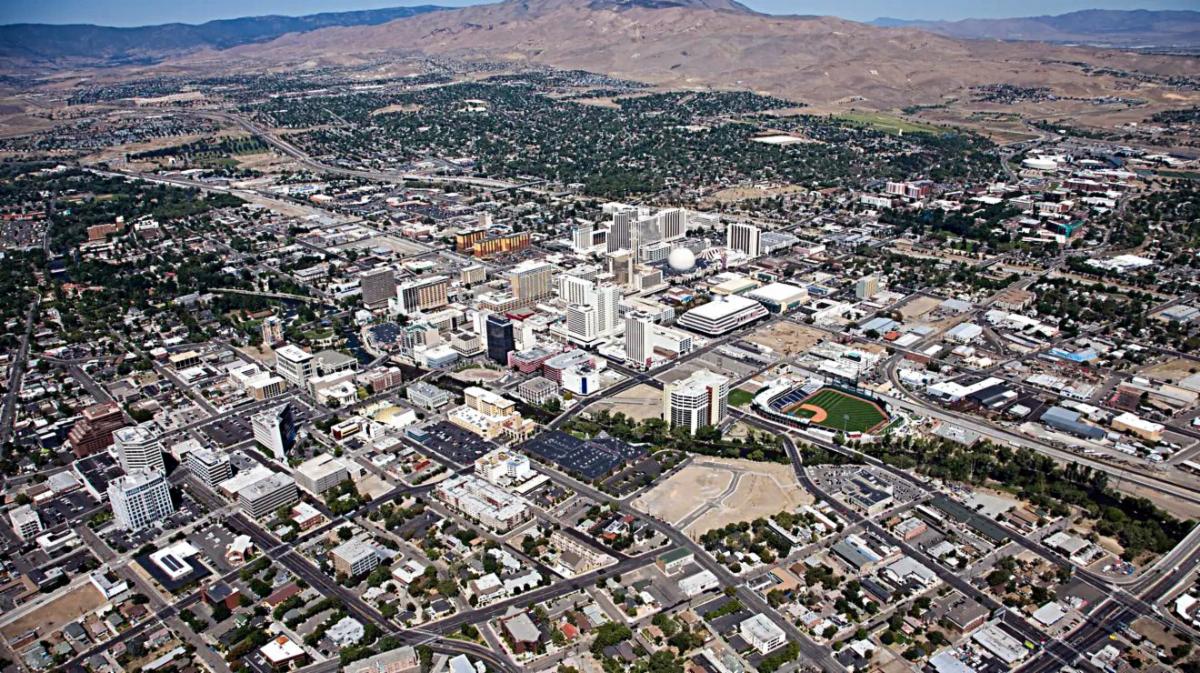
In the world of real estate, scarcity is a primary driver of value, and Reno possesses a natural geographical advantage that Las Vegas lacks. The Reno area is defined by its stunning mountainous terrain, which serves as a majestic backdrop but also acts as a physical barrier to reckless overdevelopment.


Because the amount of developable land is limited by the surrounding topography, the region is protected from the massive construction surges that often lead to market saturation. Las Vegas, situated in a vast desert valley, has historically had the luxury of expanding outward in almost every direction. While this allowed for rapid growth, it also facilitated the creation of massive subdivisions that frequently outpaced actual demand. When the economy slows down, this oversupply in the south leads to a glut of inventory that drags prices down across the board.


Reno’s tighter housing supply creates a natural floor for home prices. The smaller metro area and limited land availability mean that every new development is more calculated and better aligned with actual population needs. This geographical discipline ensures that Reno remains an exclusive and high-demand market, protecting the investments of those who have already purchased property in the region.

A Community Built for Residents Not Investors


One of the most troubling aspects of the Las Vegas housing market is the overwhelming presence of institutional investors and speculators. Following the Great Recession, large corporations and hedge funds purchased tens of thousands of homes in Southern Nevada, turning them into rental properties and essentially treating the local housing stock like a high-stakes stock market.


This heavy investor presence creates a "yo-yo" effect where prices are driven up by corporate bidding wars and then left vulnerable when those same investors decide to liquidate their portfolios. Reno has a much healthier balance between homeowners and investors. While investment exists in the north, it represents a far smaller share of the total market.


This means that the people living in Reno neighborhoods are more likely to be the people who actually own the homes, leading to more stable communities and a housing market driven by human needs rather than corporate profit margins. When a market is dominated by families and individuals who intend to live in their homes for decades, the community gains a level of social and financial cohesion that is often missing in high-turnover investor markets.


Residents in Reno are not just occupying space; they are building equity in a market that prioritizes long-term stability over short-term speculative gains.

Consistent Growth for the Long Haul


While the recent pandemic era created a "wild ride" for real estate across the country, the underlying drivers of growth in Reno remained more substantial and sustainable than those in Las Vegas. Both cities saw significant price increases between 2020 and 2022, but the surge in Reno was fueled by a permanent shift in the American workforce.


As remote work became the norm, thousands of professionals from California and other high-cost areas chose Reno for its quality of life, proximity to Lake Tahoe, and burgeoning tech scene. This migration brought in high earners who contributed to the local economy and solidified the demand for quality housing.


Las Vegas, while also seeing migration, continued to see a large portion of its activity driven by investors and speculators looking to flip properties for a quick profit. As interest rates rose and the market cooled in 2023, the distinction became clear once again. Reno’s market, though slowing in pace, remains buoyed by its diverse employment base and limited inventory. It is a market that favors the patient homeowner who values steady appreciation over the gamble of a volatile market.


By choosing Reno, residents are choosing a city that has proven it can grow without losing its footing, offering a blueprint for a prosperous and predictable future in the heart of the New West.