Faulkner County Agriculture Update

March 28, 2025


General Conditions

Burn Ban


Faulkner County is currently under a burn ban. We are really dry and with these high winds it is very dangerous conditions for fires spreading.


Weather


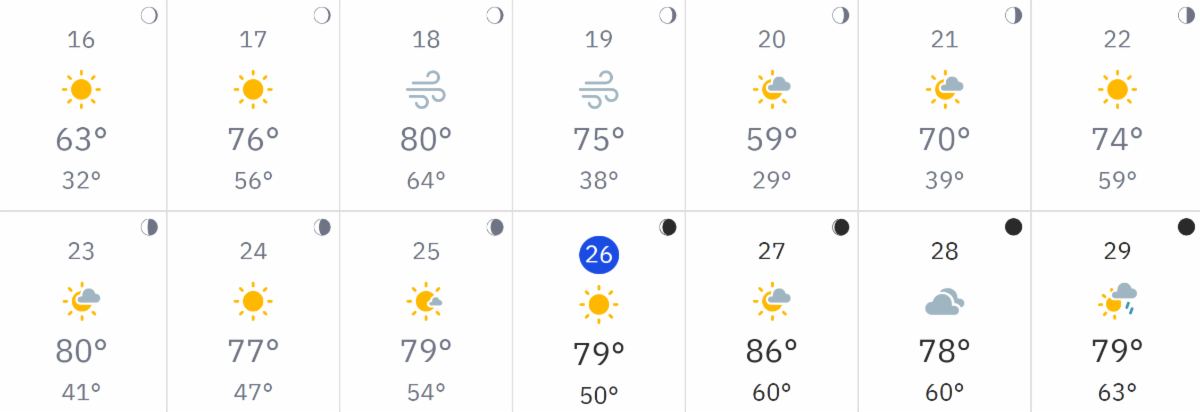
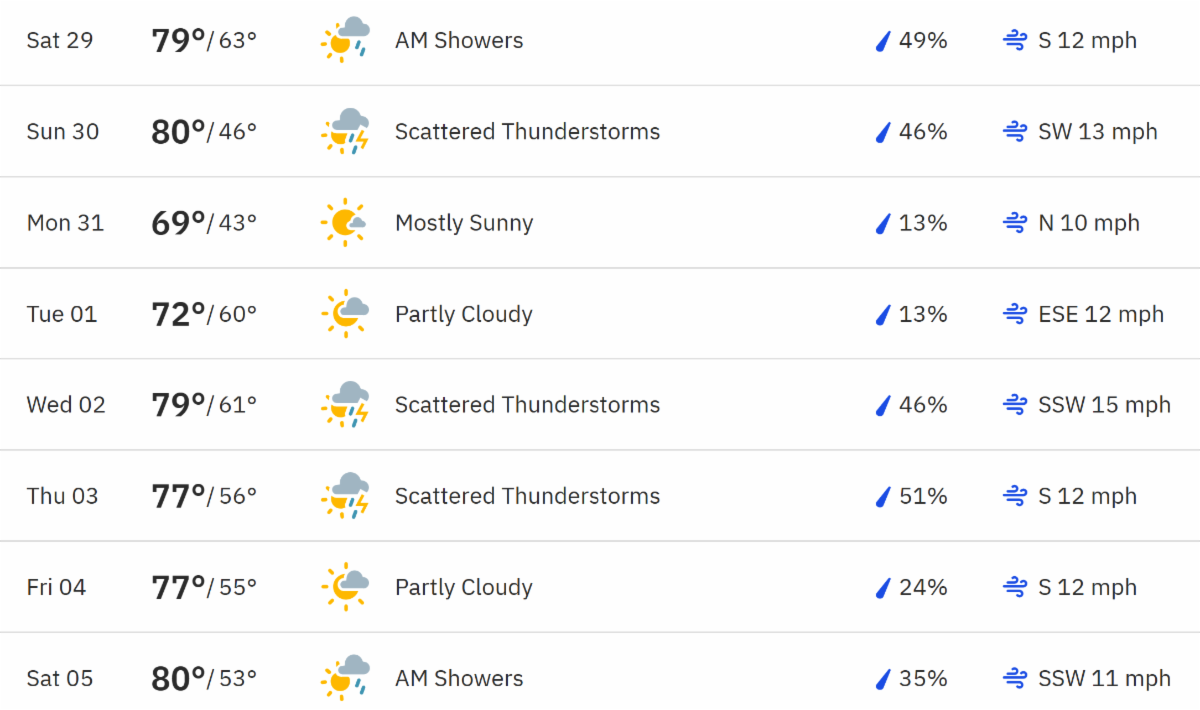
Last Sunday's forecasted rain never happened and we are really getting into a serious dry situation. A shower came through this morning and dropped about a quarter inch on some of the county. It is going to be tough to plant anything at this point until we get a better rain. I never thought I would say this at almost the end of March. Usually we are too wet this time of year. We have another good chance this Saturday and Sunday and hopefully we will get at least an inch. Remember, just because we get a rain doesn't mean we would automatically be out of a burn ban. Make sure to double check with the County Judge before you burn anything after a rain.

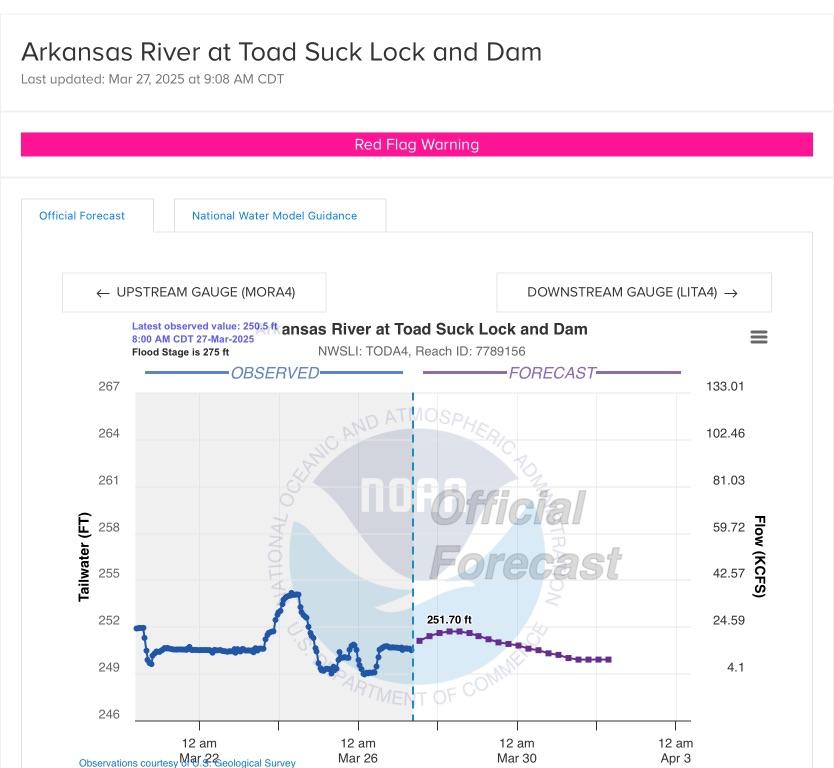
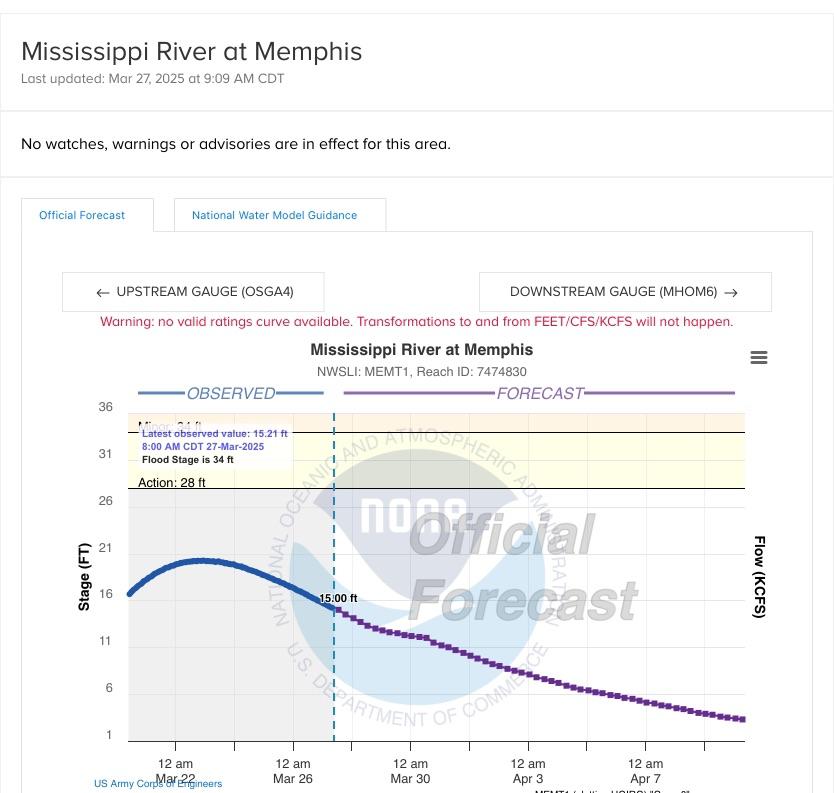
Arkansas and Mississippi River

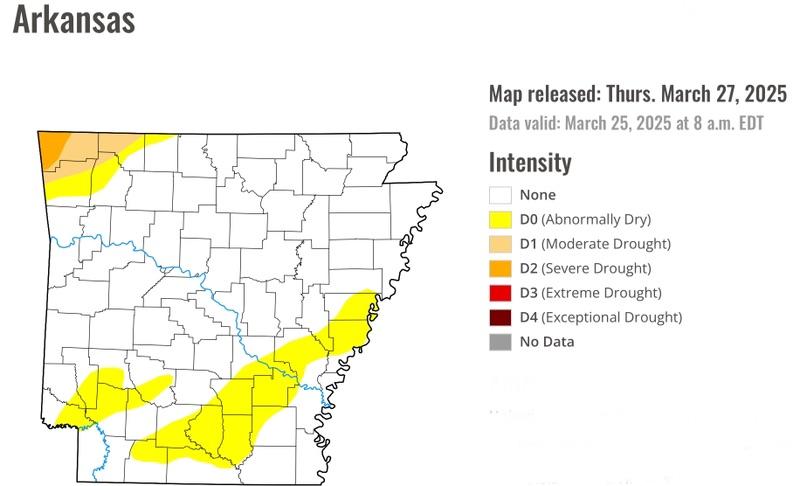
Drought Monitor
US Drought Monitor

Row Crop

Tariff, Trade Wars, and United States Commodities Exports

Dr. Ryan Loy, Assistant Professor and Extension Agricultural Economist, University of Arkansas

Evan Ware, Program Associate, University of Arkansas


How do Tariffs Work?

Tariffs are becoming one of the most highly debated topics in 2025. The current U.S. administration has begun implementing various tariffs on imported goods, citing national security issues from the exporting countries (e.g., China). This move has introduced uncertainty in agricultural commodity markets, with much concern stemming from the limited export market during the 2018 trade war.


A tariff is a tax a country imposes on goods imported from another country. The fundamental idea of a tariff is to disincentivize trade with the country that has tariffs implemented on their goods. This idea can be politically based (e.g., force another country to renegotiate a trade deal), revenue-generating (e.g., the government collects revenue from the tariff), or to protect domestic production of that good (e.g., Chinese steel is cheaper, but the U.S. wants to protect domestic U.S. steel production). However, the critical piece is understanding who pays the tariff, how sectors of the economy are impacted, and the associated side effects.


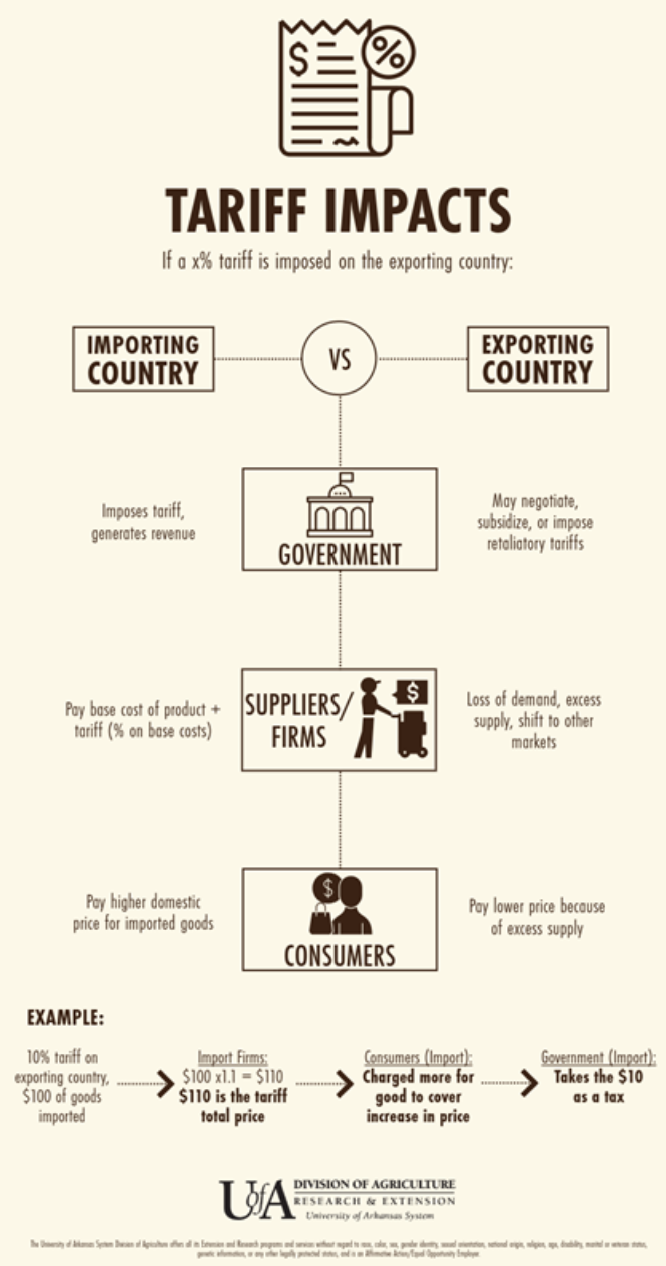
Figure 1 is an infographic illustrating the effects of a hypothetical tariff being implemented on an exporting country. This scenario examines the impact on three primary sectors within both the importing and exporting countries: the government, suppliers/firms, and consumers. Consider a case in which the U.S. (importing country) enacts a tariff on Chinese-manufactured ‘widgets’ imported into the U.S. One objective of this tariff could be to incentivize U.S.-based importing firms to import widgets from an alternative supplier, ideally domestic or from countries not subject to the tariff.


In this scenario, the U.S. government imposes the tariff and in doing so, generates revenue. Meanwhile, the Chinese gov’t may respond by negotiating or imposing retaliatory tariffs on U.S. exports. U.S. importing firms are now required to pay the base cost of the good in addition to the tariff, which is calculated as a percentage of the base cost. These firms may seek alternative suppliers, while Chinese exporting firms face a decline in demand and an accumulation of excess supply. The additional costs incurred by U.S. importers are ultimately passed down to U.S. consumers, leading to a higher domestic price for the imported goods. In contrast, Chinese consumers may benefit from lower prices due to excess supply. Figure 1 also provides a numerical example demonstrating the impact of a 10% tariff on $100 worth of imported goods.  


In short, ‘imposing tariffs on a country’ is somewhat misleading. The exporting country does not directly bear the financial burden of the tariff; instead, the importing country incurs the tariff. In other words, importers within the tariff-imposing country are responsible for paying the tax, which is passed on to domestic consumers through higher prices – assuming the domestic alternative remains more expensive than the imported good, even after the tariff is enacted. Another key idea is protecting domestic industries. If the U.S. can produce a good domestically, the higher prices are often attributed to domestic labor costs or the inability of domestic firms to meet domestic demand in the absence of an imported alternative. However, in cases where the U.S. lacks the natural resources and capacity to produce a given good – such as potash – consumers are left with no domestic substitutes and must pay the higher cost.    

Figure 1. Infographic illustrating the effects of a hypothetical tariff being implemented on an exporting country.


Current Trade War Update

The new U.S. administration has prioritized tariffs as a primary strategy to renegotiate trade deals with key trading partners. Citing national security issues such as illicit fentanyl trade, illegal immigration, perceived trade imbalances, and the promotion of domestic manufacturing, the administration has justified implementing these tariffs to address domestic economic and security challenges. During the initial months of his second term, President Trump has threatened, imposed, and retracted tariffs on imports from Canada, Mexico, and China, with rates ranging between 10 – 25%. Most recently, the U.S. gov’t reversed the 25% tariffs on Mexican and Canadian imports, announcing that goods eligible under the 2020 USMCA agreement could enter duty-free into the U.S. until April 2, 2025, at which point the tariffs are expected to take effect.


Canada supplies about 80% of the Potash used in U.S. agricultural production and is North America's only major potash supplier. On March 7, President Trump signed an exclusion for Canadian potash imports, reducing the expected duty from 25% to 10%.


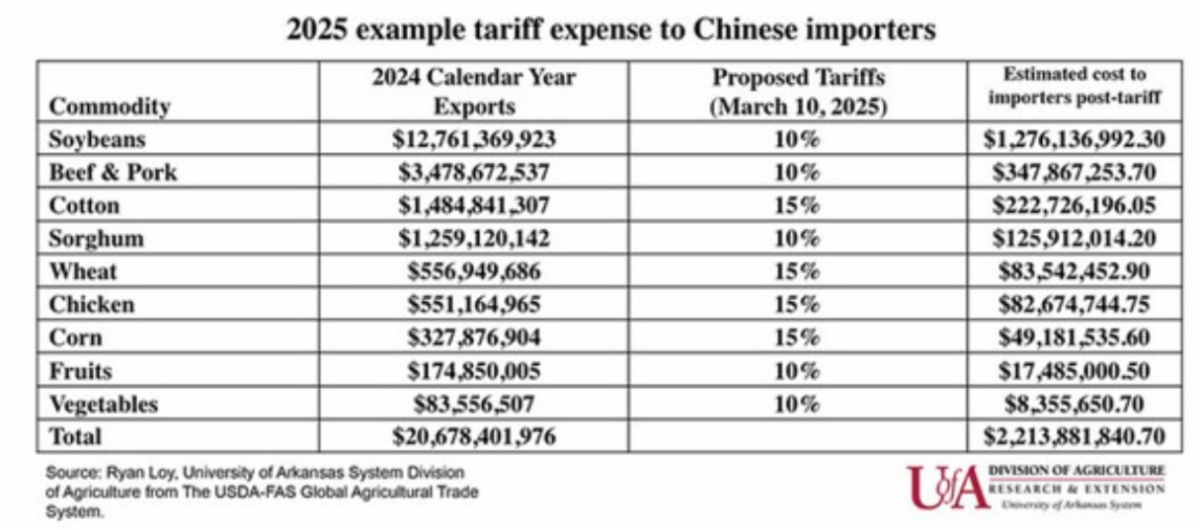
Similarly, China is the world’s largest purchaser of soybeans and has historically purchased more soybeans from the United States than any other buyer. In 2017, China purchased about 32 million metric tons — $12.2 billion — in U.S. soybeans, but when the U.S. initiated a trade war with China in 2018, purchases fell to about $3.1 billion that year. The U.S. has recently implemented a blanket tariff of ~20% on all Chinese imports and on March 4, 2025, China announced retaliatory tariffs targeting specific U.S. agricultural commodities. Under these retaliatory tariffs, U.S. commodities are now subject to a 10 – 15% tariff increase. Assuming China purchases the exact value of commodities in 2025 as in 2024, this would subject Chinese importers to an additional ~$2.2 billion to import U.S. commodities (See Table 1).


Since the 2018 trade war, China has shifted much of its demand away from the United States and toward South American countries such as Brazil and Argentina. In 2024, Brazil exported 19.2 million metric tons — more than $31 billion — of soybeans to China. The United States has regained some of its original market share for agricultural commodities in China, but Brazil has taken the lion’s share of China’s expanding market. This new trade war has the potential to further shift Chinese imports toward South America while severely impacting the export market for U.S. commodities. Arkansas farmers would especially feel this in the soybean market with excess supply and limited domestic consumption to compensate for the lack of exports. While there are alternative markets, there is currently no export market to compensate for the share the U.S. can’t sell to China.


Overall, tariffs can potentially put even more pressure on U.S. farmers, who have already been operating in an environment of elevated input costs and depressed commodity prices. A continuing trade war can further exacerbate these issues, directly and indirectly impacting farm profitability and longevity. 


Table 1. 2025 Example tariff expense to Chinese Importers

Wheat


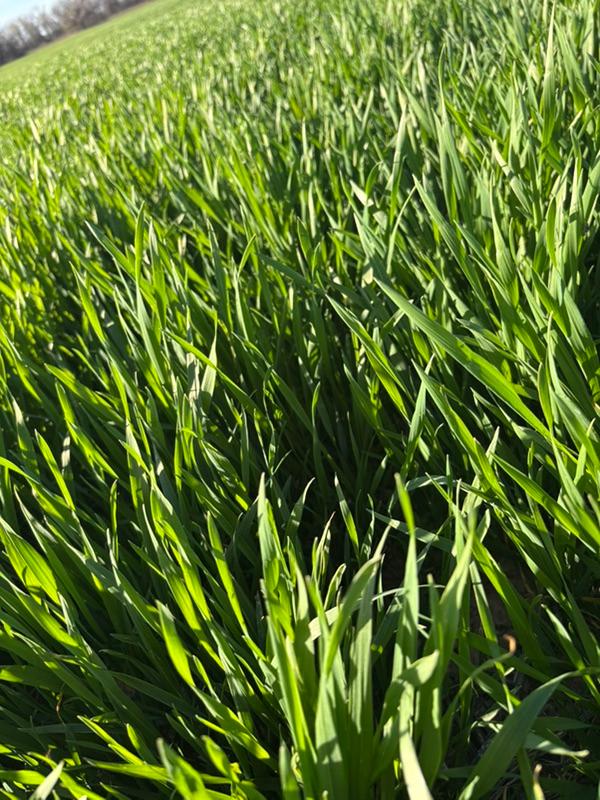
The last application of nitrogen is going out this week ahead of the big chance of rains. Most fields are getting a last application of 45 - 55 units of nitrogen.


Wheat is dry and needs a rain. Wheat hates wet feet and to say wheat needs a rain really says something about the drought we currently are in. Some of the wheat is starting to joint and we don't need stress right now.

Corn


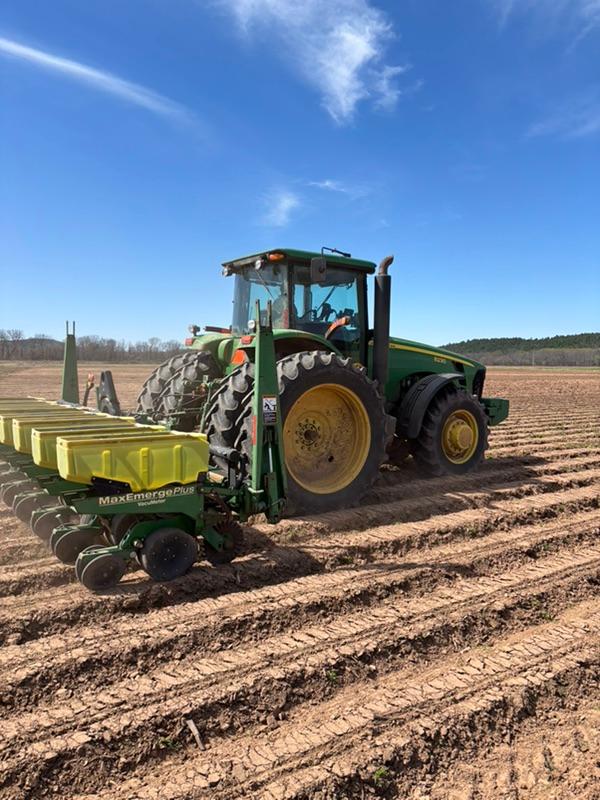
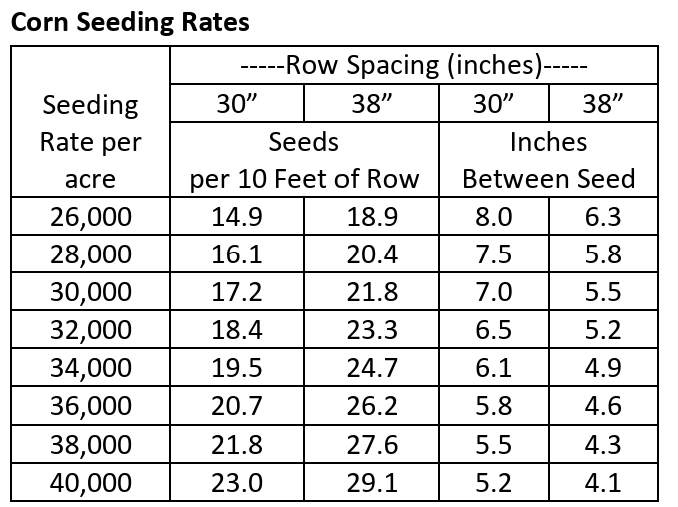
Several acres of corn went in this week. Just like the wheat, we need a rain to get what has been planted up. Today's rain was appreciated, but would still like a little more.


Arkansas Corn DD50 Program - Arkansas Corn DD50


The 2025 Arkansas Corn Quick Facts is available by clicking the following link.

2025 Corn Quick Facts

Rice

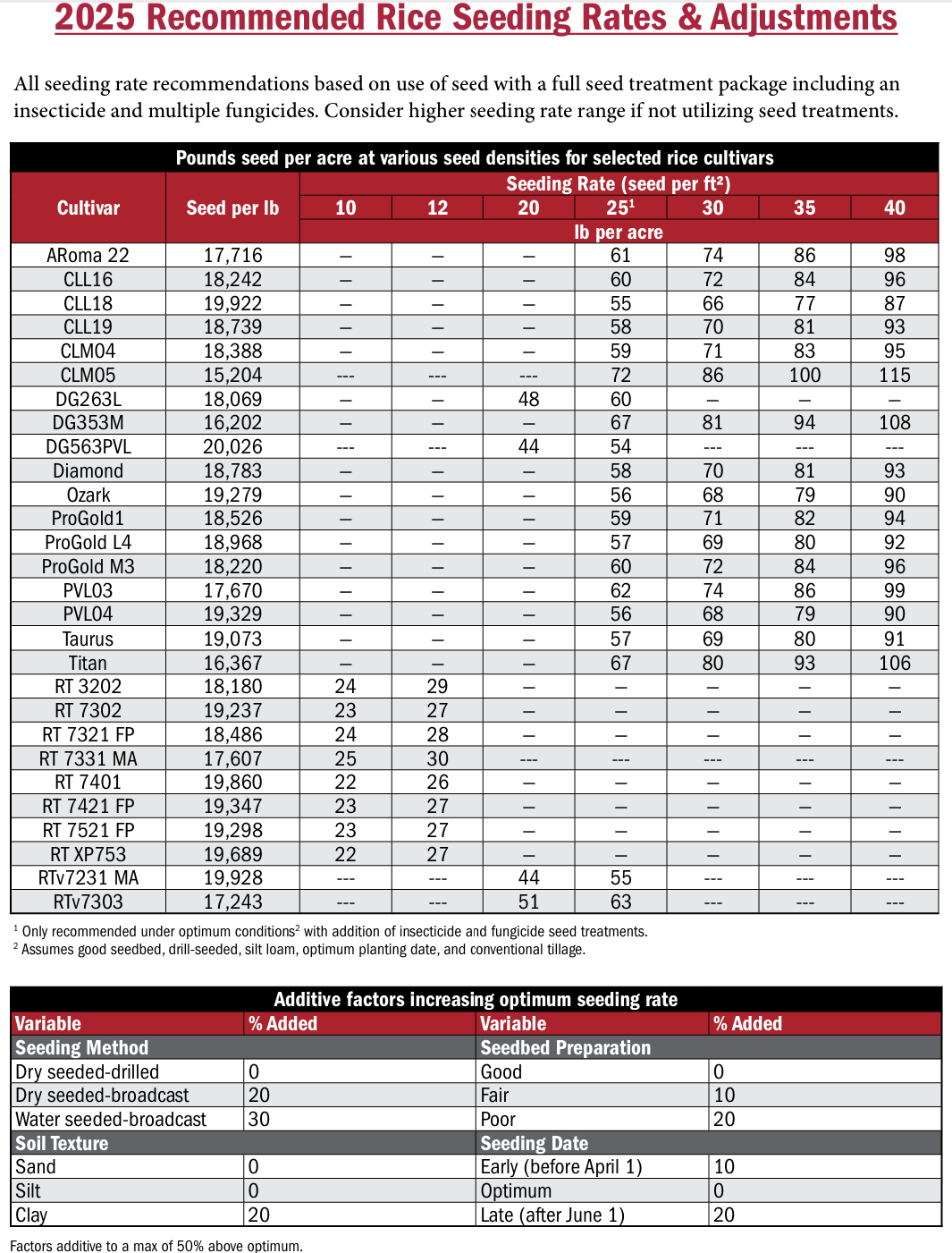
2025 Rice Management Guide
Arkansas Rice Update 3-28-2025
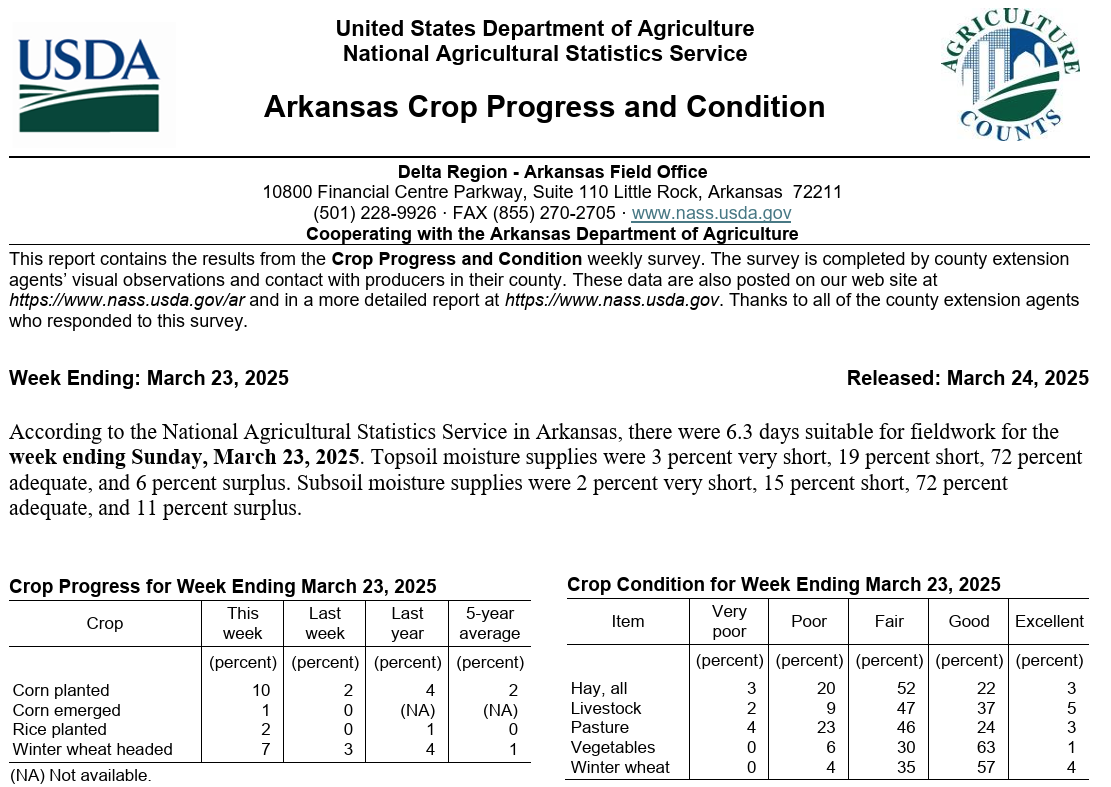
Arkansas weekly Crop Progress & Condition Report for the week ending Sunday, March 23, 2025

Beef, Small Ruminants, & Forages

Best Management Practices of Replacement Heifers

Mark Z. Johnson, Oklahoma State University Extension Beef Cattle Breeding Specialist


In order to maximize profit potential it is important to have heifers calving at two years of age. Research shows heifers becoming pregnant early in their first breeding season, (specifically the first 21 days) remain in the herd longer and produce more total calf weaning weight over their lifetime in production.


How do we select and manage replacement heifers so that they are having fertile heats and ready to conceive by 14-15 months of age? Genetics, photoperiod, level of nutrition and growth rate all influence when beef heifers reach puberty; that being said, heifers that have reached 65% of their mature weight by this age should have reached puberty and be ready to breed. Obviously, age should be taken into account, (along with other selection criterion), when selecting replacements, with older heifers having an advantage. Heifers calves born earlier in the calving season, are produced by cows that conceived earlier in the breeding season.


After heifers are selected, how do we arrive at the target weight they need to gain from weaning until their first breeding season? First we need an accurate estimate of the average mature cow weight. By using the weights taken at weaning time on the 4 to 7-year old cows and adjusting to a Body Condition Score of 5 we can calculate average mature weight of the cowherd. 


What is the best way to feed to reach that Target Weight? In a normal Oklahoma year, spring born heifers weaned in fall are old enough to make good use of wheat pasture typically available by late November and gain 1.5 lb. per day (or better) to reach targeted weight. With wheat pasture conditions sporadic this year in Oklahoma, it is comforting to know that heifers can be grown very slowly through the winter months and fed harder for the couple of months going into breeding season in order to reach target weight by breeding season.

Weed of the Week


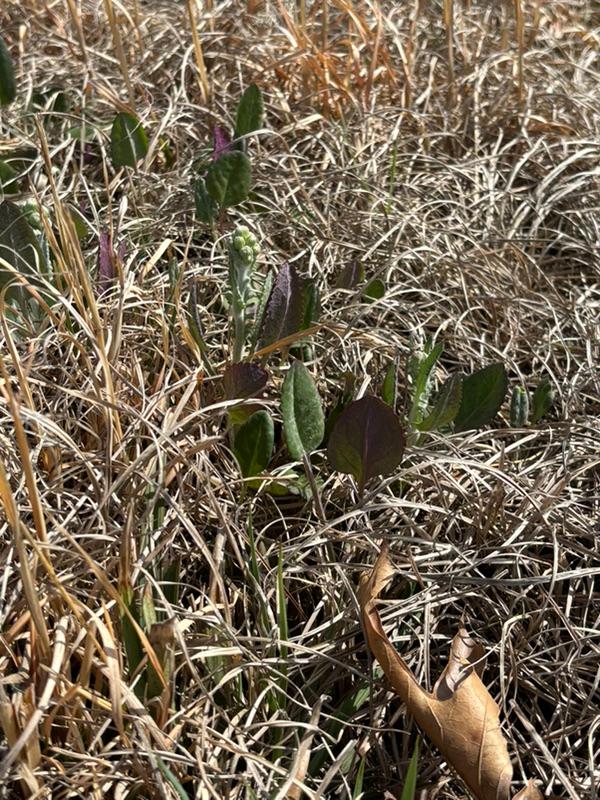
The weed of the week is Prairie Groundsel.


Many of you have seen these leaves in your pastures and hay fields this fall, and now you are starting to see a stem bolt up with a yellow flower on top. If you look around right now you will see a lot of those flowers. Groundsel is very common in Faulkner County and can be controlled with metsulfuron.

Cattle Market Notes Weekly

Livestock Market Report


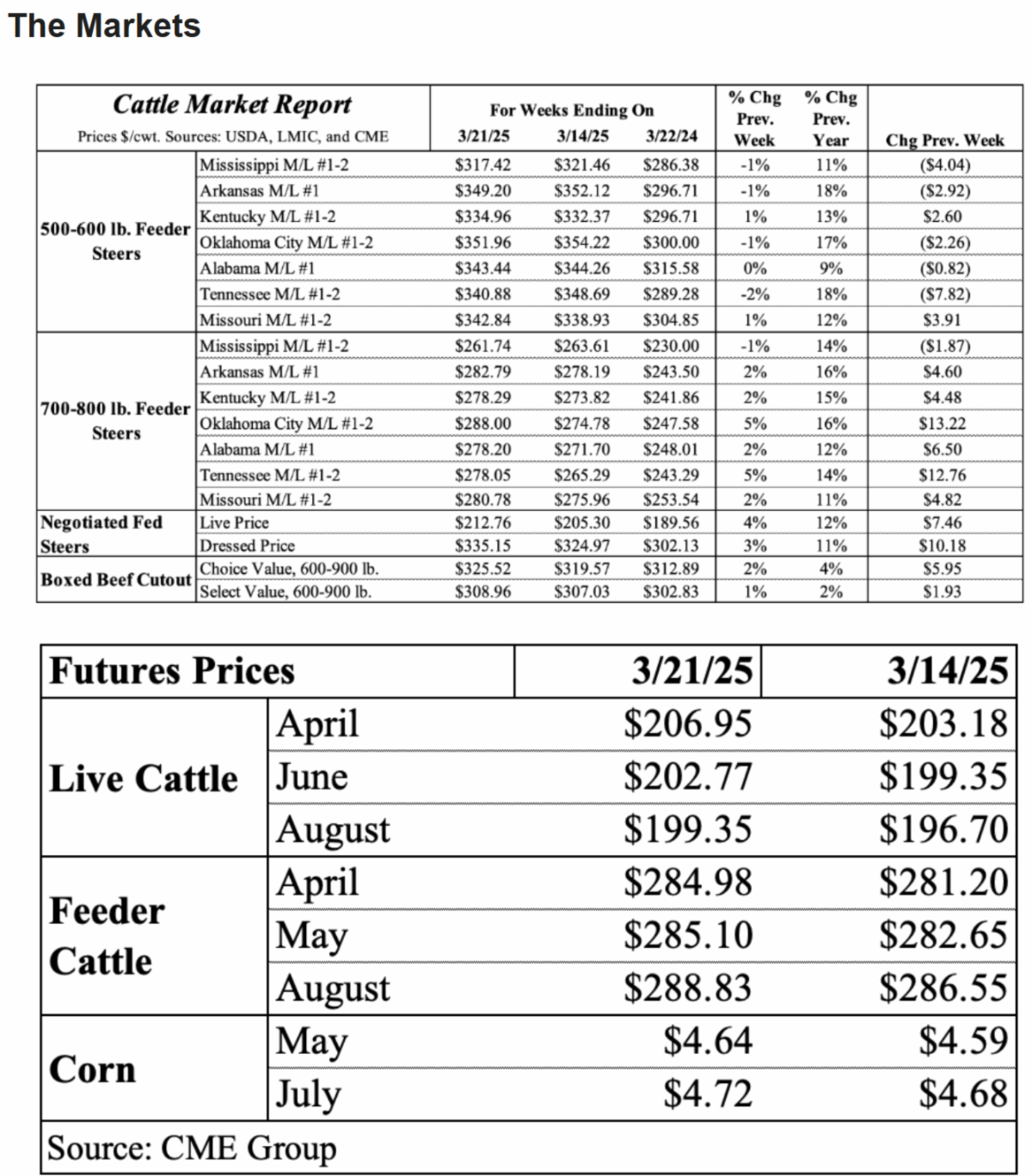
The weekly livestock market report is available on the Arkansas Department of Agriculture website.

ADA Livestock Market Report

Pesticide Applicator Trainings


This is the Pesticide Applicator Training Schedule for Faulkner, Perry and Conway County.


Cost for the certification training is $20 that is payable at the training. It is a good idea to call and register for the class or if you have any questions, feel free to call and ask. Office numbers are located below. Anyone can go to any of these trainings. You don't have to just go in your county.


Faulkner County call and talk to Mindy Beard at the office at 501-329-8344 or email at rbeard@uada.edu

Perry County - 501-889-2661

Conway County - 501-977-2146


You can also get certified online. It also costs $20. The link to the online training is listed below.

Online Pesticide Applicator Training

Sign up for Text Alerts


You can now sign up for text alerts from me throughout the year. I have two areas you can sign up for which includes Faulkner Livestock or Faulkner Ag (Row Crop Updates). To sign up you can follow one of these links or use the QR Codes below.

Faulkner Livestock


Use either the QR Code or this link:

https://slktxt.io/10lLe

Faulkner Ag (Faulkner Row Crops)


Use either the QR Code or this link:

https://slktxt.io/10lLc

Upcoming Events


Contact Kevin Lawson, County Extension Agent–Agriculture, Faulkner County | Kevin Lawson
uaex.uada.edu/faulkner