Ready to build your practical skills?
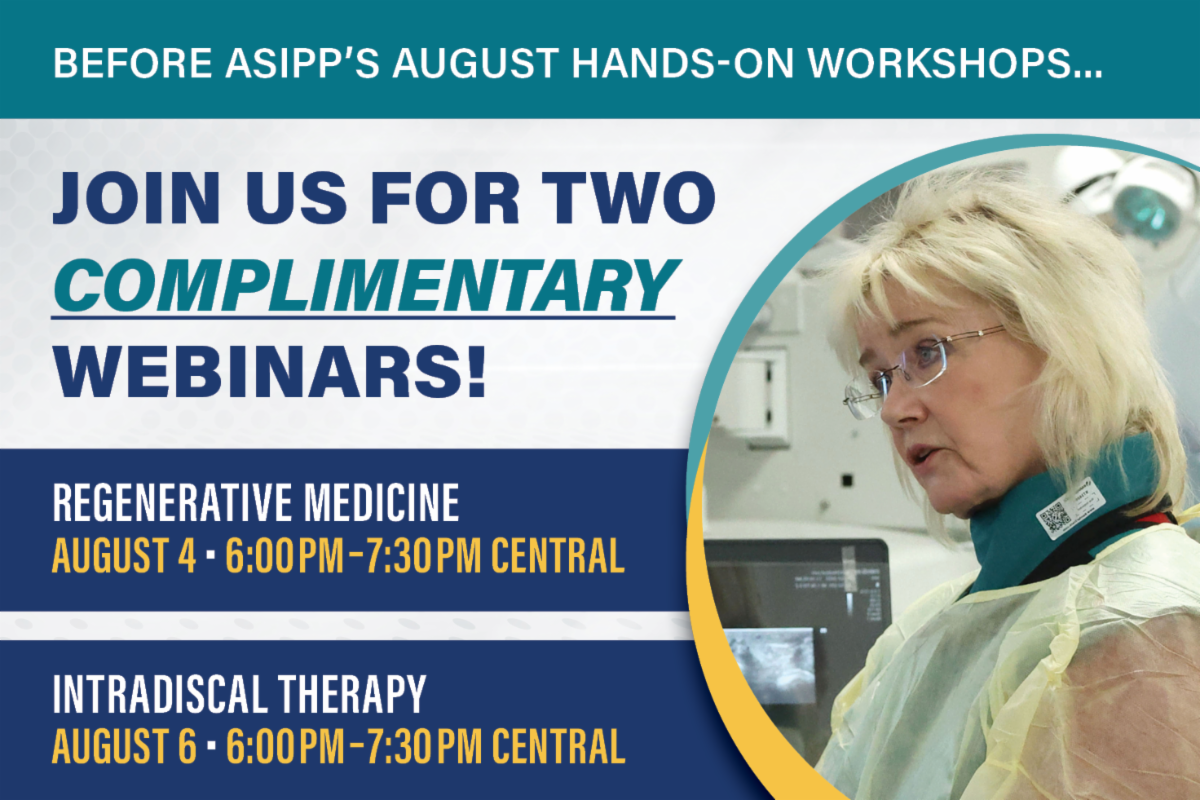
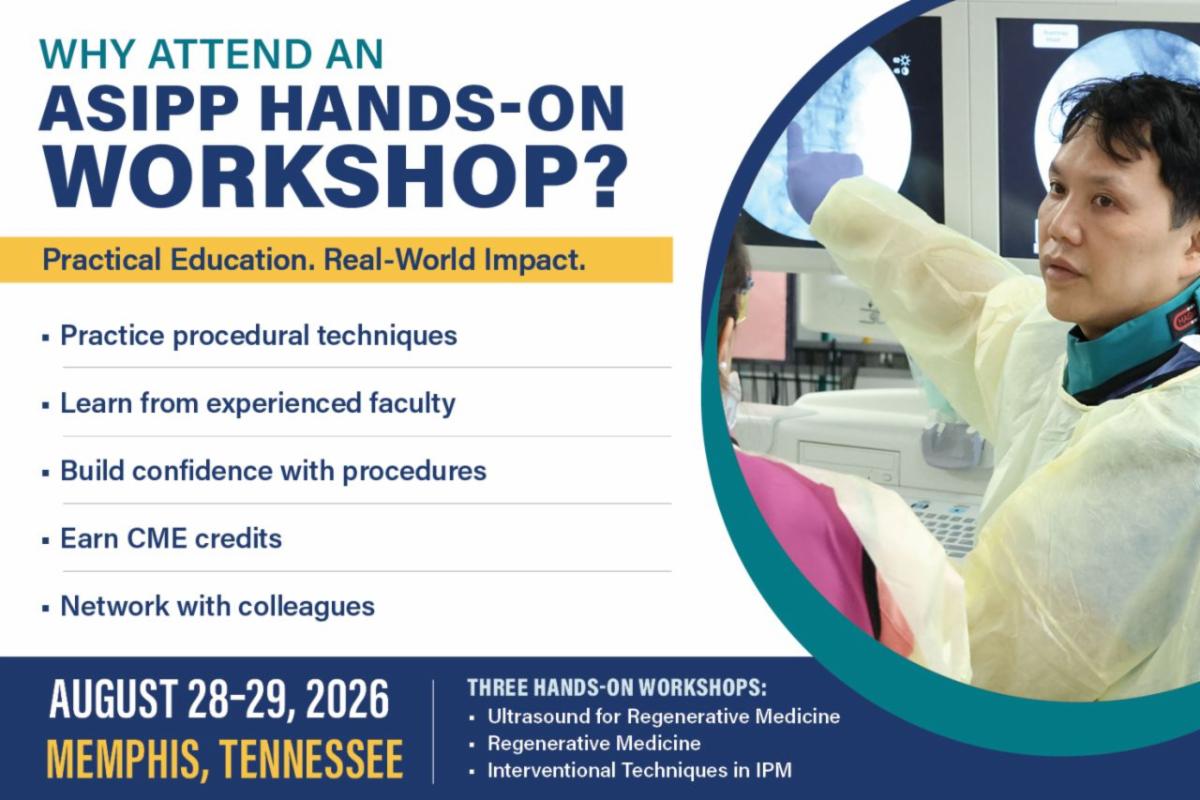
Join ASIPP in Memphis on August 28–29 for hands-on workshops in Ultrasound for Regenerative Medicine, Regenerative Medicine, and Interventional Techniques in IPM.
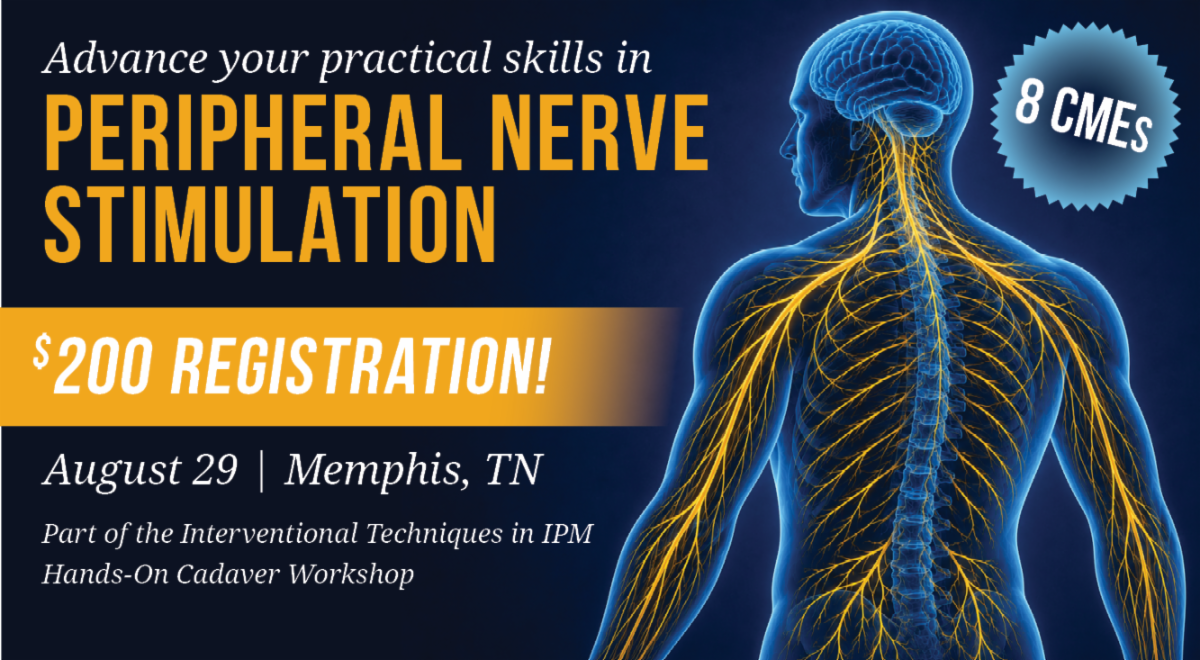
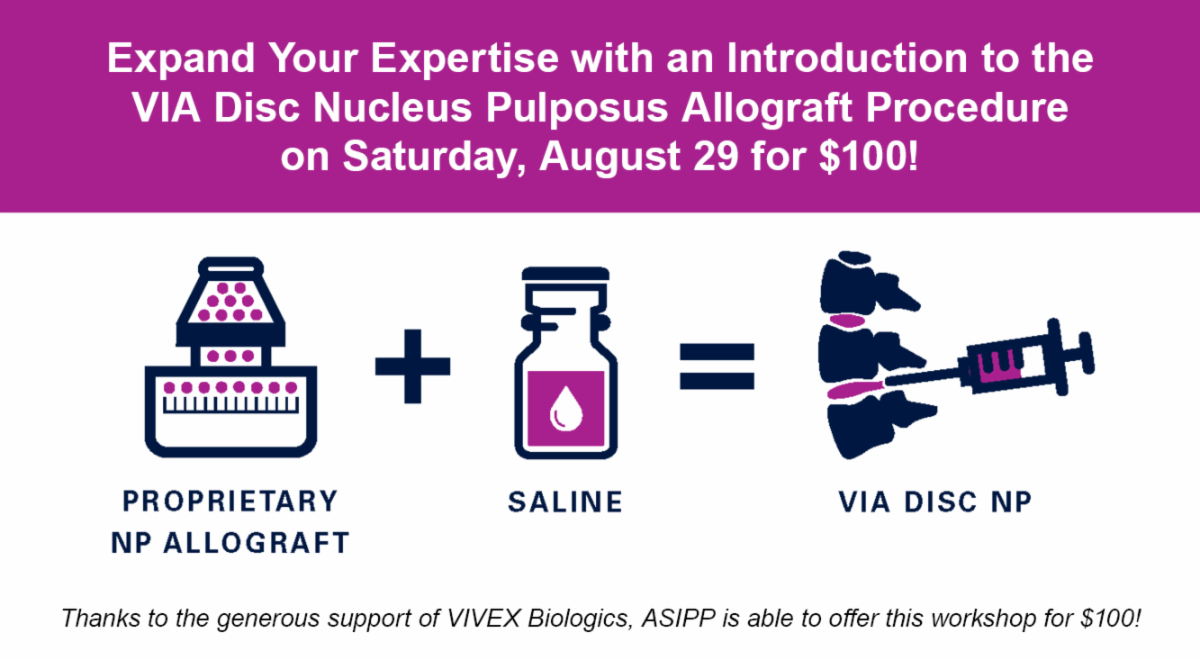
Also offering a $200 PNS workshop and a $100 introduction to the VIA Disc NP procedure.
Space is limited for these workshops. Early registration is encouraged.
Click here to learn more.
| |
The Westin Memphis, Beale Street
170 Lt. George W Lee Ave, Memphis, TN 38103
901-334-5900
Click Here to Book Your Room
Cut-off date for special room rates: August 13, 2026.
In order to ensure you receive the discounted room block rate of $189 plus tax per night let the hotel know you are with the ASIPP workshops.
| |
Thank you to everyone who joined our highly
successful Peripheral Nerve Stimulation webinar!
We invite you to continue your educational experience
by joining us at the $200 PNS Hands-On Workshop.
| | | |
FRIDAY, AUGUST 28
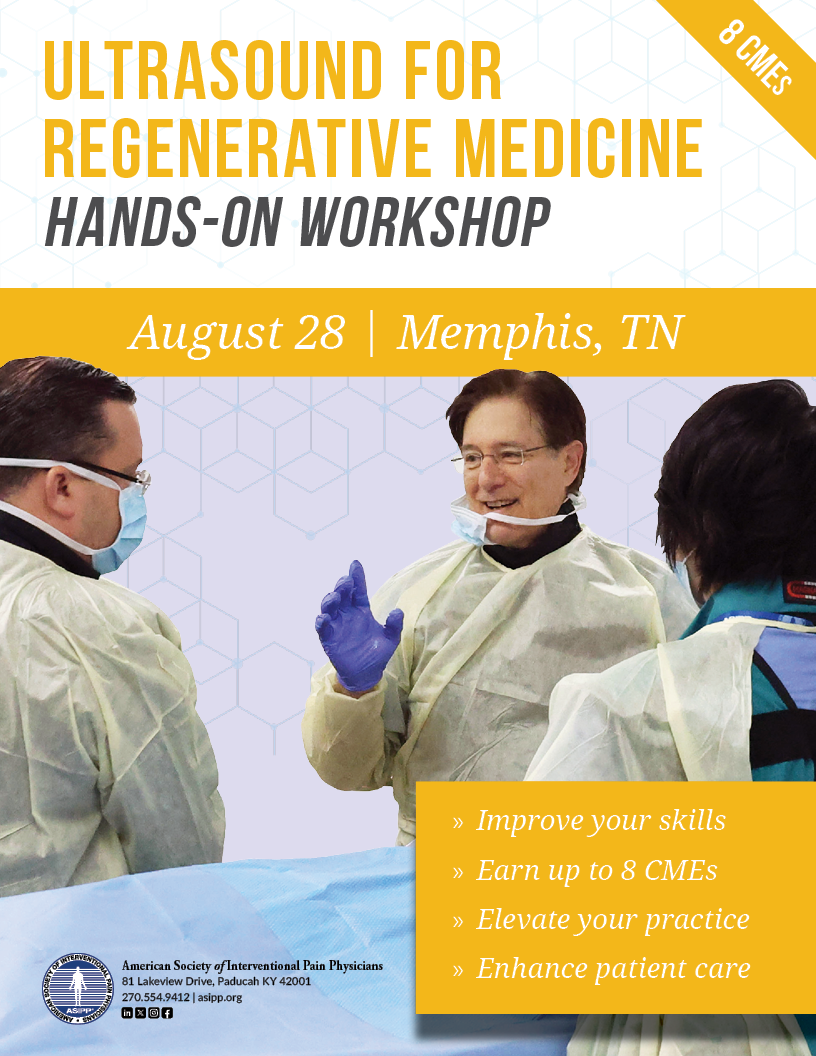
Ultrasound for Regenerative Medicine Hands-On Workshop
Earn 8 CMEs while gaining practical ultrasound experience focused on regenerative medicine applications.
| | | |
SATURDAY, AUGUST 29
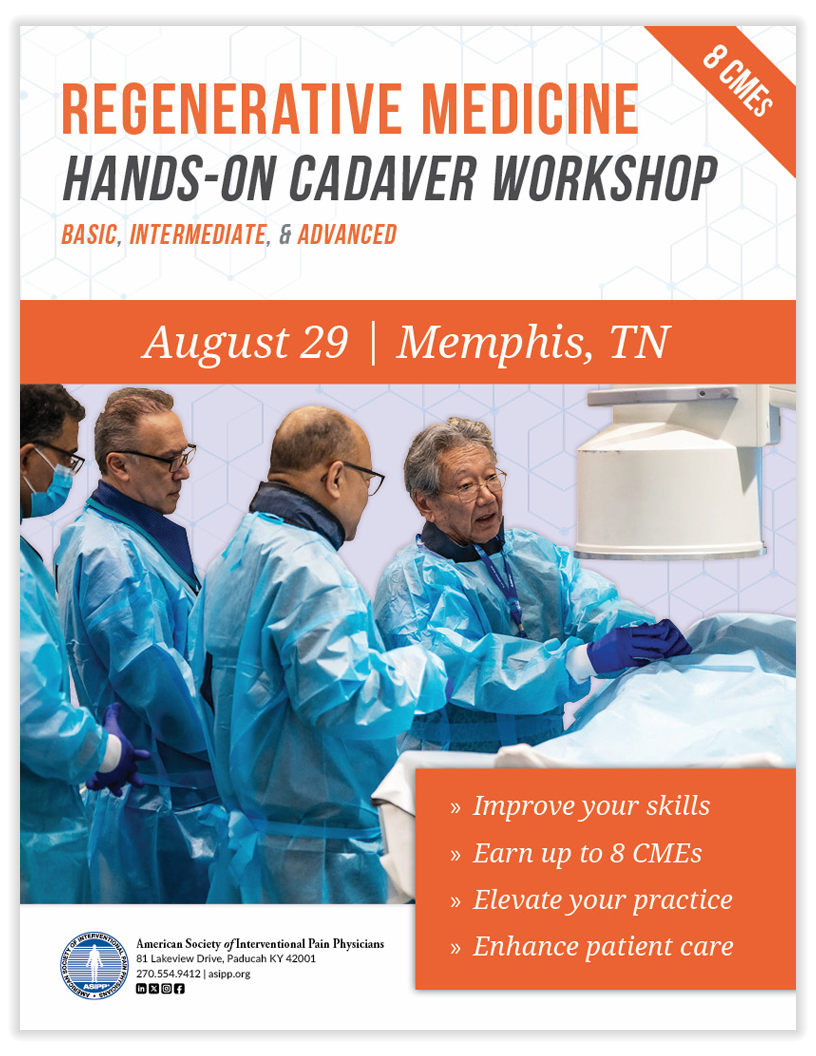
Regenerative Medicine Hands-On Cadaver Workshop
(Basic, Intermediate, & Advanced)
Earn 8 CMEs in this cadaver workshop with hands-on instruction covering regenerative medicine techniques across varying experience levels.
| | | |
SATURDAY, AUGUST 29
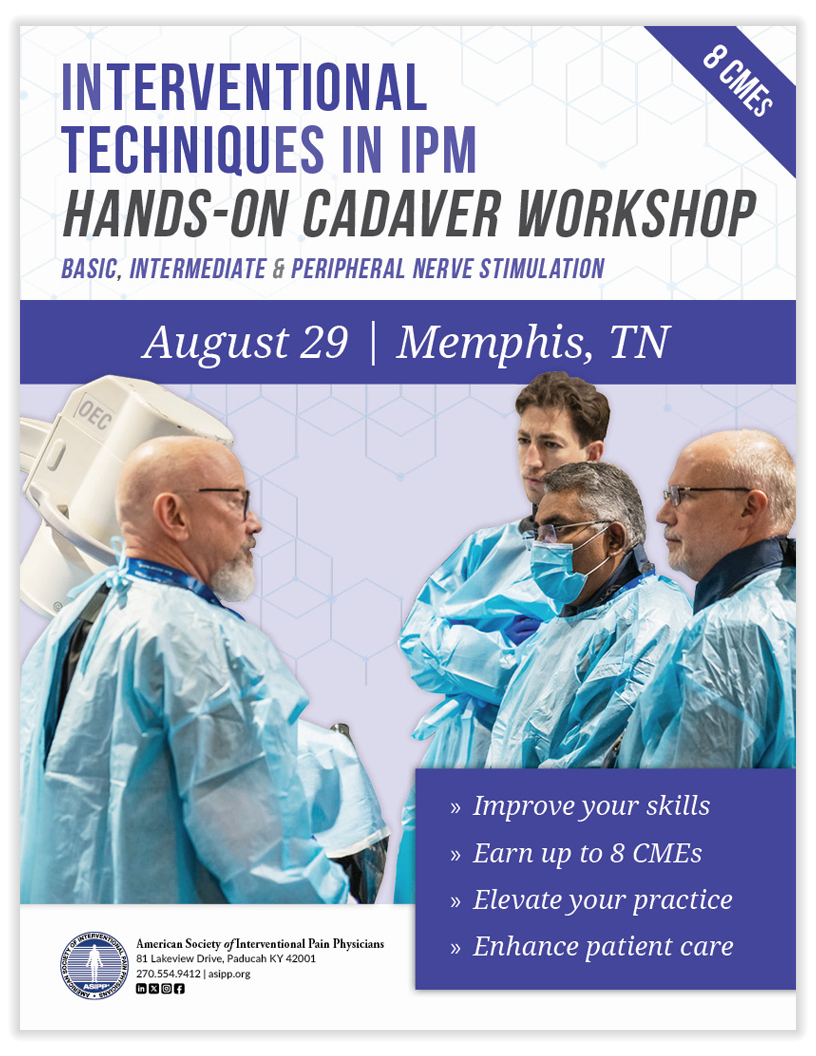
Interventional Techniques in IPM Hands-On Cadaver Workshop
(Basic, Intermediate & PNS)
Earn 8 CMEs in this workshop focused on interventional pain management techniques and peripheral nerve stimulation applications.
| | |
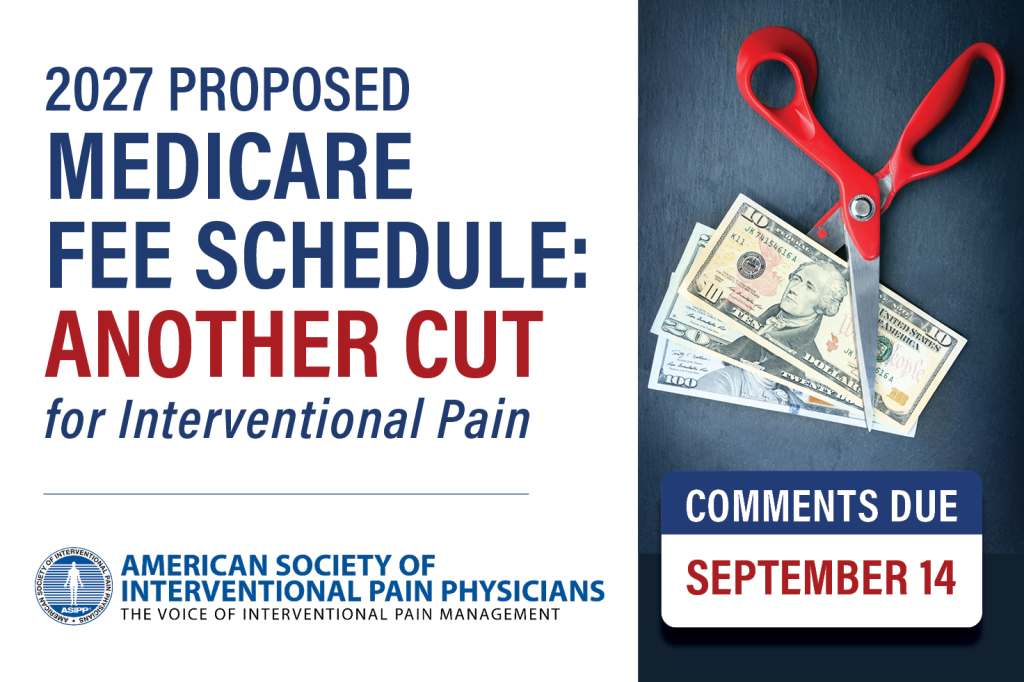
CMS has released the CY 2027 Medicare Physician Fee Schedule Proposed Rule (CMS-1848-P). The overall picture is unfavorable: CMS estimates a combined -2% impact on interventional pain management, with additional proposals affecting E/M billing, MIPS, and imaging/laboratory payment. Two documents are attached — the proposed rule and ASIPP’s code-by-code payment comparison for 2027 vs. 2026. Key points below.
Conversion Factor: Proposed Cut
With the one-year 2.5% statutory increase for 2026 expiring, CMS proposes:
-
Qualifying APM participants: $33.17, down from $33.57 (-1.19%)
-
All other clinicians (non-QP): $32.84, down from $33.40 (-1.68%)
These figures reflect a +0.53% budget-neutrality adjustment and statutory updates of +0.75% (QP) and +0.25% (non-QP). They do not include the 2% sequester or potential 4% PAYGO cuts.
IPM Codes: Widespread Reductions vs. 2026
Most interventional pain codes are cut 1–6% in the office setting and 1-4% in Facility:
| |
- Trigeminal nerve injection (64400): -19.9%; greater occipital nerve (64405): -16.6%
- Percutaneous SI joint fusion (27279, facility): -14.9%
- Kyphoplasty (22513–22515): -6.0% to -6.1%
- Spinal cord stimulator trial (63650): -5.9%; percutaneous
- PNS (64555): -6.3%
A handful of codes see small increases (e.g., blood patch 62273, several peripheral nerve blocks). The attached table shows every IPM code.
E/M Services: Major Change to Modifier -25
CMS proposes that when a separately identifiable office E/M visit is billed with modifier -25 on the same day as a 0-, 10-, or 90-day global procedure, only the highest-paid service is paid at 100% — all others, including the E/M visit, are cut 50%. This directly targets the common office-based scenario of a same-day evaluation and injection. CMS also proposes replacing add-on code G2211 with modifier MOD1, valued at 16% of the base E/M code (32% for ACO participants via MOD2). E/M payment rates themselves decline modestly (see attached table).
MIPS / Quality Payment Program
- Traditional MIPS would sunset with the CY 2029 performance period (2031 payment year), making MIPS Value Pathways (MVPs) the sole reporting option; three new MVPs are proposed.
- The quality measure inventory would be set at 180 measures (20 removals, 10 additions), with a new MIPS core measure reporting requirement replacing the outcome/high-priority measure requirement (small practices exempt).
- The performance threshold remains 75 points. Separately, the rule proposes refinements to the Ambulatory Specialty Model (ASM), the mandatory model whose low back pain cohort includes interventional pain physicians.
RFI: Duplicate Laboratory Testing, Imaging, and Interoperability
CMS is seeking input on mechanisms to address duplicate laboratory and imaging tests, including MAC edits resulting in non-payment or reduced payment, recoupment of payments, frequency limitations, and revised billing instructions, along with improved result sharing and interoperability. These policies could significantly affect pain practices that rely on imaging and drug testing. ASIPP will submit detailed comments — please send us your input.
Act Now
Comments are due September 14, 2026 (file code CMS-1848-P). Please review the attached documents and send your feedback to asipp@asipp.org so we can represent you forcefully. ASIPP will fight these cuts, as we always have — but your voice makes the difference.
View the CY 2027 PFS Proposed Rule Fact Sheet
View the ASIPP 2027 vs. 2026 Proposed Payment Rate Comparison for IPM Codes
| | |
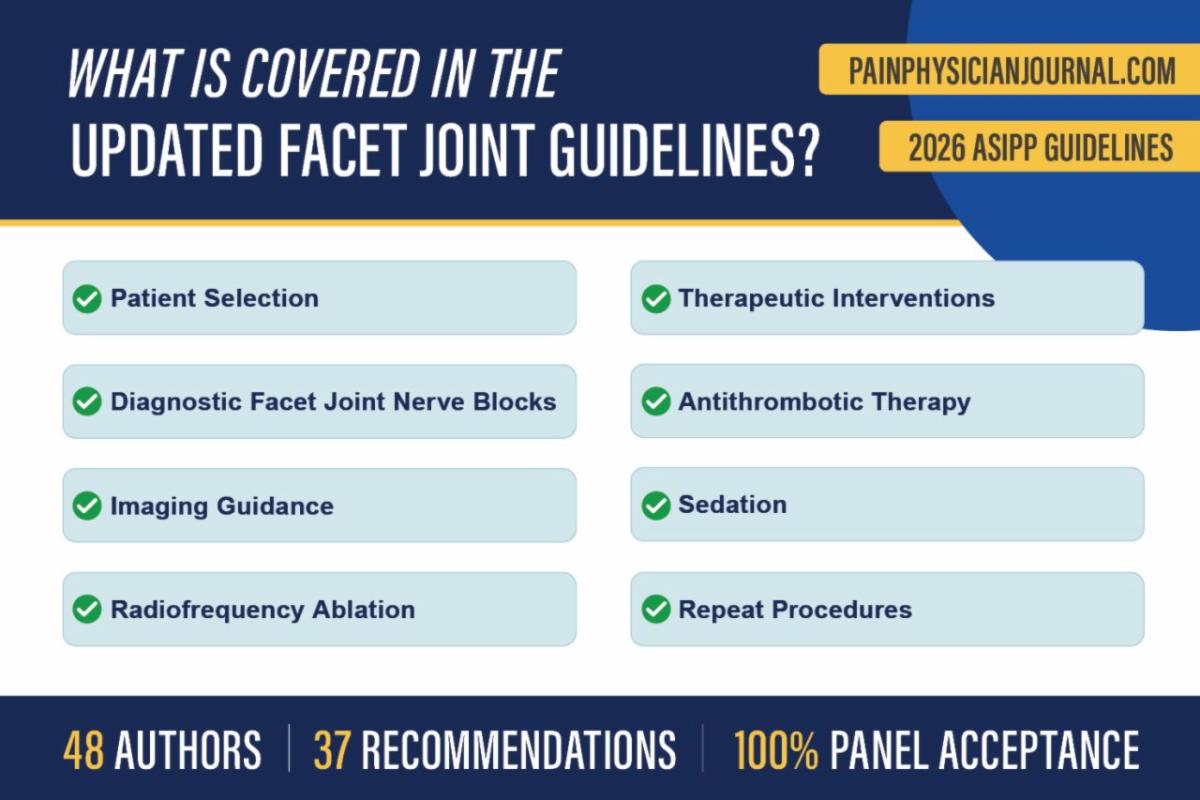
The Pain Physician journal has published updated, evidence-based guidelines for facet joint interventions in the management of chronic spinal pain.
Developed by a multidisciplinary panel of 48 authors, these guidelines include 37 recommendations, all achieving 100% acceptance through a modified Delphi process. The recommendations are based on a comprehensive evidence review, with evidence and recommendation strength assessed using modified ASIPP methodology, GRADE, and AHRQ criteria.
The document addresses patient selection, diagnostic facet joint nerve blocks, imaging guidance, radiofrequency ablation, therapeutic facet joint nerve blocks, intraarticular injections, repeat interventions, sedation, antithrombotic therapy, and special safety considerations.
| | |
Patients with chronic pain conditions had higher risks for developing dry eye disease and requiring prescriptions of topical eye treatments than individuals without such pain conditions.
METHODOLOGY
- Researchers conducted a retrospective cohort study to assess whether chronic pain conditions were associated with an increased risk of developing dry eye disease.
- They used data from the TriNetX electronic health record network (2005-2025). After propensity score matching, the analysis included 538,364 adult pairs with and without chronic pain conditions (mean age, ~ 53 years; ~ 59% women).
- Chronic pain conditions included fibromyalgia, chronic migraine, and irritable bowel syndrome.
- The primary outcome was a new diagnosis of dry eye disease at 1, 2, and 3 years after the first ophthalmology visit. The secondary outcome was the occurrence of dry eye disease that required prescription of cyclosporine or lifitegrast.
Click here to read the full article.
| | |
ASIPP is proud to launch our Resident and Fellow Mentorship Program. This initiative is designed to connect trainees with experienced pain physicians to foster professional growth, provide guidance, and strengthen the future of our specialty.
Each mentor would be paired with one to two trainees, but can take more if interested. Trainees will be responsible for initiating introductions and arranging at least one to two video calls per year. These sessions will provide opportunities for mentees to seek advice on clinical decision-making, career planning, research opportunities, and professional development.
We believe that your experience, expertise, and insight can have a lasting impact on the next generation of pain physicians. By volunteering as a mentor, you will play a critical role in shaping the future of our field and ensuring that ASIPP continues to cultivate excellence in interventional pain medicine.
If you are interested in serving as a mentor, please confirm your participation by filling out the appropriate form below.
| |
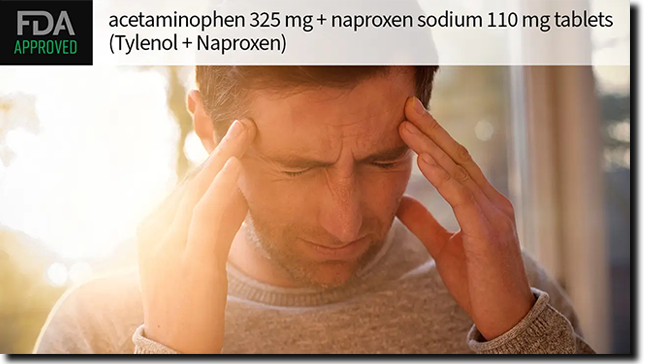
First OTC fixed-dose combination product to pair acetaminophen with naproxen sodium
The FDA approved a combination tablet of 325-mg acetaminophen and 110-mg naproxen sodium (Tylenol with Naproxen) for over-the-counter (OTC) pain relief, the agency announced Friday.
The opioid-free combination tablet is indicated for the temporary relief of minor aches and pains from headaches, backaches, muscular aches, toothaches, menstrual cramps, and minor arthritis pain in adults and children ages 12 and older.
The treatment begins working in under 30 minutes and provides 12 hours of pain relief in a single dose. It is backed by eight clinical studies that showed superior pain relief compared with acetaminophen or naproxen sodium (Aleve 220 mg), said drugmaker Kenvue.
"Across the eight clinical studies supporting the FDA approval, the 650-mg acetaminophen and 220-mg naproxen sodium fixed-dose combination consistently outperformed either ingredient alone," principal investigator Todd Bertoch, MD, of CenExel Clinical Research, said in a news release.
Click here to read the full article.
| |
ASIPP is pleased to announce the launch of the Regenerative and Longevity Medicine Section!
This section reflects the growing importance of regenerative and longevity medicine—fields dedicated to restoring health, enhancing vitality, and extending the healthy years of life. From stem cell therapies and tissue engineering to gene therapy and orthobiologics, these disciplines are transforming the way we approach pain management and age-related decline.
Section membership offers:
- Access to ASIPP’s physician database and future data registry
- Opportunities for certification and continuing education
- Section-exclusive resources and updates
No additional cost for ASIPP members!
| | |
Prescription instructions that seem straightforward to physicians may be misunderstood by patients, according to experts who recommend communication strategies to help physicians confirm patients’ understanding.
For example, in Brazil, prescriptions often list the medication name followed by the notation “8/8 h” to indicate that a medication should be taken every 8 hours. Although the instruction is clear to physicians, some patients interpret it as taking one tablet at 8 AM and another at 8 PM. Believing that they are following the prescription correctly, they skip one of the three daily doses, reducing the treatment’s effectiveness. The example illustrates how misunderstandings can undermine treatment and highlights physicians’ responsibility to ensure that patients understand prescription instructions.
Speaking with Medscape’s Portuguese edition, Aline Albuquerque, PhD, professor in the graduate program in bioethics at the University of Brasília, Brasília, Brazil, and director of the Brazilian Institute of Patient Rights, said, “It is the physician’s duty to ensure that the patient understands the information provided. It is a relational issue, and within this relationship, there is one aspect that pertains to the physician and another that pertains to the patient.”
Click here to read the full article.
| | |
Apply now for one of the following 2026 dates:
August 28, 2026
- ABIPP Part II Oral and Practical Examination
Topics that will be covered:
Caudal epidural injections; Lumbar interlaminar epidural injections; Lumbar/sacral transforaminal epidural injections; Cervical epidural injections; Thoracic epidural injections; Lumbar/sacral medial branch and L5 dorsal ramus blocks; Cervical medial branch blocks; Thoracic medial branch blocks; Lumbar/sacral facet joint nerve radiofrequency neurolysis; Cervical medial branch radiofrequency neurolysis; Thoracic medial branch radiofrequency neurolysis; Sacroiliac joint injections; Cervical sympathetic blocks; Lumbar paravertebral sympathetic blocks; Intercostal nerve blocks; Lumbar discography; Celiac plexus blocks (not Splancnic nerve blocks); Percutaneous epidural adhesiolysis; Spinal cord stimulation lead placement
September 26, October 24, November 14,& December 12
Four (4) hour virtual exam
- ABIPP Path – Combined CCPM/ CSM Exam
For those with subspecialty in Pain Medicine
Two (2) hour virtual exam
- ABIPP Competency Exam in IPM
For those without primary board certification
Two (2) hour virtual exam
- ABIPP Competency Exam in Regenerative Medicine
Two (2) hour virtual exam
- Controlled Substance Management Competency Exam
Two (2) hour virtual exam
- Documentation, Coding, Compliance, Practice Management Competency Exam
Two (2) hour virtual exam
| | |
Pain Medicine Case Reports (PMCR) and Editor-in-Chief Alaa Abd-Elsayed, MD, PhD would like to invite you to submit case reports and case series to the PMCR journal. Your article will be published free of charge.
Open access journals are freely available online for immediate worldwide open access to the full text of published articles. There is no subscription fee for open access journals. Open access journals are no different from traditional subscription-based journals: they undergo the same peer review and quality control as any other scholarly journal.
Interested in becoming a member of the PMCR Editorial Board?
Editorial board members are asked to review 2-6 manuscripts per year. Please submit your most up-to-date CV to sgold@asipp.org for consideration.
For more information or to submit your articles, click here.
| | |
We are excited to announce that Pain Medicine Case Reports (PMCR) journal (eISSN 2768-5152) has been accepted for inclusion in MEDLINE and PubMed, the prestigious bibliographic database of the U.S. National Library of Medicine. PMCR, a companion publication to the prestigious Pain Physician journal by ASIPP, joins its counterpart in achieving indexing in both MEDLINE and PubMed, marking ASIPP’s dual presence in these renowned databases.
The inclusion of PMCR journal in MEDLINE signifies a higher level of selectivity, as MEDLINE consists of the top 5,200 biomedical journals. This indexing also means that articles from PMCR will be searchable using NLM Medical Subject Headings (MeSH terms) and other metadata.
The selection for MEDLINE follows a rigorous evaluation process by reviewers from the Literature Selection Technical Review Committee (LSTRC). According to their criteria, the scientific quality of a journal’s content is the primary factor considered for indexing.
We extend our congratulations to the Pain Medicine Case Reports Editor-in-Chief, Deputy Editor-in-Chief, Journal Team, and Editorial Board for this achievement, which underscores the significance and excellence of this esteemed journal.
| | | | |
David S. Jevotovsky, MD, Michael Suarez, DO, Roi Medina, DO, Harman Chopra, MD, and Bryan J. Marascalchi, MD
| |
Jessica Hanflink, BA, Vida Motamedi, MD, and Tigran Kesayan, MD
| | | | |
|
Special Guidelines Issue
Updated Facet Joint Interventions
| |
Laxmaiah Manchikanti, MD, Mahendra R. Sanapati, MD, Sheri L. Albers, DO, Alan D. Kaye, MD, PhD, Vinita Singh, MD, Nebojsa Nick Knezevic, MD, PhD, Rajesh Naidu Janapala, MD, Amol Soin, MD, Annu Navani, MD, Adam M. Kaye, PharmD, Ahad Mussarat, MD, Alexander Bautista, MD, Dajie Wang, MD, Paul J. Christo, MD, Maged Mina, MD, Daneshvari R. Solanki, MD, Devi Nampiaparampil, MD, Gerard Limerick, MD, PhD, John Manor, DO, Kris Ferguson, MD, Lynn Cintron, MD, Michael Bottros, MD, Shirley Chen, MS, Shivam S. Shah, MD, Vahid Grami, MD, MPH, Douglas P. Beall, MD, Shalini Shah, MD, Sairam Atluri, MD, Mittal S. Prajapati, MD, Alaa Abd-Elsayed, MD, Salahadin Abdi, MD, PhD, Steve Aydin, DO, Sanjay Bakshi, MD, Joseph Cabaret, MD, Aaron K. Calodney, MD, Kenneth D. Candido, MD, Christopher G. Gharibo, MD, Mayank Gupta, MD, Michael Harned, MD, Standiford Helm II, MD, Sachin "Sunny" Jha, MD, Radomir Kosanovic, MD, Vidyasagar Pampati, MSC, Ramarao Pasupuleti, MD, Bradley W. Wargo, DO, Hermant Kalia, MD, Gary Schwartz, MD, and Joshua A. Hirsch, MD
| | |
Laxmaiah Manchikanti, Mark V. Boswell, Mahendra R. Sanapati, Alan D. Kaye, Miles Day, Nebojsa Nick Knezevic, Mittal S. Prajapati, Amol Soin, Annu Navani, Vidyasagar Pampati, Christopher G. Gharibo, Devi Nampiaparampil, Vivek Manocha, Navneet Boddu, Sairam Atluri, Shalini Shah, Alexander Bautista, Vinita Singh, and Joshua A. Hirsch
| | | | |
|
ASIPP is in collaboration with Curi Medical Liability Program
Since this malpractice insurance program officially launched in November 2018, ASIPP has signed up hundreds of providers with an average savings of 30%. This is professional liability insurance tailored to our specialty and will stand up for us and defend our practices.
Curi is a full-service advisory firm that serves physicians and their practices. Their valued advice is grounded in your priorities and elevated in your outcomes. They are driven by a deep understanding of your specific circumstances in medicine, business, and life. To read a few important points to keep in mind about the program, including discounts, administrative defense, cyber coverage, aggressive claims handling, and complimentary risk management CME activities, visit our website.
| | |
IMPORTANT UPDATE
SPR is happy to announce an important update regarding Humana Medicare Advantage. As of May 1, Humana is now recognizing SPRINT as a PNS therapy. Previously, SPRINT was categorized as PNT (Percutaneous Nerve Stimulation), which allowed denials on the grounds that the therapy fell outside the NCD.
Additional details are as follows:
Payer: Humana Medicare Advantage (click here to view policy)
Policy Title: Peripheral Nerve Stimulators
Policy changes: SPRINT no longer misclassified as PNT and is now appropriately classified as PNS. Humana is applying the Noridian Medicare LCD criteria to ALL PNS devices – Including SPRINT PNS!
Effective Date: 5/1/2025
Click here to view a PDF of the official policy update.
| | |
|
Group Purchasing Organization Offer Better Pricing and Creates Added Value
ASIPP has formed a partnership with Henry Schein and PedsPal, a national GPO that has a successful history of negotiating better prices on medical supplies and creating value-added services for independent physicians. Working with MedAssets, PedsPal provides excellent pricing on products like contrast media that alleviate some of the financial pressures you experience today.
Learn More
For updated information concerning tariffs on products, click here.
| |  |
|
ASIPP, Fedora Healthcare Solutions Partnership
ASIPP offers our members the benefit of a unique revenue cycle management/ billing service.
We have received a tremendous amount of interest in the ASIPP billing and coding program.
Click here to learn more about the negotiated rate for practices and more!
| | |
Like and Follow ASIPP® on Facebook, X, LinkedIn,
and YouTube for the most up-to-date news
related to you, your practice, and your patients!
| | | | |