August 2026

The E-Consultant
 

When the Power Stays On, Engineering is Working


How NELSON designs for the reliability that keeps critical facilities running.

We rarely think about electricity until it stops. Flip a switch, and the lights come on. Start a pump, and it runs. We take for granted that the refrigerator, air conditioning, internet, television and phones will simply work. But as many of us have discovered this summer, spending several hours in the dark after a severe storm is a stark reminder of how integral electricity is to modern life.


Behind these everyday expectations lies one of the most complex systems ever engineered—and an unforgiving one at that. As NELSON's founder Waldemar S. Nelson noted, mistakes in electrical designs are discovered at the speed of light, usually in the form of spectacular arcing explosions. Our job as engineers is to keep that from happening.


The complexity of reliable power

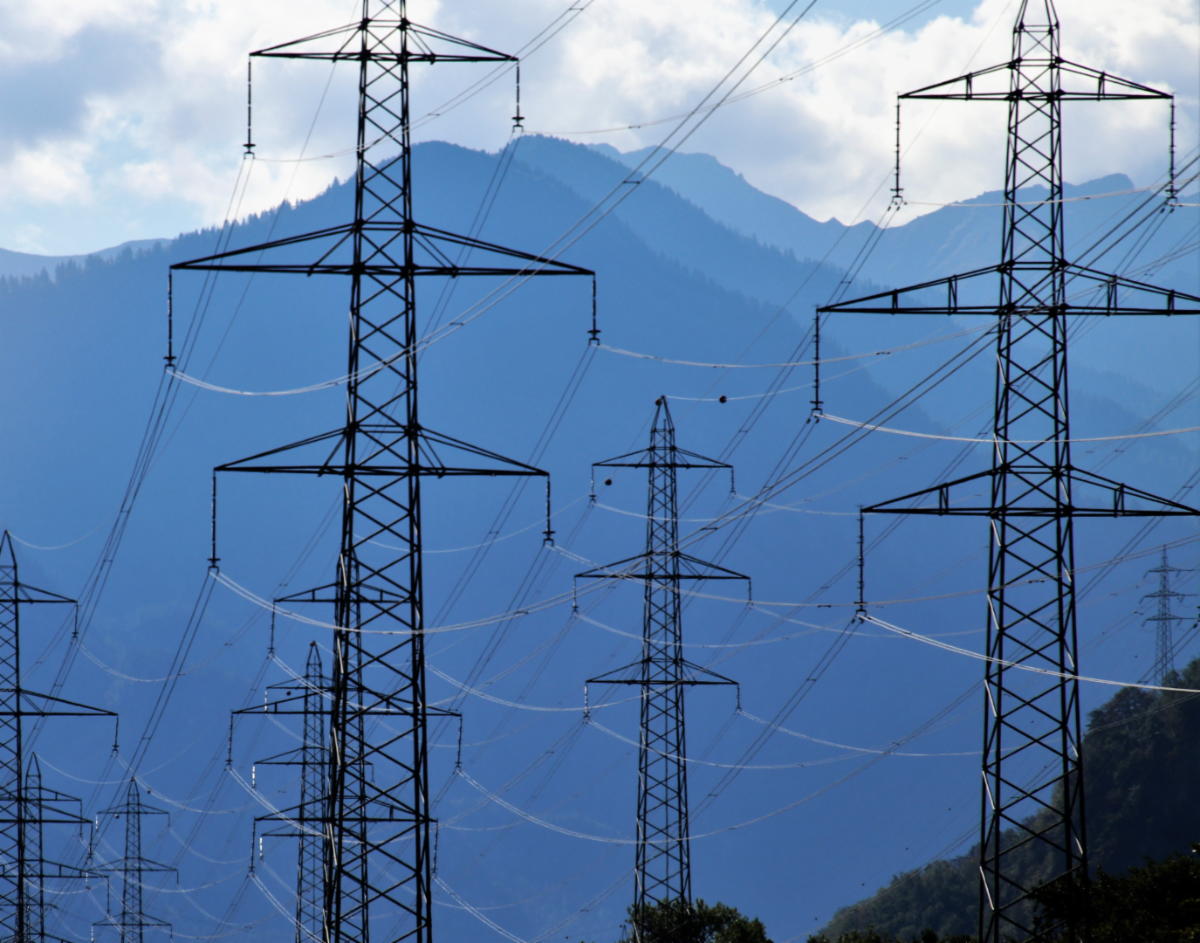
Electricity must be produced, moved across long distances and delivered to the point of use in a continuous, carefully balanced sequence. Generation, transmission and distribution each introduce their own vulnerabilities. A single weak point—an exposed line, a flood-prone substation, an aging piece of equipment—can interrupt the entire chain.


For industrial and commercial facilities, an interruption is far more than an inconvenience. It can halt production, compromise safety systems and result in significant financial loss. Reliability is not a luxury; it is the baseline requirement for operations that cannot afford to stop.

Engineering for resilience

Improving reliability means anticipating the conditions that threaten it. NELSON's engineering work focuses on hardening power systems against the events most likely to cause failure. Our proven approaches include:


  • Storm hardening to protect facilities against the forces of severe weather and the high winds that bring down conventional systems.


  • Underground placement of critical lines to remove them from exposure to storms, debris and surface hazards.


  • Flood elevation to raise vulnerable equipment above anticipated water levels, safeguarding facilities in low-lying and coastal locations.


Beyond physical hardening, our licensed engineers apply advanced power system modeling tools and conduct power system studies and performance analysis (including harmonic and system reliability studies) to identify and address vulnerabilities before they become failures.


Reliability where it matters most

Some environments leave no margin for failure. In addition to public utilities, much of our work has been at standalone industrial facilities that need to generate their own power, sometimes under highly isolated conditions—such as offshore platforms. These projects are satisfying to work on because they offer the opportunity to see the entire process of generating and delivering electric power in a very compact space.


In these settings, we design for redundancy and reliability from the outset, because the consequences of failure can be significant for both the industrial process and the staff it supports. Our electrical engineering capabilities span low- to high-voltage systems design, power generation and cogeneration systems, and multidisciplinary coordination across industries including oil and gas, marine, mining, refining and utilities.


Expertise built over decades

NELSON's depth in this field is not theoretical. Our staff members have participated on the code-writing committees of national professional organizations including National Fire Protection Association (NFPA) and American Petroleum Institute (API), helping to shape the standards that govern safe electrical design across the industry. That involvement reflects a commitment that has defined NELSON for more than 80 years: applying rigorous engineering to the systems others take for granted.


Whether you are upgrading an existing facility or planning a new one, NELSON can help evaluate your electrical system and develop solutions to improve reliability, resiliency and safety. We would be happy to work with you to keep the power on.


If your operation depends on uninterrupted power (and few do not!), now is the time to evaluate its reliability. Whether you need to upgrade an existing facility or address reliability concerns in an initial design, NELSON's engineers can help. 


Contact Tom Wells at tom.wells@wsnelson.com or Marcel Danos at marcel.danos@wsnelson.com to discuss your facility's needs. Because you don't miss your water until the well runs dry—and by then, it's already too late.

SERVICE SPOTLIGHT: Control Systems Engineering


NELSON’s Controls System Engineering Department provides instrumentation, automation and control system design for industrial facilities worldwide. Our licensed professional engineers program and upgrade control systems from major PLC and DCS manufacturers and support projects from concept selection through design, construction, commissioning and start-up. We design systems that meet local, national and international codes while staying current with evolving technologies. Our services include Safety Integrity Level (SIL) assessments, fire and gas system design, rotating machinery controls and telecommunications. 


About NELSON

Waldemar S. Nelson and Company, a more than 250-person multi-discipline engineering and architecture firm, has provided professional services to public and private owners since 1945. With offices in New Orleans and Houston, our primary goal is to help our clients develop cost-effective, safe, efficient facilities through creative and innovative solutions. Visit our website to find out more about how we can help you on your next project.


Engineering is the foundation of civilization.


NEW ORLEANS OFFICE
Waldemar S. Nelson and Company
1200 St. Charles Avenue
New Orleans, LA 70130
(504) 523-5281
 
HOUSTON OFFICE
Waldemar S. Nelson and Company
4 CityNorth
16945 Northchase Drive, Suite 200
Houston, TX 77060
(281) 999-1989
Visit our website at www.wsnelson.com
Linkedin