Spotlight on Safety

View This Email in Your Browser

Health and Safety News For The Princeton Community • July 2025 Special Edition

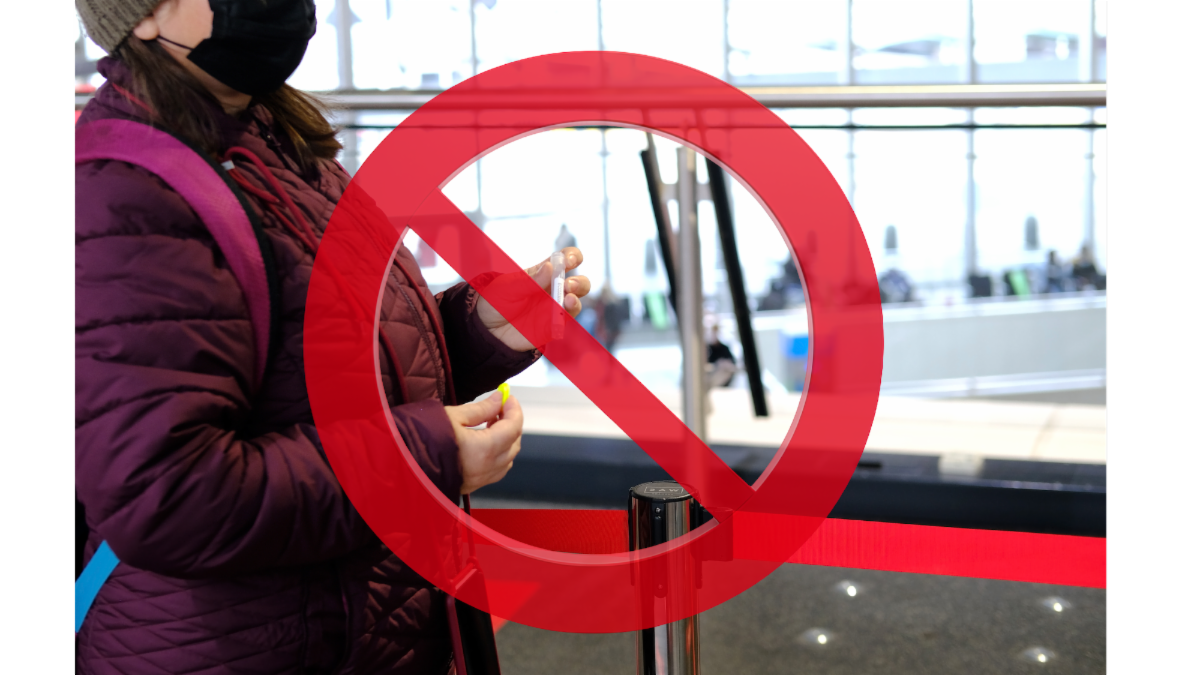
Never Hand-Carry Research Samples

An important reminder from EHS and the Office of Research and Project Administration

Princeton University researchers are strongly advised against  hand-carrying research samples when they travel and are reminded that doing so may have severe repercussions, according to John Jenkins, Director, Research Security in the Office of Research and Project Administration, and Steve Elwood, Director For Research Safety at the Office of Environmental Health and Safety.   


A new page on the EHS website highlights key steps for researchers to take when transporting biological samples and includes contacts for support staff and links to University shipping services.

“You are putting yourself at risk if you attempt to hand-carry biological samples in any fashion," Jenkins says. "Travelers may be delayed or detained, samples may be confiscated, and authorities may choose to revoke visas of foreign persons.”


And it doesn’t matter whether it is an import into the U.S. or an export out of the U.S. “Our advice is always to ship research materials using a University-authorized carrier rather than attempt to hand-carry research samples,” Jenkins says.


Transporting materials internationally is not as simple as sending materials within the U.S. Government permits or licenses may be required for the exporting country, and prior authorization in the form of an import permit may be required for the importing country as well. It is critical to research those requirements prior to transporting research samples.


The U.S. government has stepped up enforcement of federal trade regulations, citing alleged smuggling of biological materials that may pose national security and safety concerns. 


In some cases, the visas of foreign persons have been revoked and deportation proceedings begun. These actions may be taken regardless of the nature of the materials.


In order to mitigate potential risks to their research and themselves, it is important for researchers to understand and comply with packaging and permitting requirements when sending or receiving research materials, particularly hazardous materials such as chemicals or biologics.

Not Worth The Risk

U.S. government agencies are increasingly pursuing criminal smuggling charges against persons who fail to properly declare research samples when crossing borders. University of Michigan researcher Yunqing Jian, a Chinese national, was arrested June 3 at Detroit Metropolitan Airport and charged with smuggling Fusarium graminearum, a fungus that targets agricultural crops, including wheat, corn, and barley.


Earlier this year, Harvard researcher Kseniia Petrova, a Russian national, was arrested and detained for four months after being charged for failing to declare frog embryos in her possession when entering the U.S. 


EHS Offers Shipping Services

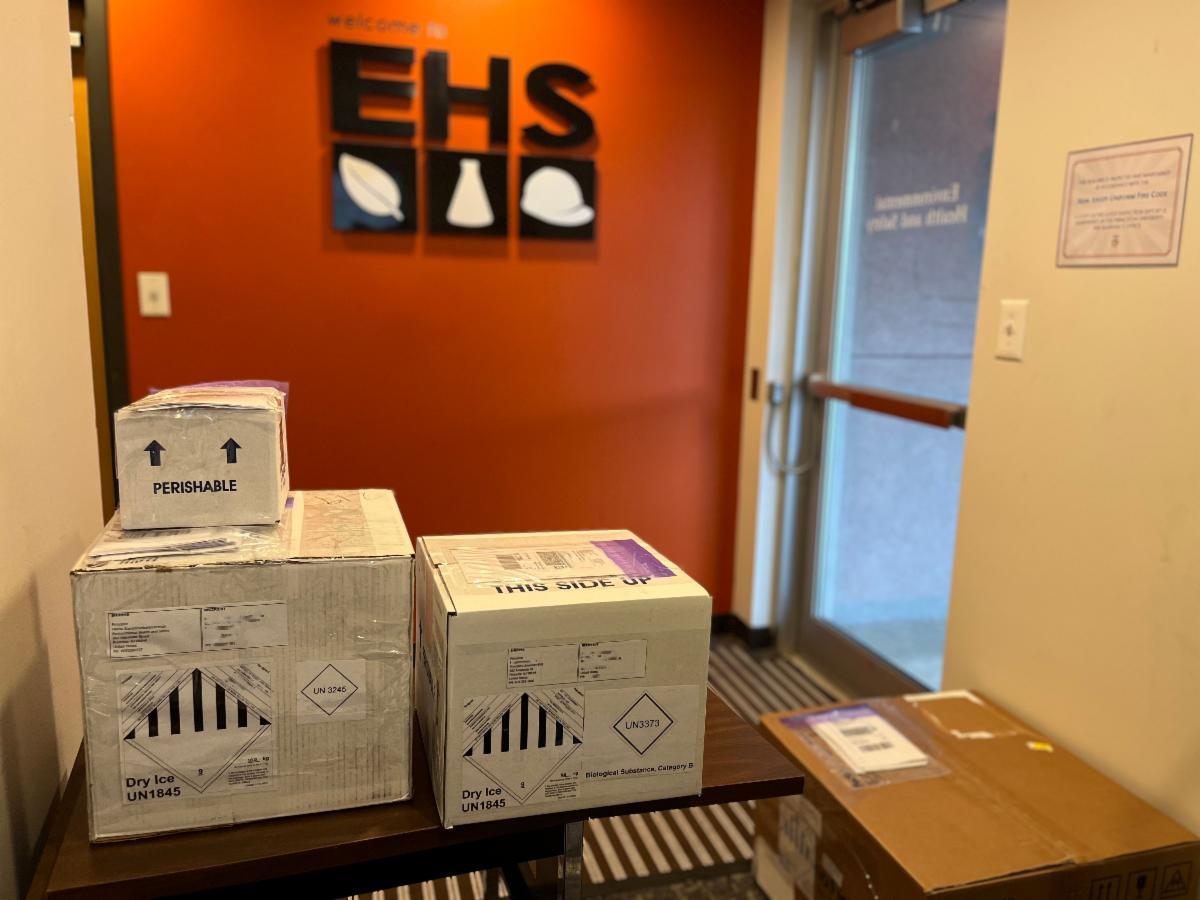
EHS has long provided Princeton researchers with assistance on the proper packaging, labeling and shipping of research materials to ensure that all legal requirements are met, as well as to reduce delays in transit. “While delays may be experienced with express carrier shipments due to weather or other unforeseen circumstances, researchers are much more likely to experience problems when hand-carrying research samples as opposed to shipping them,” says Elwood.


"EHS has shipping services available for people to get samples where they need to be," Elwood says. This includes preparing and assisting in all aspects of shipping hazardous materials and partnering with the Export Control team to ensure that any required export licenses are obtained for the shipment. EHS also offers required training in dry ice shipping.


"If you need to ship any hazardous material, you need to work with EHS," Elwood stresses. Jenkins agrees. “The last thing we want is for a situation like this to impact a researcher’s career or lead to criminal charges.”

Proper labeling and shipping procedures are the subject of another aspect of the government crackdown. Chengxuan Han, another researcher affiliated with the University of Michigan, was arrested on June 9 upon arrival in the U.S. and charged with sending four packages of nematodes in mislabeled packages to the university. 

Register Your Trip


Elwood and Jenkins also remind researchers that all travel conducted on behalf of the University should be registered in the Enroll My Trip travel registry. This will ensure that the University can provide support to the traveler in the event of an emergency.  Importantly, all travel booked through the University’s travel program, Concur, is automatically registered in Enroll My Trip.

The above material can also be viewed on the EHS website.

Was this newsletter forwarded to you? Subscribe Here


Contact the editor with any feedback js74@princeton.edu

Princeton University
Environmental Health & Safety
262 Alexander Street
Princeton, NJ 08540
(609) 258-5294
Twitter  Instagram  Youtube