Today, NACD launched registration for the 2021 Summer Meeting, scheduled to be held July 24-27 in Chicago, Ill.
On July 25, 1946 at the Morrison Hotel in Chicago, Ill., 18 representatives from 17 states created the National Association of Soil Conservation District Governing Officials. In 1970, during the annual convention in San Francisco, the association’s name was shortened to the National Association of Conservation Districts (NACD). As part of our 75th Anniversary celebration, the 2021 NACD Summer Meeting is returning to where our association was born in Chicago!
As the second-largest NACD event of the year, the gathering brings together hundreds of conservation district leaders from across the nation, including tribal representatives and representatives from the U.S. territories.
The agenda includes a full NACD board meeting, a 75th Anniversary Celebration event, a conservation forum plenary session and a set of walking, conservation-minded tours. This is a national meeting with a regional flair that offers a first-hand look at how conservation is delivered while also providing direct access to our top leaders.
NACD's Summer Meeting will be held at the DoubleTree by Hilton Hotel Chicago - Magnificent Mile. Hotel rates are $185 per night. To book your hotel room, click here and use the group name "NACD Conserv Districts". Early-bird registration is $275 and includes access to all meetings and events.
Don’t delay, the deadline for early-bird registration and hotel reservations is Friday, July 2.
Attendees must agree to follow all local protocols, including but not limited to: mask mandates, social distancing and other protocols in effect in Chicago. In addition, NACD is requiring a face covering for all attendees entering any meeting room being utilized for the meeting. Those not following the NACD guidelines will not be allowed entry to meetings or events. An NACD mask will be provided to each registered attendee.
To learn more, book your hotel and view the agenda, visit NACD's Summer Meeting webpage. We can't wait to see you all in Chicago! |
NACD CELEBRATES
66TH ANNUAL
STEWARDSHIP WEEK
|
During its 66th Annual Stewardship Week, NACD and conservation districts across the country celebrated the theme “Healthy Forests, Healthy Communities” by holding virtual and social distancing outreach events in order to raise awareness on the importance of trees and forest conservation.
Check out some of the work conservation districts did across the country for Stewardship Week:
-
The Eastern Panhandle Conservation District in West Virginia highlighted their Annual Big Tree Contest and distributed flyers for the NACD Poster Contest.
-
Stearns County Soil and Water Conservation District in Minnesota celebrated this year's theme by distributing a press release to the local media.
-
Winnebago County SWCD in Illinois delivered powerpoint presentations for the NACD poster and photo contest.
-
Clinton County Soil and Water Conservation District in Indiana provided free trees to the public paired with a daily educational social media campaign on the benefits of trees. The district also distributed stewardship week bookmarks to local libraries and stewardship materials to all fourth-grade classrooms.
-
Shippensburg University students in Pennsylvania visited a riparian buffer project they started two years ago downstream from campus and replaced 30 trees out of 150 on one side of the run.
-
Muscogee Creek Nation Conservation District in Oklahoma reached out to nearby schools so students could send in their posters to be judged.
-
Duval Soil and Water Conservation District in Florida hosted a social distancing event at Regeneration Park where the participants learned about their innovative green infrastructure and community stewardship project planned along the S-Line link of the Emerald Trail.
-
Erie Soil and Water Conservation District in Ohio celebrated by awarding their poster contest winners.
-
Lower Elkhorn Natural Resources District (NRD) in Nebraska helped district residents learn more about trees and the species native to the area, as well as insight on tree planting, care and maintenance and how to protect trees from invasive species.
- Thanks to Newberry Soil and Water Conservation District Chairman Ben Setzler's leadership, South Carolina Governor Henry McMaster proclaimed the week of April 25 – May 2, 2021 to be Soil and Water Stewardship Week.
NACD also celebrated this year’s theme by providing 14 educational forestry videos on its website and social media, which highlighted some unique forests from all over the country and conservation districts’ work in forest conservation.
You can continue to promote the importance of trees and forest conservation by visiting our Conservation Education Hub and downloading our educational resources, promotional materials and curricula. |
NACD GOVERNMENT AFFAIRS UPDATE: CLIMATE ACTION AND LEGISLATION |
Even though Congressional buildings are still closed to the public due to COVID-19 (coronavirus), this hasn't slowed down Congress’s focus on climate change and the role the agricultural and forestry industry can to do reduce emissions or sequester carbon. In addition to President Biden’s Executive Order and the subsequent public comment period that just ended on April 29, new legislation is being introduced on an almost daily basis, and NACD’s Government Affairs team has been working hard to stay on top of it all.
The one piece of legislation that is getting the most attention is the Growing Climate Solutions Act. This legislation, introduced in this Congress as well as last Congress, was introduced by Senator Debbie Stabenow (D-MI), Chairwoman of the Senate Agriculture Committee and Senator Mike Braun (R-IN), as well as Congresswoman Abigail Spanberger (D-VA), Chairwoman of the House Agriculture Committee’s Conservation and Forestry Subcommittee and Congressman Don Bacon (R-NE). This legislation’s stated purpose is to help producers overcome barriers they face to access the financial and conservation opportunities that private carbon markets could provide. If passed, USDA would be required to publish a list of recognized protocols for voluntary environmental credit markets and set up a certification process that third party technical assistance and verification providers could follow to self-certify that they have expertise in these protocols. The legislation would also require the U.S. Department of Agriculture (USDA) to create an Advisory Committee for the Secretary to consult during the creation of the protocol list and certification process.
The Senate Agriculture Committee passed the legislation on April 22, 2021, though the future of the legislation is much more uncertain on the House side. House Agriculture Chairman David Scott (D-GA) has not endorsed the bill and Ranking Member GT Thompson (R-PA) has indicated he’s opposed. While NACD is excited about the opportunities private carbon markets could provide to further natural resource protection and address climate change, NACD has not endorsed the path this legislation would take to support private carbon markets and continues to promote the role of the locally-led conservation delivery system and the importance of adequate Conservation Technical Assistance funding regardless of any opportunities the private sector could provide.
|
Q&A WITH NACD GROUNDWATER AND AQUIFER TASK FORCE MEMBER HAROLD CROSE |
NACD President Michael Crowder has called for the creation of a Groundwater and Aquifer Task Force, which will help promote water conservation across the country. NACD recently sat down with Harold Crose, a retired area conservationist now with the Grant County Conservation District in Washington State. Crose, a member of the Task Force, shared with us his latest work in groundwater conservation in central Washington and why this Task Force is needed. For those interested in joining NACD’s Groundwater and Aquifer Task Force, contact us at info@nacdnet.org.
|
Can you share a bit about yourself?
I worked for the Natural Resources Conservation Service (NRCS) for over 40 years, primarily in irrigated agriculture and water. I retired as area conservationist in central Washington State, where I now work with the Grant County Conservation District.
Can you describe your work in groundwater management?
I got involved with the groundwater management area almost 20 years ago, when we formed a group in central Washington to look deeper into trying to get a baseline understanding of the aquifer systems in the state and how they all work together. Our question was how fragile the waters were and their current condition, as well as whether we were overutilizing that water, which isn’t being replenished in the aquifer. The answer to the latter question, of course, was yes.
Why is groundwater conservation so important?
Watershed projects typically deal with surface waters, runoff, flood control and erosion control—all of which I was involved with in my early career with NRCS. However, very little that I know of deals primarily with groundwater, and it’s kind of a strange way to look at it with groundwater, but it’s very much part of a watershed project, and just as important as the surface waters. The other thing to keep in mind is that the 100,000 acres irrigated from the aquifer is at risk of losing their water, which would result in a catastrophic impact economically to the region. Grant County is the number one potato producing county in the United States, and most of the water in the Odessa area is used to grow potatoes. If we lose this resource, the french fries that you enjoy, for example, will be impacted.
|
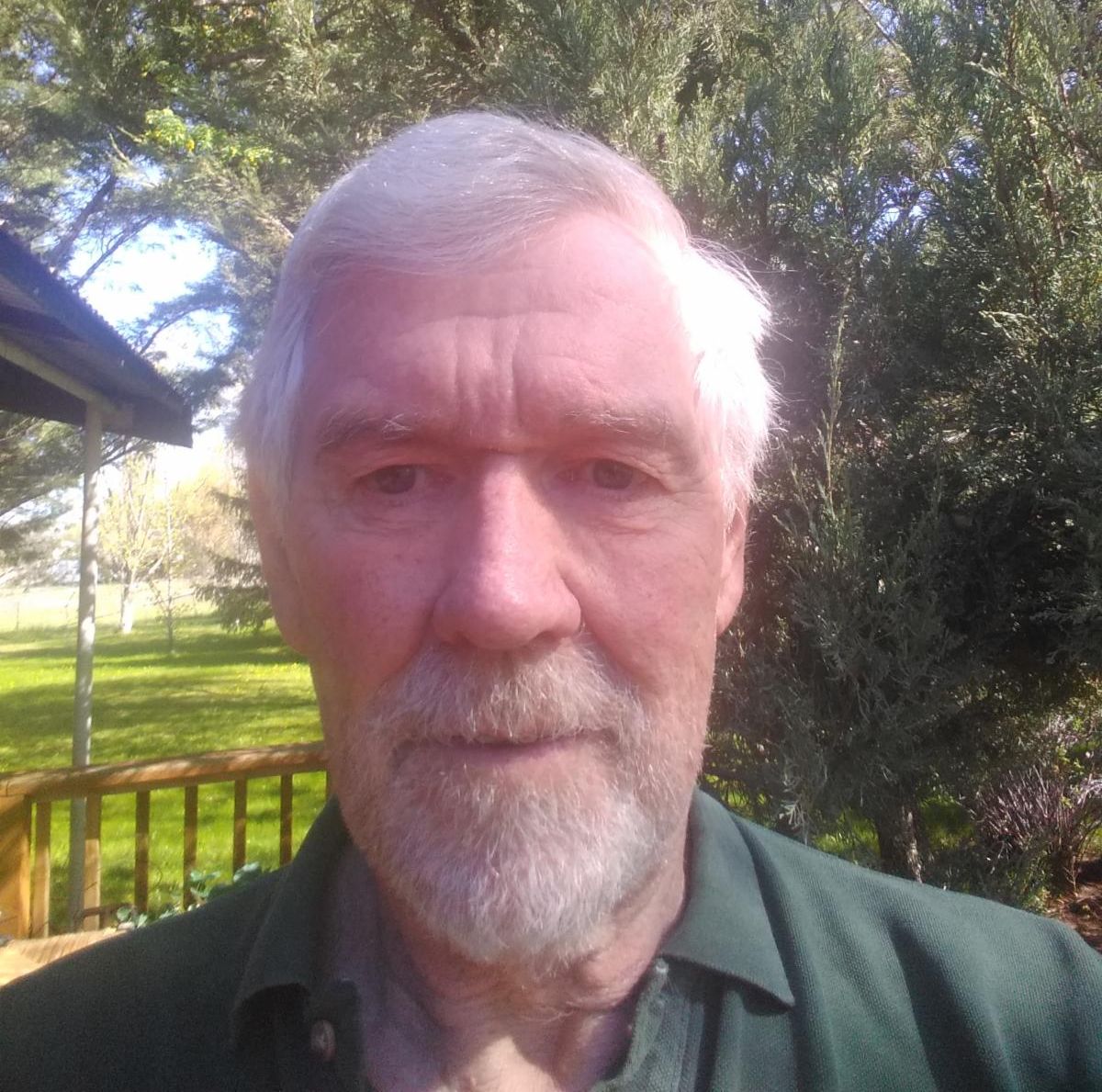
Aaron Johnson and his wife Kirstin live in Madison, S.D., located in the eastern part of the state, with their three children. Johnson is a third-generation farmer and manages Johnson Organic Farm with his cousins, working the land their parents and grandparents have farmed since 1939.
In 1976, before Johnson was born, the family transitioned the farm from a conventional operation to a certified organic farm. Johnson says his family was considered the laughingstock of the county at a time when such a move was risky, and the same support system wasn’t available that he has today. While in the beginning, the transition was a challenge, the Johnson family found their footing.
The farm consists of 720 acres, with about 520 in cropland and 83 in pasture. The farm produces corn, soybeans, oats and alfalfa on a six-year crop rotation, and they stock cattle as well. According to Johnson, there is a human footprint beside every row of corn and soybeans, as they tend their crops closely and maintain a close connection with the land.
In 2009, when Johnson came back to the farm to be a part of the operation, his cousin introduced him to Dakota Rural Action (DRA). Through DRA, Johnson took the Farm Beginnings course for an education on farm planning, learning business strategies and financial planning. Johnson credits this program with challenging him to ask questions and have conversations he and his wife wouldn’t have had otherwise. Now Johnson helps teach some of the financial courses which take beginning farmers through a more in-depth financial analysis, preparing the next generation of farmers to meet the challenges of running a successful operation today.
To read more about Johnson’s operation and how they manage their organic operation for soil health, visit the NACD website and read his Soil Health Champion profile. If you or someone you know would like to join the NACD Soil Health Champions Network, please visit the NACD website or contact Beth Mason, NACD North Central Region Representative, at beth-mason@nacdnet.org.
|
MAY U&C WEBINAR FEATURES ENGAGING WITH TRIBAL COMMUNITIES |
The next NACD Urban and Community (U&C) Conservation webinar, scheduled for 12:00 p.m.-1:00 p.m. Eastern on May 20, 2021, will feature information on engaging with tribal communities.
As many conservation districts increase their outreach and partnerships with new and underrepresented clients, many are looking to collaborate with local tribal communities.
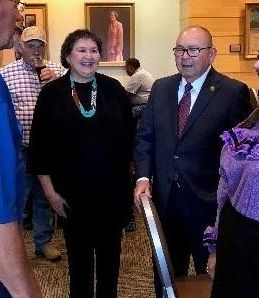
As the NRCS Oklahoma State Tribal Liaison, Dr. Crouch - pictured above with Governor Bill Anoatubby of the Chickasaw Nation - often leads trainings on this topic and will help conservation districts understand how to start their outreach conversations and key considerations for working with tribal communities.
These popular webinars, held on the third Thursday of each month, are sponsored by The Scotts Miracle-Gro Foundation in partnership with the NACD Urban and Community Resource Policy Group. There is no cost to participate, but space is limited. Registration will be accepted on a first-come, first-serve basis.
To register, click here. If you have difficulty, please contact NACD Pacific Region Representative Ariel Rivers, Ph.D.
|
|
Register Now:
Winds, Water and Wildfires Sessions
|
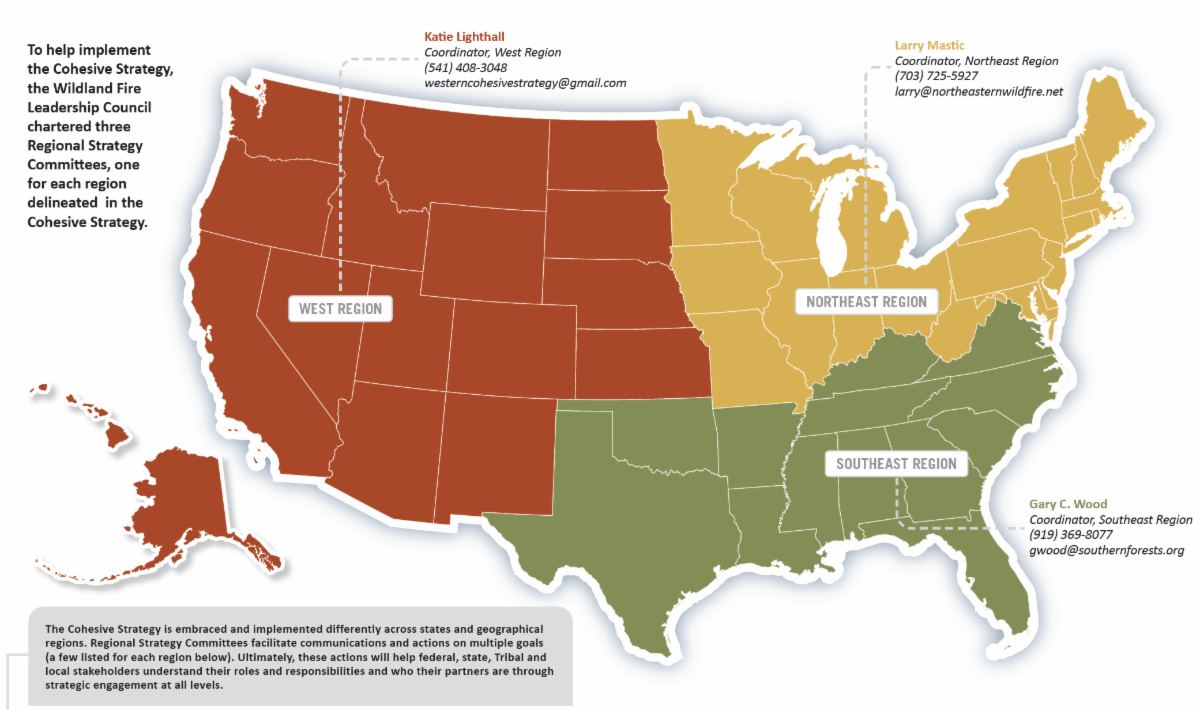
Join NACD for the upcoming Winds, Water and Wildfires Virtual Summits throughout the month of May, where we’ll host speakers discussing how disasters such as high winds, wildfires and flooding cause significant damage to natural resources in the South, North, East and West.
Conservation districts are uniquely positioned to assist communities with planning and preparedness before, during and after disasters. These sessions will demonstrate how conservation districts are working together with all community members to conquer the challenges facing private landowners. Success happens when landowners and agencies come together to meet the needs of our local communities.
These needs are identified in the three goals of the National Cohesive Wildland Fire Management Strategy. The virtual sessions will be held over the month of May, and session dates coordinate with specific regions (West, Southeast and Northeast). Visit NACD's events webpage to register.
For questions, please contact NACD's Natural Resource Policy Specialist Mary Scott at
|
Submit Your Ideas:
NACD 2022 Annual Meeting Theme
|
NACD's 76th Annual Meeting is scheduled to be held Feb. 12-16, 2022 in Orlando, Fla.
Help us come up with a theme that celebrates conservation in the Sunshine State!
Click here to submit your theme. The winning submission will earn a complimentary full registration to the 2022 Annual Meeting.
|
Coming Soon:
NGLI Applications to Open Summer 2021
|
This summer, the National Conservation Foundation (NCF) will announce the opening of the application period for the second cohort of the Next Generation Leadership Institute (NGLI).
The goal of NGLI is to equip conservation district leaders with the tools to become national leaders through personal, civic and organizational leadership development. Currently-appointed conservation district officials are eligible to apply, as well as district officials with current or potential for a statewide leadership position.
Now is the best time to recruit the conservation district board member in your state that is committed to future conservation district leadership and service to participate in the NGLI Program. One applicant from each of the seven NACD regions will be selected to be in the 2022 NGLI Cohort and participate in training events throughout 2022.
|
Farm Bureau Launches Farm State of Mind Resource Directory |
May is Mental Health Month, and in recognition of that, the American Farm Bureau Federation launched a comprehensive, easy-to-use online directory of resources for farmers, ranchers and their families who are experiencing stress and mental health challenges.
The directory, which is on the Farm State of Mind website at farmstateofmind.org, features listings for crisis hotlines and support lines, counseling services, training opportunities, podcasts, videos, published articles and other resources in every U.S. state and Puerto Rico.
Listings for crisis support, counseling and behavioral health resources that are available nationwide are also included. To learn more, visit the website here. |
New NACD
Marketplace Items
|
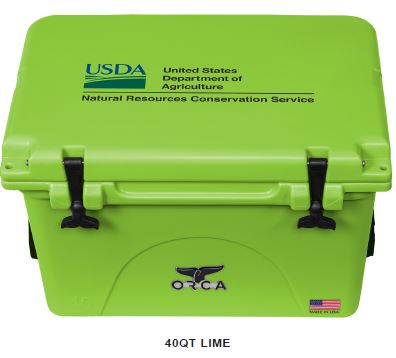
Are you looking for good quality products to keep your drinks cold and carry all your belongings?
NACD is now offering ORCA coolers and totes. Built for true outdoor enthusiasts, these coolers and totes are designed to meet all your travelling needs, from week-long camping trips to field day trainings and everywhere in between.
Platinum, diamond and gold level NACD members making a single purchase of $100 or more from the Marketplace can benefit from 20 percent, 15 percent and 10 percent discounts, respectively.
|
Savings Species Book Wins Independent
Press Award
|
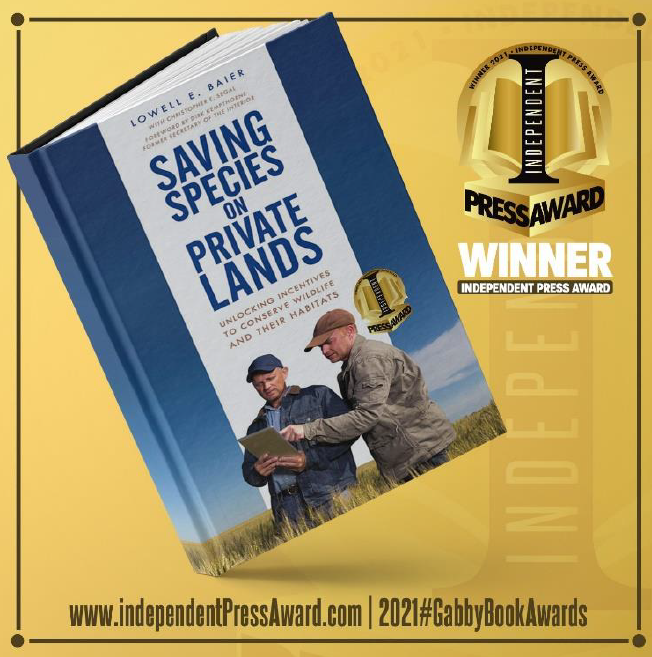
The book, Savings Species on Private Lands: Unlocking Incentives to Conserve Wildlife and Their Habitats, by Lowell E. Baker with Christopher Segal, was recently recognized by the Independent Press Award.
Whether engaged in farming, ranching, forestry, mining, energy development or other businesses, private working lands all have value as wildlife habitat with the proper management and financial support. This book provides landowners and their partners with a roadmap to achieve conservation compatible with their financial and personal goals. This guide is a great resource for private landowners who want to conserve fish and wildlife on their lands.
|
WDFW Seeks Farm
Bill Coordinator
|
The Washington State Department of Fish and Wildlife (WDFW) is currently seeking a farm bill coordinator to be based in Olympia, Wash.
This position serves as a senior planner within WDFW who works at national, state and local levels to collaboratively identify, prioritize, develop and support the implementation of agricultural incentive programs that conserve and restore fish, wildlife and ecosystems throughout Washington State.
This is an opportunity to represent WDFW in national and state forums focused on conserving fish and wildlife through incentive programs , including the Association of Fish and Wildlife Agencies’ Agricultural Conservation Committee, the State Technical Advisory Committee of the Natural Resources Conservation Service (NRCS), and the NRCS State Wildlife Subcommittee.
The anticipated start date is June 1, 2021. To learn more and apply, click here. |
Promote your conservation district or state association's tree sale, annual meeting, webinar, field day or more on NACD's Calendar of Events!
|
|