pqcnc banner

clOUDi 3.0 updates newsletter


November 15, 2023

In the Literature...

A systematic review of screening for perinatal depression and anxiety in community‑based settings

Screening for perinatal depression and anxiety in community-based maternal and child health settings may help close the detection and treatment gap among women at higher risk for these conditions. We aim to review perinatal depression and anxiety screening tools, timing, and follow-up processes for positive screens in community-based settings.


Screening for Postpartum Depression by Hospital-Based Perinatal Nurses

The majority of new mothers found it acceptable to be screened for depression and educated about community resources by hospital-based perinatal nurses. Many new mothers were not asked about depressive symptoms by community providers. New mothers viewed depression screening and receiving information on community resources as a positive part of their care. Communication between inpatient and community caregivers should be improved so that new mothers can benefit from seamless depression assessment, evaluation, and treatment.


Screening and Treatment After Implementation of a Universal Perinatal Depression Screening Program

Implementation of an institutional policy of universal perinatal depression screening was associated with improvements in perinatal depression screening with concomitant improvements in depression treatment recommendations for women with a positive postpartum depression screen.


Sepsis in Obstetric Care now enrolling teams...

After months of work and multiple virtual meetings by our Sepsis in Obstetric Care Expert Team, we are proud to announce that work is complete (AIM/Mission statement, action plan, key driver diagram, metrics and prework) and we are prepared for launch of our Sepsis in Obstetric Care Initiative in January at our January Kickoff.


What is needed now is you and your hospital and a commitment to address the challenge that is infection in obstetric care.


Maternal death due to sepsis is fortunately relatively low, but it is reported as 11.7% of maternal mortality cases in North Carolina, and it should be lower.


This is our chance!


Please consider and discuss with your perinatal and hospital leaders the opportunity you have to reduce maternal deaths and morbidity from sepsis in your hospital. Join us on this path as we continue the mission to make North Carolina the best place to give birth and be born!


Learn More  (and register your team)
 

Care of the Late Preterm Infant Initiative now enrolling teams....


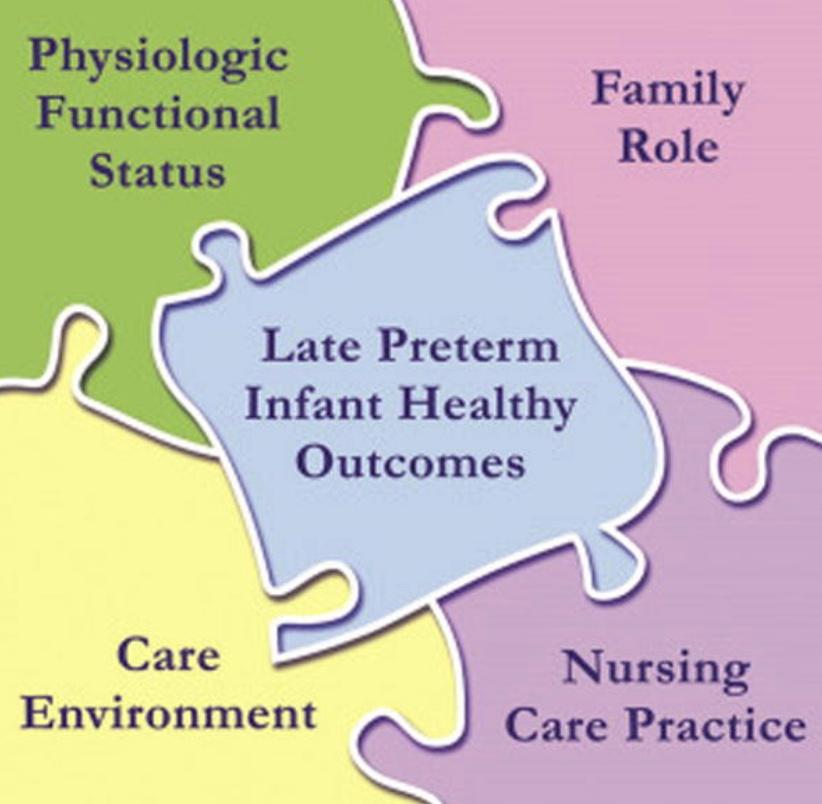
In January 2024, PQCNC will be kicking off an initiative to improve the care and outcomes for the late preterm infant population. In 2022, North Carolina saw over 7,500 infants born between 35-36 weeks gestation. This initiative will provide an opportunity to ensure you have an evidence based care pathway for this population as we collectively work to reduce readmissions of these infants.


Over the last few months, the expert team has worked to develop the charter, action plan/driver diagram and data collection elements for this initiative. Please take a moment to review these items as you discuss the opportunity to improve care for these infants.


This is all hands on deck! Every delivery hospital in North Carolina cares for late preterm infants and now is the chance to improve the care that is provided.


Please consider joining us on our journey…..

Learn more (and register your team)
 
Contact me!
Keith M Cochran
984-974-7871

'Unoffice' hours - click here to schedule a Zoom meeting