Turtle Tracks Newsletter


June 2026

FOLLOW US ON FACEBOOK TO KEEP UP TO DATE ON FUTURE EVENTS!

Meet Save-A-Turtle at Upcoming

Florida Keys Events! 🐢💚

undefined

Looking for a fun way to learn more about sea turtles and support local conservation efforts? Save-A-Turtle of the Florida Keys will be participating in several community events this summer, and we invite you to stop by and say hello!


Our volunteers will be on hand to answer questions, share educational information about sea turtles and their habitat, and discuss the important conservation work taking place throughout the Florida Keys. Whether you're a longtime supporter or simply curious about these remarkable marine reptiles, we'd love to meet you.


World Sea Turtle Day at the Key West Aquarium

June 16 | 10:00 AM – 4:00 PM

Celebrate World Sea Turtle Day with us at the Key West Aquarium as we honor these incredible ocean ambassadors. Learn about the challenges sea turtles face, the work being done to protect them, and how you can help make a difference.


Locals Sunday at the Key West Aquarium

July 5 | 10:00 AM – 4:00 PM

Join us for Locals Sunday and discover how community members play an important role in protecting nesting sea turtles and hatchlings throughout the Florida Keys. Our volunteers will be available to share conservation tips, answer questions, and provide information about getting involved.


Caturdays at Sloppy Joe's

Every Saturday in August | 11:45 AM – 8:00 PM

Save-A-Turtle is proud to participate in the popular Caturdays fundraising event at Sloppy Joe's. This lively community event features entertainment, charitable fundraising, and the famous blinking cat-ear headbands that help raise funds for local nonprofit organizations throughout the Keys.

While you're visiting, be sure to browse our collection of turtle-themed merchandise. Every purchase directly supports Save-A-Turtle's conservation, education, and outreach programs, helping us continue our mission to protect endangered and threatened sea turtles in the Florida Keys.


Can't make it to an event? You can still support our efforts by visiting our online store and shopping our turtle-inspired merchandise from anywhere.

We hope to see you this summer!

Check out our ONLINE STORE.

🐢🌊 From the Field with Sherri Crilly -

Head Starting for Sea Turtles?

undefined

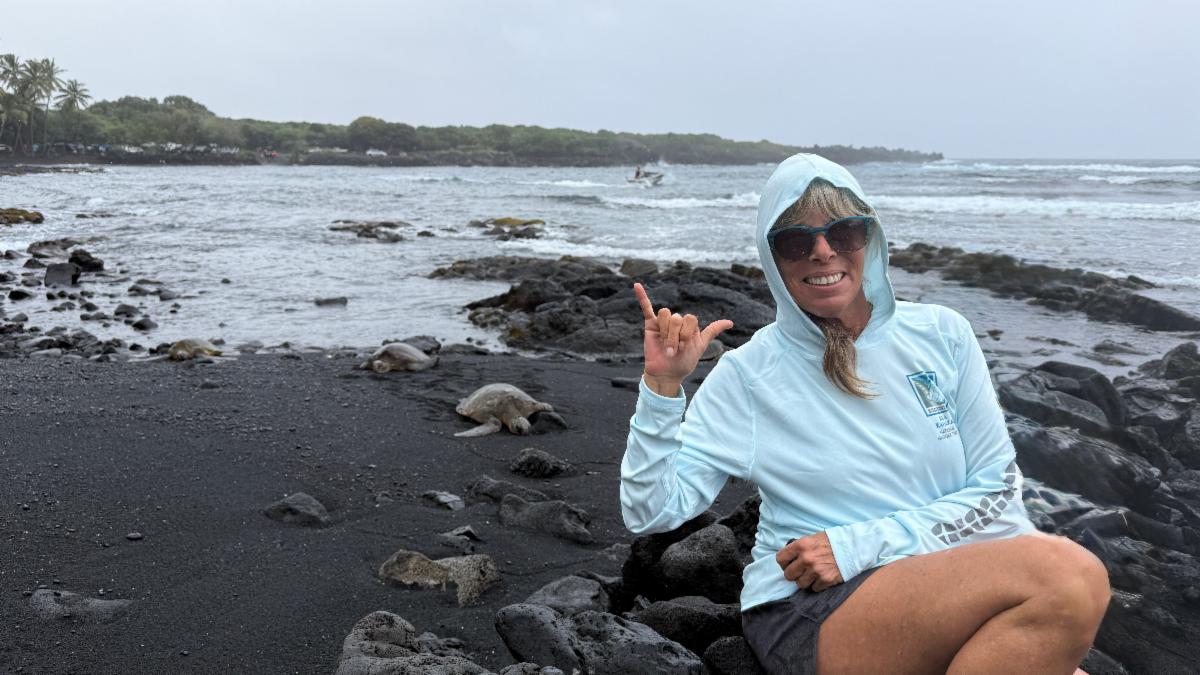
My name is Sherri Crilly, and I have been a volunteer with Save-A-Turtle since 2016. I am also an Florida Fish and Wildlife Conservation Commission (FWC) permit holder and volunteer for sea turtle nesting, stranding, and salvage in the Lower Keys.


We’ve all heard the term Head Start regarding young preschool children. The purpose of a Head Start program is simply to help prepare children for primary school through needs such as socialization, nutrition, emotional and physical development, as well as health and well-being.

But in sea turtles?


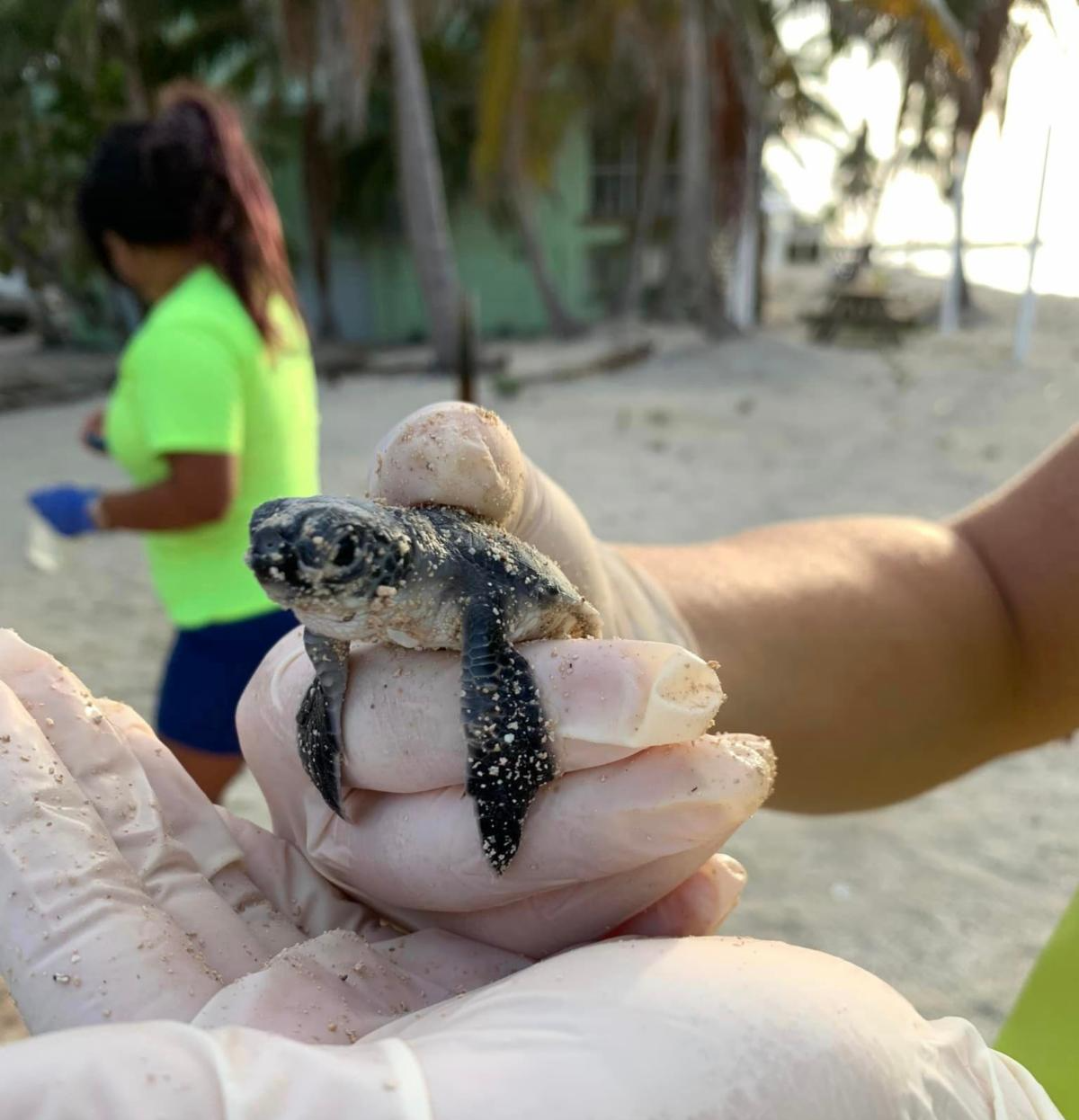
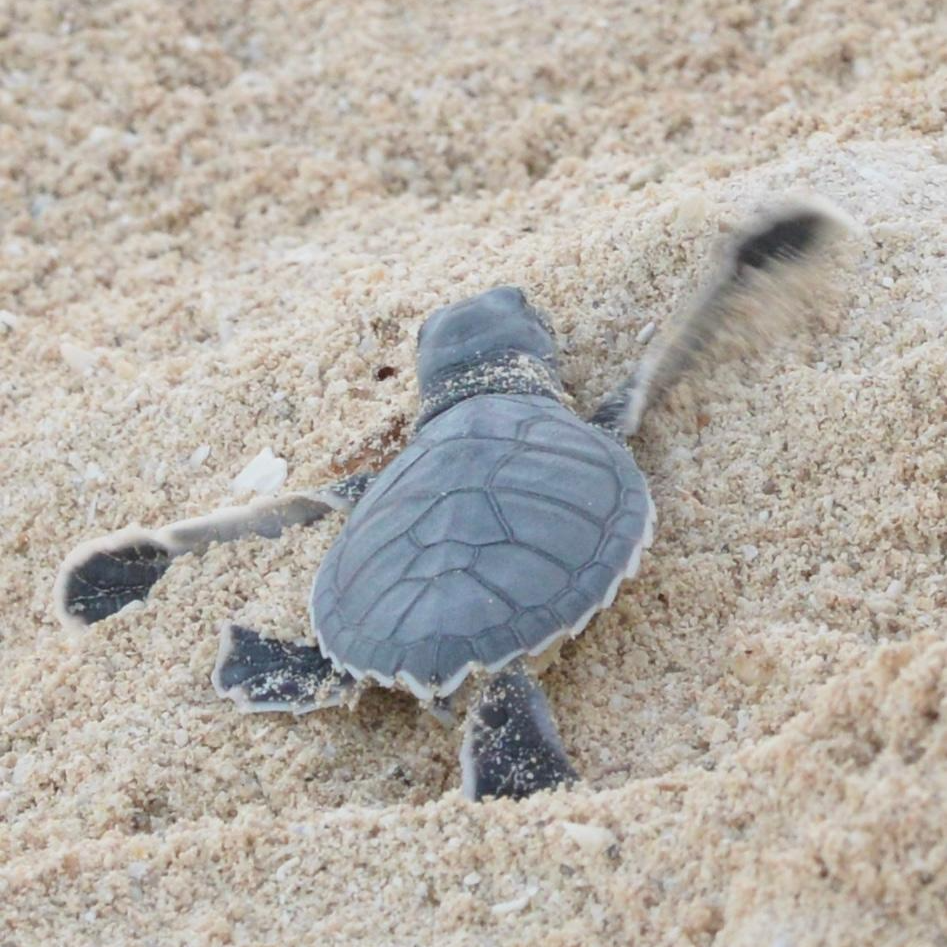
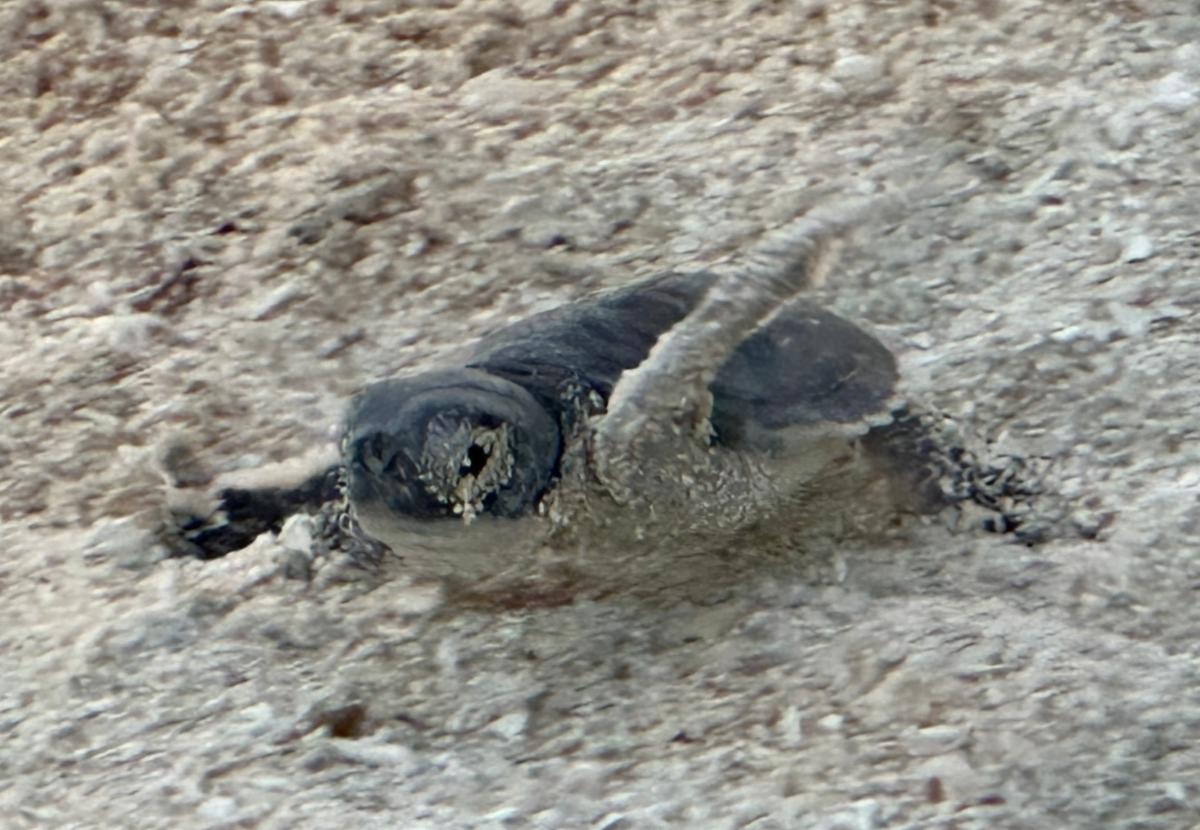
The statistics are well known: only 1 in 1,000 sea turtle hatchlings survive to adulthood. Sea turtles are the worst parents. The male impregnates the female, then off he goes to find another. The female makes her way to the beach to lay her eggs, returning to the ocean as soon as she is done. Fifty days or so later, the hatchlings emerge from the nest and, without any parental care, must find their way to the ocean, swim miles and miles to a patch of sargassum grass in the Gulf Stream, then spend the next few years there foraging and hiding from predators until they are big enough (about the size of a dinner plate) to make their way back inshore for more substantial feeding grounds. They are literally on their own from the moment mama drops that egg into the nest.


Because of these extreme challenges, many organizations globally provide the sea turtle version of a Head Start program to these quarter-sized reptiles to help improve their chances of survival. This includes keeping them in tanks or protected lagoons, providing healthy meals and proper nutrition, and monitoring their health. However, when it comes down to science, money, and success, head starting can be complicated and not necessarily successful.


In the Florida Keys, the process is simple. The Marathon Turtle Hospital is permitted by the FWC to keep only two rescued hatchlings for a period of two years before they are required to be released back to Mother Ocean. During this time, they are well nourished and cared for, which hopefully increases their chance of survival to adulthood. Additional space and funding are not needed for these tiny creatures at this well-equipped facility. But to be honest, we will never know if these littles survive.


In Hawaii, a major effort was put into a Head Start program. One group in particular released 1,000 green sea turtles from its head start program. Several years later, greens started nesting on the beach where the head starts were released, but where greens had never nested before. In doing so, they destroyed hawksbill turtle nests in the process of digging their own. So, by increasing the odds of one species, they inadvertently decreased the odds of another. It is important to note that the study did not track the released turtles, so it is not clear whether these nesting greens were the same ones released all those years ago. So, did the program work? No one knows.

Texas engaged in a large-scale, multi-year program involving green turtles between 1971 and 1988, releasing more than 18,000 post-hatchlings at 6–12 months old. While this program helped increase the immediate survival of hatchlings, there is no way to know how many of these babies survived to adulthood. The probability that a hatchling is still alive at maturity, which occurs between 10 and 20 years of age, is 0.078% and 0.06%, respectively. That’s still less than 1%. A lot of effort and cost with unknown results.

Once a sea turtle reaches its subadult stage, predation becomes less of a threat, while habitat loss and fisheries bycatch become the predominant dangers to populations of all sea turtle species. Without exaggerating, an estimated 12,000 sea turtles are unintentionally caught in fishing nets each year in the United States alone. Globally, that number is estimated to be between 250,000 and 300,000.


With such a high rate of bycatch (marine life accidentally caught in fishing nets), unless we could literally train sea turtles to avoid nets, all Head Start does is help a post-hatchling survive until it is released. There is no evidence of higher subadult or adult survivorship. Therefore, many researchers, including NOAA, believe that the only way Head Start programs will help increase overall sea turtle populations is through beach protection and Turtle Excluder Devices (TEDs) on commercial fishing nets.


Stay tuned, as that is the topic we will discuss next month.

🐢 Sea Turtle Nesting Season Underway

in the Florida Keys🐢

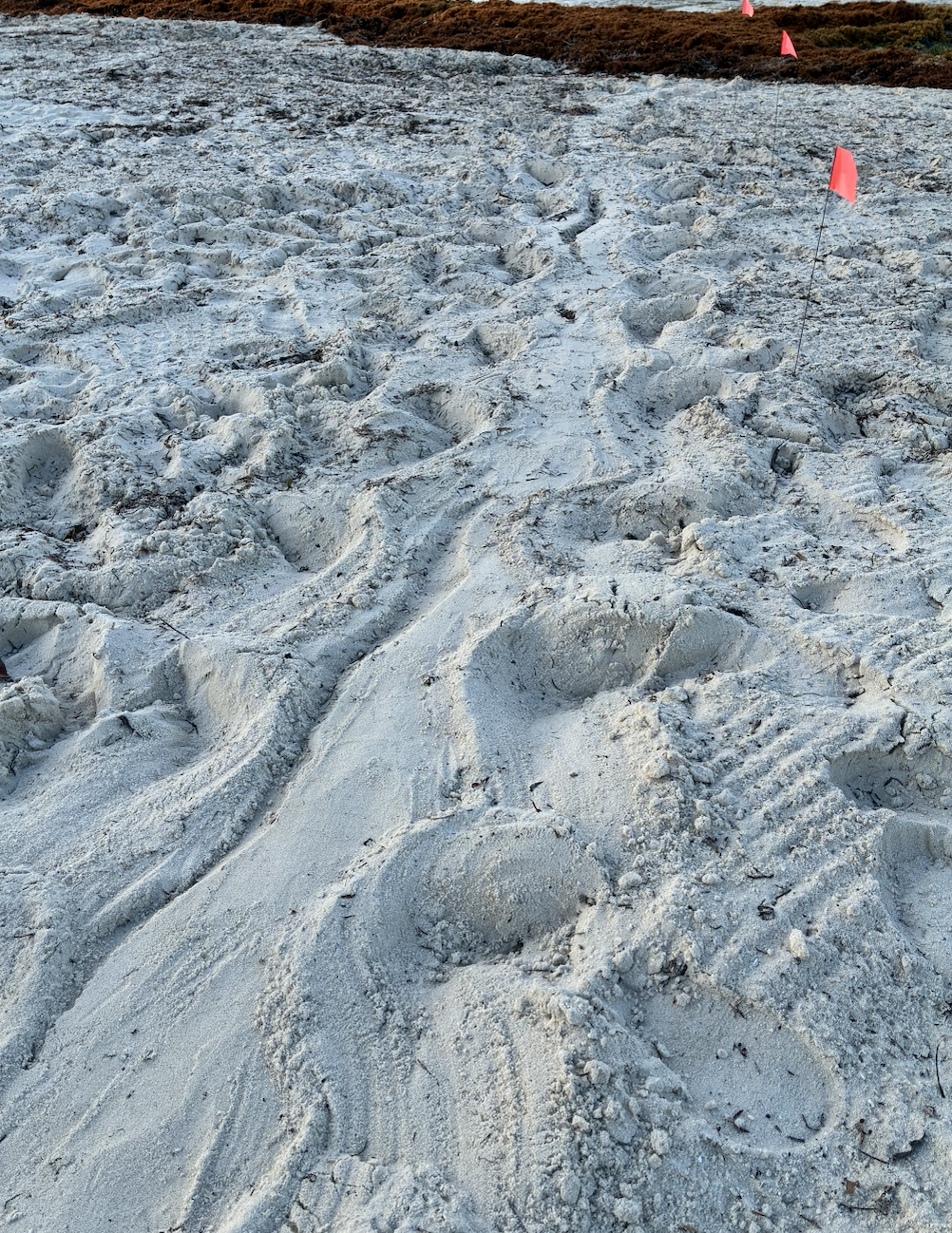
Sea turtle nesting season is officially underway in the Florida Keys, and signs of activity are being found on beaches throughout the island chain.


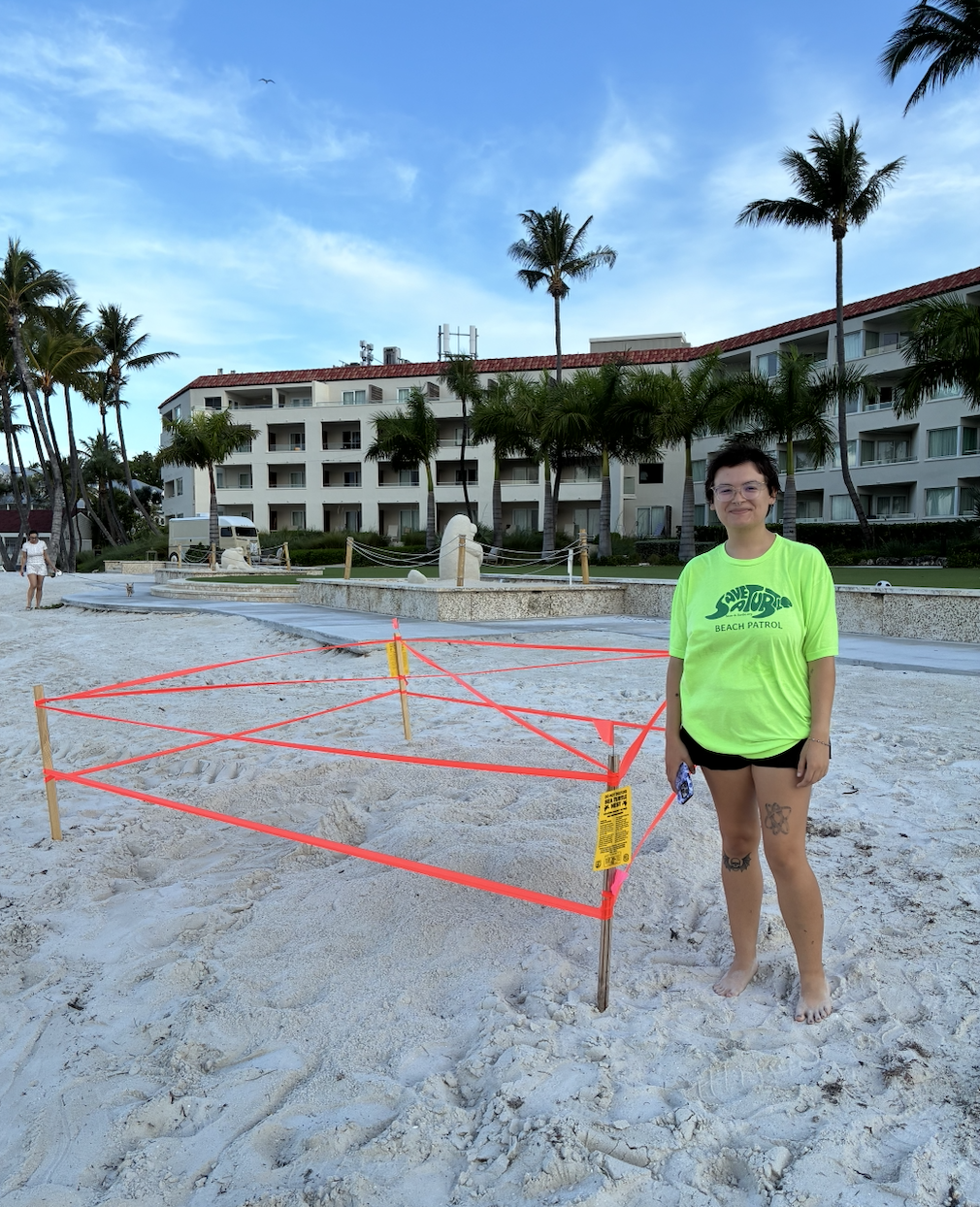
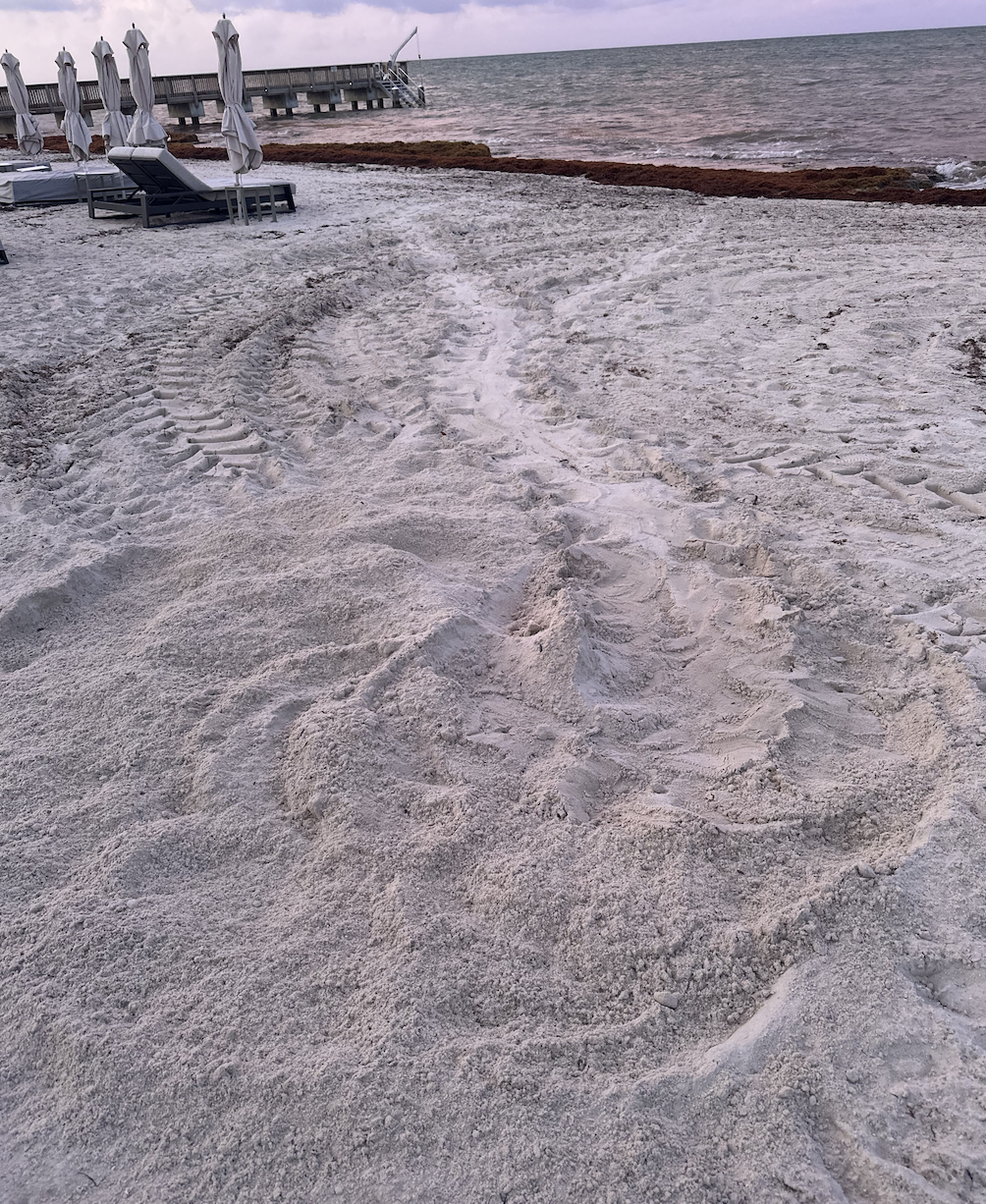
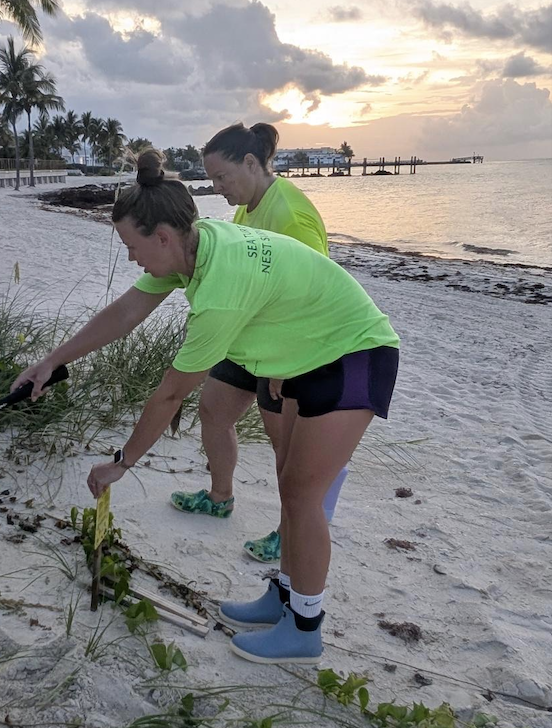
From April 15 through October 31, endangered and threatened sea turtles return to Florida's beaches to lay their eggs, continuing a cycle that has existed for millions of years. While most residents and visitors are still asleep, dedicated volunteers with Save-A-Turtle of the Florida Keys are already on the beach, searching for the telltale tracks and signs that indicate a sea turtle has emerged from the ocean to nest during the night.


When a nest is discovered, volunteers carefully mark and document its location to help protect it from disturbance. Throughout the incubation period, the nest is monitored until the hatchlings emerge and make their journey to the sea.


The work doesn't end when the hatchlings leave the nest. After a nest hatches, trained and permitted volunteers conduct a nest inventory, counting eggshells, unhatched eggs, and any remaining hatchlings. This information is collected and reported to the Florida Fish and Wildlife Conservation Commission (FWC), where it contributes to statewide nesting data and provides valuable insight into the health and trends of Florida's sea turtle populations.


The Florida Keys play an important role in sea turtle conservation, providing critical nesting habitat for species such as loggerheads, green turtles, and occasionally even leatherbacks. The data collected by volunteers helps researchers and wildlife managers better understand nesting success and make informed conservation decisions.


Interested in learning more about sea turtles or becoming part of the effort to protect them? Save-A-Turtle of the Florida Keys welcomes volunteers and supporters throughout the year.


To learn more, visit save-a-turtle.org and click on the Get Involved page.

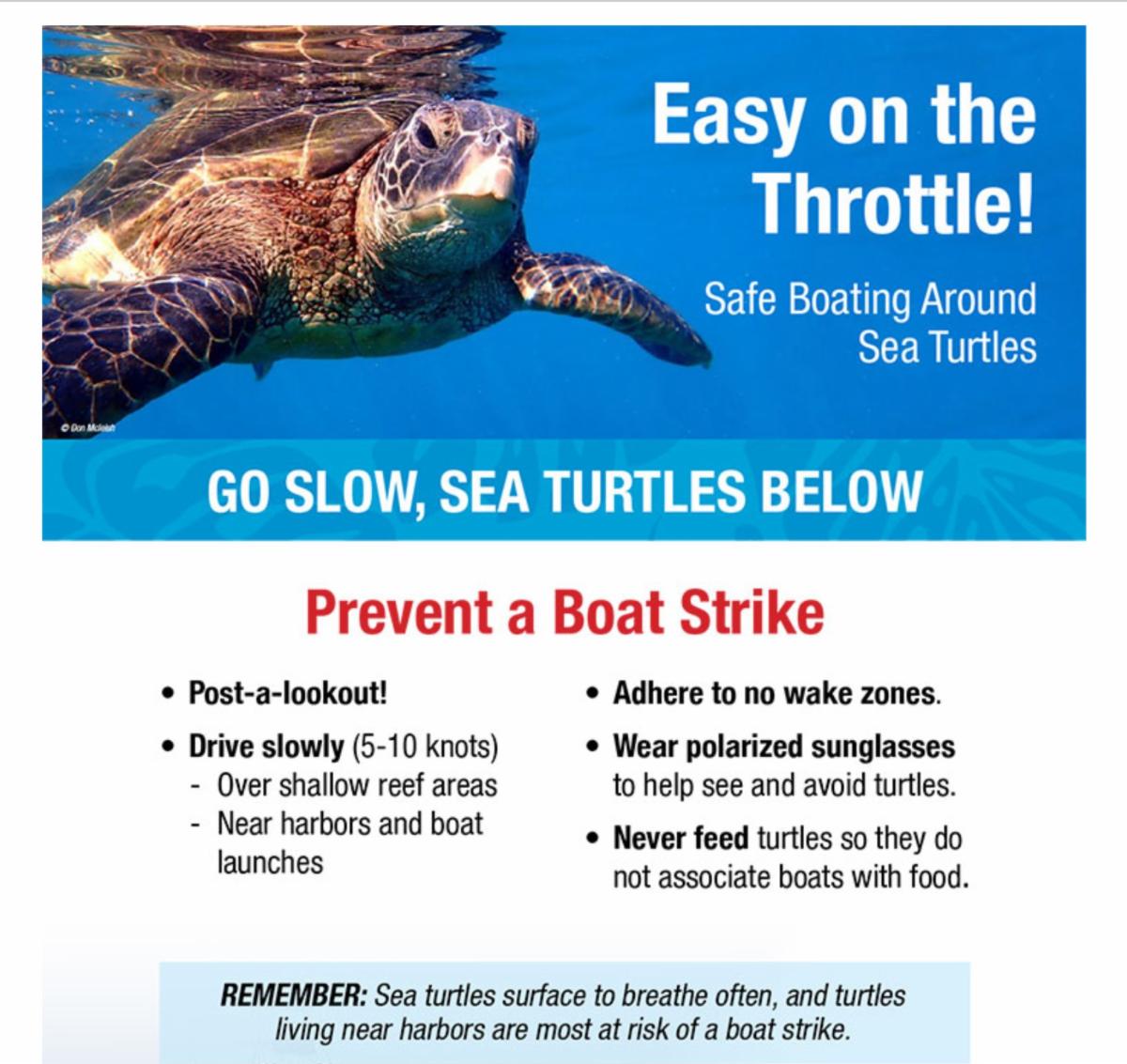
Protect Wildlife on the Water 💙🐬🐢

Outreach poster developed by NOAA Fisheries and the Hawai'i Division of Boating and Ocean Recreation

Outreach poster developed by NOAA Fisheries and the Hawai'i Division of Boating and Ocean Recreation


The Florida Keys are home to incredible marine wildlife, including sea turtles, dolphins, and manatees. Unfortunately, boat strikes remain one of the leading causes of injury and death for these animals. The good news is that many of these incidents can be prevented through safe and responsible boating.


You can help protect marine life by:


👀 Staying Alert – Watch for surfacing wildlife and unusual shapes in the water.

🐢 Slowing Down – Obey posted no-wake and slow-speed zones, especially in areas where wildlife is known to be active.


📞 Reporting Injured Animals – If you encounter an injured or stranded marine animal, contact the FWC Wildlife Alert Hotline at 888-404-FWCC (3922).


Every responsible choice on the water helps ensure that future generations can continue to enjoy the amazing wildlife that calls the Florida Keys home.

June 2026 Board Meeting

Save-A-Turtle Board Meeting

(meeting link is static and good for each monthly meeting)

Monday, June 8, 2026

6:30 - 8:30PM

Zoom Link

Meeting ID: 829 7023 2616

Passcode: 210787

One tap mobile

+13052241968,,82970232616#,,,,*210787# US

+16469313860,,82970232616#,,,,*210787# US


2026 Save-A-Turtle Board Members

President: Dawn Bowles

Vice President: Heather Skelley

Treasurer: Jill Reilly

Secretary: Brenis Hill

Board Member: Harry Appel

Board Member: Jennifer DeMaria

Board Member: Chelsea Oatman


Technical Advisor: Sue Schaf

🐢💚 Love Sea Turtles? Let’s Connect!

If sea turtles inspire you as much as they inspire us, we’d love to stay connected. Follow along on Facebook and Instagram for turtle facts, simple ways to help the environment, and behind-the-scenes looks at our conservation work.


You can also support our mission by visiting the Save-A-Turtle Online Store.


Together, we can make a lasting difference for sea turtles and the oceans they call home. 💙🐢

10 Tremendous Turtle Facts

To report sick, injured or dead sea turtles in Florida

call FWCC at 888-404-FWCC (3922)

Connect with us!!!
Facebook  Instagram