|
WMI SUMMER 2025 UPDATE
- 2025 Factbook Documents Significant Impacts of the Loan Program
- Summer Volunteers Reflect on Their Internship at WMI's HQ in Buyobo, Uganda
-
Rural Businesswomen Speak Out in WMI's New Videos
- Solar Panel and Water Tank Project Completed in Tanzania
- Mobile Clinic Expands Services for WMI Borrowers and Their Families
- WMI Local Staff Prove to Be Excellent Stewards of Their Buildings
| | |
Country Updates
Uganda: The Uganda government, in partnership with Germany, Norway and the EU, launched a Women Enterprise Program, aimed at training, coaching and, mentoring 600 women’s groups that have developed a green energy business model. The Monitor reported that the Minister of Gender, Labor and Social Development, Betty Amongi, emphasized that, "women are more likely to reinvest their earnings directly into their families, improving health, education, nutrition, and household stability.” She contrasted this investment style with men, who she said, “often prioritize personal interests before family welfare”. Article
Tanzania: The Tanzania government, in partnership with UN Women, launched its first National Action Plan (TNAP) on Women, Peace and Security to provide a framework for women’s equal and meaningful participation in peace processes, conflict prevention, humanitarian response and post-conflict recovery. The government called it a “significant step to advancing gender equality and reinforcing national peacebuilding efforts”. Article.
Kenya: Anti-government protests continued throughout the summer in Kenya, with the death toll rising to 31 killed in police actions. The protests erupted last year in response to a tax bill raising personal tax rates while people are experiencing a cost-of-living crisis. Although the tax bill was withdrawn, the protests continue over the government’s mounting foreign debt and continued cost-of-living increases. Article.
| | 2025 Factbook Documents Significant Impact of the Loan Program | | |
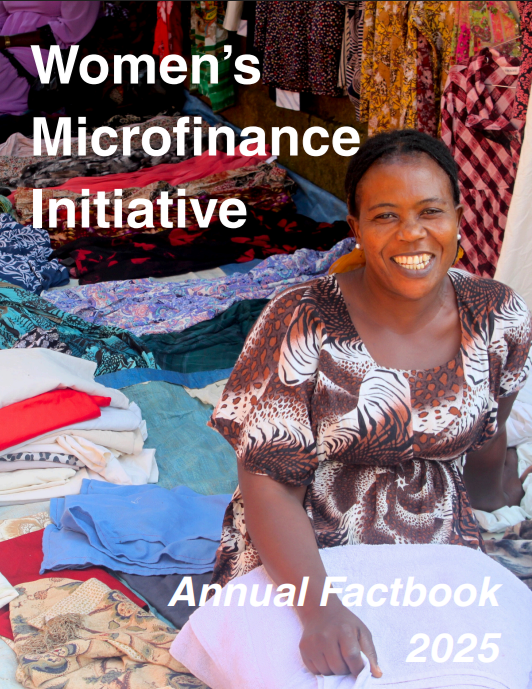
WMI's dedicated summer interns analyzed 3,471 borrower surveys to create this year's Fact Book. It provides fascinating insights into the lives of the rural women we serve and documents just how profoundly the loan program disrupts the cycle of poverty.
The most significant impact continues to be the increase in monthly income. The average income was $31/month before entering the loan program. It rose to $169/month after completing the two year basic loan program - an increase of over 450%. Increased income translates into a woman’s ability to improve household living conditions for herself and her family.
Check out the Fact Book - see how the investments you have made in WMI have nurtured resilient and successful rural businesswomen! 2025 Fact Book
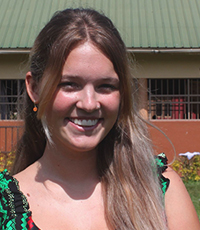
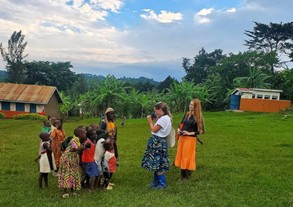
| | | Interns Reflect on Their Summer at WMI HQ in Buyobo, Uganda | | High school and college interns and volunteers have contributed significantly to the loan program’s success. For the past 18 years (except during Covid), the community of Buyobo, where WMI has its East Africa headquarters, has welcomed these young adults into their homes and their hearts. This summer Miranda Mowrey and Anastasia Crowley made the long journey to Uganda and each reflected on the time spent in this special place. Meet our interns and share their insights from their summer of supporting the loan program. | | Miranda Mowrey, 2021 graduate of Towson University, has been a WMI volunteer since 2023, initially helping with impact data analysis, website updates and media content. In 2024, she was added to the Advisory Board as Media Manager, strengthening WMI's media presence and supporting field work projects. After two years of supporting WMI from the U.S., Miranda was thrilled to spend her first summer in Buyobo, supervising the internship program and working in program operations firsthand, not just through a computer screen! | | | Anastasia Crosley is a rising senior at Duke University, pursuing a major in public policy and minors in markets and management, as well as African studies. Through studying international development at University College London and volunteering for Amnesty USA and Oxfam Great Britain, she grew passionate about addressing global inequality. Last summer, she worked for the US SBA, extending business opportunities to low-income women. After witnessing the impact small amounts of capital can have, she joined WMI’s internship program to help advance similar opportunities to women in rural Uganda. | | | |
Miranda’s Reflection
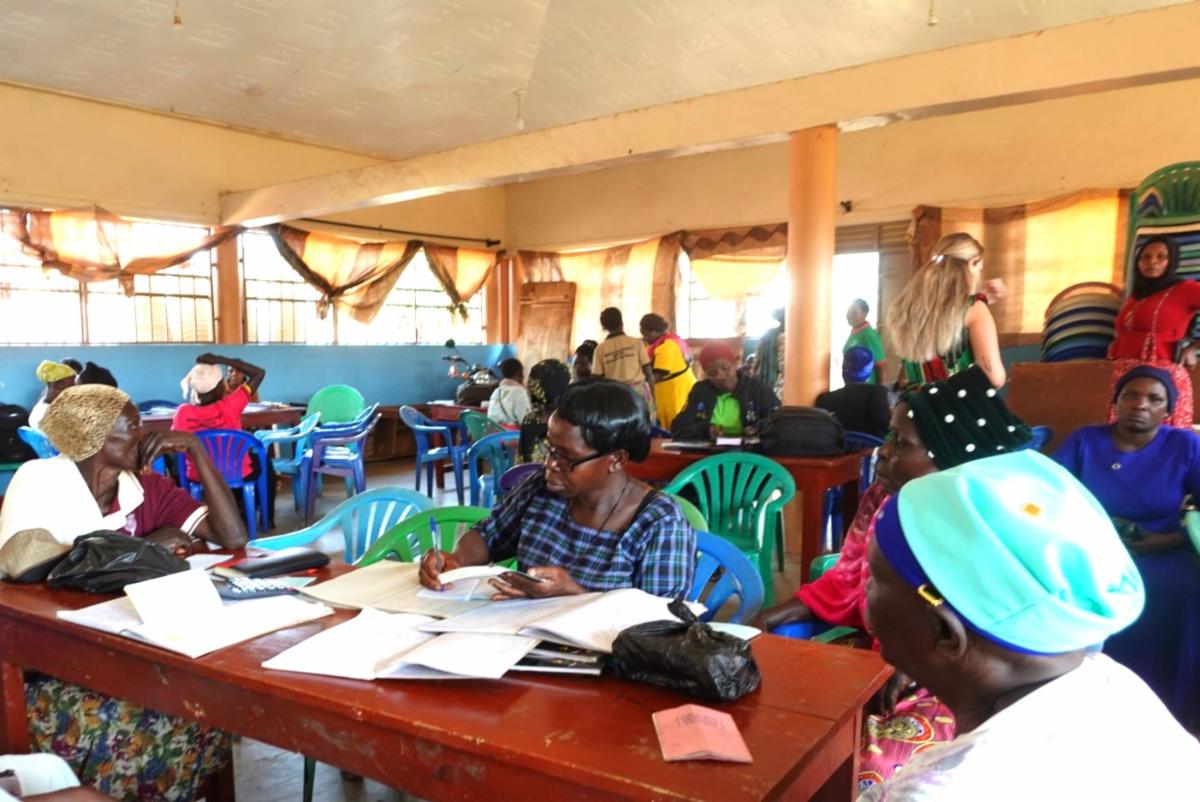
On our final day in Buyobo, Anastasia and I sat around a small table, elbow-to-elbow with the WMI women we have grown to know over the past five weeks. It was loan disbursement day and borrowers were already lining up outside the hall, a buzz of anticipation clinging to the air. There was so much to do! We divided and conquered the tasks ahead. Some women concentrated on sifting through stacks of pink and yellow Ugandan shillings, others separated them into smaller piles of 300,000 shillings each, and Anastasia and I were responsible for sealing the allotted bills into crisp brown envelopes for the new borrowers.
As I worked, a stack of thick envelopes grew at my side as the piles of shillings on the table slowly disappeared. My hands moved in front of me while my mind revisited the unforgettable moments I have experienced since my arrival. I thought of Phyllis’ school, a sanctuary emanating with joy and opportunity for so many budding children. I thought of Liz studying to get her medical degree thanks to her mother’s incessant hard work and dedication to her children’s education. I remembered Timothy’s new glasses, bought for him by his grandmother. I saw the pride in the eyes of countless women standing beside their renovated home, healthy business, or strong, stable family.
I looked in my hands and read the names scribbled in blue pen on the envelopes: Rose, Juliette, Phoebe. I felt like I was doing something much more meaningful and precious than throwing a few bills into an envelope. Instead, I felt like I was planting a seed in the soil that would soon be handed to a rural woman to grow herself. I was observing, in this small office on my last day in Uganda, the crucial first step to alleviating poverty and to providing a path towards a better life. Over this summer, I have seen the beautiful, big flowers that blossom from such seemingly small seeds. I have even noticed that these flowers often disperse seeds themselves, without WMI's intervention, allowing others to grow strong and tall, too. Carefully, I seal the last brown envelope and head home for lunch, peaceful in the fact that the seeds are in good hands. A woman is the best gardener in the world.
| | |
Anastasia's Reflection
We created a documentary-style impact video with interviews, montage footage, and music highlighting WMI’s “ripple effect” on people beyond the borrowers, including their children, employees, and customers. While survey responses and borrower interviews revealed the remarkable impact of loans on their recipients, who could now feed themselves or afford life-saving medical treatment, it was through making this video that I realized the full scope of WMI’s impact.
I teared up as an orphaned child recounted the day a WMI borrower took her in, and as a borrower’s husband relayed the newfound “smiles” at home due to the increased household income. To say that their stories were powerful would be an understatement. Whether it be this new creative perspective or novel regressions, we were able to contribute a degree of originality to how WMI presents its impact data and communicates its impact.
A highlight of every day was teaching English and math at Buyobo primary school, where we led a geometry scavenger hunt, grammar jeopardy, and other learning games. The kids looked forward to our sessions, albeit mainly because of the candy awarded to winning groups. We also participated in WMI-supported community initiatives, like the Boys and Girls Group, Table Tennis Club, field visits with the Village Health Team, and touring the medical center.
Each evening when we returned home children would pop out of the forest to make friendship bracelets, have dance parties, draw with crayons, and play soccer with us in the front yard. We joked that we were running a village daycare with the number of kids that were showing up by the end of our stay, but we wouldn’t have had it any other way.
| | New Videos Tell the Story of WMI's Impact | | |
After a summer of visiting businesses, interviewing borrowers, talking to family members, attending loan repayment meetings, discussing program operations with the WMI leadership team, and participating in community activities, the interns created a new WMI video to document the impact of the loan program.
The original footage conveys the myriad ways the loan program improves the financial well-being of the entire community and surrounding region.
Unforeseen impacts can be quite profound because the beneficiaries never expected to realize any gain from a loan program in which they did not directly participate. Yet, the ripple effect of providing accessible loans and training to village women touches divergent community members in unexpected and life-changing ways. Check out the video to see how WMI is changing lives one loan at a time. Impact Video.
| | | |
Also new to the web site are the videos the interns created of the new Asset Loan Program. Borrowers accessing these new, larger loans, discuss how the increased financial support allows them to expand their businesses. The construction financed by these loans is turning Buyobo into a regional marketplace. Asset Loan Video.
The interns also captured the summer business trade show at WMI’s HQ compound. Businesswomen from across Sironko District and beyond displayed their goods and services to customers who travelled to Buyobo for the event. Mixed in with the sales were discussions on new marketing ideas and customer requests for additional products to be available at the next event. By organizing these events, WMI gives our businesswomen an opportunity to assess consumer demand and spot trends that are emerging. Savvy business owners immediately began planning on how to respond to the customers’ demands at the next trade show. Trade Show Video.
| | Solar Panel and Water Tank Project in Tanzania Completed | | | | |
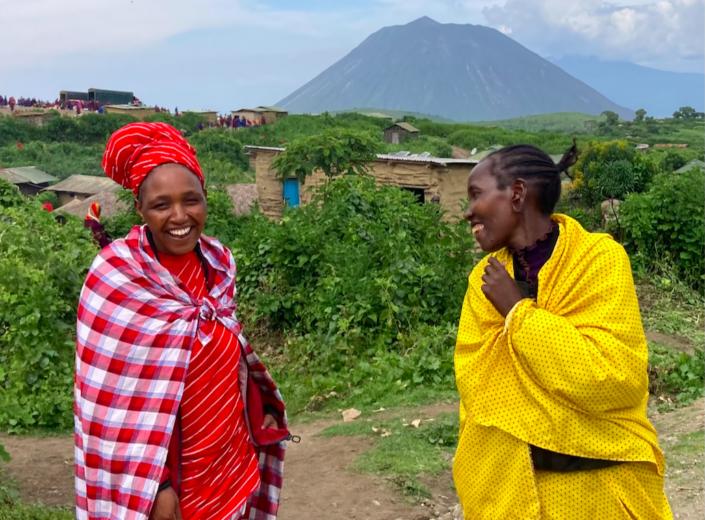
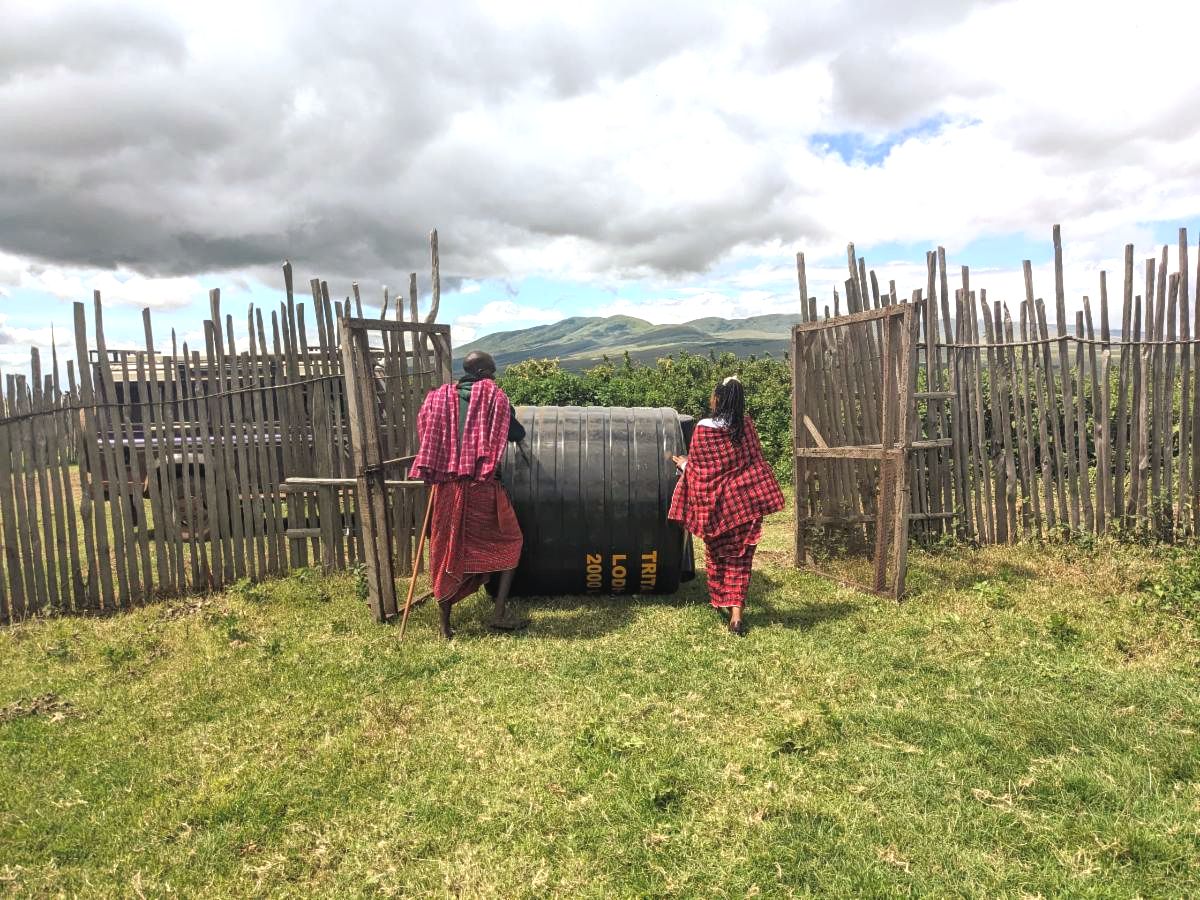
The windswept highland plain of the Ngorongoro Plateau in northern Tanzania is home to semi-nomadic Maasi families who face multiple challenges in obtaining clean water and power in this rugged and isolated landscape. Since WMI first supported loan groups in this area over fifteen years ago, women have consistently cited access to water and power as critical ongoing concerns.
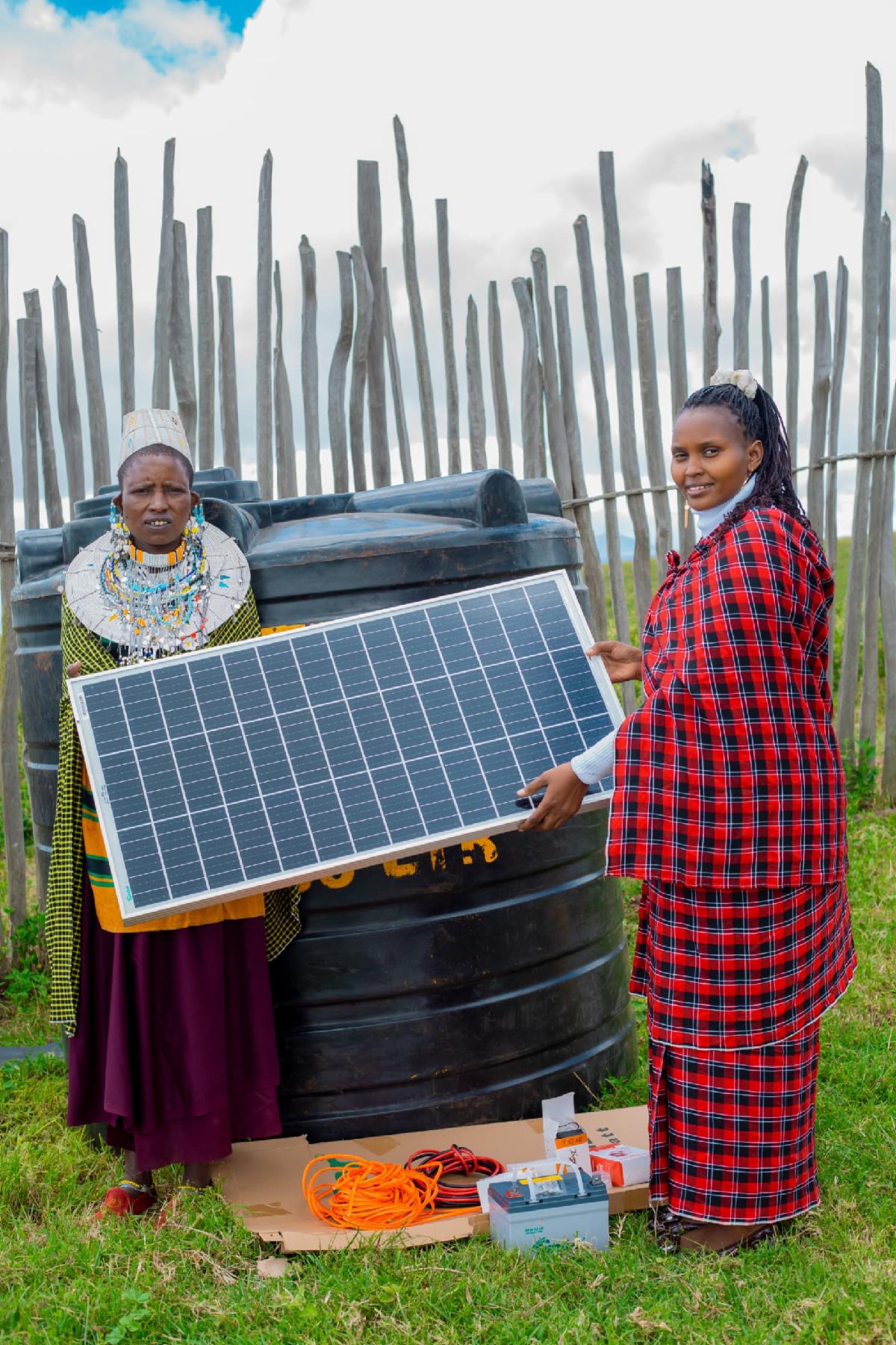
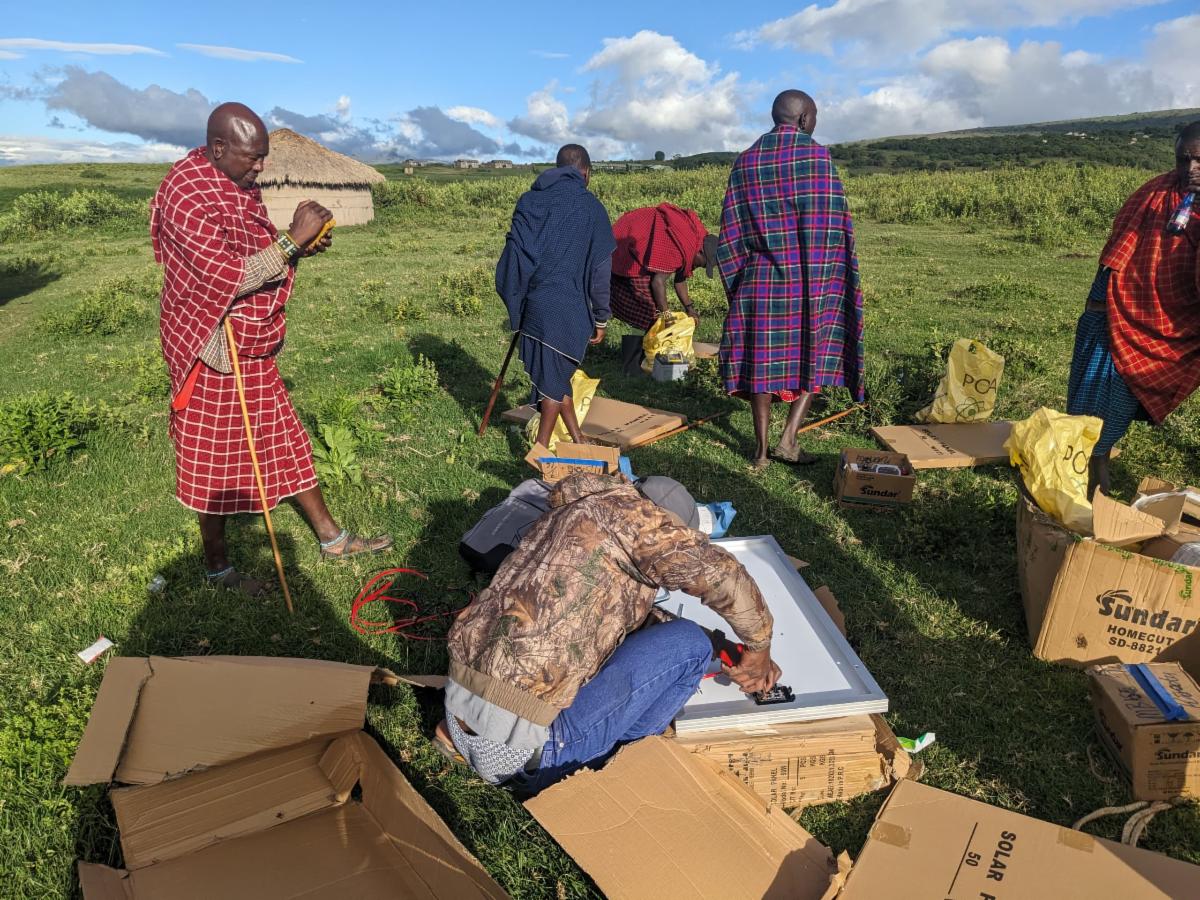
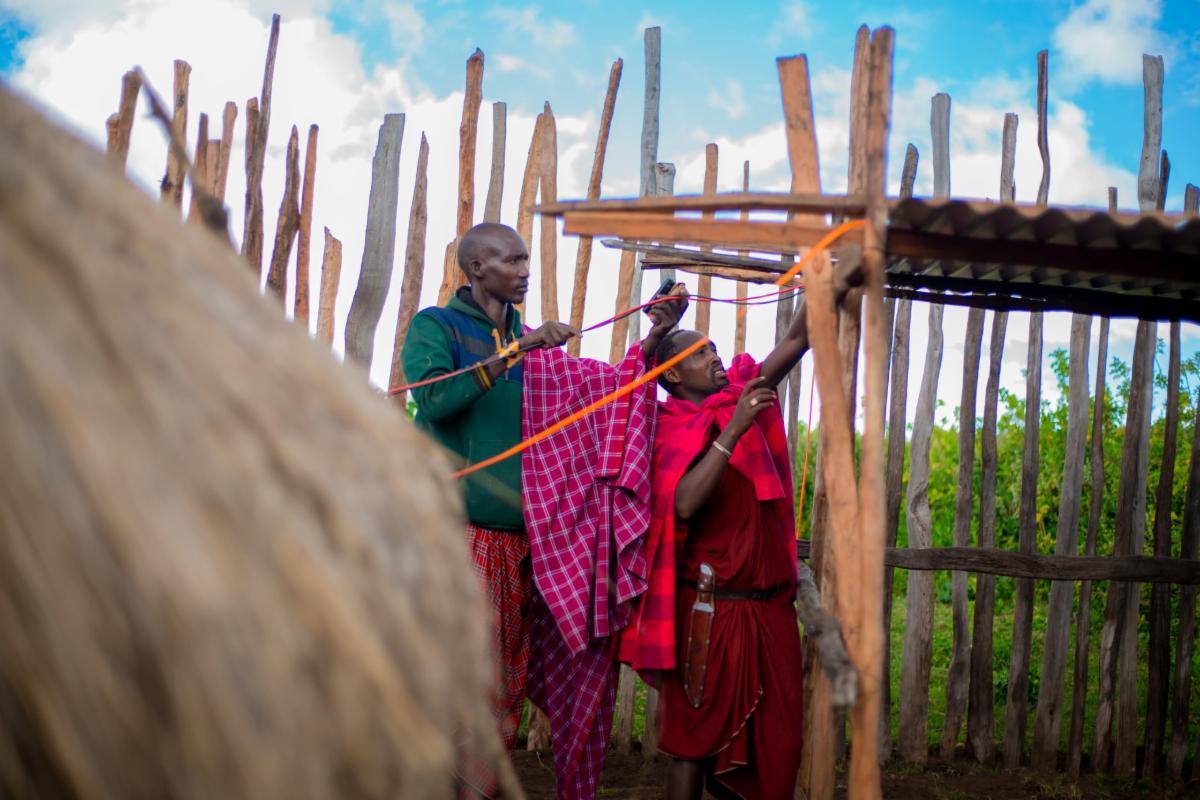
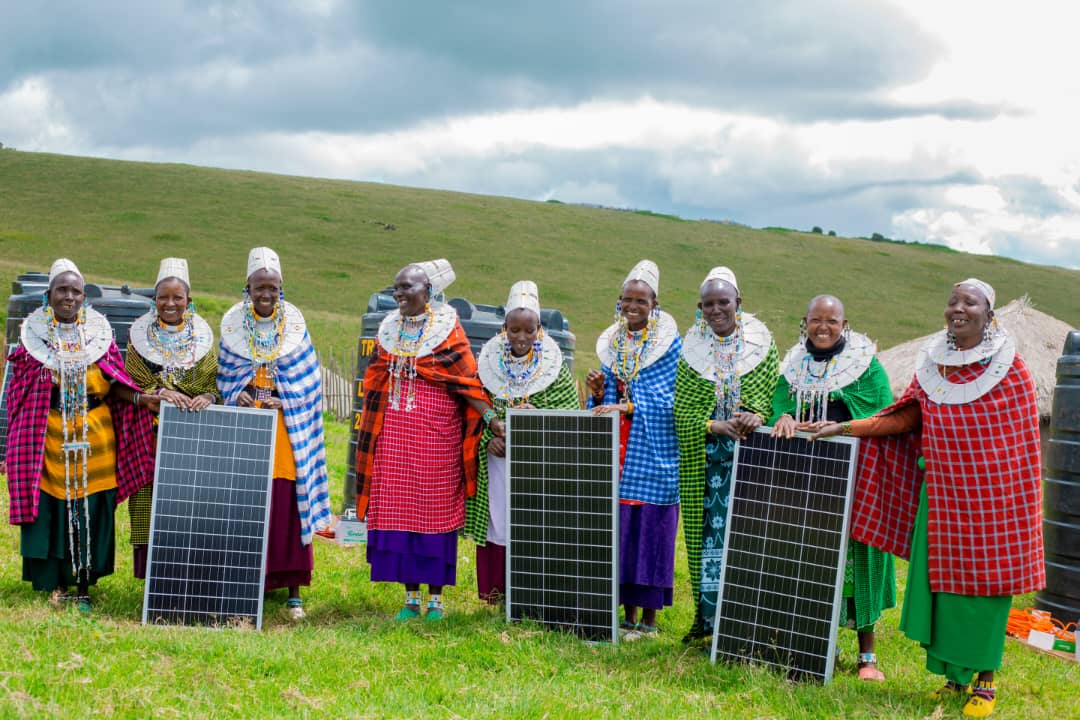
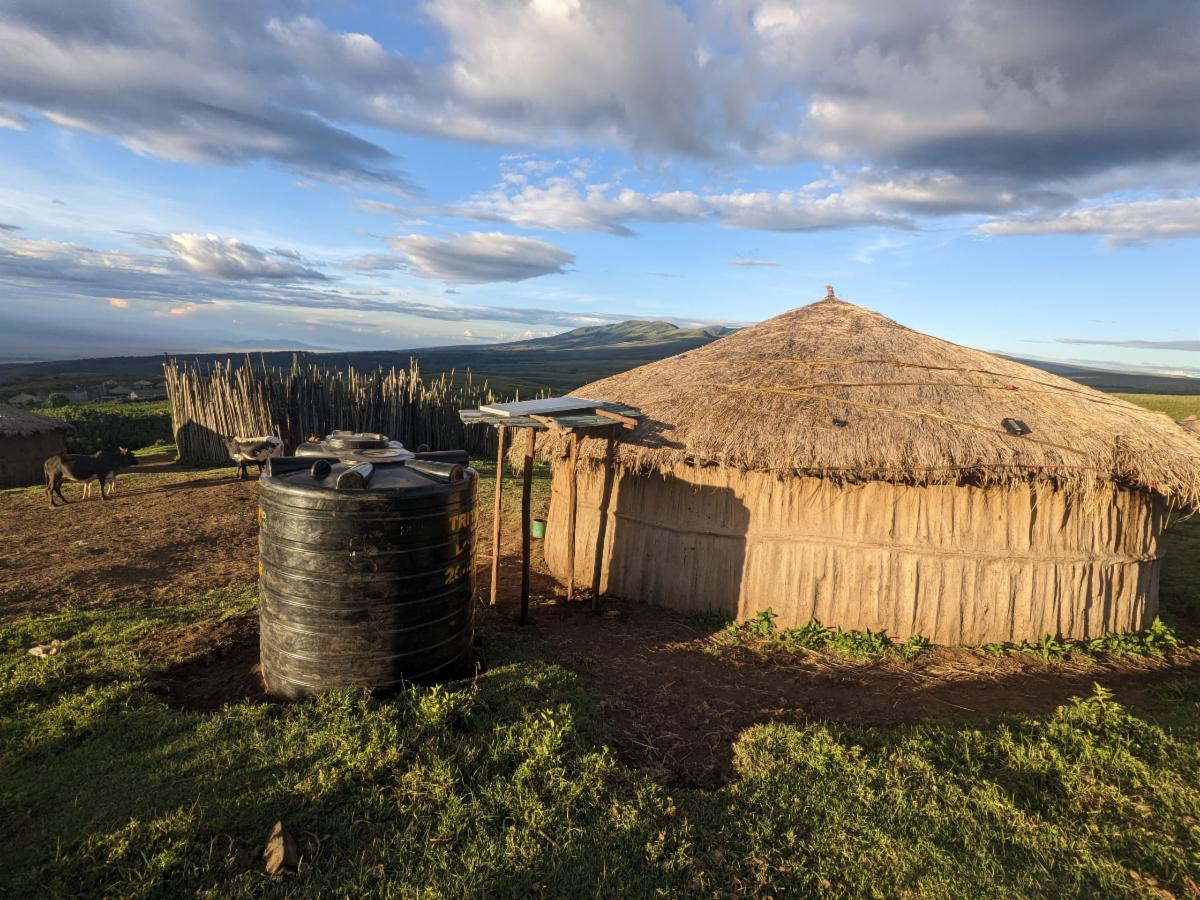
This Spring, WMI implemented a community-based project supporting Maasai women in loan groups through the installation of home solar panel systems and the distribution of large-capacity water tanks. The initiative has reached 100 women with solar panels and 50 women with water tanks, enhancing their quality of life, reducing environmental and health risks, and easing the time burden associated with water collection and fuel sourcing. The women provided a 25% downpayment on the panels/tanks and WMI funded the remainder.
| | |
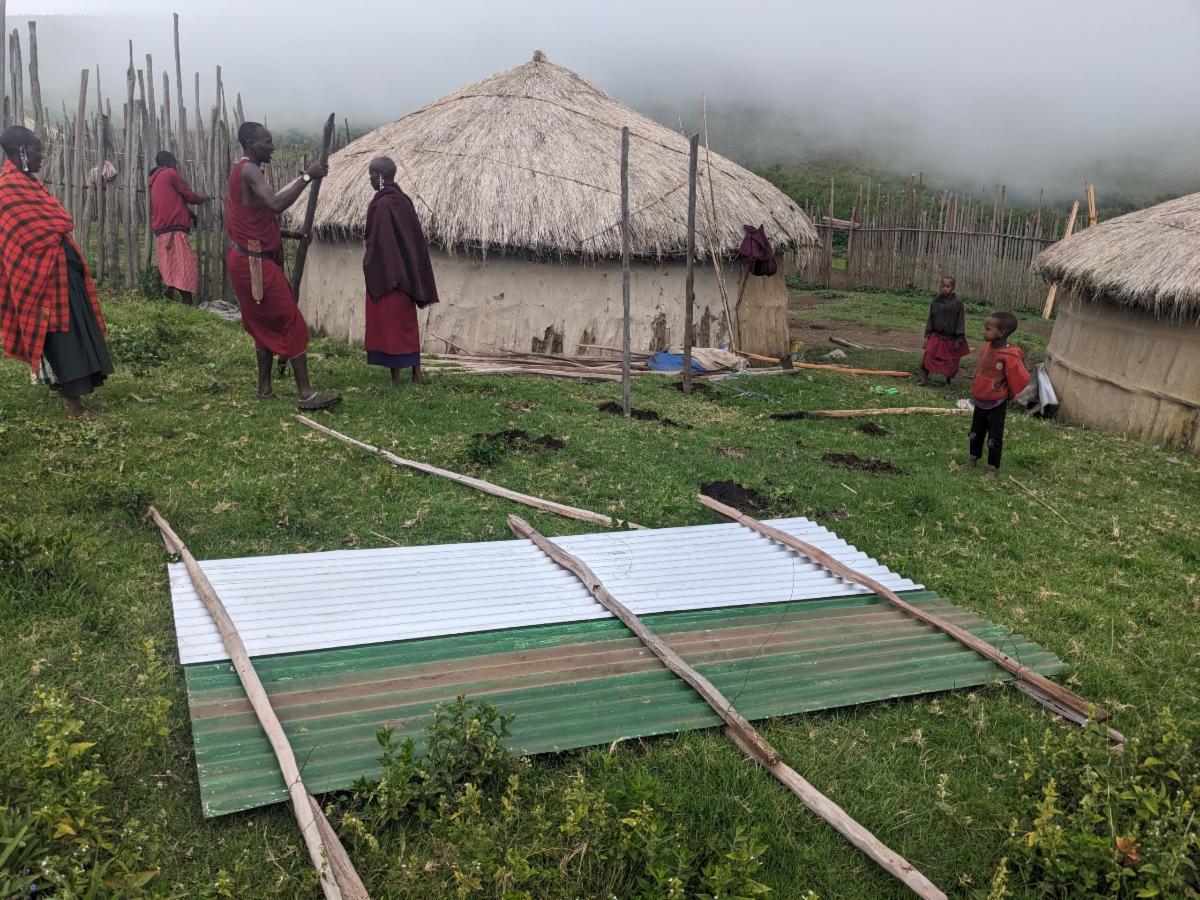
Community engagement was a cornerstone of the project’s success. WMI's local partner, Resiiant Communities Africa Foundation (ReCAF) led a participatory planning process to ensure local ownership, transparency, and alignment with community priorities. Village leaders, elders, government representatives and traditional authorities in Olchaniomelok, Oltarara, Sikiria and Ormorogi were involved from the early stages to build trust and gain approval from the community for the project. Women were trained to oversee regular cleaning and upkeep of the tanks and solar kits, with technical support available as needed.
Delivery and installation of the solar systems and water tanks in this remote area was a logistical challenge. Four locations at local schools and villages that the trucks could reach were used as delivery points for all of the the equipment. From there the men helped the women take the tanks and solar systems to their homes, where technicians met them to handle the installation. Local youths were trained to provide first-level technical support for the solar equipment. Local and traditional networks were created for coordination, troubleshooting, and updates. Loan groups are now incorporating a small maintenance fund into their regular savings to cover minor repairs and upkeep.
The photos tell the story of the extensive teamwork and community engagement that made this project a success.
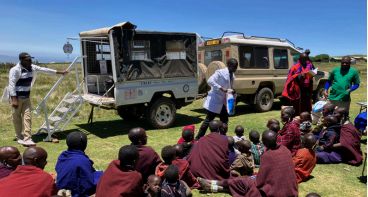
| | Mobile Clinic Expands Services to Borrwers and Their Families | | WMI’s support for the mobile medical clinic operated by Dr. Shemagmebe that serves Maasi women and their families in the WMI loan hubs in the Ngorongoro Conservation Area (NCA) of northern Tanzania continues to expand its operations and impact. Two more health facilities were added to his rounds this year to make a total of 13 Health Facilities and 49 villages that he personally visits and provides health services to each month. | | |
Maasi families living in the NCA are under intense pressure from the government to relocate so that the region can be further developed for tourism.
This year the government delayed renewing Dr. Shemagembe’s access permit for two months. During this time period he was concerned about a potential Measles outbreak due to the disrupted childhood vaccination schedule. When his permit was finally renewed, he was able to resume vaccinations.
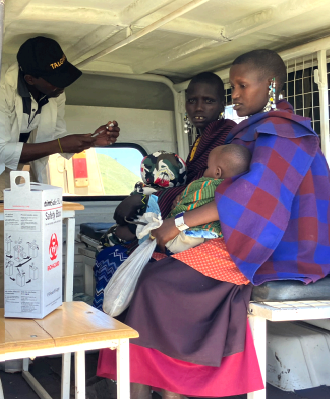
In the past year, the mobile medical clinic has provided over 45,000 vaccination to children, teenage girls and pregnant mothers. In collaboration with rudimentary health facilities in the NCA, the mobile medical program delivered a total 8,236 doses of vaccines of various antigens during the month of May alone! It has become a critical lifeline for the women and families WMI serves in this remote region.
| | WMI Local Staff Excel As Stewards of their Facilities | | |
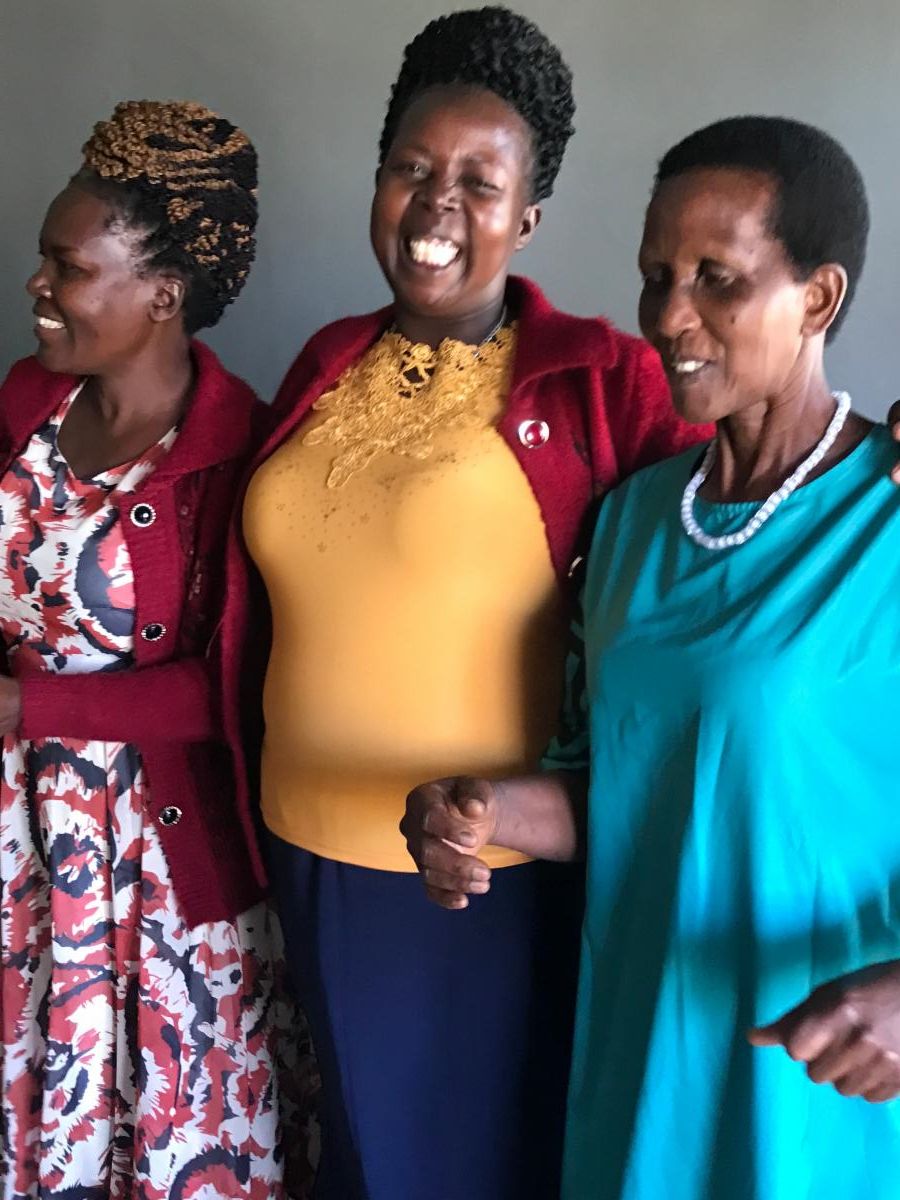
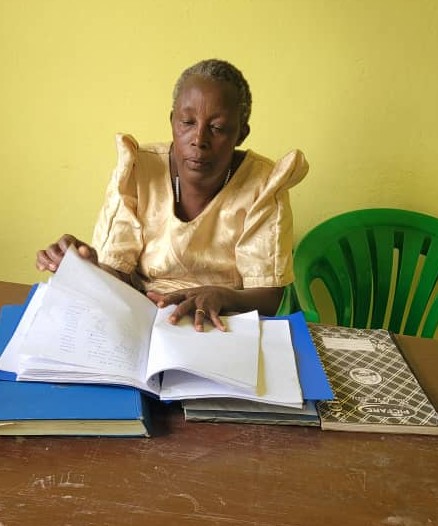
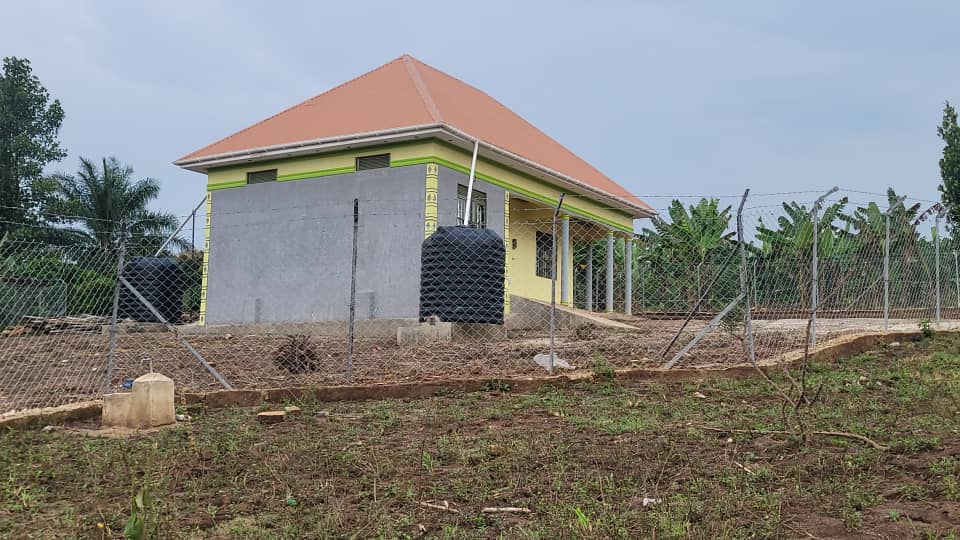
Construction of physical meeting spaces and administrative offices has turned out to be a critical component of WMI’s mission to establish rural loan hubs to serve village women. Over the years, we have constructed over a dozen buildings and meeting pavilions.
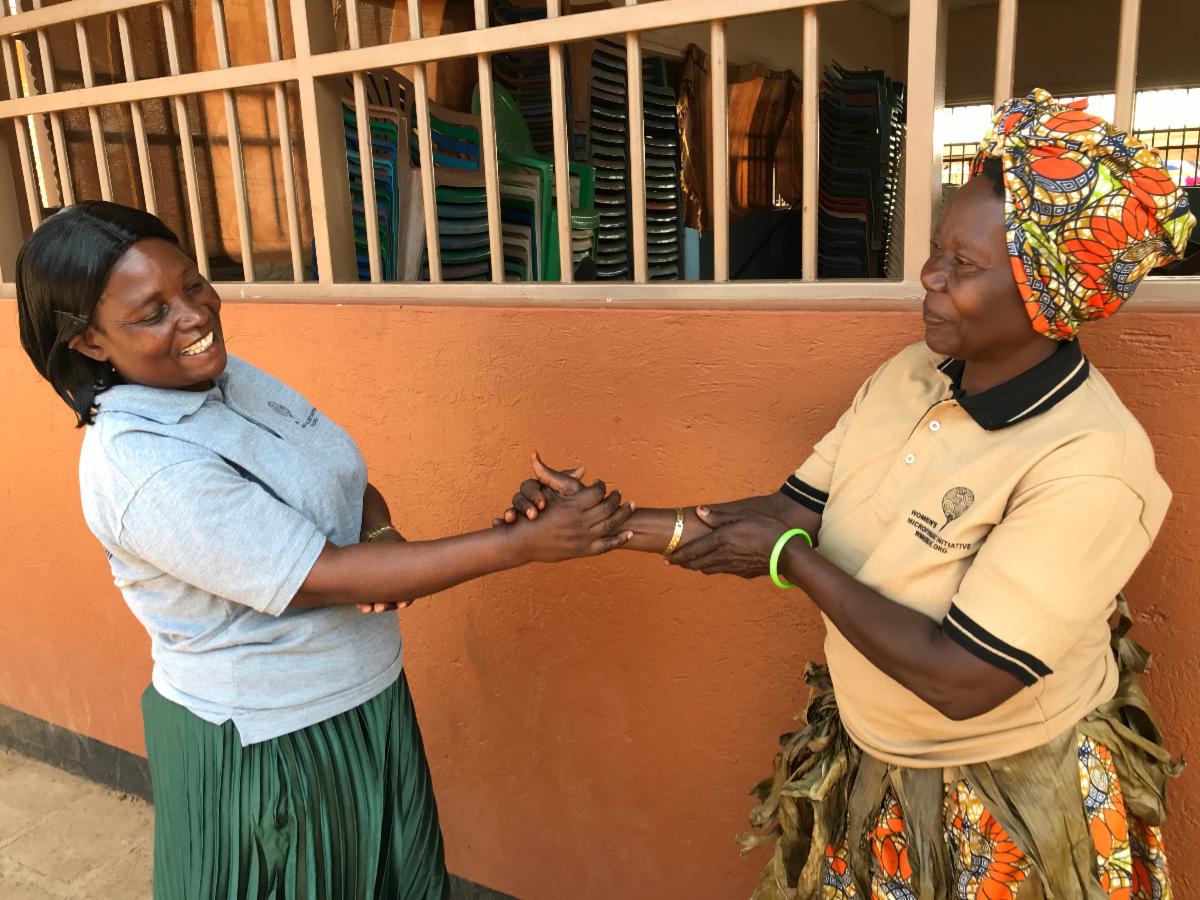
Ensuring that these facilities are well-maintained falls on the shoulders of the local loan hub staff. We are delighted to report that the ladies responsible for overseeing building operations take their responsibility seriously and the loan hub members take great pride in their keeping their facilities neat and tidy.
The most recent construction, a loan hub office in Kyegewa, Uganda was finished just before the beginning of rainy season. Specioza, the loan hub Chair, allocated funds from loan program income to prepare the area around the building for the planting of grass to combat erosion, which is a significant problem when the heavy rains start. Community members raked the area and created furrows for the fast-growing compound grass to take hold quickly.
| |
Thank You!
The WMI Board of Directors is extremely grateful to our donors - you make WMI's work possible. Thank you for your thoughtfulness and commitment to supporting WMI's program to empower rural women and families in East Africa. You are providing a lifeline that is truly making a difference in reducing global poverty.
| | | | | |