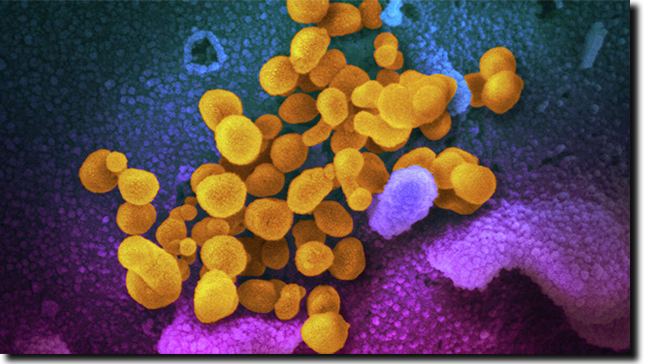
COVID-19 hospitalizations continue their steady summer march upward, and now a new variant has perched atop the list of the most prevalent forms of the virus.
Called “Eris” among avid COVID trackers, the strain EG.5 now accounts for 17% of all U.S. COVID infections, according to the latest CDC estimates. That’s up from 12% the week prior.
EG.5 has been rising worldwide, just weeks after the World Health Organization added the strain to its official monitoring list. In the United Kingdom, it now accounts for 1 in 10 COVID cases, The Independent reported.
|
|
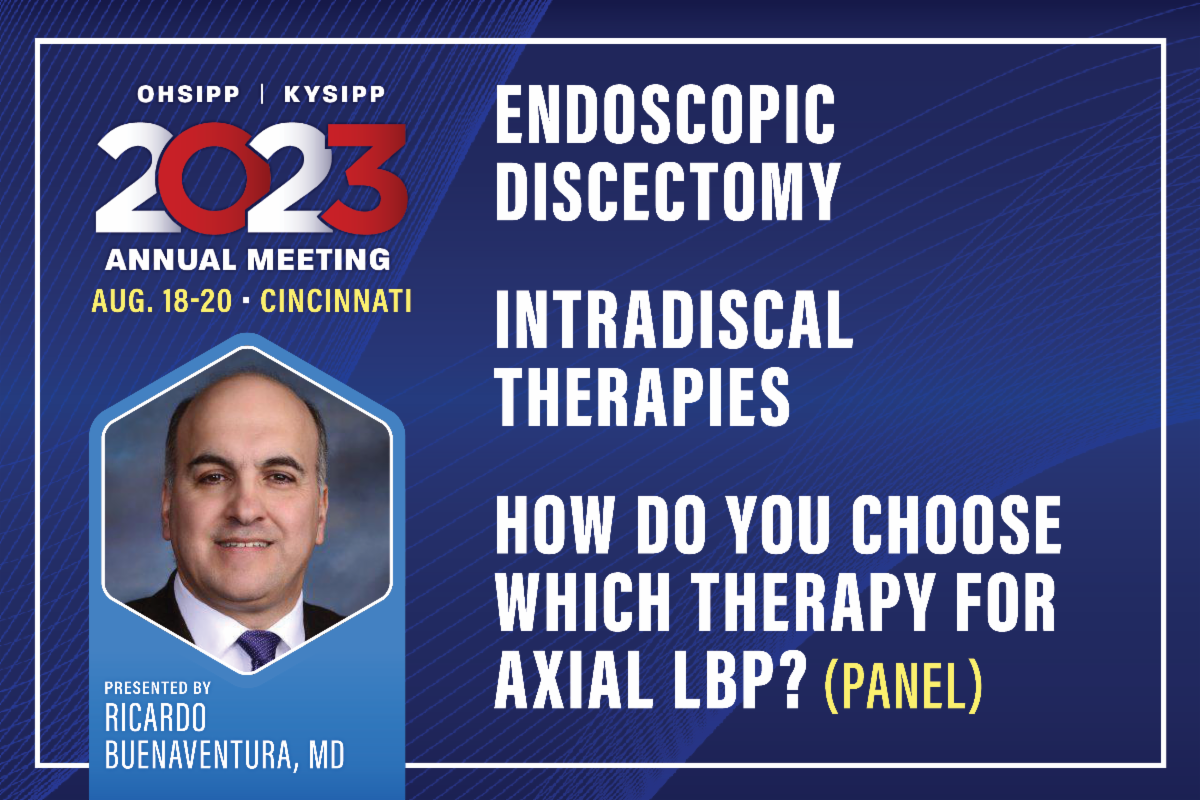
Join us August 18-20 for the 2023 OHSIPP-KYSIPP Annual Meeting in Cincinnati, OH, where cutting-edge advancements in interventional pain management will take center stage.
Don't miss this unique opportunity to network, learn, and collaborate with industry leaders. Secure your spot now and be part of shaping the future of IPM!
|
|
Coordinated funding is needed to improve treatment and address social determinants of health
The federal government spends billions of dollars each year to address the overdose crisis, but challenges remain when it comes to directing funding where it's needed most, even as disparities in care persist.
Fortunately, federal and state policymakers have an opportunity to address the current addiction epidemic more effectively and help turn the tide in this decades-long fight.
Traditionally, policymakers have looked at the issue through a narrow lens, focusing solely on pieces of the continuum of care in silos, but to make true progress in the fight, the federal government must develop a holistic strategy that addresses the risks -- especially societal ones -- leading to and exacerbating substance use disorder (SUD).
|
|
Researchers discovered a genetic subtype of dopamine neurons that fires during movement, contrary to the long-standing belief that dopamine neurons primarily respond to rewards.
This groundbreaking discovery has implications for Parkinson’s disease, a disorder characterized by the loss of dopamine neurons affecting the motor system. The study identified three dopamine neuron genetic subtypes in a mouse model, with one subtype not responding to rewards at all, only movement.
These insights redefine our understanding of dopamine function and offer potential new avenues for Parkinson’s disease research.
|
|
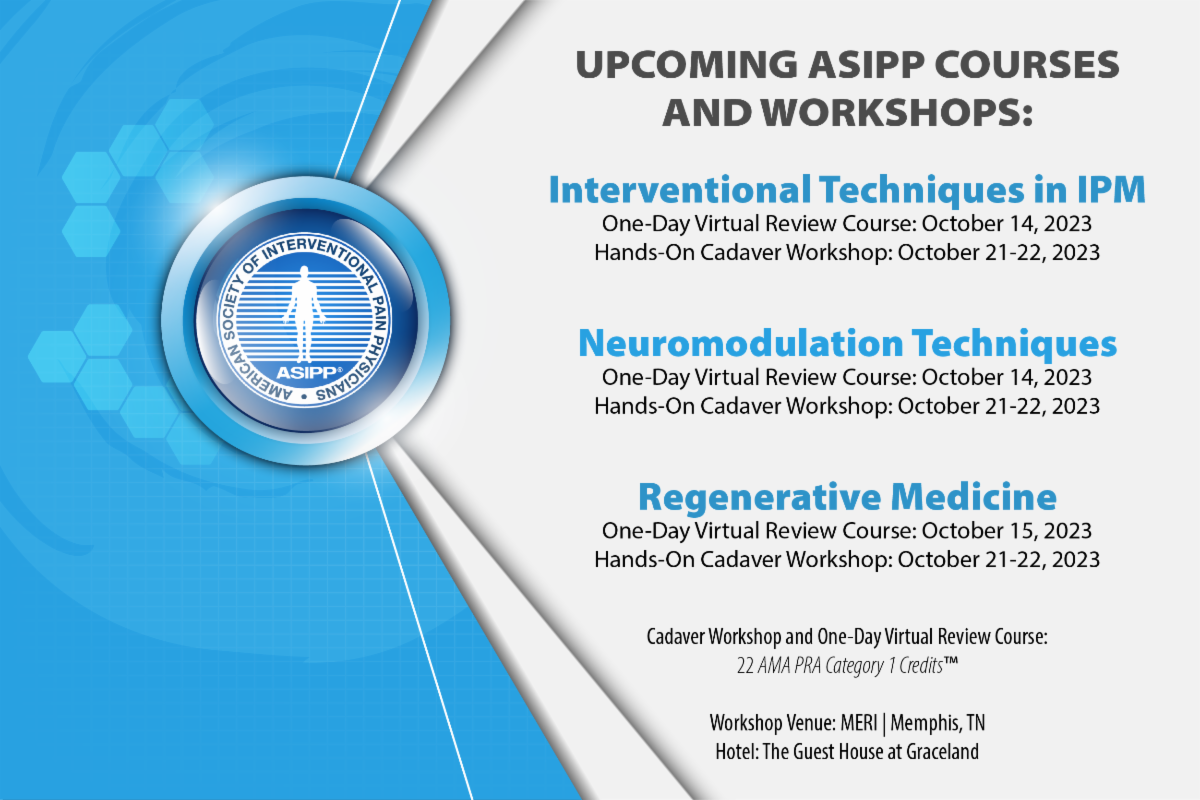
Interventional Techniques in IPM
Review Course & Cadaver Workshop
|
|
Regenerative Medicine
Review Course & Cadaver Workshop
|
|
The removal of excitatory synapses by astrocytes, triggered by stress hormones, can lead to mental illnesses induced by childhood neglect or abuse.
The study reveals that synthetic glucocorticoids, or stress hormones, can boost astrocyte-mediated phagocytosis to abnormal levels.
Utilizing human-induced pluripotent stem cells and brain organoids, they found that these processes occur in humans as well, potentially pointing to a way to prevent and treat such mental disorders. This pioneering research provides novel insights into understanding and treating brain diseases.
|
|
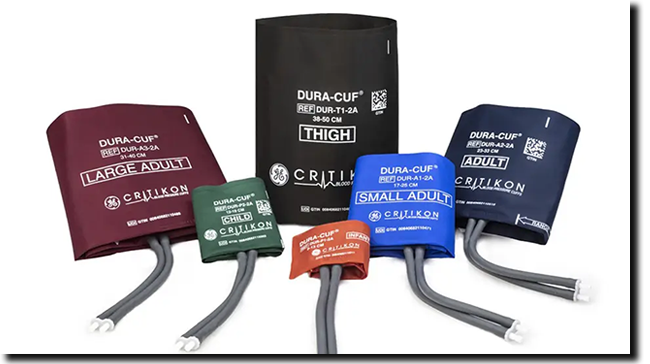
"Strikingly inaccurate" readings with ill-fitting cuffs, especially on larger arms
Using a "regular" size arm cuff with an automated blood pressure (BP) device for all adults resulted in inaccurate BP readings regardless of arm size, but especially in individuals with larger arms, the randomized Cuff(SZ) trial found.
With individuals who needed a small cuff, use of a regular-size cuff resulted in a 3.6-mm Hg lower systolic BP reading (P<0.001) than with an appropriately sized cuff, Tammy M. Brady, MD, PhD, of Johns Hopkins University School of Medicine in Baltimore, and co-authors reported in JAMA Internal Medicine.
On the other hand, for adults who needed a large or extra large cuff size, the use of a regular size cuff resulted in 4.8-mm Hg and 19.5-mm Hg higher systolic BP readings than with an appropriate size cuff (both P<0.001).
|
|
Virtual
ABIPP Part I; ABIPP Path - Combined DCCPM/CSM virtual exam; ABIPP Competency Exam in IPM; ABIPP Competency Exam in Regenerative Medicine
Memphis, TN
ABIPP Part II - Practical Portion; ABIPP Competency Exam - Practical Portion; ABIPP Regenerative Medicine Competency Exam - Practical Portion
|
|
New research found that variants of COVID-19 can affect the brain in different ways and that the blood-brain barrier can be impacted. Scientists exposed brain cells to multiple strains of SARS-CoV-2, including the original wild-type virus, alpha, beta, delta, eta and omicron.
They discovered that while all variants caused stress to brain cells, exactly which cells were affected depended on the variant. This research could lay the groundwork for future investigations into the impact of the virus on the brain and whether vaccination can protect against these effects.
|
|
Abstract submissions are open for
ASIPP's April 4-6, 2024 Annual Meeting!
The submission deadline is January 22, 2024.
Don't miss your chance to be part of an exceptional event,
sharing insights and discoveries that shape the future of pain management.
|
|
FDA and CDC have made yet another questionable decision
The FDA and CDC recently announced that previously unvaccinated Americans can now receive only a single dose of the bivalent Moderna or Pfizer mRNA vaccines. To be clear, this is not saying they can choose to have one or two doses and be considered fully vaccinated either way -- only one dose is available to them. The CDC made a related decision in respect to international travelers who fly into the U.S. They "will now be considered fully vaccinated 2 weeks after getting a single dose of either the Pfizer or Moderna mRNA vaccine any time after August 16, 2022, when bivalent formulations first became available." However, a more recent decision from the White House made this announcement moot by eliminating any vaccination requirements for arriving travelers.
In practice, these policy changes will probably not affect many people. The approximately 30% of Americans who have refused all COVID-19 vaccines for over 2 years -- often for political reasons and because of widespread misinformation -- are unlikely to change their attitudes merely because they are now limited to receiving only a single bivalent vaccine dose. And there would have been few international travelers, particularly foreigners, whose only vaccine experience would have been a single bivalent mRNA vaccine. Even so, it's worth exploring what lies behind what just happened.
|
|
Rahul A. Sastry, MD; Jia-Shu Chen, BS; Belinda Shao, MD, MPH; Robert J. Weil, MD; Ki-Eun Chang, MD; Ken Maynard, MD; Sohail H. Syed, MD; Patricia L. Zadnik Sullivan, MD; Joaquin Q. Camara, MD; Tianyi Niu, MD; Prakash Sampath, MD; Albert E. Telfeian, MD, PhD; Adetokunbo A. Oyelese, MD, PhD; Jared S. Fridley, MD; Ziya L. Gokaslan, MD
Key Points
Question: Did the use of lumbar decompression with fusion for the surgical treatment of lumbar stenosis with degenerative spondylolisthesis change after publication of 2 major randomized clinical trials in 2016 that demonstrated decompression with fusion was not superior to decompression alone?
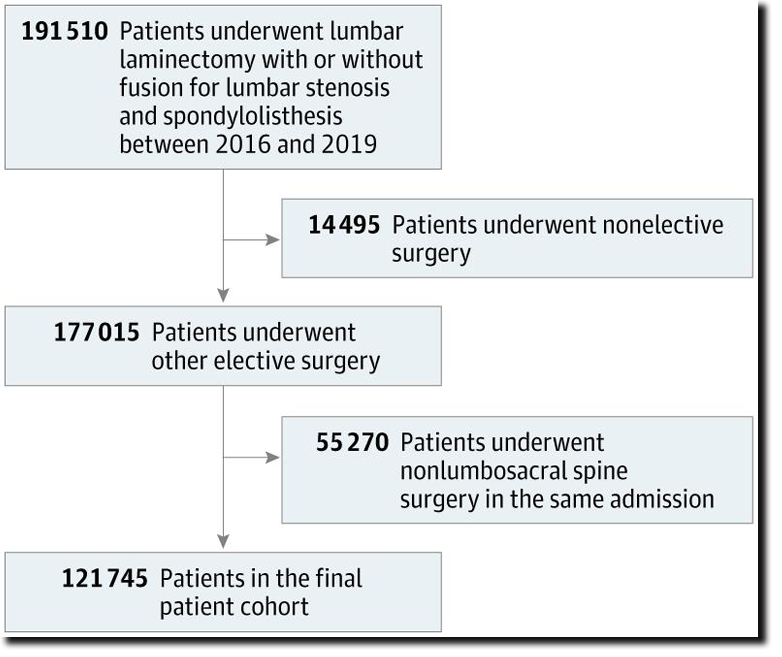
Findings: In this cohort study of 121 745 patients undergoing elective surgical procedures for diagnoses of lumbar stenosis with degenerative spondylolisthesis during inpatient admission, rates of decompression alone decreased from 32.6% in 2016 to 9.6% in 2019, and rates of decompression with fusion increased from 67.4% in 2016 to 90.4% in 2019.
Meaning: These results suggest the findings of 2 major clinical trials have not yet produced changes in surgical practice patterns and warrant renewed focus.
|
|
- ASIPP Members Only Site Information - |
|
-
To log in for the first time you will need to click “forgot password” at the bottom of the login window.
- Check your email and then log in as directed.
-
If you have problems logging into your account, click here.
|
|
Last week, CMS released its CY2024 proposed rules for physician fee schedule, ambulatory surgery center, and hospital outpatient prospective payment systems schedules. We provided you with our initial high-level summaries for each rule and highlights.
There is some good news, significant amounts of bad news, and potentially ugly news in this proposed fee schedule.
Our initial high-level summaries of each rule, and highlights on key proposals can be found here (the potential 2% sequester cut and the 4% American Rescue Plan Act of 2021 cut for physicians and ASCs are not included).
Below are additional links for fee schedules and payment rates.
|
|
ASIPP is reviewing the proposed rules in depth and will follow up with additional detail. Let us know if you have any questions.
|
|
Pain Medicine Case Reports (PMCR) and Editor-in-Chief Alaa Abd-Elsayed, MD, PhD would like to invite you to submit case reports and case series to the PMCR journal. Your article will be published free of charge.
Open access journals are freely available online for immediate worldwide open access to the full text of published articles. There is no subscription fee for open access journals. Open access journals are no different from traditional subscription-based journals: they undergo the same peer-review and quality control as any other scholarly journal.
Interested in becoming a member of the PMCR Editorial Board?
Editorial board members are asked to review 2-6 manuscripts per year. Please submit your most up-to-date CV to sgold@asipp.org for consideration.
For more information or to submit your articles, click here.
|
|
| CASE REPORT |
Victor M. Silva-Ortiz, MD, Ignacio Reyes, MD, Anna Gisse Lopez, MD, Alsacia Gonzalez, MD, Dulce Ramirez, MD, Jocelyn Reyes Armendáriz, MD, Paul Alejandro Medina, MD, Maria Laura Escobar, MD, and Ricardo Plancarte, MD
Abstract
Background: Bone metastases are a frequent condition in cancer patients. They tend to manifest mainly in the long bones and spine, causing pain and reducing the patient’s quality of life. Percutaneous femoroplasty has been proposed to improve pain and bone stability in these patients by injecting polymethylmethacrylate (PMMA) into the affected areas. This report aims to demonstrate this technique’s benefits in stabilizing the bone and the hip joint by consolidating fractures due to bone metastases, alleviating cancer pain, and improving quality of life.
Case Report: A 74-year-old female patient diagnosed with breast cancer and metastasis to the spine and femoral head, with severe oncological pain in the right hip region, is presented. In Tronzo’s classification, computed tomography showed a type I fracture in the right hip. Fluoroscopy-guided femoroplasty with bone cementation was performed, presenting significant pain relief in the short, medium, and long term and improved quality of life.
Conclusion: Femoroplasty as a palliative technique to improve bone cancer pain is an important tool to consider when conservative management does not provide favorable results in pain and functionality, being a safe procedure for patients who cannot undergo major surgery.
Key words: Bone pain, cancer pain, case report, femoroplasty, interventional pain
|
|
| SYSTEMATIC REVIEW |
Eric Young, MS-IV, Siavash Sedghi, MD, Haleh Farzin, MD, Nicholas Graffeo, MS-III, Hanieh Sakha, PhD, and Nader D. Nader, MD, PhD
Abstract
BACKGROUND: Intrathecal opioids have long been used as analgesia for intractable cancer pain or as part of spinal anesthesia during obstetric operations. More recently, they have been used preoperatively as a pain management adjuvant for open cardiac and thoracic procedures.
OBJECTIVE: This study aims to analyze the impact of administering intrathecal opioids before cardiac and thoracic surgeries on postoperative pain and mechanical ventilation.
STUDY DESIGN: Systematic review and meta-analysis.
SETTING: University, School of Medicine, and several university-affiliated hospitals.
METHODS: Five outcomes were studied, including the primary outcome of time to extubation, secondary outcomes of analgesia requirements at 24 and 48 hours, resting pain scores at 1 and 24 hours post-extubation, ICU length of stay in hours, and hospital length of stay in days. A search of multiple databases provided 28 studies reporting 4,000 total patients. Outcomes were measured using continuous mean difference with a 95% confidence interval, and the studies were examined for heterogeneity and sensitivity analysis.
RESULTS: The primary outcome analysis suggested that time to extubation was 42 minutes shorter in the intrathecal opioid group (ranging from 82 to 1 minute, P = 0.04). There was also a decrease in postoperative analgesia requirements at both 24 hours (mean difference (MD) = -8.95 mg morphine equivalent doses (MED) [-9.4, -8.5], P < 0.001) and 48 hours (MD = -17.7 mg MED [-23.1, -12.4], P < 0.001) with I2 of 94% and 85% respectively, an improvement of pain scores at both 1 hour (MD = -2.24 [-3.16, -1.32], P < 0.001) and 24-hours (MD = -1.64 [-2.48, -0.80], P =< 0.001) I2 of 94% and 85%, no change in both ICU length of stay (MD = -0.27 hours [-0.55, 0.01], P = 0.06) I2 = 77% and hospital length of stay (MD = -0.30 days [-0.66, 0.06], P = 0.11) I2 = 32%.
LIMITATIONS: The major limitation of this meta-analysis was the inconsistent dosages of intrathecal opioids utilized. Some used the same dose for each patient, while other studies used weight-based doses. The differences in the outcomes observed may then be a result of the different amounts of opioids administered rather than the technique itself. Another limitation was the inconsistent timing of reports for pain scores and postoperative analgesic requirements. Further studies were analyzed at the 2 time periods for both secondary outcomes, making it difficult to attribute the 2 effects solely to the intervention.
CONCLUSIONS: We conclude that preoperative injection of intrathecal opioids is significantly associated with decreased time to extubation, decreased postoperative analgesia requirement, and improved pain scores. In controlled conditions with adequate staff education, this method of analgesia may make it possible to extubate the patients after the surgery in the operating room and fast-track their discharge from the hospital.
KEY WORDS: Analgesia, cardiac surgery, extubation, fast-tracking, hospital stay, spinal
|
|
| SYSTEMATIC REVIEW |
Min Xie, MD, Yu Liang, MD, Yan Deng, MD, and Tao Li, MD, PhD
Abstract
BACKGROUND: S-ketamine is the S-enantiomer of ketamine, which exerts anesthetic and analgesic effects through noncompetitive antagonism of N-methyl-D-aspartate (NMDA) receptors.
OBJECTIVE: We aimed to define the relative risk of post–abdominal surgery pain in adults who were administered perioperative S-ketamine.
STUDY DESIGN: Systematic review and meta-analysis.
METHODS: Two reviewers independently screened the articles from the titles and abstracts based on our eligibility criteria, evaluated the risk of bias by using the Cochrane Collaboration Risk of Bias tool in randomized controlled trials, and extracted the data from the included studies according to a prespecified protocol; any disagreements were solved by consultation. The level of certainty for the main results were evaluated according to the Grading of Recommendations Assessment, Development, and Evaluation (GRADE) system
RESULTS: Of the 1,621 studies identified, 9 studies were included; they were published from 2004 through 2022. Only one study involved epidural anesthesia, whereas the other 8 studies included general anesthesia. The pain at rest scores at 4 and 24 hours post–abdominal surgery were significantly lower in the S-ketamine group, respectively. However, there was no significant difference between the 2 groups in the pain at rest scores at 48 hours post–abdominal surgery.
S-ketamine infusion reduced pain during movement 24 hours post-abdominal surgery, but not at 48 hours, respectively. The incidence of postoperative nausea and vomiting, as well as psychotomimetic adverse effects post-abdominal surgery were similar between the 2 groups, respectively. A subgroup analysis revealed that the pain at rest score at 4 hours post-abdominal surgery in patients in the intraoperative use group was remarkably reduced, compared with the patients who received S-ketamine perioperatively. Otherwise, the pain at rest score at 24 hours post-abdominal surgery in the perioperative use group was significantly reduced versus intraoperative use group.
LIMITATION: The number of trials included was small. The remarkable heterogeneity found in the pooled results at each time point post-abdominal surgery might affect the credibility of the results.
CONCLUSIONS: S-ketamine is effective in reducing the early postoperative pain of patients who received abdominal surgery, and may not increase the incidence of postoperative complications.
KEY WORDS: S-ketamine, intravenous, postoperative pain, abdominal surgery, pain scores, randomized controlled trial, systematic review, meta-analysis
|
|
ASIPP is now in collaboration with Curi Medical Liability Program
Since this malpractice insurance program officially launched in November 2018, ASIPP has signed up hundreds of providers with an average savings of 30%. This is professional liability insurance tailored to our specialty and will stand up for us and defend our practices.
Curi is a full-service advisory firm that serves physicians and their practices. Their valued advice is grounded in your priorities and elevated in your outcomes. They are driven by a deep understanding of your specific circumstances in medicine, business, and life. To read a few important points to keep in mind about the program, including discounts, administrative defense, cyber coverage, aggressive claims handling, and complimentary risk management CME activities, visit our website.
|
|
ASIPP® has formed a partnership with Henry Schein and PedsPal, a national GPO that has a successful history of negotiating better prices on medical supplies and creating value-added services for independent physicians. Working with MedAssets, PedsPal provides excellent pricing on products like contrast media that alleviate some of the financial pressures you experience today.
|
|
ASIPP® is now offering our members the benefit of a unique revenue cycle management/ billing service.
We have received a tremendous amount of interest in the ASIPP® billing and coding program.
Click here to learn more about the negotiated rate for practices and more!
|
|
|
up-to-date news related to you, your practice, and your patients!
|
|
|
|
|
|
|