|
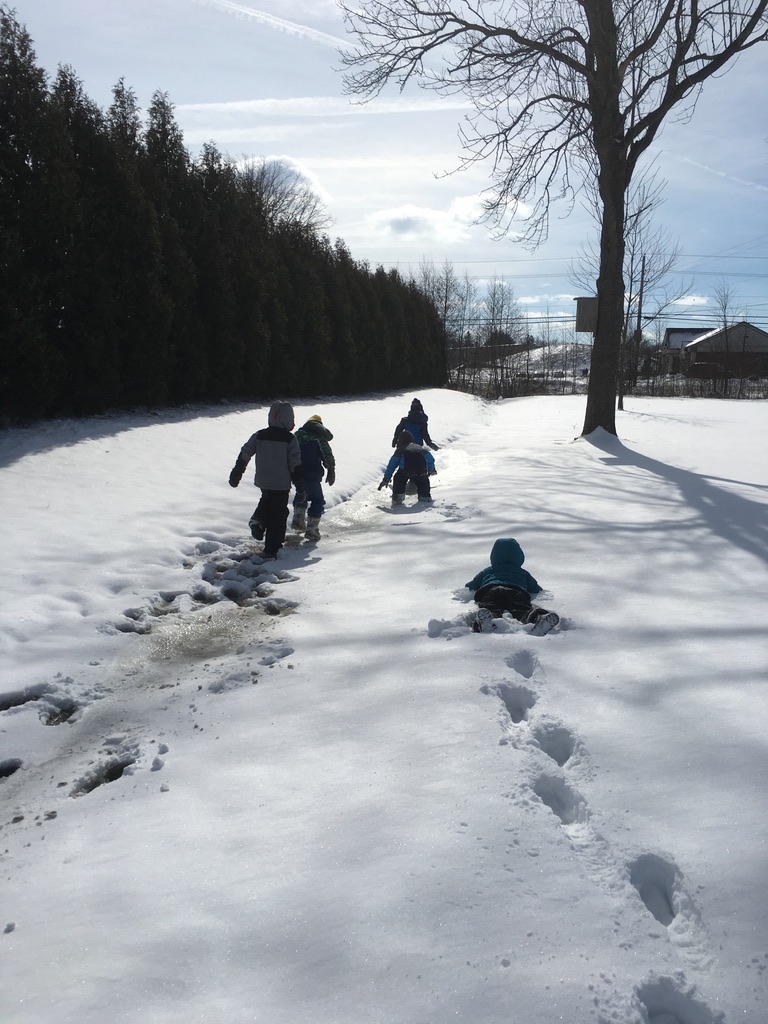
“Play is often talked about as if it were a relief from serious learning. But for children, play IS serious learning. Play is really the work of childhood.” ~ Fred Rogers
Welcome to the nature & play newsletter, which offers actionable ideas, resources, and research that support child-led play and nature connection for educators and families in ELRCs 8, 9, and 10.
| | Outdoor Learning Features for Summer Fun and Engagement | | |
Looking for ways to refresh your outdoor learning environment this summer? Check out the ideas below that will engage your children all day long outdoors!
| | |
-
Have options for every child to engage. Provide materials and spaces for building, digging, water play, reading, fine motor manipulation, active big body play, art, music, dramatic play, and discovery. Just as an indoor classroom has activity settings or centers, so can an outdoor space. We suggest offering many if not all of these options daily.
-
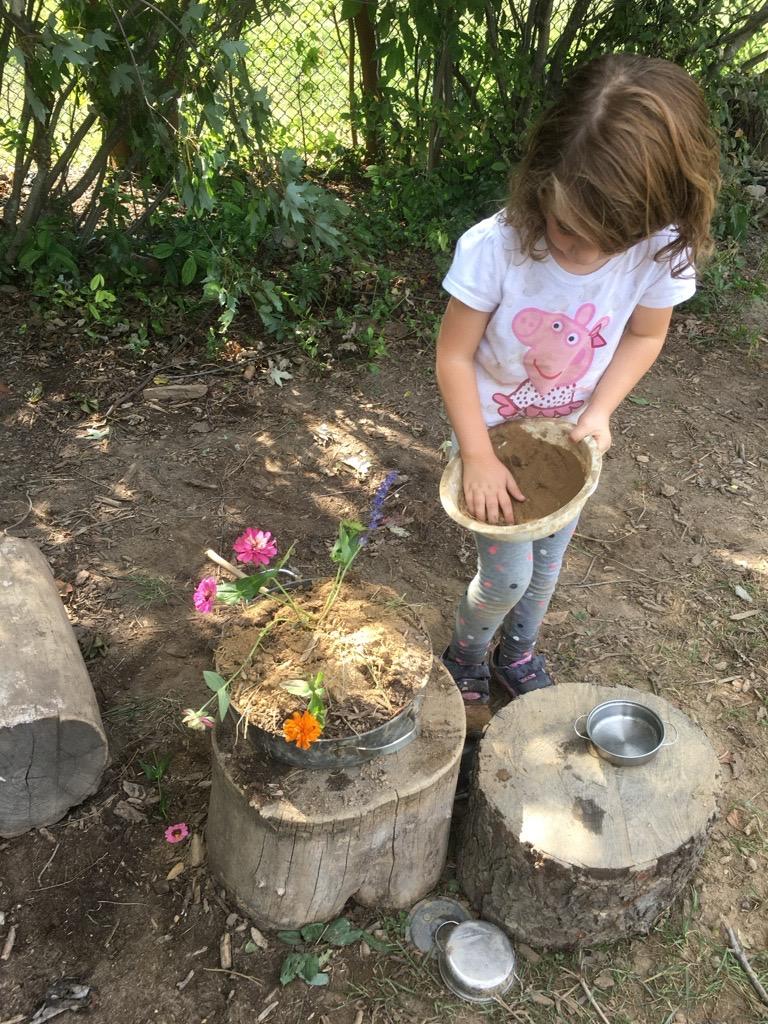
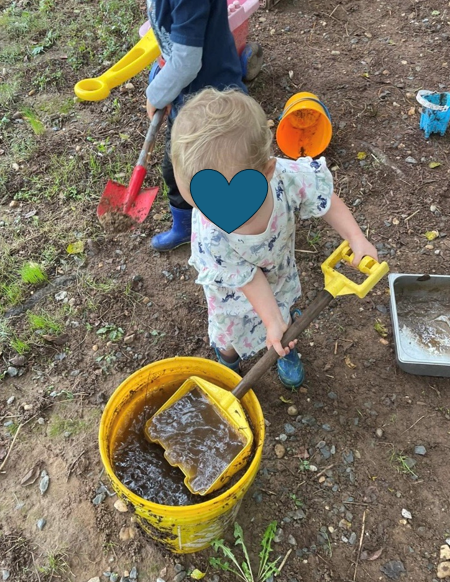
Set out of variety of loose parts. Create an outdoor play kitchen, add digging tools to your sand or dirt pit, set out sanded wooden blocks, tires, drainage tubes, fabric, large cardboard boxes, and other open-ended materials. Take a trip to the thrift store or ask families for donations using this list of suggestions.
-
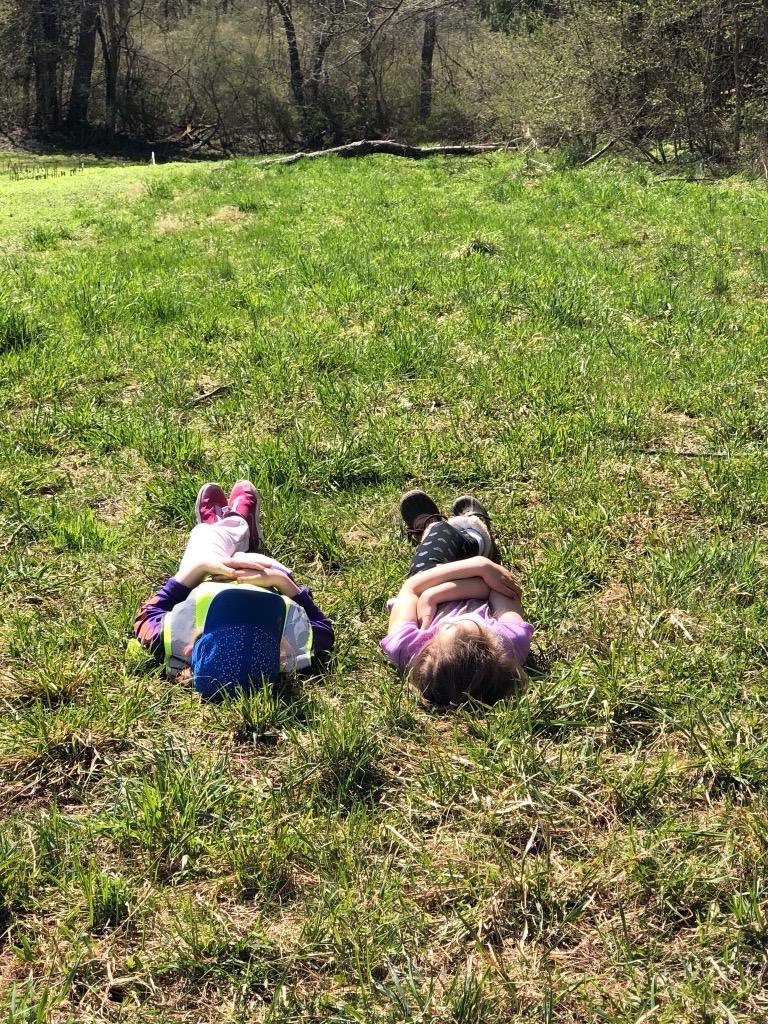
Consider spending full days outdoors. For example, have "Wild Wednesdays" or "Forest Fridays". Have snacks and lunch outdoors, and if possible, try nap/quiet time outdoors in a shaded area.
-
Create a daily rhythm. When creating your summer schedule, involve the children. What would they like to do during their summer days? Children need long blocks of time for play, ideally 90 minutes minimum in the morning and afternoon each. Instead of creating a highly structured schedule, create a "flow of the day", or a rhythm, so children know what to expect but there is still flexibility in the day based on weather, child interest, or other factors.
-
Spend more time standing back, tuning in, and observing than teaching. Let the children lead their own play and learning. Document children's interests and the learning taking place through photos and stories you can display. Invite the children to add their own stories or drawings to this documentation.
-
Set up "invitations to play". Instead of planning highly structured activities, set up materials and invite the children to play if they wish. Invitations to play can be simply set up and discovered by the children throughout the day. For example, place small farm animal figurines, wood cookies, seashells, felt pieces, and other small world play elements in a tucked away space, and add a book about farming for the children to view/read as they play.
"One test of the educational procedure is the happiness of the child," said Maria Montessori. Summer is an ideal time to experiment with more outdoor play. What are the children enjoying? When and where are they happiest and most content? Observe, take notes, and create more of these moments for children.
If you would like support connecting outdoor play to learning standards, and communicating this with staff and families, please reach out to Elizabeth and Susan.
| | | |
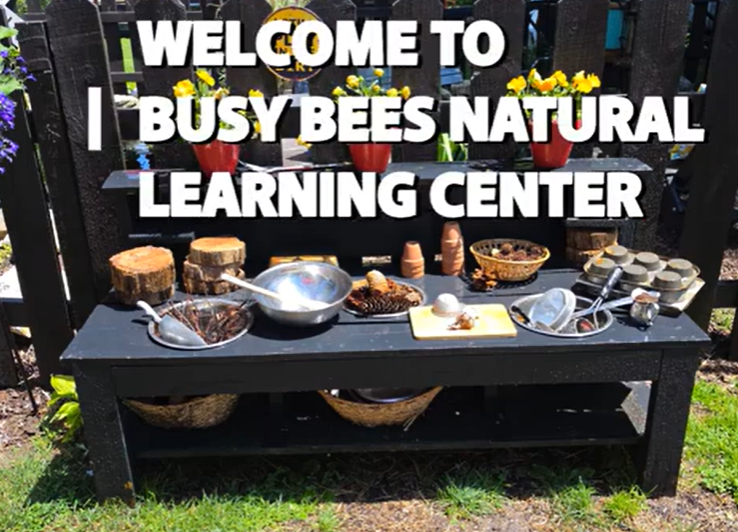
Virtual Tour of Busy Bees Natural Learning Center
Busy Bees Natural Learning Center is a licensed, STAR 4, Nature Explore-certified group child care program in ELRC Region 8, owned and operated by Tonya Fisher. Tonya has incorporated many creative, open-ended outdoor activity settings for her children to explore, and spends all day outside when possible.
See her program here to gain inspiration and ideas!
| | | |
Plan Ahead at Your Program for These Upcoming Days of Play!
| | | | | |
International Day of Play, Thursday, June 11
Proclaimed by the UN General Assembly to champion, preserve, and prioritize play as a fundamental right for children to thrive. It aims to raise awareness among adults and decision-makers, encouraging them to invest in safe and accessible play spaces.
| | | | | |
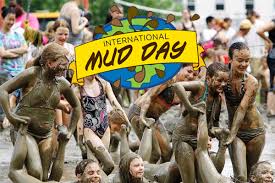
International Mud Day, Monday, June 29
Encourages children and adults worldwide to connect with nature by playing in the mud. Started in 2009 by the World Forum Foundation to foster environmental appreciation and sensory play, it promotes getting messy through activities like making mud pies, painting, and sliding.
| | | |
If you celebrate either (or both) of these days of your program this year, please share photos and/or stories with us here!
| |
When an Idea Becomes Too Large to Belong to One Child by Miriam Beloglovsky | "What looks like “sharing” on the surface is something much deeper. When children collaborate, they are not simply learning to take turns or be kind. They are reorganizing their relationship to materials and to each other. As children negotiated and worked together, the ownership softened. The control loosened. The materials stop being extensions of the self and begin to act as invitations for collective thinking." | | | |
How to Start Play-Based Learning - Cultivating Confidence | Ready to move beyond themes? Learn how to start play-based learning with 5 simple steps that bring more curiosity, connection, and ease in your day. | | | |
Should We Let them Play? Three Key Benefits of Play to Improve Early Childhood Programs | This article highlights the concept of play through the lens of Foucault and describes key benefits that can support the academic achievement of students as they continue on to later grades by changing the regimes of truth on play. This research highlights three major developmental aspects of play and their impact on early childhood development. Specifically, language development in Monolinguals and DLLs, self-regulation, and emergent literacy skills. | | | | Upcoming Professional Development | |
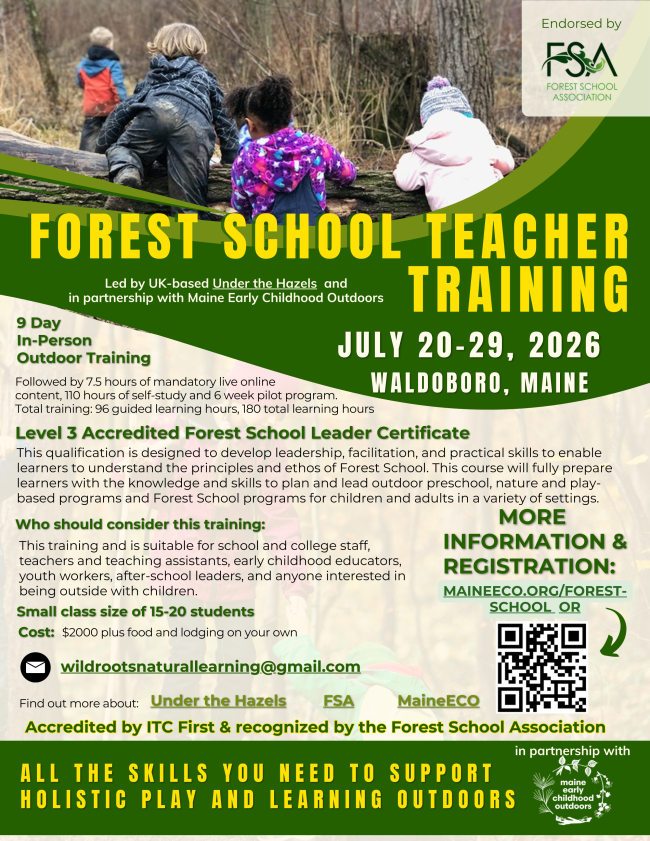
Adopting the benefits of Forest Schools into your Teaching Practice Online Course - Outdoor Learning School & Store | |
This workshop is for educators and program leaders who want to integrate meaningful, evidence-based outdoor learning into real-world educational settings—whether they’re enhancing a classroom, leading a program, or building something new.
- Session #1: Foundations of Forest School Practice
- Session #2: Nature and Neuroscience: Brain Development Through Outdoor Learning
- Session #3: Addressing Common Challenges in Outdoor Learning Environments
- Session #4: Adapting Forest School Principles for Conventional Educational Settings
| | | July 7, 7-8 PM | Making the Most out of your Sand Area | Bienenstock Natural Playgrounds | In this webinar, we will discuss practical ways to make the most out of your sand area. We will reinforce the many developmental benefits and work through the challenges that sand play may offer at your centre. We will review the basics of constructing your sand space to make it sustainable and simple to maintain, plus add key design elements to ensure that you have shade, water, and loose parts. Learn how to streamline your sand tools and figure out how to create a storage system that works for both children and educators. Most importantly, create a space that provides ownership and can be utilized during all four seasons. | | | June 23-26 | Natural Start Alliance 2026 Conference | Join Us Online! | The Natural Start Alliance's annual conference brings together educators, administrators, researchers, and advocates from across the U.S. and around the world to advance equitable nature-based early learning. Through engaging presentations, hands-on workshops, site tours, and bold conversations about leadership and policy, participants gain practical tools for their daily work while exploring the systems change needed to expand access for all children. | | | *Registration extended to June 30 | August 1-8 | Teacher Tom's Summer Camp: The Technology of Speaking with Children So They Can Think | A summer course to set you up for a sensational back to school classroom, with a greater level of engagement, collaboration, and participation from the children in your care. | | | |
#48: An Introduction to Risky Play | Quest for Quality Podcast | In this episode, we explore the benefits of risky play and why opportunities for challenge, exploration, and manageable risk are so important for children’s development and regulation of their nervous systems. We discuss the six elements of risky play, simple ways to begin incorporating risky play in an ECE classroom, and practical tools to support implementation. This conversation is led by two of our STARS coaches after completing the Embracing Risky Play course through Canada's Outdoor Learning School and Store and facilitating a provider community of practice focused on risky play. | | | |
#239: Working with Wood in ECE with Pete Moorhouse | Working with Wood in ECE with Pete Moorhouse Woodworking in early childhood can feel like a big leap - for educators and for programs. In this episode, I sit down with early years creative consultant, researcher, and author Pete Moorhouse to explore what woodworking can actually look like in practice – and why it matters. | | | |
Memories Matter: Shifting the Documentation Mindset | Listen to this episode from Mindful Turtle on Spotify. As nature-based early educators rush to compile documentation at the end of the year, this episode invites use to reframe from a task to a meaningful practice that honors the emotional memories of their students. | | | |
Ep 32 | Adam Bienenstock on School Forests, Soil Health, and the Future of Nature Play - Rusty Keeler | This episode is all about nature play, living soil, school forests, and why children need more than a break from screens. | | | | Access our Nature-Based Play Resource List on the NEW Keystone Kids Go website. | | Check out the "Inspiring Nature-Based Early Learning" webinar here. This training counts for 1 hour of PQAS PD (and can count toward STARS indicator EC 3.4.6). | | | |
Quest for Quality Podcast
Part 1: The Benefits of Outdoor Learning and How to Start Small
Research shows that children thrive outdoors and have opportunities for learning, development and self-regulation that cannot be achieved indoors. In this podcast, Susan and Elizabeth discuss how nature play supports the health and well-being of children and adults alike, the features of an Outdoor Learning Environment compared to a playground, the barriers that may limit how much time children spend outdoors, and small-step solutions anyone can take to get started.
| | | | |
Quest for Quality Podcast
Part 2: Diving Deeper into Outdoor Learning Practices
In part 2 of this outdoor learning series, Susan and Elizabeth do a deeper dive into what outdoor play really looks like, including some additional areas you can set up, how to easily connect outdoor play to learning standards, and our role as the adult in this type of play-based, child-led exploration.
Click here for part 1 and 2 resources.
| | | Our Favorite E-Newsletters and Blogs | |
Looking for more information or coaching?
STARS Outdoor Learning Coach Elizabeth Marcello and Outdoor Learning & Play Consultant Susan Chlebowski can partner with you to provide center-based or individual classroom coaching and professional development in the topics of:
- Play pedagogy
- Outdoor learning environments
- Classroom management and challenging behavior support
-
Creating innovative solutions to barriers
Complete a "Consultation Request" through your PD Registry Organization Page's Keystone STARS tab to request coaching.
*For early learning providers in ELRCs 8, 9, and 10 only.
| | | Keep in Touch with Community Connections for Children! | | | | |