Get Involved With VEG
Home | Subscribe To Our Newsletter
 
 
NEWSLETTER 238
 
VIRTUAL EVENTS GROUP


Attendees overwhelmingly prefer industry expertise over celebrity when it comes to keynote speakers — 59% prefer industry experts according to the 2026 Freeman Trends Report on Learning.


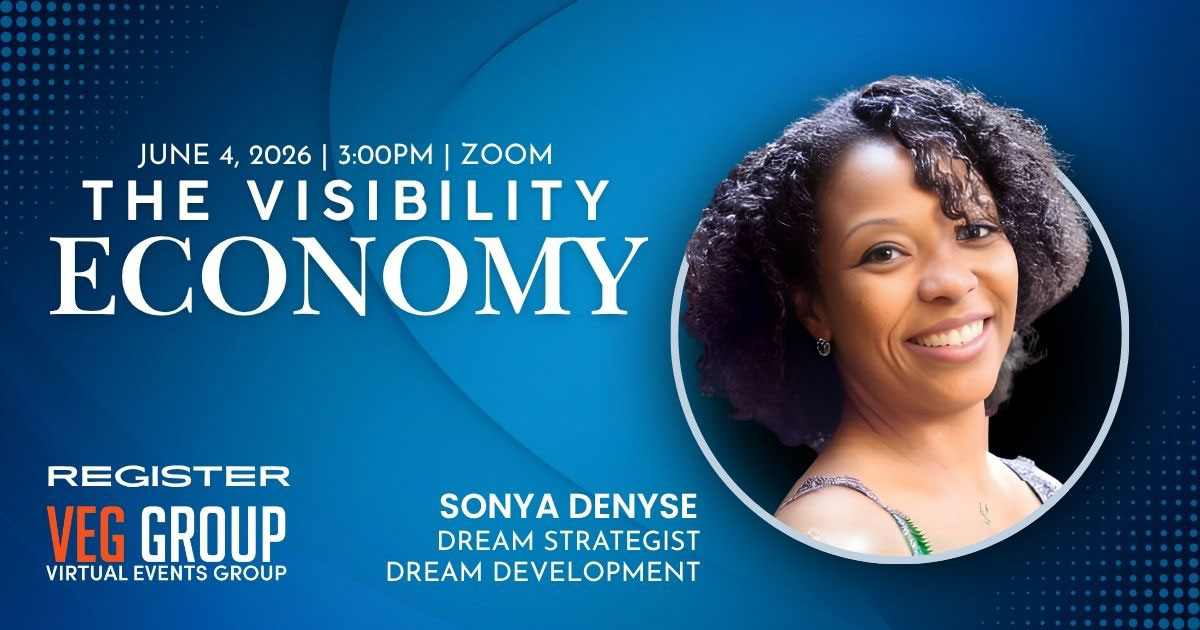
June 4, 2006 | 3:00pm | ZOOM
 
The Visibility Economy
 
Whether you’re a brand or a content creator, it’s all about owning and telling your story. Sonya Denyse has been coaching speaking clients for years. Now she’s applying that expertise to making your LinkedIn and personal profiles perform for you. Discover her own story.
 
REGISTER
 
 
Why Events Need to Treat Their Attendees as Fans


Our business, tech events, has a problem. You attend the event, often without a strategy for how you’ll spend your time, you wander the corridors, you are a number in a crowded sea of attendees, and then you head out. Same time next year. 


But for the event organizer, that gap of a year should be a sacred space to grow community and anticipation for the next year. For the participant, your attendance should be leaving you with some sense of being personally seen and heard. 


Many events are getting better at the simple things. They sell merch and memorabilia. They’ve added more open space for hanging out. They’ve shortened their sessions and created small moments of delight like the puppy pound or goat yoga. They’ve got better at using video moments to create a long tail for events with highlights and snippets


What else can be done to make it less transactional and more relationship-building?


Build for the season, not a moment
Sports have seasons. Artists have album cycles and tours. There’s anticipation, buildup, mid-cycle engagement, and post-event storytelling. Think about regularly dropping content from the past event, behind-the-scenes looks, and post-event debriefs to keep the community engaged between tent poles. Town halls to share post-event experiences is an idea worth trying. (We just helped Key Code Media with their Post-NAB Roadshow, a chance to touch people who may not have attended or want more.)


Create tiered fandom and insider access

Many people crave special experiences, and yes, they’re willing to pay for it. Sports have season ticket holders, VIP lounges, and fan clubs. Music has presales, backstage passes, and meet-and-greets. Events can offer layered access: member-only briefings, early content releases, private networking circles, or curated micro-events for super-attendees who want deeper involvement. And for those attendees on slimmer budgets? A WhatsApp group created for those who share the same interests, an ambassador program, a first-timers mixer and a mentor are all relatively simple and low-budget to provide


Every exhibitor needs a year-round community

Every exhibit, not just the event itself, should have a plan for year-round engagement and be talking it up at their show — whether that’s a newsletter, a webinar, or an in-store event.


Develop recurring cues, characters, and storylines

Sports thrive on rivalries and player arcs. Do you have opening music that sets the tone? Interstitials that set the mood? Hosts or emcees to create a welcome environment. Even a mascot (think Duolingo). Overall, you want to create a narrative arc, not just a bunch of randomized sessions.


Make exclusivity feel won, not gated

The magic in sports and music isn’t just access — it’s the feeling of being part of something special. Limited drops, surprise guests, and pop-up shows all work. Events can be designed for serendipity: secret sessions, invite-only experiences revealed on-site, or “you had to be there” moments that reward engagement and loyalty rather than just price tiers.


The thread through all of this: stop thinking of the event as the product. The community is the product — the event is just the most visible expression of it.


When the Show Must Not Go On


In 2016, we introduced a new conference at The Consumer Electronics Show (CES) about the future of digital money, mainly crypto and Bitcoin. One of the audience members was displeased (understatement) that there was not a solely American version of crypto. He had a stormy outbreak during a Q&A session where he lambasted the speakers for being un-American. I picked up the microphone, and I calmly tried to diffuse the situation, saying that these were experts discussing a topic of importance and there was no overarching political agenda. Just before lunch break, the attendee approached me personally, opened his suit jacket to flash his collection of crazy lapel pins at me, and said that he’d “be back for me after lunch break.” Long story short: I notified the security guards that I had an agitated attendee and was a little nervous about his threat. They did not allow him back in the room or the convention center. 


Fast-forward a decade. Threats have escalated, and event mavens need to prepare for some fast decision-making and worst-case scenarios. I’m far from a conspiracy theorist, and while I knew cerebrally that the United States has more guns than people, but I’m still wondering how the heck a person registers to stay at the Washington Hilton with a shotgun, never mind how he attempted to storm the security checkpoint at the ballroom, where a gaggle of VIPs were in attendance.


The attempted shooting that took place at the White House Correspondents' Dinner should serve as a wake-up call for the events industry. There are lots of protocols for events folks to unpack in the timeline that unfolded between the shooting and the cancellation of the dinner. Here are a few takeaways. 


Could security be better at hotels and venues?
You bet. Broadway theaters, stadiums and museums have adapted by installing metal detectors and by searching purses. Hotels and venues need to follow suit, even though it’s going to add to overall costs and kill the vibe.


Know your security staff
Security staff at most large events come from a variety of employers. Some are private security firms, some in-house staff and some law enforcement. Your venue should be able to brief you on who’s who and who to turn to when. 


Don’t be afraid to change your mind if safety’s involved. After the initial shot was fired that wounded a member of the security detail at the Correspondent’s Dinner, Weijia Jiang — the senior White House correspondent for CBS News and the president of the White House Correspondents’ Association, which produces the dinner — took the stage to say that the event would continue momentarily. By 9:39 she had to walk back that statement saying that it was a police crime scene and the event would be postponed. Your first impulse as an events planner is to say, “the show must go on”. But sometimes you need to be ready to make the call to call things off. 


Beyond shootings
Sadly, we are in an age of unease: geopolitical upheaval, crowd-spread diseases, catastrophic weather, and mentally unstable individuals. Crisis planning and contingencies need to become an intrinsic part of event planning. 


For an interesting take on 75 minutes in event planning hell, read David Adler’s piece on the WHCA dinner.


Scuttlebutt


Workshops Take Center Stage 
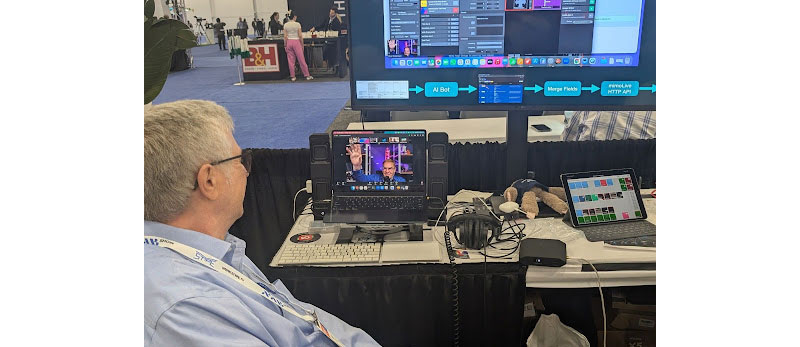
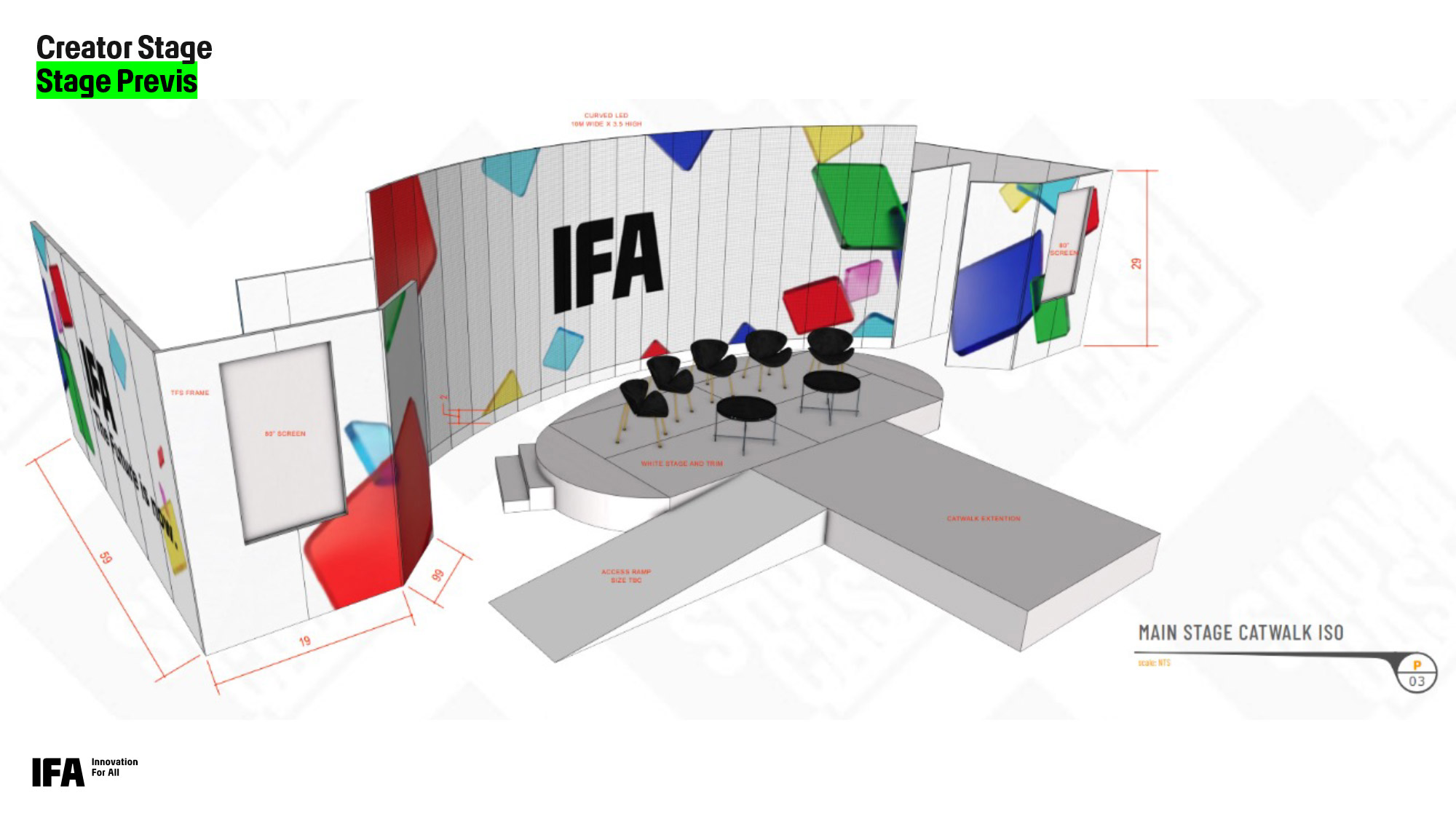
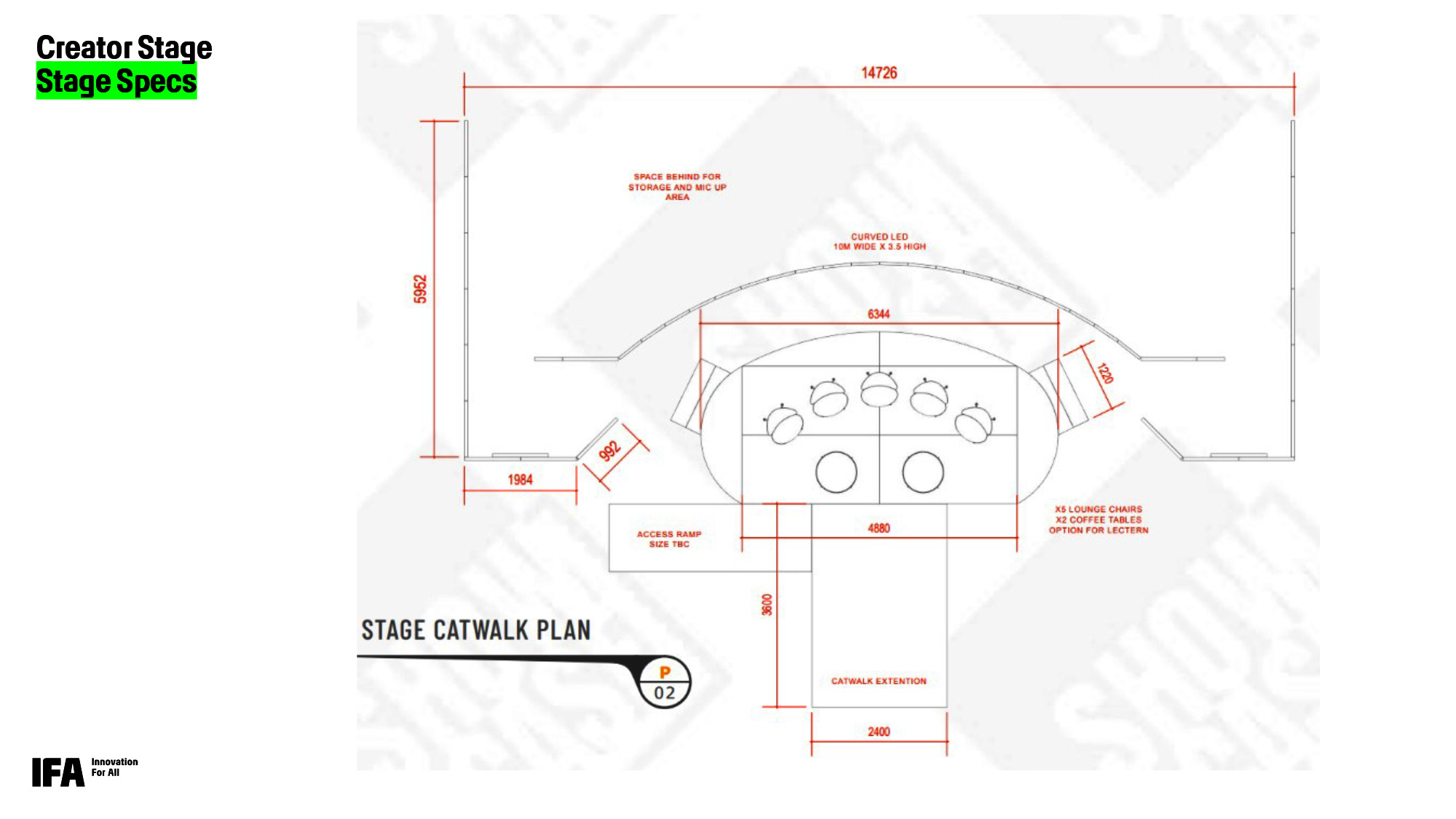
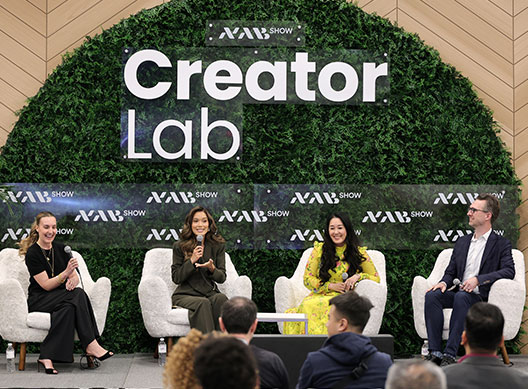
At the NAB Show this year, our company built the Creator Lab, consisting of a mainstage, an exhibit area, podcasting stations and a center stage. Judging by the size of the crowds in our Creator Classroom, a small space designed to impart skills, workshop-type spaces are having a heyday. If you can’t watch all of them, watch Lee Erickson talk about streaming live from the Artemis, Rene Ritchie dissecting YouTube’s algorithms, Gabe Michael on Navigating AI Video Generation, and Travis Keyes on Photography. All the workshops were filmed and edited in near real time by mimoLive, who were both on-site with a skeleton crew and remote from Austria and Norway, with support from BirdDog cameras and Office Hours Global.


We captured the NAB Creator Lab Classroom thanks to a small on site staff with producers in Austria and Norway, along with the help of BirdDog cameras.


Center Stage at NAB
Center Stage at the Creator Lab at NAB took the spotlight. You can watch all of the content here, but definitely feast on a few gems such as how Clipping can change your monetization with panelists Sachin Kumar (Opus Clip), Graham Stephan and Jack Selby (The Iced Coffee Hour), and Sanjay Jenkins (Replo). Also, The Secrets to Increasing Your Engagement looks at everything from thumbnails to your flow, order and transitions with Presaige and Simian. Another gem is the AI Survival Guide with Eric Iverson (UTA), Anna Zussman (an AI Creator with FreePik, which is now Magnific), Lisa Watts (CEO of Cree8, a studio-as-software platform) and Matt Wolfe (Future Tools).


Will the Gov be the AI Overlord?
Rumblings in Washington indicate that it’s no longer content with the laissez-faire approach to just letting the tech bros pummel it out without any government supervision. A report by The Times indicated that the White House has awoken and will take a heavier hand in overseeing A.I.


Sign up to get us in your inbox.
 
Get the
Most Recent News
 
SUBSCRIBE
 
 
LINKS
 
Home
Platforms
Tools
Productions
Events


Contact Us
 

Robin Raskin | Founder
917.215.3160 | robin@virtualeventsgroup.org

Gigi Raskin | Sales/Marketing

917.608.7542 | gigi@virtualeventsgroup.org