|
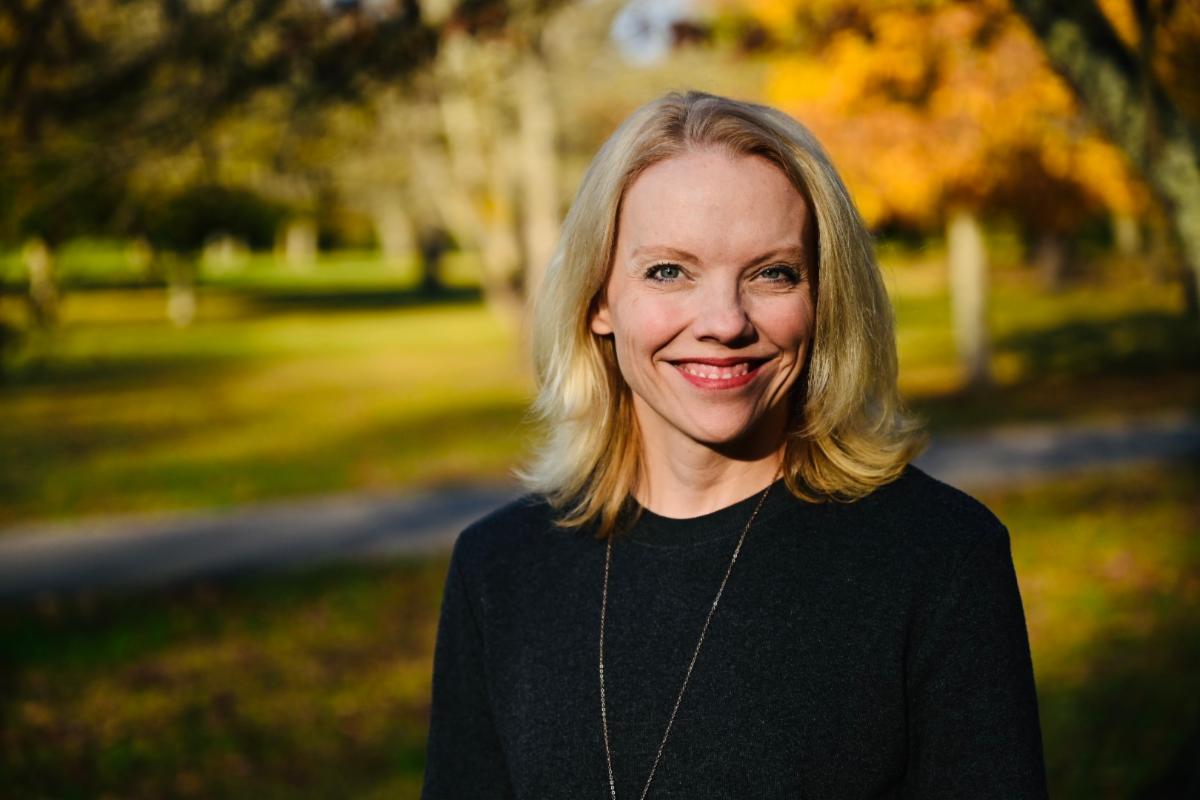
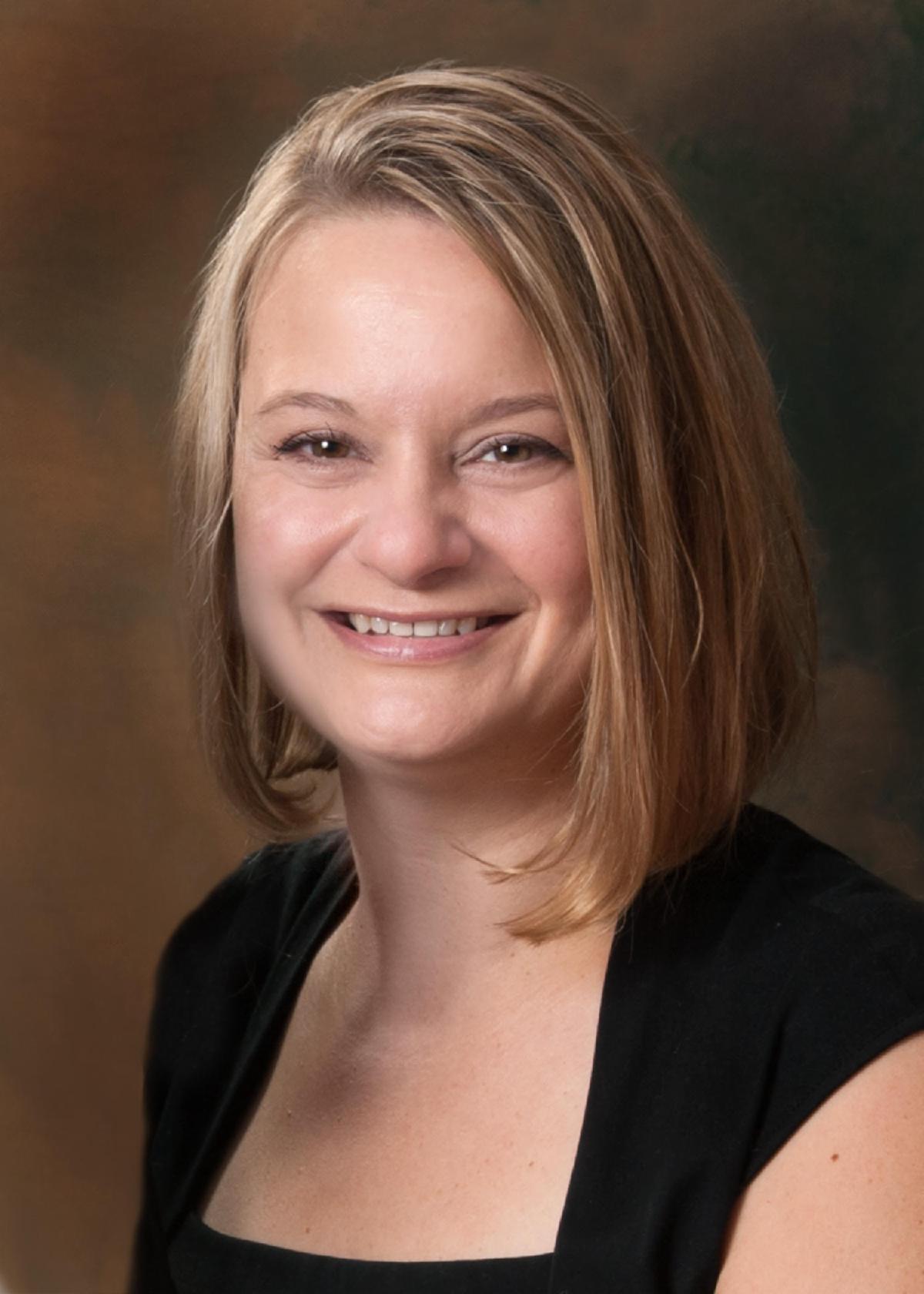
Deanna M. Barch, Ph.D.
ACNP President
| |
President's Message
Hello all! 2026 is proving to be an eventful year to date, and my hope is that the remainder of the year will bring good news in terms of improved understanding of and treatments for psychiatric and neurological disorders, and renewed support for both fundamental and translational science. The problems we are tackling as a field are challenging, but the pace of discovery in biomedical research is truly accelerating, and the people who will benefit from these findings need such significant advances.
Read More >>
| | |
Understanding the ACNP Experience: Survey Findings and Next Steps
“Many people can reach for and achieve excellence. To do this consistently is what separates masters and geniuses from everyone else.” - Paul Russo
The College recently completed a comprehensive perception survey to better understand how members and non-members view the organization, its mission, and its role within the broader scientific and clinical community. I hope you participated and provided your feedback. The survey findings provide valuable insight into ACNP’s strengths, areas of opportunity, and the evolving expectations of the field.
| |
Sarah Timm, CAE, CMP-HC
ACNP Executive Director
| | ACNP 65th Annual Meeting Information | | |
Registration for the 65th Annual Meeting will begin in June. We are looking forward to welcoming members and their guests to the Manchester Grand Hyatt San Diego in San Diego, California.
The Annual Meeting will be presented live in-person. ACNP will also offer a registration option for members and invited attendees who cannot attend the annual meeting in-person, which will allow them to access the recorded sessions post conference. The e-poster gallery will be available for the duration of the meeting.
| | |
**REMINDER**
Associate Members must register for the annual meeting by September 22, 2026 to attend.
| | Changes to the Annual Meeting Invitation Policies | | |
The following updates reflect our commitment to keeping the ACNP Annual Meeting at a capacity that allows for exchange of ideas in a collaborative format. These changes are designed to strategically manage meeting size while expanding access for researchers in alignment with our mission of encouraging new talent.
Associate Members do not have invited guest privileges. Associate Members are encouraged to invite their peers and other leading scientists on proposals for panels, mini-panels, and study groups. Associate Members must register for the Annual Meeting by September 22, 2026 to attend.
Invited Guest Definition:
All invited guests must meet one of the following criteria with respect to career stage at the time of invitation request:
- At least a 2nd year post-doctoral fellow (both MDs and PhDs) or 3rd or 4th year residents on a research track
- Faculty at an Instructor level (or similar) or above
- Scientists in Federal government positions (e.g., NIH, NSF, FDA, ARPA-H, VA, DoD) considered to be equivalent to either criteria #1 or criteria #2
- If industry, demonstrate a level of leadership and/or responsibility
- Attestation of meeting one of these criteria is required at the time of requested invitation. Documentation may also be required.
Trainee Definition:
- A trainee is a person in their 2nd year post-doctoral fellowship (both MDs and PhDs) or 3rd or 4th year residents on a research track at the time the invitation is requested.
- Trainees have all the rights and privileges of invited guests.
- Attestation of meeting the criteria is required at the time of requested invitation. Documentation may also be required.
General Invitation Bank: (formerly the Early-Career Researcher Invitation Bank)
- All General Invitation Bank guests must meet the Invited Guest definition. Attestation of meeting the criteria is required at the time of requested invitation. Documentation may also be required.
-
Limited to 50 invitations
-
Members, Fellows, and Emeritus members may use one invitation from this bank until it reaches the cap of 50.
Special Invitation Bank:
All Special Invitation Bank guests must meet the Invited Guest definition AND two or more of the following criteria:
- Were or currently are homeless
- Were or currently are in the foster care system
- Were eligible for the Federal Free and Reduced Lunch Program for two or more years
- Have/had no parents or legal guardians who completed a bachelor’s degree
- Were or currently are eligible for Federal Pell grants
- Received support from the Special Supplemental Nutrition Program for Women, Infants and Children (WIC) as a parent or child
- Grew up in a rural area or in a low-income country
- Have/had significant social or physical challenges
- *International Scientists Only* Were considered from a disadvantaged background from your country (if from or currently reside outside the U.S.)
-
Limited to 150 invitations
-
Members, Fellows, and Emeritus members may use two invitations from this bank until it reaches the cap of 150.
- Members requesting the invitation will need to verify that the scientist is eligible per meeting two or more of the criteria above AND the invited guest career stage requirements.
ACNP will make every effort to keep this information private but cannot guarantee this information would not be unintentionally released within the College.
| | Requesting Guest Invitations? | | |
ACNP Members, Fellows, and Emeritus members requests for guest invitations, General Invitation Bank, and Special Invitation Bank are now submitted through the online meeting portal.
The online portal is now open!
|
-
To request an invitation, login to the Annual Meeting Submission Site and select 'Submit ACNP Invitation Request'.
- Invitation requests must be submitted by August 24th in order to ensure your guest has ample time to register and submit a poster prior to the August 27th poster deadline.
- Invitation requests will not be accepted via email.
*Guest invitations will not be sent until after registration officially opens in June.
| |
REMINDER FOR ANNUAL MEETING: Member invited guest invitations will be limited to 400. Please review the requirements for the Special Invitation Bank and utilize the bank in lieu of your member invitation, when applicable.
What does this mean?
- Members MUST attend the meeting to extend guest invitations.
- Member guest invitations will be capped at 400 requests. As a reminder, Members, Fellows and Emeritus members have one invited guest invitation.
-
Member guest invitations will be issued on a first come, first served basis. *Actual invitations will not be extended until registration officially opens in June.
-
In 2025, member invited guest invitations reached the cap of 400 in late August for the January 2026 Annual Meeting in Nassau. In 2024, member invited guest invitations reached the cap of 400 in late September for the 2024 Annual Meeting in Phoenix. *Please request your guest invitation early and utilize the invitation banks when applicable.
| | Click here to read the Annual Meeting Frequently Asked Questions! | | 2026 Honorific Awards - Call for Nominations | | |
It is time to honor the scientific and mentorship accomplishments of a select few from a very long list of our distinguished members and colleagues. The Honorific Awards Committee, chaired by Bill Carlezon, is requesting nominations for the following
Honorific Awards:
Advocacy Award
Barbara Fish Memorial Award
Daniel H. Efron Research Award
Dolores Shockley Advancement Award
Eva King Killam Research Award
Joel Elkes Research Award
Julius Axelrod Mentorship Award
Media Award
Paul Hoch Distinguished Service Award
Public Service Award
Detailed nomination information is available on the ACNP website under the Annual Meeting tab. The nomination deadline is June 30, 2026. Award recipients will be announced and honored at the annual meeting.
The honorific awards are an important part of the College in honoring colleagues.
The Awards Committee urges you to nominate a deserving colleague!
| | 2027 Officer and Council Election Results | | |
This election was carried out in accordance with Article VII, Section 3 and Article IX, Section 2 of the ACNP Bylaws, and its results are binding.
Terms for the newly-elected officers will begin at the conclusion of the ACNP Annual Business Meeting on Wednesday, January 13, 2027.
Congratulations to the newly elected leadership!
| |
President-Elect
C. Neill Epperson, M.D.
| | | |
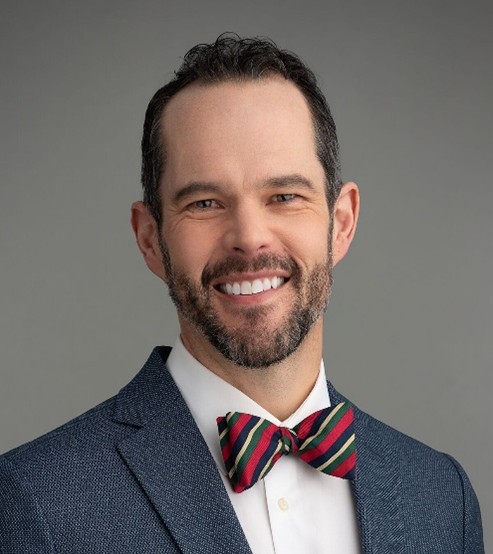
Carlos Bolaños-Guzmán, Ph.D.
Inclusive Excellence Officer
2027-2028
| | |
Olusola Ajilore, M.D., Ph.D.
Council Member
2027-2029
| |  | |
Carolyn Rodriguez, M.D., Ph.D.
Council Member
2027-2029
| | | Career Development Committee Spotlight | | |
Ryan Herringa, M.D., Ph.D.
Career Development Committee
| |
Degrees of Uncertainty; Surviving Science -
Discovering New Possibilities for a Rewarding and Resilient Career in Science
The January 2026 Career Development Session brought together a panel of experienced scientists to discuss how to navigate increasing uncertainty in scientific careers. This uncertainty is driven by shifting funding landscapes, evolving policy environments, and broader systemic changes affecting research and academia. The aim for the session was to provide practical guidance, perspective, and reassurance to scientists at various career stages facing an unpredictable future.
Click Here to Read More >>
| | | ACNP Response to EO on Psychedelics | | |
Deanna Barch, Ph.D.
ACNP President
| | |
The development of psychedelic-assisted therapeutics has advanced to the threshold of regulatory decision for treatment-resistant depression, PTSD, and other serious mental illnesses. For patients who face a profound need, this is a moment of significant scientific promise.
The ACNP has long held that scientific rigor and therapeutic innovation are interdependent rather than in tension. Accelerated regulatory pathways deliver patient benefit only when the underlying evidence withstands post-marketing scrutiny. Durable approvals will turn on a set of methodological questions specific to this class of compounds. These include functional unblinding, expectancy effects, durability of response, abuse liability assessment, and the detection of rare adverse events in small trials.
| | | Global Scholarship Program | | |
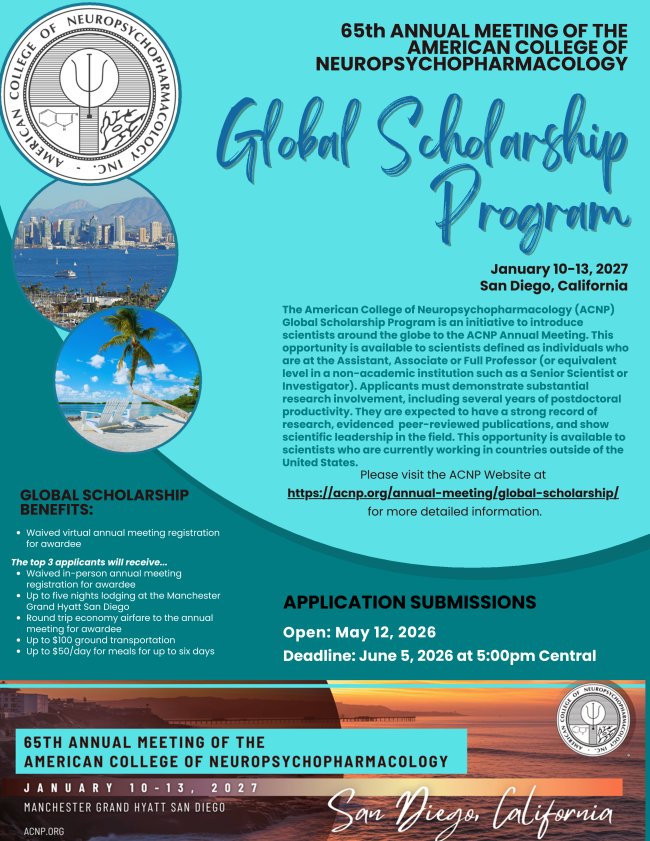
The Global Outreach Task Force is accepting applications for the Global Scholarship Program for the January 2027 Annual Meeting. The deadine to submit is June 5, 2026.
Eligibility:
This opportunity is available to scientists who are currently working in countries outside of the United States. ACNP members and Associate Members are not eligible to apply.
- Assistance, Associate or Full Professors
- Senior Research Scientists or Investigators
- Scientists with substantial research involvement
- Experienced postdoctoral fellows with multiple years of productivity
- Demonstrate a strong record of research, have peer-reviewed publication, and scientific leadership
| | Near-Peer Mentorship Program | | |
The Near-Peer Mentoring Task Force will be accepting applications soon for the 2027 Near-Peer Mentorship Program. The deadline to submit is late June 2026.
| | |
Mentee Eligibility Requirements:
- Applicant must have completed their Ph.D. or M.D. degree (or equivalent) by the start of the program year (January 1, 2027)
- Applicant cannot have previously received an ACNP Travel Award
- Applicant must identify from disadvantaged backgrounds as defined by ACNP
| | Membership Nominations and Promotions | | |
Nomination materials and guidelines for new Associate Member, Member, and Fellow promotion candidates will be available under the Membership tab on the ACNP website in July. The submission site will open with an announcement to membership in mid-August. The deadline for nominations and applications will be September 24, 2026. Should you have questions or need assistance, please contact ACNP at acnp@acnp.org.
REMINDER:
New Associate Member and Member nominees must have attended a minimum of one ACNP Annual Meeting prior to applying for membership.
Membership Mentors: Membership Mentors are recent past Membership Committee members who have agreed to counsel prospective membership nominees and/or their nominators on membership application to the College. The members included on this list have agreed to be contacted by applicants and their nominators.
Current Membership Mentors
| | |
2026 New Associate Members
The College would like to highlight the new 2026 Associate Member Class!
| | Stay tuned for the August and November Bulletins to meet our other new Associate Members. | | Career Transition Mentoring Network | |
Career Transition Mentoring Network
The Career Transition Mentoring Network is designed to provide a near-peer resource for mid-to senior level researchers during critical career transitions. Members have volunteered to be a near-peer network mentor and serve as a resource for the discussions on the following topics: Promotions, Chair, Dean, Center and Institute Director, Publishing, Industry, Academia-Government, Emeritus-Retirement, among others. You must be logged in to the ACNP Website to view the page.
| | |
Lisa M. Monteggia, Ph.D.
Co-Principal Editor
| | | |
Tony P. George, M.D.
Co-Principal Editor
| | | The NPP Briefs collection provides researchers with a streamlined path to publishing high-quality concise, stand-alone original research in a leading journal. These briefs deliver complete but focused stories— ideal for novel findings, urgent results, replication studies, or negative data that merit rapid dissemination. | | NPP: Digital Psychiatry and Neuroscience | | | | |
William A. Carlezon, Jr., Ph.D.,
Principal Editor
| | | |
First Registered Report
NPP-Digital Psychiatry and Neuroscience (DPN) has published its first Registered Report (by Dr. Lauren Henry and colleagues at NIMH; https://rdcu.be/fjm0O), marking an important milestone in the journal’s commitment to rigor, transparency, and reproducibility in psychiatric neuroscience research. Registered Reports use peer review prior to data collection or analysis, helping to reduce publication bias and increase confidence in study design and interpretation. Articles that receive in-principle acceptance after a prospective evaluation of experimental design and methodology (Stage 1) are published regardless of study outcome, pending secondary review to ensure that the approved protocol was followed and the conclusions are scientifically justifiable (Stage 2). This format aligns DPN with a growing movement across neuroscience and psychiatry to strengthen research reliability through open science practices. As an emerging journal operating at the intersection of digital psychiatry, neuroscience, and computational methods, DPN’s inclusion of Registered Reports as an option for authors signals a strong commitment to methodological innovation as well as scientific credibility. Registered Reports join other distinctive features of the journal, including Primers and forthcoming Consensus Articles, all of which are designed to help our readership learn, teach, discover, and advance efforts to improve mental health.
| | | Scientific Communications and SLAC Committee | | The Scientific Communications Committee and the Senior Leaders Advising on Careers (SLAC) Committee worked together to interview Fellow Members in 2025. Please see below to view the interviews. | | |
The College partnered with the Society for Neuroscience (SfN) to select up to four distinguished young scientists from the 2025 ACNP Travel Award class to participate in SfN's Annual Hill Day event. 2025 Travel Awardees were asked to submit a statement of interest in public service or advocacy, a statement of their experience volunteering in governmental education efforts, advocacy outreach or elections as well as an updated C/V for review by both the chairs of the Education and Training Committee and Liaison Committee.
The following distinguished young scientists from the 2025 Travel Award class attended the virtual Hill Day events on March 17-19, 2026.
| | |
Nadja Ging-Jehli, Ph.D.
University of Arizona
| | | |
Karim Ibrahim, PsyD
Yale University School of Medicine
| | | |
Daniel McCalley, Ph.D.
Stanford University School of Medicine
| | | |
Antonio Pagán, Ph.D.
The University of Texas Health Science Center at Houston
| | | What the SfN Hill Day events meant to them! | | ABC's Community Engagement Platform | | |
Community Engagement Platform
The American Brain Coalition (ABC) has launched its new Community Engagement Platform, a member-driven initiative designed to strengthen interdisciplinary collaboration and expand access to shared resources across the brain health field. The platform empowers ABC members to enhance their advocacy, research, and community engagement efforts.
| | |
The Community Engagement Platform is available to all ABC Members and users will gain access to:
- Curated resource libraries
- Custom AI tools
- Collaboration spaces
- And more!
| | |
ABC Educational Webinar
The American Brain Coalition (ABC), co-hosted with the ACNP, is hosting an educational webinar, Understanding Biomarkers and Their Impact on Brain Health, on June 8, 2026 at 11:00am - 12:00pm Eastern.
Biomarkers are powerful tools that can transform how we understand and address brain health. From early diagnosis to personalized treatment plans, biomarkers offer invaluable insights into various neurological and psychiatric conditions. This webinar will delve into the types of biomarkers, their significance, recent advancements, and the future of biomarker research in the brain community. Panelists include Steven Hyman, Ph.D., Harvard University, Sarah Morris, Ph.D., NIMH, and Carol Taylor-Burds, Ph.D., NINDS.
Please register in advance for the webinar. This is a virtual event that will also be recorded.
| | |
The NIH BRAIN Initiative: Securing America's Neurotechnology Future
The American Brain Coalition, American College of Neuropsychopharmacology, Dana Foundation, IEEE Brain, Kavli Foundation, Simons Foundation, Society for Neuroscience, and Society of Biological Psychiatry, in cooperation with the Congressional Neuroscience Caucus hosted a special briefing, The NIH BRAIN Initiative: Securing America's Neurotechnology Future, on Wednesday, April 22, 2026.
Since its launch, the BRAIN Initiative® has accelerated the development of transformative tools to map, monitor, and modulate brain activity. These advances are not only expanding scientific knowledge, but they are also powering a new generation of American neurotechnology companies.
This briefing examined how federal investment through the BRAIN Initiative is translating into startup formation, commercialization of novel technologies, and strengthened U.S. competitiveness in the global biomedical landscape. Experts outlined how sustained support for brain research ensures that scientific breakthroughs, economic growth, and patient benefits remain rooted in the United States.
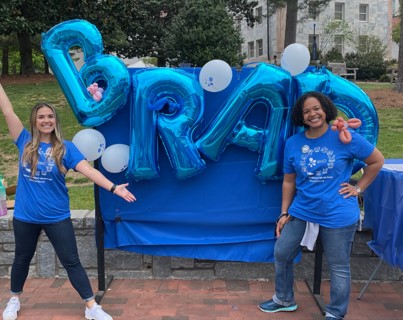
| | | | Thank you to everyone who celebrated BRAD with us in April! This year there were over 300 events worldwide celebrating the important contributions of animal research. Your participation and efforts make such a huge difference in helping increase public understanding and support of animal models in biomedical research. | | |
There are still many exciting opportunities to get involved in BRAD this year. Applications are being accepted for the ACNP/AMP BRAD Fellowship until June 1, 2026. Early career scientists (with any professional degree including MS, PhD, MD, etc) who have a passion for animal research, outreach, and/or education are encouraged to apply. Information about the fellowship and application can be found here: BRAD Fellowship Info.
Rachel Puralewski's podcast, Translational Conversations, is preparing to launch on podcast platforms in June. Translational Conversations will be released as a special series from Lab Rat Chat, a podcast from Americans for Medical Progress with hundreds of followers across iTunes, Spotify, Stitcher, and TuneIn. The first episode of Translational Conversations is currently available on BRAD's website, where additional episodes will be posted as they are released across podcast platforms.
If you are interested in sharing your research with other scientists and the public, or you would like more information about the podcast, please contact Dr. Puralewski directly at puralewski@wisc.edu or you can fill out this google form: Translational Conversation Interest Form.
| | | What is the ACNP/AMP BRAD Fellowship? | | International Brain Research Organization | | ACNP looks forward to engaging with the IBRO community and sharing relevant updates, initiatives, and opportunities in the future. | | |
ACNP has been accepted as a Society Member of the International Brain Research Organization (IBRO), a global federation dedicated to advancing neuroscience research and education. The new affiliation reflects ACNP’s ongoing commitment to fostering international collaboration and supporting the exchange of scientific knowledge across disciplines.
Through engagement with IBRO’s worldwide network, ACNP will have expanded opportunities to contribute to global neuroscience initiatives and promote brain research across diverse regions.
| |
- June 4, 2026: Finalize Panel, Mini-Panel, Study Group Submissions
- June 5, 2026: Deadline to submit Global Scholarship Applications
- Late June: Near-Peer Mentorship Program Applications
- June 30, 2026: Deadline to submit Honorific Awards
- August 27, 2026: Deadline to submit Poster Abstracts
- September 24, 2026: Deadline to submit new Membership Nominations and Promotions
- October 28, 2026: Deadline to submit Promising Targets Submissions
- January 10-13, 2027: ACNP 65th Annual Meeting, San Diego, California
| |
Upcoming Meetings /
Employment and Grant Opportunities
| | |
Upcoming Meetings:
To see a list of upcoming meetings in the field of neuropsychopharmacology, please click below:
| | |
Employment and Grant Opportunities:
To see a list of new employment and grant opportunities in the field of neuropsychopharmacology, please click below:
| | | |
10 Things You Likely Did Not Know About Lori Kunath, Senior Publications Manager
- My favorite hobbies are hiking and yoga.
- I've been blessed with 3 sons (Quinn, Austin, and Wesley).
- I enjoy gardening, but tomatoes seem to be the only things I grow well.
- My favorite movie is The Goonies.
- I've been married to the love of my life for 27 years.
| | | For a full listing of the ACNP Staff in the Executive Office, click here. | | ABCD 7.0 Release Now Available | | |
The 7th annual release of data from the Adolescent Brain Cognitive DevelopmentSM (ABCD) Study, as well as the Data Exploration & Analysis Portal (DEAP)[C[2] [C[3] [EH4], a graphical user interface for creating, visualizing, and analyzing NBDC datasets in place.
The ABCD Study® is the largest longitudinal study of brain development and child health in the United States. The ABCD 7.0 Data Release includes cumulative data from the full participant cohort through the 5-year follow-up visit and nearly the entire cohort at the 6- and 7-year follow-up visits. The ABCD 7.0 data release also contains whole-genome sequencing data for approximately 80% of the cohort, longitudinal linked external data, as well as data from associated substudies, including Social Development, COVID-19, and the newly added Baby Teeth, RECOVER, and Structured Interview for Psychosis-Risk Syndromes. For detailed information about the ABCD 7.0 Data Release, please visit the ABCD documentation page.
NBDC Data Hub
ABCD (and HEALthy Brain and Child Development, or HBCD)[J[5] Study data are available through the NIH Brain Development Cohorts (NBDC) Data Hub, a secure data management and analysis platform offering:
● Scalable integration of large, multimodal datasets, including neuroimaging, EEG, and genomics data
● Customized query tools and data ontologies to identify variables of interest
● Compute-in-place Sandbox with standard tools (RStudio, Jupyter Notebooks, Linux desktop)
● NEW! Compute-in-place Data Exploration & Analysis Portal, a graphical user interface for dataset creation, visualization, and analysis of tabulated data as well as voxel- and vertex-wise (and soon connectome-wise) imaging data for ABCD data. View DEAP documentation here: https://docs.deapscience.com
Controlled-access
To access the data, researchers must apply for a Data Use Certification (DUC), complete the required Responsible Data and Biospecimen Use Training, and attest to compliance with NIST SP 800-171 security standards (or equivalent ISO/IEC 27001/27002 standards) per NIH requirements. The NBDC Data Hub will soon introduce a non-NIST data access workflow for investigators whose institutions do not plan to implement NIST-compliant computing environments. Further details will be available soon.
| | The Future DSM Candidate Biomarkers and Biological Factors Survey | | The Future DSM Candidate Biomarkers and Biological Factors Subcommittee is surveying the field to learn about potential candidate biomarkers and other biological factors involved in psychiatric disorders. They value your expertise in this area and welcome your input and suggestions. Please access the form to submit your candidate Biomarker or Biological factor through the following link which includes relevant definitions: https://redcap.vumc.org/surveys/?s=9W4EPDPXA43LCTLF | | The American College of Psychiatrists - Awards | | |
The American College of Psychiatrists acknowledges outstanding contributions to psychiatry made by mental health professionals by presenting several awards, including the following. To learn more about these honors, and to nominate a colleague, please visit the College's website at http://www.acpsych.org/awards.
The Disinguished Service in Psychiatry Award - Deadline for 2027 / June 30, 2026 - The Distinguished Service Award recognizes significant achievements and leadership in the field of psychiatry. The Award consists of a gold medallion and a certificate. The recipient receives travel, hotel, and free registration at the Annual Meeting.
The Award for Creativity in Psychiatric Education - Deadline for 2027 / June 30, 2026 - The Award for Creativity in Psychiatric Education recognizes a teaching program that demonstrates innovation in psychiatric education. The Award consists of a $1,000 grant and a certificate. One representative from the program receives travel, hotel, and free registration at the Annual Meeting; a second representative receives free registration.
Honorary Fellowship - Deadline for 2028 / June 30, 2026 - The American College of Psychiatrists awards Honorary Fellowships in the College to distinguished professionals who have made significant scientific and clinical contributions to the field of psychiatry but are ineligible for Membership in the College. The Award consists of a $5,000 travel grant, waived registration and complimentary lodging at the meeting hotel. Although Honorary Fellows do not pay dues and are not eligible to hold office or Committee Membership, they are invited to attend all College meetings.
| | Opportunity for Public Comment: NIH-Wide Strategic Plan Framework for FY 2027-2031 | | |
Please see the below opportunity to provide feedback on the framework of the NIH-Wide Strategic Plan for Fiscal Years 2027–2031.
The framework articulates NIH’s priorities in three key areas:
Priority 1: Research Areas
- Goal 1: Advance Foundational Knowledge of Human Health and Disease
- Goal 2: Prevent Disease and Promote Health Across the Lifespan
- Goal 3: Advance and Optimize Interventions, Treatments, and Cures
Priority 2: Research Capacity
- Goal 1: Develop and Sustain an Interdisciplinary Research Workforce
- Goal 2: Build, Improve, and Sustain Research Resources and Infrastructure
Priority 3: Research Operations
- Goal 1: Enhance Scientific Stewardship and Decision-Making
- Goal 2: Foster Transparency and Accountability to Improve Public Trust in Science
This Request for Information invites input from those throughout the scientific research, advocacy, and clinical practice communities, as well as the general public. All comments must be submitted electronically by 11:59 pm ET on May 26, 2026.
| | | | |