As journalist and educator Kat Duncan spoke with other female journalists about resources for reporting online harassment, she saw a critical need.
“I wanted to create something that could help journalists document and deal with these incidents,’ she said.
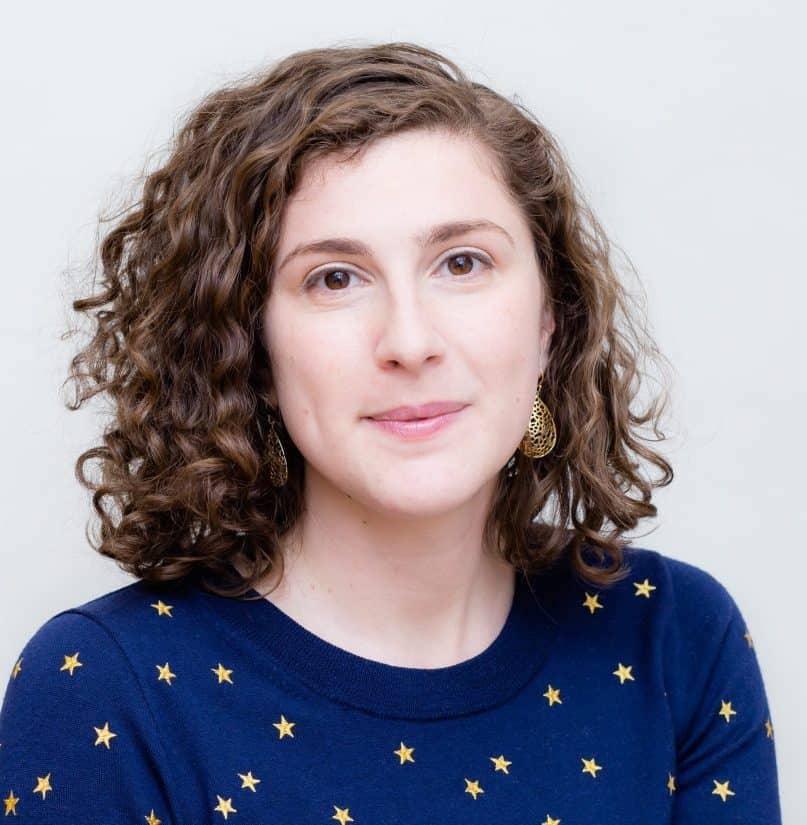
The idea led Duncan — the interim director of innovation for the Innovation & Futures Lab at the Reynolds Journalism Institute at the Missouri School of Journalism — to team up with engineering students and the Coalition for Women in Journalism and develop an app. JSafe is now available for free to help female and other marginalized journalists fight against harassment, bullying and assault.
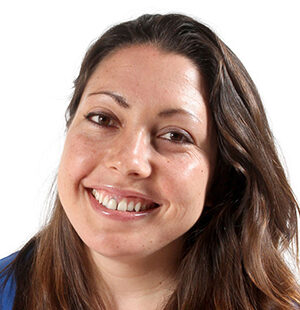
We reached out to Duncan and Viktorya Vilk, director of digital safety and free expression programs at PEN America, to learn why this tool is so important today.
Can you briefly describe how the harassment of journalists — particularly female journalists — has changed in the past few years?
|
|
Vilk: Journalists have always been harassed and threatened by people who wish to discredit, intimidate, and censor them, but the advent of social media, with its emphasis on virality and anonymity, has amplified the problem. Women and nonbinary journalists, in particular, are disproportionately targeted by more egregious — and gendered — online abuse, which I have seen firsthand in my work with reporters and which has also been studied by press freedom organizations. CPJ’s 2019 study found that 90% of American and Canadian journalists who identify as female or nonbinary regarded online harassment as the biggest threat they face. According to the IWMF’s 2018 survey of women journalists around the world, 90% of respondents indicated that online threats increased over the past five years. PEN America’s own 2017 study of U.S. writers and journalists facing online abuse found that 64% of respondents took a break from social media [due to online harassment], while 16% permanently deleted accounts, and 37% reported avoiding certain topics in their writing, while 14.5% stopped publishing their writing altogether.
In other words, we know that online abuse suppresses speech and disproportionately silences the voices of those already marginalized in other ways for their gender, race, sexuality, religion, etc. In the media industry, the prevalence of online abuse seriously undermines any efforts to create more diverse, inclusive, and equitable work environments and needs to be acknowledged and addressed head on.
Why is a tool like JSafe so important right now?
|
|
Duncan: I feel the tool is important because it can help journalists document harassment in a secure space outside of their work email or social media accounts. It gives them a place to store information about incidents, upload photo/video documentation and ask for help if needed. I hope it will provide a lot of journalists with the ability to document the incidents they experience in an organized and safe manner, but also provide them with additional resources when needed.
Vilk: One of the most important things a journalist — or anyone — targeted by online abuse can do is to document the abuse they're experiencing. By documentation, I mean saving emails and voicemails, taking screenshots of abusive content on social media and, ideally, capturing key metadata, including hyperlink, platform, date, time, etc. Documentation is critical not only for seeing patterns in abuse, but for facilitating conversations with managers and employers, engaging with law enforcement, and pursuing legal action.
It’s important to keep in mind that if you report online abuse that violates a platform’s terms of service and succeed in getting it taken down, you could lose valuable evidence — that’s part of why documentation is necessary. Unfortunately, none of the major social media platforms have built-in or automated documentation tools, so reporters have no choice but to document by hand. Tools like J-Safe help journalists manually document and track the abuse they’re experiencing in one place. Because documenting abuse can be exhausting and traumatizing for the target, we recommend asking a trusted friend or colleague to help monitor, report, and document abuse.
What are your top tips for journalists dealing with threats to their safety?
Vilk: If we’re talking about how to deal with online abuse in general, I recommend: identifying what kinds of tactics you’re being subjected to, documenting the abuse, reporting abuse to the platforms, deciding whether blocking or muting might help, tightening cybersecurity, enlisting allies to help, and letting at least a few people know what’s happening. Self-care is also vital as online abuse can take a serious toll on mental and physical health. We map out detailed guidance in this article for Slate and in PEN America’s Online Harassment Field Manual.
If a journalist is trying to figure out if the abuse they’ve been subjected to has made them feel physically unsafe, it may help to take a look at the Online Harassment Field Manual’s threat
assessment section and OnlineSoS’s threat modeling action plan. If a journalist does feel physically unsafe, it’s very important that they secure their physical safety as much as possible, inform editors and managers of the threat, and consider reporting to law enforcement. If a journalist is not comfortable engaging with law enforcement alone, they could consider bringing a trusted friend or ally or going through an employer. Creating an official record of pervasive or severe online abuse can be instrumental, later down the line, in pursuing legal protection or
other forms of legal remedy.
|
|
After a summer of protests about police brutality and racial injustice, news organizations vowed to improve coverage of diverse communities and to step up their own long-promised efforts to diversify newsrooms and leadership.
Join the National Press Club Journalism Institute and the National Press Club Communicators Committee for a candid conversation with Amanda Barrett, deputy managing editor at AP; Rene Sanchez, editor and senior vice president at the Star Tribune; and Dorothy Tucker, president of the National Association of Black Journalists. Michael McCarter, USA Today managing editor of standards, ethics and inclusion, will moderate.
Registration is open for this program, which will take place from 12:00 pm to 1:00 pm EDT on Friday, October 23.
|
|
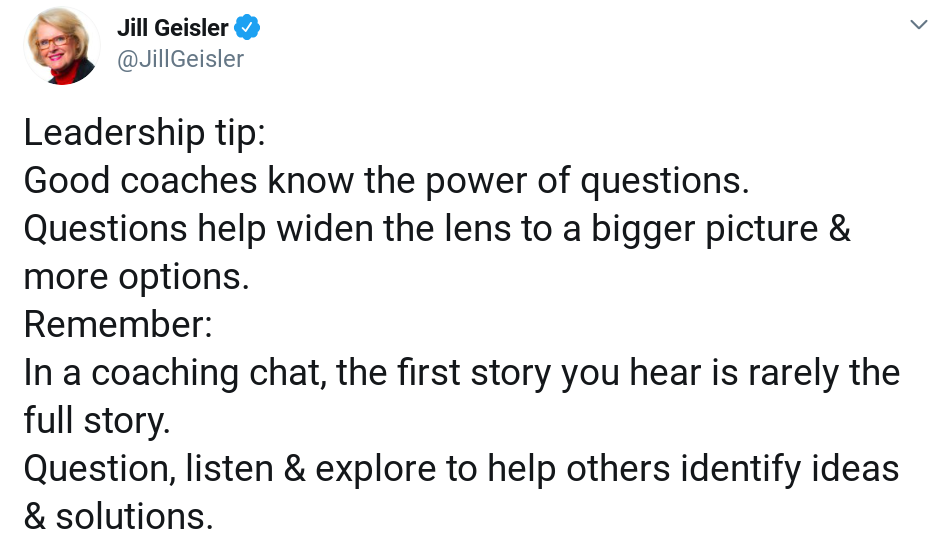
Questions open the door wide enough to surface explanations, reveal buried assumptions, and create a more complete shared understanding. Questions can lead people to solutions of their own making, which preserves autonomy and builds confidence. And sometimes, you discover together that the answer is: rest the coach, give directions.
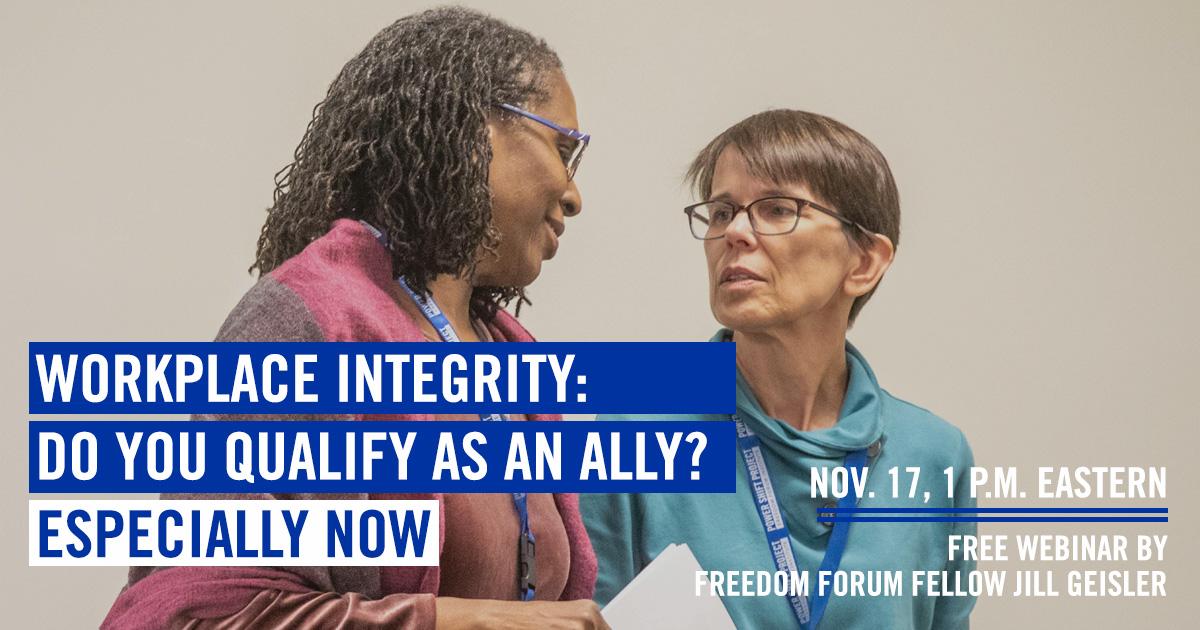
Advice from Jill Geisler, Bill Plante Chair in Leadership & Media Integrity, Loyola University Chicago, Freedom Forum Fellow in Women’s Leadership
|
|
|
Feeling cranky? Unmotivated? Overwhelmed? Turn on some music.
|
|
This newsletter is written & edited by the National Press Club Journalism Institute staff: Beth Francesco, Holly Butcher Grant, and Julie Moos. Send us your questions and suggestions for topics to cover.
|
|
|
|
|
|
|