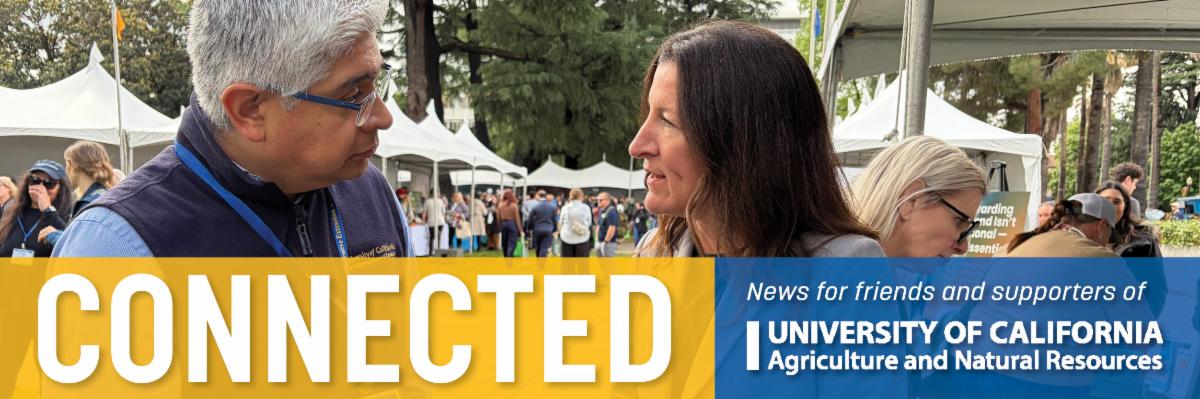
California Assemblymember Cottie Petrie-Norris, at right, confers with UCCE specialist Samuel Sandoval Solis of UC Davis at Ag Day

April 2026 | Volume 10, Number 4

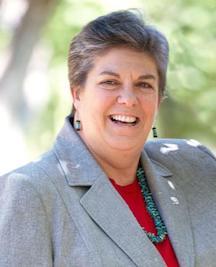
Headshot of Glenda Humiston

The Vantage Point


Glenda Humiston 

Vice President

UC Agriculture and Natural Resources 


Recent news about historically warm ocean temperatures off the California coast – on the heels of record-breaking heat in many parts of the state in March – illustrate the extremes of a changing climate. The unusual weather and hydrological whiplash this winter, discussed by UC ANR/California Institute for Water Resources climate scientist Daniel Swain on his indispensable livestreams, remind us there is much to learn about climactic phenomena and how we can best adapt to their cascading impacts.


Last week, I was truly inspired by what I heard during the EarthX 2026 Congress of Conferences in Dallas. One of the world’s premier sustainability gatherings, EarthX brings together leaders and innovators to discuss environmental education and policy solutions, share the latest technologies and build productive partnerships. During the Bioeconomy Symposium at EarthX, I was honored to speak alongside Blake Simmons, director of the Biological Systems and Engineering Division at Lawrence Berkeley National Laboratory.


Cross-sector collaborations are the key to growing the bioeconomy, which sustainably uses renewable biological resources to produce food, energy, materials and other goods. We emphasized UC’s role as a driver of bioeconomic activity by advancing the viability of bioplastics, biofuels and a wide array of products made from woody biomass and agricultural waste.


According to a March 2024 USDA report, biobased products contributed $489 billion to the U.S. economy in 2021, a $25 billion increase over 2020, despite the pandemic. In this area of tremendous potential, California has made immense strides in investing in research and infrastructure; removing barriers and providing incentives for bioproduct manufacturing; and creating new tools, markets and supportive innovation ecosystems. I was especially proud to highlight The Plant – a state-of-the-art center that will generate practical solutions for the agri-food sector – as well as UC ANR Innovate, which spearheads our work in ag tech, farm robotics, bioproducts and more.


Our innovation initiatives were among the many aspects of UC ANR highlighted during Ag Day at the Capitol on April 21 (watch video). The annual event, held by the California Department of Food and Agriculture, invites elected officials, staffers and the broader community to learn about a host of organizations supporting California agriculture. I want to extend special thanks to UC President James Milliken, who greeted our 4-H State Ambassadors and the youngsters and volunteers from the Sheldon 4-H club. And, of course, my gratitude goes out to the UC Master Gardeners team, UCCE academics and UC ANR staff who represented us so well – despite a heavy downpour! Extra kudos to Nestor Lopez, assistant director of government and community relations, who expertly organized our contingent.


Nestor and Anne Megaro also put together a fantastic UC ANR Advocacy Day on April 14 at the State Capitol. I was very pleased to join them, along with Executive Director of County Cooperative Extension Janine Woods, UCCE specialist Keith Taylor, UCCE forestry advisor Yana Valachovic, Katie Low of the UC ANR Fire Network and Hanif Houston of UC ANR Innovate, who all did a phenomenal job of talking about our impact. My thanks to Sen. Josh Becker and Assemblymembers Cecilia Aguiar-Curry, Heather Hadwick and Esmeralda Soria, and to staff members at several other legislative offices, for taking the time to hear how UC ANR improves the lives of their constituents. Also, a special note of gratitude to Assemblymember Jacqui Irwin for sponsoring our visit to the Assembly floor.


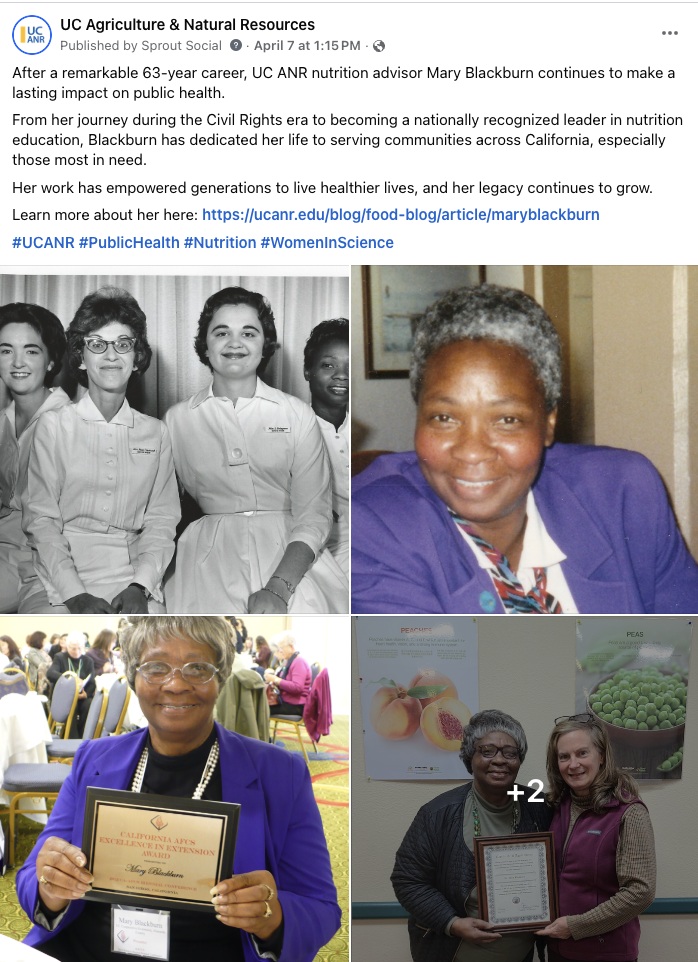
When it comes to long-term impact on communities and an entire field and vocation, few can match the career of Mary Blackburn, the UCCE nutrition, family and consumer sciences advisor for Alameda County who retired last year. I strongly recommend you read about Dr. B’s extraordinary life and contributions to the health and well-being of so many people. We cannot thank Dr. B enough for her bravery and brilliance in breaking barriers – while building the enduring vitality of entire communities. 


A few more links for your perusal this month… be sure to check out this wonderful feature by UC Berkeley about alumni, such as UCCE advisors Ricky Satomi and Brent Holtz, who are making a difference in rural California. And, as we wrap up Earth Month, get inspired by the stories of Sarah-Mae Nelson, who leads our Climate Stewards course, and Daisy Prado, a certified UC California Naturalist. These women epitomize the mission of our amazing UC Environmental Stewards program – to provide people with the skills and confidence they need to share the care for, as Daisy puts it, “our collective home.”


On UC ANR Giving Day (see below), I hope you’ll support our environmental education programs and the full breadth of our work that benefits people, prosperity and the planet. Thank you!

Banner image above: Assemblymember Cottie Petrie-Norris (right) confers with UC Cooperative Extension specialist Samuel Sandoval Solis of UC Davis during Ag Day at the Capitol; photo by Pam Kan-Rice

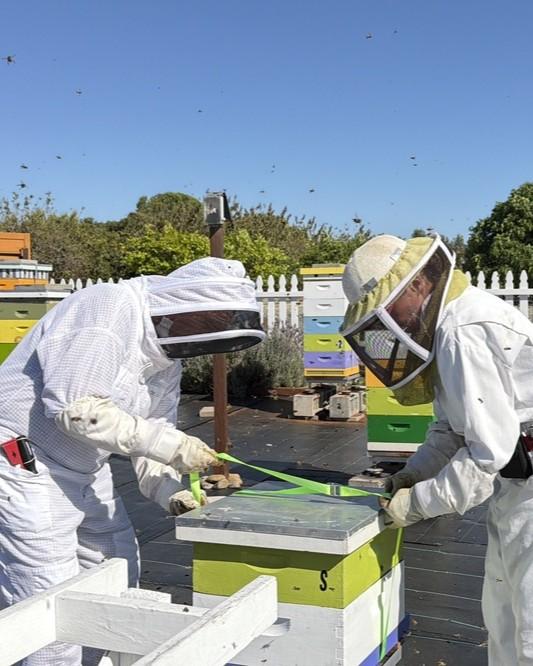
Two beekeepers in protective gear bend at the waist to check on their bees

In the News


UC ANR was featured in stories on working as a beekeeper, outlook for a busy fire season, Sudden Oak Death pathogen variant, trees and fire protection, rise of pistachios, saving giant sequoias, partnerships on microirrigation, record-breaking ocean temps, tomato field biostimulant trials, marine heat wave, growing potatoes, becoming a UC Master Gardener, warming winters and nitrate pollution, threats to strawberry crop, April snow, storms and fire risk, updated bacterial canker resource, growing food in gardens, UC Master Gardeners site in OC, future of Imperial Valley, heat and Western ecosystems, studies on flatheaded borer, Ventura County 4-H presentations, paltry snowpack and more.

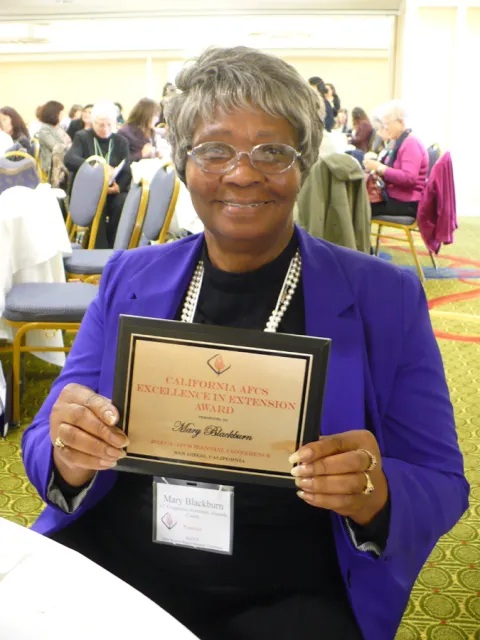
Mary Blackburn smiles while holding up American Association of Family and Consumer Sciences Extension Excellence Award

UC ANR news stories


After 63-year career, UC ANR nutrition advisor still writing her legacy of public health


UC Hopland Research and Extension Center to celebrate 75 years on May 17


Ranching with wolves: Ranchers lose livestock, profits, sleep


Tomato industry taking steps to stop spread of parasitic weed


More news stories


The Donor Difference

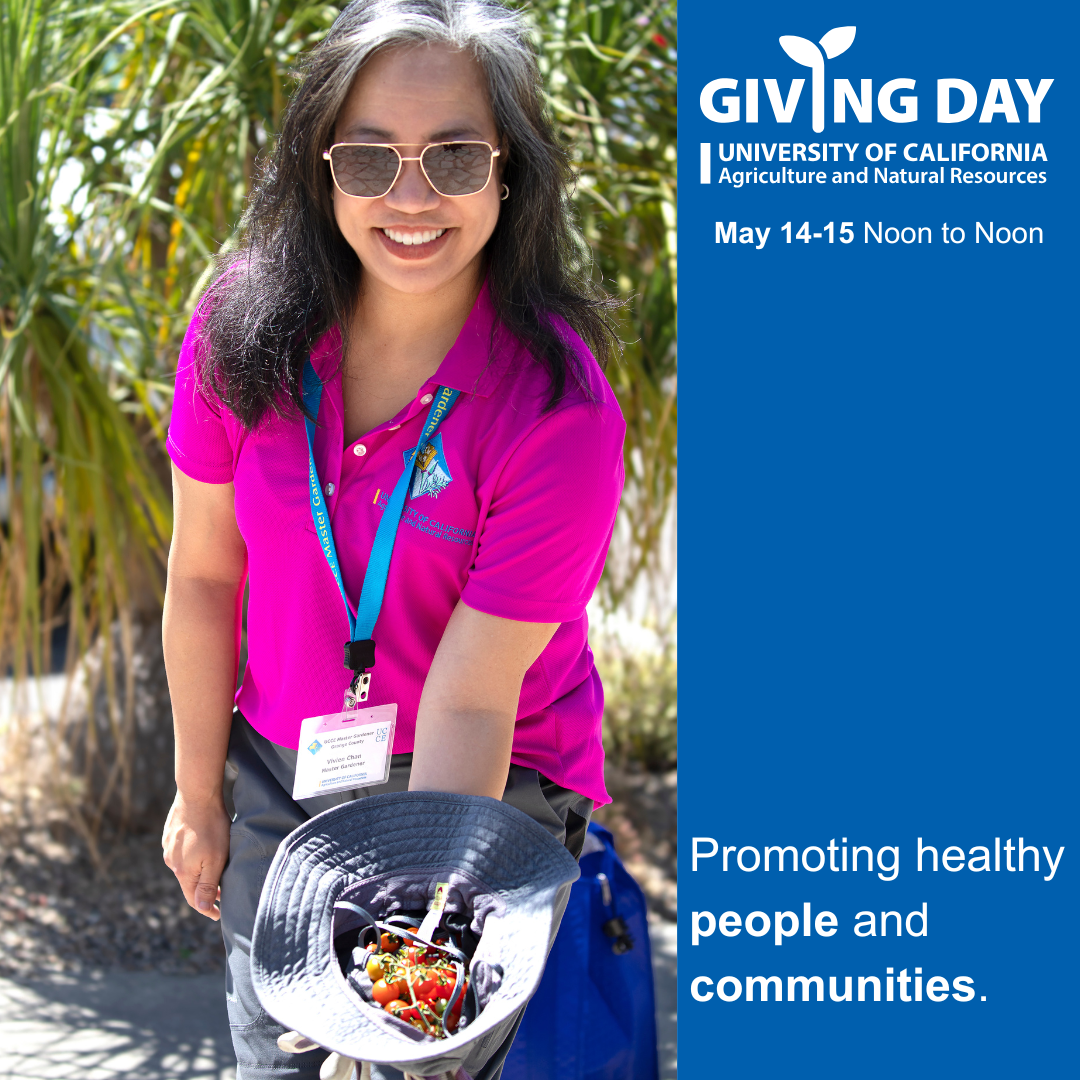
UC Master Gardener shows off a wide brimmed hat filled with cherry tomatoes

UC ANR Giving Day: Donors make the difference

UC ANR Giving Day is more than a 24-hour campaign – it’s a powerful reminder that meaningful change begins with people like you.


From noon on Thursday, May 14, to noon on Friday, May 15, supporters across California will come together to invest in the work of UC Agriculture and Natural Resources. And at the heart of it all are donors – individuals who believe in the power of science, education and community to create a better future.


With the support of donor generosity, UC ANR programs continue to thrive in communities statewide. Gifts made on UC ANR Giving Day help fund hands-on learning in demonstration gardens, open doors for youth through scholarships, and deliver trusted, science-based information to farmers, families and local leaders. These are real, tangible impacts made possible by people who choose to give.


What began as a single day of support has grown into a tradition of collective impact. Over the past seven years, donors have contributed more than half a million dollars to programs that strengthen California’s food systems, protect natural resources and improve community well-being.


This UC ANR Giving Day, your support becomes part of something bigger. Every gift – no matter the size – adds momentum, expands reach and helps UC ANR continue our work to serve all Californians.


Mark your calendar, share the opportunity and consider the role you can play. When you give, you’re helping drive solutions, empower communities and shape a more resilient California. Join us at give.ucanr.edu and be the difference.


Spotlight on Practical Resources

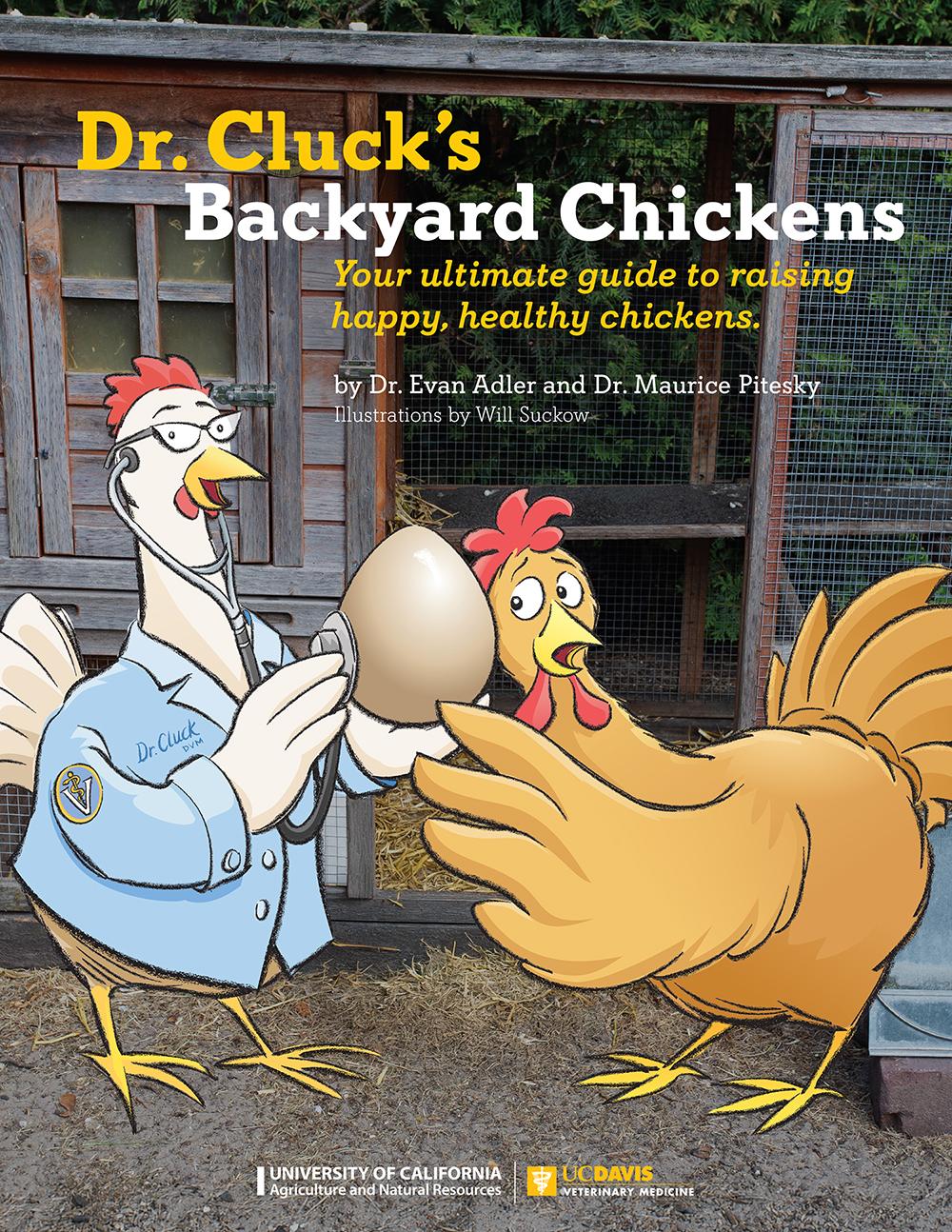
Two cartoon chickens on the cover of the book "Dr. Cluck's Backyard Chickens"

Don’t wing it: Vets pen ‘Dr. Cluck’ book to help keep chickens healthy, safe

“Dr. Cluck’s Backyard Chickens,” available in paperback and hardbound, provides chicken owners with science-based advice for poultry care. This fun guide is the first comprehensive how-to book that is peer-reviewed, poultry vet-approved... and reads like a sitcom! Maurice Pitesky, professor of Cooperative Extension in the UC Davis Weill School of Veterinary Medicine and veterinarian Evan Adler advise readers on choosing breeds, setting up a brooder, diagnosing disease, understanding nutrition and more. Read full article.


Notes from the Field

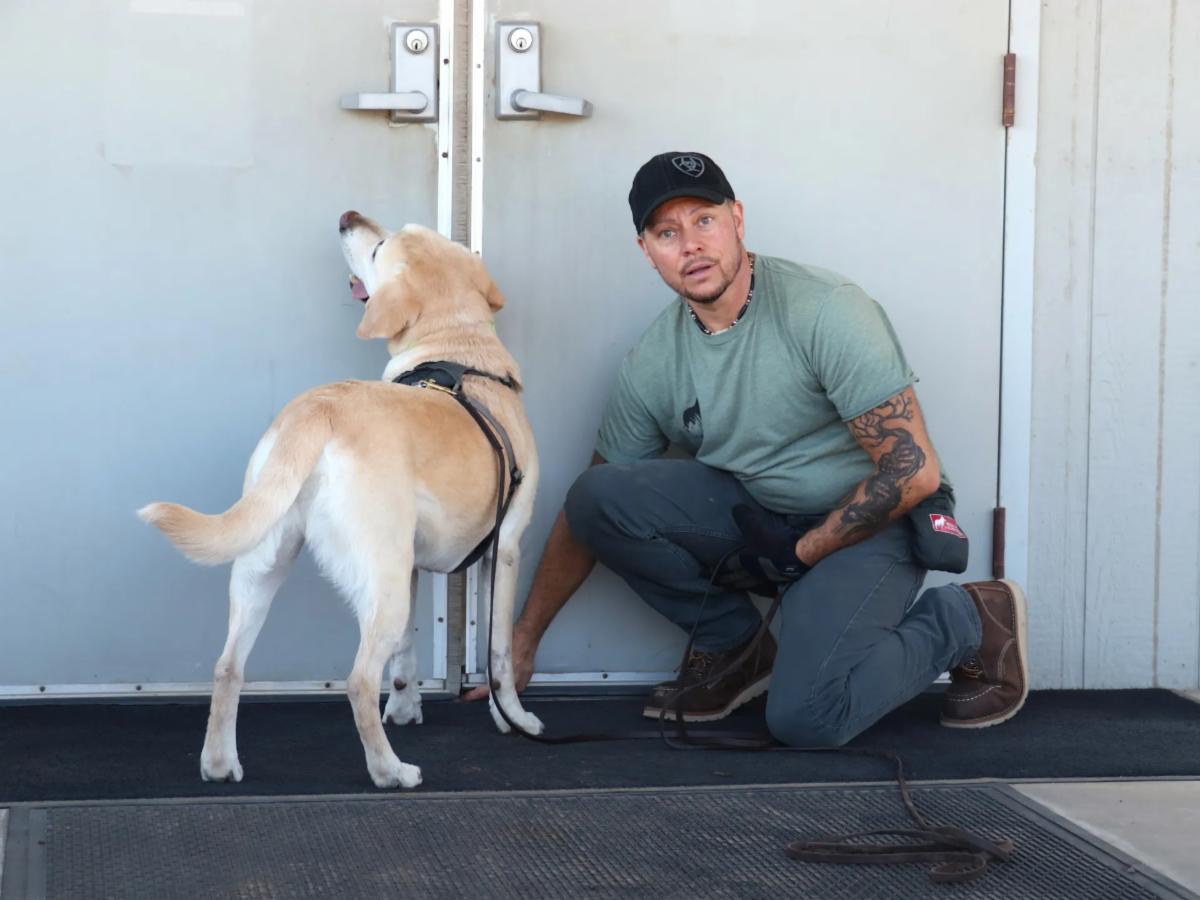
Trainer crouches next to an orange and white-colored rodent detection dog that is sniffing a doorway and door handle

Dogs with jobs: Pups go on pest patrol as rodenticides phase out

During the 2026 Vertebrate Pest Conference in Southern California, attendees visited a working farm to watch JJ, a rodent detection dog, at work. The field trip was organized by UC Cooperative Extension human-wildlife interactions advisor Niamh Quinn. By identifying rodent activity before infestations become obvious, dogs can help land managers rely less heavily on toxic measures. “We know that dogs can do amazing things, right? We’ve seen them sniff out cancer and COVID and bombs,” Quinn said. “Dogs have potential.” Read full story.

 
Productive Partnerships
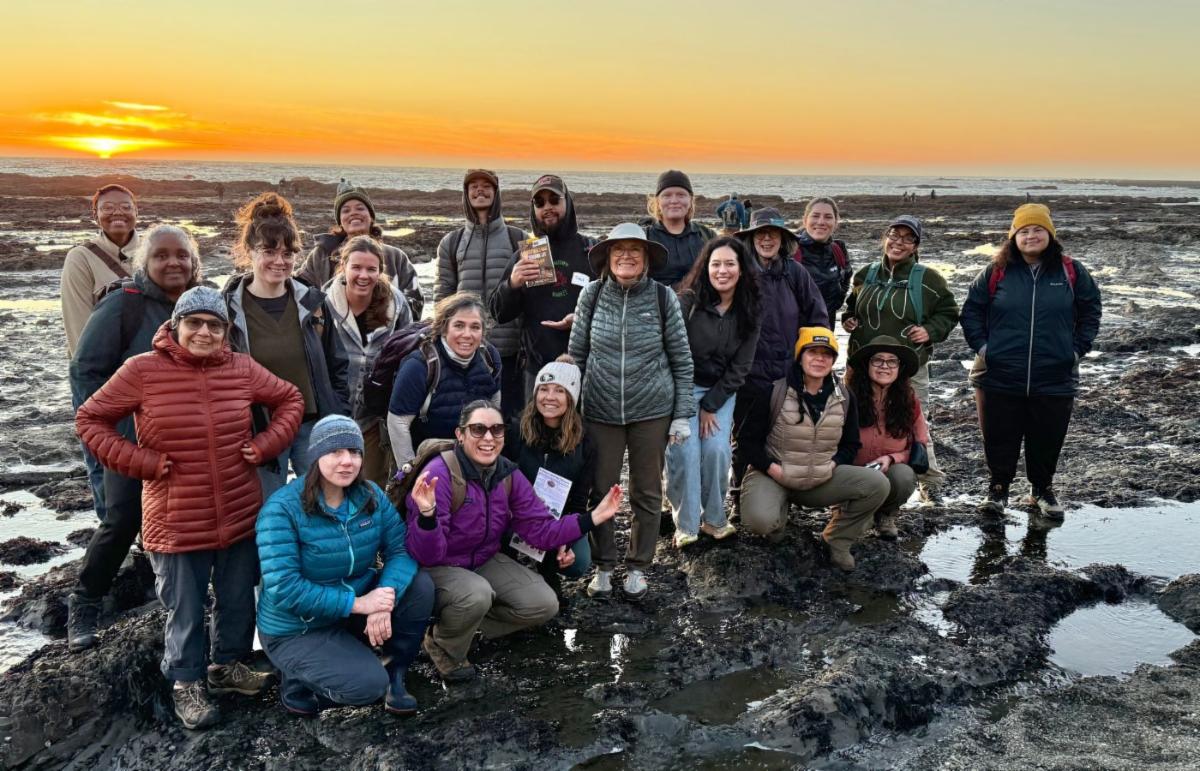
About 20 UC California Naturalist course participants crouch and stand by tide pools at Duxbury Reef as the sun sets behind them, turning the sky orange

After UC California Naturalist course, 
City Gurlz Hike founder strives to instill wonder

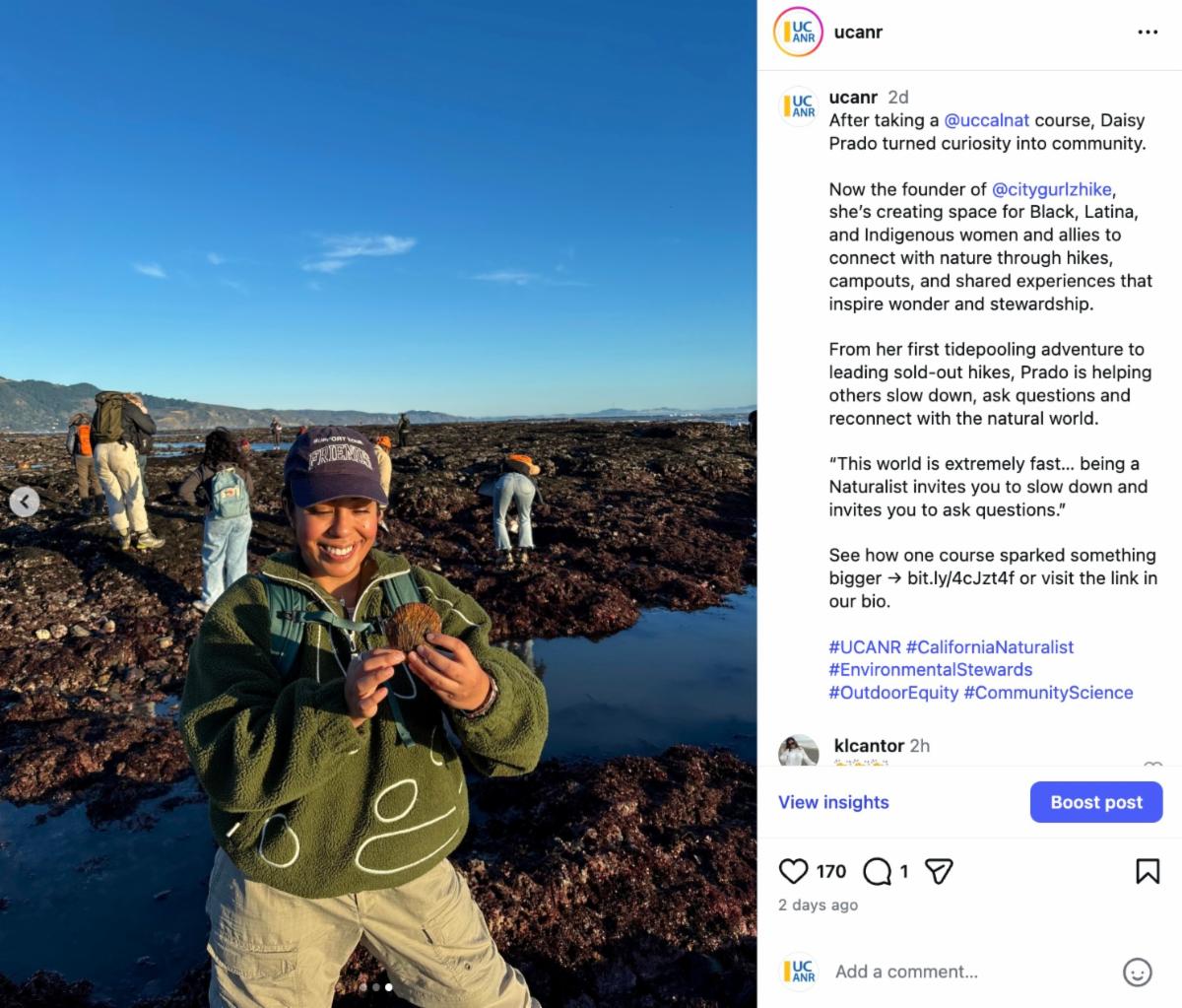
Daisy Prado brings Black, Latina and Indigenous women and allies to experience nature within a safe and inclusive community. After taking a UC California Naturalist course delivered by All Hands Ecology (a conservation nonprofit in Marin County), Prado is helping City Gurlz Hike participants slow down to observe and cherish living things. “We do need to be more curious about our collective home, and that curiosity also leads to deep affection for our collective home,” Prado said. Read full story.

 
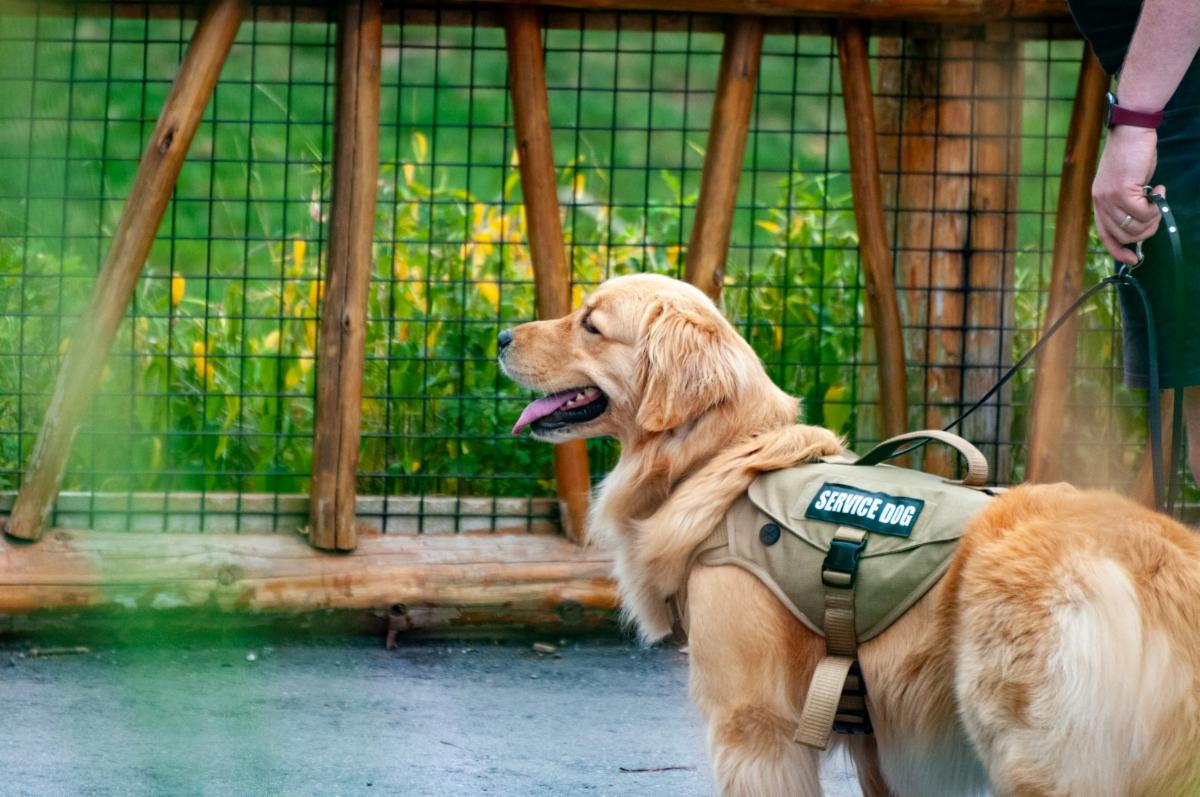
Dog with a service dog vest stands next to its person by a fence with yellow flowers and grass on the other side

Navigating ADA Compliance 
for Agritourism Guests

Online, May 5, 9:30-10:30 a.m.

Explore how the Americans with Disabilities Act (ADA) applies to agritourism guests, including general business requirements and various strategies for making your operation more inclusive and accessible. A large portion of the session will focus on service animals and emotional support animals. There will also be discussion on requirements for removing physical barriers and digital accessibility for websites and social media. Hosted by the UC Sustainable Agriculture Research and Education Program. Learn more and register for webinar.


Preserving Cherries at Home

Online, May 12, 7-8 p.m.

This free online class, taught by the UC Master Food Preservers Online Delivery Program, focuses on safe, research-based methods to preserve cherries, including dehydration, pickling and canning techniques. Other topics include common cherry varieties and how to select fruit for preservation, as well as food safety practices and storage tips for quality and shelf life. Register for webinar.


Broomrape 101 for Organic Vegetable Farmers

Online, May 19, Noon-1 p.m.

Broomrape is a noxious parasitic weed that recently reemerged in processing tomato fields in California, with the outbreak centered in the southern Sacramento Valley. This parasite attaches to the roots of tomato and other host crops and does most of its damage to the crop before it emerges from the soil. This free webinar will cover broomrape biology and identification, field scouting, organic management tools and best practices. Presented by UCCE weed specialist Brad Hanson. Register for webinar.


Botanical Beauty: Creating Body Scrubs

May 30, 9:30-11 a.m.
Garden of the Sun

1750 North Winery Avenue, Fresno, CA 93703

During this UC Master Food Preserver-UC Master Gardener collaboration, learn how to create luxurious body scrubs using home-grown botanicals. This session covers selecting and blending herbs, flowers and fruits for skin-nourishing benefits, exploring a range of exfoliation and moisturizing options, and customizing scents and textures to suit individual skin needs. Registration is encouraged. Register for event.


See more UC ANR events


Social Media Posts of the Month
 
Collage of historical photos from the lengthy and influential career of Mary Blackburn, a pioneering figure in nutrition education
Screengrab of an Instagram post showing Daisy Prado holding a shell by tide pools at Duxbury Reef
 

Follow us on Bluesky, X (Twitter), Facebook, Instagram, YouTube and LinkedIn

for more UC ANR highlights!


Subscribe to our Food blog, Green blog and Healthy Communities blog.


It is the policy of the University of California (UC) and the UC Division of Agriculture & Natural Resources not to engage in discrimination against or harassment of any person in any of its programs or activities.Inquiries regarding nondiscrimination policies may be directed to UC ANR, Affirmative Action Compliance & Title IX Officer, University of California, Agriculture and Natural Resources,
2801 Second Street, Davis, CA 95618, (530) 750-1280, tljordan@ucanr.edu.
 
University of California Agriculture and Natural Resources
2801 Second Street
Davis, CA 95618
Website: ucanr.edu
STAY CONNECTED
Facebook  X  Instagram  Linkedin  Youtube