Aging Conference to Feature NICOA Presentations |
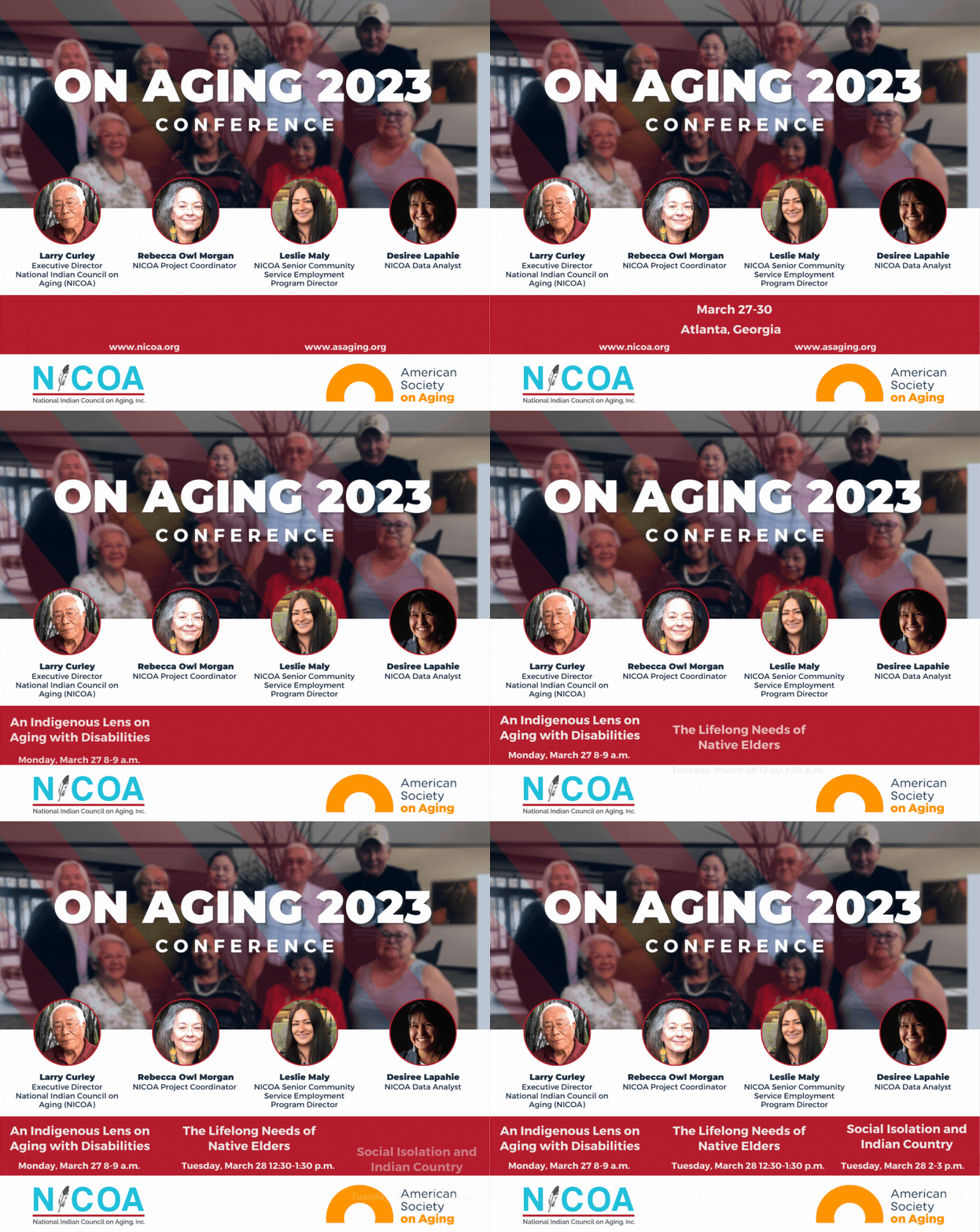
Join the National Indian Council on Aging (NICOA) on March 27–30 at On Aging 2023 in Atlanta, Georgia to experience a range of special events organized to help participants unite, empower and champion together.
The American Society on Aging’s (ASA) conference is the leading multidisciplinary conference on aging in the United States. The conference offers attendees the unique opportunity to build a strategy that will drive their work and mission forward.
Participants will learn from one another and leaders in aging through three days of programming aligned to ASA’s five priority areas, and across several thematic tracks: Justice & Equity, Innovation & Social Impact, Health & Well-being, Economic Security, and Ageism & Culture.
Conference features include:
-
Member-led workshops that provide attendees with CEUs
- Keynotes and General Sessions featuring leaders in aging
- Networking sessions that connect attendees with future partners, advocates and allies
- Policy and advocacy programming
|
|
|
|
NICOA Releases Updated Disability Toolkit |
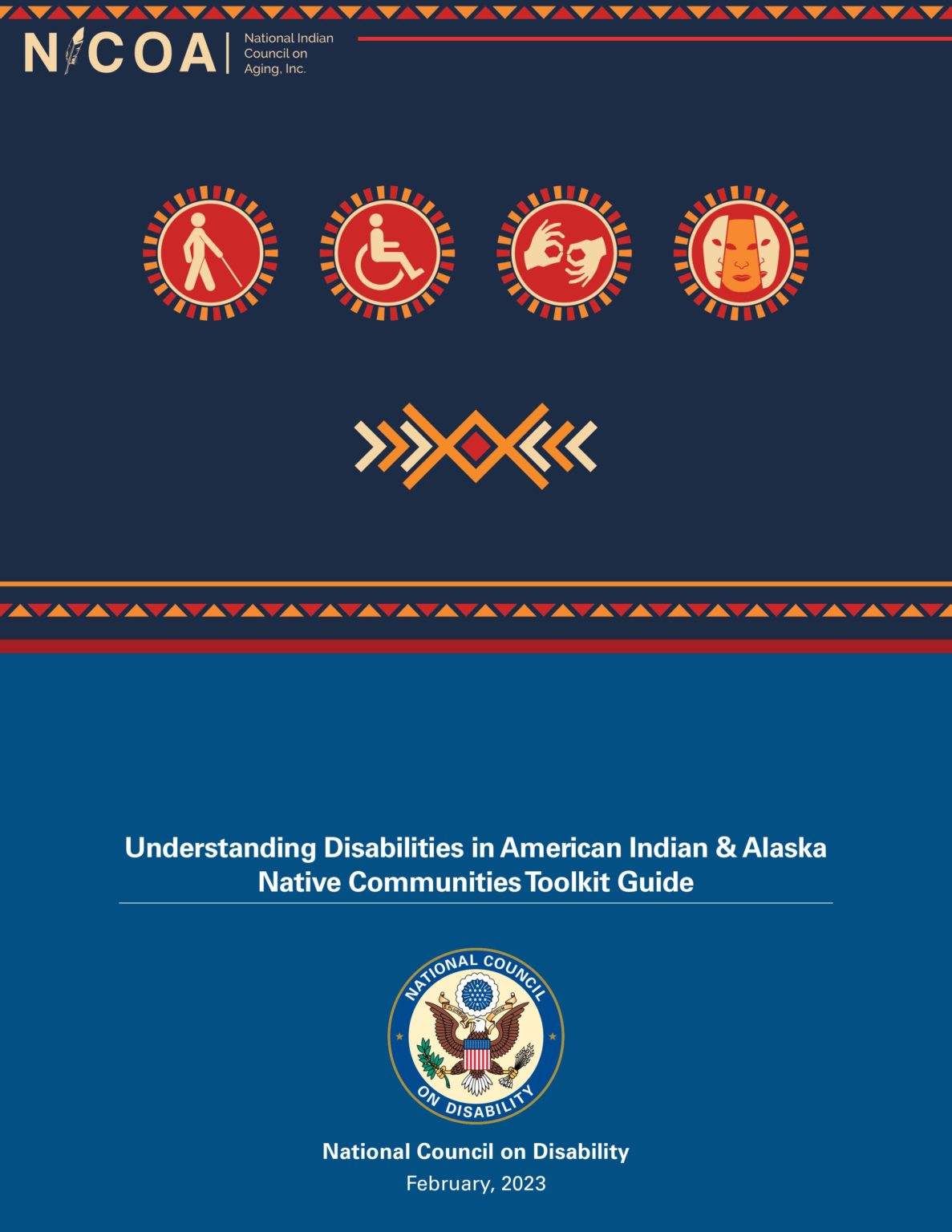
Gathering national technical experts, NICOA updated and expanded this valuable resource, first developed by the National Council on Disability in 2003, with the latest data and more recent resources. Thanks to funding from the Administration for Community Living / Administration on Aging, this wonderful new toolkit is now available to download.
The resource is divided into dedicated sections for healthy living, education, independent living, vocational rehabilitation and employment resources, assistive technology, housing and facilities, and transportation. You will find suggestions for improving services, providing protections, and utilizing resources in local tribal communities for people with disabilities. Additional information provides overviews on federal disabilities laws, initiatives, agencies, and organizations that support work with Native individuals with disabilities and communities.
|
|
|
|
American Indian Elders Conference Accepting Workshop Proposals |
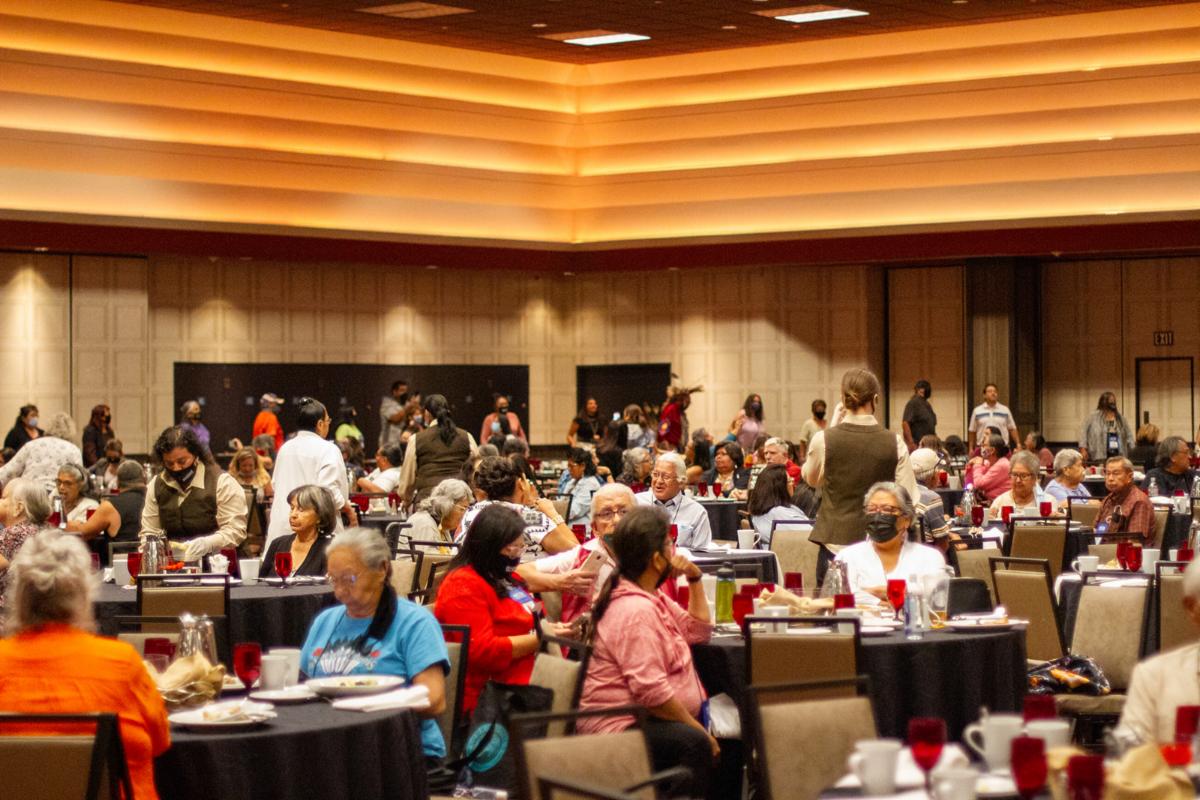
NICOA’s conference is the only national conference in the country focusing exclusively on the needs of American Indian and Alaska Native elders. It consists of educational presentations from tribal, state and federal organizations as well as a diverse network of aging service partners with experience in providing services to Native elders, who provide information and updates on aging services, health care, civic engagement and economic development in Indian Country.
Keynote speakers from federal, state and tribal programs and agencies will be present to provide program updates and listen to the aging needs of American Indian and Alaska Native elders.
Past symposium topics have included “Role of Tribal Leaders in Reaffirming the Value of Elders in Preserving Tribal Cultures,” “Becoming an Elder: Tribal Perspective on Aging in Indian Country,” “Native American Veterans: Issues and Concerns as They Age,” “Future Elders: Perspectives on Aging from the Youth,” and “The Aging Network: Challenges & Opportunities in the Next Decade.”
Workshop sessions have discussed caregiver support, elder abuse prevention, health, nutrition, transportation, disease prevention, long-term services and supports, employment and training, financial assistance and more.
|
|
|
|
Learn More About Pacific Northwest Tribes & States |
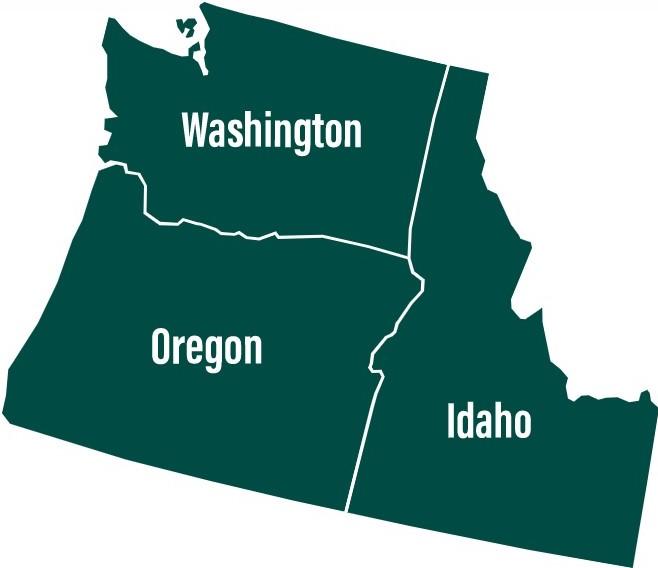
Learn more about the tribes of the Pacific Northwest. We’ve created a Tribal Assistance Resource Center for each state. The map provides essential information by state.
Click on a state to view information about tribes located within each state’s borders as well as a useful compendium of resources including contact information and available programs. Find out how many tribes are in each state, their names, history, location, services and how to reach them.
|
|
|
|
Become a NICOA Member:
2023-2024 Membership Available
|
|
Do you want to improve aging services for American Indian and Alaska Native elders?
If so, become an advocate and learn more about supporting Native elders! NICOA is the premier organization on Native aging, and we invite you to become a member. Anyone can become a member, regardless of their age or tribal affiliation (or lack thereof).
All elders are encouraged to join and have their voices heard. Be an important part of a national membership network and become a NICOA member by applying online or by mail. Memberships are for two calendar years. |
|
|
|
Older Americans Month Begins in May |
Established in 1963, Older Americans Month (OAM) is celebrated every May. Led by the Administration for Community Living, OAM is a time for us to acknowledge the contributions and achievements of older Americans, highlight important trends, and strengthen our commitment to honoring our older citizens.
This year’s theme, Aging Unbound, offers an opportunity to explore a wide range of aging experiences and to promote the importance of enjoying independence and fulfillment by paving our own paths as we age.
This May, join us as we recognize the 60th anniversary of OAM and challenge the narrative on aging. Here are some ways we can all participate in Aging Unbound:
- Embrace the opportunity to change. Find a new passion, go on an adventure, and push boundaries by not letting age define your limits. Invite creativity and purpose into your life by trying new activities in your community to bring in more growth, joy, and energy.
- Explore the rewards of growing older. With age comes knowledge, which provides insight and confidence to understand and experience the world more deeply. Continue to grow that knowledge through reading, listening, classes, and creative activities.
- Stay engaged in your community. Everyone benefits when everyone is connected and involved. Stay active by volunteering, working, mentoring, participating in social clubs, and taking part in activities at your local senior center or elsewhere in the community.
- Form relationships. As an essential ingredient of well-being, relationships can enhance your quality of life by introducing new ideas and unique perspectives. Invest time with people to discover deeper connections with family, friends, and community members.
NICOA’s collection of digital stories share the personal journeys and experiences of American Indian and Alaska Native elders as they relate to current issues, programs, and how to integrate them with Native ways of life.
The stories were created, written, and voiced by elders and paired with their personal photos and other media to provide a visual storytelling aspect to the traditional oral storytelling. Through these stories, NICOA seeks to help educate and encourage tribal communities, the Aging Network, and policymakers to positively impact the future of American Indian and Alaska Native elders.
|
|
|
|
Social Security Creates New Office Exclusively for Native Americans |
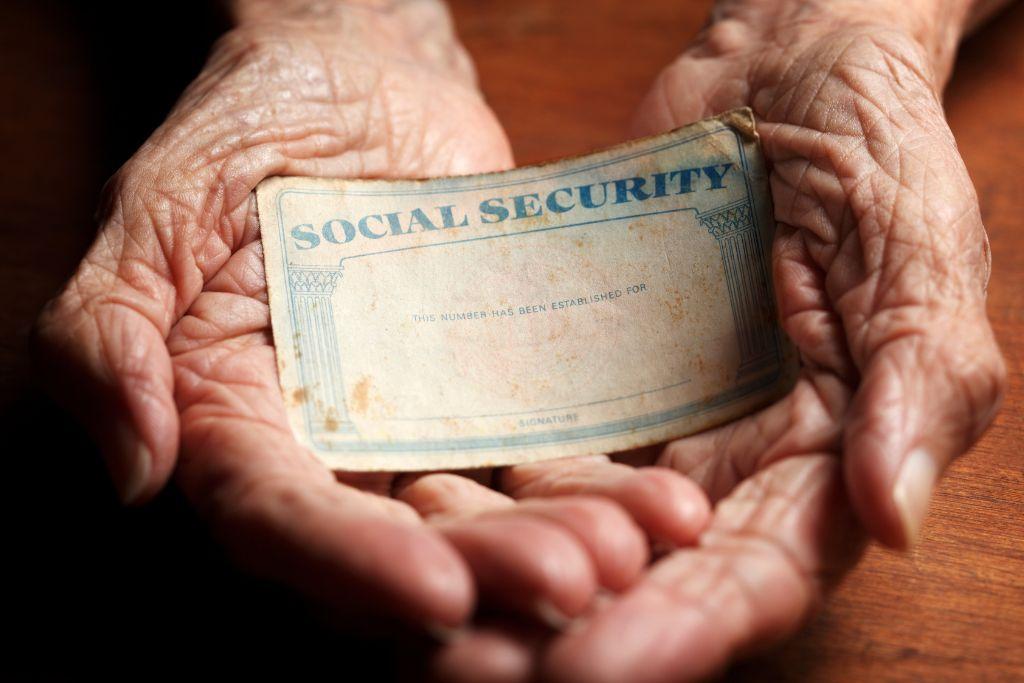
The SSA said the new office would “ elevate and centralize” efforts to administer programs and policies affecting American Indians and Alaska Natives and serve as Social Security’s primary point of contact on tribal matters. The office’s priorities include strengthening consultations with tribes on regional and national policy, increasing outreach and education efforts to tribal communities and helping recruit a more diverse pool of candidates for Social Security jobs.
A 2012 Social Security Administration study, based on information from the U.S. Census Bureau’s 2005-2009 American Community Survey, documented American Indian and Alaska Native use of benefits. Social Security officials say updating this data will be one of the charges of the new Office of Native American Partnerships.
The study found that among tribal members, 15.4 percent reported receiving Social Security benefits, compared to 18.9 percent of the general population. The gap was wider for people who reported having disabilities: 37.9 percent in the Native community and 52.1 percent in the general population.
|
|
|
|
Alzheimer’s Association Releases 2023 Report |
The Alzheimer’s Association recently released its 2023 Alzheimer's Disease Facts and Figures report providing an in-depth look at the latest statistics on Alzheimer’s disease. An estimated 6.7 million Americans 65 and older are living with Alzheimer's dementia in 2023. In addition, more than 11 million caregivers of people with Alzheimer’s disease or other dementias, according to the report.
While recent advancements in treatment of early-stage Alzheimer’s, including mild cognitive impairment due to Alzheimer’s disease, are providing hope to millions living with memory loss and early cognitive decline, the report finds too often individuals with memory concerns and their doctors are not discussing the issue, missing a critical first step toward diagnosis and potential treatment.
Focus groups reveal many people with subjective cognitive decline (self-reported memory concerns) report that their memory and thinking problems would need to have a significant negative impact on their quality of life or the lives of their family members before discussing with a doctor. Other concerns included receiving an incorrect diagnosis, learning of a serious health problem and receiving unnecessary treatment.
|
|
|
|
Home Loan Rates Decrease for Native Veterans on Tribal Lands |
The program provides direct loans to Native veterans and veterans who are married to Native non-veterans to help with the purchase, construction or renovation of a home on trust land. It also allows qualifying veterans to get into the housing market with no down payments, limited closing costs, and no monthly mortgage insurance costs.
The program is separate from the broader VA loan program that is available to all veterans. Native veterans who aren’t buying a home on federal trust lands can still receive typical VA-backed home loans, just not direct NADL loans at the lower rate.
The new rate will apply to NADL loans closed on or after March 13, which will lock in the 2.5 percent interest rate for the life of the loan. NADL borrowers who currently have an interest rate of 3.5 percent or higher can refinance at the lower rate, according to the VA.
|
|
|
|
|
|
We are committed to providing services for Native elders, but the power to provide starts with you.
Your support brings attention, education, and improved services to elders and people with disabilities across Indian Country. Every elder deserves access to the services and resources necessary to age independently, with dignity, and in their chosen community.
Consider donating to us directly to help us with our mission to improve the lives of American Indian and Alaska Native elders. Your financial support will go directly to supporting our mission to improve health, social services and economic well-being for all Native elders.
|
|
|
The National Indian Council on Aging | 8500 Menaul Blvd. NE, Suite B-470, Albuquerque, NM 87112 | 505-292-2001 | www.nicoa.org | |
|
|
|
|
|
|