|
In this Issue
- CDG Conference - Register Now!
- Patient Family Spotlight
- Advancing CDG Research
- CDG CARE Updates
- Shop. Support. Make a Difference.
| | |
Countdown to the 2026 CDG Scientific
& Family Conference Begins!
| | |
Building Bridges for
Rare Disease Research:
Keynote Highlight with
Dr. Terry Jo Bichell
CDG CARE is honored to feature Dr. Terry Jo Vetters Bichell as the keynote speaker at the upcoming 2026 CDG Scientific & Family Conference, taking place April 24–26, 2026 in Orlando, Florida.
Dr. Bichell is a neuroscientist, rare-disease parent, and global advocate whose work continues to transform how science and lived experience intersect to drive progress in neurodevelopmental and metabolic disorders. After her youngest son, Lou, was diagnosed with Angelman syndrome, she shifted her career from public-health nursing and midwifery to neuroscience - earning her PhD at Vanderbilt University and leading efforts to move bench discoveries into the first Angelman clinical trials and natural-history studies.
Dr. Bichell is the Founder and Executive Director of COMBINEDBrain, a groundbreaking pre-competitive consortium that now unites more than 120 patient advocacy and scientific organizations worldwide to identify biomarkers and outcome measures for rare genetic neurodevelopmental disorders. She also serves as Vice Chair of the Tennessee Rare Disease Advisory Council, teaches Translational Neuroscience at Vanderbilt University, and has contributed to key national and international policy efforts through the National Academy of Sciences and the European Union on rare-disease drug development.
Join us in welcoming and learning from Dr. Terry Jo Bichell at her keynote presentation on April 24th, “Bridging Science, Advocacy, and Collaboration: Advancing Neurodevelopmental Disorders through Research, Lived Experience, and Global Partnership.”
Her keynote will celebrate the extraordinary power of collaboration, compassion, and community-driven research - showing how science and lived experience can come together to accelerate breakthroughs that truly change lives.
[Click here to learn more about our speakers]
| |
Conference Registration
is Open!
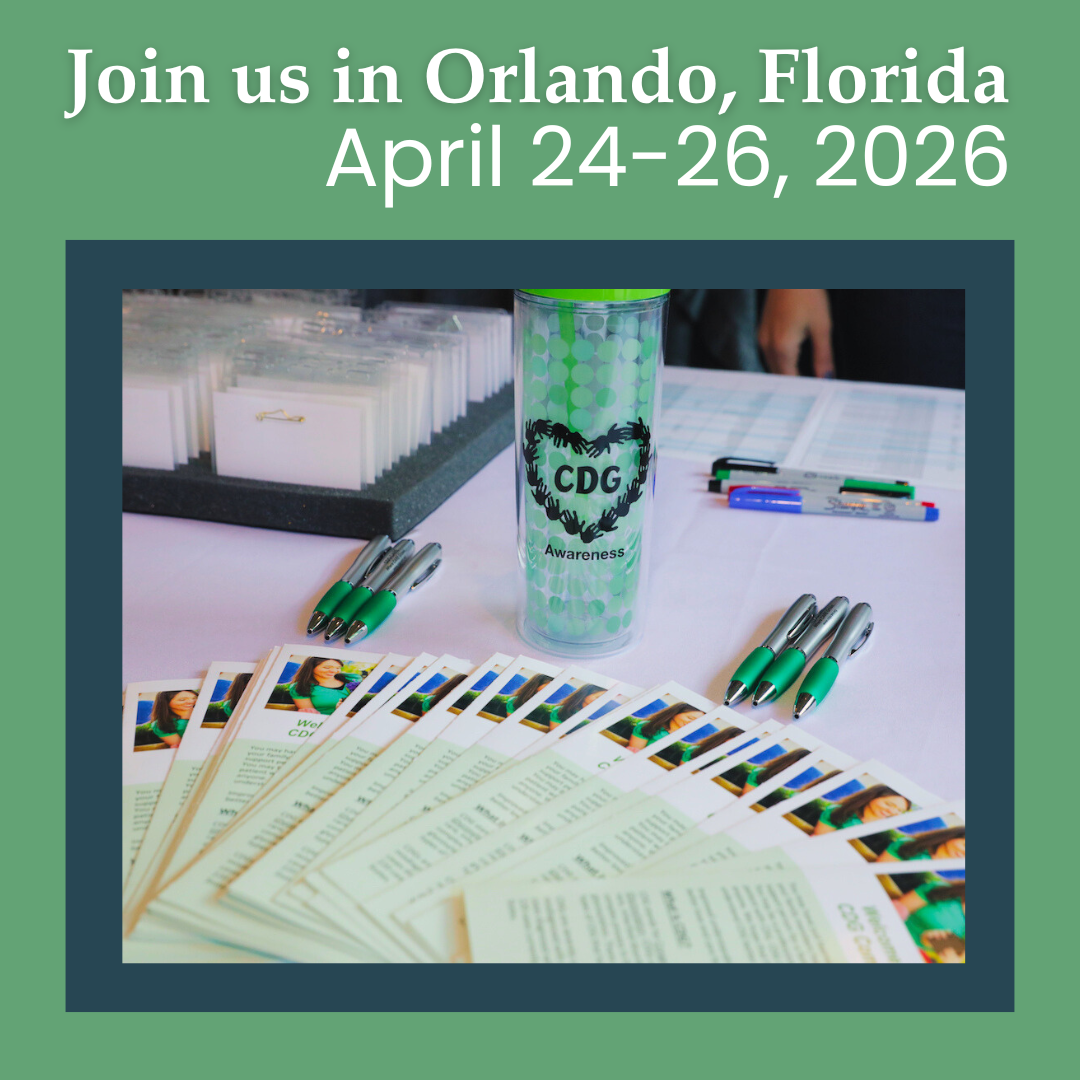
Get ready to join us in Orlando, Florida, from April 24–26, 2026, at the Hilton Orlando Lake Buena Vista - Disney Springs Area, for what promises to be our biggest and most inspiring conference yet!
[Click here to explore all the details and register now!]
Why Attend?
Whether you’re a CDG family, clinician, researcher, or industry partner, this 3-day event is your opportunity to connect, collaborate, and help shape the future of CDG science and care.
What to Expect:
✅ World-Class Scientific, Clinical Care Management and Research & Therapy Sessions featuring cutting-edge presentations from leading experts
✅ Professional & Family Roundtables to connect, learn, and thrive together
✅ Poster Exhibits showcasing research and community engagement
✅ Multiple Networking Opportunities for professionals and families
✅ Kids & Teen Activities to keep young attendees happy and engaged
✅ Travel Assistance Options for family support
✅ Community Celebration Night! A chance to let loose, make memories, and celebrate our shared journey
Inspiring Speakers & Cutting-Edge Topics
We’re building a powerhouse agenda featuring researchers, clinicians, and advocates who are driving change in CDG diagnosis, management, and treatment. Be inspired by the latest breakthroughs and the people behind them!
Book Your Room Early
Registered attendees will have first priority to book rooms at our discounted hotel block inside the Disney Springs Resort Area - a perfect setting for families and professionals alike to enjoy learning and leisure.
Support the CDG Conference
By becoming a sponsor or donor, you help make the 2026 CDG Scientific & Family Conference possible. Your support keeps this event accessible to families and drives collaboration across the global CDG community. Sponsorships start at $3,000, but gifts at any amount help families access life-changing information, connection, and hope. To learn more about sponsorship opportunities, please contact info@cdgcare.org.
Help Us Spread the Word
Share this announcement with your care team, research colleagues, or fellow CDG families. Together, we can make the 2026 CDG Scientific and Family Conference our most meaningful gathering yet, because progress happens together.
Hosted by CDG CARE | Powered by Science, United by Community
| |
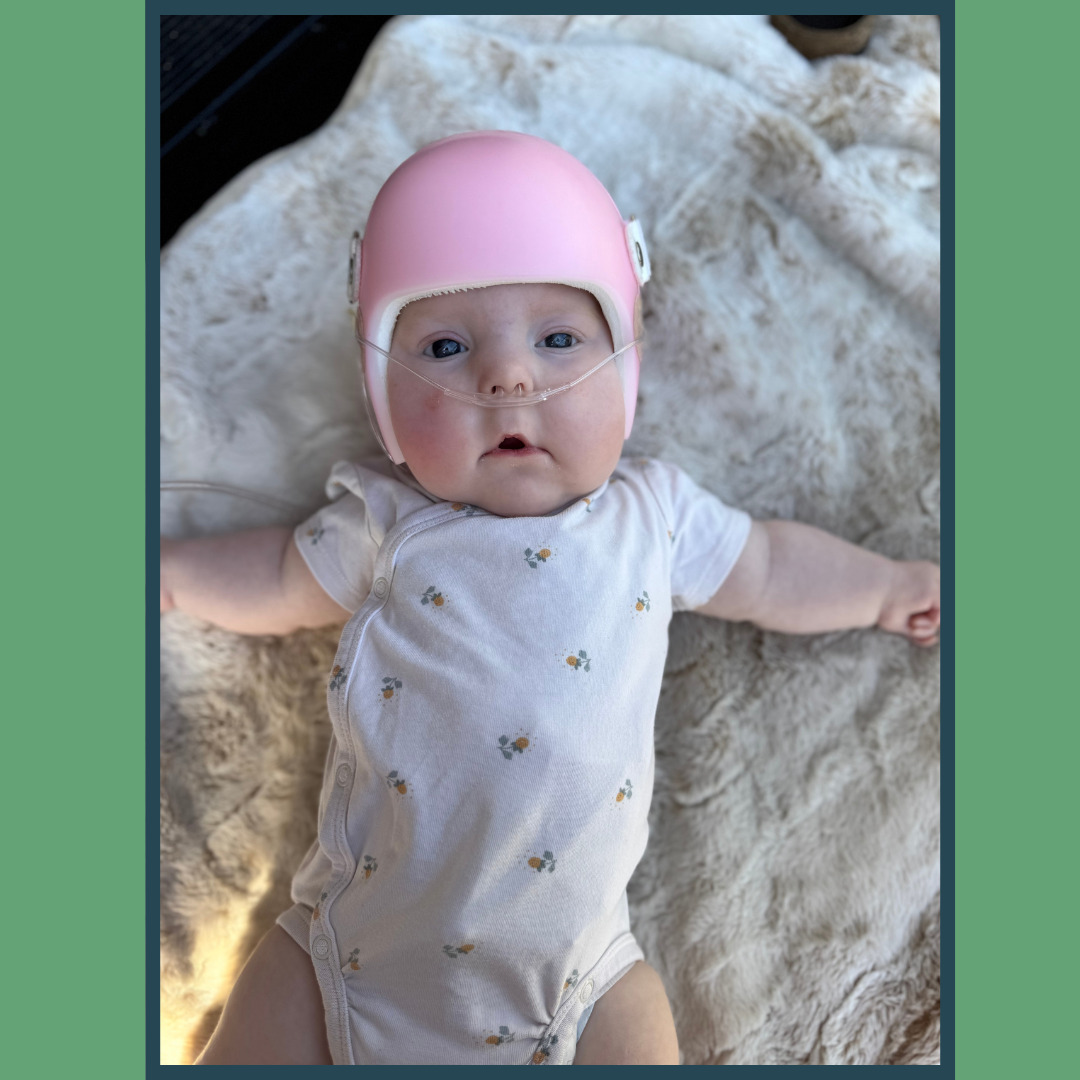
Patient Family Spotlight: Davie's Story
By Lauryn Mason
| | |
Nothing prepares you for the moment a doctor looks you in the eye and says I think there is something wrong with your daughter. Our daughter’s diagnosis didn’t come all at once - it unfolded slowly, hidden in small signs we tried to explain away.
After a concerning 20-week anatomy scan, we were referred to Maternal Fetal Medicine
several hours from our rural community. The specialists confirmed the concerning finding - and added more. Davie’s long bones were severely shortened, her tiny hands clenched, her feet rocker-bottom, and her heart showed signs of trouble. The doctors gently told us these findings rarely appear without a severe, often life-limiting condition. The outcome was unknown.
We chose to do an amniocentesis - clinging to hope and needing answers, especially knowing the limitations of our small rural hospital. The first round of results trickled in: all negative. For the first time in weeks, we felt a flicker of hope - maybe, just maybe, these were isolated findings.
Then came one last test: whole exome sequencing. Months later, we got a call: “Congenital Disorders of Glycosylation, DPM1.” I was a carrier, and my husband possibly was too - but they couldn’t confirm the diagnosis until birth. We asked the only question that mattered: would we be able to bring her home? “There’s a 95% chance,” they said.
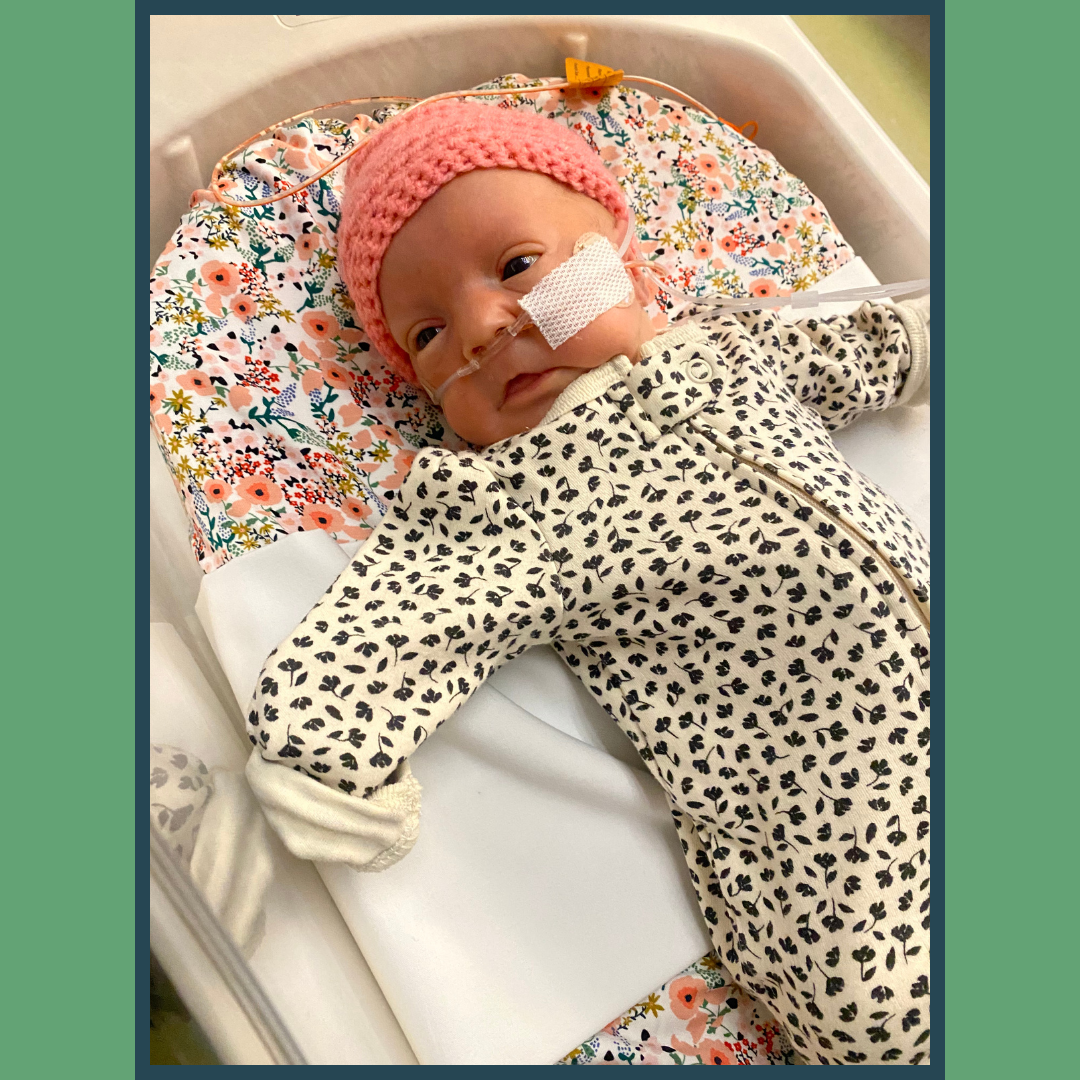
In coordination with the MFM, genetics team, and pediatric cardiologist, we planned to deliver at Mayo Clinic for the safest care, given concerns about a genetic condition and heart anomalies. But Davie had her own plans. At just 33 weeks and 2 days, my water broke early that morning. We rushed to our small rural hospital and shared our delivery plan, but there was no time to transfer - I was already in labor. We waited for the Mayo NICU team, then we proceeded with delivery. Davie Lee arrived on October 30, 2024, weighing 5lbs 6oz - tiny but mighty.
Davie was transferred to Mayo Clinic in Rochester, where the NICU room with big glass
windows became our unexpected home. Within her first week, blood work confirmed her
diagnosis: Congenital Disorders of Glycosylation, DPM-1. It explained the signs we had seen - her low muscle tone, clenched fists, rocker bottom feet, and shortened limbs.
Though her rare condition continued to unfold, Davie initially showed signs of strength -
holding her temperature, maintaining blood sugars, sucking her pacifier, and gaining weight through her NG tube. When she began showing feeding cues, we were hopeful. But attempts at breastfeeding revealed how much she was struggling - lethargy, labored breathing, and fluid retention soon followed.
| |
A difficult conversation with the neonatologist made it clear: Davie’s challenges were no longer due to prematurity, but to her underlying condition. She needed diuretics, more respiratory support, and a feeding tube was strongly considered. With heavy hearts but clear love, we made the decision - alongside her care team - to involve palliative care. Our greatest hope was to give Davie a life filled with love and comfort, safely outside the walls of the NICU.
Davie’s diagnosis kept unraveling in ways we never expected. Feeding through her G-tube and breathing with a nasal cannula seemed manageable - until the apneic spells started. The EEG showed silent seizures we couldn’t see, but no medication stopped them. The drugs left her so sedated we even faced the possibility of intubation. They had to place a central line because they couldn’t find veins anymore.
When the seizures became visible, rhythmic movements we couldn’t ignore, we made a
heartbreaking choice: focus on her quality of life. We accepted that some seizures would
continue if it meant she could be awake, feel the world, and know us. There was no clear path, just one fierce goal - to bring Davie home and give her whatever good life we could.
After 106 long, uncertain days filled with hope, fear, and steady determination, we were finally able to bring our little girl home - fragile but strong, surrounded by love. Though her journey was far from over, that moment brought us indescribable relief and a renewed sense of hope we’ll carry forever.
| |
| |
We are deeply grateful for our connection with CDG CARE. Their community became our source of strength, warmth, and hope when answers were scarce. Though they couldn’t give us a prognosis, their support made us feel less alone in the journey.
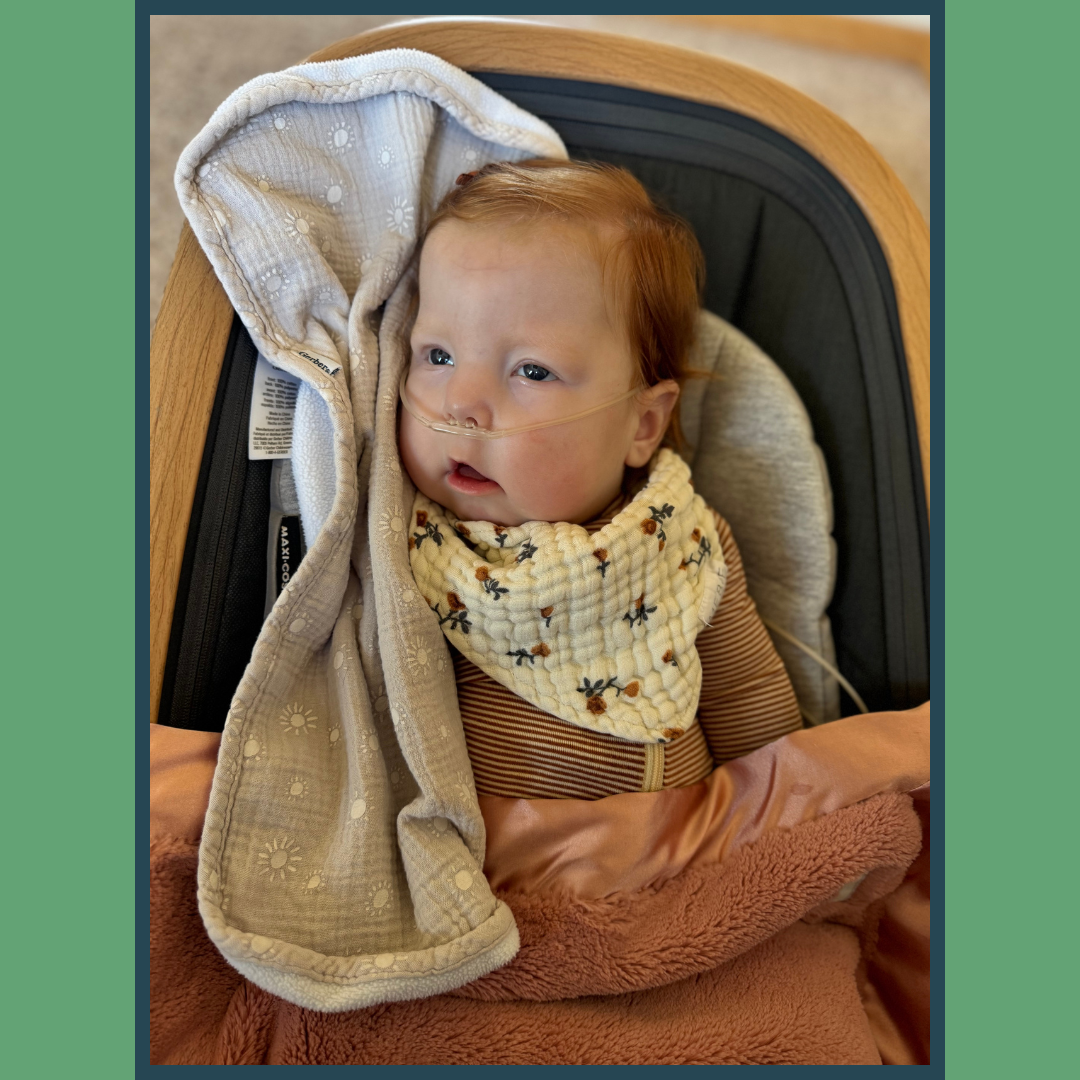
As Davie’s 1st birthday approaches, we reflect on this incredible year of her life. She has shown us a strength and determination beyond words, filling our days with joy and love in the most beautiful, endless ways.
Despite everything, she has experienced life beyond the NICU - time wrapped in family’s arms, the salty breeze of the Oregon coast, warm summer days in Montana, peaceful hikes, and even returning for her NICU reunion.
Each moment is a precious reminder of her courage and the love that carries us all forward.
Davie, you are so deeply loved - every breath, every smile, every moment with you is a precious gift. We promise to stand by your side, to celebrate your victories big and small, and to hold you close through every struggle. Here’s to you, our warrior, our miracle, our heart. We love you beyond words, today and always.
| | |
Exciting Momentum for the GLM101
Phase 2b Clinical Trial in the U.S.!
| | |
During our recent webinar with Dr. Rose Marino, Chief Medical Officer at Glycomine, Inc., and Dr. Andrew Edmondson, CDG specialist and principal investigator at Children’s Hospital of Philadelphia, they shared updates on the future of the GLM101 clinical trial and its ongoing enrollment across the U.S. and Europe. Here are some key highlights from their discussion.
-
GLM101 is a weekly IV of liposome-encased mannose-1-phosphate designed to replace what PMM2-CDG patients can’t make on their own.
- Years of preclinical work and a Phase 1 study led to Phase 2a in patients, with Phase 2b (“POLAR”) now underway.
-
In Phase 2a, no serious adverse events were reported and participants showed ~12-point ICARS improvement indicating an improvement in ataxia symptoms over 24 weeks versus the ~2-point worsening seen in natural history.
-
The POLAR (GLM101-003) trial is randomized, double-blind, placebo-controlled for 24 weeks, then all participants receive GLM101 in an open-label extension for an additional 24 weeks; target enrollment is 50. Those who complete the study will have the option to continue GLM101 through an additional open-label extension program.
-
Eligibility: age ≥4 years, ICARS 20–80, able to complete ICARS; only 14 of the 50 slots are for children under 12.
-
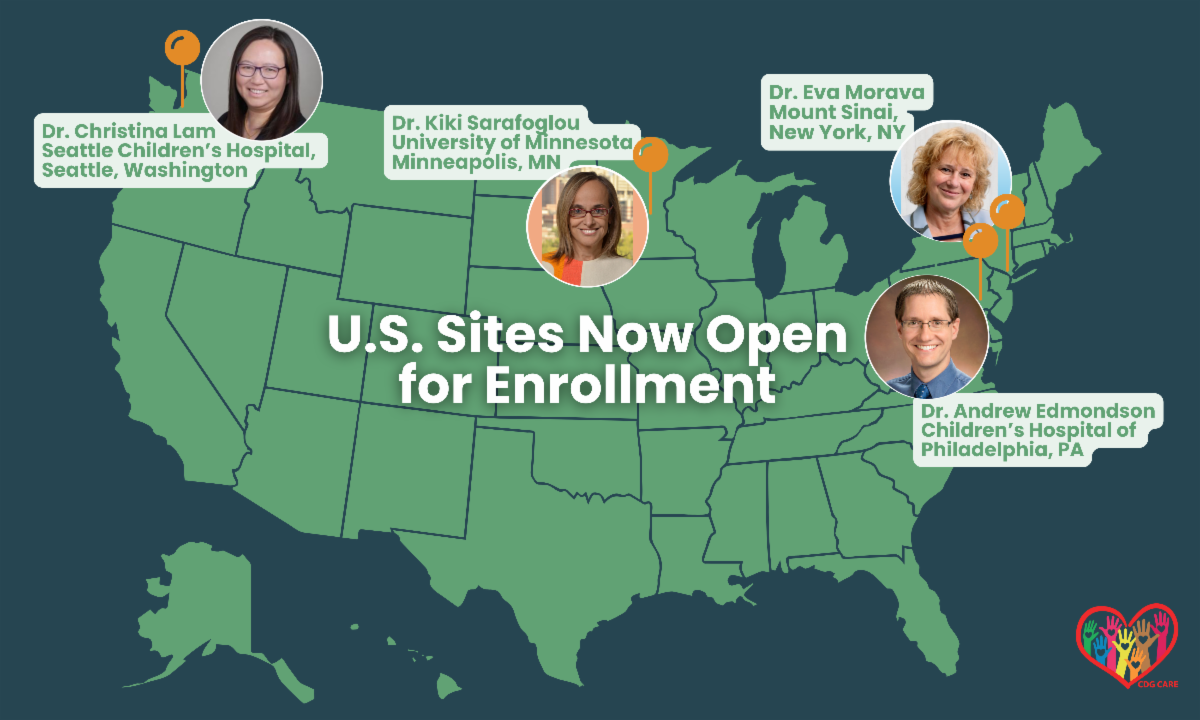
GLM101 is currently enrolling at these US centers:
-Children’s Hospital of Philadelphia, Philadelphia PA
-The Mount Sinai Hospital, New York, NY
-Seattle Children’s Hospital, Seattle, WA
-University of Minnesota Masonic Children's Hospital, Minneapolis, MN (soon to be enrolling)
-
GLM101 is currently enrolling at these European centers:
-University of Muenster, Germany - Thorsten Marquardt, MD
-Women & Children’s Hospital, Birmingham, UK - Saikat Santra, MD
-UZ Leuven, Belgium - Peter Witters, MD, PhD
-Necker Enfants Malades, France - Pascale de Lonlay, MD
-Hospital Puerta de Hierro Majadahonda, Madrid, Spain - Rosario Cazorla, MD
-Sant Joan de Déu Hospital, Barcelona, Spain - Mercedes Serrano, MD, PhD
-Centro Hospitalar do Porto, Portugal - Esmeralda Martins, MD, PhD
-G. Rodolico–San Marco, Catania, Italy - Rita Barone, MD, PhD
-University of Pisa, Italy - Roberta Battini, MD, PhD
-VFN, Prague, Czech Republic - Tomas Honzik, MD, PhD
-Institute of Mother and Child, Warsaw, Poland - Jolanta Sykut-Cegielska, MD, PhD
-
Glycomine understands the time, effort, and heart it takes for families to participate in a clinical trial. To make it easier, a dedicated concierge service is available to help with travel planning, lodging, and all study-related costs, ensuring that every family can focus on what matters most. Whether you’re traveling from across town or across the country, Glycomine’s team will make the journey as simple, supported, and stress-free as possible.
For questions about enrollment, eligibility, or this potential treatment, please contact your leading clinician or email info@glycomine.com.
[Click here to watch the full GLM101 Patient Information Webinar]
| | PMM2-CDG: More Common Than We Knew | |
A new study estimates how many births with PMM2-CDG are expected each year and how many people are currently living with the disease in North America and Europe. The approach is to look at all possible pairs of known disease-causing mutations in the PMM2 gene that could lead to a birth with PMM2-CDG. Some mutation pairs are so severe that they’re unlikely to result in a live birth, so those were excluded.
The chances of these mutation pairs happening were worked out using data from gnomAD (pronounced ‘no-mad’), the largest public database of human genetic information, which contains data from over 800,000 people worldwide.
By combining these birth estimates with what’s known about the average lifespan of people with PMM2-CDG, the number of births recorded in each country annually and the ethnic composition of North America, we calculated how many people are likely living with the disease today.
The study shows that about 14,000 people are likely to be living with PMM2-CDG in North America and Europe — far more than the number who have been officially diagnosed (we estimate the number diagnosed to be about 2,400). This means that many people are either misdiagnosed or have never been diagnosed at all — the CDG community is likely much larger than we are currently aware of!!!
[Read lay-summary here]
| | |
NIH Awards $5.4 Million to
Multi-Institutional Consortium to
Investigate Neurological Symptoms in CDG
| |
We are thrilled to share that a consortium of five research institutions, centered at the Icahn School of Medicine at Mount Sinai, has been awarded a prestigious NIH Program Project Grant (P01) from the National Institute of Neurological Disorders and Stroke (NINDS) titled “Investigation of Neural Pathogenic Mechanisms Associated with Congenital Disorders of Glycosylation.” This five-year, $5.4 million initiative will focus on investigating how the glycosylation defects in different CDGs impacts the cells in the brain and central nervous system— a question of critical importance as nearly all CDG patients have some neurological symptoms but we still don’t fully understand the reasons why these symptoms develop. This gap in our understanding is delaying the identification and testing of new therapies.
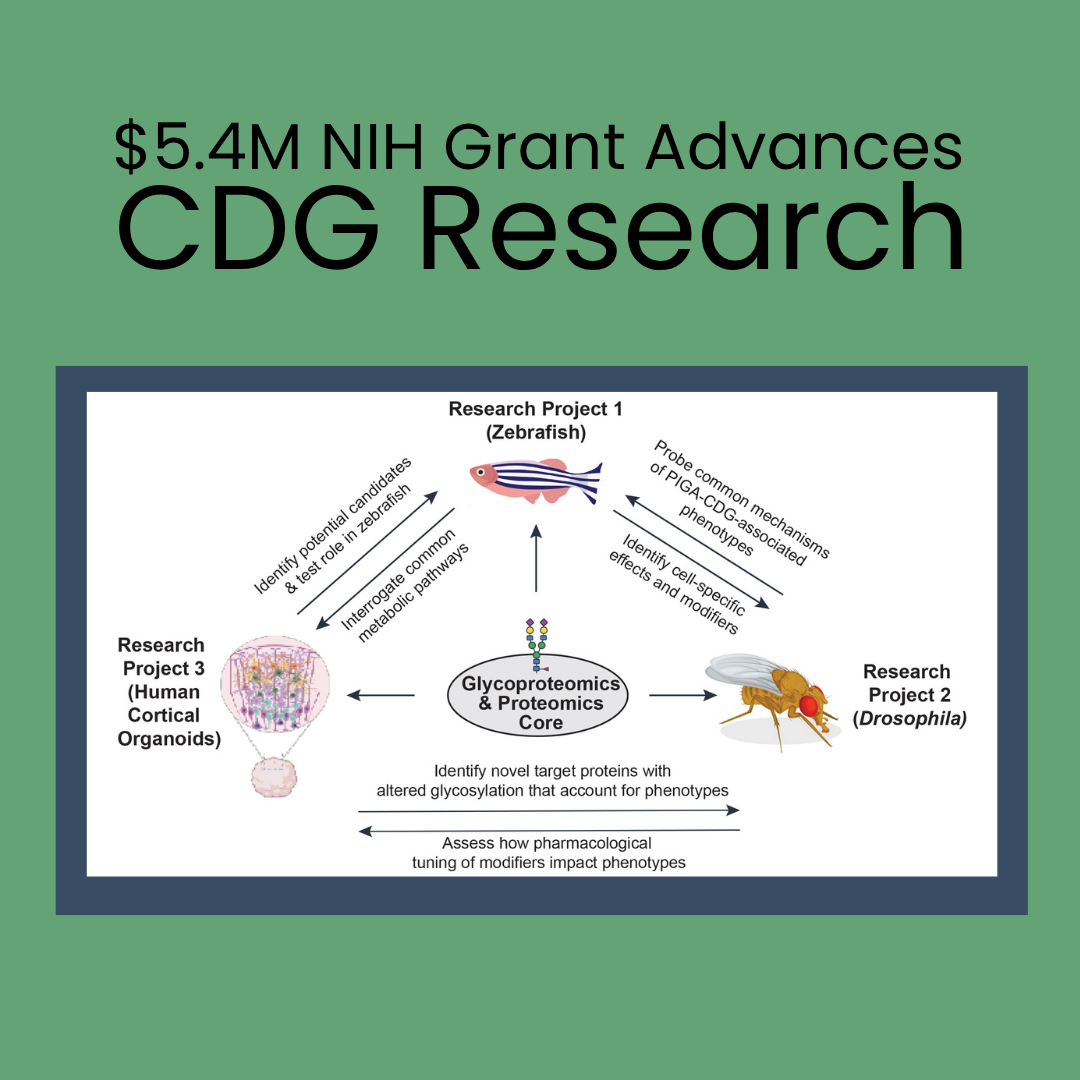
This new NIH-funded program aims to fill that gap by taking advantage of the experimental strengths of three different model systems – zebrafish, fruit flies and brain organoids or “mini-brains” that can be grown in the lab. The Program consists of three highly integrated Research Projects that will use these different model systems to make discoveries that will then be shared with the other groups. This sharing of information will greatly accelerate the research. This cross-talk and integration is a key aspect of the P01 Program Project grant.
The effort is led by two Principal Investigators, Dr. Eva Morava-Kozicz at Icahn School of Medicine at Mount Sinai and Dr. Richard Steet at the Greenwood Genetic Center (GGC), who bring combined strength in clinical and basic science aspects of CDG. The Multi-omics Core of the Program, led by Dr. Akhilesh Pandey at the Mayo Clinic, will bring state-of-the-art technologies like glycomics, glycoproteomics, and metabolomics to the team, supporting each Research Project.
The three integrated Research Projects capitalize of the strengths of different model systems and the unique research expertise of the investigators:
- Research Project 1, led by Dr. Heather Flanagan-Steet at GGC, will use zebrafish models of PMM2-CDG and PIGA-CDG to examine how glycosylation defects affect different cell types during brain development.
- Research Project 2, led by Dr. Clement Chow at the University of Utah School of Medicine, will utilize Drosophila (fruit flies) models to explore different mutations and cell types drive neurological disease in CDG. His work also aims to uncover how genetic background may alter disease progression.
- Research Project 3, co-led by Dr. Tamas Kozicz at Mount Sinai and Dr. Steven Sloan at Emory University, will apply human brain organoid models of PMM2-CDG and ALG13-CDG to investigate how altered glycosylation and metabolism disrupt the circuits that transmit signals in the brain.
This collaborative and exciting research program brings together a powerhouse team of seven investigators from five leading institutions, combining basic science, clinical expertise, and a broad collection of model systems to accelerate our understanding of why the brain and central nervous system are so affected in CDG. The investigators envision that discoveries made in the initial CDGs that will be studied here will inform our understanding of multiple related CDGs and may open up opportunities to explore common modes of treatment.
| | Dr. Andrew Edmondson’s Lab at CHOP Awarded NIH Grant to Study Brain Glycosylation | | |
Dr. Andrew Edmondson’s research lab at the Children’s Hospital of Philadelphia (CHOP) recently received a major research grant from the National Institutes of Health (NIH). The grant will fund studies on how O-glycosylation affects brain functions.
Dr. Edmondson discovered GALNT2-CDG and has been studying how it causes symptoms by using a mouse model. He will work with Dr. Tamas Kozicz at Mount Sinai School of Medicine to explore how GALNT2-CDG disrupts normal brain function. Together, they will use both mouse models and human stem cells that can grow into neurons and mini-brains (organoids). Their goal is to find out how loss of O-glycosylation leads to brain dysfunction. By understanding how glycosylation works in the brain, this research could shed light on CDG and other brain diseases. It may also help scientists develop new treatments that target these pathways and improve our understanding of normal brain development.
Dr. Edmondson is the founding director of the CDG Clinic at CHOP, where he diagnoses and cares for patients with CDG. His lab uses CDG mouse models to study how glycosylation affects brain development and how its disruption causes disease. He also works on creating new treatments and serves on the Medical Advisory Board of CDG CARE. The new NIH grant, titled “Neurological Pathophysiology of Disrupted O-Glycosylation in Congenital Disorders of Glycosylation,” provides $2.2 million in research funding to support this important work.
| |
The 1st International Course on CDGs & Lysosomal Storage Disorders
By Dr. Iván Martínez Duncker - CDG CARE Scientific Advisor
| | |
CDG CARE is proud to highlight a groundbreaking global educational initiative — the 1st International Course on Congenital Disorders of Glycosylation (CDGs) and Lysosomal Storage Disorders (LSDs) — an important step toward raising global awareness among healthcare professionals about two groups of inherited metabolic diseases that, although distinct, converge on a shared biological foundation: glycans.
Organized by Dr. Iván Martínez Duncker (UAEM; CDG CARE Scientific Advisor) and Dr. José Elías García Ortiz (IMSS, Mexico), this course represents a unique educational activity and bridge between the worlds of CDGs and LSDs, helping clinicians, researchers, and students understand the biochemical and clinical foundations of these diseases, while also identifying key foundational and therapeutic insights that can be translated between CDGs and LSDs.
The program includes 37 expert-led video lectures, covering topics from the physiology of glycans to diagnosis, management, and therapeutic innovation in CDGs and LSDs. It features contributions from leaders across academia, hospitals, and diagnostic laboratories worldwide.
Most importantly, the course is completely free and 100% online, ensuring that anyone, anywhere in the world can benefit from this knowledge. Open through January 2026, it provides flexible access for clinicians, researchers, and students seeking to expand their expertise in metabolic and genetic medicine.
To maintain its relevance and reach, the organizers plan to make this an evolving course, updated annually with new lectures, discoveries, and emerging CDG types—building a sustainable educational platform for rare disease awareness and professional development.
[Click here to read the Course Program]
[Click here to register]
| | |
Clinical Trial Opportunity:
EMERALD Study for Individuals with DEE
| | |
CDG CARE is sharing information about the EMERALD Study, sponsored by Praxis Medicines, now enrolling in the U.S. The study is evaluating Relutrigine (PRAX- 562), an investigational seizure medicine targeting general seizure mechanisms in developmental and epileptic encephalopathies (DEE).
-
Who may be eligible: Children & adults (ages 2–65) with DEE, including genetic epilepsies.
-
Trial design: 16-week randomized, placebo-controlled study, followed by an open-label extension.
-
Location: U.S. sites, with global expansion planned.
-
Flexible participation: the EMERALD Study trial design allows families the unique opportunity to participate at-home, in-clinic at a study site, or a combination of both.
Important notes:
- CDG CARE is not running or overseeing this study. All eligibility & screeningwill be handled by Praxis.
- This is a pharma-sponsored trial, not affiliated with the CDG professional expert network.
- Not CDG-specific: Relutrigine targets general seizure mechanisms, not glycosylation pathways.
- While CDG models have not shown sodium channel involvement, seizures may still propagate via sodium channels, so some individuals with CDG + DEE may still be eligible.
- Relutrigine has already been given to pediatric patients, showing consistent seizure reduction and developmental benefits.
- Participation is voluntary — families should discuss with their own clinicians before enrolling.
Learn more and connect with the study team: The EMERALD Patient Enrollment Website
| |
Predicting Shared Treatment
Paths Across CDG Types
Summarized by Dr. Kristen Skvorak, CDG CARE Director of Research
| | |
In a new study published in Molecular Genetics and Metabolism (2025), researchers used multi-OMICS data to uncover shared biological patterns across several types of CDG. By combining RNA, protein, and glycoprotein data, they identified overlapping cellular disruptions — including changes in energy production, protein processing, and cell cleanup — that appear in many CDGs.
Using a computer-based model, the team also predicted several repurposed drug classes (including antioxidants, anti-inflammatories, and muscle relaxants) that may help restore balance in CDG cells. These results suggest that different CDG types may benefit from shared therapeutic approaches, opening the door to faster and broader treatment discovery.
[Click here to read the full layperson summary]
| | |
Govorestat Shows Potential
Benefits for PMM2-CDG
| |
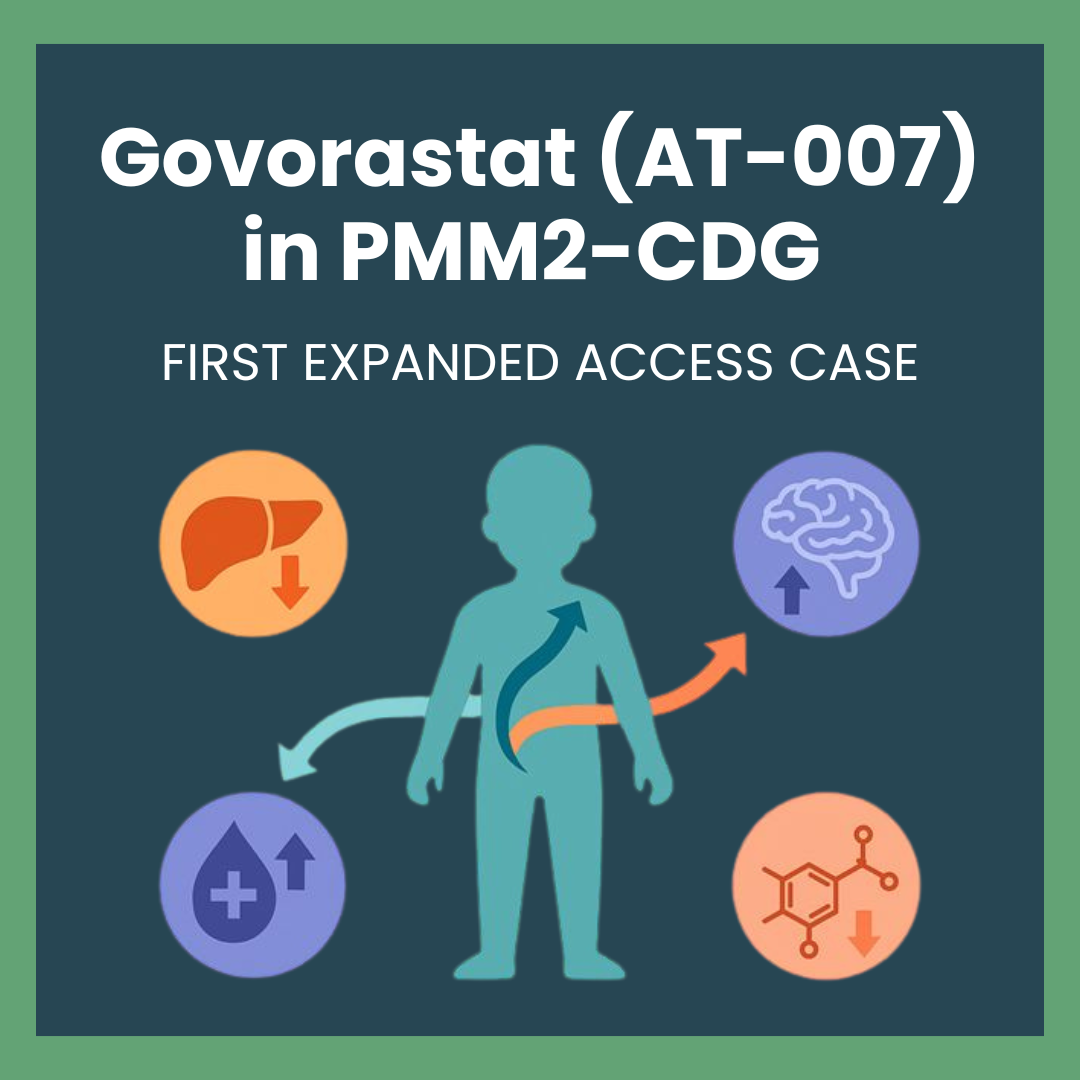
Congratulations to the study team on the publication of the first expanded access treatment with govorestat (AT-007) in PMM2-CDG.
This case study describes 36 months of treatment with encouraging safety, biochemical, and functional findings that support continued research into potential therapies for PMM2-CDG.
CDG CARE is proud to be partnering with industry collaborators to continue advancing this important work for the CDG community.
[Click here to read the full article]
|
New GlycoCAST Episode:
Exploring SLC35A2-CDG and Mosaicism
| |
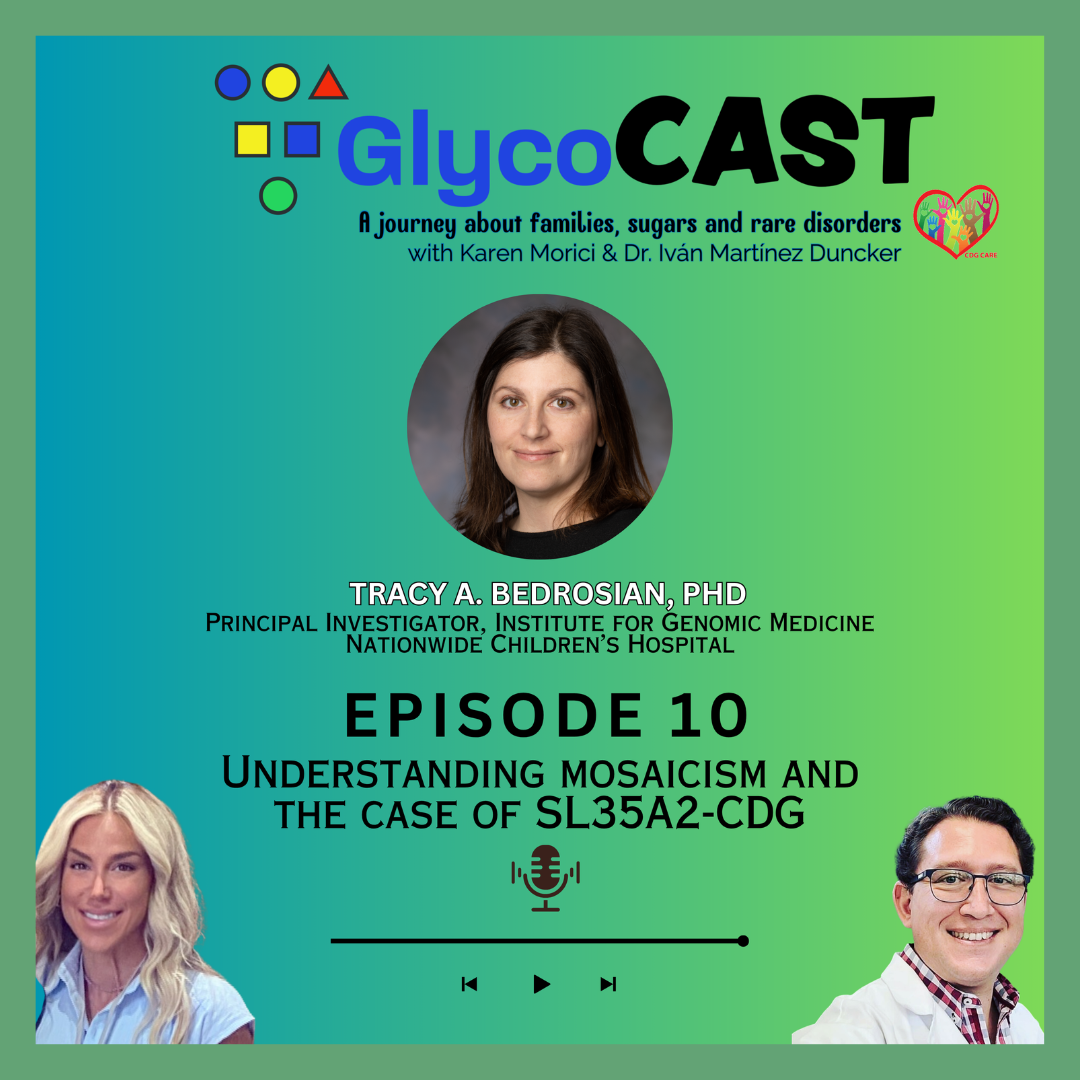
CDG CARE is proud to sponsor GlycoCAST, a podcast created to bring the CDG community together. It’s a space where families, researchers, and clinicians can share knowledge, perspectives, and hope.
In the latest episode of GlycoCAST, hosts Dr. Iván Martínez Duncker and Karen Morici, sit down with Dr. Tracy Bedrosian to discuss her groundbreaking research on SLC35A2-CDG and mosaicism. They discuss how uncovering changes in glycosylation can shape brain development and why some patients experience different symptoms or severities.
Whether you’re a researcher, clinician, or CDG parent, this is a fascinating conversation bridging complex science with real-world impact.
[Click here to listen now]
|
CDG CARE Welcomes New Board
Members to our Growing Team
| |
Welcoming Dr. Kyriakie
(Kiki) Sarafoglou to our
Medical Advisory Board
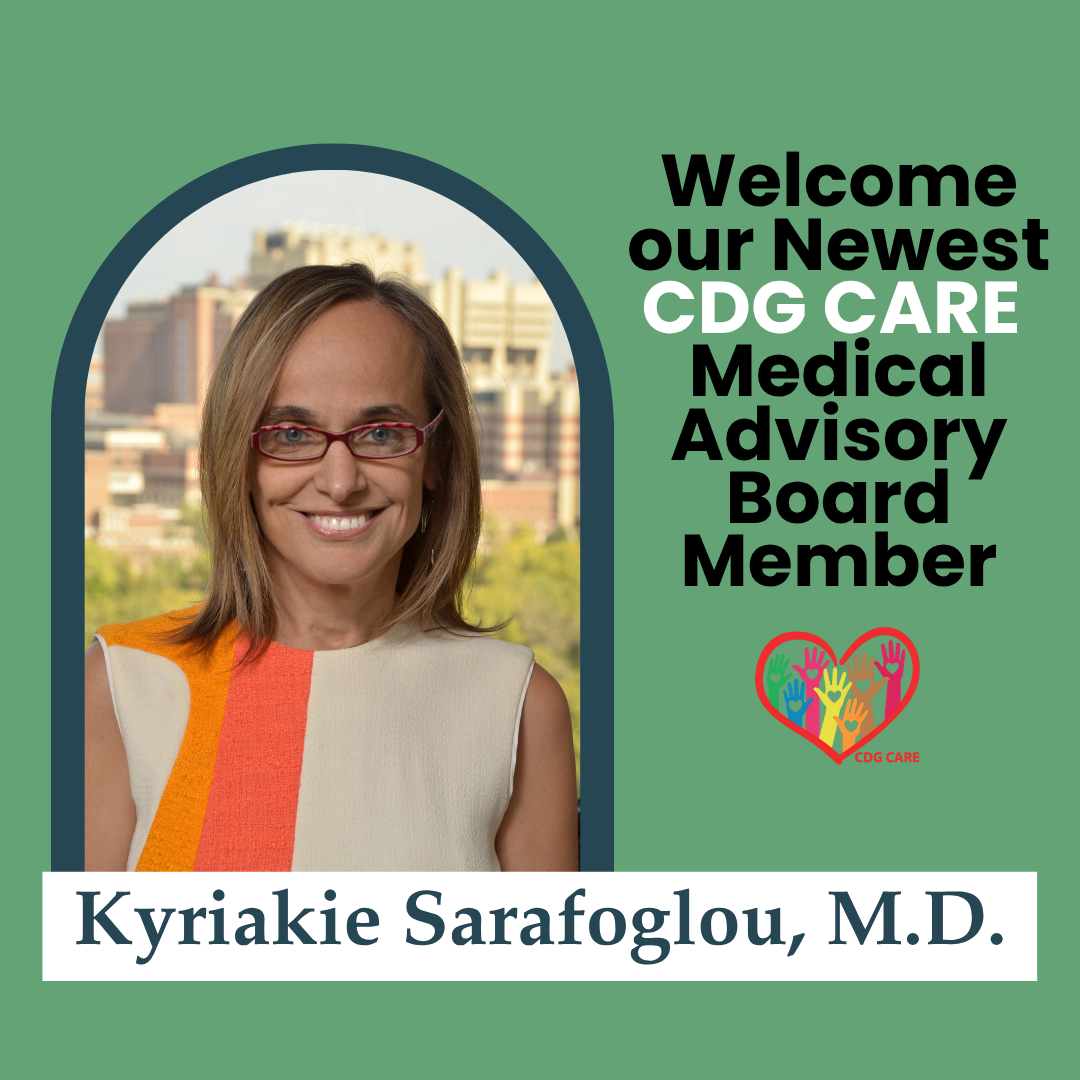
CDG CARE is delighted to welcome Dr. Kyriakie (Kiki) Sarafoglou, Professor of Pediatrics in the Divisions of Endocrinology and Genetics & Metabolism at the University of Minnesota Medical School, to our Medical Advisory Board.
Dr. Sarafoglou brings extensive clinical and research expertise in pediatric endocrinology and inborn errors of metabolism, with a focus on improving outcomes for children with rare metabolic and genetic conditions. Her nationally recognized leadership, dedication to translational research, and deep commitment to patient-centered care align perfectly with CDG CARE’s mission to advance science, education, and support for CDG families.
We are honored to welcome Dr. Sarafoglou to our team and look forward to her valuable contributions as we continue working together to improve care and quality of life for individuals affected by Congenital Disorders of Glycosylation.
CDG CARE is actively recruiting new members for our Medical Advisory Board — if you’re interested in joining our team, please email info@cdgcare.org.
| |
Welcoming Stephanie Giannikoulis to our
Board of Directors
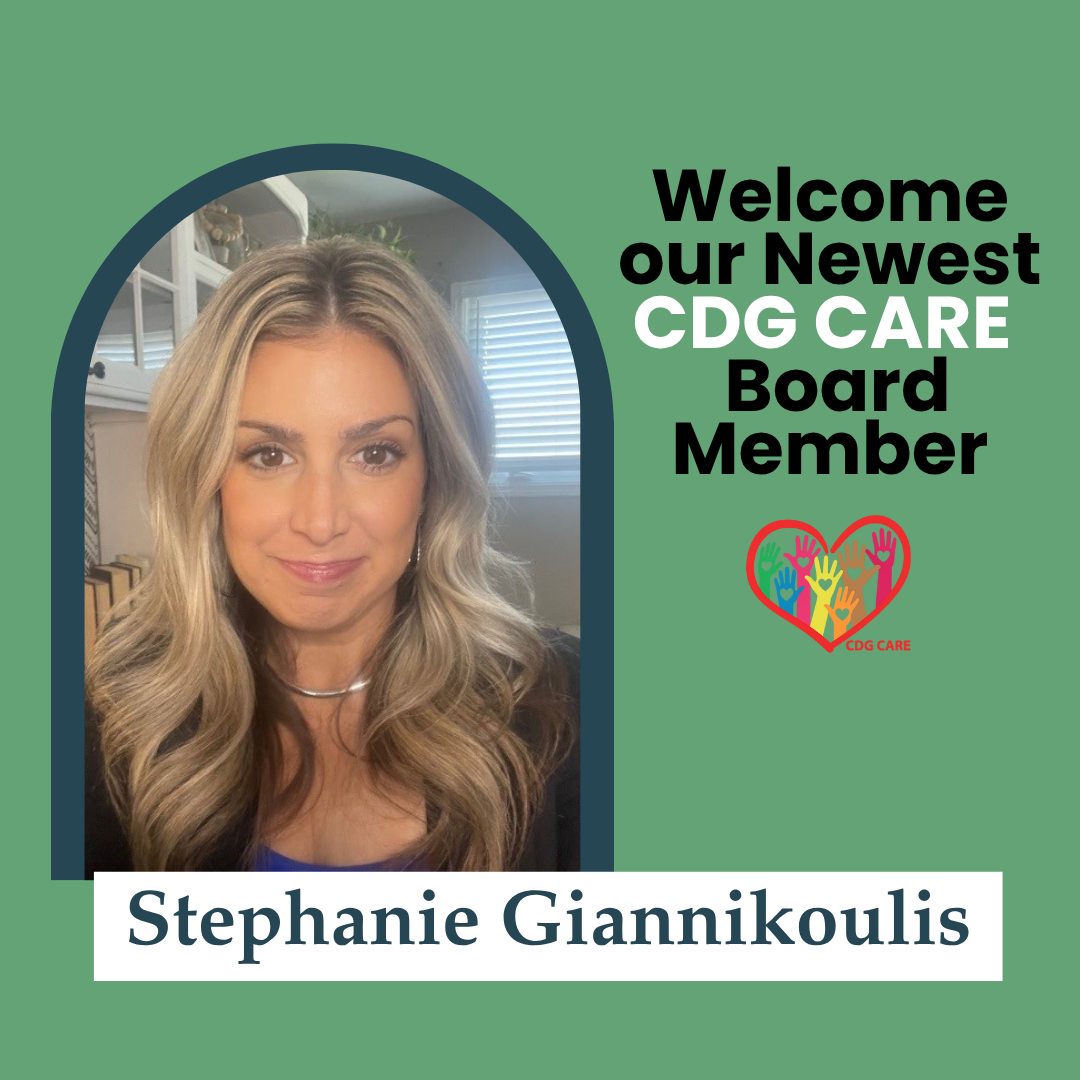
Stephanie is the aunt of Karen Morici’s son, Dominic (PMM2-CDG), and has been a passionate advocate for CDG awareness in the greater Chicago area. She supported our Wellness Program at the 2020 Conference and brings professional experience as an Executive Engagement Administrator and Project Manager at an executive search firm.
Stephanie is especially interested in event planning, community outreach, and fundraising, and is eager to contribute her skills to furthering CDG CARE’s mission.
| |
Welcoming Chelsea Sims
to our Board of Directors
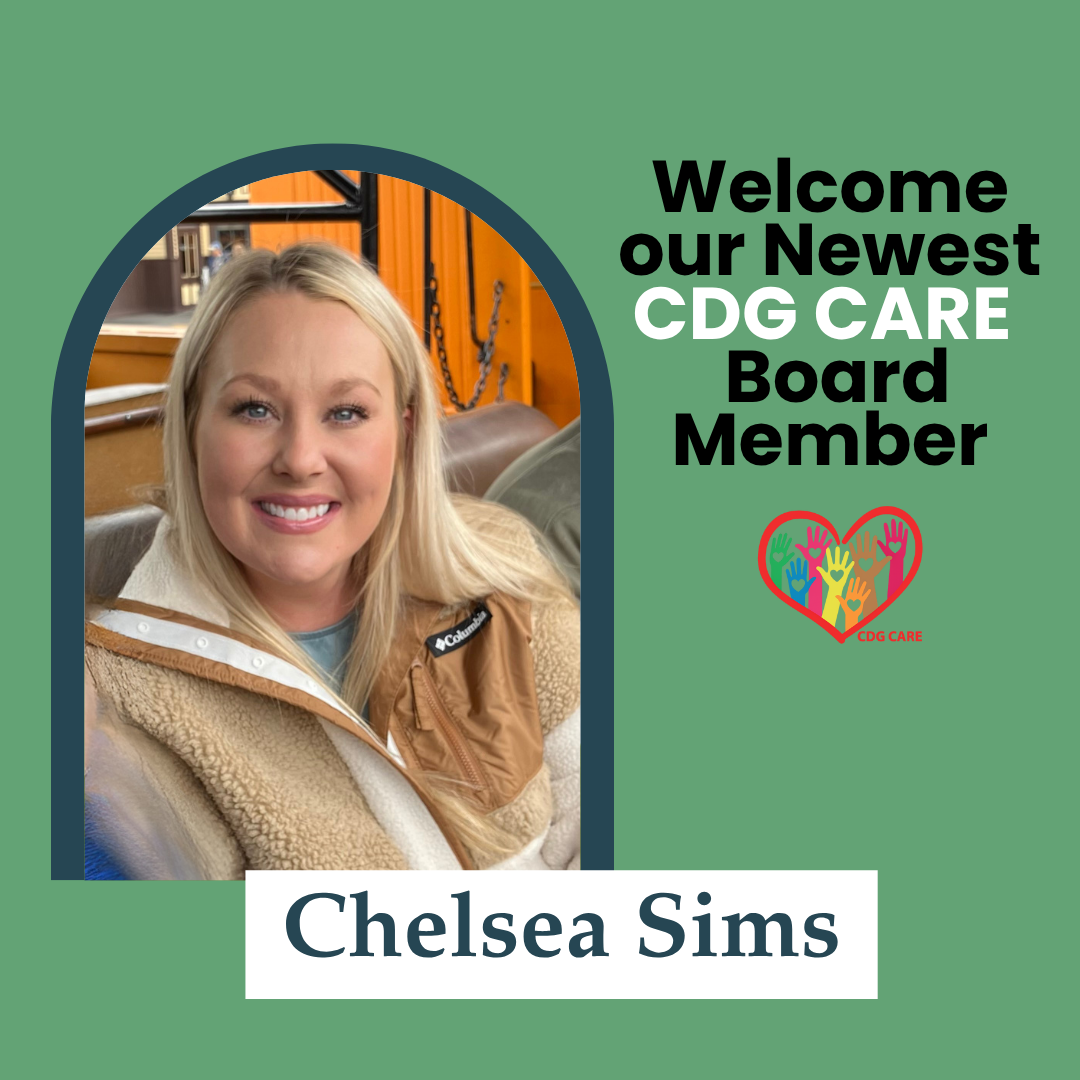
Chelsea is the mother of a child diagnosed with PMM2-CDG and brings both personal experience and professional expertise to our community. She currently serves as Director of Operations for Team Luke Hope for Minds, where she oversees staff, volunteers, fundraising, and strategic initiatives to support families of children with brain injuries.
With her background as a Licensed Vocational Nurse in trauma, orthopedic surgery, and women’s health, Chelsea combines healthcare knowledge with nonprofit leadership. She is deeply passionate about family support, program development, and community engagement, and we are thrilled for her to help guide and grow CDG CARE’s mission.
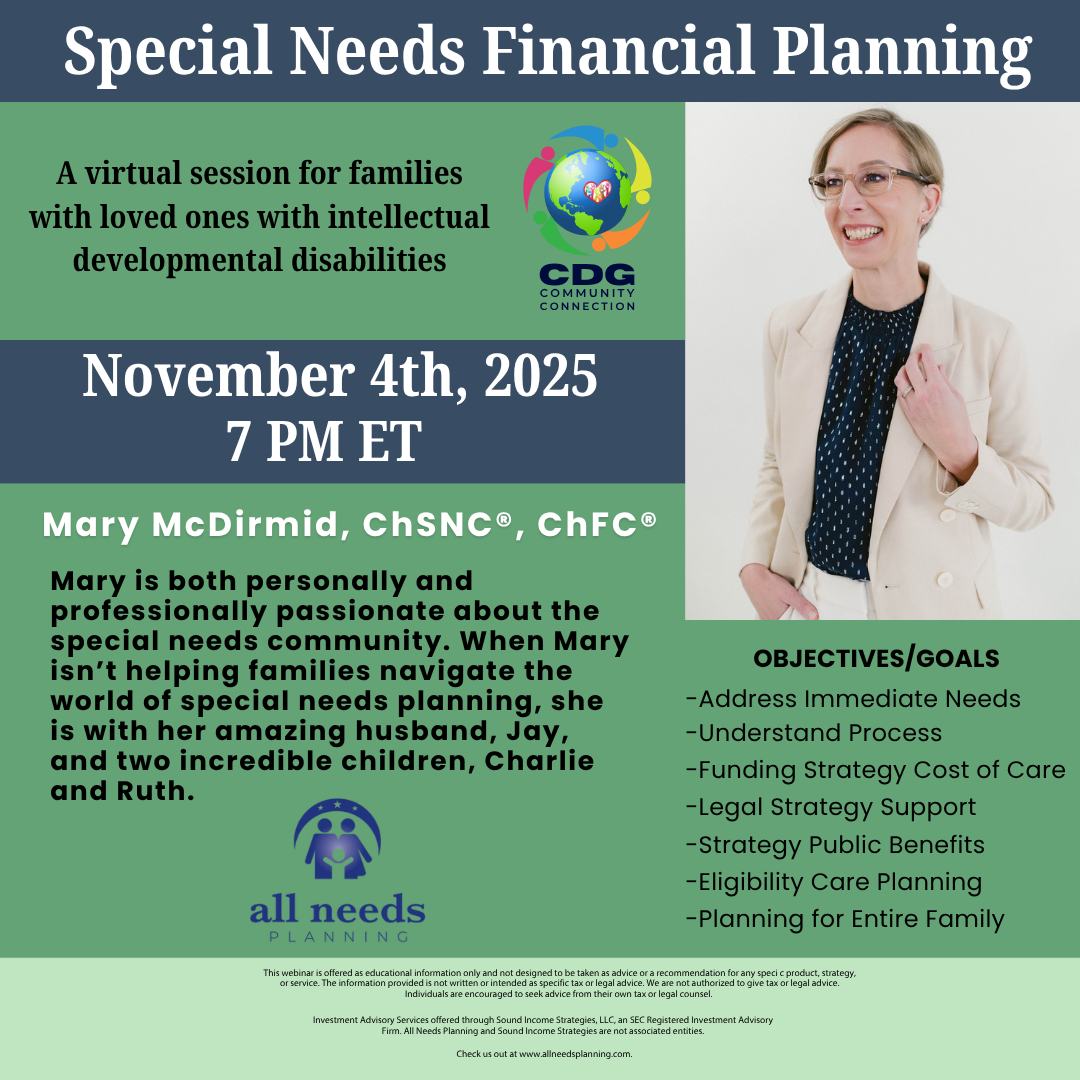
| Save the Date: November CDG Community Connection with Mary McDirmid | |
We’re so excited to welcome Mary McDermid, co-founder of All Needs Planning, to next month's CDG Community Connection!
Date: Tuesday, November 4, 2025
Time: 7PM ET
Who: Open to all CDG families and caregivers
Mary is not only a seasoned financial planning professional, but also a fellow rare disease mom. Her expertise helps families navigate the complex world of financial planning for children and adults with disabilities... from long-term care and benefits coordination to securing future stability and peace of mind.
Join us as Mary offers valuable insights, answers your questions, and connects with our CDG community in a truly parent-to-parent conversation.
[Register here]
|
Your Chance to Win
CDG CARE's Holiday Collection!
| |
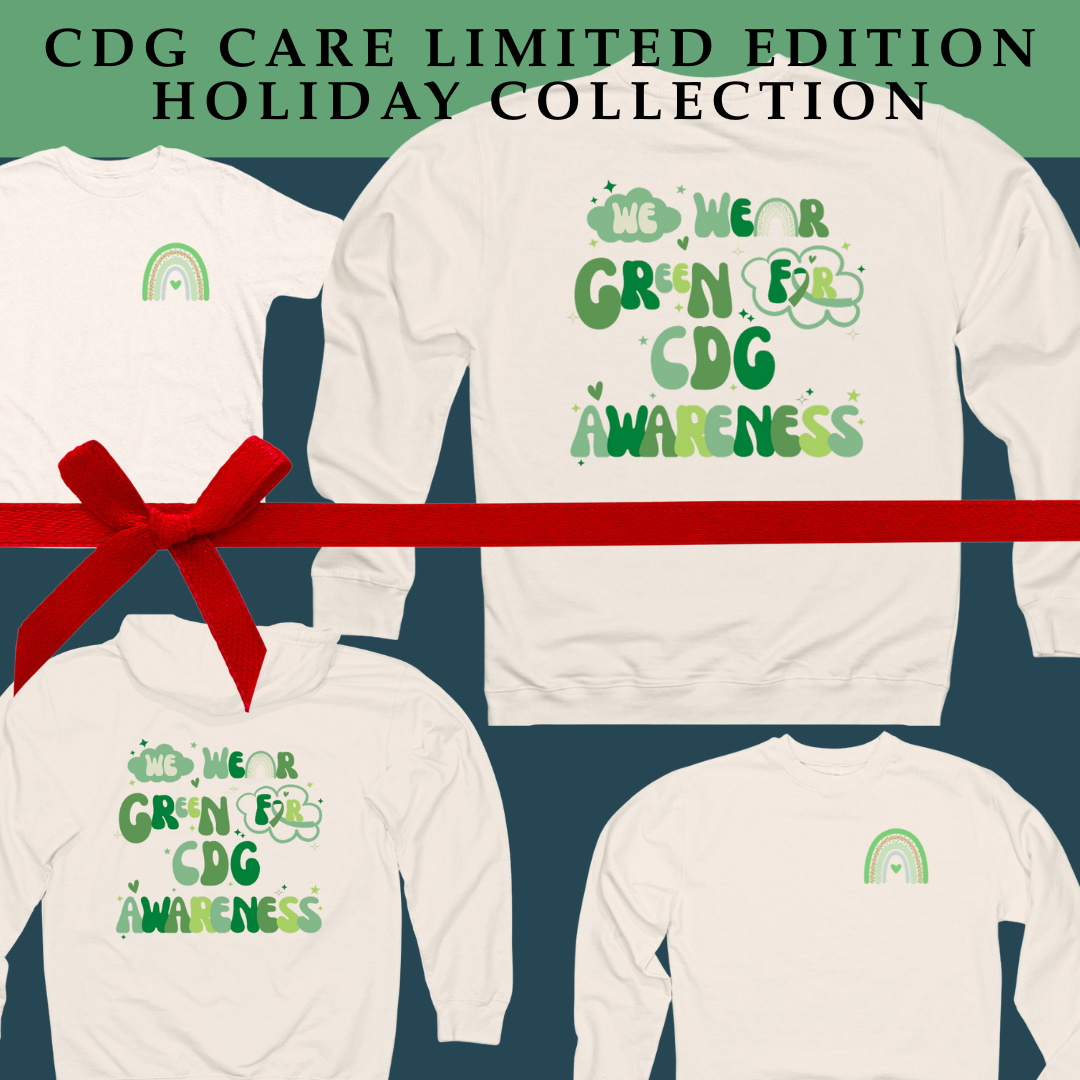
We’re spreading a little extra cheer this season! CDG CARE is excited to announce the launch of our Limited Edition Holiday Exclusive Design - available now in our official CDG CARE Online Boutique.
This year’s special release comes in your choice of hoodie, sweatshirt, or youth tee... the perfect way to show your support, stay cozy, and help raise awareness for the global CDG community.
And here’s the best part… We’ll be giving away five of these new designs to lucky winners from around the world!
To enter: Email research@cdgcare.org with the subject line “Wear the Care.” Winners will be chosen on Monday, November 3, and yes, entries are open internationally and in the U.S.!
Don’t miss your chance to Wear the Care and show your support for CDG families everywhere.
[Click here to visit our official CDG CARE Online Boutique to get yours today!]
|
One Day to Give. A Lifetime of Impact.
Donate to CDG CARE this Giving Tuesday.
| |
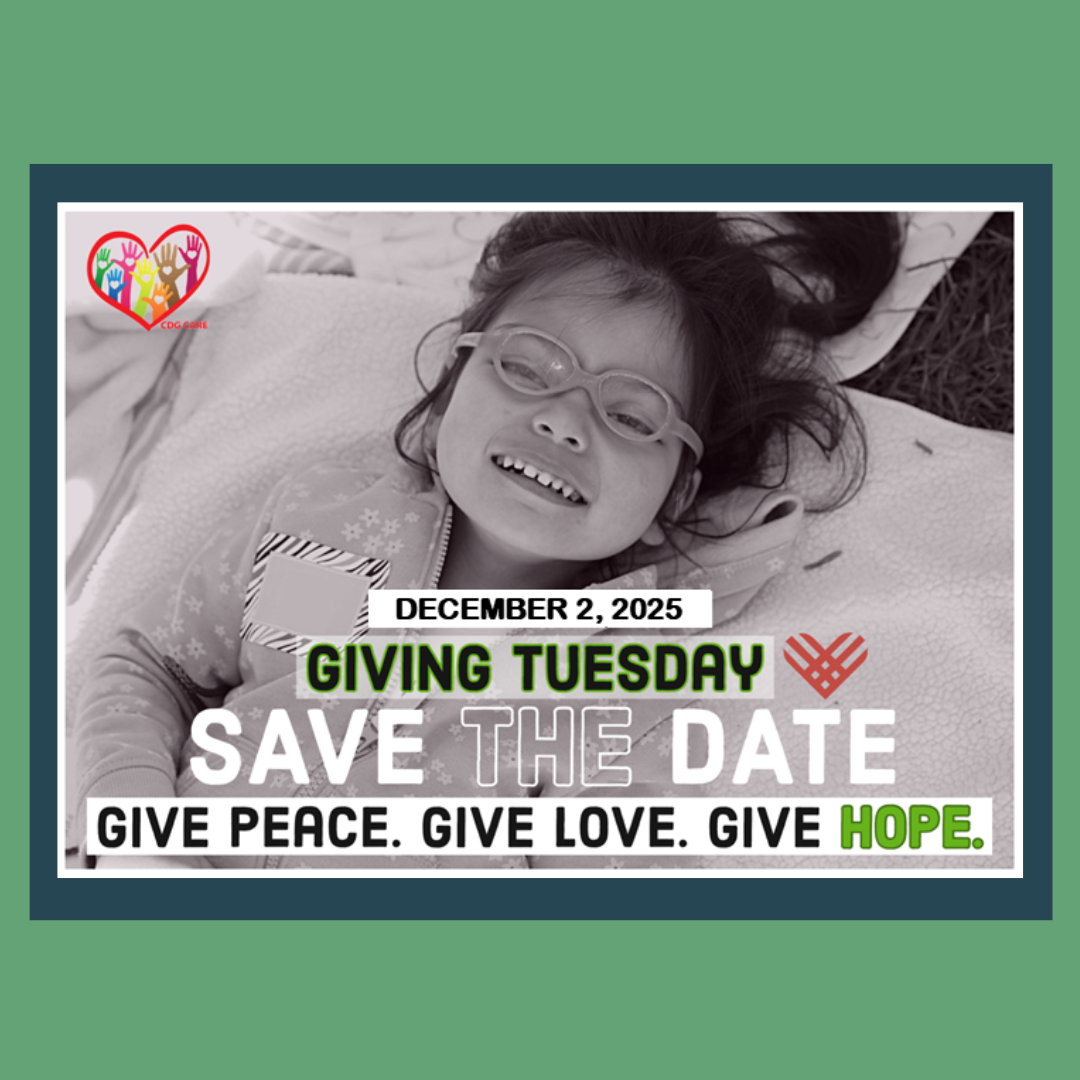
On Tuesday, December 2, 2025, CDG CARE will once again join the Global Generosity Movement to celebrate the power of giving and community.
This year, our goal is to raise $25,000 to sustain and strengthen CDG CARE’s mission of hope by connecting families, empowering patients, and driving real-world progress for those living with Congenital Disorders of Glycosylation (CDG).
Every day, CDG families face challenges most can’t imagine - from long journeys to reach medical experts, to navigating therapies, to simply being understood. Yet, through compassion and community, we’ve seen what’s possible when people come together.
Your support fuels that progress.
Your donation helps CDG CARE:
💚 Offer medical travel assistance so families can access care and specialists.
💚 Translate and share educational materials worldwide to make resources accessible to all.
💚 Host family and scientific gatherings that unite researchers, clinicians, and parents under one purpose - a future with answers and hope.
Every dollar you give strengthens the foundation that keeps our rare community connected, informed, and moving forward.
👉 Join us this Giving Tuesday.
Because together, we can transform challenges into progress - and progress into hope.
Donate TODAY ➜
| | | | |