The Fall 2021 Montana NSF EPSCoR newsletter is now available! Included in this issue: a visual recap of the summer field season, Year 3 undergraduate research intern highlights, new CREWS-U professional development resources, CREWS and BREWS, and much more. You can find this newsletter and past Montana NSF EPSCoR newsletters online at https://www.mtnsfepscor.org/resources/newsletters.
|
|
This is an exciting time for Montana NSF EPSCoR as we are poised to finalize the last two years of the highly successful CREWS project, while simultaneously taking meaningful steps to support the development of a future project and team. In early August, CREWS completed its second NSF site visit and panel review. Although we do not yet have the site visit report from NSF, the team did a fantastic job of providing the panel with a detailed overview of the CREWS project. Despite COVID-19 impacts, we are very pleased with CREWS’ progress to date and feel prepared to enter the fourth year of the five-year award. The team’s progress is nothing short of brilliant.
We are additionally working with future RII Track-1 Project Director Rob Walker, the Montana University System (MUS) Chief Research Officers, and the Office of the Commissioner of Higher Education (OCHE) to help the state identify a team and topic for a new Track-1 proposal submission in the summer of 2022 that would start fall 2023 if funded. Ten concept papers were submitted from across the MUS for consideration. Four of those were subsequently selected for moving forward and will draft ten-page white papers detailing their proposed research focus and statewide team. Sometime in November, the state will select one of these white papers for proposal development. The engagement and collaboration across the state’s higher education landscape is exciting and impressive.
- Ray Callaway and Todd Kipfer
|
|
Have you seen our new project video? Developed for the virtual Site Visit in August, this video highlights the work of CREWS researchers and students as well as the impacts of their involvement with the project. Click the video below to play! |
|
Introducing...CREWS and BREWS |
|
CREWS and BREWS is a new, monthly gathering for members of the CREWS team. Bring your brewed beverage of choice (that includes coffee and tea!) and join us every first Thursday of the month at 3:30 p.m. on Zoom to learn more about a specific aspect of the project and catch up with your fellow CREWS teammates. For more information about these gatherings, including upcoming dates, presentation topics, and Zoom information, see the Events section of the newsletter below (please note as well that our first CREWS and BREWS will be on a Friday, not Thursday).
|
|
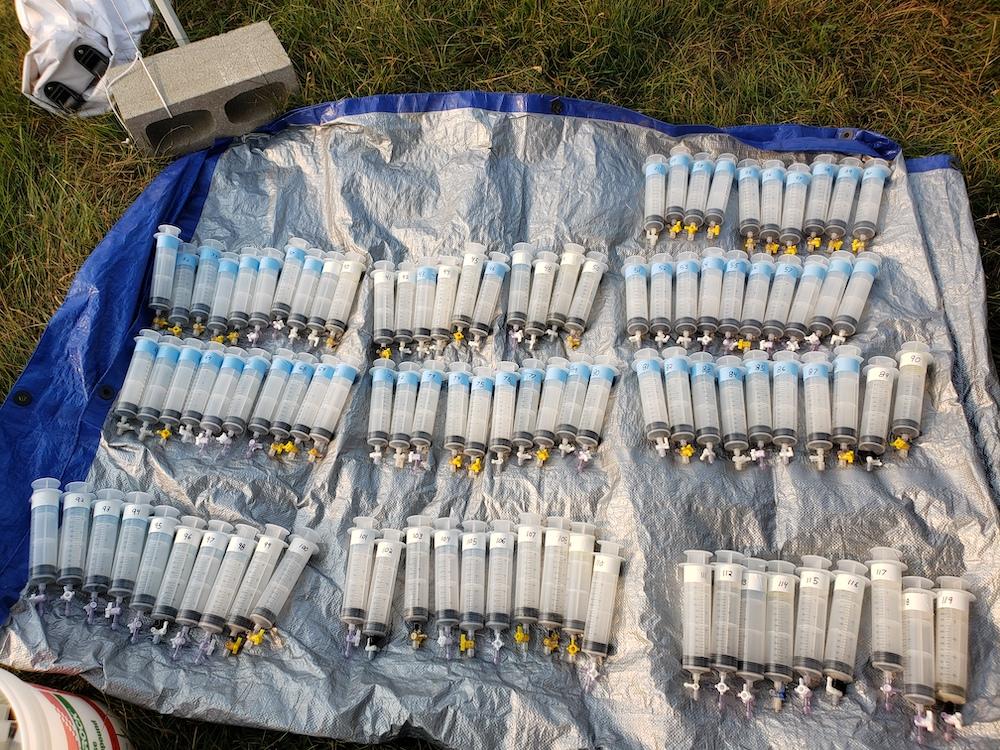
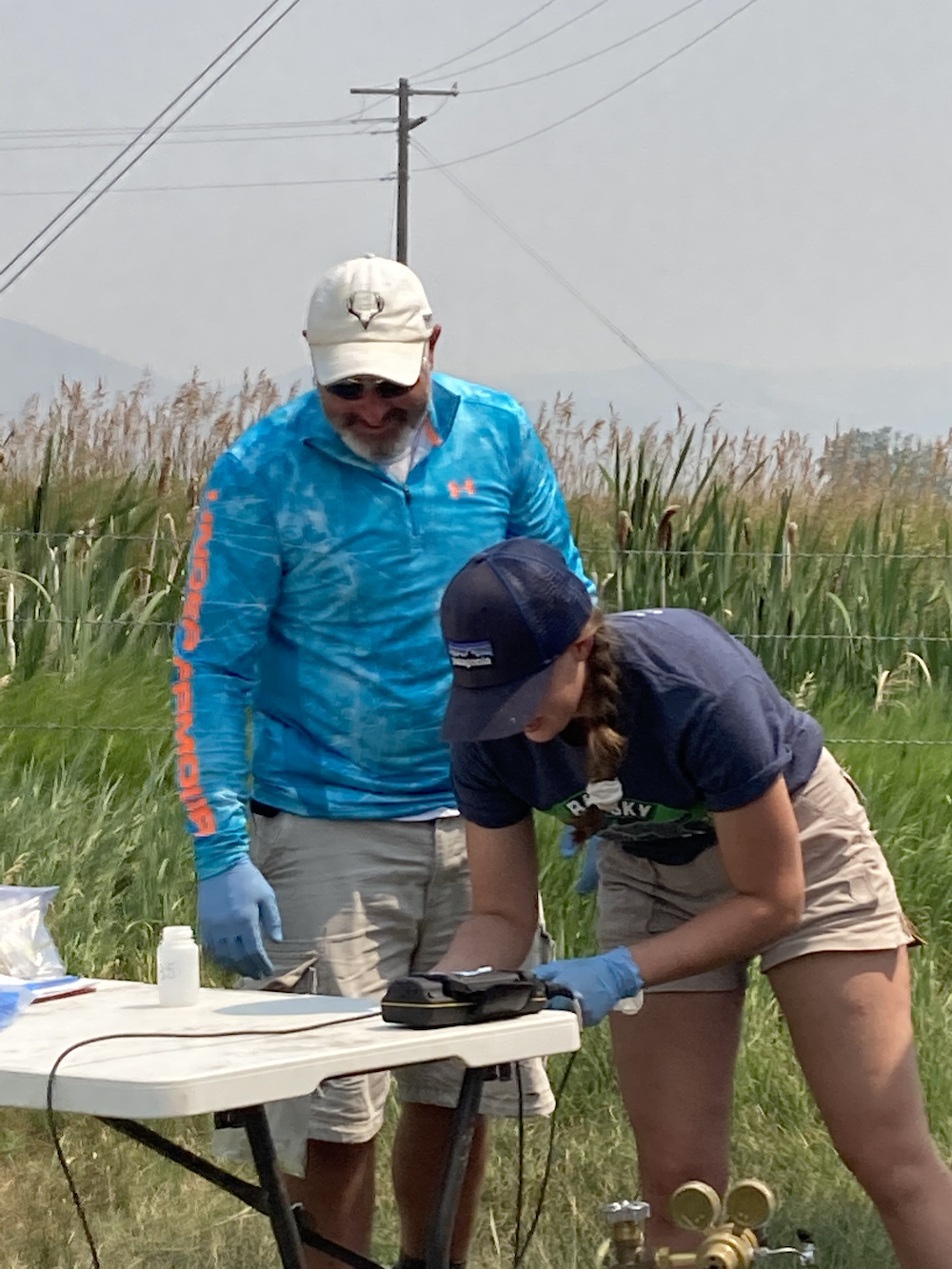
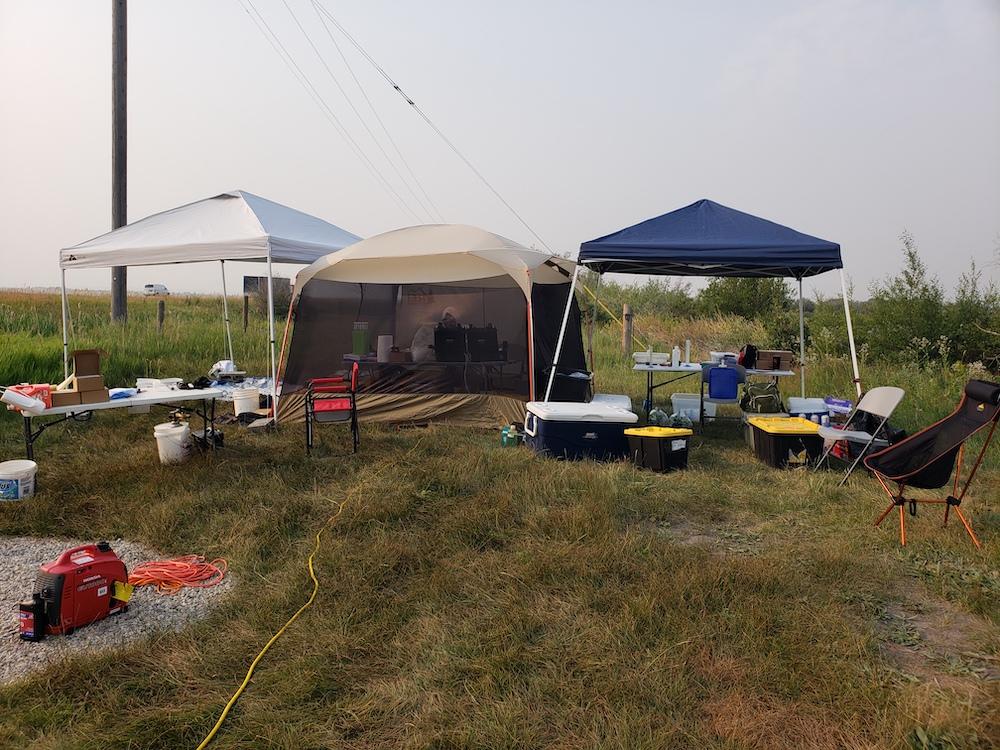
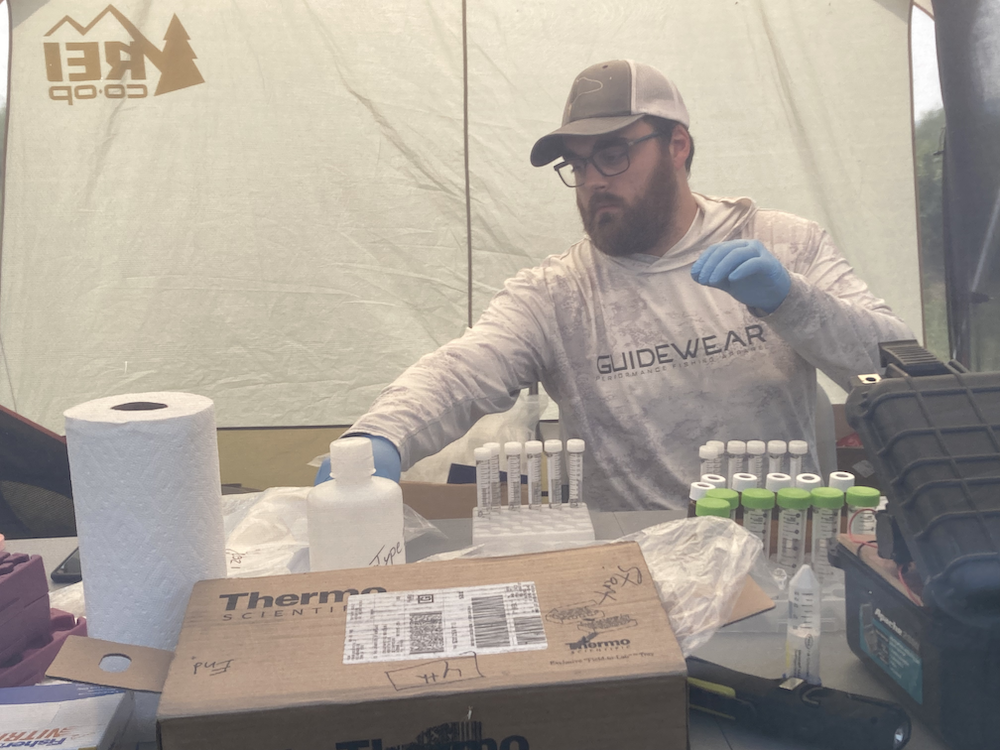
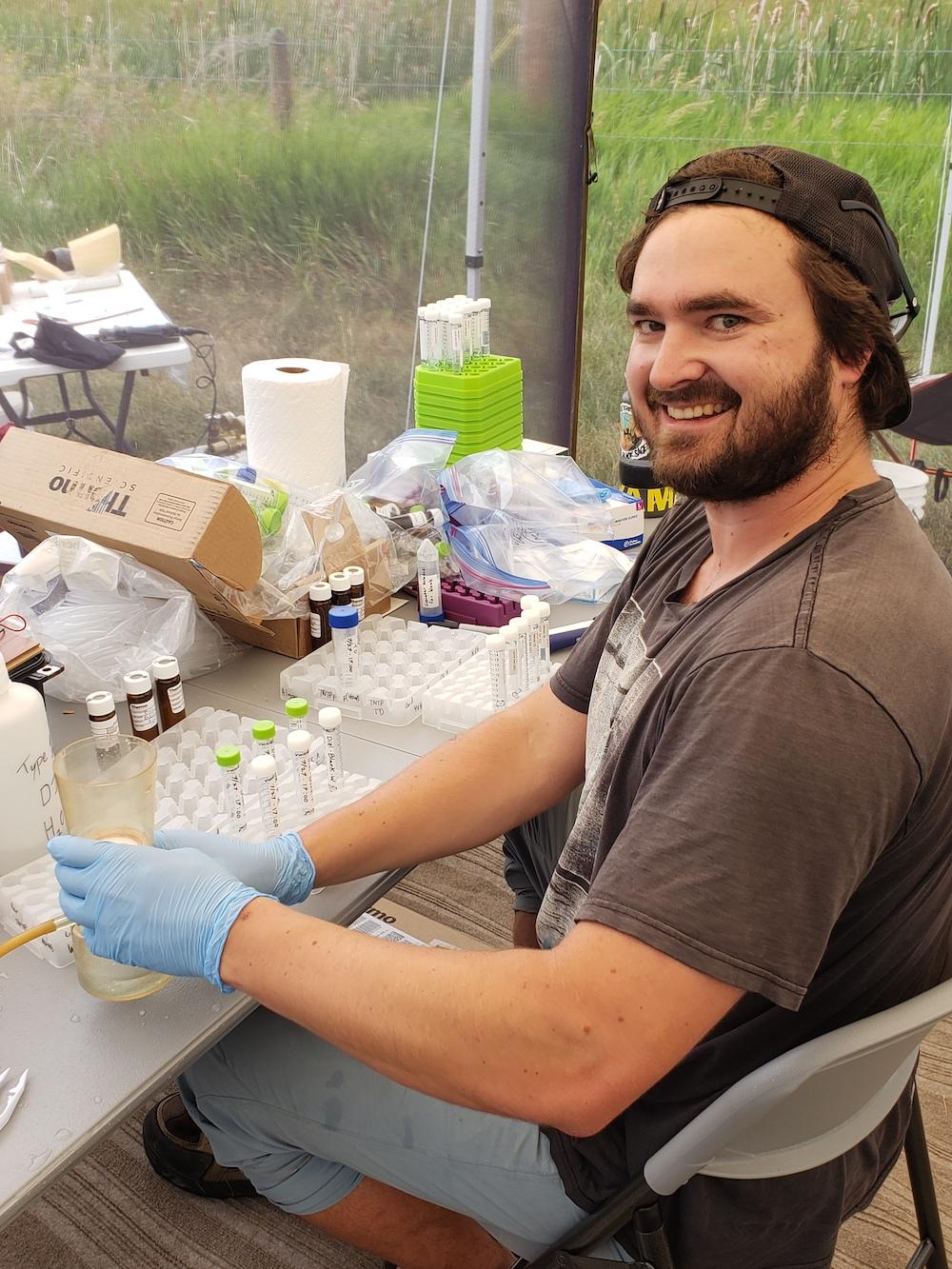
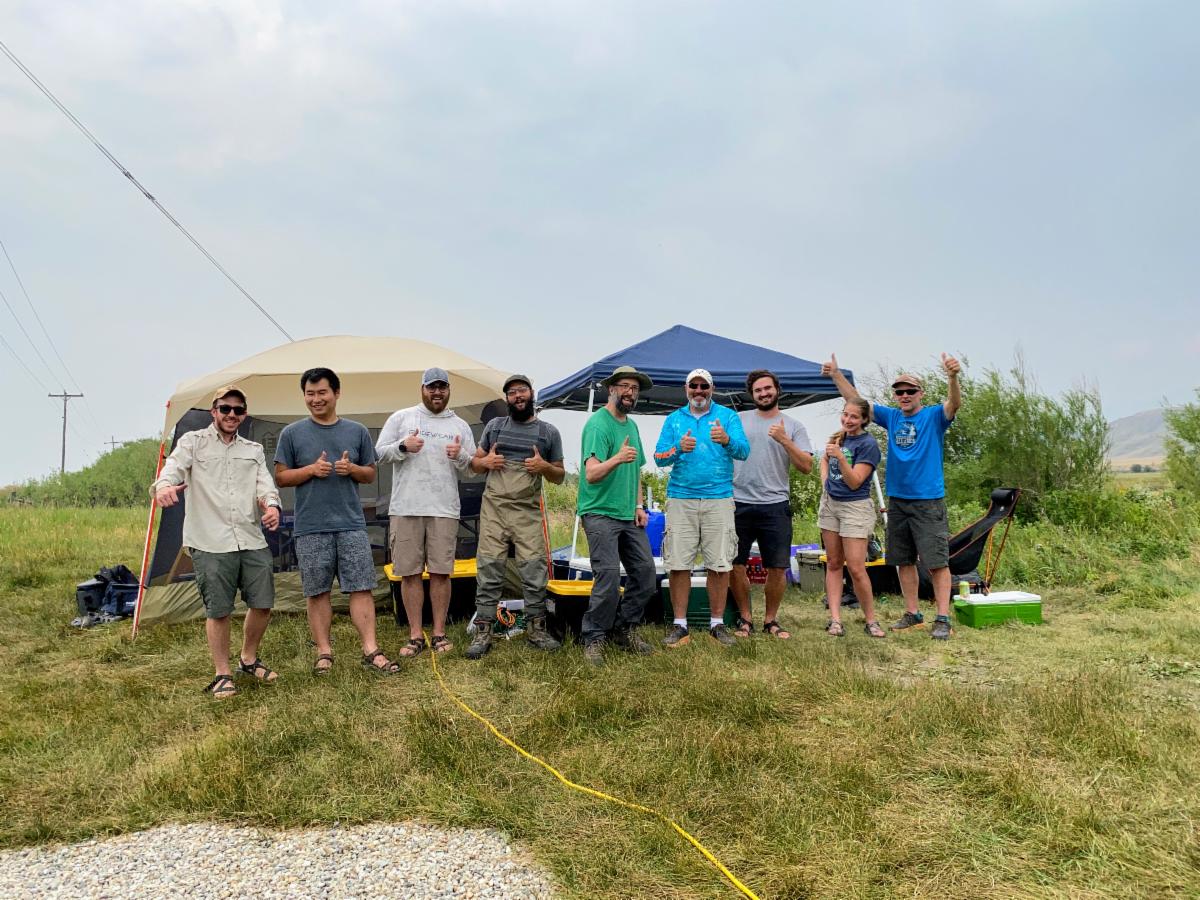
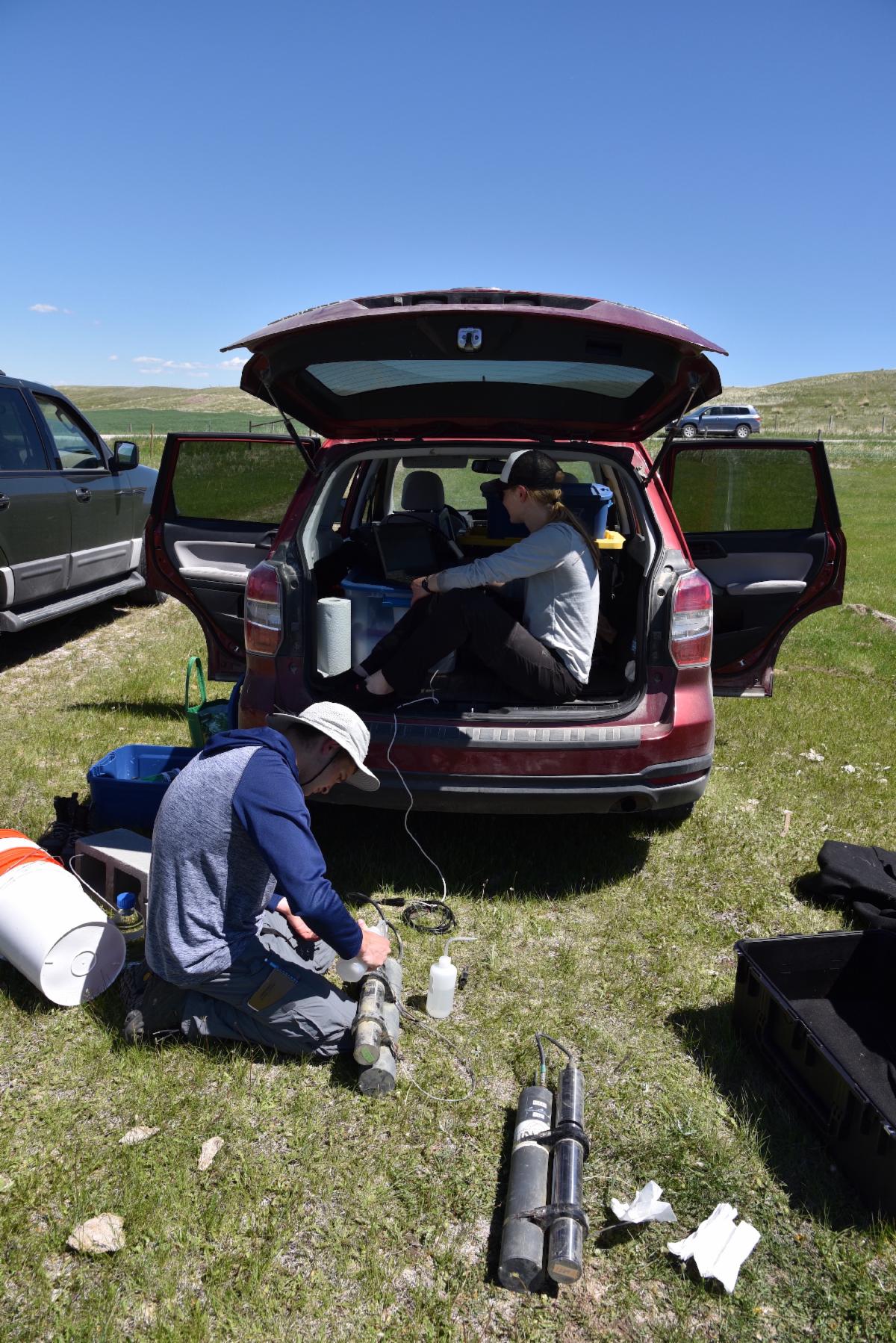
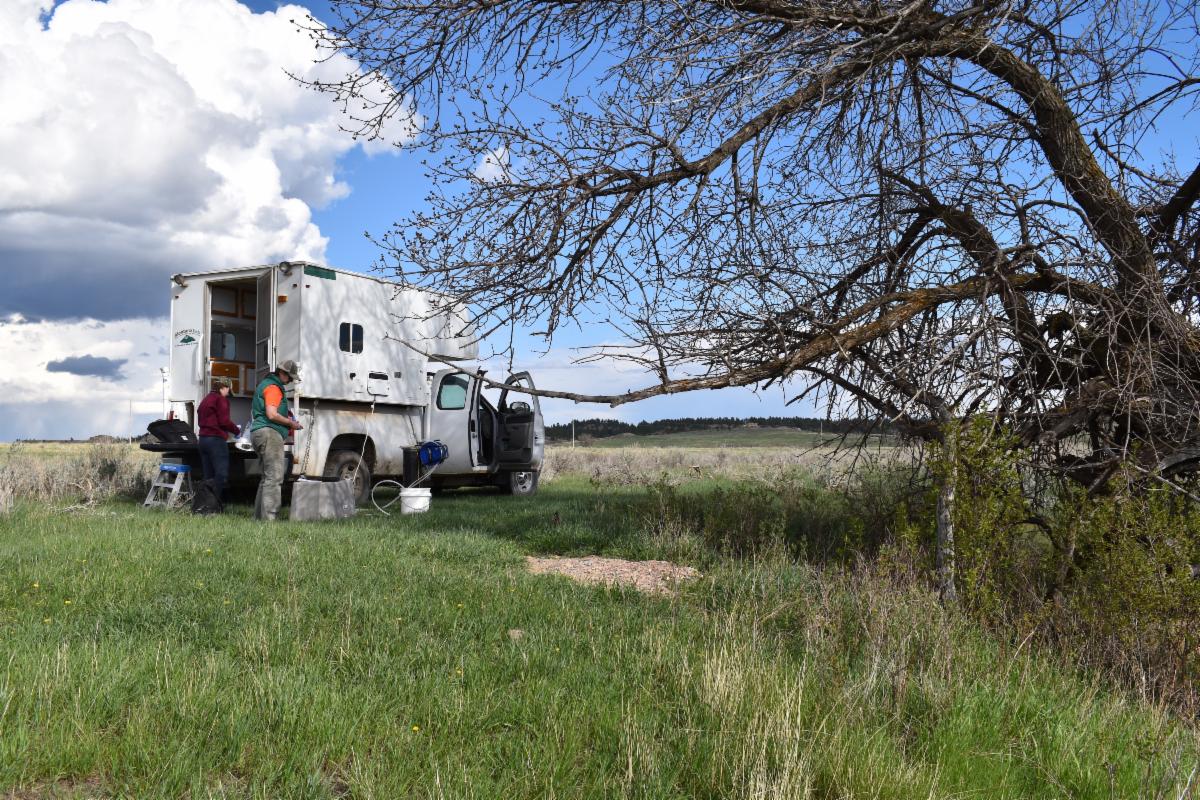
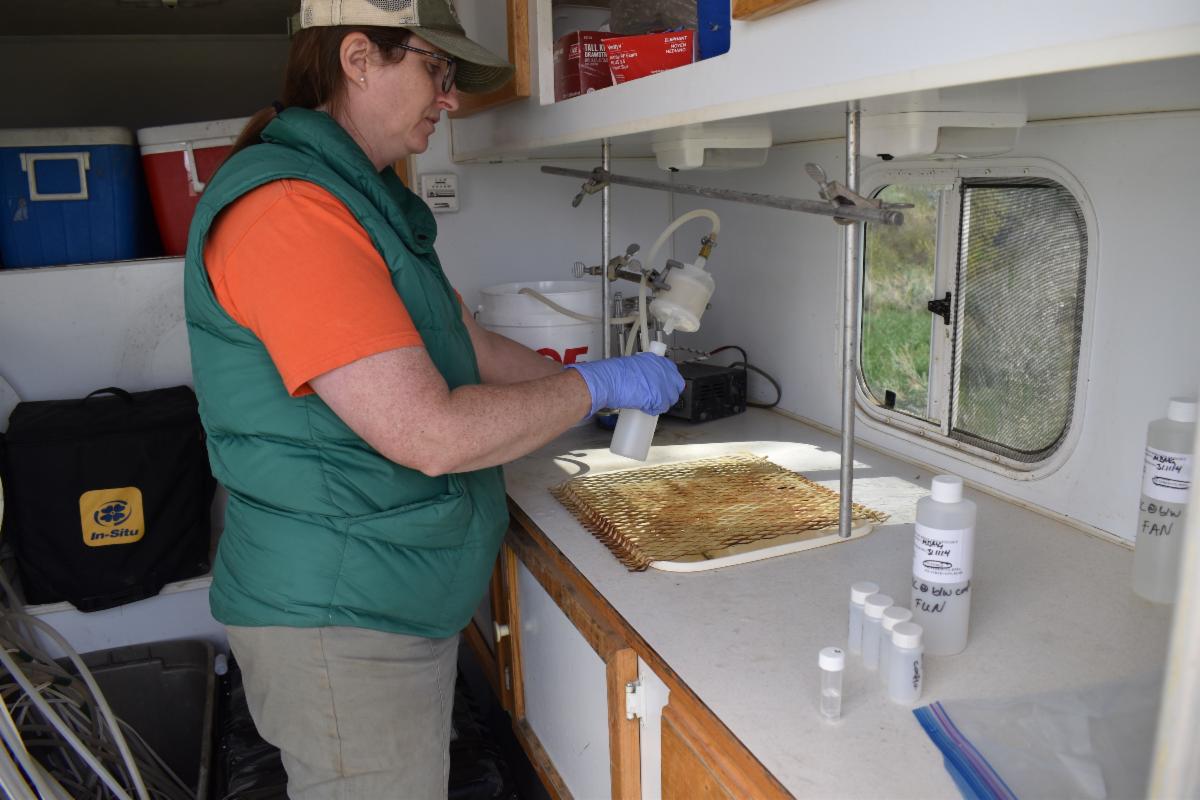
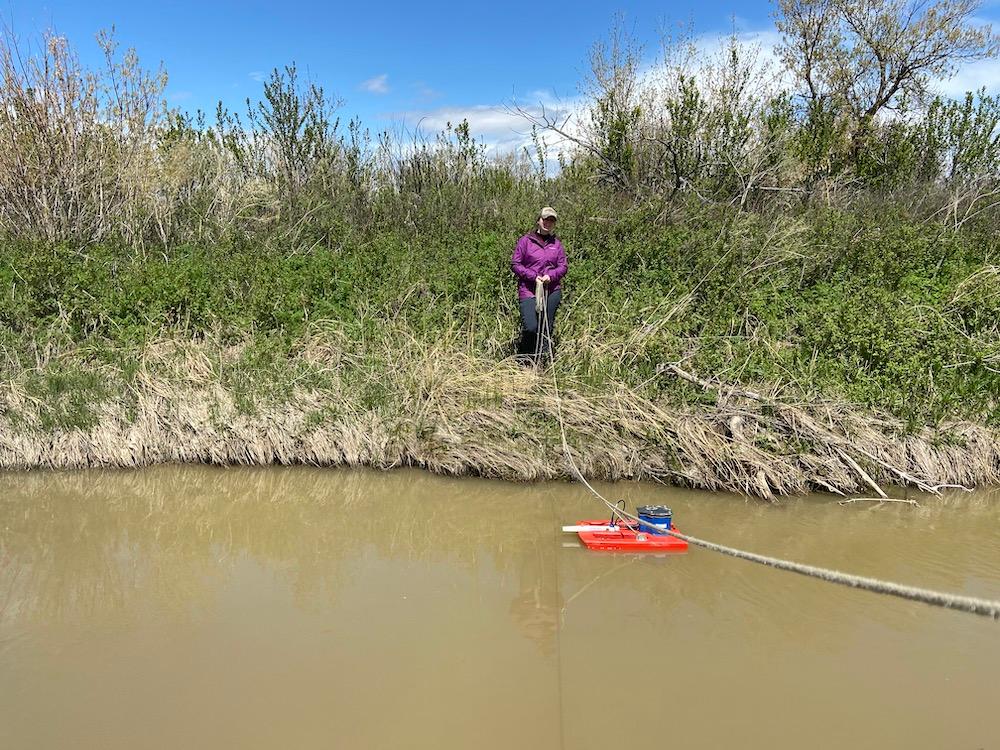
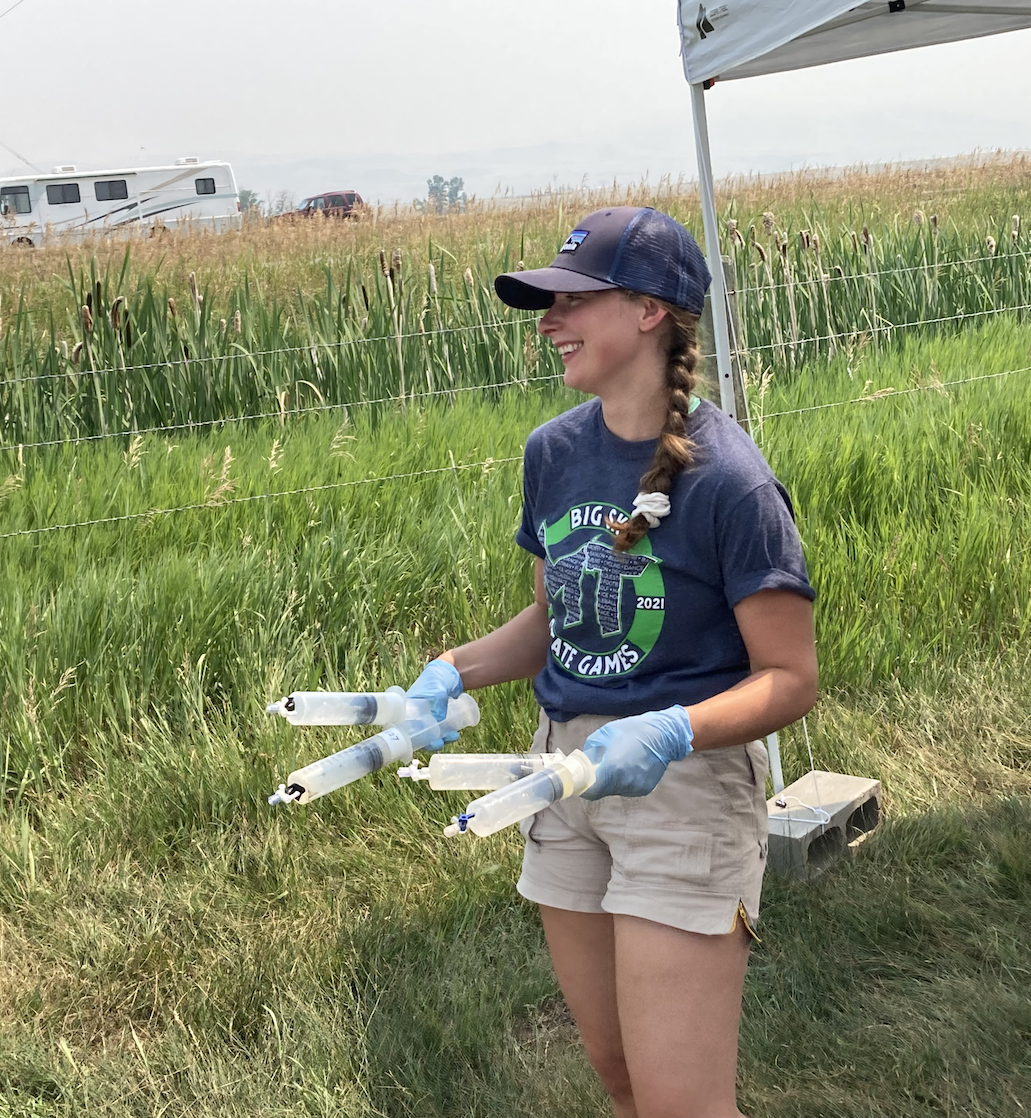
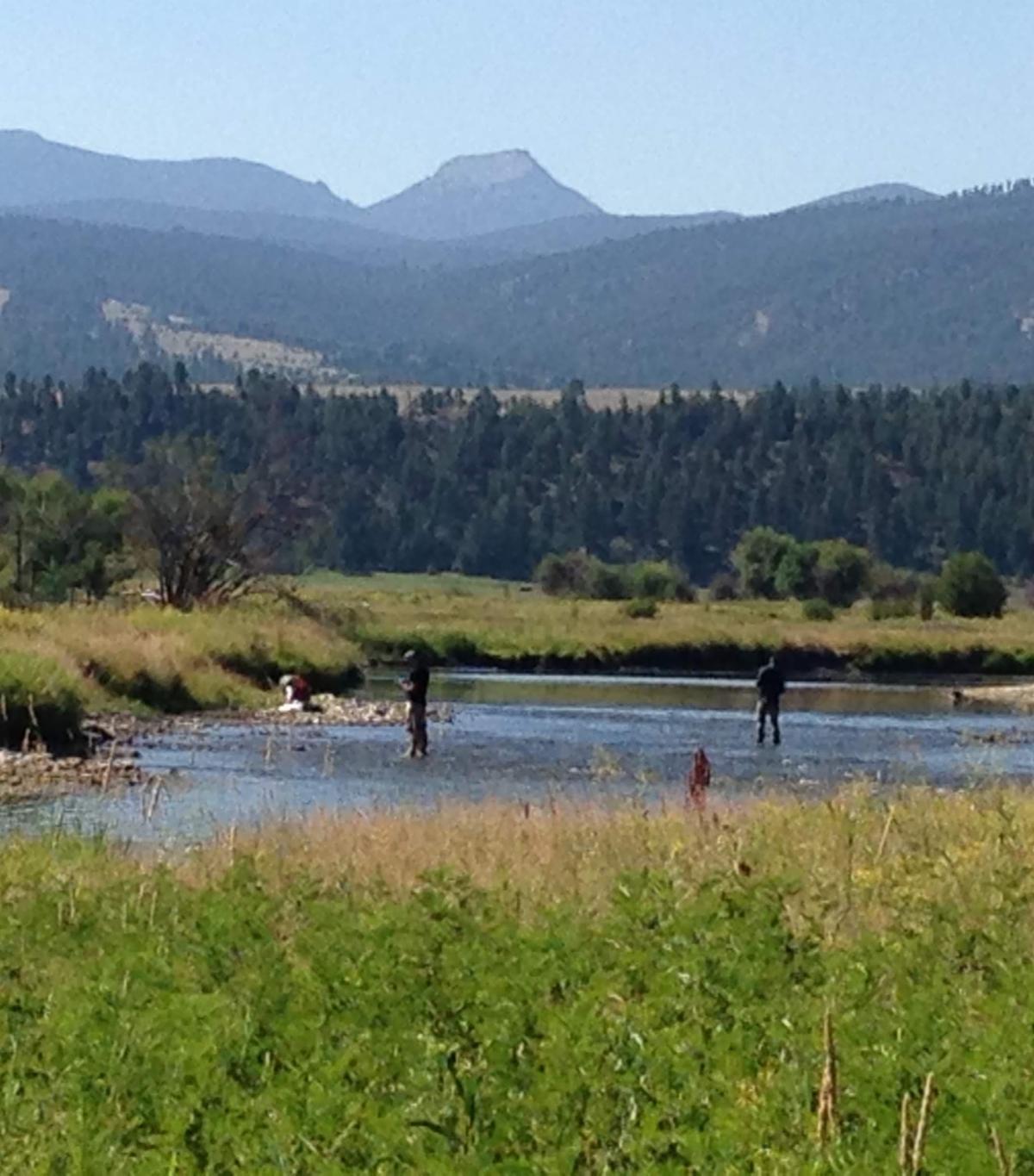
This past July, twelve CREWS researchers and students working on the Upper Clark Fork River (UCFR) undertook the Big Diel, a 48-hour sampling event. During the Big Diel, the team sampled hourly at three sites upstream of Garrison, MT. The goal of this field campaign was to characterize the diel cycles of nutrients and carbon dioxide alongside metals and arsenic in the UCFR. Read more about the Big Diel on the CREWS blog
Photo credits: Ben Colman and Mike DeGrandpre
|
|
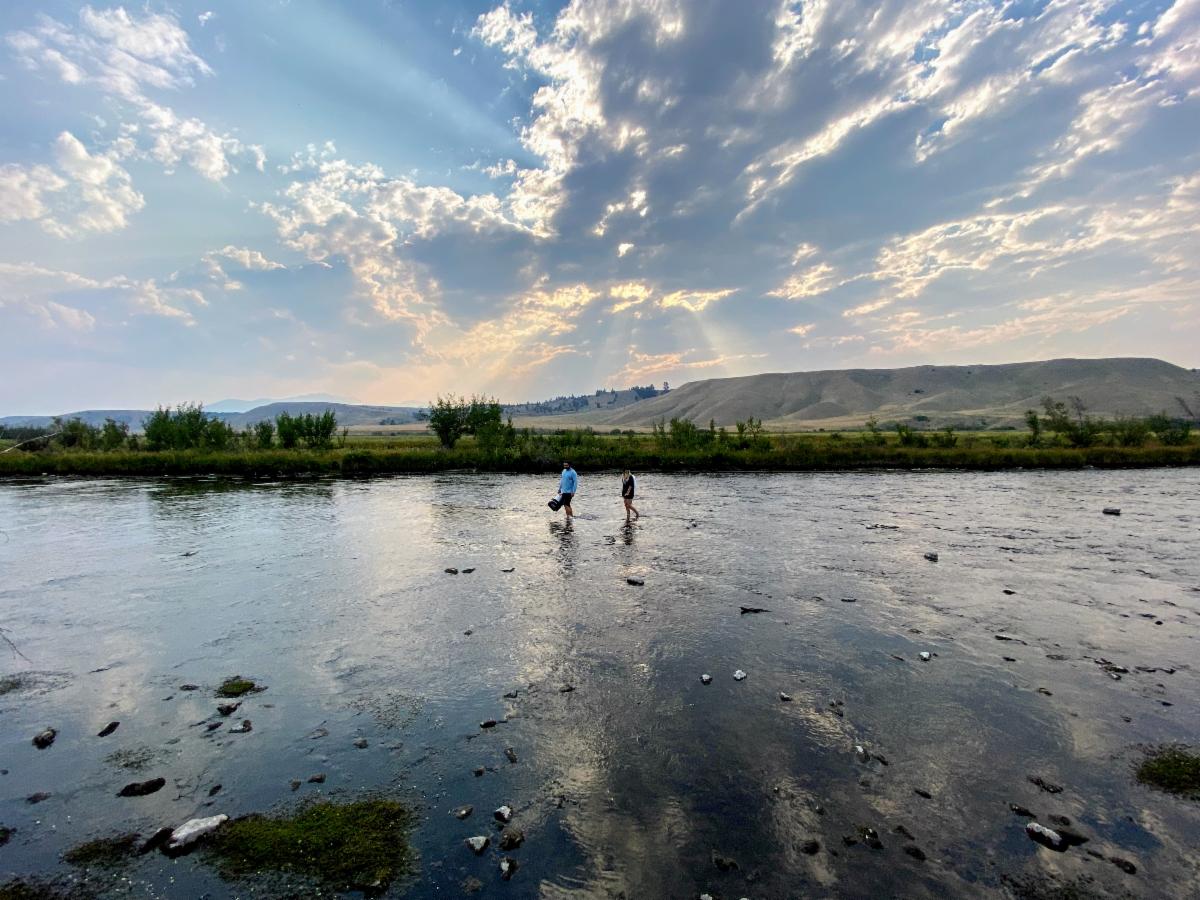
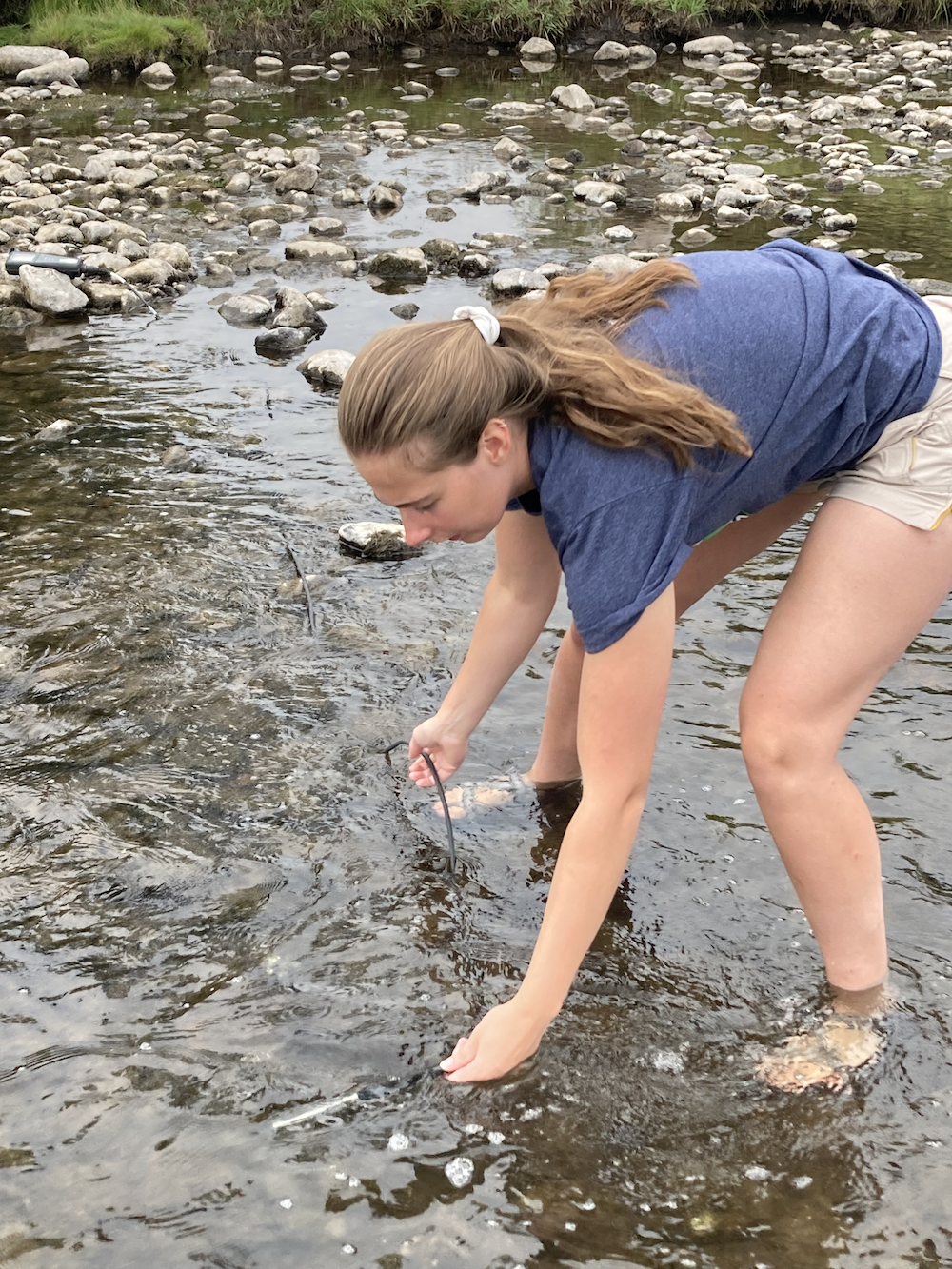
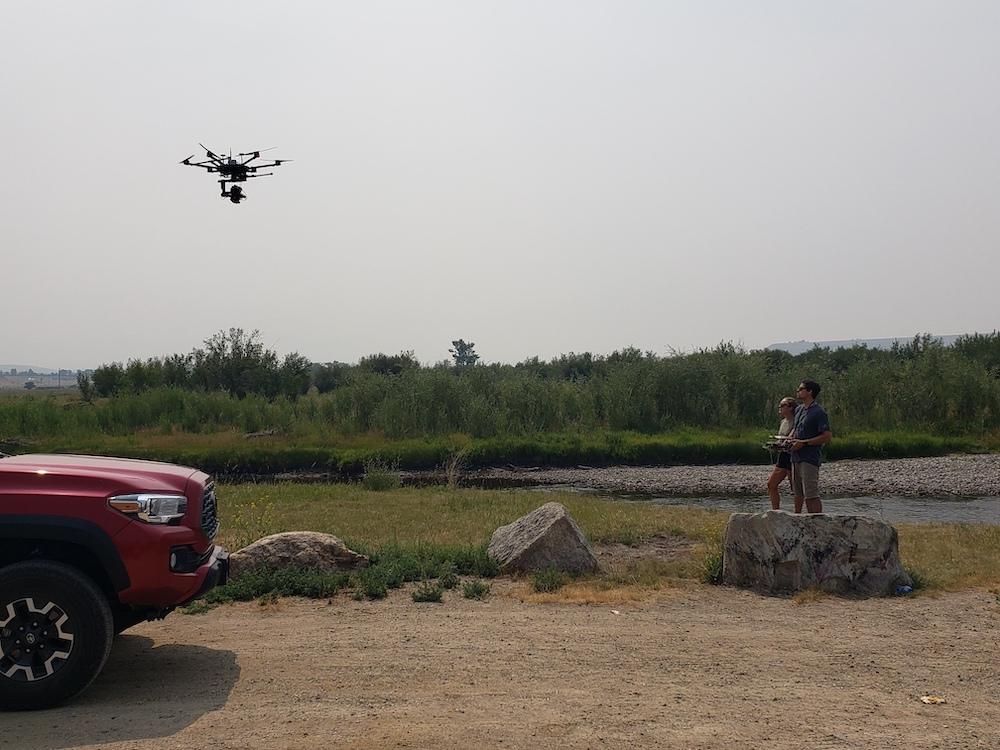
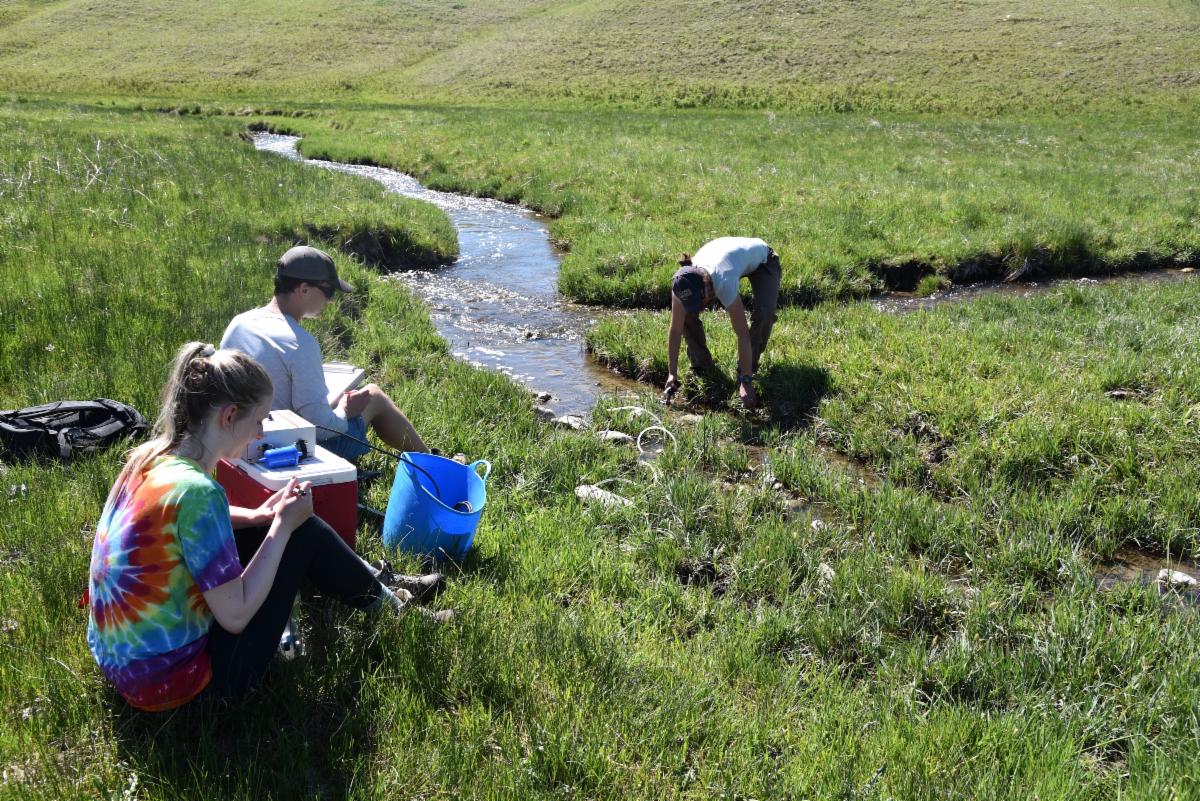
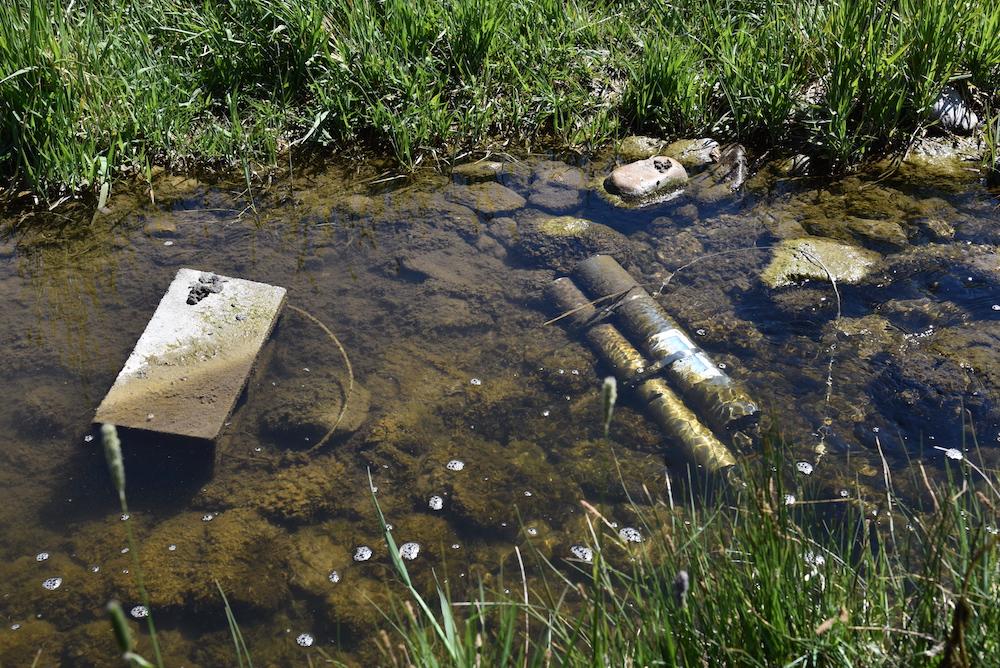
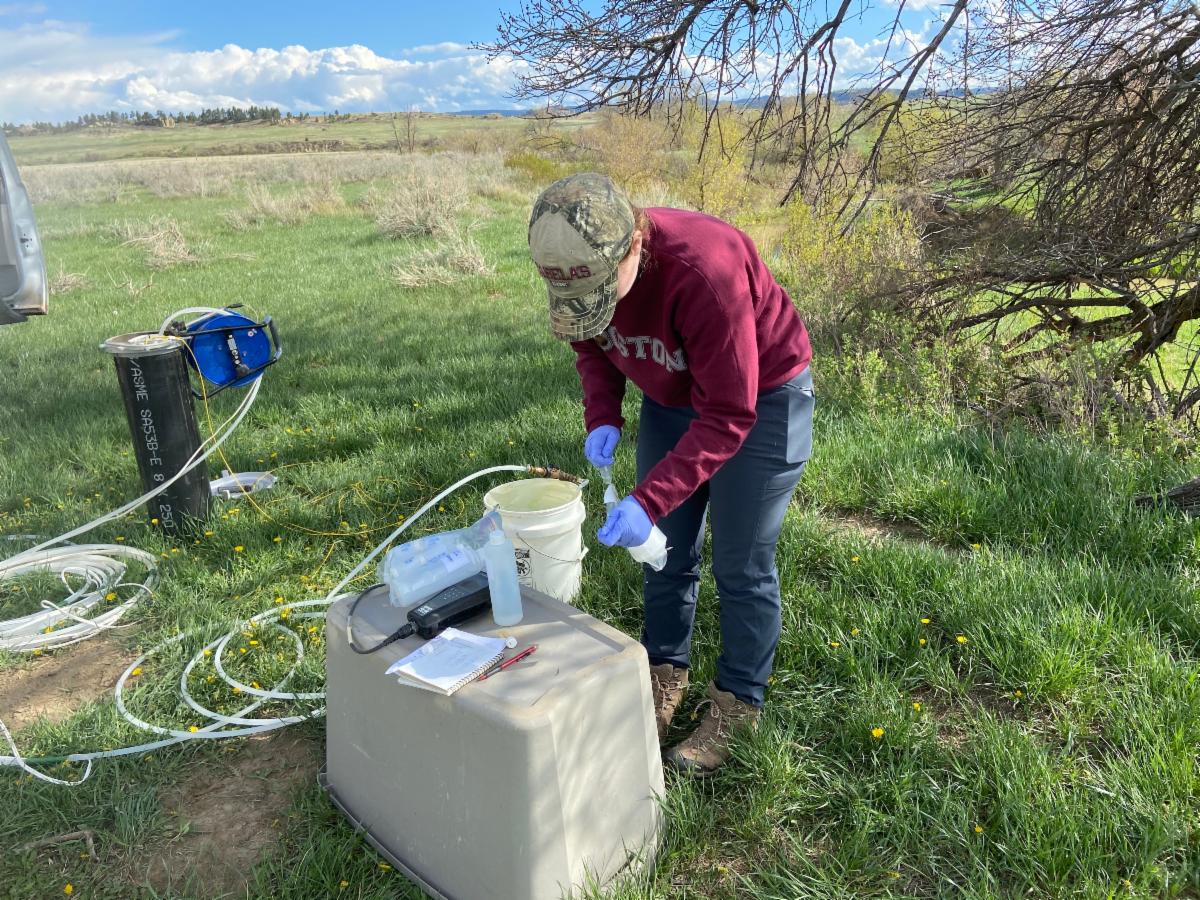
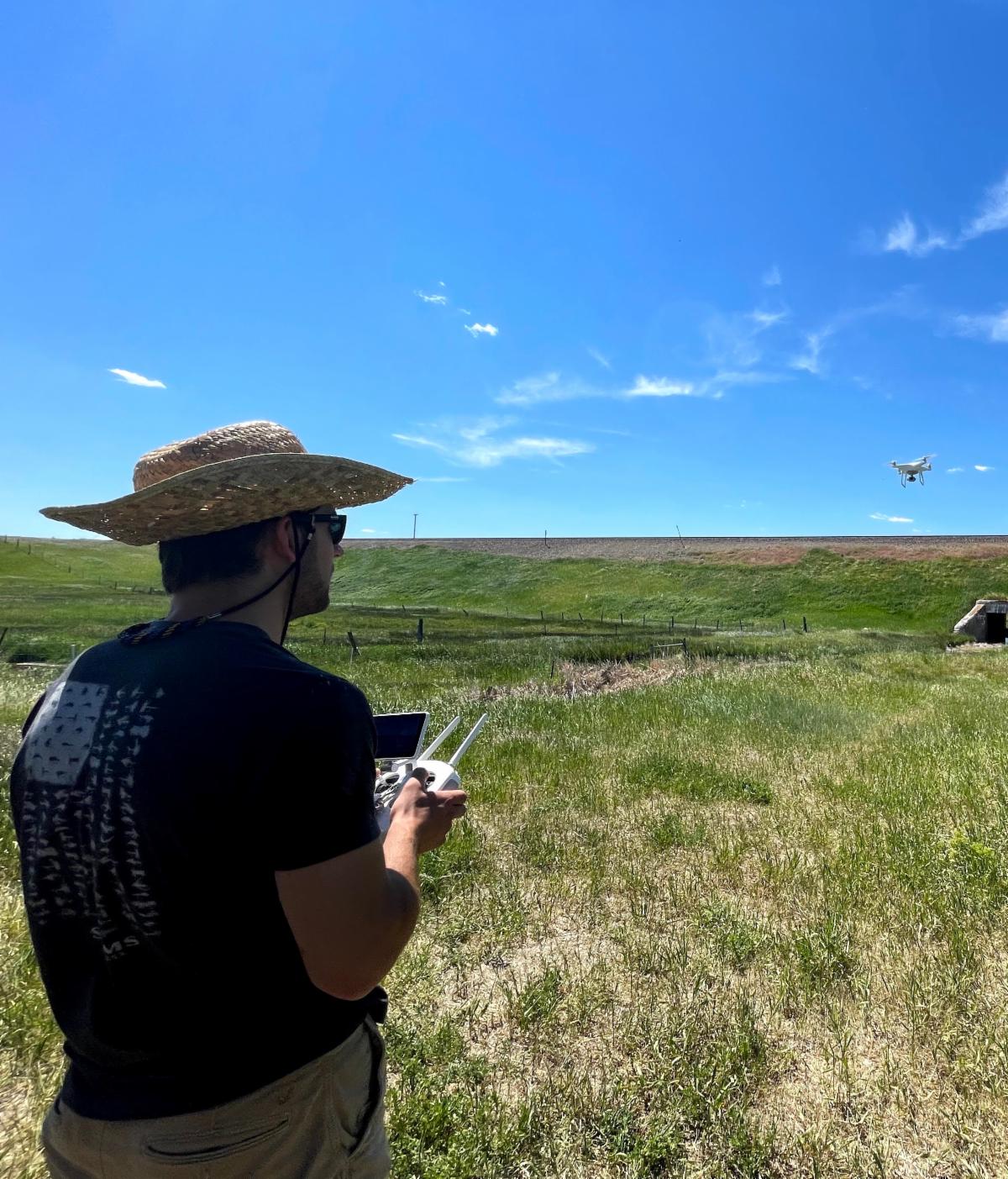
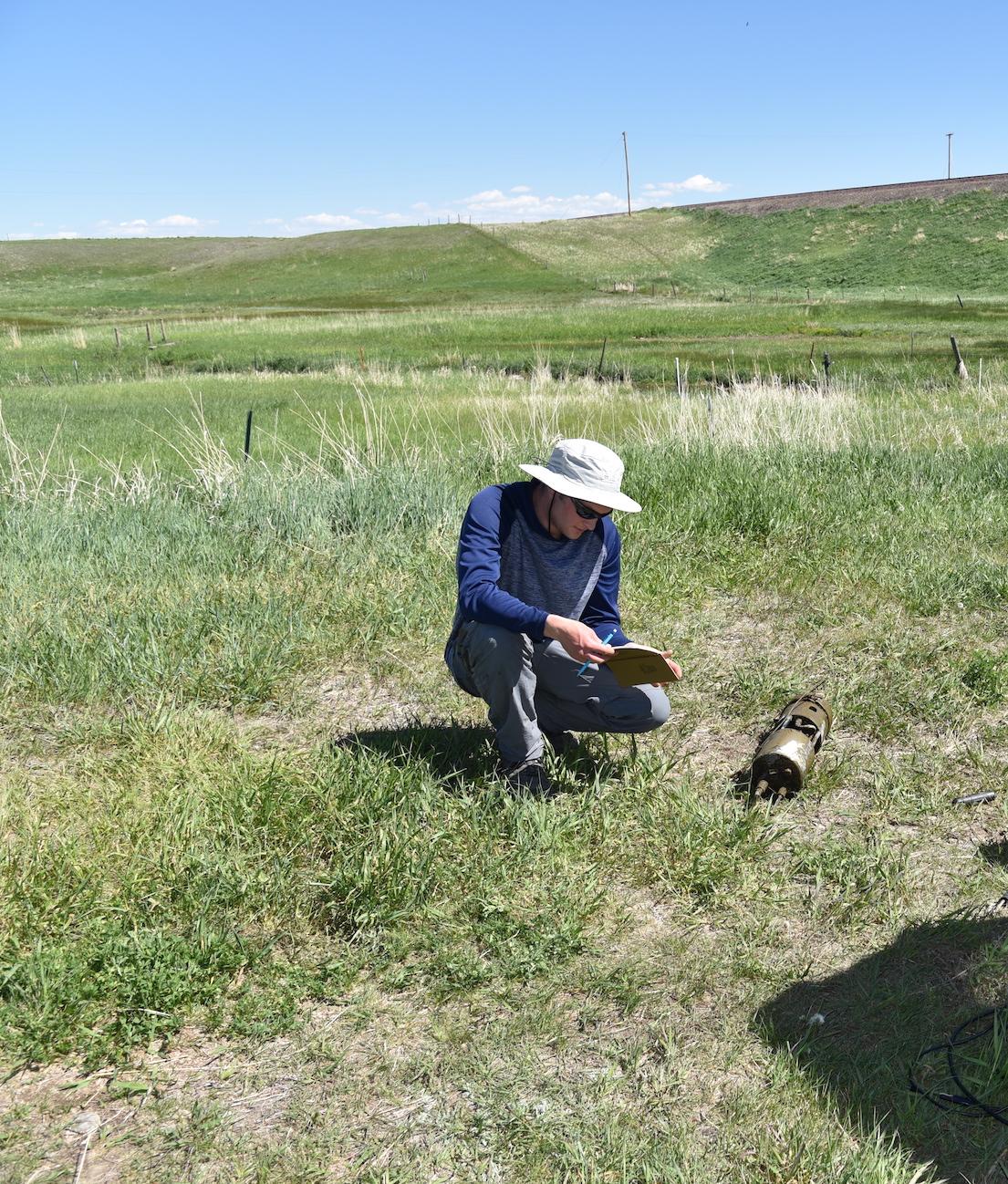
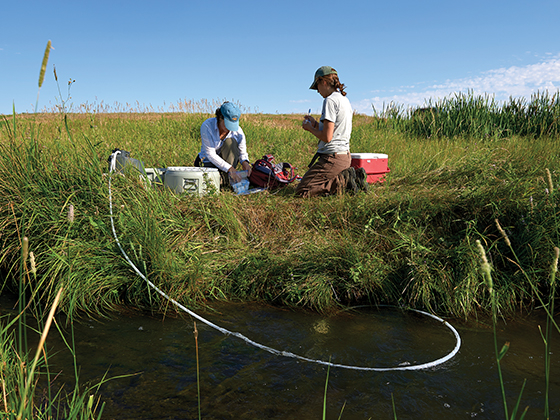
This summer, graduate students and undergraduate interns continued efforts to investigate nitrate processing in in-stream riparian corridors using observations of solute concentrations in ground and surface waters and continuous sensing of stream chemistry. The team extensively sampled well and surface water sites and measured water levels in the wells to understand variability in the water table across the riparian systems of each reach. Read more about summer fieldwork in the JRW on the CREWS blog
Photo credit: Madison Boone
|
|
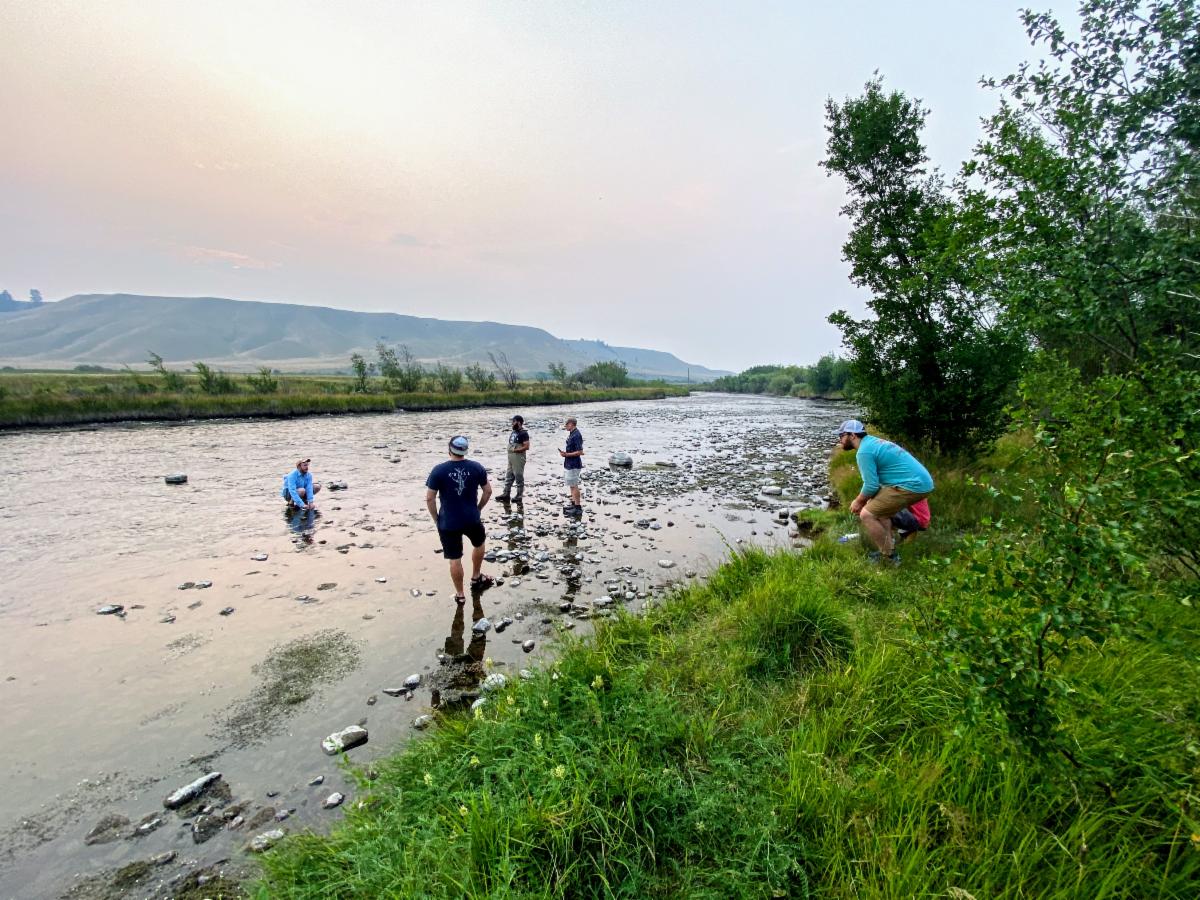
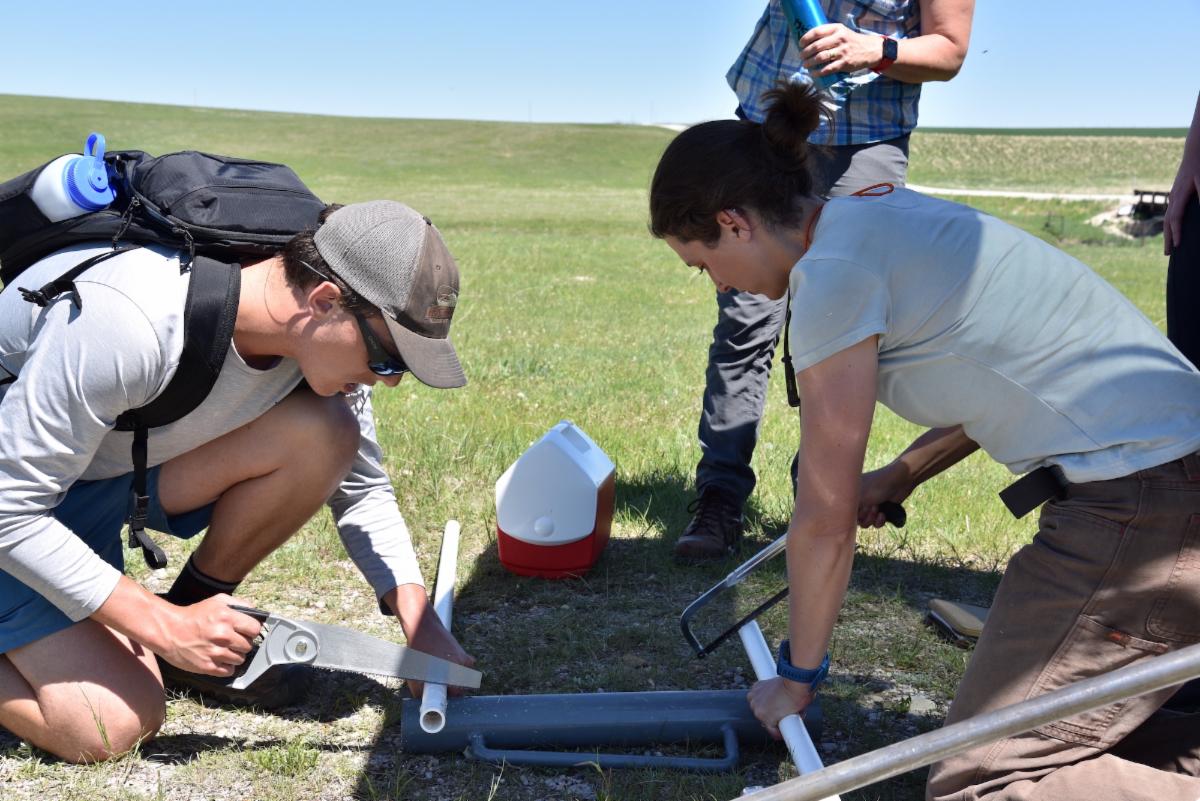
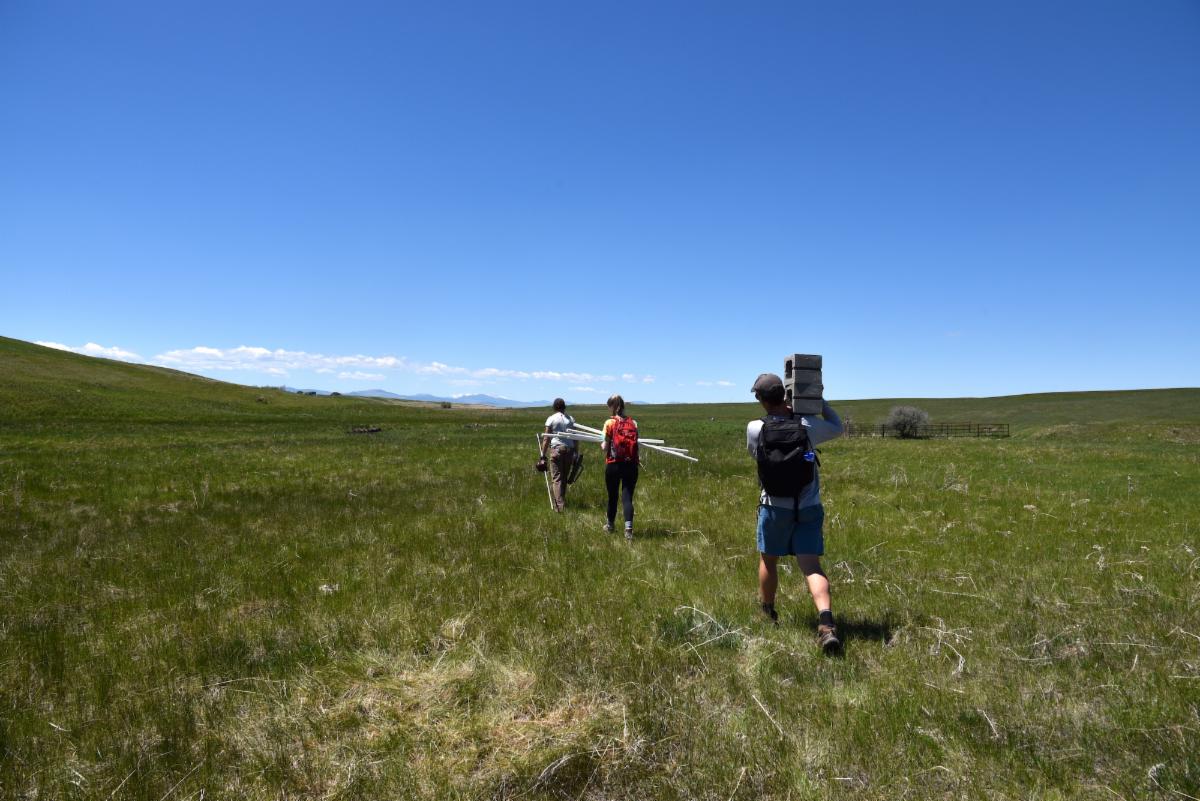
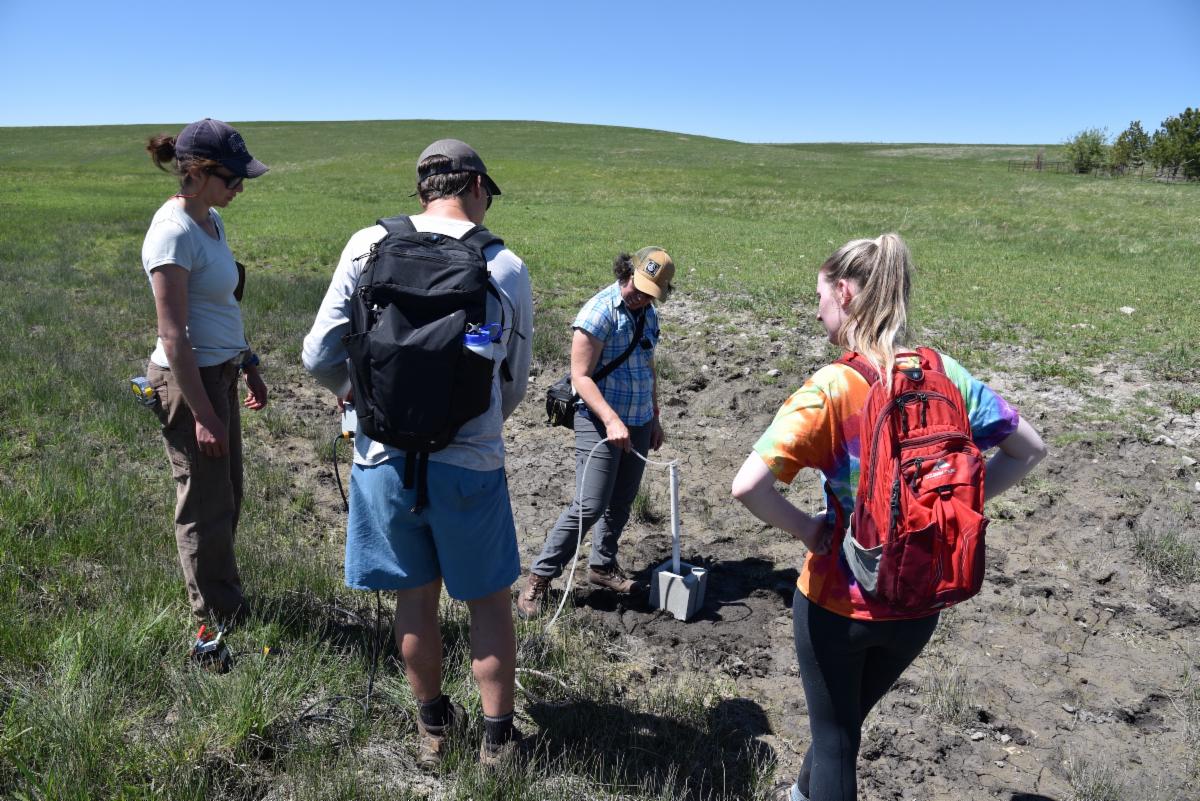
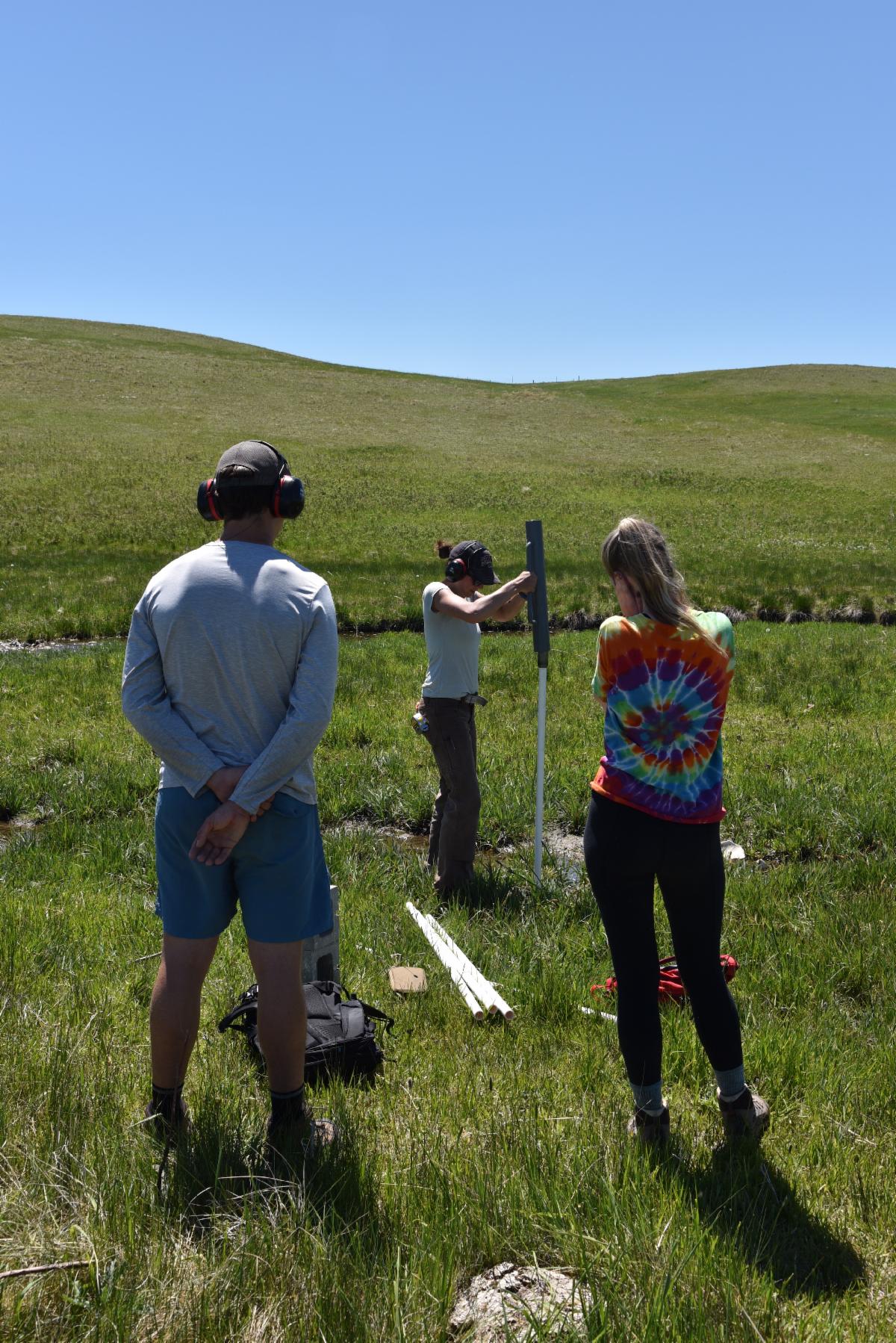
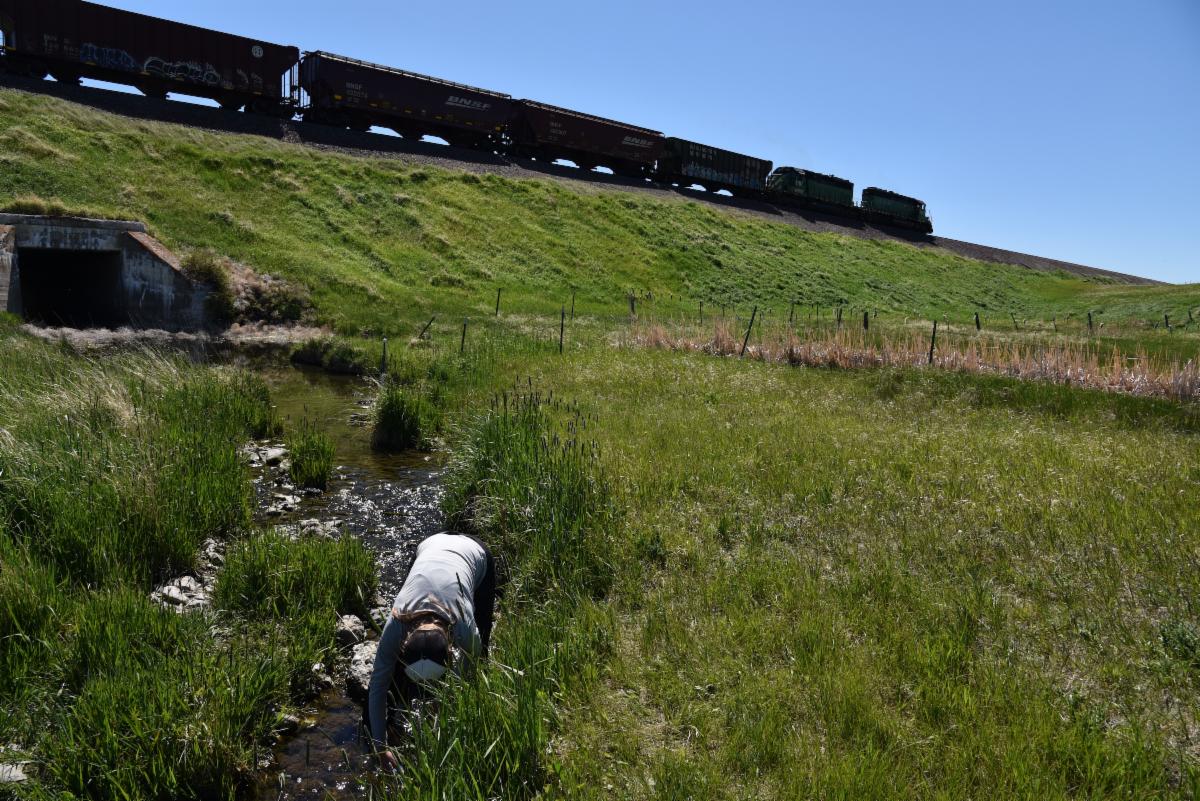
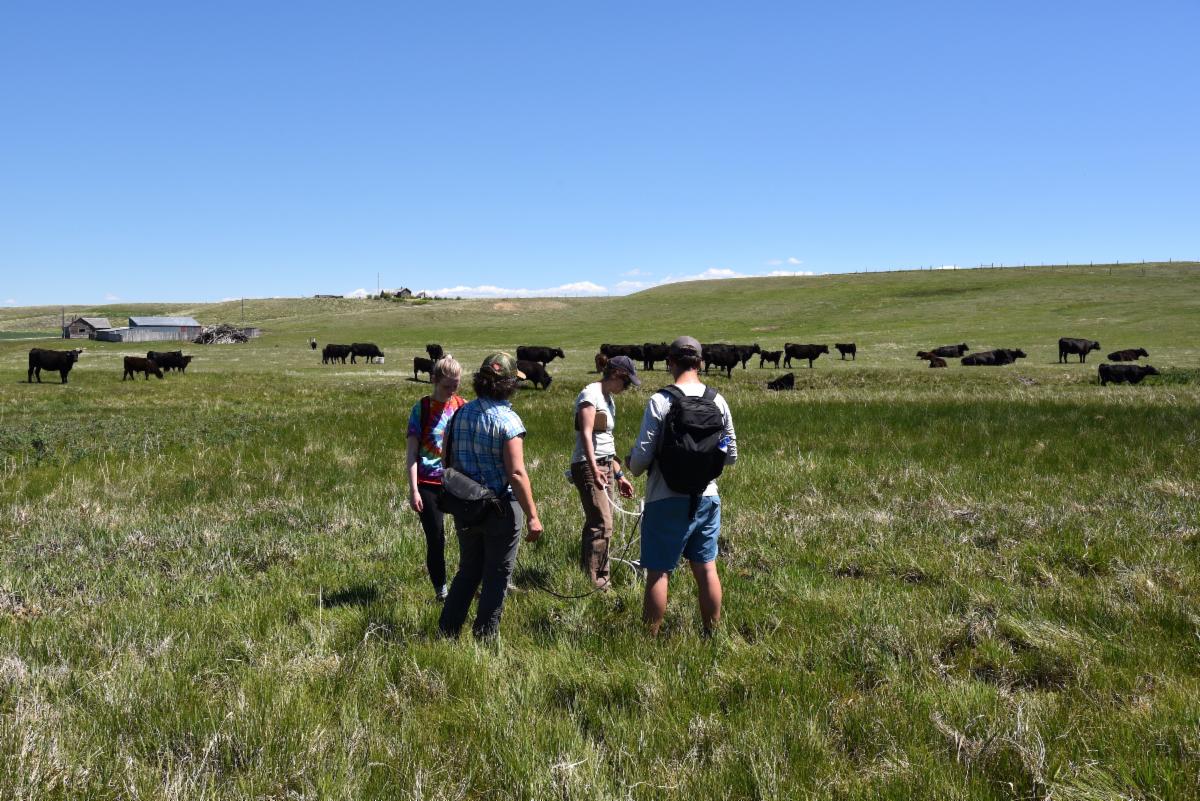
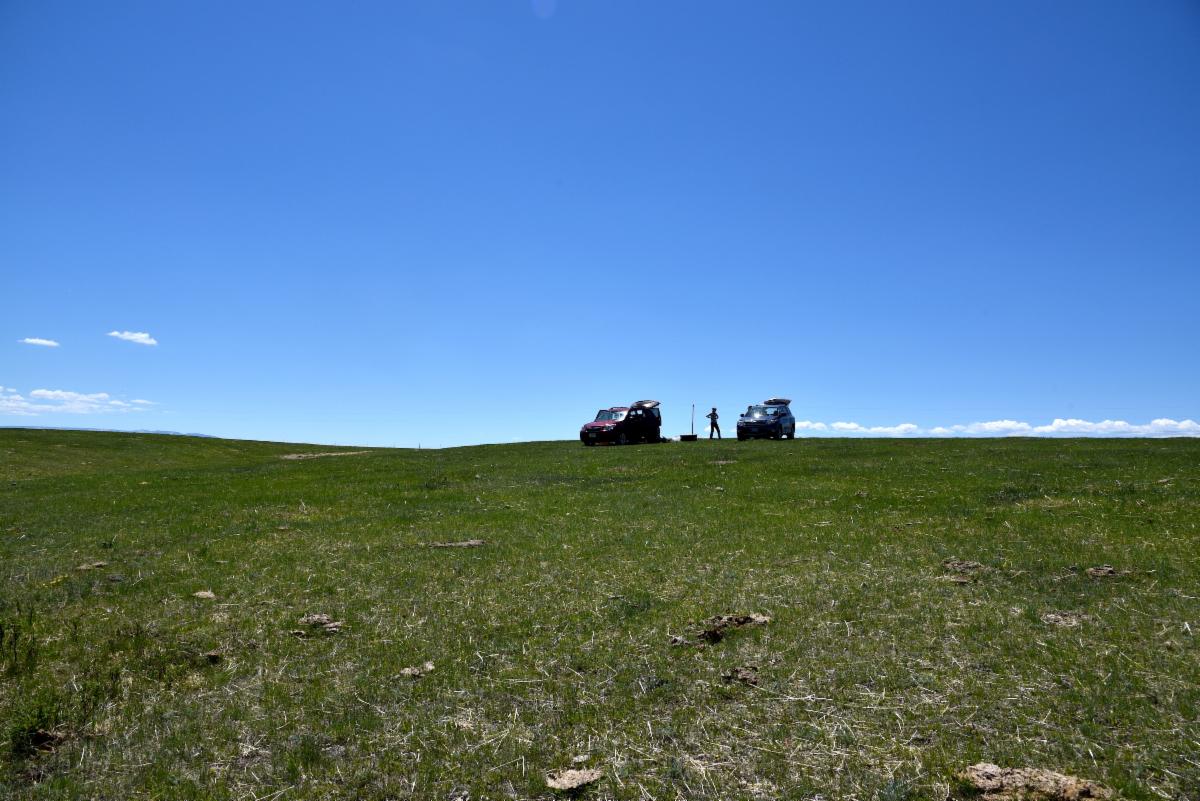
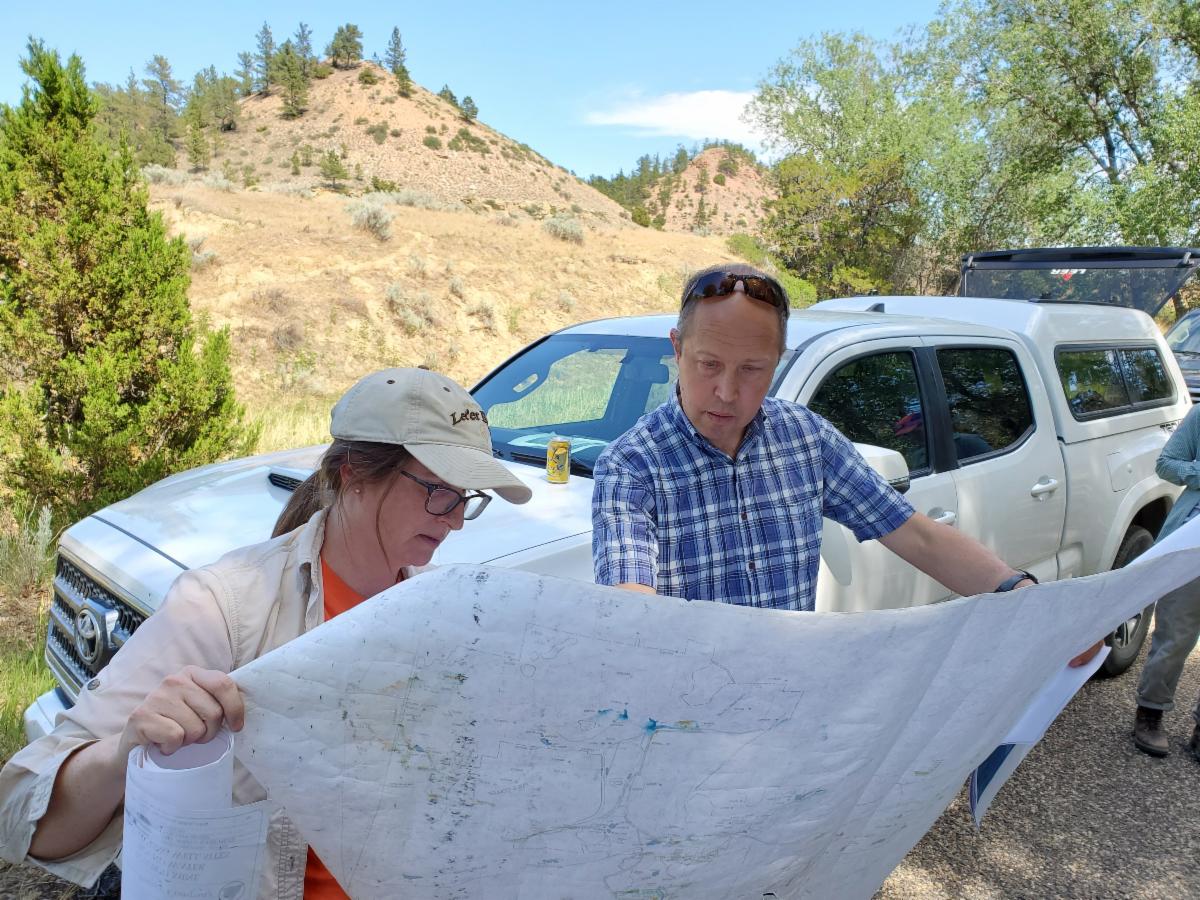
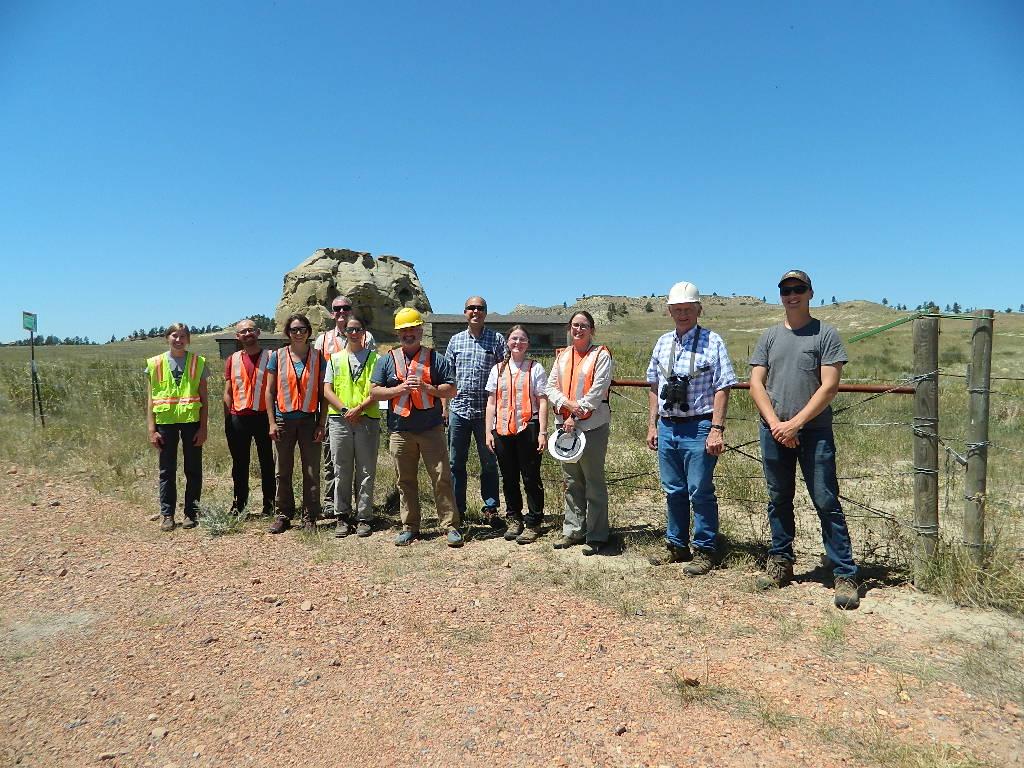
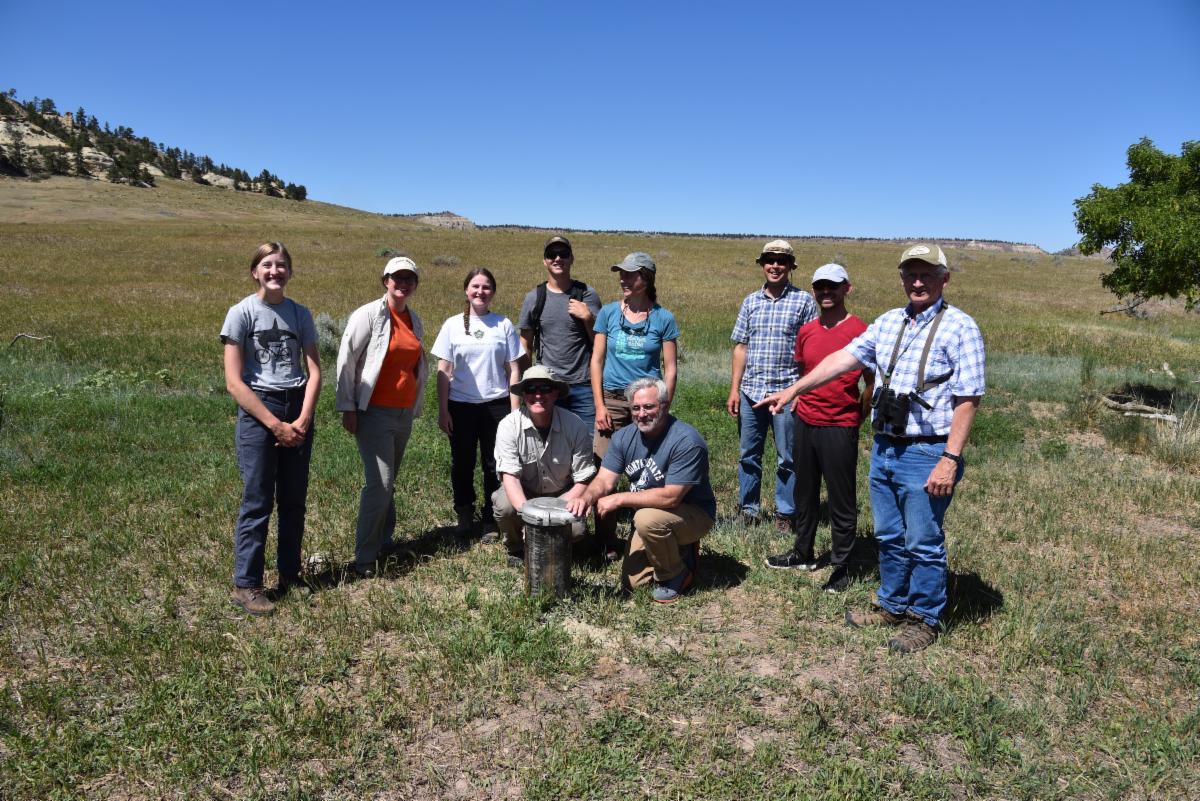
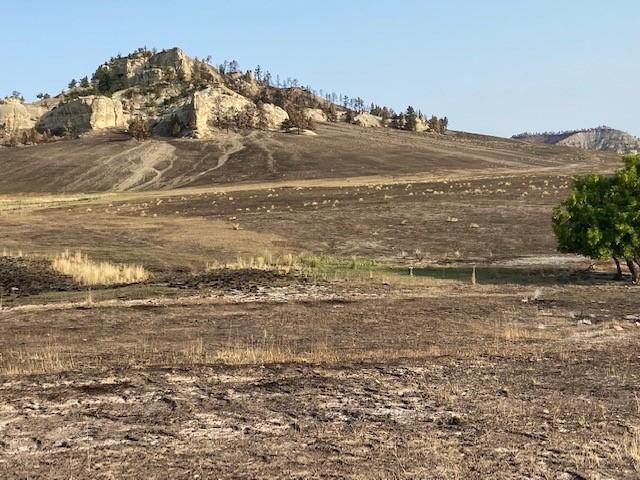
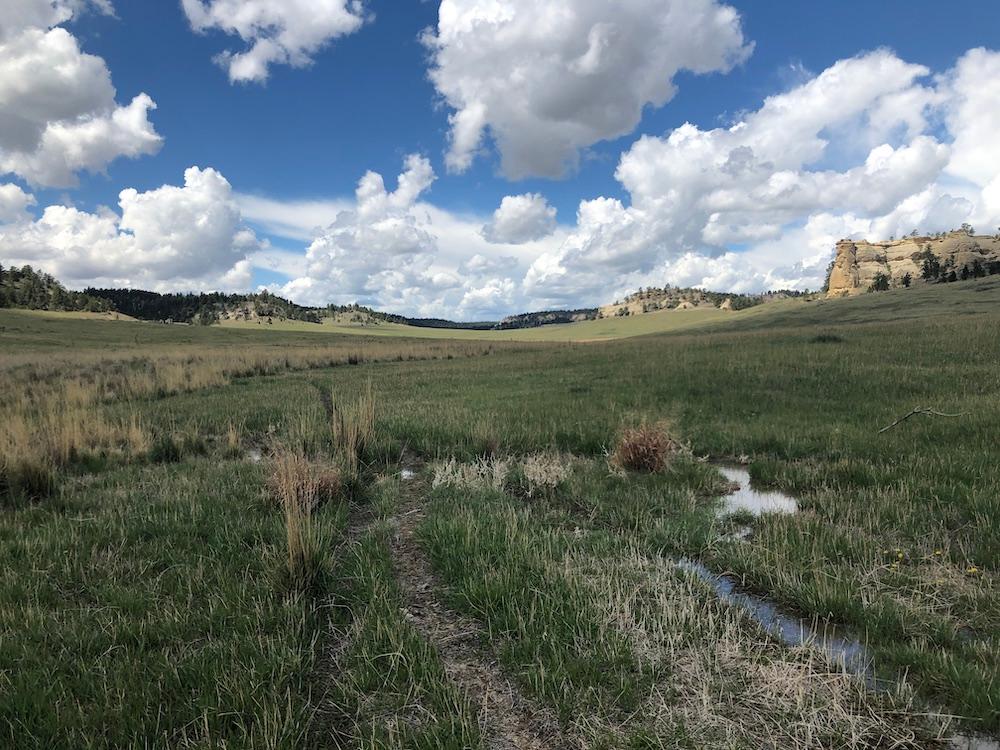
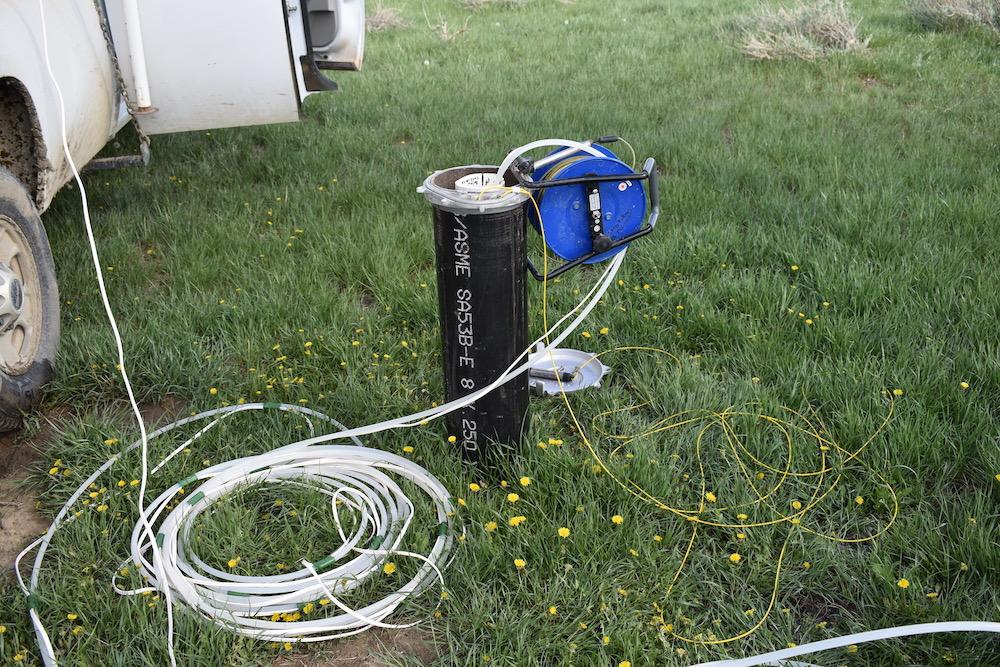
The CREWS-PRB team continued sampling at their field sites outside of Colstrip, MT over the course of this summer. These sampling efforts, led by Liddi Meredith and her team, focused on collecting groundwater samples from NSF monitoring wells installed in August 2019 and Rosebud Creek, a tributary of the Yellowstone River. In addition to fieldwork, members of the CREWS-PRB team were also able to tour the Rosebud Mine outside of Colstrip in June. Read more about sampling in the PRB and the Rosebud Mine tour on the CREWS blog
Photo credits: Madison Boone, Stephanie Ewing, Madeline Gotkowitz, Liddi Meredith, Don Sasse, and Rob Walker
|
|
Meet the 2021 CREWS Undergraduate Research Interns |
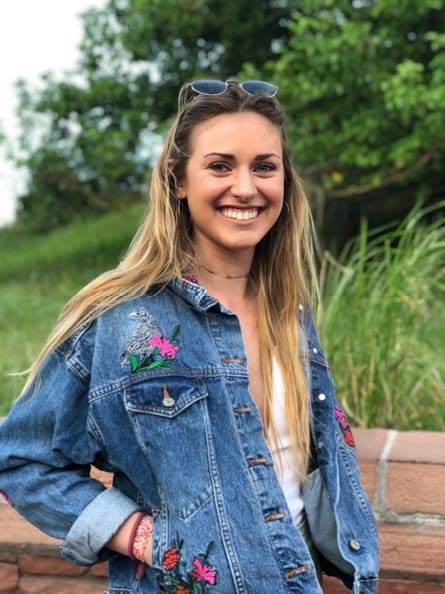
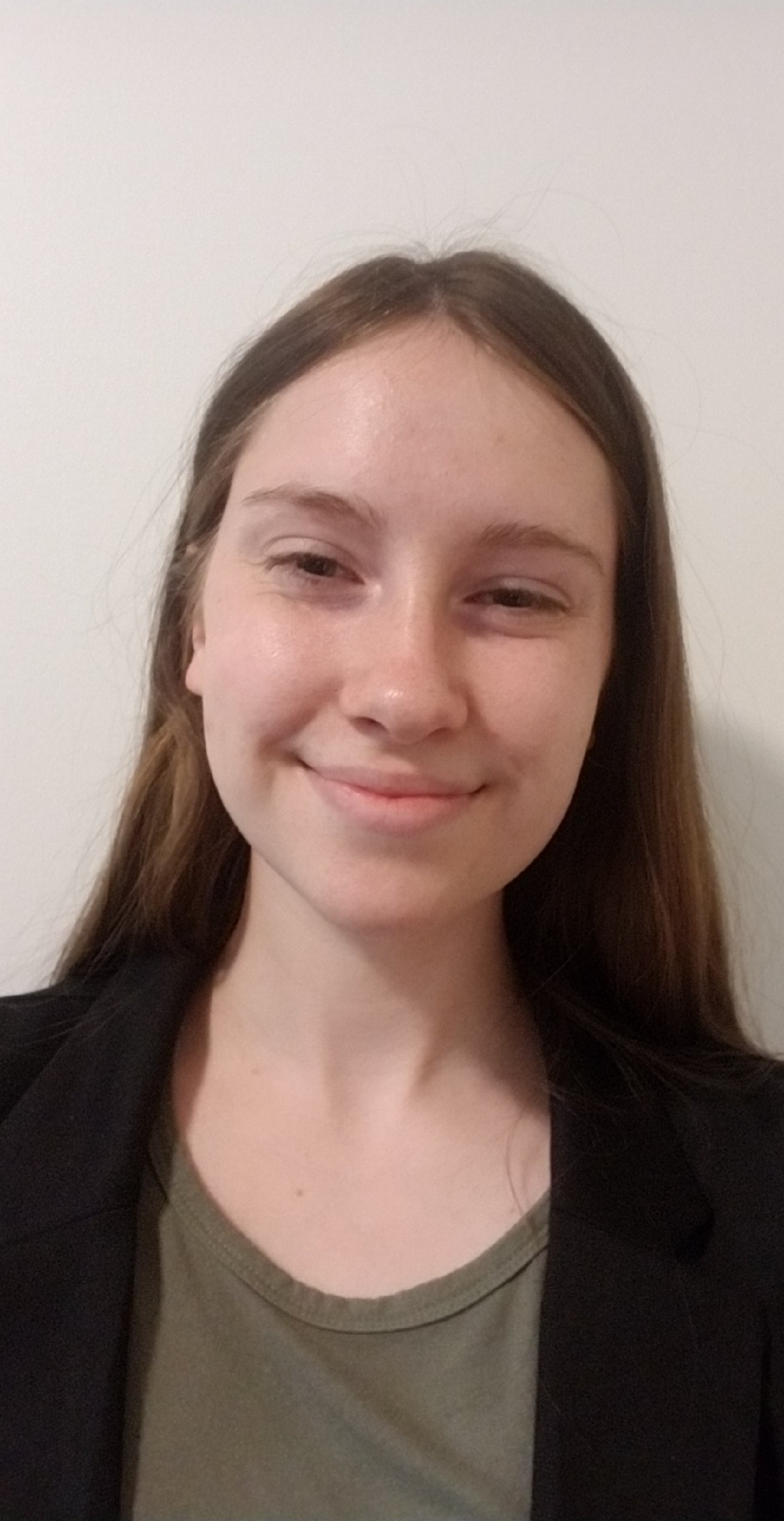
The CREWS Undergraduate Research Internship program supported ten undergraduate students from across the Montana University System during Summer 2021. These students worked directly with a CREWS advisor to assist with research on a particular aspect of the project, gain hands-on field and lab experience, and further explore their academic, professional, and personal interests and goals. Learn more about the students' internship projects and experiences by clicking on "READ BLOG POST" next to each.
|
|
|
|
Amanda Spencer
SKC Hydrology
CREWS Research Advisors:
Bob Hall and Matt Trentman
"My experience at [the Flathead Lake Biological Station] during the summer internship was better than I imagined. I would highly recommend it to anyone interested in a water-based internship."
|
|
Zoe Durkin
MSU Environmental Engineering
CREWS Research Advisor: Stephanie Ewing
"I had a previous interest in water quality but had gotten the majority of experience from a drinking water and wastewater treatment standpoint. I had a great time gaining experience working with water quality in a field-based environment and helped me to broaden my understanding of water quality jobs and applications."
|
|
Makenzy Gilsdorf
UM Chemistry
CREWS Research Advisor: Mike DeGrandpre
“This experience has taught me how to conduct research and analyze the data I collected in an effective manner. Conducting research on my own was a beneficial way to advance my skills in the scientific field."
|
|
Sandra Kohl
MSU Environmental Engineering
CREWS Research Advisor: Erika Espinosa-Ortiz
"I have wanted to work on removing anthropogenic damage from Earth's ecosystems since I applied for undergraduate colleges. This project allowed me to learn about bioremediation of pollutants using fungal and bacterial biofilms, and whether I want to pursue a graduate degree doing similar work."
|
|
Madeline Miller
MSU Mechanical Engineering
CREWS Research Advisor: Stephan Warnat
"[This internship allowed me] to blend science and engineering together in a way that I'm not able to in usual college classes. I had a lot of fun and enjoyed working with everyone!"
|
|
Charlie Nicholson
MSU Electrical Engineering
CREWS Research Advisor: Joe Shaw
"Working with Raspberry Pi computers for the first time not only taught me a lot about computers, but it also developed my ability to problem solve by researching solutions to similar problems and piecing those solutions together. This internship made me a better engineer, a better researcher, and a better thinker."
|
|
Baylie Phillips
MTU Metallurgical and Materials Engineering
CREWS Research Advisor: Jerry Downey
"I have always been interested in the environmental industries. This internship offers a great introduction to what is possible within the environmental portion of my degree. Academically, this internship allows me to put together knowledge I have learned in the classroom and apply it towards the project."
|
|
Bailey Underwood
UM Wildlife Biology
CREWS Research Advisor: Ben Colman
"Diatoms are fascinating and underrated! I am glad I got the chance to try something new in a field I do not have much experience in. My lab mates were awesome to work with and I feel as though I can now better grasp what research entails and what a graduate school experience might look like."
|
|
Sean Williams
MSU Environmental Engineering
CREWS Research Advisor: Rob Payn
"I applied to CREWS to gain more experience in the ecological side and gain research [and] lab experience. Within our major, there is little flexibility and availability to take ecology classes...I also hope to be able to be in the field in my profession."
|
|
Jaden Woeppel
MSU Microbiology and Immunology
CREWS Research Advisor: Eric Boyd
"This internship has perhaps best fit into my interests by allowing me to get to work side by side with the [National Park Service] like I had dreamed of growing up. As for the future this whole project has shown me there is a lot more out there for me than I used to think was possible."
|
|
CREWS-U professional development program offers four online courses and Water Mastery badge |
Four online water quality training courses are now available for water and wastewater system operators. The courses are part of the “CREWS-U” professional development program and are free, self-paced, and available to all who are interested.
Participants can earn a digital badge for each course and a Water Basics Mastery badge if all four courses are completed. Students may be able to apply their learning outcomes toward professional CEUs in their own state; however, the Montana Water Center does not offer CEU certificates. Learn about all four courses here: http://ato.montana.edu/water/
CREWS University or “CREWS-U” is a resource for Montana professionals who wish to obtain training and resources that relate to the research findings and broad concepts of the Montana NSF EPSCoR Track-1 project (CREWS stands for the Consortium for Research on Environmental Water Systems).
The professional development resources we offer are guided by research data from stakeholder surveys and statewide needs assessments, and formats include self-paced online courses, in-person workshops, webinars, publications, and other tools.
|
|
|
|
Montana State University to collaborate with partner NSF EPSCoR institutions program on cyberinfrastructure research and education |
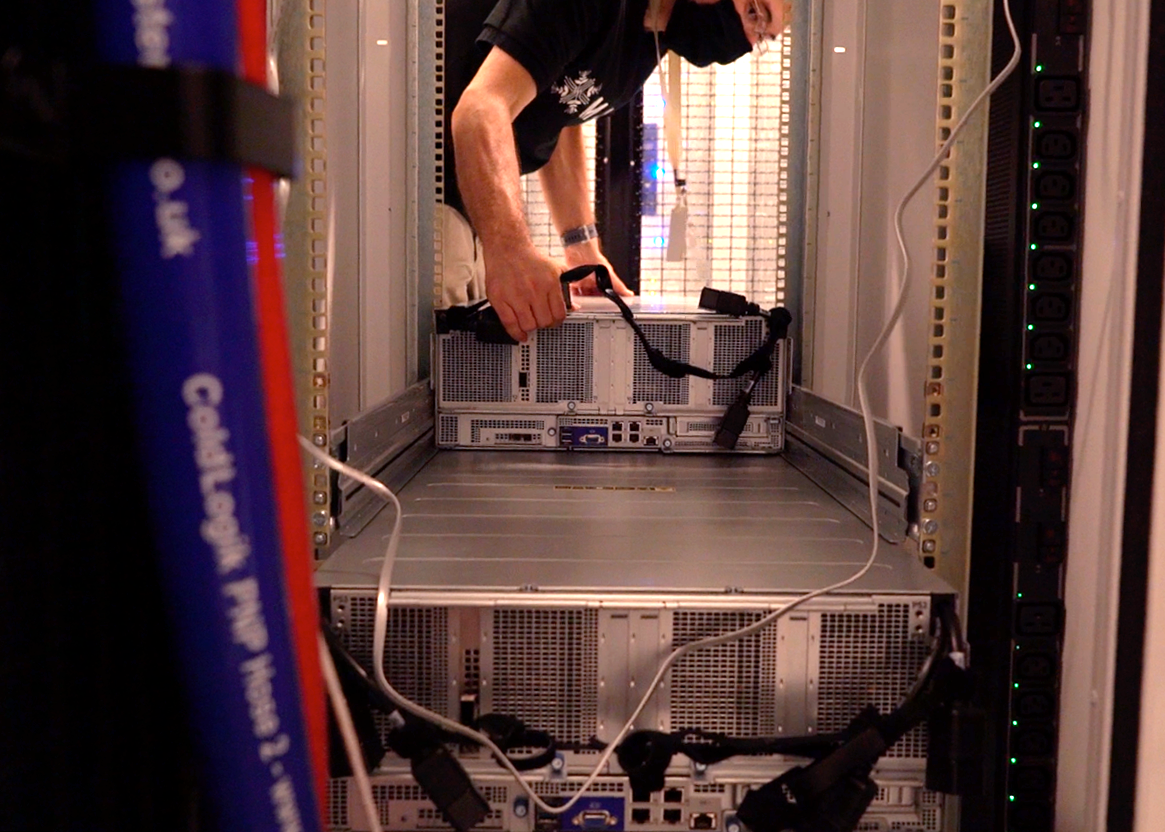
A national collaboration led by the University of Hawai‘i (UH) aims to enhance cyberinfrastructure (CI) access and capabilities for scientific research and education. A National Science Foundation (NSF) supported workshop will be hosted by UH, Montana State University, and the University of Nevada, Reno to assess CI capacity and readiness across NSF Established Program to Stimulate Competitive Research (EPSCoR) jurisdictions and institutions.
The goals of the workshop are to increase knowledge of, and aid access to, CI capabilities not only across EPSCoR jurisdictions but also under-resourced institutions. The workshop will include training, facilitated discussion, a case-study panel on regional collaboration and group working sessions. An open access report, publication and related outreach activities will be made available to share findings and planning and partnership initiatives. The workshop will be co-located with the NSF EPSCoR National Conference to be held in Portland, Maine from May 22-25, 2022.
“This workshop is about building actionable knowledge. Research computing and data infrastructure become difficult to coordinate and keep funded when we lack a common understanding of institutional, regional, and national resource capacity and access. With this funding, many historically under-resourced institutions will have access to tools, services, and data to begin to develop a shared understanding; and a community-building workshop to synthesize and act on what we learn,” said co-principal investigator and Montana State University Data Curation Librarian Venice Bayrd.
|
|
|
|
CREWS M.S. student Colton Kyro defends thesis research |
Colton Kyro, an M.S. student in the Valett Lab at the University of Montana (UM), successfully defended his thesis this past August. Colton, born and raised in Seattle, WA, received his undergraduate degree from UM in Ecosystem Science and Restoration, during which time he participated in a variety of research and monitoring projects associated with UM, Flathead Lake Biological Station, and the Montana Department of Environmental Quality. His M.S. thesis defense, titled "Nitrogen Dynamics and Transport Along Flow paths in a Rural Wetland-Stream Complex," focused on Colton's use of a mass balance approach to quantify groundwater-surface water interaction and the magnitude of groundwater nitrogen input and stream nitrogen removal in Lost Creek, a known source of nitrogen to the Upper Clark Fork River. When asked about his next steps, Colton said "Get a job! But nothing concrete as of yet." Congratulations to Colton from the entire MT NSF EPSCoR CREWS team! |
|
|
|
Foundations of CREWS research in Judith River Watershed featured in Mountains and Minds article
|
The Judith River Watershed Nitrogen Project was featured in the most recent issue of Mountains and Minds, a magazine published by Montana State University. The four-year study, which began in 2011 and focused on questions surrounding nitrate and agricultural practices, was a precursor to CREWS and foundational to the Track-1 project's current research on soil, groundwater, and surface water in the region.
|
|
|
|
Sunburst Sensors to provide pHyters and training to citizen scientists and schools |
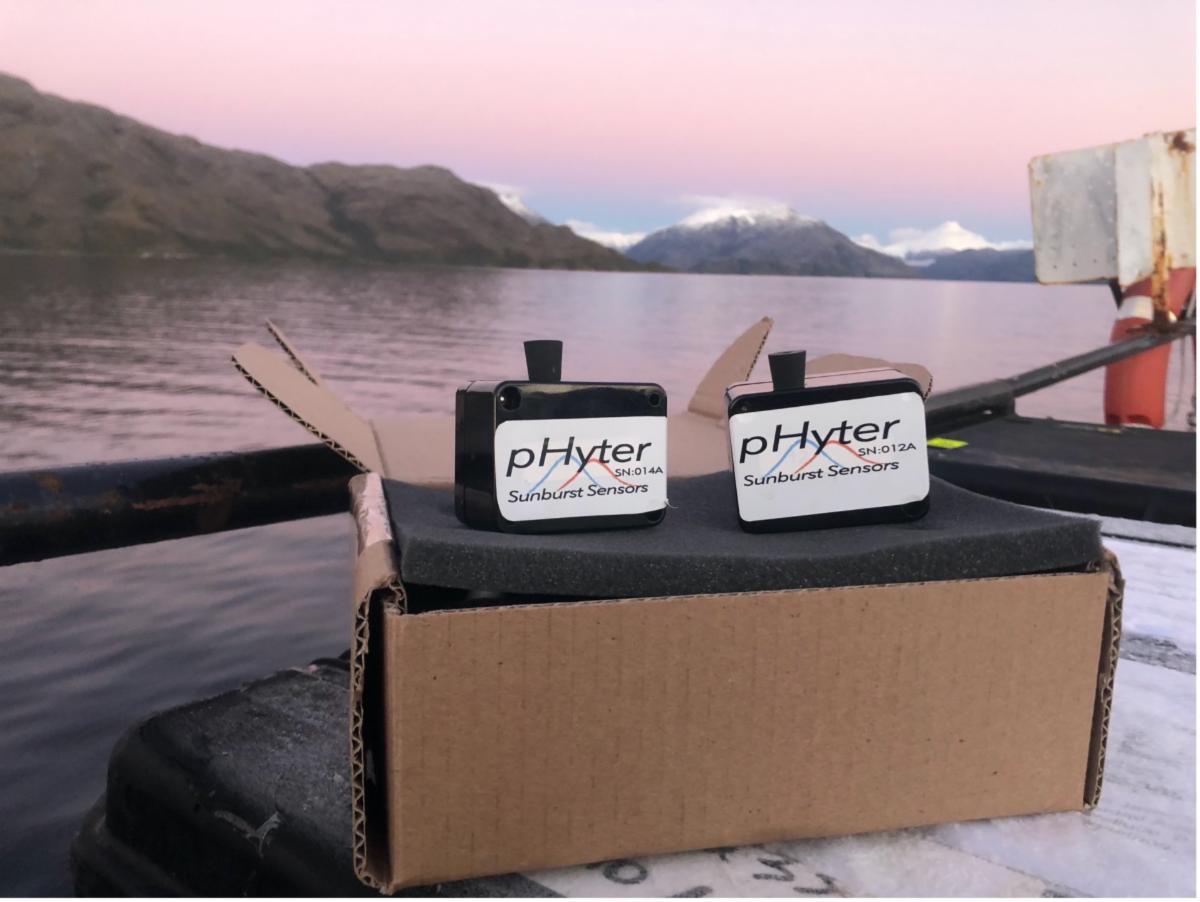
Sunburst Sensors, a private industry partner of the CREWS project, was awarded $150K to develop, produce and distribute the pHyter, an inexpensive, handheld instrument for discrete pH measurements. This Phase 1 grant is from the NOAA SBIR program, which promotes innovation by small businesses. The pHyter uses a cellphone app and communicates through Bluetooth to make discrete spectrophotometric pH measurements with higher accuracy and repeatability than a typical pH probe. The app records location, time, temperature, pH, and meta-data. Measurements using the pHyter will be incorporated into curriculum and monitoring programs with the project's collaborators, including individuals from CSI Oyster, Cabrillo College, the National Plankton Monitoring Network, and the U.S. Environmental Protection Agency. |
|
|
|
CREWS workforce development seed award recipient creates virtual reality water simulation |
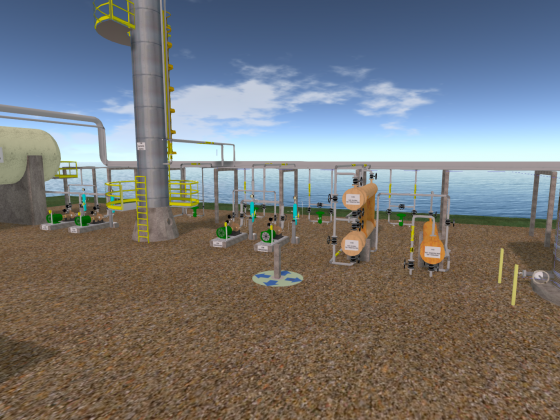
Andrew Sullivan, former Process Plant Technology Instructor at MSU Billing's City College, received a CREWS Workforce Development Seed Award to develop a virtual reality water plant simulation. "Virtual environments allow process technicians to rehearse high impact procedures in a safe environment, so they are ready to execute hazardous procedures perfectly the first time, every time, in a plant environment," said Sullivan when describing the importance of the project. The virtual reality simulation, which Process Plant Technology students will design and implement in curriculum this fall, will offer realistic scenarios and applications to students across Montana. |
|
|
|
Upcoming Events and Opportunities |
|
CREWS Meetings
CREWS-PRB Team Meeting
Monday, October 4
12 p.m.
CREWS-JRW Team Meeting
Tuesday, October 5
12 p.m.
Warm Springs Ponds Study Presentation
Thursday, October 7
9:00 a.m.
CREWS and BREWS
Friday, October 8
3:30 p.m.
UCFWG Topic Discussion
Thursday, October 14
12 p.m.
|
|
CREWS and BREWS
First Thursday of the month (see note below about October event)
3:30 p.m. - 5 p.m.
Zoom Information
Meeting ID: 928 7405 8243
The CREWS Management Team has decided to postpone the Oct. 12-13 in-person meeting due to COVID. However, to support opportunities for sharing progress, strategizing, and brainstorming, the Management Team will host monthly "CREWS and BREWS" meetings. Each event will begin with an initial 15-minute "update" presentation on some component of CREWS, followed by discussion and socializing. The beginning schedule is as follows:
-
October 8 - Powder River Basin - Please note that our first event will be on Friday. All others will be on the first Thursday
-
November 4 - Upper Clark Fork River
-
December 2 - Judith River Watershed
-
January 6 - Continuous Flow Metal Reduction
Visit the calendar below for updates on future CREWS and BREWS gatherings.
|
|
MT NSF EPSCoR Partner Newsletters |
|
 |
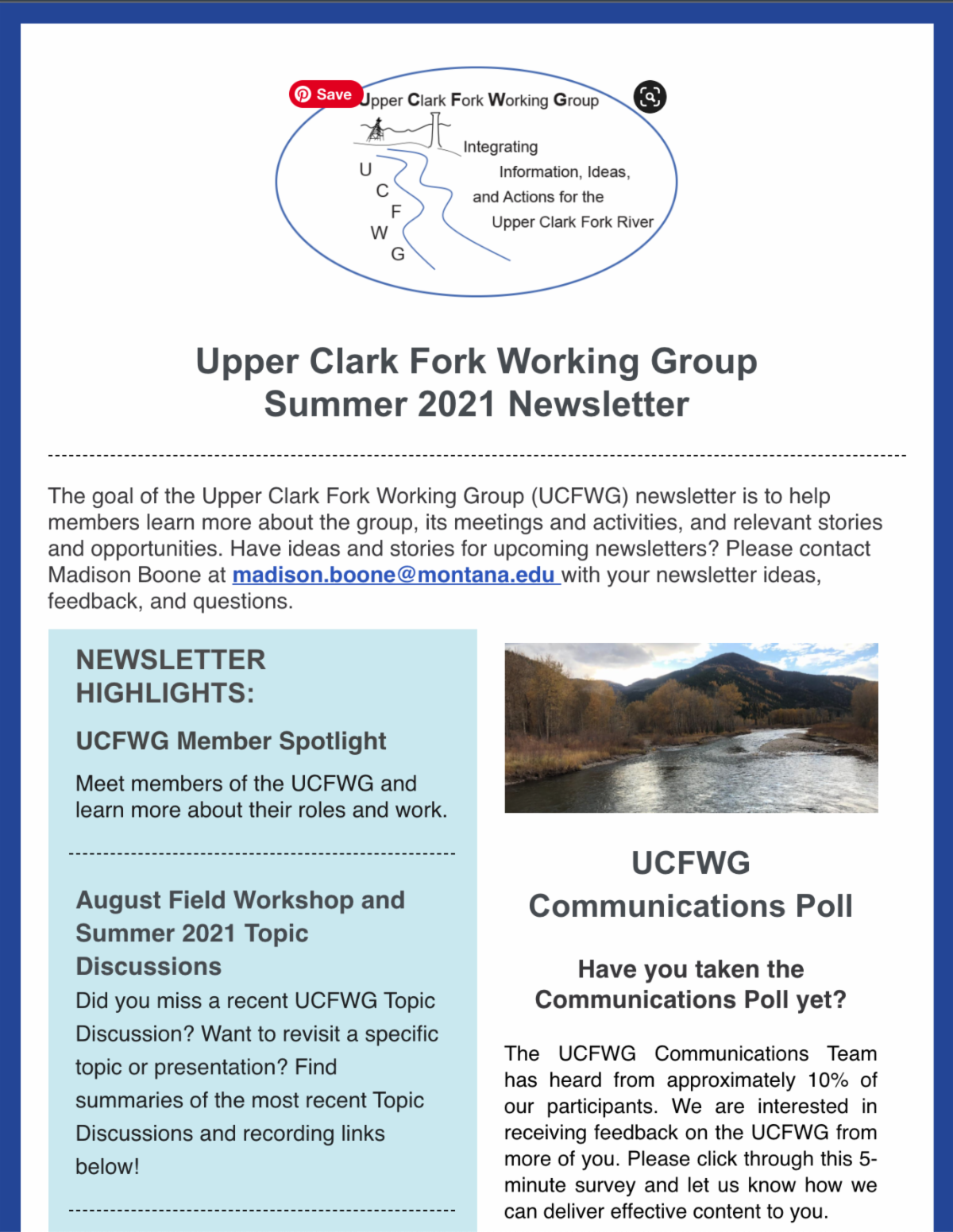
Upper Clark Fork
Working Group
|
|
|
|
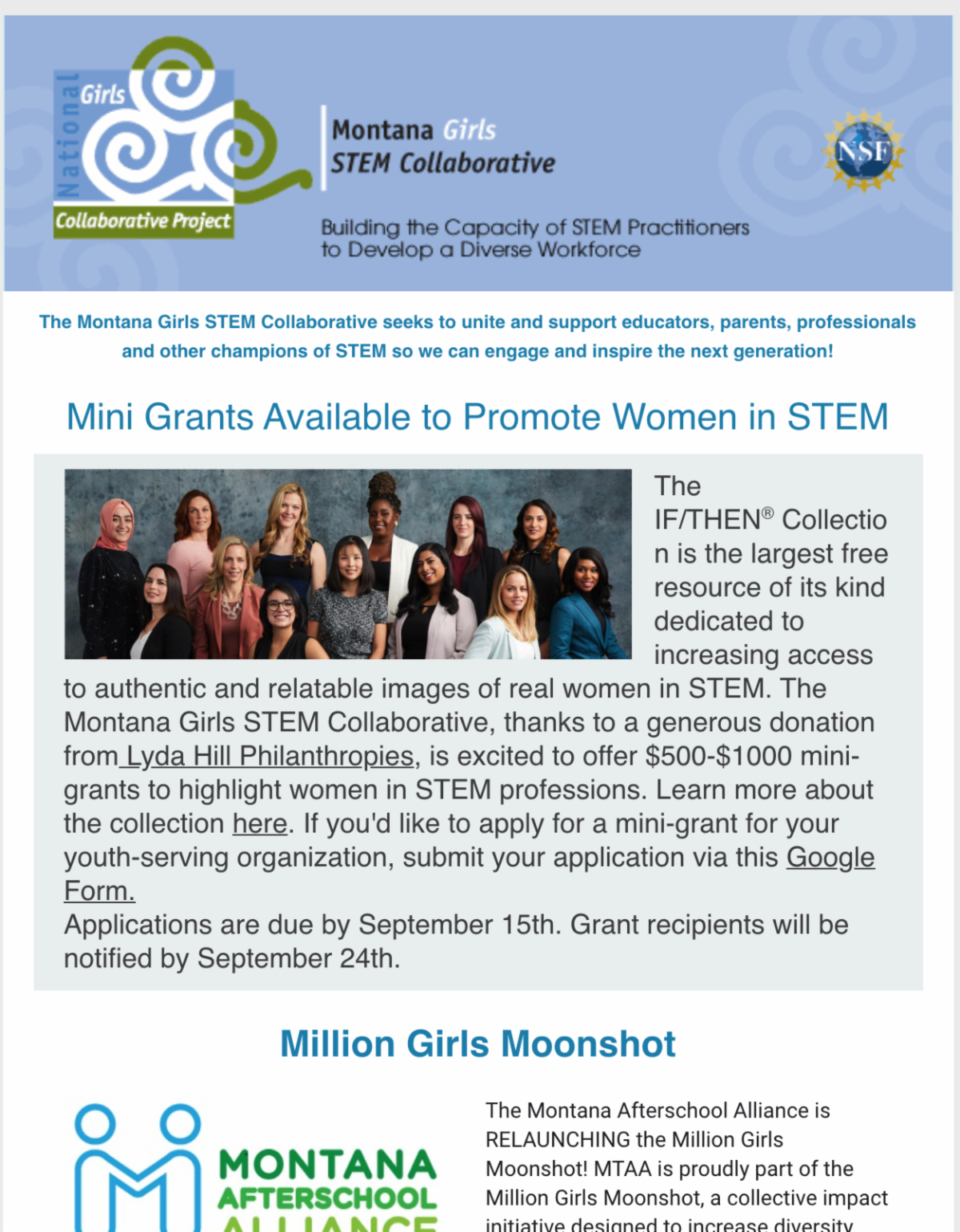
Montana Girls
STEM Collaborative
|
|
|
|
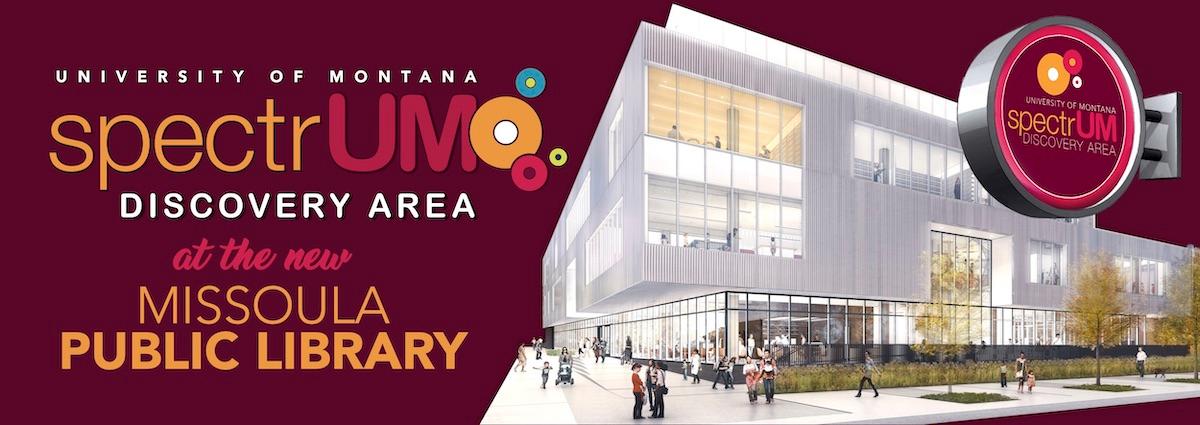
Did you know that the spectrUM Discovery Area has a new home at the Missoula Public Library?
The University of Montana spectrUM Discovery Area, an outreach partner with MT NSF EPSCoR and the CREWS project, moved into the new Missoula Public Library building this past May. SpectrUM’s dedicated spaces within the building include its second-floor Discovery Area, with its signature Discovery Bench and rotating exhibits, and its ground-floor classroom for hosting field trips, camps, and special programs. SpectrUM’s move to the library brings it under one roof with the library, Families First Learning Lab, the UM Living Lab, and Missoula Community Access Television.
“We couldn’t be more excited to welcome the public into our new home at the library,” said Jessie Herbert-Meny, spectrUM’s director. “For years, we’ve planned and fundraised to make this move possible. With the support of our community, we are now here in this beautiful facility with our partners and are offering totally free admission for everyone.” READ MORE
|
|
|
|
Do you have an idea, story, event, or opportunity that you would like included in a future Montana NSF EPSCoR newsletter? Please contact Madison Boone at madison.boone@montana.edu
|
|
|
|
|
|
|