|
Pressing On: Los Angeles journalists face violence, push for accountability
By Maggie Amacher
When journalist Ben Camacho set out to cover protests in Paramount, California, he did not expect to become a part of the story he was reporting. But that’s what happened after he was shot twice by Los Angeles County Sheriff’s deputies on June 7.
“As a reporter of color, there’s this dynamic where I’m out there on the field and I look like the majority of people that are protesting … there’s this kind of other layer that I feel,” said Camacho, co-founder of The Southlander, during a Freedom of the Press Foundation webinar last week.
Despite having a press badge and camera around his neck, Camacho was hit in the knee and then in the elbow with “less-lethal” projectiles. The pain sent him into shock, screaming and scrambling for cover. The injuries left him unable to work for a week, with lingering pain in his knee and elbow that continues to affect him months later.
Camacho shared his story alongside three other journalists during “Reporting under fire: Protests and press freedom in Los Angeles,” an event spotlighting a growing crisis in California’s streets and newsrooms.
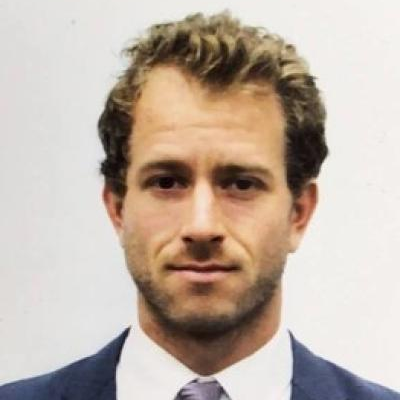
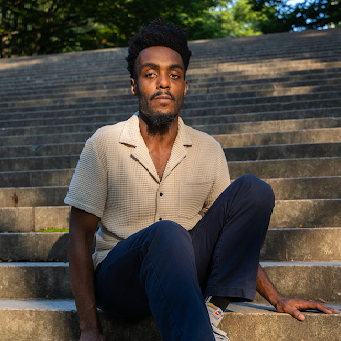
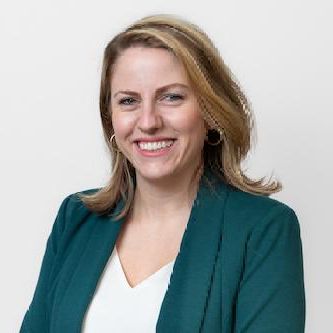
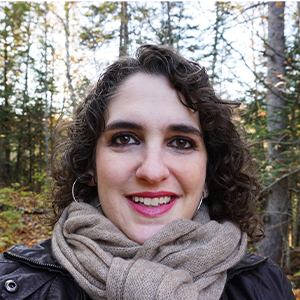
Speakers Adam Rose, press rights chair and secretary at the Los Angeles Press Club, Sean Becker-Carmichael, an independent videographer, and Tina-Desiree Berg, a journalist for Status Coup spoke on the harassment, violence, and intimidation they also faced in their own city covering immigration protests.
They emphasized practical steps journalists can take to protect themselves while continuing to cover critical stories. Among the advice shared:
-
Wear protective gear. Bring a gas mask, ballistic goggles, and keep your press pass clearly visible. Berg recommended wearing Kevlar leggings beneath pants for added protection.
-
Travel with colleagues. Watching out for each other can make all the difference, especially if someone is injured.
-
Be aware of your surroundings. Always assess your surroundings and be prepared to move quickly.
-
Document everything. Keep records and collect evidence of any First Amendment violations or violent incidents.
-
Conduct a mental health check-in. Emotional and psychological impacts from covering trauma should not be overlooked. Camacho shared that he gauges how he’s feeling mentally each day before deciding whether to head out into the field.
-
Utilize your resources. There are numerous training and mental health resources available to journalists. The Dart Center at Columbia University runs a Journalist Trauma Support Network. Many organizations, such as the LA Press Club, offer grants for journalists.
These precautions were shared alongside firsthand accounts, showing how deeply the panelists’ advice is rooted in their lived realities. Click here to learn more.
|