Weekly Digest Number 48 - December 1, 2020 |
|
No Fewer than Six Rail Workers Killed on the Job Since October 12th! |
|
Fall 2020 was a disaster for railroad workers in the U.S. As if the pandemic; job cuts, layoffs, and furloughs; unwarranted discipline and firings; overwork and fatigue; and the stress and hardships engendered by Precision Scheduled Railroading (PSR) were not enough, no fewer than 6 rail workers were killed on the job in just a few short weeks, from October 15th through November 22nd. The fatalities occurred in 6 separate incidents on 5 different carriers. Four of them were killed within 17 days in November. |
|
Railroad Workers United keeps close tabs on rail workers killed each year. While last year was brutal (with RWU documenting no fewer than 22 killed on the job in the U.S. and Canada); the year 2020 – until the Fall – did not see near the number of fatalities. In fact, RWU had documented just 4 U.S. and 2 Canadian rail workers killed on the job until October 12th. Given the record of the rail carriers the past few years, this was surprising. Speculation was that the pandemic combined with PSR sharply reduced the number of both shipments and trains, and together with fewer employees working, logically meant that – all things equal – there would naturally be some degree of decline in fatalities. In addition, the completion of PTC on nearly 60,000 miles of mainline trackage in the U.S. no doubt has begun to save lives, as it protects against signal violations, train overspeed, unauthorized main track occupations and other causes of train wrecks and resultant fatalities.
|
|
Class I Railroads Grapple with COVID-19 as Unions Seek Safety Assurances |
|
With coronavirus cases rising sharply in the U.S. and Canada in recent weeks, the Class I railroads have also been grappling with managing increased COVID-19 exposure on their networks.
Meanwhile, some rail union members contend that the railroads have been inconsistent with how safety precautions have been applied throughout the rail network.
|
|
Canada Announces Major Change in Train Crew Work Rules |
|
Transport Canada has updated its rules regarding fatigue rules for railroad workers, placing new limits on the length of a work period and the number of hours that can be worked in a week or month, while increasing the length of minimum rest periods between shifts. Minister of Transport Marc Garneau announced the changes on Wednesday here. Canadian railroads must complete fatigue management plans within 12 months and implement their fitness for duty provisions within 24 months.
|
|
Voters Overwhelmingly Support Public Transit |
|
Public transit won big on the ballot this year, with results across the country showing that voters overwhelmingly support transit issues and investments in their communities. Voters approved 15 of 18 local ballot measures supporting public transit in the general election—adding to 32 measures passed earlier this year.
Transit ballot measures had a 90%-win rate in 2020, showing Congress that voters support investments in public transportation. Across the country, from smaller communities and large cities, in red and blue states, voters united to vote for improved and expanded public transportation.
|
|
Numerous Freight Trains Derailments This Fall |
|
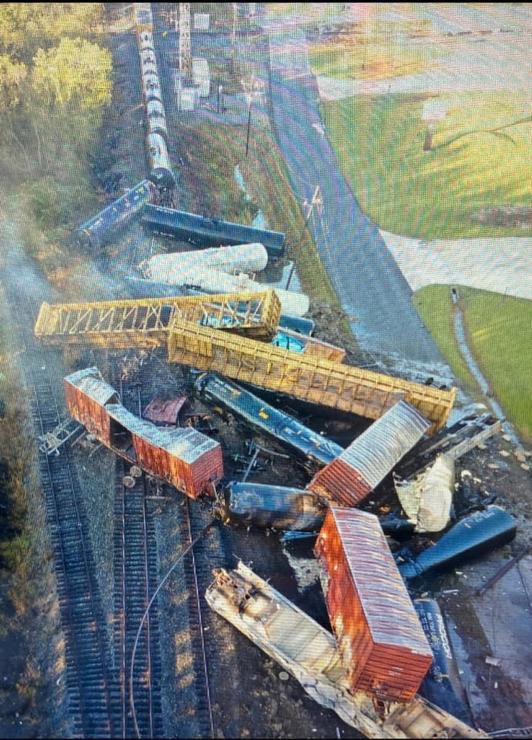
October and November saw a number of major mainline derailments disrupt the movement of freight traffic in the U.S. Thankfully there were no injuries or fatalities. For that category, see lead article of this Summary. |
|
AAR Rail Traffic Stats Show Continuing Intermodal Strength |
|
Workers and Just Transition: A Global View |
|
Our next webinar in the JTLP series: "Workers and Just Transition: A Global View" on Saturday, Dec. 5 at noon Eastern. We will have an amazing group of presenters who will describe how workers are grappling with Just Transition in South Africa, Spain, Latin America and other regions. It will be hosted by Richard Lipsitz, President of the Western New York Area Labor Federation. Click here for details and to register. I hope you can join us for this very important conversation.
|
|
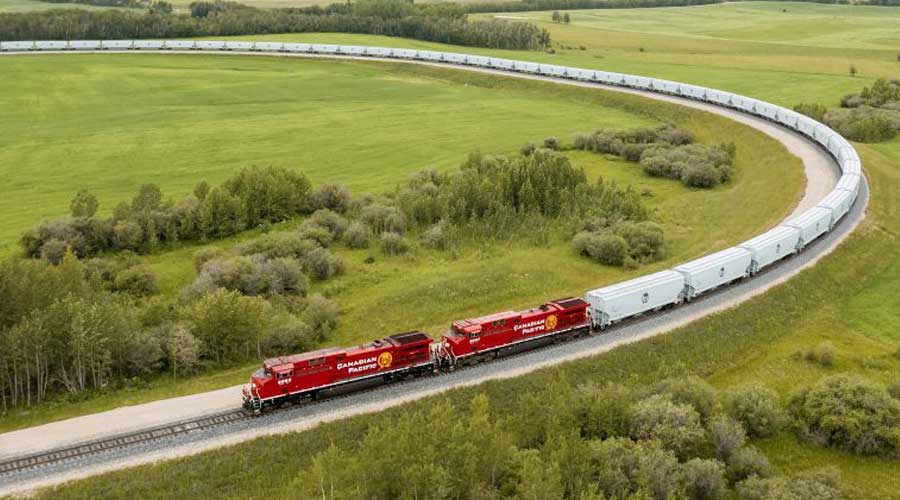
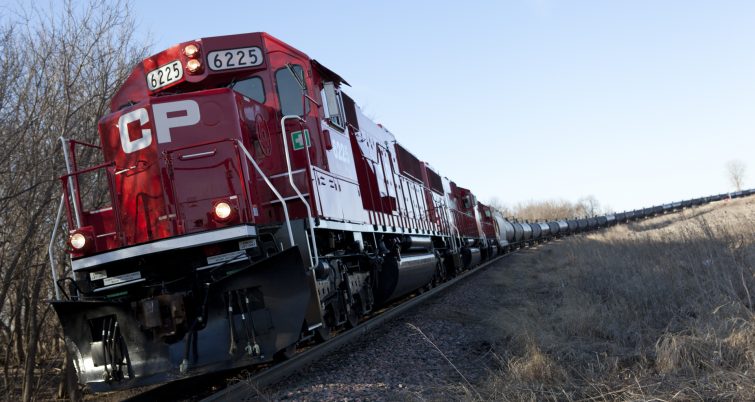
CP Building Dual-Coast Deep-Water Port Network |
|
The winning of some Maersk’s business, sweetened by an agreement to provide transloading space in the constrained Vancouver market, and its development of a Saint John rail service, are the next phase of CP’s international intermodal strategy.
|
|
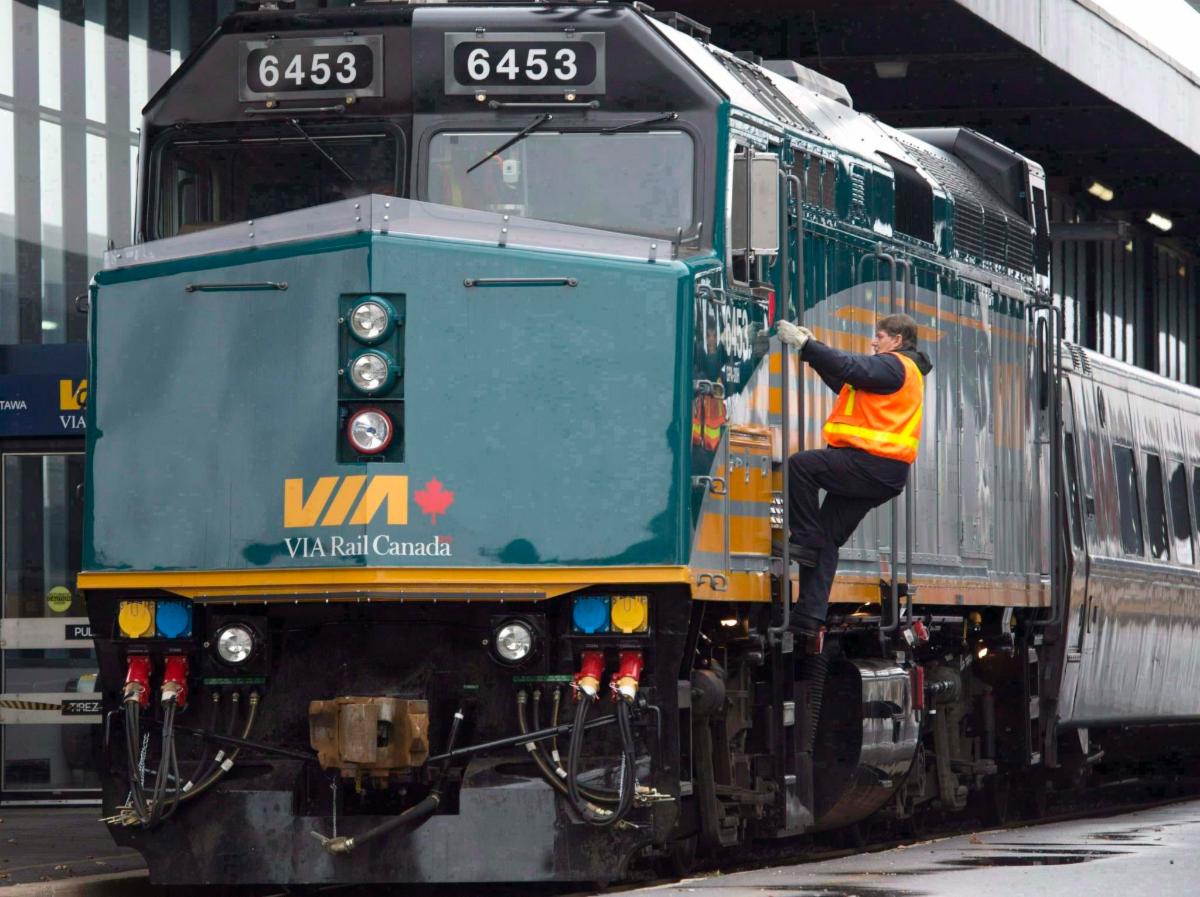
All Aboard... or Not: Via Rail's Plans Up in Air |
|
Via Rail plans to get rolling between Winnipeg and Vancouver on Dec. 11 in an attempt to salvage the Christmas season. The company did not provide anyone for an interview Thursday, but said the plans aren’t final. "We are closely monitoring the situation in Western Canada and are in regular contact with public health authorities," spokesman Philippe Cannon wrote.
|
|
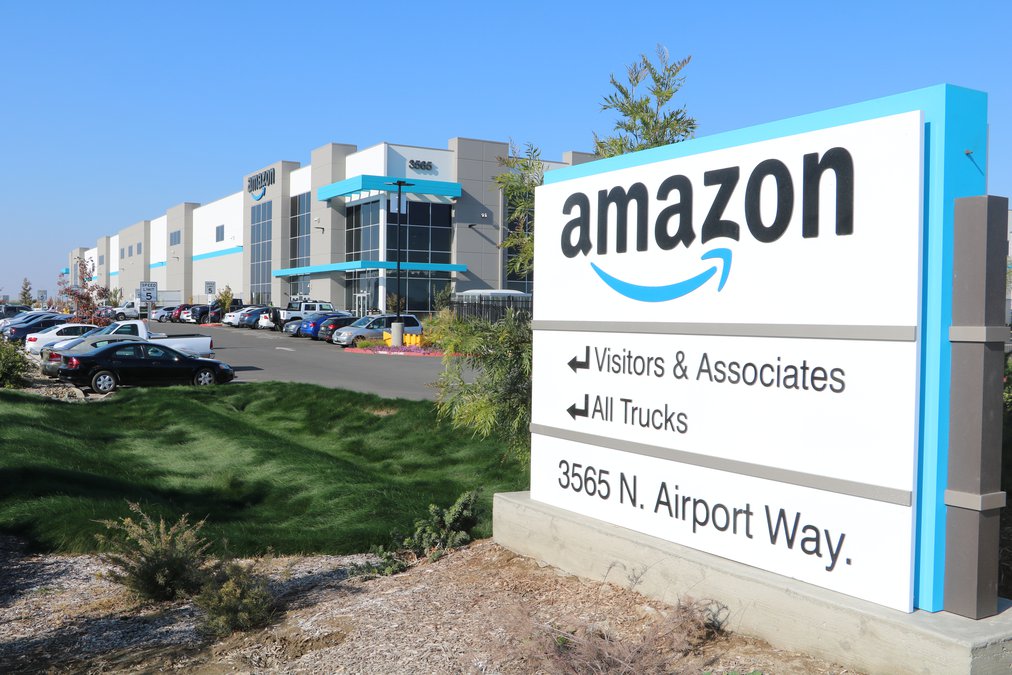
San Joaquin County: LAND OF AMAZON FULFILLMENT
|
|
There are two major intermodal operations where truck trailers are loaded and unloaded on rail cars. One is the Union Pacific Railroad facility sandwiched between Lathrop and Manteca directly behind the Manteca Amazon Fulfillment Center on North Airport Way.
The other belongs to Santa Fe Railroad and is located 10 miles northeast of Manteca on Austin Road.
The majority of freight is now moved long distance in such a manner with trucks doing the deliveries on both ends.
|
|
|
|
|
|
|