La Ronge Gold Belt

Why the Geology Gives Us Confidence


When people talk about “world-class geology,” they mean places where the rocks have already proven they can host major discoveries.


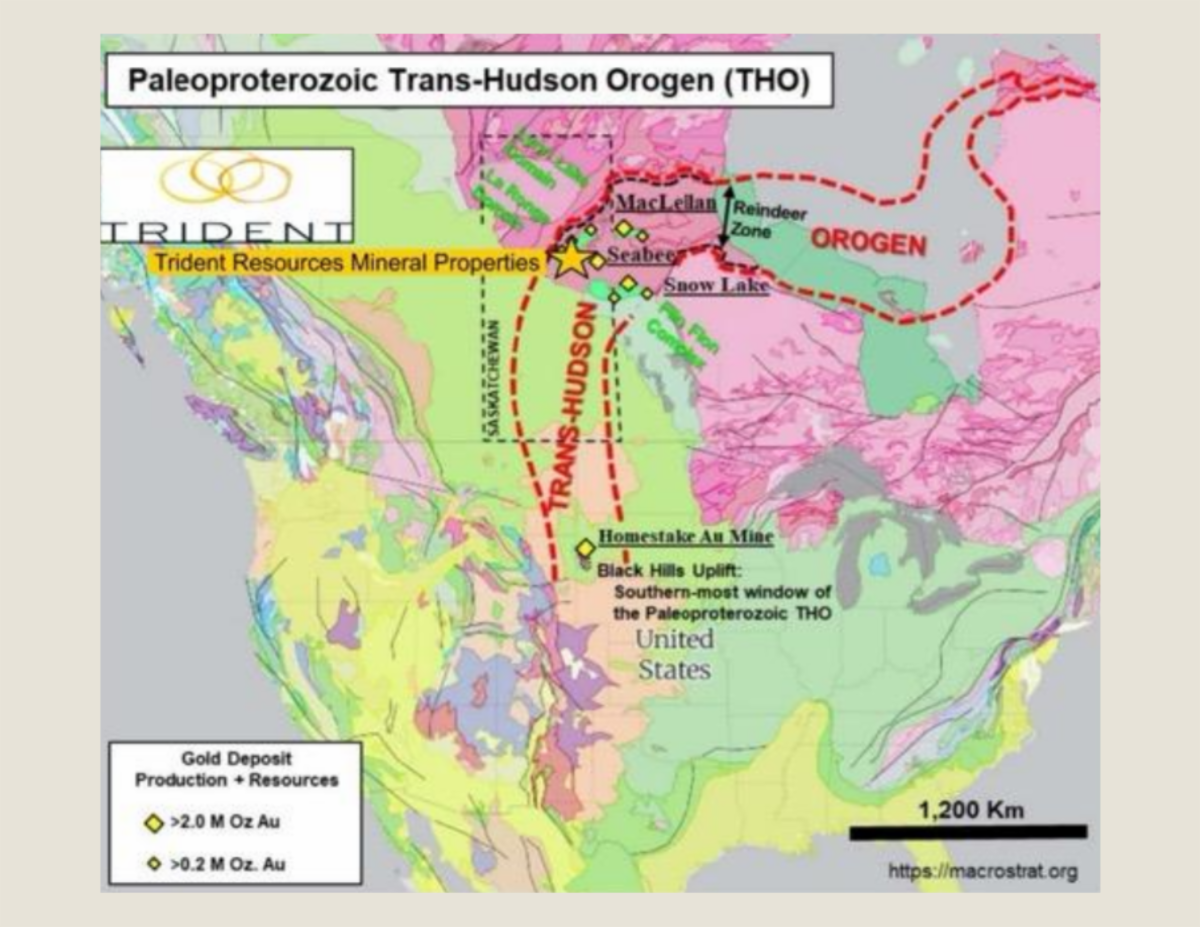
Our projects sit within the Trans-Hudson Orogen, an ancient geological system that once formed a massive mountain range, as tall and dramatic as parts of today’s Himalayas.


That range existed more than a billion years ago and has long since eroded, but the roots of that ancient mountain belt remain, preserved deep in the Canadian Shield.


Those buried roots are exactly where large gold systems tend to form.


The Trans-Hudson Orogen hosts several well-known tier-one metal deposits, including the Homestake Mine in South Dakota, one of the most productive gold mines in North American history. Its success shows how powerful and far-reaching this geological system truly is.


Where the Geological Forces Converge


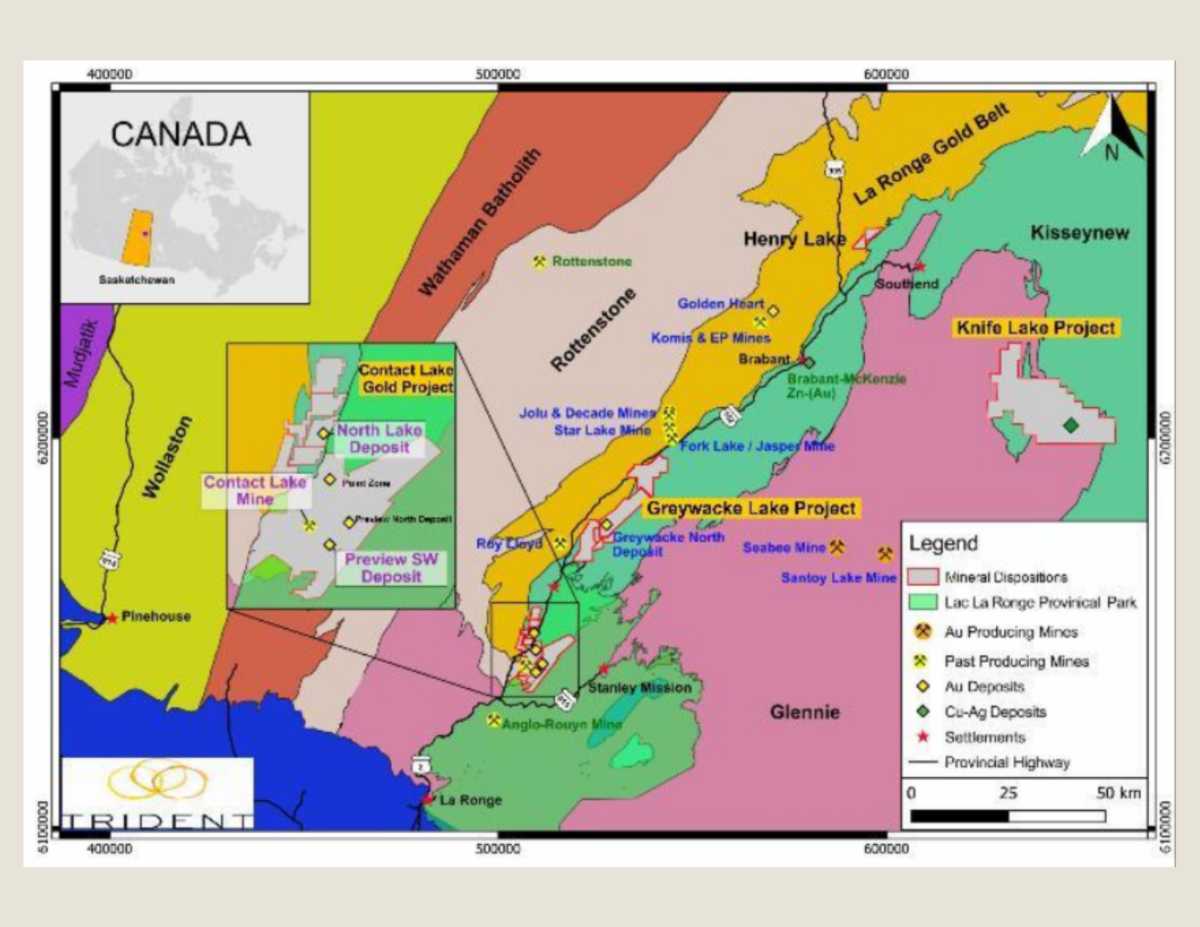
Our project sits at the meeting point of the Glennie, Kisseynew, and La Ronge lithostructural domains. These massive blocks of crust were formed when ancient continents collided and the mountain range emerged.


That collision created immense pressure, fracturing and deforming the rocks and setting up the pathways that allow mineral-rich fluids to move.


In plain terms: the geological processes that built an ancient mountain range also built the structures that often host gold.

A Complete Recipe for Gold


Deep magmatic heat, fractured rocks, shear zones, long-lived faults, and exposed Shield rocks all come together in this region.


It’s a textbook environment for forming meaningful orogenic gold deposits.


Rocks Exposed at Surface


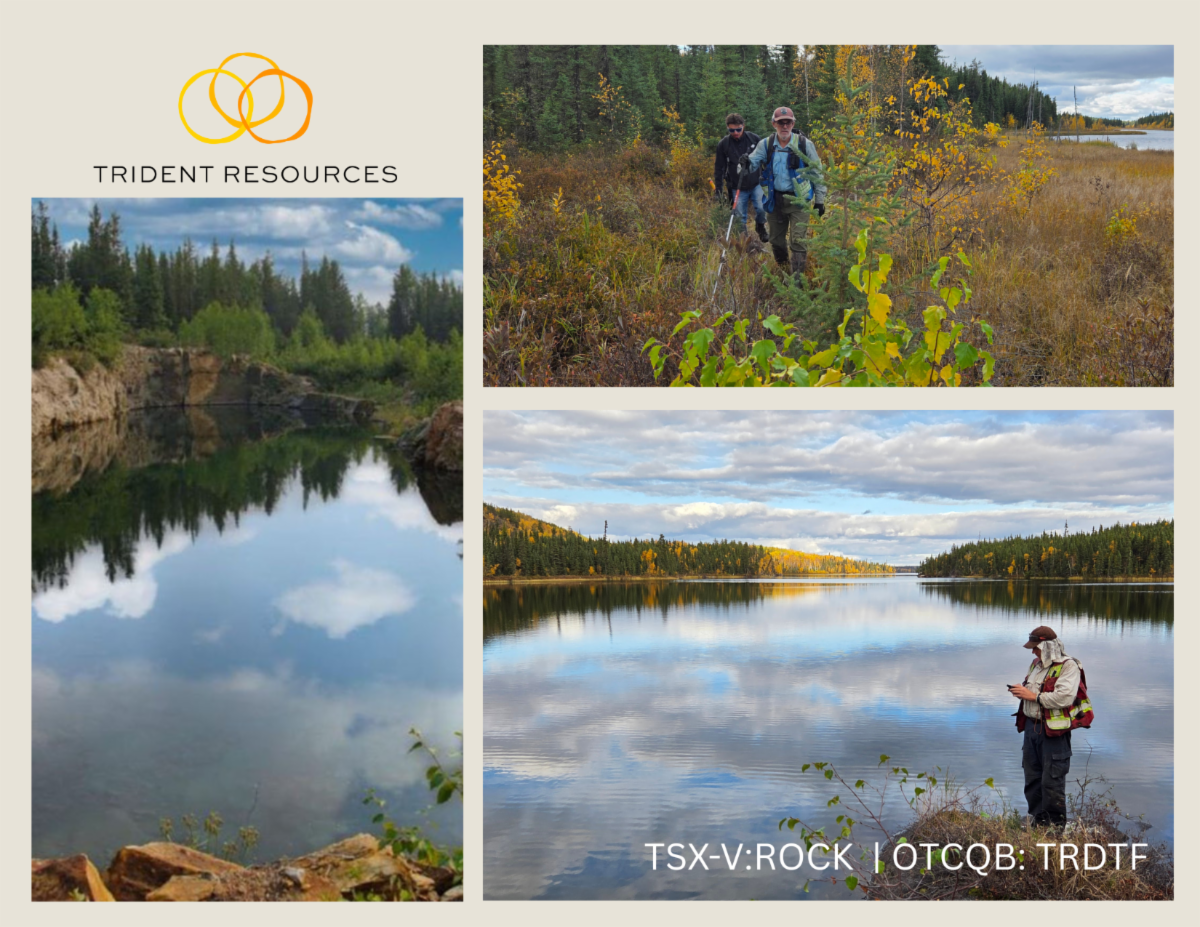
In the La Ronge Gold Belt, the rocks of the Canadian Shield are exposed at surface.


This makes exploration direct, efficient, and cost-effective, and increases the likelihood of discovering extensions of known zones or entirely new ones.


Together, these factors give us a strong geological foundation.


The same geological processes that produced major deposits across the Trans-Hudson Corridor, including Homestake, are likely present here, concentrated at the meeting point of three important geological domains and within the eroded roots of an ancient mountain belt.

What Comes Next


Following the encouraging results from our first three drill holes at Contact Lake, the technical team is now preparing for a focused winter drill program.


Winter is a critical season in northern Saskatchewan because it opens access that isn’t possible at other times of the year.


As temperatures drop, the ice on Contact Lake becomes thick enough to safely support drill rigs and equipment. This allows the team to drill directly from the frozen lake surface, giving access to targets that would otherwise be difficult or costly to reach from shore.


This seasonal window is an essential part of exploration in the region. It enables drilling precisely where the geological structures are interpreted to continue beneath the lake.


For those who would like to hear more directly from CEO Jon Wiesblatt and learn about the winter plans, we are hosting a live webinar on December 11 at 10.30 AM PT.


This session will walk through the recent results, outline the strategy for the coming months, and offer time for questions.

Trading Symbols: TSX-V: ROCK | OTCQB: TRDTF

Linkedin  X  

Disclaimer


This communication has been prepared and distributed by a third party that has been compensated for its services. It is intended for informational purposes only and does not constitute an offer to sell or a solicitation of an offer to buy any securities of Trident Resources Corp. (“Trident”).


The information contained herein is based on publicly available materials and news releases issued by the company. Readers are encouraged to review Trident’s continuous disclosure documents, including technical reports filed under National Instrument 43-101 (NI 43-101), available on SEDAR+ (www.sedarplus.ca).


Any reference to historical mineral resources, exploration targets, or potential quantities and grades is conceptual in nature and should not be interpreted as current mineral resources or reserves. Exploration results are preliminary and subject to verification and further work.


Forward-looking statements in this communication are subject to known and unknown risks, uncertainties, and other factors that may cause actual results to differ materially from those expressed or implied. Such statements reflect management’s current beliefs, based on information available at the time, and are provided for the purpose of conveying Trident’s present expectations. There can be no assurance that such statements will prove accurate.


Investors should conduct their own due diligence and consult a licensed investment advisor before making any investment decision.