| | The 2026 legislative session began on February 2 and ended on March 6, just short of the constitutional limit of 35 days. The short five-week sessions every other year were originally envisioned for budget adjustments, finishing good work that was started the previous year, and handling emergencies. The list of emergency items this year was unlike any other. Unprecedented federal policy and budget actions required legislative response. For example, we protected patient choice and insurance coverage for immunizations in the wake of changing federal guidelines, required all law enforcement agents to be identifiable (local and state officers already are), and balanced a state budget impacted by severe cuts to food assistance, health insurance, and other programs and the loss of revenue from Congressional tax policy. I passed both of my two (maximum allowed) bills, completing work to bring standards to Urgent Care clinics and cut red tape for people working in residential and long-term care and behavioral health. More about our work below.
After we had completed two full weeks, we were at midpoint. Debate, drama, votes every day. Passed 27 bills in the House one day. A brief Republican walkout on another. My staff powered through colds (wearing a face mask), a bandaged, stitched-up finger, and my schedule that sometimes changed hourly or even “on-demand.”
I’m back in Eugene now, and I get to go to some community events, see friends at exercise class, and watch some birds returning to the backyard. And same as last year, I'm spending most of my time working on ways to address situations resulting from federal actions and on access to affordable, quality health care.
| | If you missed my latest e-news, here's the link to January 2026. | | |
In the sections below you'll find
- Successes with bills inspired by constituents and local needs
- High profile and interesting bills and funding for local projects
- Snapshots from the Capitol (constituents, visitors, etc.)
- Town Hall notice
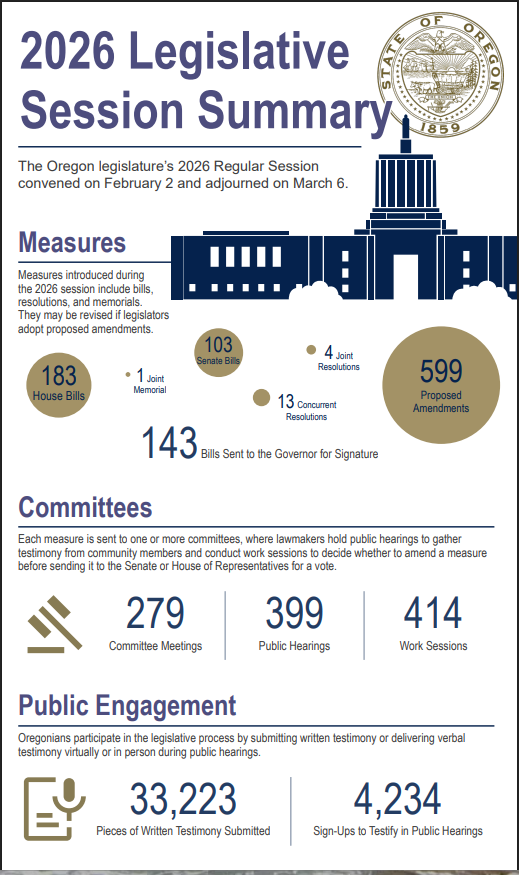
Click on the graphic to see the webpage prepared by the Legislative Policy Research Office.
During the session I posted frequent social media updates from my p.o.v., not the big news stories. You can find me on Facebook and Instagram.
Here's a selection (excerpts) to give you a flavor for the session:
-Day 3. All committees operating full tilt. Economic and revenue forecast sounding sort of okay but a mixed bag with observations about unemployment, inflation, productivity, federal policies.
-Day 4. Good hearing on the Urgent Care bill! Briefings on downcoding insurance claims, cocktails in a can, transient lodging tax, plug-in solar energy devices, and a dozen other things. Visits with craft brewers and AARP.
-Day 7. Trailblazers. Studying an expedited proposal for financing a long term commitment to keep the Trailblazers at Moda Center in Portland. No, I didn’t meet celebrities; this was work: just the lobbyists and numbers and contract people.
-Day 16. Not a single bill passed in the House. Republicans walked out to deny quorum.
-Day 19. Sent a letter urging funding for wildfire detection cameras. Troubleshooting and suggesting amendment solutions for contentious proposals.
-Days 21–22. Monday, one meeting focused on tax law details including cargo containers, incentives for filming commercials in Oregon, and clergy tax law. Tuesday Hearing Room F 9-11 AM: 10 bills, including funding for Japanese beetle eradication and increased caseload in Internet crimes against children. House Chamber: Voted on 14 bills.
| | Success with Urgent Care & Cutting Red Tape | | |
Legislators were allowed to file two bills for the short session. I filed two, and both are at the Governor's desk awaiting signature. This is a second try for both of these bills from 2025. Each represents a multi-year effort starting with local groups and constituents and then expanding to get support from (and negotiate with) interested parties, stakeholders, organizations around the state. Here's a list of some of the great local and statewide organizations we've been working with: Oregon Health Care Association, Oregon Medical Association, Oregon Academy of Family Physicians, Pearl Buck Center, Oregon Association of Relief Nurseries, Looking Glass, The Arc Lane County, Options Counseling, Oregon Community Programs, Lane County Health and Human Services, Oregon Council for Behavioral Health, and practicing and retired physicians.
| | |
Minimum standards for Urgent Care clinics
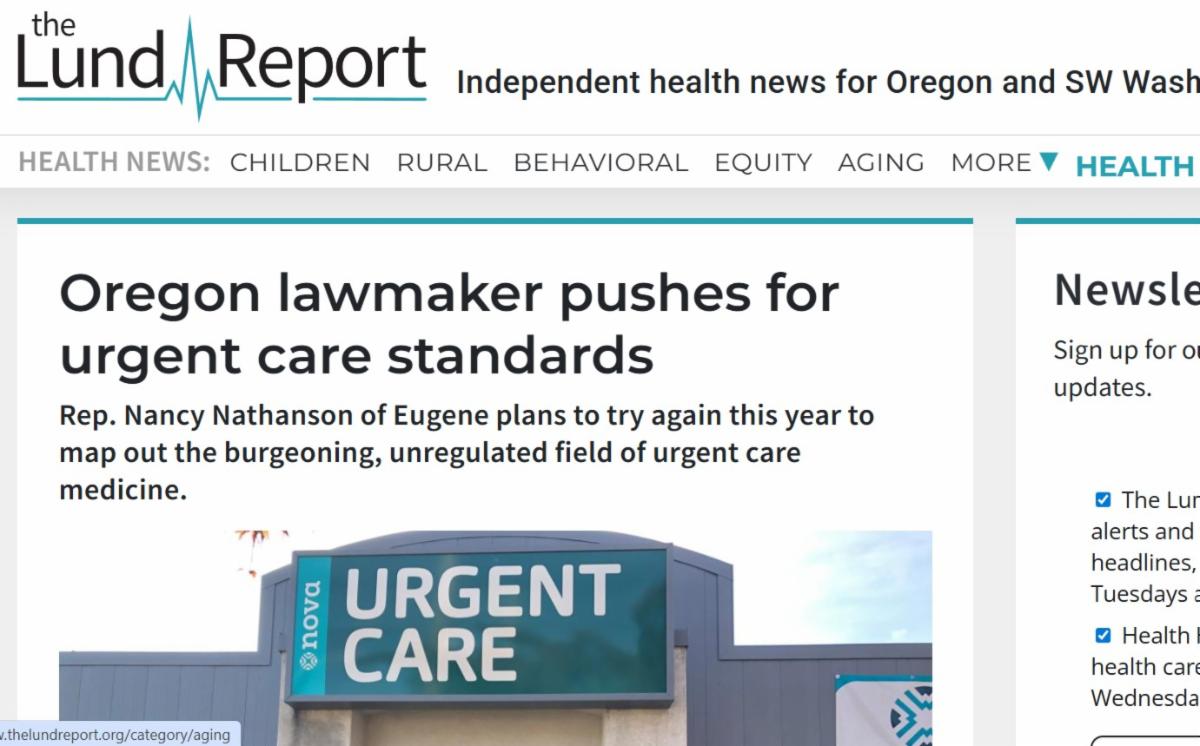
HB 4107 requires clinics that label themselves as urgent care to provide key services such as tests for common respiratory diseases, splints for strains, sprains, and fractures, and sutures for simple lacerations. Clinics will also be required to describe the services provided near the entrance and on their website including types of health care professionals on-site, types of insurance accepted, and any associated clinics. This will allow patients to check ahead of time and avoid being turned away if a clinic does not provide a needed service or accept their insurance. This bill passed both chambers with broad, bipartisan support: unanimous in the House, 28-1 in the Senate.
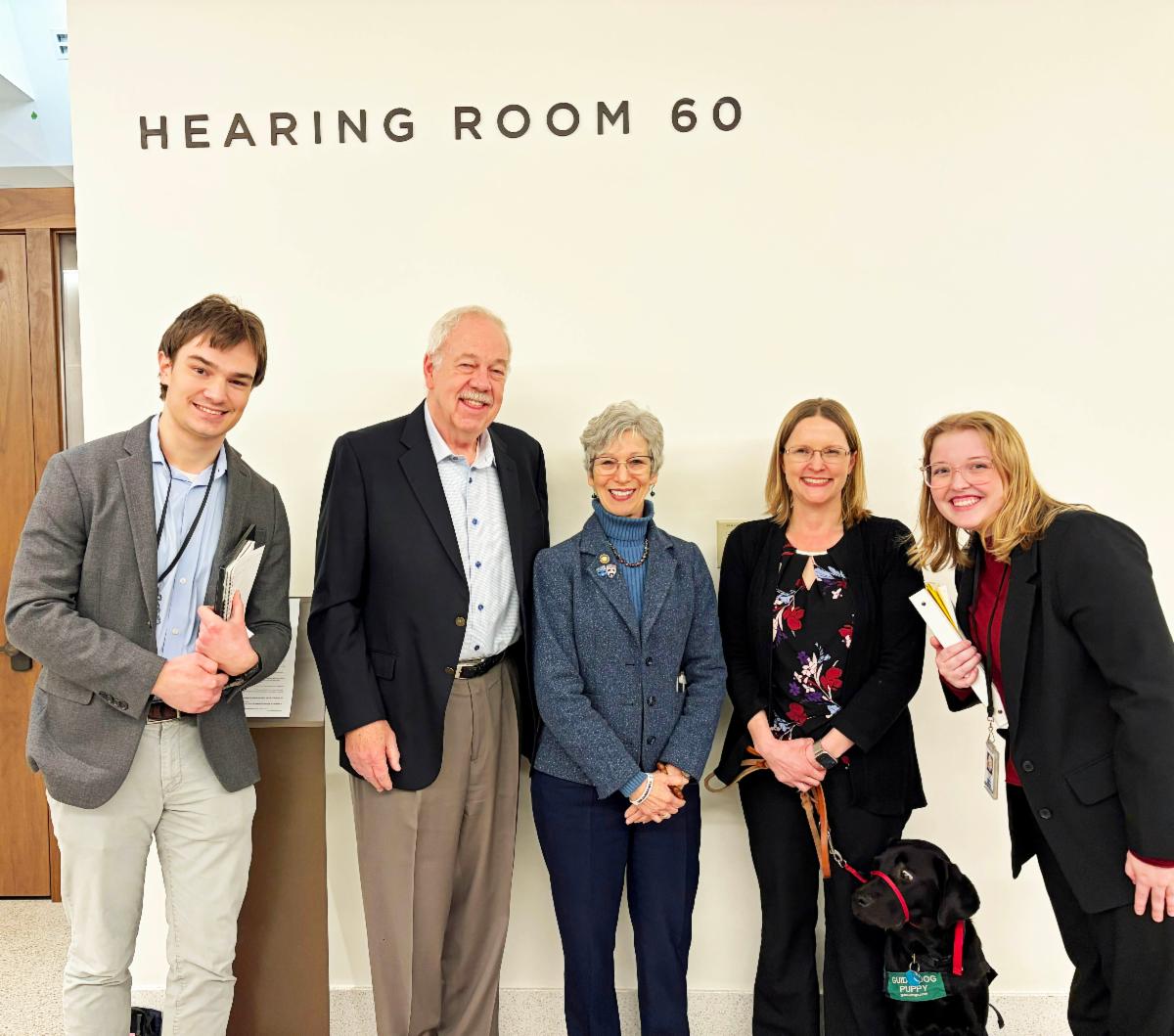
Photo: Chris (left) and Maddux (right) join us after testifying at a committee hearing. John Moorhead for American College of Emergency Physicians-Oregon Chapter, me, Eve Gray, Director, Lane County Health and Human Services.
| |
Cutting red tape and supporting healthcare workers
HB 4115 reduces bureaucracy and delay for caregivers and residential care and behavioral health workers waiting to get to work. It makes life easier and reduces wait time for people needing help from caregivers, therapists, or counselors. Background checks for workers serving older adults and people with disabilities are essential for quality and safety, but slow processing can have far-reaching consequences. Long waits can delay work for new employees, sometimes so long that the worker gives up on the profession, reducing access to care and interrupting reimbursement for the provider organizations doing the hiring. This bill eliminates redundant background checks by allowing "portability" between similar jobs, standardizes the re-check cycle, and makes other improvements.
| |
Fairness for State Contracts
This bill was inspired by a 2024 news report about an individual whose company received more than $70 million contracting with state agencies to provide housing, despite the founder being delinquent on more than $1.6 million in unpaid taxes. I drafted a bill for consideration by the House Revenue Committee: HB 4016 closes a loophole which has allowed business owners who do not pay their taxes to receive lucrative state contracts. Now, business owners who own more than 20% of a company competing for a state contract valued at $250,000 or more must obtain a certificate affirming their compliance with Oregon tax law when the contract is about to be awarded (a simple online form with response often in a few hours, or just a couple of days). Fairness was an important principle: fairness in the public interest, and fairness for businesses that are paying their taxes but competing with someone who is not. The vote was partisan: 35-21 in the House, 18-11 in the Senate.
| | |
Behavioral and mental health
Recent reports have shown that Oregon has had the highest rate of behavioral health disorders in the country. Roughly one million Oregonians struggle with mental health and substance use disorders and yet, 32 of Oregon’s 36 counties experience critical shortages with less than one provider per 1,000 residents. I’m helping fix that problem, with the advice of the people who understand this best who work in our community. I passed a bill to help get people to work more quickly; they're often waiting weeks for the screening process before they can get to work (see above: Cutting red tape). Two other bills reduced duplicative credentialing processes (HB 4083) and decreased administrative burdens (HB 4070). Another workforce bill creates a specialized license for behavioral health and wellness practitioners (SB 1547).
Chatbots and mental health
In another example where Oregon takes action where Congress fails to act (the Trump administration generally opposes regulating AI): we passed SB 1546, supported by Oregon Psychiatric Physicians Association and Oregon Consumer Justice, requiring AI chatbot platforms to implement safety protocols when users express thoughts of suicide or self-harm, with special protections for youth.
| |
Consumer and worker protections, public safety
Predatory lending. HB 4116 closes a loophole that allowed out-of-state banks to get around the predatory lending law and take advantage of Oregonians who need quick, short term financial help with interest rates as high as 100% for consumer loans.
Ticket scams and rip-offs will be harder to carry out in Oregon (HB 4024). We expanded protections against wage theft (HB 4089), cracked down on false police reports (“swatting”) in HB 4151 and move toward safe disposal of batteries and prevent landfill fires (HB 4144).
| |
Protecting immigrants and immigration enforcement
Communities are scared when masked people are stopping cars, smashing doors and car windows and forcing people out; this sets up a dangerous situation when you can’t tell the difference between federal law enforcement officers and criminals. We passed legislation restricting face coverings on law enforcement officers while on duty (HB 4138 passed 36-19). This bill is about public trust, transparency, and accountability, applying equally to all officers on duty in Oregon (Oregon’s local and state officers already comply).
Other bills passed will allow Oregonians to sue federal law enforcement offices who violate their civil rights (HB 4114), require Oregon schools to adopt plans on how to respond to ICE activity on campus (HB 4079), strengthen protections from profiling and from discrimination in Oregon schools (SB 1538).
| |
Families, Housing, Education
Buyers Before Billionaires. Big out-of-state investors buying up single-family homes has been shown to disrupt housing markets, limit availability, and drive up prices. This is happening in other states, and we don’t want to see it creeping into Oregon’s housing market. The Buyers before Billionaires Act (HB 4082) prevents large companies ($1 billion in assets and more than 2,500 homes) from purchasing single-family homes unless the unit has been on the market for at least 90 days.
We also protected renters’ ability to pay using their preferred method (SB 1523), and protected homeowners’ ability to make fire-safe home improvements (SB 1551).
Education. We expanded Oregon’s participation in the Dolly Parton Imagination Library to give free books to children 0-5 (HB 4022), codified protections for homeless students (HB 4149), and improved reporting of school attendance data to combat chronic absenteeism (HB 4154).
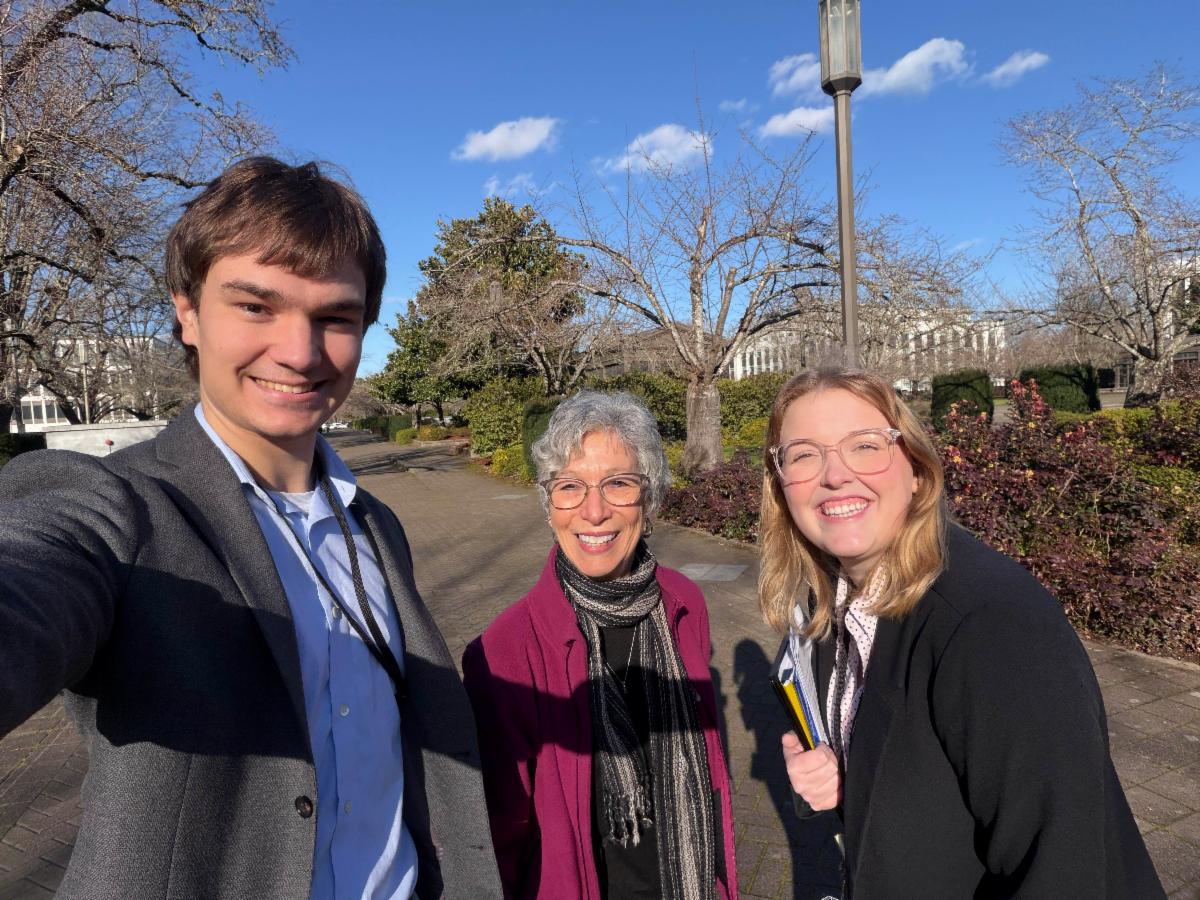
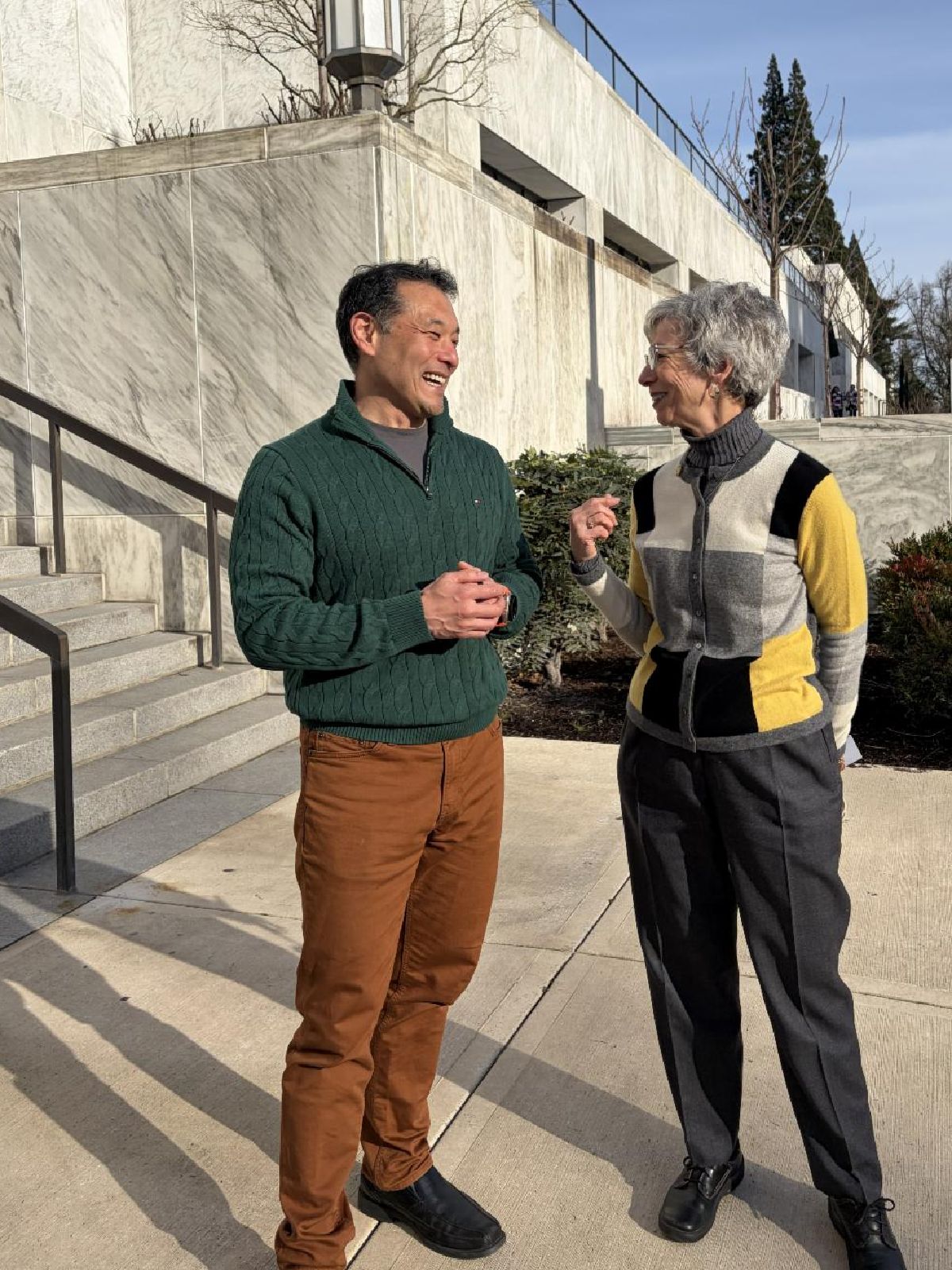
(Photo: we're a team that works hard and still finds time for a laugh and some fresh air!)
| |
Health care
Protecting patient choice for medication and immunization
Decisions about healthcare should not be disrupted by shifting federal guidance that causes confusion, limits availability, or raises out-of-pocket costs on Oregonians. The bill does not create any new mandates for vaccines and does not change or limit clinical judgment or the right to exercise personal choice. I was happy to be a co-chief sponsor of SB 1598 to preserve patient choice and ensure that immunizations remain accessible and affordable for Oregonians who want them.
Planned Parenthood
In response to the federal government cutting off Medicaid reimbursements for Planned Parenthood, HB 4127 supports the broad range of other health care services these clinics provide to Oregon Health Plan members. These include general reproductive health care, testing and treatment for sexually transmitted infections, contraception, and preventive screenings.
We also prevented sensitive health information from being weaponized or shared across state lines with HB 4088, so that Oregonians can make health decisions without fear of surveillance.
| |
Business
Fast-tracking economic development
Governor Kotek's plan for advancing economic development with faster permits, getting sites ready for development, and expanding incentives for businesses to invest in Oregon passed, with some changes (HB 4084). Included in the final version is a proposal that I drafted to put a pause (a moratorium) on economic incentives for new data centers in standard enterprise zones to allow time for an advisory committee to study the land use, energy, water, and public investments in these big projects that may add some economic activity but few jobs.
Farm stores
The “farm stores” bill, HB 4153, was about farm stands, farm stores, and events in agricultural areas. Proponents saw it as a way to support small farmers working to make ends meet, whereas land use advocates and organizations like Friends of Family Farmers thought it might be too extensive and could have negative long-term consequences for Oregon’s supply of farmland. The bill passed. I supported the intent of the bill and helping small-scale farms, but I had reservations about unintended consequences for farms, forests, and farm communities, and voted “no.” You can view my written vote explanation here.
| |
Balancing the budget
When the President signed H.R. 1, or the “One Big Beautiful Bill,” into law, Oregon lost $888 million in state revenue due to expanded tax breaks that are connected to Oregon law. Despite some popular features that benefit selected groups of workers, such as no tax on tips and overtime, most of the benefit goes to the very wealthy and large corporations. Congress, unlike Oregon, doesn’t have to balance a budget and passed a bill which will drive up the federal deficit by around $4.3 trillion.
Congressional budget choices and the President's unstable economic policies will end up costing Oregon even more. For example, program cuts add more than $1.1 billion to the impact, including SNAP for food assistance ($540 million), Medicaid ($490 m), and numerous other programs such as the Marine Fisheries Team, Urban Community Forestry, and Library Services Technology Act. Shifting costs for Medicaid and SNAP and other programs to the states from the federal government will have greater budget impacts for Oregon over the next two biennia.
I worked with Senator Broadman on SB 1507 to recapture some of the revenue lost to the Congressional tax breaks in H.R. 1, preserving state budgets for health care, education, public safety, and economic development. We reinvested some of that money in Oregon families and businesses by expanding the Earned Income Tax Credit, lowering taxes for 200,000 Oregon families, and creating a new tax credit for businesses that add good jobs in Oregon.
Through an extensive, bipartisan process, the budget co-chairs identified potential savings and the most manageable budget reductions across state government to ensure core, mandatory state services were protected. Budget reductions totaled $128 million, mostly achieved through vacancy savings, fund swaps, program delays, and reductions in non-programmatic agency budgets. These reductions would have been much greater had legislative Democrats not passed SB 1507, which preserved $311 million in state revenue for this biennium.
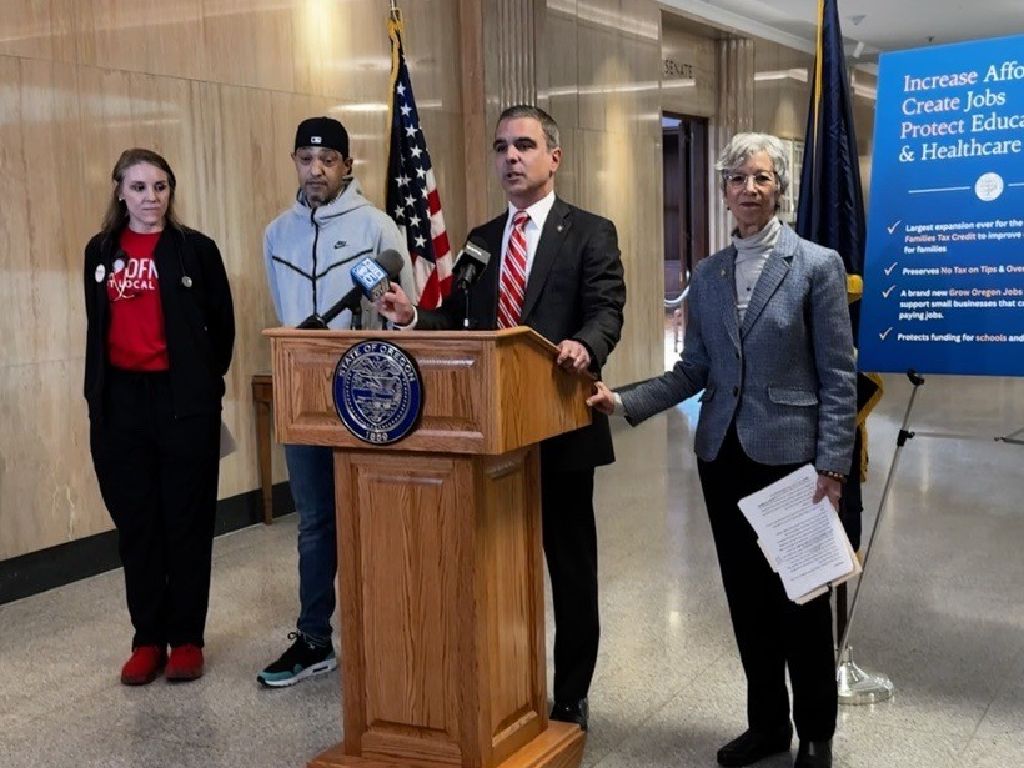
Photo: At our news conference, Senator Broadman and I were joined by a nurse and a small business owner who talked about the impact on them from Trump Administration and Congressional program cuts and budget actions.
| |
Special interest for Eugene
Funding for local projects
- Clear Lake Road economic development infrastructure: $5 million
- Eugene Airport: $1 million for the Eugene Airport Gate A6 passenger boarding bridge replacement and relocation project
| |
Bulk fuel tanks
Oregon isn't a major producer of liquid fuels like gas or diesel, and we don't have refineries. Fuel for our cars, trucks, and other machines comes to Oregon via pipelines and is stored in bulk fuel tanks. The Critical Energy Infrastructure (CEI) Hub in Oregon is a six-mile industrial area along the Willamette River in Northwest Portland that stores and transports over 90% of the state's liquid fuel supply, including gasoline, diesel, and jet fuel. There are several other locations around the state where bulk fuel is stored including Salem/Albany, Roseburg, Medford, and Eugene. The Eugene tank yard is on Prairie Road, surrounded by residential properties and adjacent to a railroad.
With HB 4100, we required bulk fuel operators to obtain a certificate of financial responsibility from Oregon Department of Environmental Quality demonstrating they can cover the full cost of potential spills, leaks, or catastrophic incidents. Without this, response and recovery costs would fall on state and local governments, residents, and local businesses.
| | |
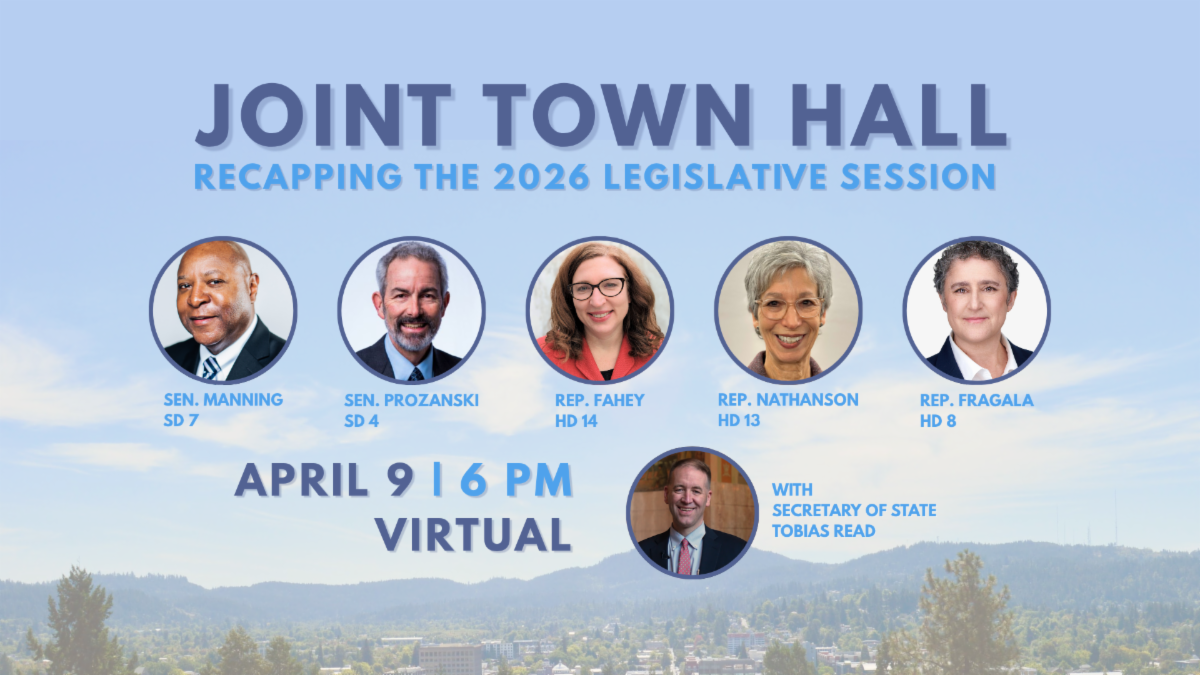
Join us for a virtual town hall! We'll have a recap for the legislative session that ended on March 6.
Special guest: Secretary of State Tobias Read
| | Local developments in hospital emergency care | | |
PeaceHealth announced early last month that it would not be renewing its contract with Eugene Emergency Physicians (EEP) to staff its emergency departments in Springfield, Florence, and Cottage Grove.
For decades, PeaceHealth Oregon has contracted with EEP to staff its emergency departments. The hospital system has chosen Atlanta-based ApolloMD as its new emergency medicine partner. In response, all 41 doctors and Physician Assistants of EEP signed an agreement refusing to work for ApolloMD for 90 days following their contract end date of June 30. I immediately contacted the Governor’s Office and Oregon Health Authority, and started working with key legislators.
Numerous local news stories have described concerns including physicians and their families moving out of the area to seek work elsewhere, shortage of providers, disruption in relationships with other hospital staff and with patients, and more. That is why I joined Representatives Fragala and Bowman to send a letter to PeaceHealth expressing concern that its choice of ApolloMD might violate Oregon’s prohibitions on the corporate practice of medicine (SB 951 passed in 2025), and requesting proof that the transaction is compliant with Oregon law.
I have also asked Oregon Health Authority for research and oversight related to staffing with other physicians:
- What might be the impact if ApolloMD recruits staff from other Oregon hospitals and clinics, leaving those other hospitals short-staffed, at a time when there is a national shortage?
- If there are staffing shortages, what will happen if ambulances are diverted from Riverband to other hospitals? What is the impact on patients, on the ambulance system, and on the receiving hospital’s capacity?
Further, I will press for consideration of legislation that I’ve already written requiring the Physician in Charge of a medical practice to be an Oregon doctor already living and practicing medicine in Oregon. That bill, drafted in 2025, had the support of family physicians, pediatric physicians, the Oregon Medical Association, the Oregon Independent Medical Coalition, the Lane County chapter of Health Care for All Oregon, and the Oregon Ambulatory Surgery Center Association, as well as local practicing and retired doctors.
Resources: Letter from Reps. Bowman, Nathanson, Fragala; Letter from eight legislators including Reps. Fahey, Fragala, Nathanson, and Sens. Manning, Prozanski; KLCC news March 18 including letter from Governor Kotek. Lookout Eugene Springfield news Feb. 25. Register Guard news March 15. Note: thank you to our local news sources; I subscribe and/or make contributions.
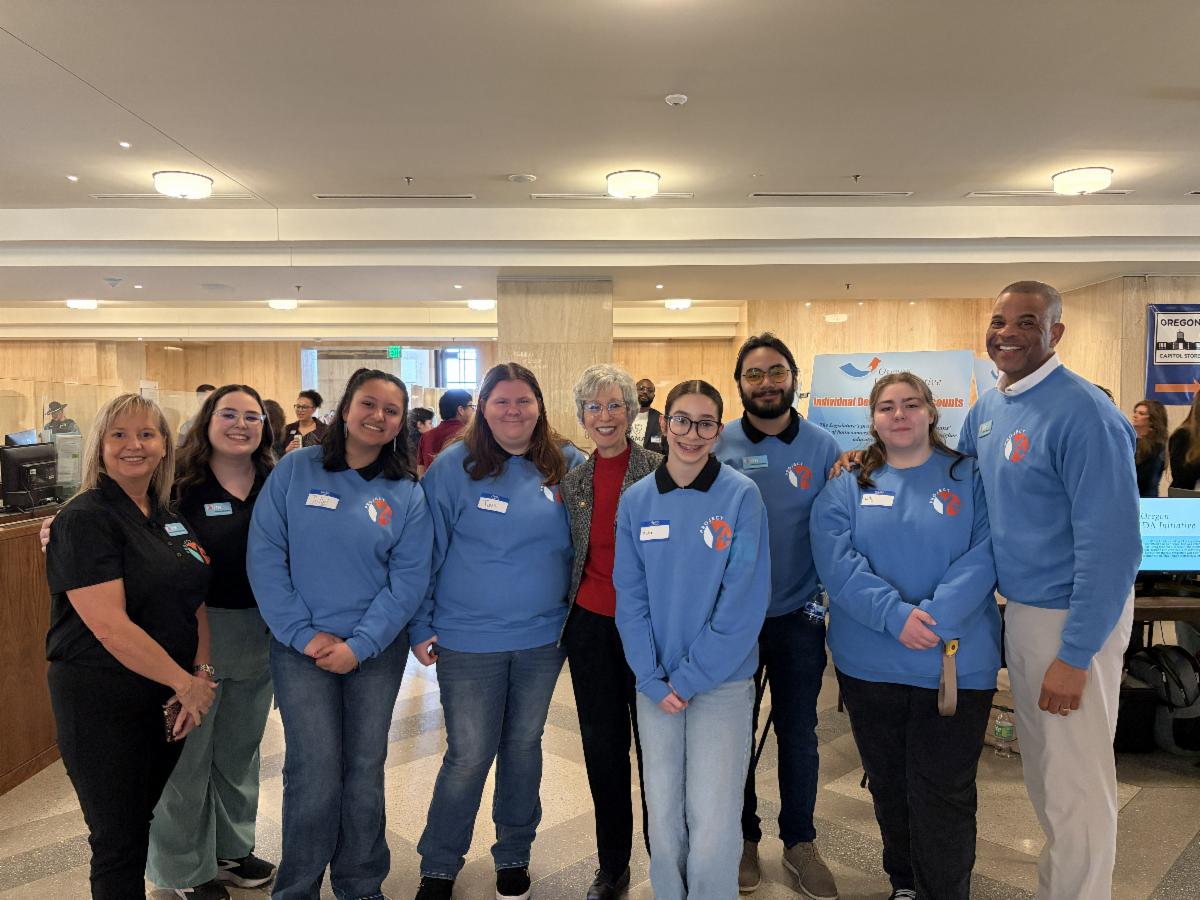
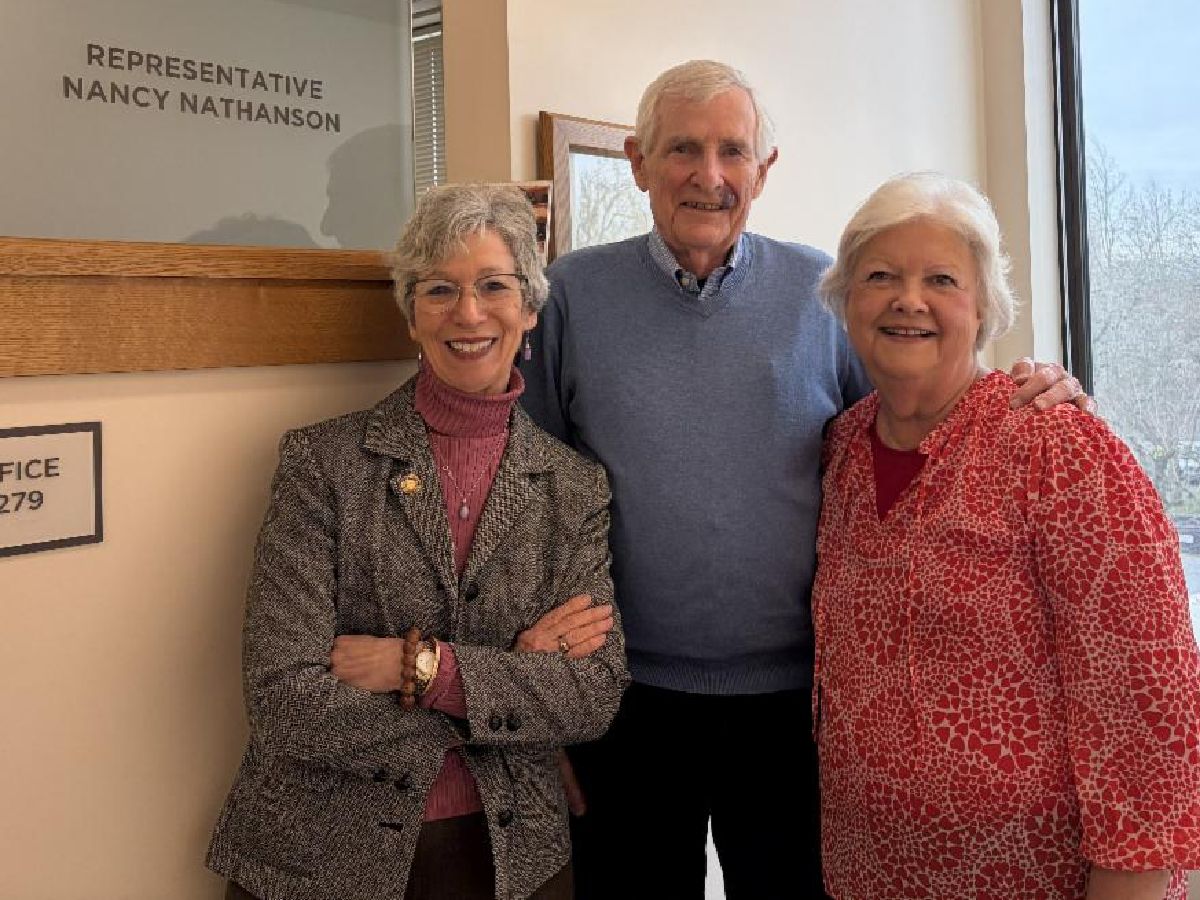
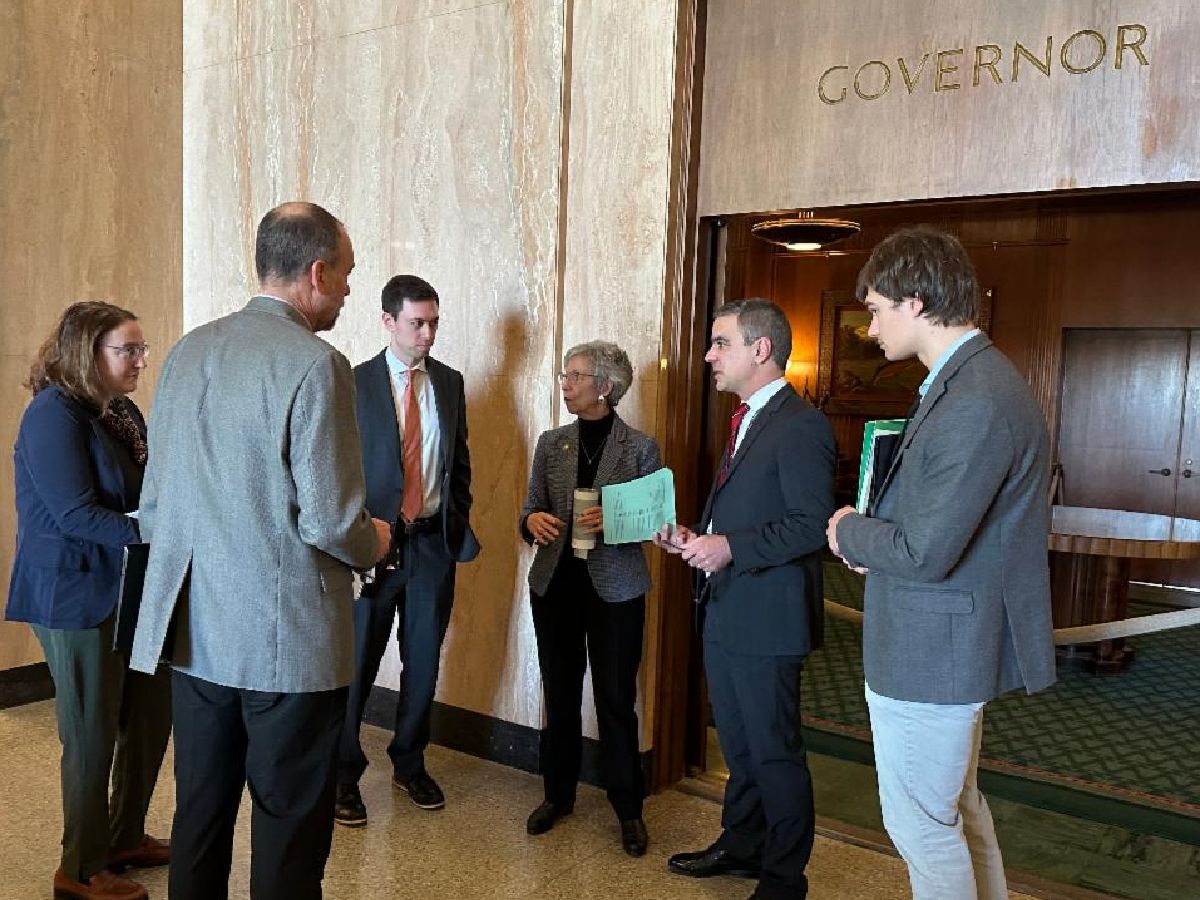
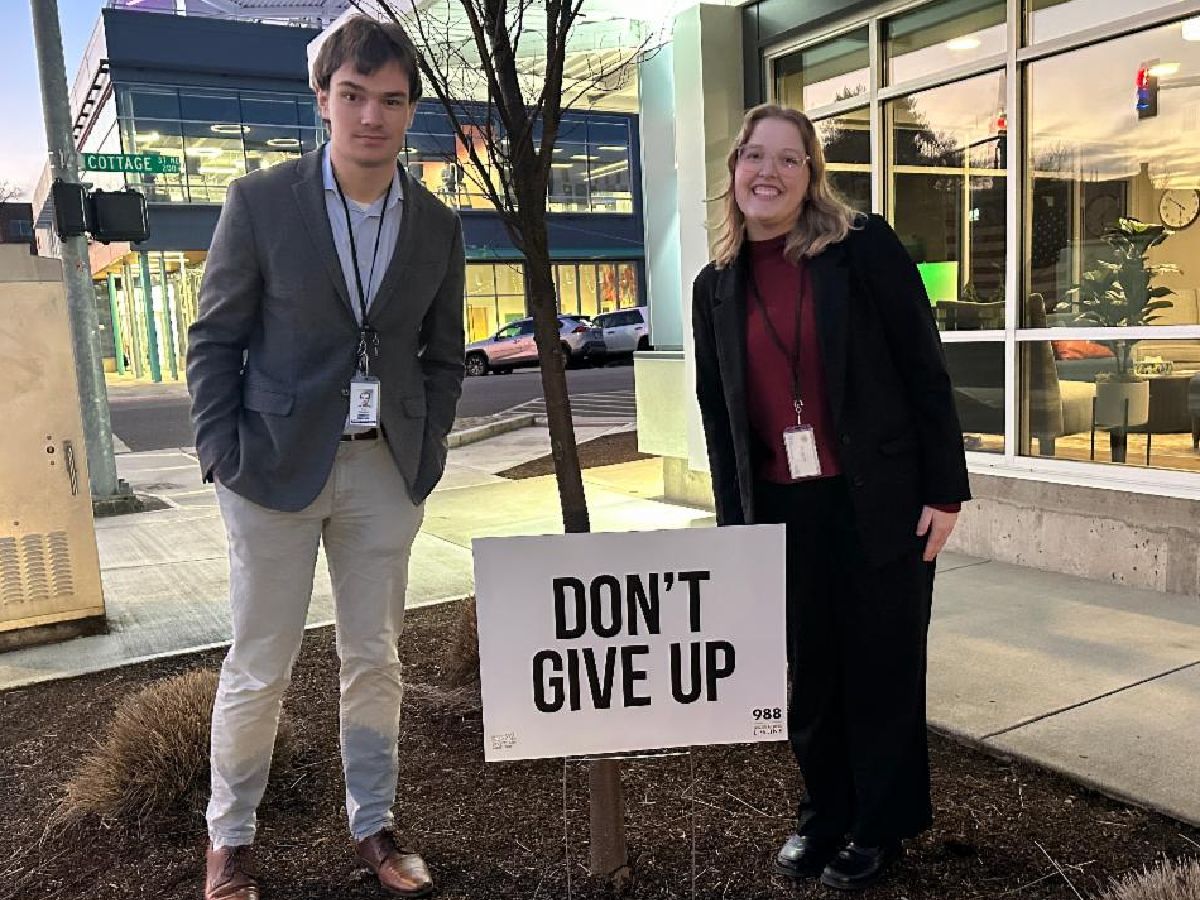
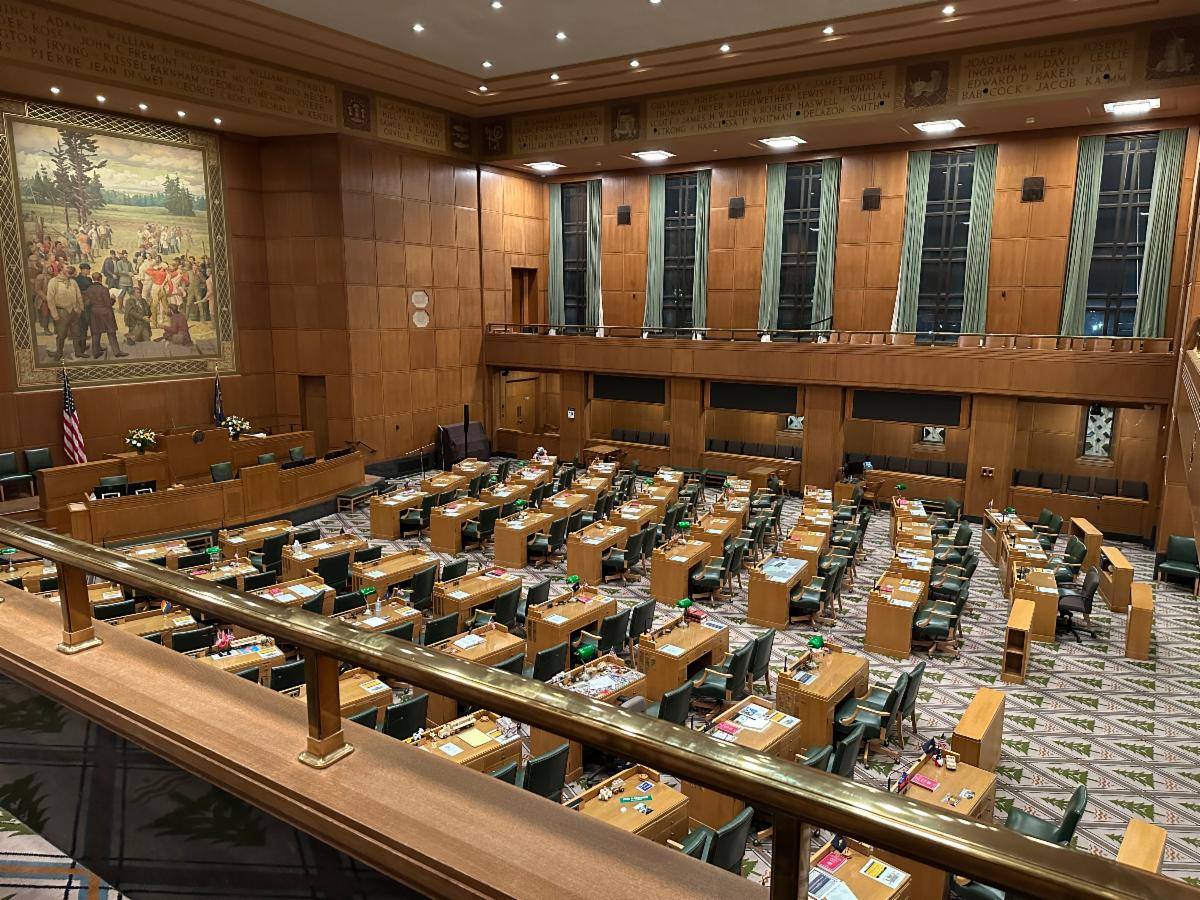
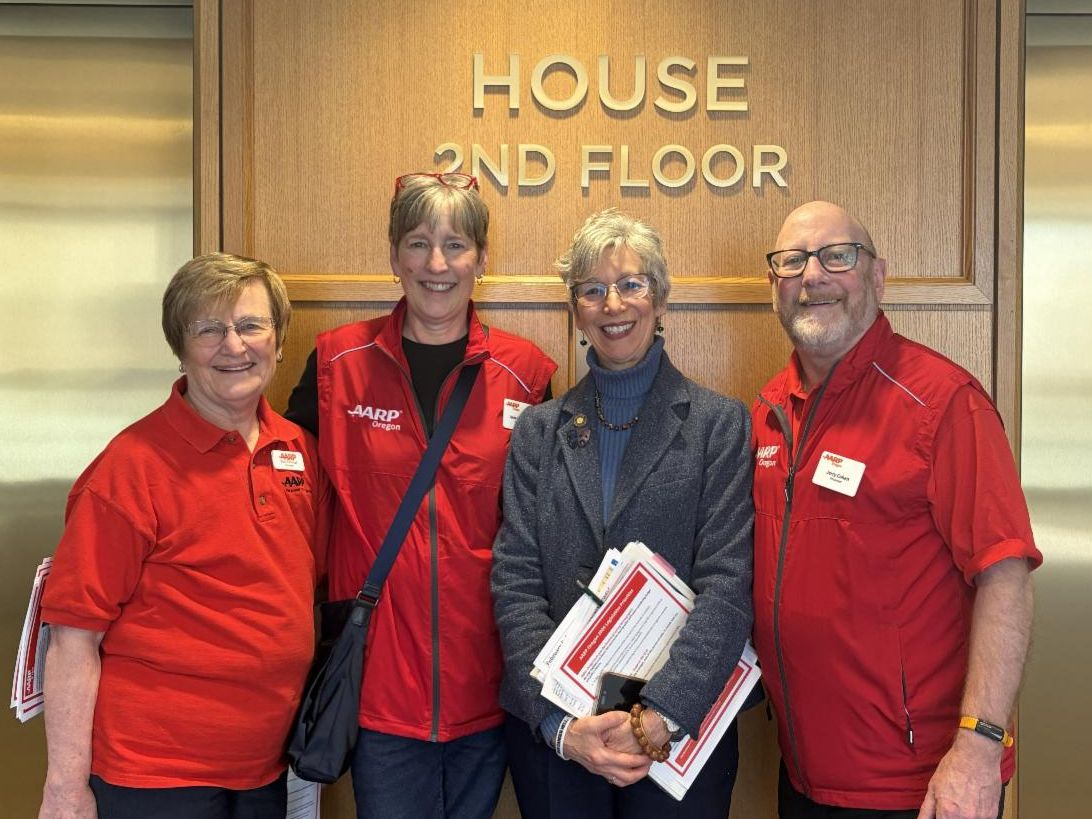
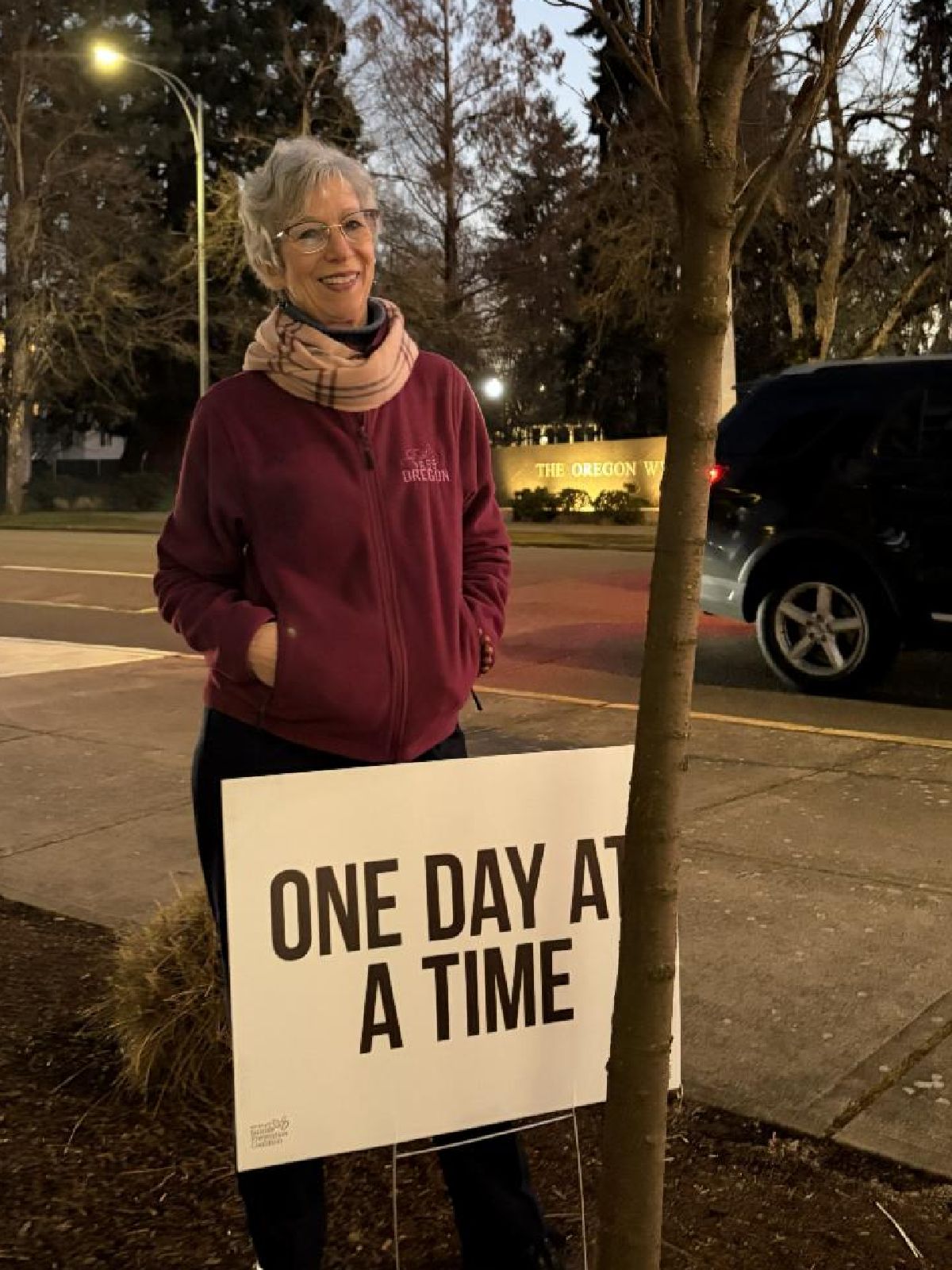
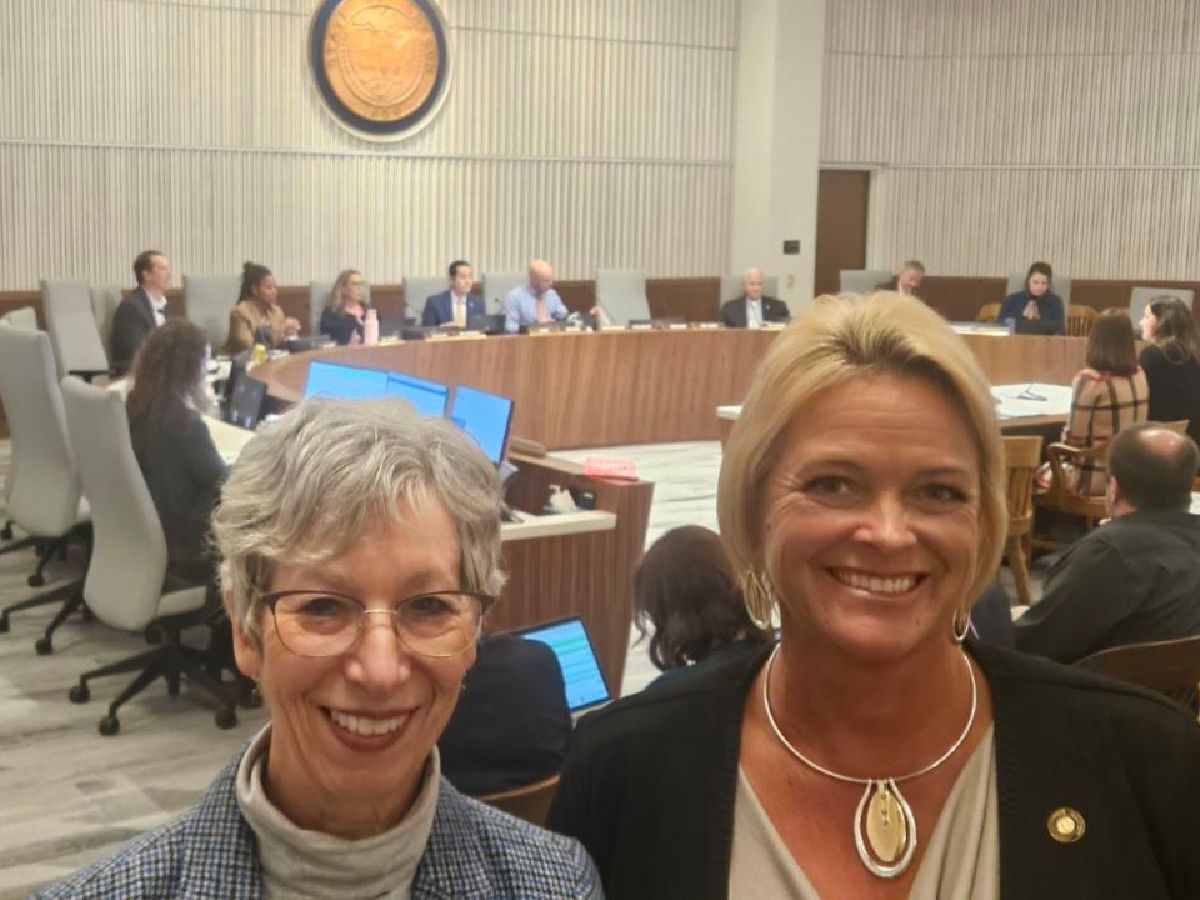
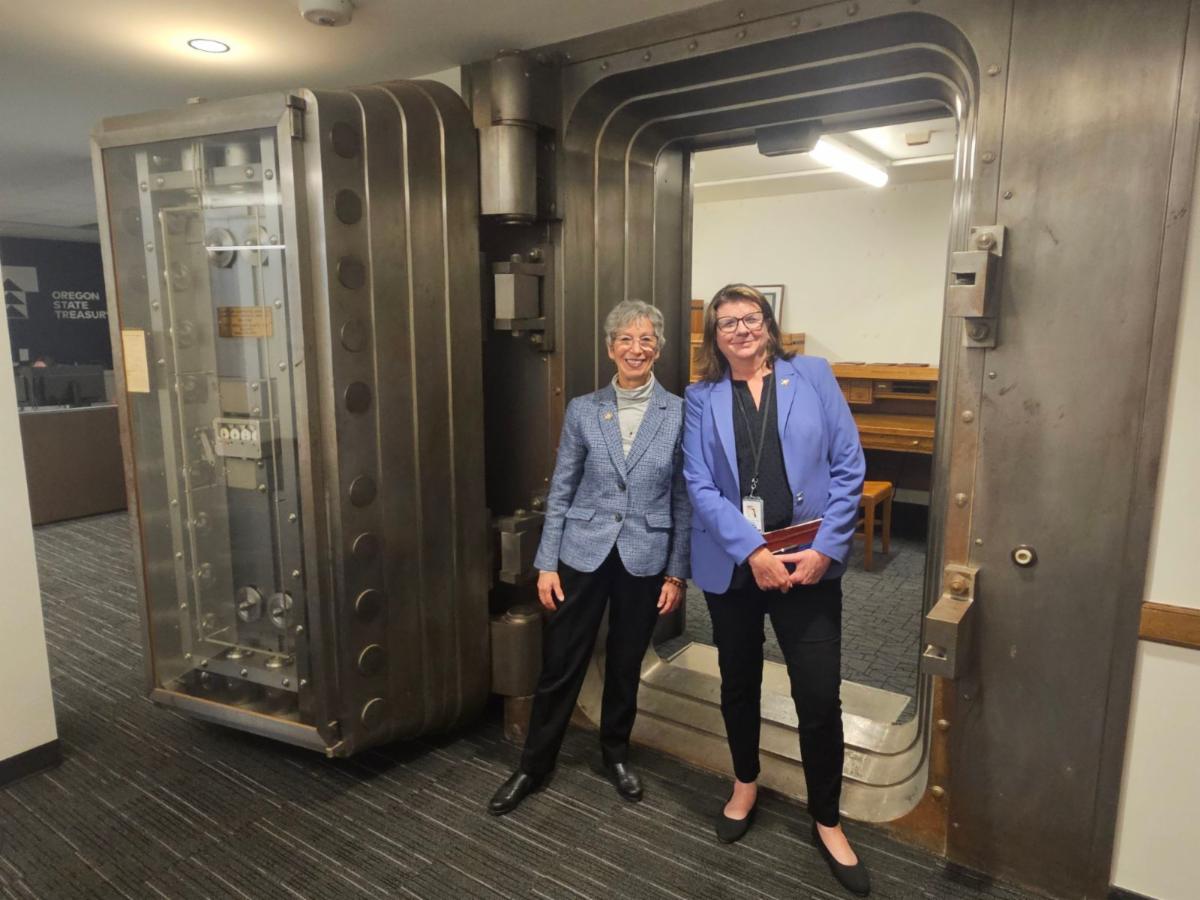
| | Congratulating Individual Development Account (IDA) Program savers (these young adults are saving for education) | | Working with Shirley and Roger advocating for McKenzie River Discovery Center | | Sometimes meetings are ad hoc. This location allowed Senator Broadman and me to run back and forth between votes in the Senate and House chambers. | | We found this sign a couple of blocks from the Capitol. | | It's very, very quiet working in the House after 7 PM. | | AARP friends visiting our offices | | On an evening walk to decompress with staff we came across this helpful sign! | | | Taking advantage of clear weather to have a meeting outside | | In a hearing room, working with Anna Scharf (R-Amity) to pass the bill to cut red tape | | Rep. Jules Walters (D-West Linn) and I taking a look at the vault in the Treasury | | Talking about financial literacy, IDAs, and cryptocurrency with credit union representatives | | | | |