RESOURCES
Gynecologic health encompasses a wide range of conditions that impact women throughout their lives. From menstruation and fertility to menopause and beyond, gynecologic health is present in an individual’s overall well-being and long-term health. Conditions such as uterine fibroids, endometriosis, polyendocrine metabolic ovarian syndrome (PMOS, formally PCOS), and other uterine and reproductive health disorders can affect physical, emotional, and social health – yet many women experience delays in diagnosis, treatment, and access to care for these conditions.
This month, in recognition of Fibroids Awareness Month in July, SWHR is highlighting resources designed to help women better understand their gynecologic health, advocate for themselves, and make informed decisions about their care.
| | |
Read the Uterine Fibroids Toolkit
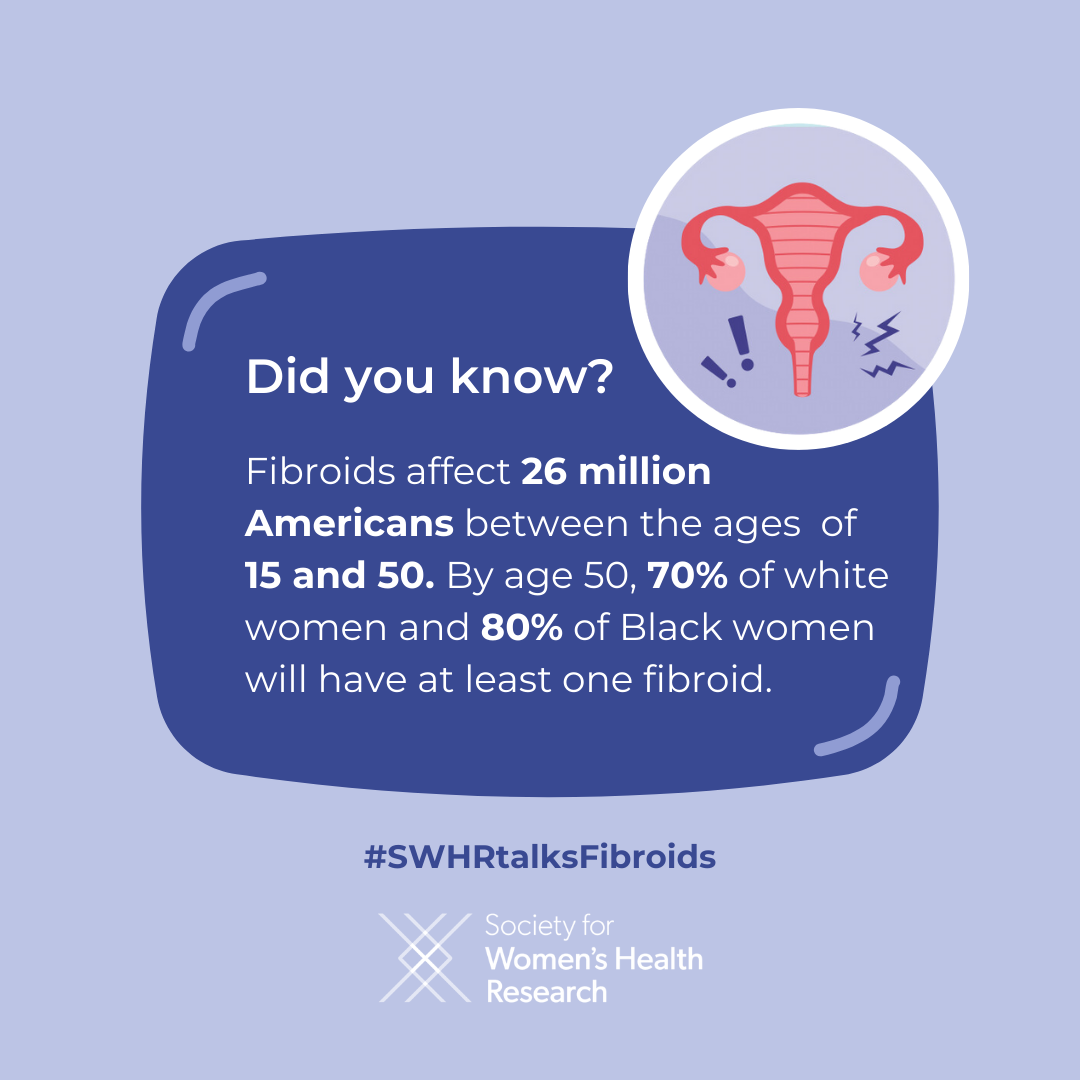
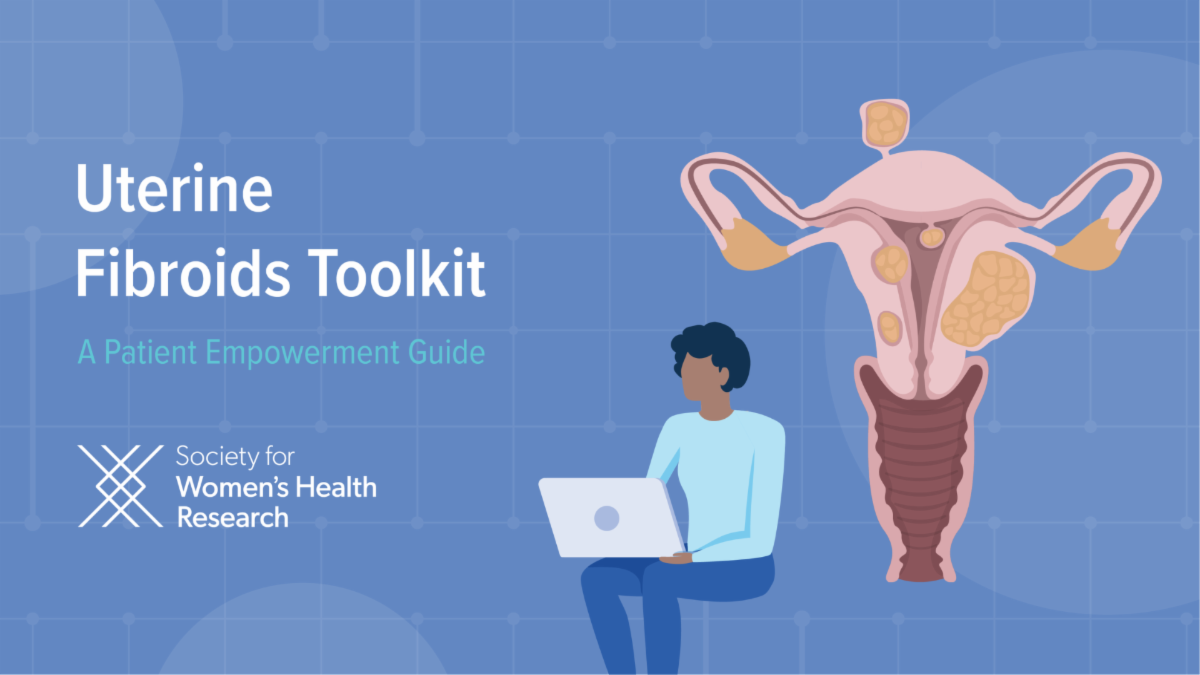
Uterine fibroids are one of the most common gynecologic health conditions, affecting over 26 million women in the United States. SWHR's Uterine Fibroids Toolkit provides easy to understand information about fibroid symptoms, diagnosis, treatment options, fertility, and menopause. The toolkit also includes resources to help patients prepare for conversations with providers and navigate treatment decisions with confidence.
Read the toolkit: Uterine Fibroids Toolkit: A Patient Empowerment Guide
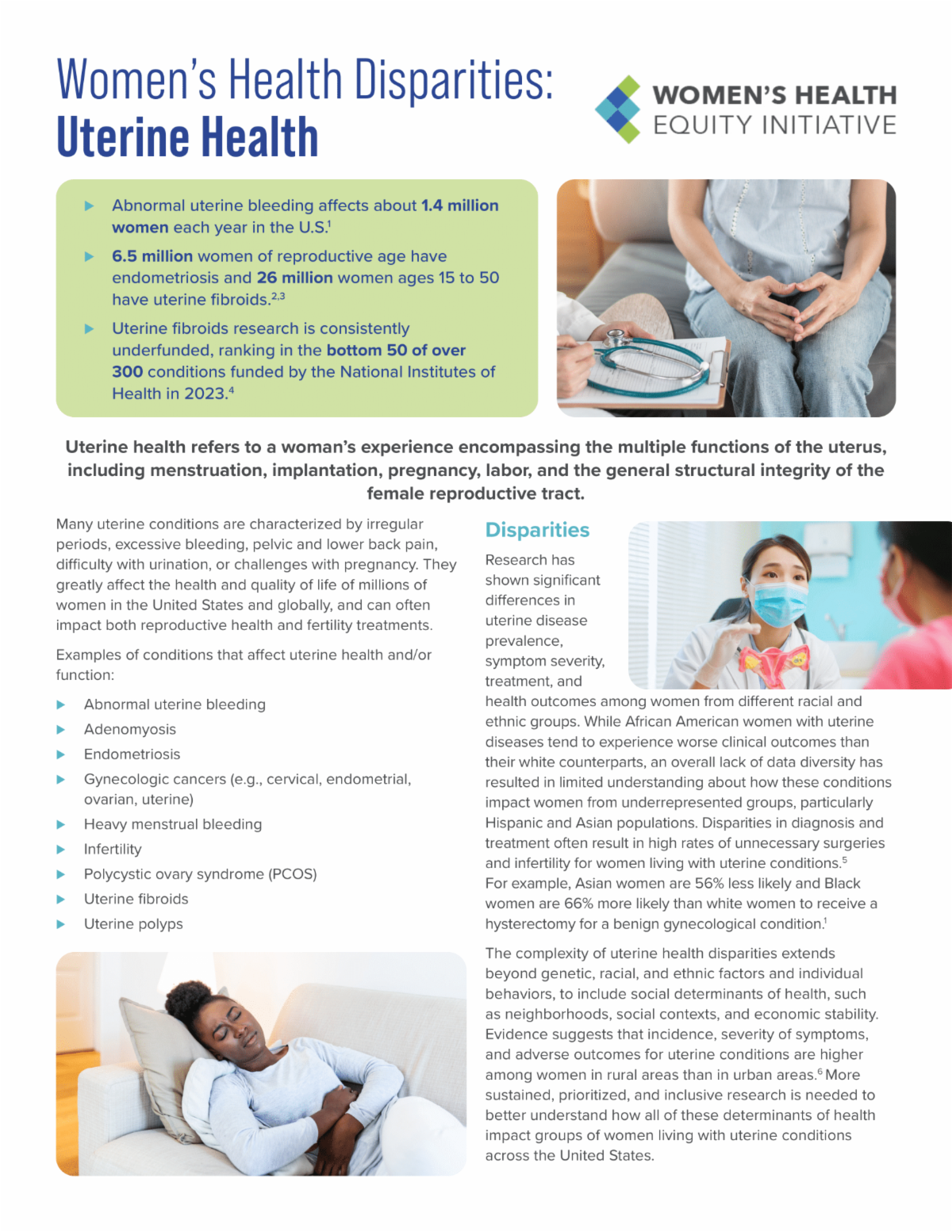
| | | PMOS (or PCOS) affects nearly 5 million women and is often associated with irregular periods and fertility challenges. However, PMOS impacts much more than reproductive health. The Exploring PCOS Throughout the Body fact sheet explores how PMOS can affect mental health, cardiovascular health, and metabolic health, helping patients better understand this complex condition. | | Uterine health encompasses the uterus’s multiple functions, including menstruation, implantation, pregnancy, labor, and the health and physical condition of the reproductive organs. Many uterine conditions remain underdiagnosed and underfunded in research. The Women's Health Disparities: Uterine Health fact sheet examines disparities in uterine health, barriers to care, and opportunities to improve health outcomes for unique groups of women. | | An estimated 1 in 10 women have endometriosis. Living with endometriosis can be challenging, particularly when symptoms are misunderstood or dismissed. The, Endometriosis Toolkit: A Patient Empowerment Guide provides practical information about recognizing symptoms, tracking menstrual health, preparing for medical appointments, and understanding your available treatment and management options. | |
|
The Name Change from PCOS to PMOS
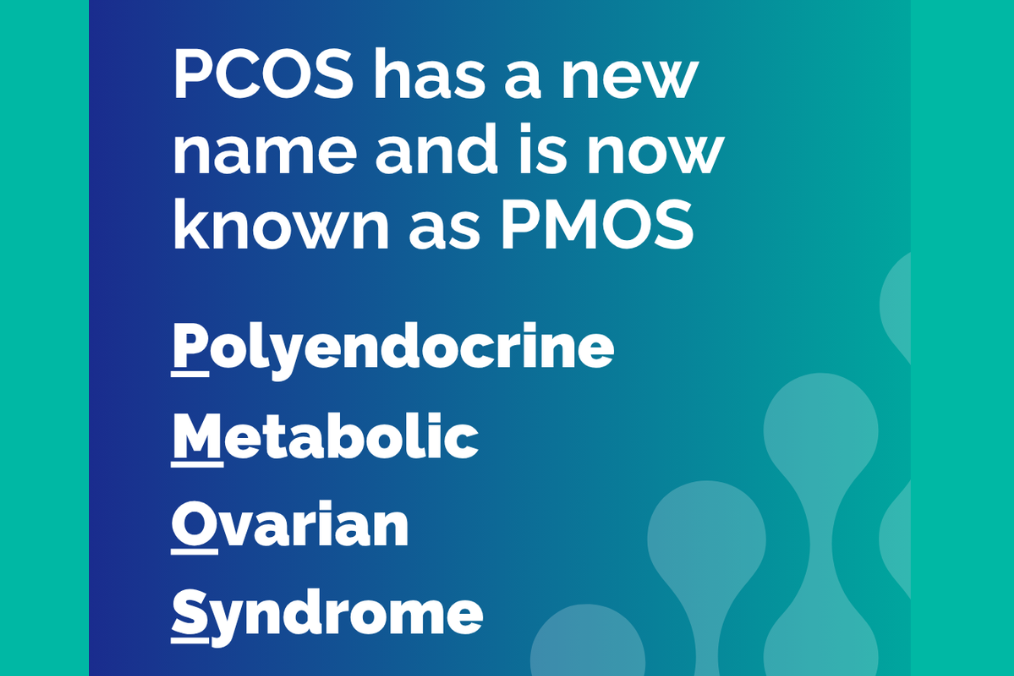
As of May 2026, polyendocrine metabolic ovarian syndrome (PMOS) is the new name for the condition previously known as polycystic ovary syndrome (PCOS). The new name of PMOS will raise awareness and improve diagnosis and care. This name change will take place over a 3-year period.
| | | | Read more about gynecologic health on our blog! | |
In Memory of Jenneh Rishe
The Society for Women's Health Research would like to recognize and honor the passing of Endometriosis Working Group member Jenneh Rishe, RN, BSN, who passed away this April 2026.
"Jenneh was an impassioned advocate, patient, and nurse, who woke up every day looking for ways to improve the lived experiences of not only those living with endometriosis but of all women and all patients. She will be greatly missed, and we send our love to her family and friends," said SWHR President and CEO Kathryn Schubert, MPP, CAE.
Jenneh founded The Endo Co, a patient advocacy group that works to raise awareness, promote reliable education, and increase research funding for endometriosis.
Jenneh's story was also featured in the documentary film Below the Belt, which follows four patients as they urgently search for answers related to endometriosis.
The Center for Endometriosis Care, of which Jenneh was also a working group member, shares this obituary in her honor: Jenneh Elizabeth Rishe
Photo from Jenneh's Instagram profile
| | | |
NEWS AND RESEARCH
SWHR Working Group members have produced and shared the following news, research, and resources related to maternal health:
News and Research
-
ClinicalTrials.gov: FATIMA Trial: EGCG and Vitamin D3 for Prevention of Fibroid Recurrence (FATIMA), submitted by Ayman Al-Hendy MD PhD FRCSC FACOG CCRP, University of Chicago
-
Expert Opinion on Therapeutic Targets: Uterine fibroids: current research on novel drug targets and innovative therapeutic strategies, submitted by Ayman Al-Hendy MD PhD FRCSC FACOG CCRP, University of Chicago
-
Fertility and Sterility: Polycystic ovary syndrome: the canary in the coal mine for discrimination in healthcare, submitted by Jessica Chan, MD, Cedars-Sinai Medical Center
-
The Journal of Clinical Endocrinology & Metabolism: Multiracial Cytokine Profiling Reveals Immune Dysregulation not Chronic Inflammation in Polycystic Ovary Syndrome, submitted by Jessica Chan, MD, Cedars-Sinai Medical Center
-
MIT'S Center for Gynepathology Research, Press Release: NIH Invests in the Future of Women’s Health at MIT CGR, submitted by Linda Griffith, PhD, MIT'S Center for Gynepathology Research
-
Nutrients: Empowering Strategies for Lifestyle Interventions, Diet Modifications, and Environmental Practices for Uterine Fibroid Prevention; Unveiling the LIFE UP Awareness, submitted by Ayman Al-Hendy MD PhD FRCSC FACOG CCRP, University of Chicago
-
Society of Human Reproduction and Embryology Abstract: L26-O-325: Beyond a localized tumor: integrated urine proteomics and patient-derived 3D organoid models reveal systemic inflammatory and angiogenic factors secreted by uterine fibroids, submitted by Ayman Al-Hendy MD PhD FRCSC FACOG CCRP, University of Chicago
| | |
Events and Resources
-
Event: Whole, Worthy and Free: Oakland, July 28, 2026, submitted by Lauren Kornegay of Endo Black
-
Event: Black (in)Fertility Awareness Week: Muna Fertility Clinic Tour, July 29, 2026, submitted by Lauren Kornegay of Endo Black
-
Event: Black (in)Fertility Awareness Week: Fertility Justice and Family Building, August 6, 2026, submitted by Lauren Kornegay of Endo Black
-
Event: PCOS CON 2026: The PMOS Community. Together., September 26, 2026, submitted by Megan Stewart, PCOS Awareness Association
-
Event: Pelvic Health 101, December 4, 2026, submitted by Sarah Dominguez, PT, MSPT, CLT, WCS, CMTPT, PYT
-
Event: Labor Prep with a Pelvic PT, December 20, 2026, submitted by Sarah Dominguez, PT, MSPT, CLT, WCS, CMTPT, PYT
-
Resource: Adolescentes puertorriqueñas reportan alto estrés emocional y fuerte dolor menstrual: estudio [Puerto Rican adolescent girls report high emotional stress and severe menstrual pain: study], submitted by Idhaliz Flores, PhD, Ponce Health Sciences University (PHSU)
-
Resource: Community Leaders and Faith-Based Organizations Toolkit (for endometriosis), submitted by Lauren Kornegay of Endo Black
-
Resource: End of the Cycle, a new documentary, submitted by Linda Griffith, PhD, MIT'S Center for Gynepathology Research
-
Resource: Healthcare Providers' Trainee Guide (for endometriosis), submitted by Lauren Kornegay of Endo Black
-
Resource: Nutrition & Lifestyle Guide for Endometriosis Management, submitted by Lauren Kornegay of Endo Black
-
Resource: Patient Advocacy Toolkit for Afro-Caribbean Individuals & Those of Caribbean Descent Living with Endo, submitted by Lauren Kornegay of Endo Black
-
Resource: The Pelvic Chronicles Blog, submitted by Sarah Dominguez, PT, MSPT, CLT, WCS, CMTPT, PYT
-
Resource: The Sage Encyclopedia of Menstruation and Society, submitted by Heather Guidone, BCPA, The Center for Endometriosis Care
| |
SHARE ON SOCIAL MEDIA
Join SWHR this Fibroids Awareness Month as we raise awareness about uterine fibroids as well as endometriosis, PMOS, and other gynecologic health conditions that impact millions of women.
Follow SWHR on social media, share educational resources, and help amplify the conversation using #SWHRtalksFibroids and #SWHRtalksEndometriosis.
| | |
July is Fibroids Awareness Month. Uterine fibroids affect millions of women, yet many experience delays in diagnosis and treatment. Check out SWHR’s Fibroid Awareness Month Toolkit to raise awareness and support women living with #fibroids: swhr.org/resources/fibroid-awareness-month-toolkit/
#SWHRtalksFibroids #FibroidsAwarenessMonth
| | |
Gynecologic health conditions like #endometriosis and uterine #fibroids can significantly impact many aspects of life, including fertility, mental health, and bone health. Awareness and education can help support earlier diagnosis and better care.
SWHR helps amplify patient voices. Check out the Women’s Health Perspectives series at swhr.org/shareyourstory
#SWHRtalksFibroids #SWHRtalksEndometriosis #WomensHealth
| | |
#DYK? Uterine fibroids are among the most common gynecologic conditions affecting women. This Fibroids Awareness Month, read the free SWHR Uterine Fibroids Toolkit, written to help women advocate for their health and access the care they need:
swhr.org/resources/uterine-fibroids-toolkit-a-patient-empowerment-guide/
#SWHRtalksFibroids #FibroidsAwarenessMonth #WomensHealth
| |
PARTNER SPOTLIGHT
Our work is only possible with the help of great partners. Check out one of our gynecologic health partners here!
| |
PCOS Challenge
PCOS Challenge: The National Polycystic Ovary Syndrome Association is the largest PCOS/PMOS patient advocacy organization globally, serving nearly 60,000 members and leading efforts in patient-centered research, health policy, and medical product development. PCOS Challenge engages the U.S. Congress, the Food and Drug Administration, the National Institutes of Health, and the Centers for Disease Control and Prevention to advance research, care, and access for people living with PCOS/PMOS across the lifespan, with patient priorities at the center of that work.
On September 19, 2026, PCOS Challenge will co-host the 2026 PCOS/PMOS Awareness Symposium, "Accelerating Progress, Expanding Access," with Brigham and Women's Hospital in Boston, convening patients, clinicians, researchers, and industry, and welcomes the SWHR community to take part. Learn more at pcos.org.
Note: On May 12, 2026, a new name for polycystic ovary syndrome (PCOS) was proposed: polyendocrine metabolic ovarian syndrome (PMOS). As stakeholders navigate this naming transition, both PCOS and PMOS may appear across PCOS Challenge communications, educational materials, and discussions.
| | All SWHR resources are free to view and share. Here's why: Fibroids affects an estimated 26 million women - and this statistic is thought to be underestimated. | | | Did someone forward you this email? Looking for more news on women's health research? | | | | | |