Our February Focus for the Year of Math is FLUENCY!

Each month throughout this year we will highlight a different math focus. Subscribe to the Math Newsletter so you don't miss any of the awesome content!

Matt & Molly's Math Minutes

Fluency is incredibly important—and also wildly misunderstood by many teachers, students, and families. For many, fluency still means memorizing facts and recalling them automatically to solve problems. Way, way, way back in the 1980s and 90s (when I was in school), that’s exactly what fluency meant. I had to memorize my multiplication facts and take a timed test every week to prove I knew them. Spoiler alert: I froze on those tests. Which meant I didn’t get to go to recess and instead spent it inside going over the same facts again…and again…and again.


Today, we know better.


Thanks to organizations like NCTM and the work of incredible researchers and authors like Jennifer Bay-Williams, we now have a clear, research-based definition of fluency, one that actually improves students’ experiences and outcomes. Procedural fluency is the ability to apply procedures efficiently, flexibly, and accurately; to transfer procedures to new problems and contexts; to build or modify procedures from other procedures; and to recognize when one strategy or procedure is more appropriate than another (NCTM 2014, 2020; NRC 2001, 2005, 2012; Star 2005).


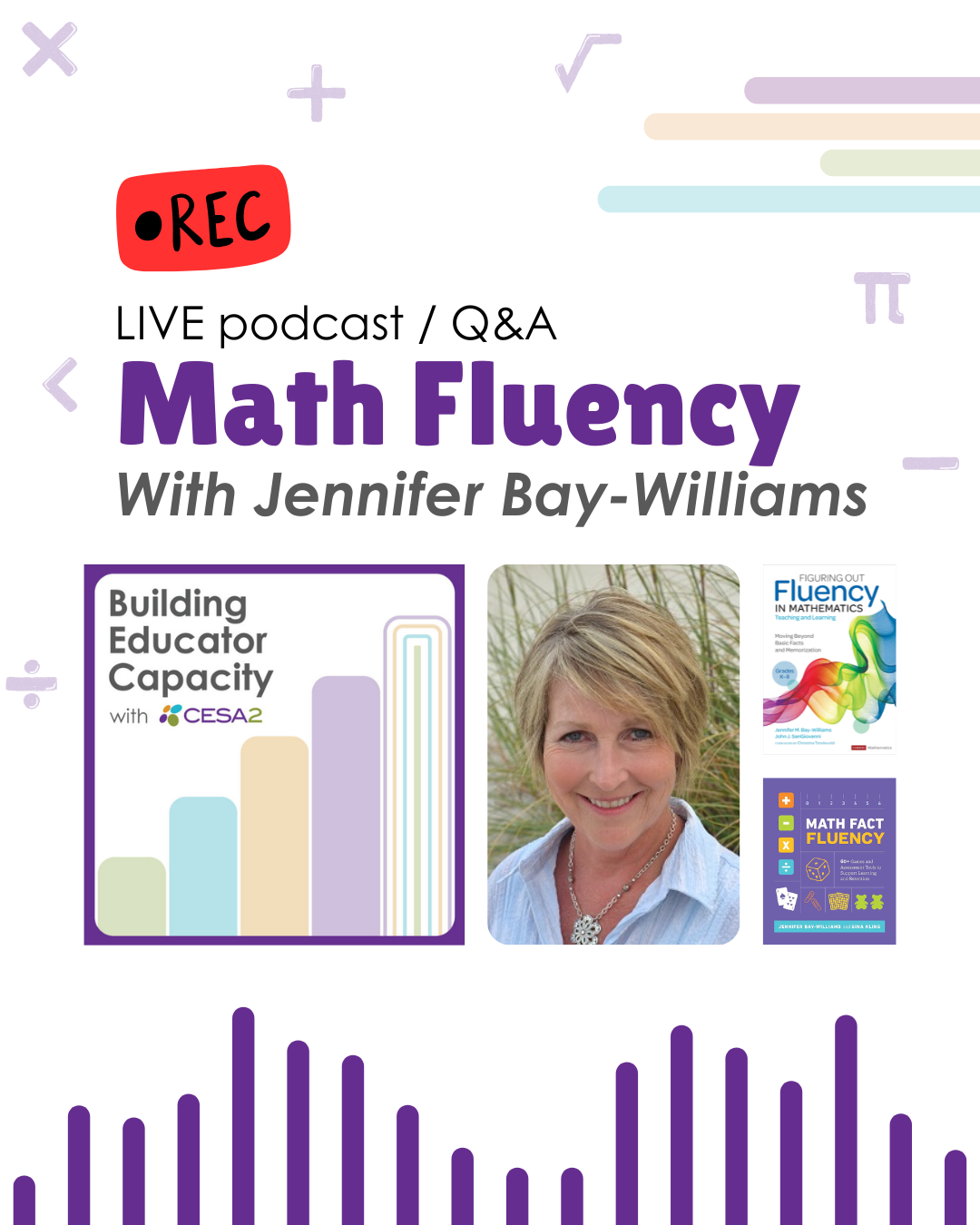
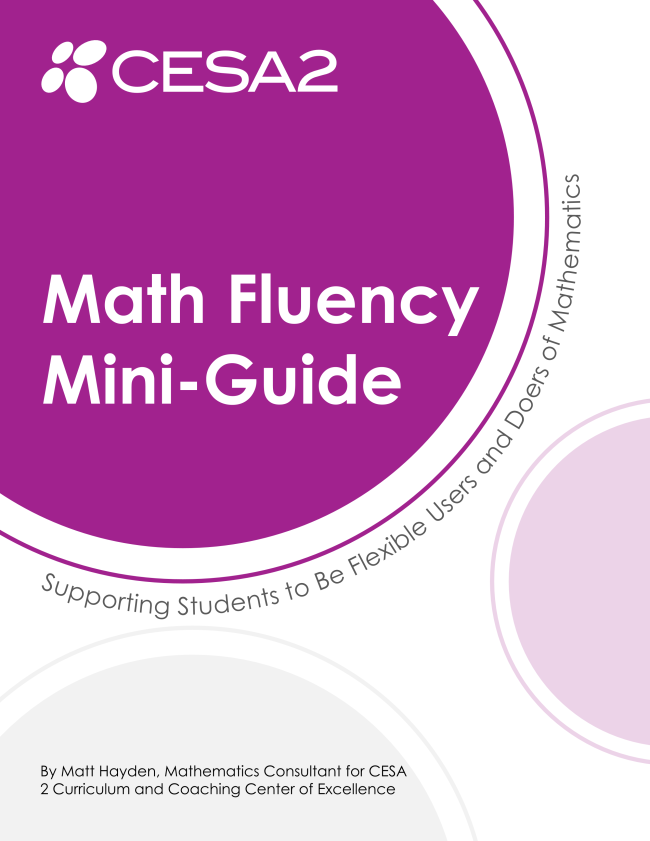
If you’re looking for a quick way to deepen your understanding of math fluency, sign up below for our FREE live podcast recording/Q&A with Jennifer Bay-Williams. Also check out our latest Math Mini Guide on Fluency, linked in our Teacher Tip Section below, for some common misconceptions about fluency and how to overcome them.


Year of Math: Monthly Meet-Ups


FREE Fluency February: Join us for a live podcast taping on February 25 from 4:00-5:00pm with guest speaker Jennifer Bay-Williams! Engage in the fluency conversation and ask Jennifer all of your fluency questions.


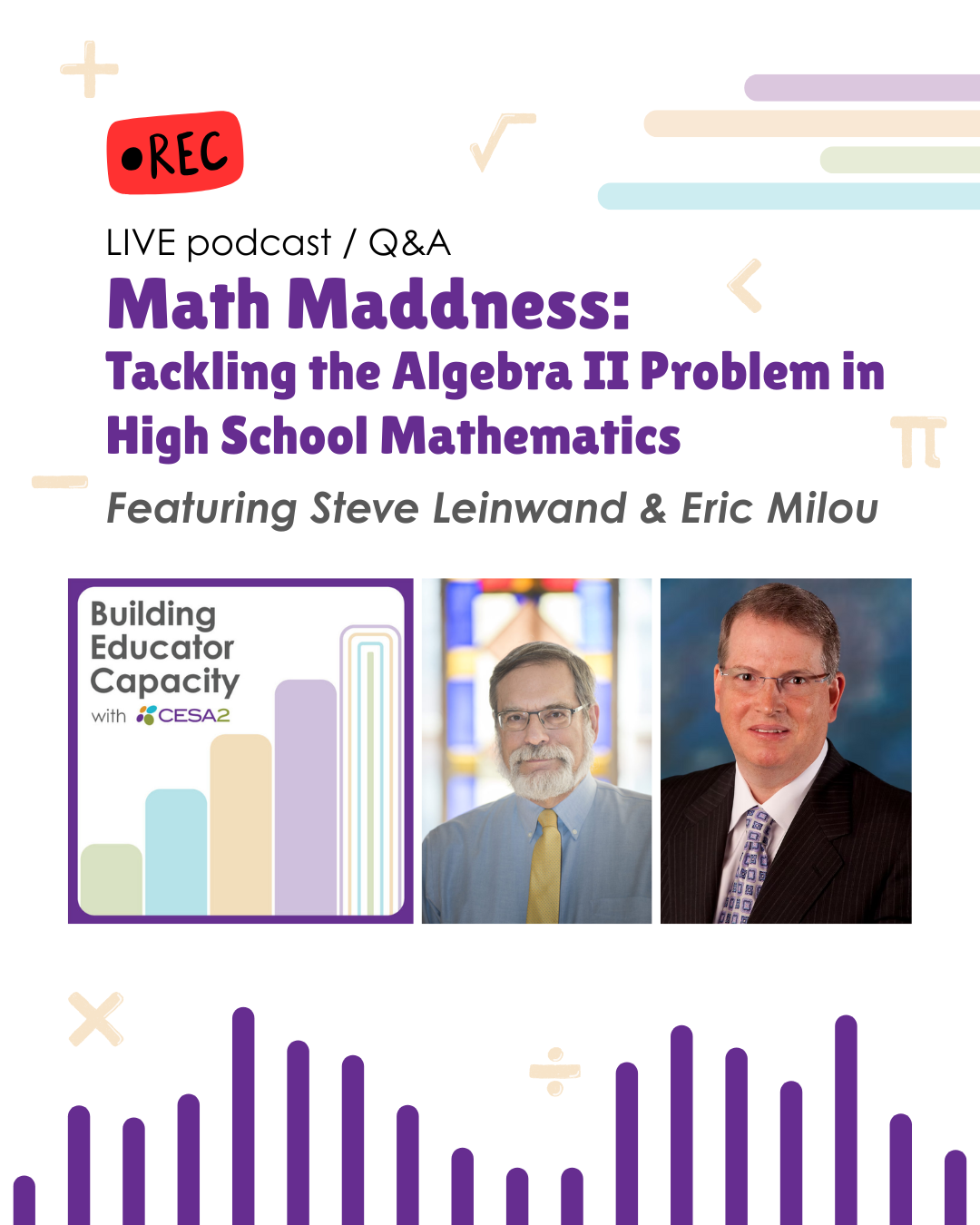
FREE March High School Math Madness: Live podcast with Q&A on March 10 from 6:00-7:00pm with guest speakers Steven Leinwand and Eric Milou! 


Still Time to Sign Up and Join our Discussion with Rachel Lambert: CESA 2 Math Network Opportunities

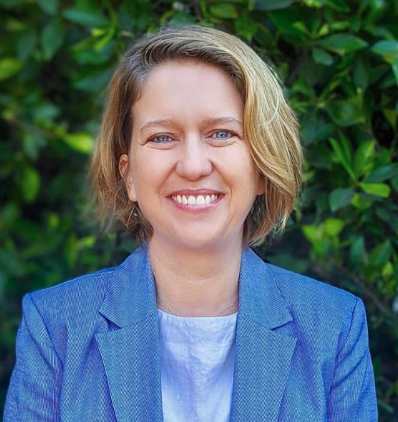
Special Announcement: Dr. Rachel Lambert, author of the book, Rethinking Disability and Mathematics, will be joining our afternoon Math Network on May 29th.


Join us for an in-depth look at increasing access and opportunities for all math learners and their teachers! You'll have the opportunity to connect with educators in your line of work from across southern Wisconsin, learning all the best practices to provide math instruction.


Remaining Dates: Feb. 13, Mar. 13, Apr. 24, and May 29, 2026

  • Math Coaches Network: 9:00-11:30am (Hybrid Option)
  • Math Network: Advancing Access & Equity in Math Education: 12:30-3:00pm (Hybrid Option)

Teacher Tip: Fluency

Small Shifts, Big Impact

Fluency is something most of us are still working to figure out. Some students seem fluent very quickly while others seem to struggle to become fluent. Below are a few shifts that can help better support fluency for all students.


Algorithms and strategies

Shift from: Seeing the goal as each student having one reliable method to use

Shift to: Developing fluency through multiple strategies and helping students choose methods that are efficient and make sense


Speed and Fluency

Shift from: Defining fluency as speed

Shift to: Defining fluency as accuracy, efficiency, and flexibility (with speed being a byproduct, not the goal)


Memorization and Understanding

Shift from: Relying primarily on memorization to build fluency

Shift to: Building fluency through reasoning, patterns, and strategy use so facts and procedures become more automatic over time


Practice and Intervention

Shift from: Assuming struggling students just need more practice

Shift to: Focusing on strategy development, number relationships, patterns, and using tools and models so computation is less abstract and students can focus their cognitive energy on the mathematics.


Fluency as a milestone

Shift from: Seeing fluency as something students either have or don't have

Shift to: Recognizing fluency as something that develops gradually over time


For more great information, click the Math Mini-Guide: Fluency button below!

District Spotlight: Sun Prairie


Over the last two school years, I have had the privilege of partnering with the Sun Prairie Area School District (SPASD) as they engaged in a comprehensive High-Quality Instructional Materials (HQIM) review and selection process across the entire K–12 system. During the 2024–25 school year, grades 6–8 and high school teams completed this work, and this year K–5 teams began their process in September and wrapped up in January. Supporting this work was an incredible experience, filled with thoughtful discussions about equity, language, mathematics content, teacher experience, and, most importantly, the needs of students.


Sun Prairie approached the K–5 review in a way that was both intentional and uniquely grounded in their community. In addition to using EdReports to identify high-quality materials, the K–5 Math Steering Committee developed its own set of “gates” and indicators to reflect what mattered most locally. Four key areas guided their work: Deep Mathematical Understanding; Culturally and Linguistically Responsive Practices; Universal Design for Learning; and Usability for teachers, students, and families. These indicators served as a consistent lens as teachers analyzed EdReports, examined print and digital resources, and conducted site visits, creating coherence and shared ownership throughout the process.


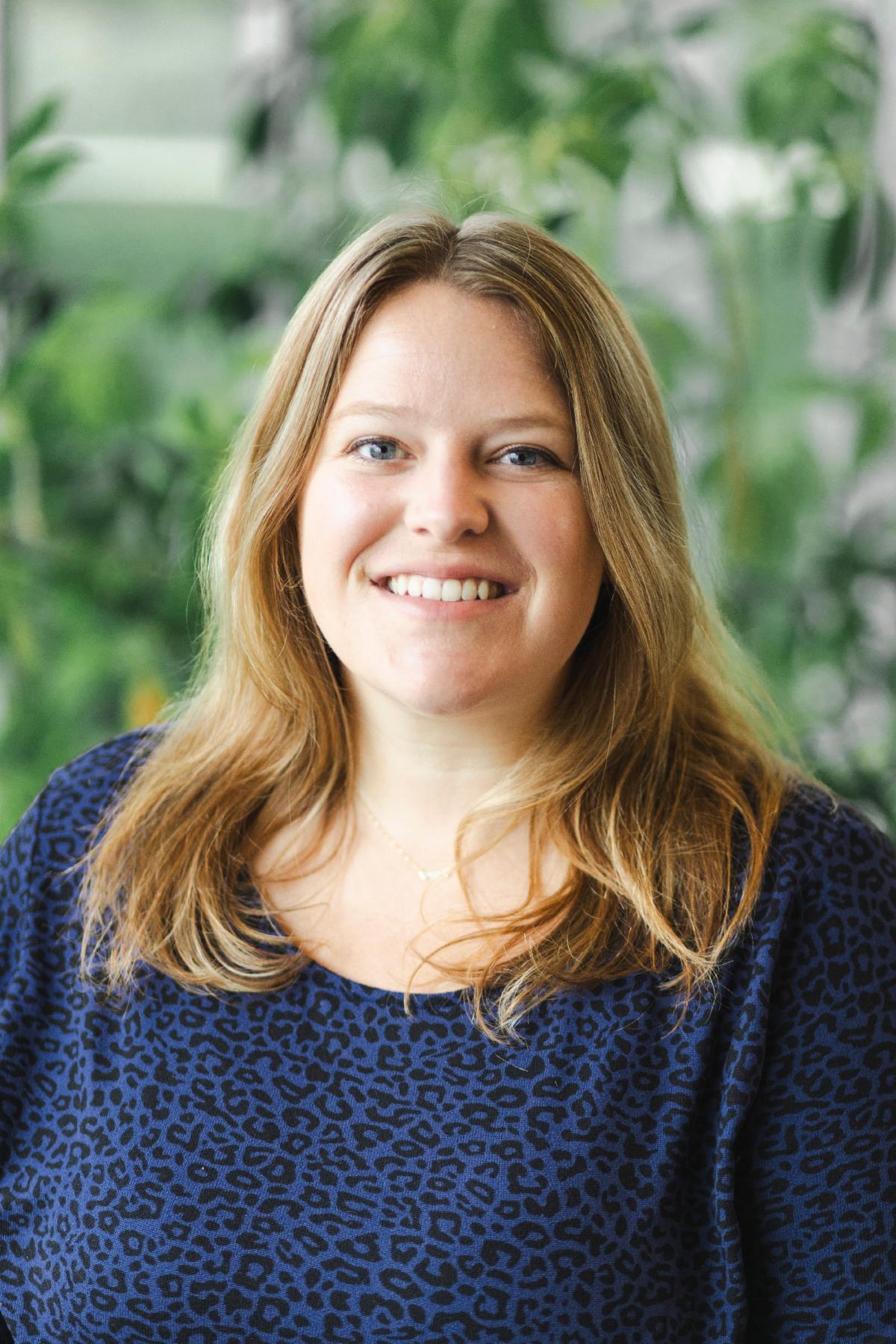
In my role with CESA 2, I worked closely with Sun Prairie district leadership, especially 4K–12 Math Coordinator Lexi Vanden Heuvel, to design and facilitate structures that ensured every voice could contribute meaningfully. Committee members shared perspectives, asked hard questions, and learned alongside one another. At times the conversations were challenging, but the collective commitment to listening, reflecting, and refining thinking made the process stronger. Over time, the group built deep alignment and ultimately reached consensus on a K–5 math curricular resource with confidence in both their decision and their ability to communicate the why behind it.


While implementation work is just beginning, there is genuine excitement about what lies ahead. I am grateful for the opportunity to support and learn alongside Sun Prairie educators throughout this journey and honored to play a role in this important work. The district’s math leaders bring remarkable dedication to their students and community, and I am proud to continue partnering with them as this work comes to life in classrooms.


"The process this fall is definitely a bright spot for me too - your leadership and partnership in our journey was incredibly valuable!"

~Lexi Vanden Heuvel

4K-12 Math Coordinator

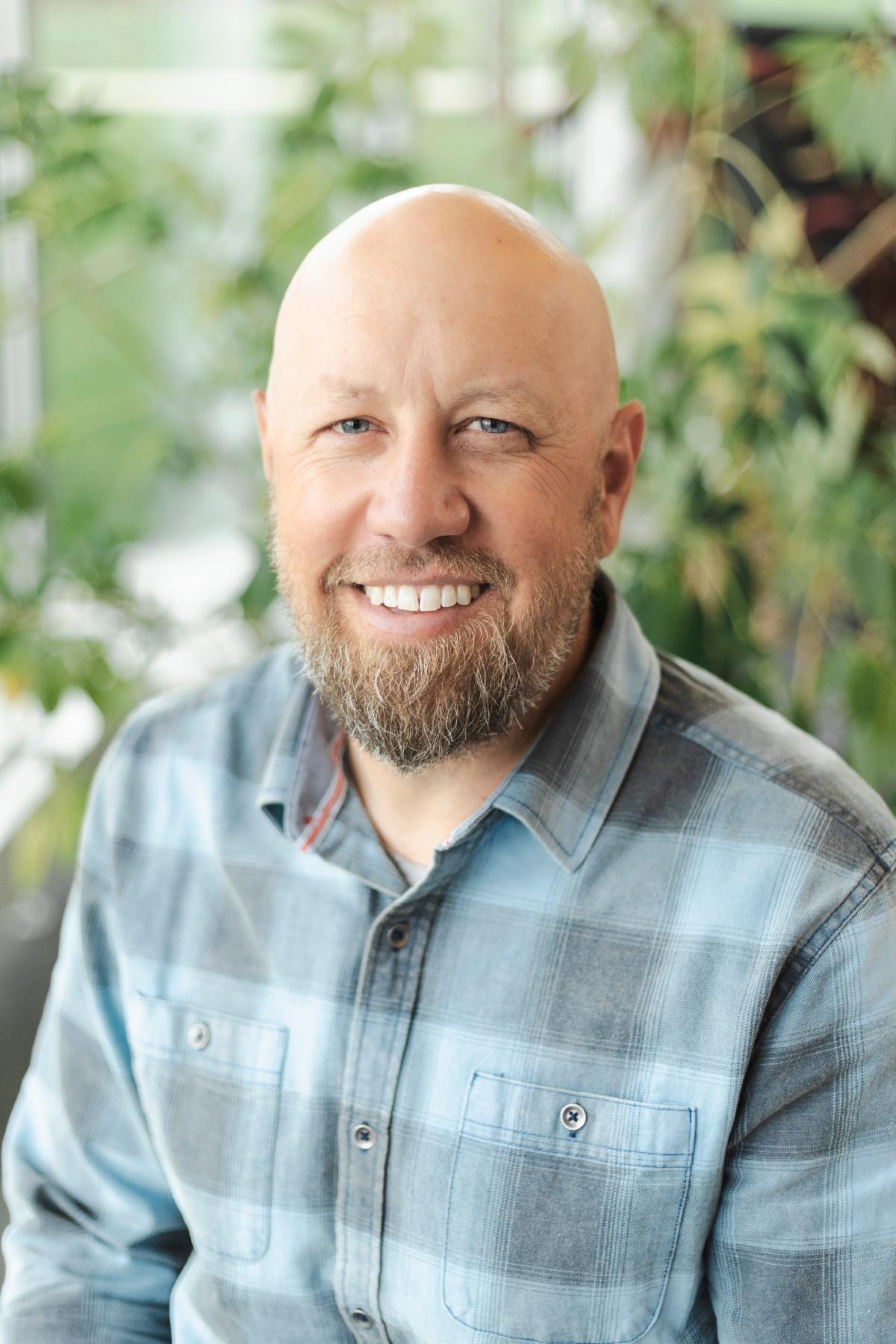
Matt Hayden

CESA 2 Math Consultant and Instructional Coach

CESA 2 Math Events

Expanding Secondary Math Pathways: Reimagining HS Math Course Options in Your District

March 18 & May 20, 2026

9:00am-3:00pm CT

Many states are expanding math pathways, which provide an opportunity for students to take math courses aligned with their interests. Work with your team of curricular, department, and teacher leaders to analyze your district data, your current secondary pathway, and your curricular scope and sequence. You will use this context to explore frameworks and discuss potential expansion of your math pathways to include course options such as Data Science, Statistics, Integrated Statistics, and Quantitative Reasoning, and more. Using the Wisconsin Standards for Mathematics, ACT standards, and local context, you will create an action plan for exploring and implementing rigorous and relevant mathematics courses in your district.

Other Math News & Events

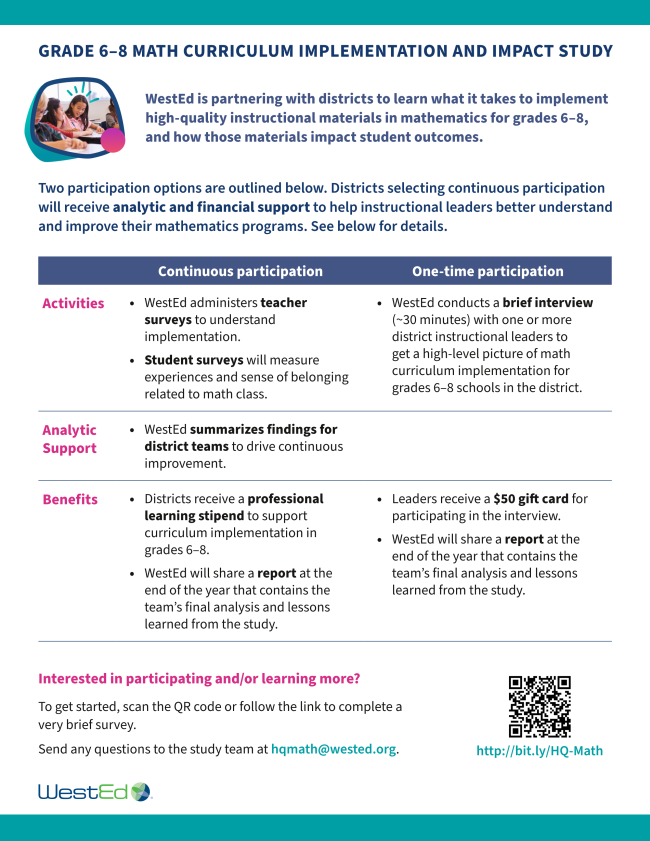
Calling all Middle School: WestEd Paid Research Opportunity


Sign Up to engage with the High Quality Math Curriculum Implementation Study at http://bit.ly/HQ-Math


Check out other important upcoming national and WI math events.

Register for WMC Annual Conference 2026: May 6-8th in Green Lake


Brewers Math Day


NCSM Virtual Coaching Labs (Free for NCSM Members)


Just Equations Math Conference: Free & Virtual April 15 & 16


For more information, contact Matt & Molly


matt.hayden@cesa2.org

molly.rilling@cesa2.org

Want More CESA 2 Resources?

CESA 2 offers a variety of resources to serve our educators throughout Southern Wisconsin. We have a variety of workshops, webinars, and other services to meet your needs best. Visit our website at cesa2.org and our professional development calendar to access additional resources.


If there is something you'd like CESA 2 to offer or if you'd like any sort of workshop to be offered in your district, please contact Tracy Elger at tracy.elger@cesa2.org.


Note: CESA 2 does not sponsor or endorse any external resource or event here. They are provided for your consideration.

 
Facebook  X  Instagram  LinkedIn  YouTube  TikTok