|
Dear Health Gap Community:
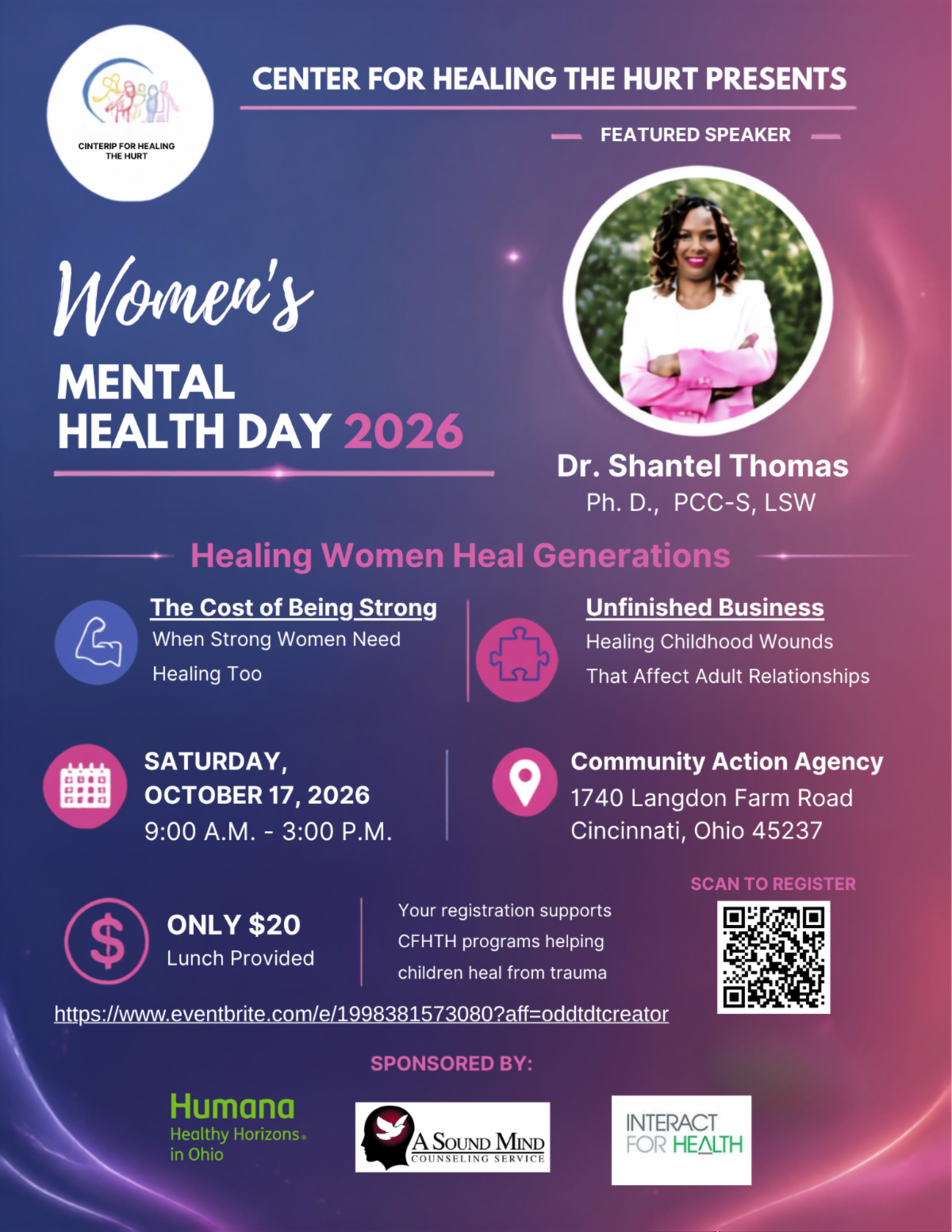
We have two exciting events coming up that you will not want to miss.
First, join us tomorrow, October 10, at 10am for our Caregivers Support Series event in Forest Park. In the video below, I share a personal reflection about caregivers, and I encourage all of you who navigating that journey to attend.
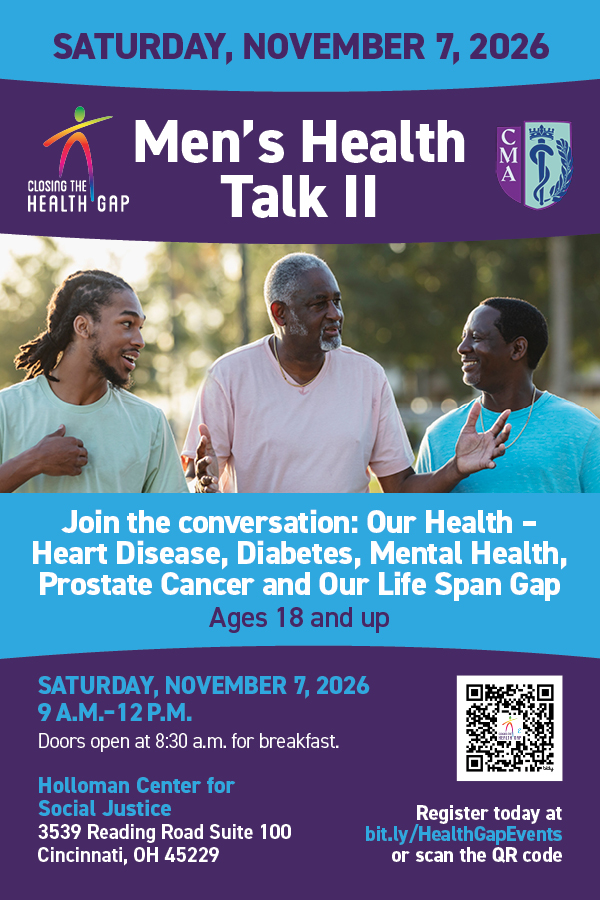
Also, please mark your calendars for our Men's Health Talk on November 7. Join local physicians and men of our community to discuss critical Health topics impacting the life expectancy of Black Men in our region!
Stay healthy, engaged, and supported with the Health Gap! We Must Save Us! Blessings to all of you for a safe and healthy week ahead.
Renee Mahaffey Harris, MPH
President & CEO
| | |
HHS cuts minority health budget for RFK Jr.’s security
In a controversial move, the Department of Health and Human Services has slashed $12 million from its Office of Minority Health to help cover rising security costs for Health Secretary Robert F. Kennedy Jr., according to The Wall Street Journal. The Journal cited people familiar with the matter and a document it reviewed.
The move has drawn sharp criticism from the leaders of the congressional Black, Hispanic and Asian Pacific American caucuses. There’s no explanation for why the funds were cut earlier this year, yet no one — not even the members of Congress who appropriate the funds — made this information public before this month.
The cuts also come as the office, created in the 1980s to address racial health disparities such as high Black infant mortality, is also cutting grant funds programs that support health programs for Black Americans and HBCUS. In August, HHS notified 16 nonprofits and universities that it had canceled their grants, citing “limited” funding and new priorities.
| |
Heart Disease Gaps Persist Despite Overall Declines
Despite sustained declines in overall cardiovascular disease mortality in the U.S., disparities based on race, ethnicity and place still persist, with mortality varying far more across counties than states, according to a county-by-cause-by-population analysis published in JACC, the flagship journal of the American College of Cardiology (ACC). Cardiovascular disease is the leading cause of death around the world. In the United States, it is a major contributor to mortality and health disparities, with mortality rates varying widely across racial and/or ethnic groups. Public health efforts to educate the public on prevention and treatment have helped to reduce death rates, but the decline has slowed over the last 15 years.
The new analysis explores county-level cardiovascular disease mortality considering race and/or ethnicity and cardiovascular disease cause of death. Researchers estimated age-standardized mortality rates (ASMRs) for five racial and/or ethnic groups across 3,110 counties and 21 causes of cardiovascular disease death from 2000 to 2019 using death certificate data from the U.S. National Vital Statistics System.
|
Closing the Diagnostic Gap: Why Access to Allergy Care Isn’t Equal
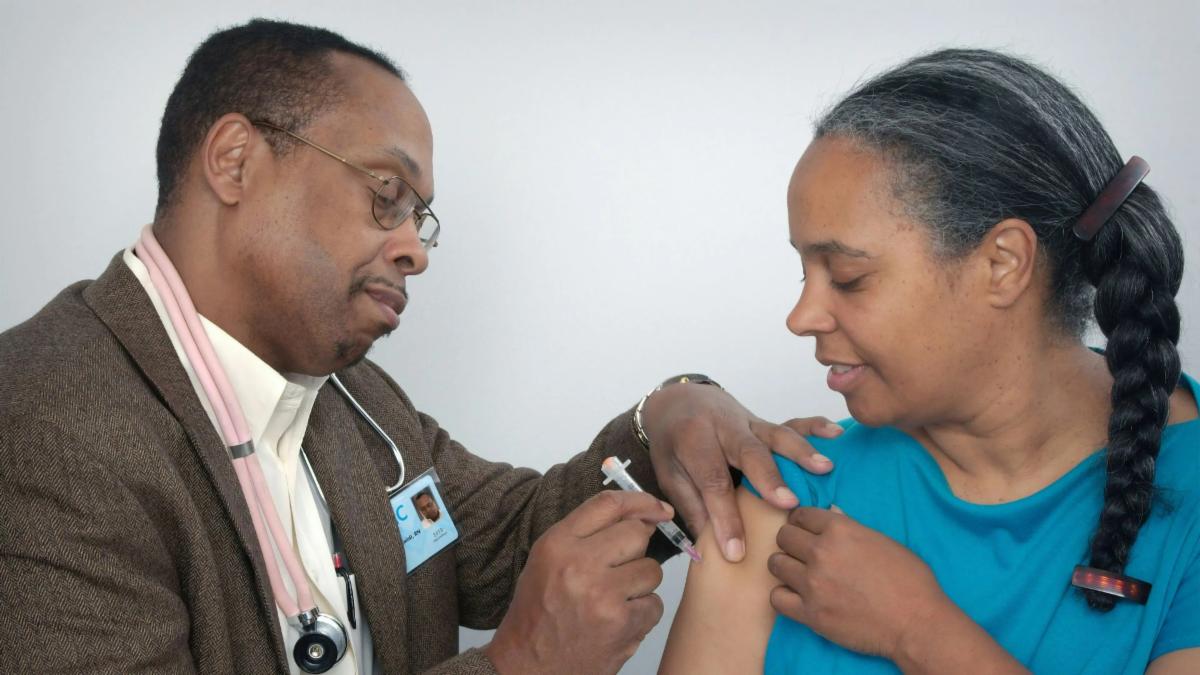
More than 50 million people in the U.S. live with some form of allergic disease, but the workforce equipped to diagnose and manage it hasn’t kept pace. The Association of American Medical Colleges’ most recent workforce projections estimate a shortfall of up to 5,500 specialists, including allergists, by 2036, assuming continued investment in graduate medical education, with steeper shortfalls likely without it. Nationally, the median wait time for an allergy and immunology specialist consultation has been reported at 178 days, with only 17% of urgent cases being seen within the recommended timeframe.
That supply problem doesn’t land on every patient equally. The Institute for Healthcare Improvement’s Triple Aim framework, since expanded into the Quintuple Aim, evaluates a health system by its per capita cost, population health, and patient experience of care, along with two additions: the well-being of the healthcare workforce and the advancement of health equity. Applied to allergy care, that last dimension exposes a problem the first four alone would miss. Rural patients, Medicaid enrollees, and patients from underrepresented racial and ethnic groups are more likely to go undiagnosed, more likely to be misdiagnosed, and more likely to end up in an emergency department rather than an allergist’s office.
|
US Pharmacy Closures Are Hitting Racial Minority Communities the Hardest
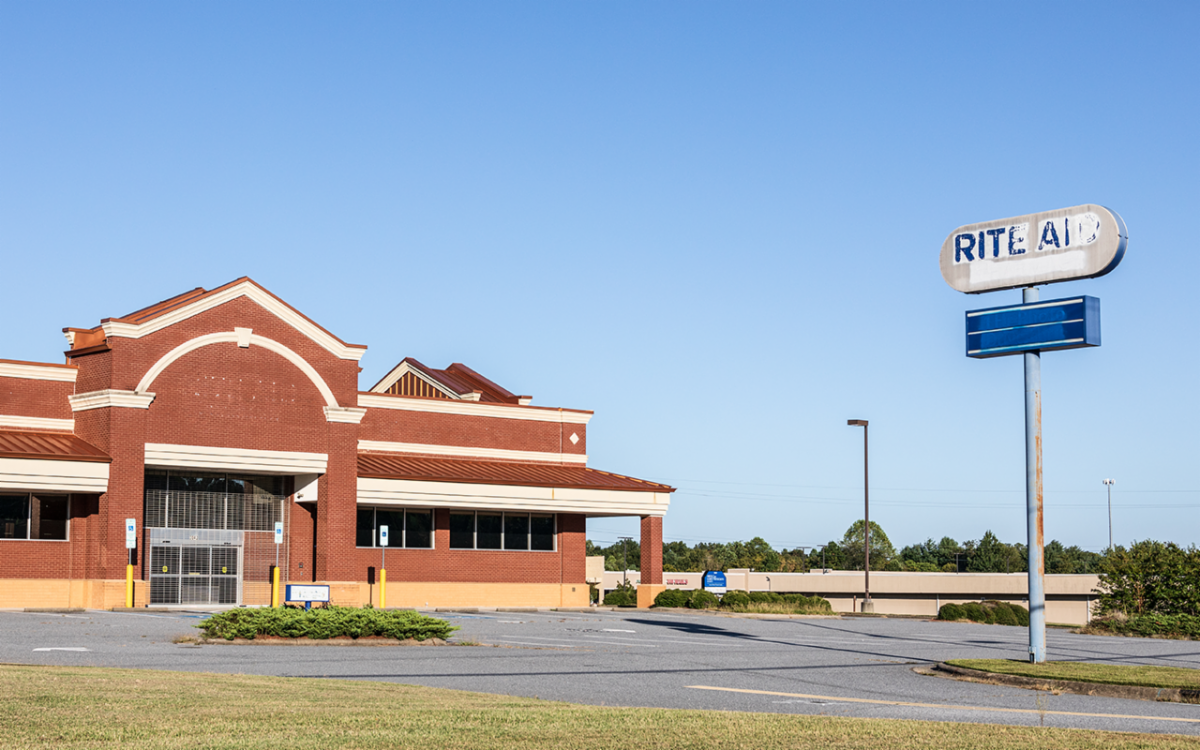
Pharmacies across the United States continue to close at a rapid rate, leaving millions of Americans in “pharmacy deserts,” where they lack convenient and reasonable access to the care these community health hubs provide. Past research indicates that nearly 1 in 3 pharmacies closed between 2010-2021, including more than 7,000 pharmacies since 2019.
A new study led by researchers at Boston University School of Public Health (BUSPH) shows that these closures are occurring disproportionately among communities with a majority of racial and ethnic minority residents.
Published in JAMA Network Open, the nationwide study found that predominantly White communities (defined by census block group) had more pharmacies than other racial and ethnic communities, both before and after the COVID-19 pandemic. Predominantly White neighborhoods had 15 percent more pharmacies per 10,000 people than neighborhoods with predominantly minority populations.
|
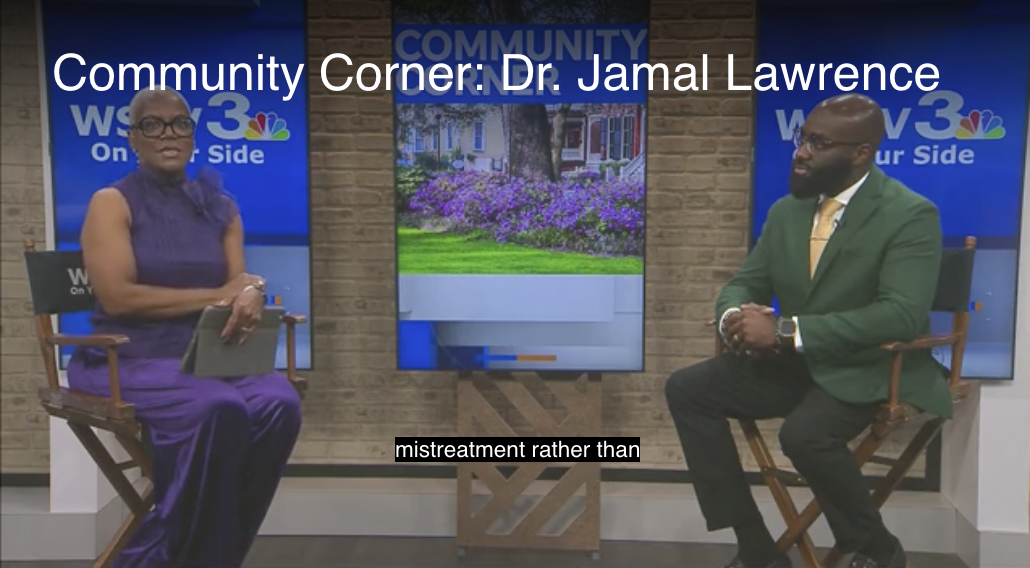
A conversation with Dr. Jamal Lawrence regarding the health gap and better outcomes for Black patients
Black Americans face persistent health disparities, including a shorter average life expectancy and significantly higher rates of chronic illness, maternal mortality, and barriers to quality care.
According to analyses from the Kaiser Family Foundation and the Office of Minority Health, these gaps are driven by structural inequities, socioeconomic barriers, and historical mistreatment rather than biological difference.
Dr. Jamal Lawrence, founder and CEO of Harvest Health MD, sat down with WSAV’s Kim Gusby to address some of these issues and solutions for better outcomes.
| | |
More Articles of Interest
JACC Journals, October 7, 2026
American College of Cardiology, October 7, 2026
Cureus, October 6, 2026
| | | | |