|
Plastics News Alert
A publication of the KIN Plastics in Humans Working Group
(Join the What'sApp Group here.)
| | Dr. Sarah McCue, Chair, KIN Plastics in Humans Expert Working Group | | |
Ways to protect our health from this global crisis
-- Join our Plastics in Humans Working Group...
-- Raise awareness among mothers and young adults that plastic particles are flooding our bodies.
-- Identify proven and emerging solutions to remove toxic plastic particles from the body.
-- Find biodegradable products that replace plastic, and agents that break down plastics using bacteria, etc.
-- Press for regulations that will protect our bodies, soil, water, and air from ingesting degraded toxic plastic.
| | Alain Chetrit, Co-Founder, Chairman, Knowledge Impact Network | | |
Knowledge sharing is the best way to counteract the plastics threat
"Mankind has raced recklessly to the very edge of a precipice. Our next steps must be carefully planned, using great wisdom and knowledge.
For they will decide if we follow a path to everlasting sustainability, vitality, and prosperity. Or if we plummet to unimaginable suffering and devastation.
We must find real solutions to the plastic pollution crisis that is impacting human health and the health of all living species."
| | | New plastics recycling video ... | |
"The Myth of Recycling Plastics Video"
Written by Bob Hogben and Sarah McCue; Produced by Jo Maxwell
| | | | |
Observations from our team
What Will Circular Economies Look Like?
Hello and thank you for watching our third in-depth video – our first on the urgent health crisis caused by ingestion and inhalation of degraded plastic particles as shown in this overview; recent compilation of headlines; and this twelve-minute master class on the myth of plastic recycling.
Mankind has raced recklessly to the very edge of a precipice. Our next steps must be carefully planned, using great wisdom and knowledge. For they will decide if we follow a path to everlasting sustainability, vitality, and prosperity. Or if we plummet to unimaginable suffering and devastation. We must find real solutions to the plastic pollution crisis that is impacting human health and the health of all living species.
Our priority is to share how we must transition to a circular economy. A truly circular economy will include the following principles:
- Transition rapidly to low carbon or renewable energy
- Minimize energy consumption
- Rethink every system and component to minimize environmental impact
- Maximize benefit by constantly regenerating natural systems
- Design products for longevity and so they can be reused, repaired and upgraded
- Use only non-toxic materials which are renewable or can be recycled continuously
- Only recycle as a last resort and in truly circular ways, design products to allow this.
- Keep production and consumption as local as possible
- Invest and scale systems to produce food using minimum land area, water and inputs
- Support locally produced food and systems that care for the soil
- Refuse to have unnecessary products – unless they are truly sustainable
- Maximize the use of fewer goods
- Share technology freely and support local knowledge and traditions
- Nurture sustainable startups
- Work collaboratively with industries and other nations
- Support workers who will have to change their professions
- Invest in all people and provide free education for everyone, everywhere
And, finally, we need to undertake an accurate inventory of all plastics in the world, wherever they may be, in whatever biotopes, including in people.
As legacy plastics fragment in the natural environment, toxicity continues to rise exponentially towards peak toxicity. This is called Toxicity Debt. We need to find ways to remove legacy plastics and to neutralize their toxicity.
Even if we find ways to cycle plastics, we must still use less. Living with plastics is high risk, they constantly degrade and shed dangerous toxic particles. Even if in the future we do find ways to truly cycle them, we must still reduce how much we use, to protect our health and the environment from contamination.
| | |
With gratitude!
To Payel, 12-year-old Skyler, and Joe Farasat
for helping to sponsor the video
| | |
"At home, we live beyond recycling.
As a family, we reuse, restore, and reduce plastics wherever possible.
We avoid food and water in plastic containers,
and the easiest thing we’ve done is
filter microplastics from our water
with a whole-house Reverse Osmosis system.
Awareness and action aren’t always easy,
but it’s important to do what we can.
Teaching the next generation to live intentionally
matters as much as holding industry accountable.”
| |
How Kids Can Protect Themselves
-- and Their Families --
from Microplastics
By Skyler Farasat
🛠️Skyler’s Hacks / Plastic-Free Starter List from Skye+Fam
| |
When people talk about pollution, they usually imagine trash floating in oceans or smoke in the sky. But there’s another kind of pollution that’s invisible, and it’s already inside us. It's microplastics, and they’re tiny pieces of plastic that come from plastic containers, packaging, clothing, and even the air we breathe and the water we drink.
When my parents told me that we eat about a credit card-sized amount of plastic every week, I couldn’t stop thinking about it. So, instead of feeling scared, our family decided to do something … starting right at home.
Here are a few small things that even kids can help with:
💧1. Filter your water.
We use a whole-house reverse osmosis (RO) system that filters out microplastics, PFAS, and other “forever chemicals.” I help refill our glass and copper bottles every morning, which look so pretty and taste so much better than water from plastic bottles! It’s one of the easiest ways to keep plastics out of our bodies: don’t drink it, bathe in it, or wash with it. And best of all, no more plastic water bottles cluttering the house or our recycling bin.
🧽2. Use less plastic in the kitchen.
We switched from those plastic sponges to bamboo dish brushes, real sponges, and cloth towels. When we pack snacks, we use metal lunchboxes (called tiffins in India) or beeswax wraps for snacks and leftovers. It’s actually fun to discover new, eco-friendly tools together. My friends always ask where I got mine!
👕3. Catch microfibers in the laundry.
Most clothes have polyester or nylon … and yes, those are both plastics. We use a Guppyfriend bag when we wash our clothes so those tiny fibers don’t go down the drain. I like to check what it catches — it’s weird but also kind of cool! We also try to wear more cotton and linen clothes whenever possible because natural fabrics shed less plastic.
🏡4. Grow something.
We plant herbs and flowers in clay or cardboard pots instead of plastic ones. Every time we water them I imagine how nature is saying “thank you.”
🧠5. Learn and talk about it.
Sometimes my friends ask, “Why do you care so much about this?” I was taught that tiny actions create big changes. When kids care, families listen. When families act, companies notice, and the world starts to change for the better.
🌿What I’ve Learned:
Protecting ourselves from microplastics isn’t about being perfect. It’s about being aware and awake to problems, yes, but also to new ideas and solutions. Every plastic bottle we skip, every glass jar we reuse, and every new habit we build sends a message.
If enough families do it, maybe one day we won’t have to worry about microplastics at all.
Until then, I’ll keep filling my glass bottle and reminding myself that small choices and tiny voices matter.
📚 To Learn More
• Kids Fight Plastic by Martin Dorey — has real kid challenges!
Editor's Note: Skyler Farasat is a 12-year-old author of five mindfulness books and an ardent environmental enthusiast. She writes about how kids can make a difference at home. Through her Skye+Fam stories, she’s explored how small actions at home can ripple into big change for our planet. This time, she wanted to tackle something closer to all of us — the invisible plastic that’s finding its way into our food, water, and even our bodies.
| |
Innovative cleanup technologies, improved detection methods, and individual exposure reduction strategies lead solutions for plastics threat
While conclusive epidemiological evidence on human harm is still developing, the urgency is driven by findings that nanoplastics can enter cells and even cell nuclei, potentially cause inflammation and DNA damage, and may increase the absorption of other environmental toxins.
Here is a summary of the leading solution developments:
1. New Cleanup & Remediation Technologies
Researchers are developing highly efficient methods to extract microplastics and nanoplastics from water and the environment before they enter the human food chain:
- Waste-Based Activated Carbon Filters (94% Efficiency): Researchers at the University of Waterloo have developed a technique to convert waste polymers, specifically epoxy, into activated carbon. This material has shown 94% efficiency at physically trapping and removing nanoplastics from contaminated wastewater, with potential for municipal scaling.
- Biodegradable Foam Filters (99.9% Efficiency): A team at Wuhan University created a unique foam from inexpensive natural materials (chitin from squid bones and cellulose from cotton) that can remove up to 99.9% of microplastics from various water sources. This foam is highly reusable and biodegradable.
- Self-Regulating Hydrogels: Innovative materials are being designed to autonomously collect microplastics. One recent example uses a buoyancy-driven hydrogel that captures particles underwater and uses chemical reactions to float them to the surface for easier skimming and collection, potentially for deep-water cleanup.
- Egg White Aerogels: Princeton University researchers turned egg whites into a lightweight, porous aerogel that can remove microplastics with 99% efficiency from seawater, offering a potentially cheap and scalable filtration method.
- Bio-remediation and Enzymatic Degradation: Research continues to identify and engineer plastic-degrading enzymes and microbial consortia to break down persistent plastics like PET and polyethylene in the environment.
2. Advanced Detection and Measurement Tools
A major obstacle to solving the health crisis is the inability to consistently and quickly measure nanoplastics. New tools are addressing this:
- OM-SERS Technique: An innovative setup combining Optical Manipulation and Surface-Enhanced Raman Scattering (OM-SERS) uses laser and gold nanoparticles to rapidly aggregate, identify, and quantify nanoplastics in small samples. This is a breakthrough for testing complex materials like soil, plant tissues, and human biological samples, promising to accelerate toxicology research.
- Portable Devices: Research teams are developing user-friendly, portable devices to "democratize" the measurement of microplastics, making it easier for scientists and regulators to track the pollution globally.
3. Individual and Policy-Based Exposure Reduction
While cleanup scales up, the consensus among public health experts is on immediate preventative measures:
- Avoid Heating Plastic: The primary advice is to avoid exposing plastic polymers to heat, as this accelerates degradation and leaching of microplastics. This includes not microwaving food in plastic, avoiding plastic cooking utensils, and using glass or stainless-steel for hot beverages and food storage.
- Address Fabric and Cosmetics: Individuals are advised to use more natural fibers for clothing and bedding to minimize microfiber inhalation, and to check cosmetic labels for polymer names like polyethylene or polypropylene.
- Systemic Prevention: On a larger scale, solutions are focused on source reduction. Policymakers and industry leaders are pushing for:
- Eliminating Single-Use Plastics (backed by a 2022 UN resolution for a global legally binding treaty).
- Mandating Microfiber Filters on washing machines to stop pollution from synthetic clothing.
- Innovation in Packaging and materials science, favoring biodegradable and compostable alternatives like chitosan or plant-based bioplastics.
| | US EPA says microplastics found in every ecosystem on the planet | | |
Plastics have become pervasive in natural and built environments, causing concerns about how they can potentially harm humans and the environment. EPA researchers define microplastics, or MPs, as plastic particles ranging in size from 5 millimeters (mm), which is about the size of a pencil eraser, to 1 nanometer (nm). For comparison, a strand of human hair is about 80,000 nanometers wide.
Primary microplastics are intentionally manufactured in small sizes for their use in consumer products, such as cosmetics or biomedical products. Secondary microplastics are plastic particles that break down from larger plastic materials, such as food wrapping, tires and synthetic textiles.
Microplastics are likely to degrade into smaller nanoplastics through chemical weathering processes, mechanical breakdown, and even through the digestive processes of animals. Nanoplastics, or NPs, are a subset of microplastics and they are smaller than 1 µm (1 micrometer or 1000 nm). Nanoplastics cannot be seen by the human eye.
Microplastics have been found in every ecosystem on the planet, from the Antarctic tundra to tropical coral reefs, and have been found in food, beverages, and human and animal tissue. The wide range of particle sizes, densities, and compositions pose a challenge for researchers because there is not a single method that can be used to characterize the wide variety of micro and nanoplastic particles.
There is a pressing need to develop and standardize collection, extraction, quantification, and identification methods for micro and nanoplastics to improve reliability, consistency, and comparability across studies. These methods are needed across medias such as sediment, surface water and aquatic species.
Read article ...
| |
Study says MNPs can cross cell barriers reaching reproductive organs, placenta and brain
| | |
As evidence demonstrating the presence of micro- and nanoplastics (MNPs) in the human body accumulates, so do concerns about their potential health impacts.
Multiple factors determine the properties and behavior of MNPs—including polymer type, size, shape and the presence of a biocorona, among others—which place high demands on analytical methodology and tools for assessment of potential adverse health effects.
Experimental models have shown that MNPs can cross cell barriers in the human lung and intestine and reach systemic circulation and subsequently tissues such as reproductive organs, placenta and brain.
Early clinical findings indicate that MNPs may be associated with adverse health outcomes, including immune modulation, reproductive effects and cardiovascular effects. However, these studies typically suffer from low patient numbers and inadequate MNP exposure assessment, which precludes adequate risk assessment.
Still, outcomes from animal and cell-based analyses generally support the preliminary clinical findings. To conduct more robust human studies, maturation of methods for exposure and effect assessment are crucial. Addressing these challenges will improve scientific research on the health impact of MNPs, which is urgently needed.
| | Microplastics are everywhere. You can do one simple thing to avoid them. | | |
The biggest sources of microplastics have one thing in common, scientists say.
If you are concerned about microplastics, the world starts to look like a minefield. The tiny particles can slough off polyester clothing and swirl around in the air inside your home; they can scrape off of food packaging into your take-out food.
But as scientists zero in on the sources of microplastics — and how they get into human bodies — one factor stands out.
Microplastics, studies increasingly show, are released from exposure to heat.
“Heat probably plays the most crucial role in generating these micro- and nanoplastics,” said Kazi Albab Hussain, a postdoctoral researcher at the University of Nebraska at Lincoln.
Pour coffee into a plastic foam cup, and pieces of the cup will leach out into the coffee itself. Brew tea, and millions of microplastics and even tinier nanoplastics will spill from the tea bag into your cup. Wash your polyester clothing on high heat, and the textiles can start to break apart, sending microplastics spinning through the water supply.
Read article ...
| | Microplastics are brought into the wilderness on hiking shoes and gear, study shows | | |
Research comparing Adirondack mountain lakes in New York suggests foot traffic is significant source of pollution
Hiking shoes and outdoor gear are probably a significant source of microplastic pollution in the wilderness, new research that checked for the pernicious material in several Adirondack mountain lakes in upstate New York suggests.
Researchers measured microplastic levels in two lakes that are the among highest sources of water for the Hudson River – one that sees heavy foot traffic from hikers, and another lake that is far away from a path and rarely touched by human activity.
The samples from the lake that sees heavier foot traffic showed levels that were about 23 times higher.
Soft-soled trail shoes and synthetic clothing “appear to be significant contributors to microplastics finding their way into these remote, otherwise pristine waters”, said Tim Keyes, a Sacred Heart University data scientist, who independently worked on the project with his company, Evergreen Business Analytics, and the Adirondack Hamlet to Huts non-profit.
Read article ...
| |
Biodegradable Plastic Made from Bamboo Is Stronger and Easy to Recycle
Good News Network has reported previously on how versatile bamboo is for construction and craft, so it maybe shouldn’t be a surprise that researchers in China have found a way to turn this miracle plant into plastic.
While many biodegradable materials have already been developed for replacing lighter, flexible plastic, durable or rigid plastic replacements are few. The kinds of plastic used for tools, car interiors, and appliance exteriors have few if any biodegradable replacements.
Enter Dawei Zhao at Shenyang University of Chemical Technology in China’s far northeast, who has developed a method for turning cellulose from bamboo into a rigid yet biodegradable plastic that outperforms not only alternative biodegradable options, but plastic itself for mechanical strength and thermo-mechanical properties.
“Bamboo’s rapid growth makes it a highly renewable resource, providing a sustainable alternative to traditional timber sources, but its current applications are still largely limited to more traditional woven products,” Zhao told New Scientist.
His method takes cellulose from bamboo and subjects it to zinc chloride and a simple acid to break up the complex polysaccharide bonds that hold this plant fiber together. Next they add ethanol into the soup of smaller molecules, and from that derive a plastic for use in injection, molding, and machining manufacturing techniques.
One major drawback is the bamboo plastic’s inflexibility, which limits its incorporation into the full gamut of products that petroleum-based plastics can fulfil. On the other hand, however, these are often the plastics that remain in the ecosystem longest, and are the hardest to recycle. Therefore, replacing them still represents a valuable contribution to reducing the overall plastic burden in the environment and waste streams.
Read article ...
| |
California Sues Plastic Bag Makers, Alleging Shoppers Deceived Over Recycling
Most companies selling plastic bags in California are misleading consumers about whether their bags are ultimately recycled, Attorney General Rob Bonta alleged in a lawsuit.
He brought the suit against Novolex, Inteplast, and Mettler, alleging violations of environmental marketing claims, false advertising and unfair competition laws. None of the companies responded immediately to requests for comment.
The suit said Bonta’s investigation included a statewide survey to verify whether recycling facilities accepted plastic bags for recycling, and only two claimed to accept the bags, but couldn’t confirm if they were actually recycled.
“Even when consumers have properly disposed of these bags, they’ve overwhelmingly not been recycled in California,” Bonta said. “The thing is, producers knew, or should have known this fact years ago.”
Read article ...
| |
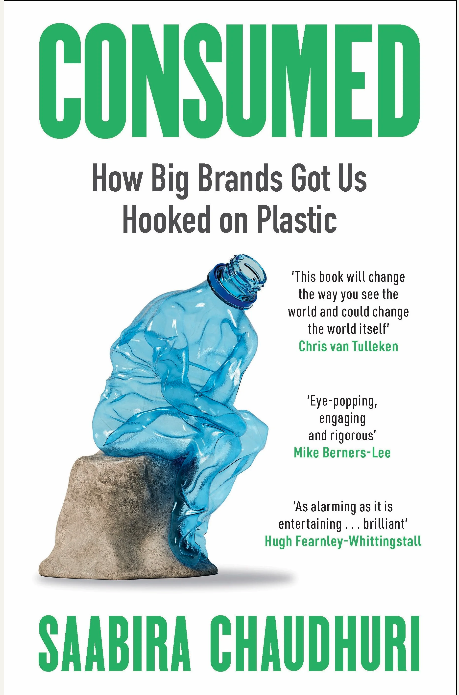
How Big Brands Got Us Hooked on Plastic
Plastics are everywhere, and for decades we’ve been told the same story: just recycle and everything will be fine.
In Consumed, Saabira Chaudhuri shows us how that story was never true. Recycling, she argues, was never a legitimate solution to our consumption problem. Instead, it was sold to the public as a convenient narrative—at best naïve, at worst intentionally misleading—allowing corporations to keep us hooked on disposability while appearing responsible.What makes this book so powerful is its scope. Chaudhuri doesn’t just describe the plastic crisis as it exists today; she traces it back to its roots.
She reveals how corporations and industry groups used PR campaigns to defuse public backlash as far back as the 1980s, rebranding failed or ineffective solutions as new ideas, and ensuring that real change never took hold.
Along the way, she connects plastic to larger issues of overconsumption, health risks, and the cultural addiction to convenience.
Read article ..
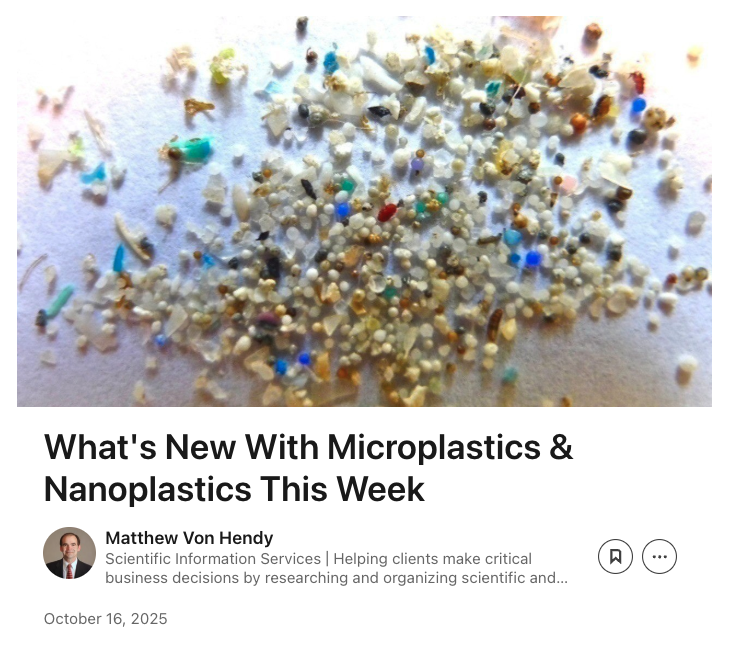
| | Inspiring Newsletters We're Reading ... | | Read Matthew Von Hendy's newsletter here ... | | |
As advisors to Earth05, KIN is pleased to inform you about this extraordinary Summit
of C-Suite executives curious about the future of AI.
| | |
From Our Sponsor
... with the compliments of Philippe Chetrit
| | |
Too healthy to be a shake.
Too good to be a smoothie.
| | |
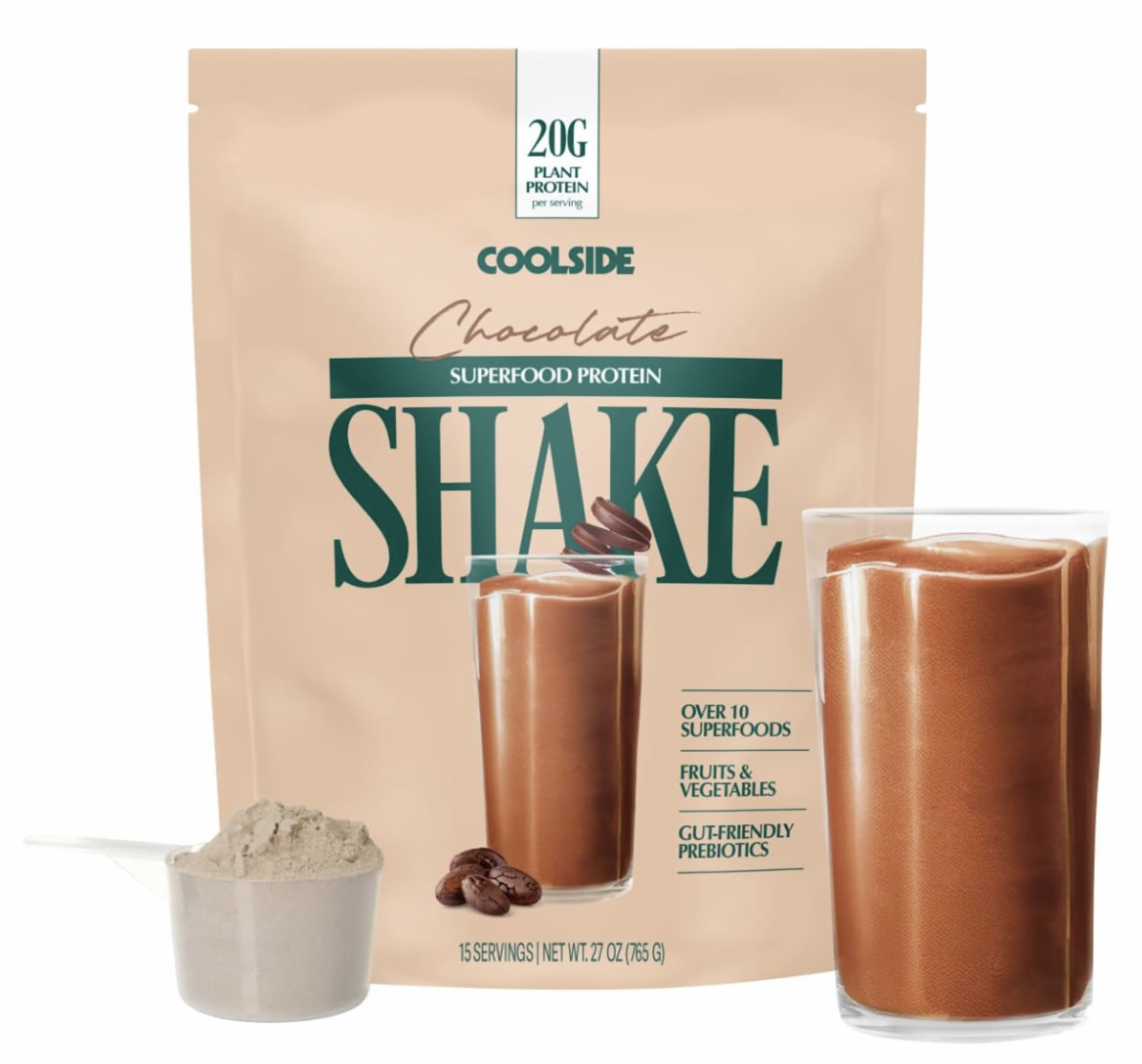
Coolside Superfood Protein tastes like a treat, but fuels like a plan.
Packed with plant protein, prebiotics, and real superfoods, served in 3 indulgent flavors - chocolate, vanilla and strawberry. They’re built to keep you energized, smiling, and moving through real life — with real strength.
Plant protein. Superfoods. Prebiotics.
Nothing extra, nothing complicated — just simple, indulgent, powerful fuel for everyday movers.
Available only in the United States, and with every order Coolside will make a donation to KIN.
Pick your flavor here.
| | |
Remember to watch
"The Myth of Recycling Plastic Video" here
| | |
About The Knowledge Impact Network:
Dedicated to repurposing and redistributing knowledge -- one of the world’s most underutilized assets -- the Knowledge Impact Network is a nonprofit organization founded in 2020 by a group of impact-driven YPO members.
KIN showcases leading experts and their initiatives to accelerate scalable social impact.
| |
KIN Plastics in Humans Working Group curates some of the most informative news updates on the plastics crisis and amplifies the work of the leading experts in the field.
Read our previous newsletters here.
| |
And congratulations to Alain Chetrit
for being inducted into the DC Dealmakers Hall of Fame!
| |
Knowledge Impact Network™ is a 501(c)(3) tax-exempt
organization. FEIN number is 85-3426545
| | | | |