December 8, 2020
Top stories
QUESTION OF THE DAY
Do you believe journalists should get early access to the COVID vaccine?
Yes, frontline journalists in the field
Yes, all journalists
I'm not sure
No
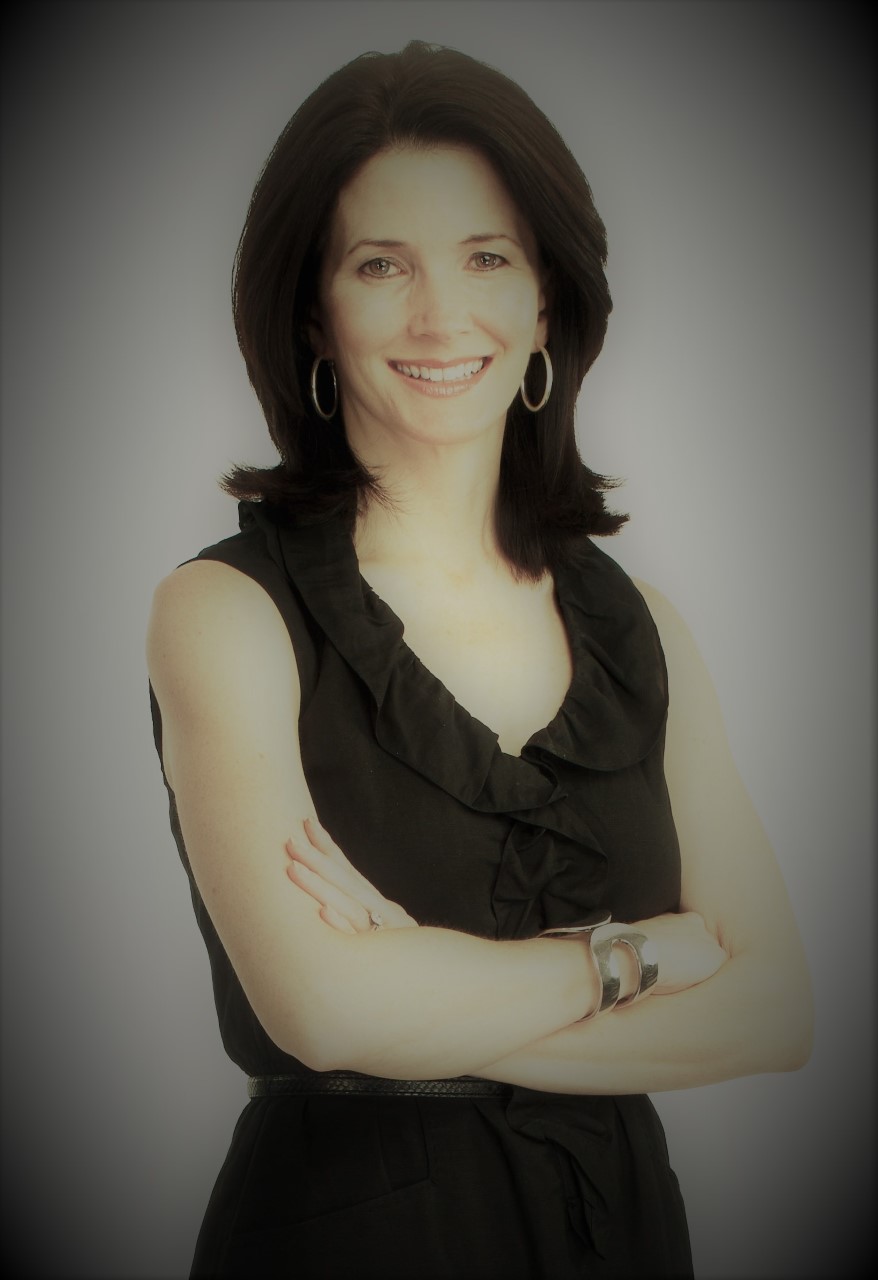
A common misconception about Southern voters, says political reporter Patricia Murphy, is that they are “not informed and sophisticated.” 

“They are voting in what they consider their best interests, even if that’s different from what an assignment desk in New York thinks it should be,” said Murphy, who joined the Atlanta Journal-Constitution’s politics team after a reporting career at CQ Roll Call, the Daily Beast, AOL News, and Georgia Public Broadcasting. 

With her feet on the ground in Georgia as it gears up for a closely watched runoff election on Jan. 5, the veteran reporter is appreciating the change. “This is the first time I’ve ever been able to ask myself, ‘What do voters need to know about this to make their decisions?’ and have that be my story,” Murphy said. The runoff will determine whether Republicans or Democrats will take control of the Senate — and how the balance of power will influence president-elect Joe Biden’s ability to execute his agenda.

We reached out to Murphy in an email interview to learn about her transition from Washington, D.C. to Georgia during the pandemic, and about how covering this election season has been different. 

You recently joined the AJC politics team. What has it been like starting a new role during the pandemic? How are you approaching developing new sources on a new beat during a pandemic?

Murphy: I did all seven of my job interviews for the AJC, as well as all of my onboarding, and have met nearly all of my new colleagues exclusively on Zoom calls. 

That process has taught me that all things are possible during COVID, even if all things are not perfect. I’ve used that mindset with source development, too. With a select few sources and stories, I try to meet in person, always outside, because face-to-face meetings just work so much better. But mostly we’re all trying to be on Zoom and flexible with each other and it’s working. 

As a journalist who has covered Senate races before, what are you discovering now for the first time? 

Murphy: It’s not the first time, but this year the level of voter distrust seems wildly intensified. That means that everything we do, especially on social, needs to be thoughtful and 100% accurate. I’ve always tried to be meticulous in my reporting, but this is a level of scrutiny that I have not experienced before.

As an Atlanta native, what are you looking forward to the most about covering the Senate runoff and Georgia politics? Coming from D.C., what have been the biggest challenges or misconceptions about covering this story?

Murphy: As an Atlanta native, this is the closest I’ve ever come to truly providing a service to readers through my reporting.  

In national newsrooms, the emphasis has been on beating the competition, scoops, and moving the ball on a story incrementally down the field, since so many people are covering the same beat. 

This is the first time I’ve ever been able to ask myself, “What do voters need to know about this to make their decisions?” and have that be my story.

The biggest misconception about Southern voters, having worked in DC and NY newsrooms, is that Southern voters are not informed and sophisticated. They are voting in what they consider their best interests, even if that’s different from what an assignment desk in New York thinks it should be.
 
The president is outwardly attacking the GA Governor and Secretary of State, which some Republicans fear will impact the runoff results. How can journalists help keep the public informed without adding to the controversy? Have you seen something like this before?  

Murphy: The only thing journalists can do is tell the truth, over and over and over, in every forum possible. Many voters are making their choices based on a different set of facts and from completely different news sources, or literally fake news sources, but there’s nothing we can do but follow the facts, know the facts, and report the facts. 

Before your career in journalism, you were a staffer for three different senators. Can you talk about how this prepared you for reporting on politics? 

Murphy: Working in the Senate gave me a great insight into what happens behind the scenes - what are the considerations, who is making the calls, what are the pressures that elected officials face that we never know about from the outside?

I think it also gave me the experience of feeling like my bosses were occasionally treated unfairly by the media, or a reporter had cut corners covering my boss, and I decided I would do it differently if I ever had the chance.

Read our Q&A with AJC Washington correspondent Tia Mitchell, who shared her thoughts on covering the runoff from D.C.
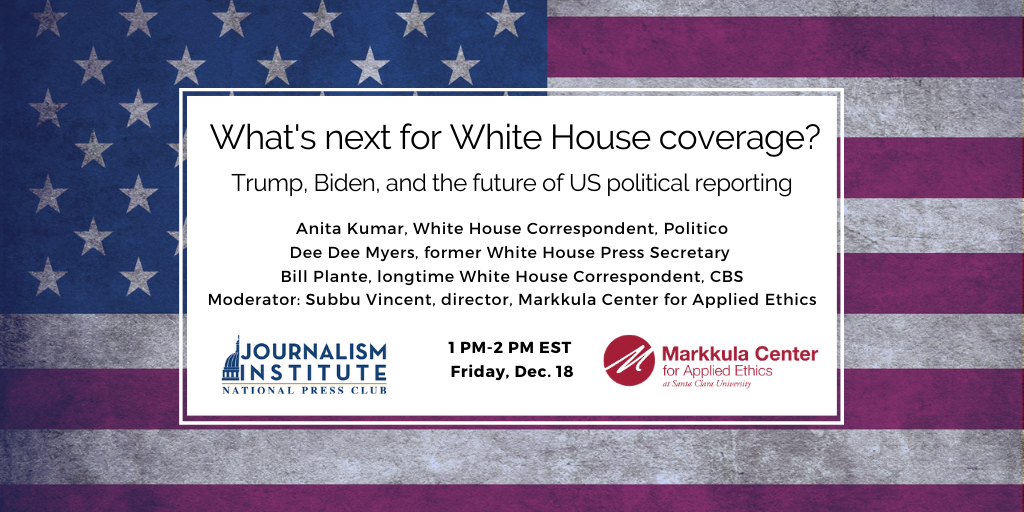
As president-elect Joe Biden prepares to lead a deeply divided country, what’s next for White House coverage? What can past coverage and recent experiences teach us about envisioning a better future for how journalists cover the president, and how Americans understand the United States?

Register now for this program, a partnership between the National Press Club Journalism Institute and the Markkula Center for Applied Ethics at Santa Clara University, which will address these topics.

Date: Friday, December 18, 2020
Time: 1 p.m. – 2 p.m. EST / 1 a.m. – 11 a.m. PST

Joining us with lessons from their firsthand experiences with the White House press corps are current Politico White House Correspondent Anita Kumar, former White House Press Secretary Dee Dee Myers, and longtime CBS White House Correspondent Bill Plante. The program will be moderated by Subbu Vincent, director of Journalism and Media Ethics at the Markkula Center for Applied Ethics.
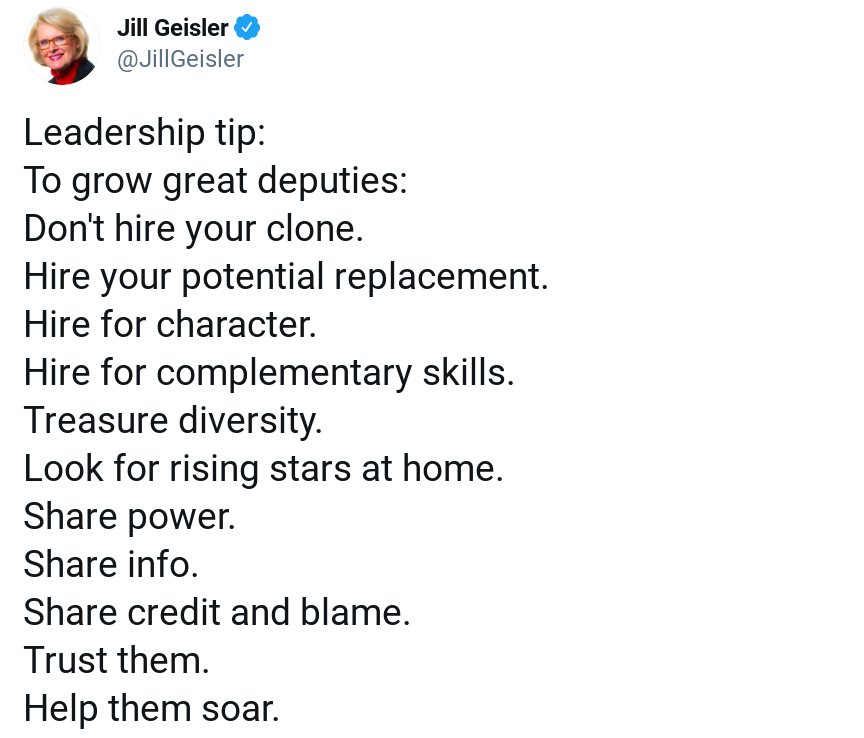
A leader’s job is to help others succeed. That work includes hiring, coaching, and promoting your successor. Identify a true partner and entrust them with true authority. Watch them grow your collective impact while expanding their reach. Then when it’s transition time, your organization and team will have the benefit of continuity and change.

Advice from Jill Geisler, Bill Plante Chair in Leadership & Media Integrity, Loyola University Chicago, Freedom Forum Fellow in Women’s Leadership

Click here to read Jill’s previous posts.
The next generation of journalists graduated in 2020 into a challenging job market unlike any other. We spotlighted them this summer, shared advice from their role models, and are checking in with them this month to see where they are now and what they’re learning about journalism. 

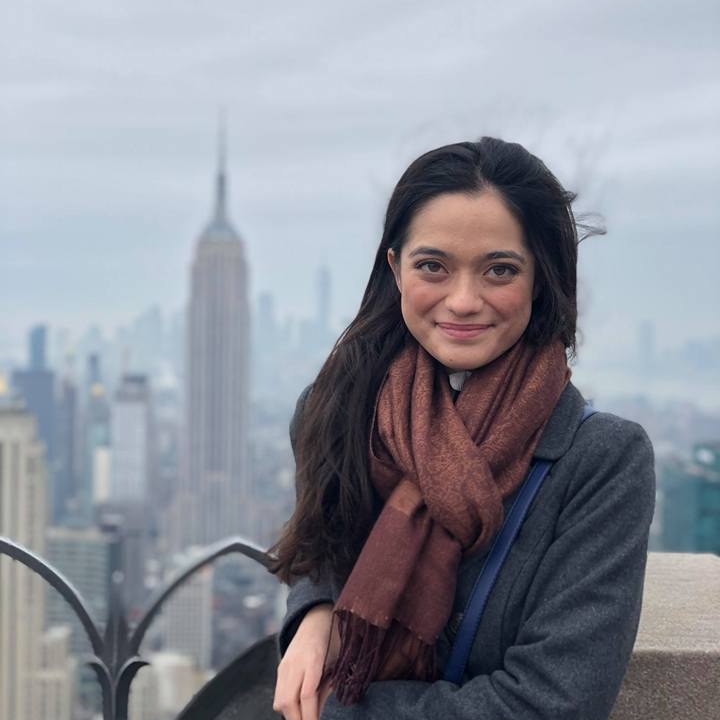
School: American University
Current job: Social Media Editor, Foreign Policy magazine 
New wackiest story: Explaining the Chilean term “facho”

Where are you working right now?

Kimball: Currently I'm a full-time Social Media Editor at Foreign Policy magazine. I'm also a freelance multimedia journalist with commissioned photography and feature reporting in local and international publications.

What’s the biggest lesson you’ve learned on the job search?

Kimball: Tenacity, grit and enthusiasm are rewarded. It makes you a better leader and journalist. Also, as you report, always ask yourself: Who isn't in the room? Who hasn't shared their voice on this beat, topic, or news peg? What person, place or thing has the most to lose? Answer those questions, and you'll find yourself deep into an underserved take that many readers will appreciate. 

What’s been your best moment in journalism since graduation?

Kimball: My best moment in journalism since graduation was winning a Front Page Award this past October for work I had done on Instagram to promote Foreign Policy's Fall print edition. It was the first time that it was awarded to a social media product instead of a graphics team. I have had many incredible opportunities since then to be enterprising and creative in my work, helping translate wonky international arguments into fresh digital experiences for a global social media audience. I'm also proud to have been invited as a guest by professors at the University of California Irvine and American University in Washington, D.C., to discuss audience editing and freelance reporting with college journalists.

What do you wish you had learned as a student that you’re learning on the job?

Kimball: I wish I had learned more of the art of cold-pitching and acquiring editor contacts (it should be a constant assignment in every J school class). Also, it's an essential skill to be able to explain why a newsroom should pursue a specific story, series, product, or audience initiative—and to do so with KPI and ROI in mind. Data-driven decision-making is an important skill to acquire, too. Learn SEO!

Have your journalism goals changed since graduation, and if so how?

Kimball: Not particularly! I am anchored in the mission to make the media industry a better place for both journalists and the readers they serve. Like I had mentioned above, I try to answer these questions both in my newsroom leadership and in my reporting/photography: Who isn't in the room? Who hasn't shared their voice on this beat, topic, or news peg? What person, place or thing has the most to lose? In taking these questions to heart, I'm excited about the prospect of contributing to many worthwhile innovations, projects, and reports in what I'm hoping will be a lifelong career.

What’s the NEW wackiest story you’ve ever worked on?

Kimball: I had the terrific opportunity to exercise my bilingual reporting chops to write a "Decoder" for Foreign Policy magazine. In it, I explained the local colloquial phrase "facho" to explain Chile's history of fascism and its political and cultural implications ahead of their constitutional referendum in October. The piece ended up being hand-picked by editors at Apple News and kicked off a syndication partnership. I'm proud of the fact that every source was Chilean.

How are you taking care of yourself and staying motivated right now?

Kimball: It's been important for me to take care of my health first and foremost: Eating well, sleeping well, being active, and hydrating properly. It's been essential for me, also, to find the helpers and the mentors among work colleagues—the ones who have my growth in mind. 

This newsletter is written & edited by the National Press Club Journalism Institute staff: Beth Francesco, Holly Butcher Grant, and Julie Moos. Send us your questions and suggestions for topics to cover.

Get this from a friend? Subscribe, and view the archives.