Note from the Executive Secretary

Dr David Freestone
Executive Secretary

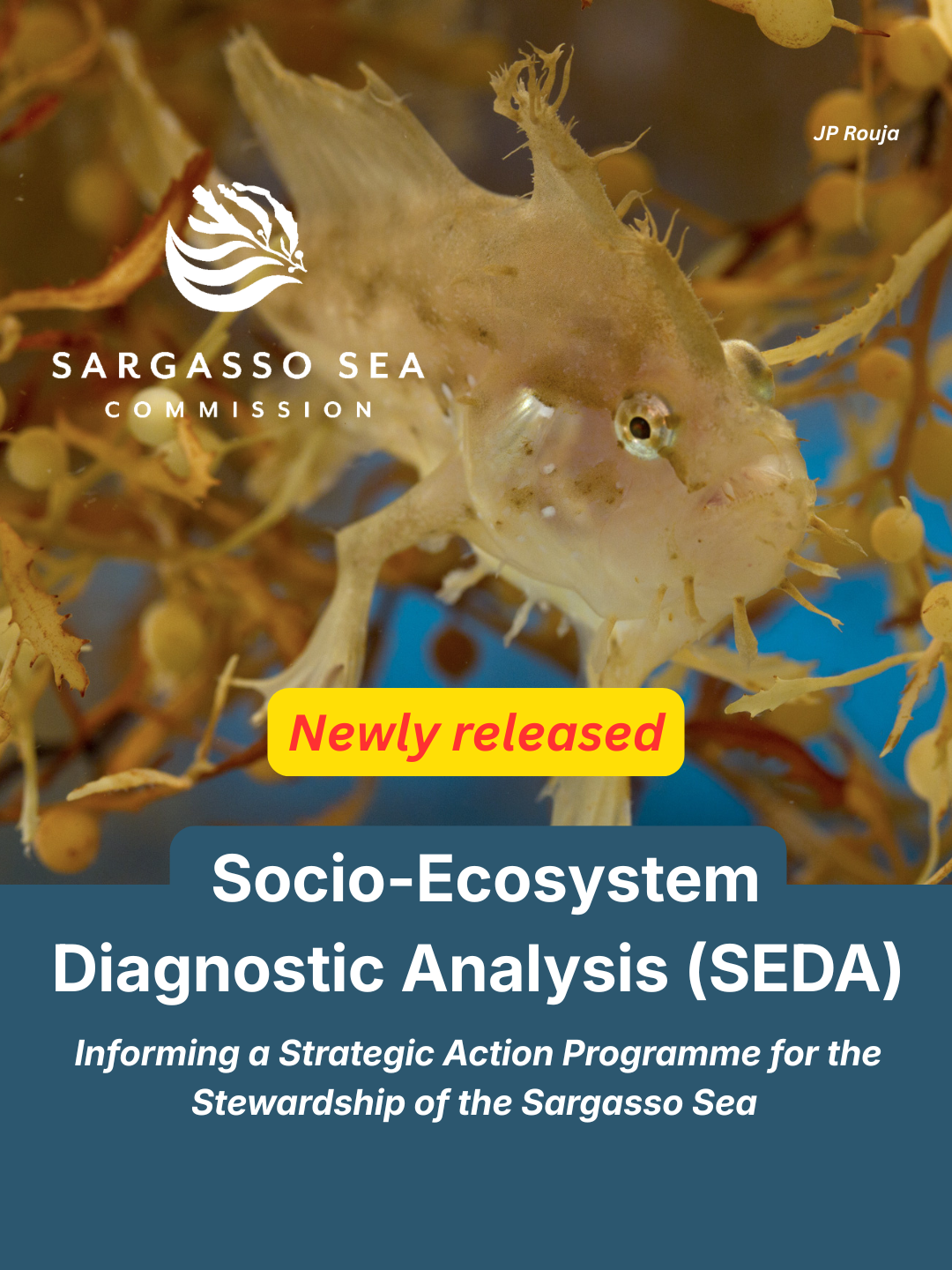
During World Ocean Week the Sargasso Sea Commission was proud to release its Socio-Ecosystem Diagnostic Analysis (SEDA) for the Sargasso Sea, the first study of its kind for a high seas ecosystem. This groundbreaking publication has been more than four years in the making. It is the result of collaboration between subject matter experts, governmental representatives, intergovernmental organisations, industry, civil society, and more. It will form the basis for the negotiation of a Strategic Action Programme for the ongoing conservation and stewardship of the Sargasso Sea.


Also on World Ocean Day, the Third United Nations World Ocean Assessment was released. The Sargasso Sea has had a dedicated chapter in all three reports.


Comprehensive Socio-Ecosystem Diagnostic Analysis (SEDA) for the Sargasso Sea released

The Sargasso Sea Commission has released its groundbreaking ‘Socio-Ecosystem Diagnostic Analysis’ (SEDA), the first of its kind for this iconic high seas ecosystem.


Edited by Dr David Vousden, the SEDA is a culmination of more than four years of work with contributions from over 25 experts.


It was produced with the support of the UNDP-GEF Sargasso Sea Stewardship Project, a part of the FAO-led Common Oceans Program, and the French Facility for Global Environment’s five-year ‘SARGADOM’ project.


The SEDA will form the basis for negotiation of a Strategic Action Programme for the ongoing conservation and stewardship of the Sargasso Sea, which will be agreed by Sargasso Sea stakeholders including Sargasso Sea Commissioners and representatives of the signatory governments of the Hamilton Declaration.


The finalisation of the SEDA comes as the Governments of Bermuda and the UK are launching a new initiative, in the wake of the coming into force of the BBNJ Agreement, to widen participation of States and civil society in efforts to strengthen the stewardship of the Sargasso Sea – Hamilton II. This non-binding declaration would provide a mechanism for Governments and civil society organisations to signal political support for the development of a collective ABMT proposal under the BBNJ Agreement for the Sargasso Sea.


Parties to the Convention on Migratory Species adopt Single Species Action Plan for the European Eel

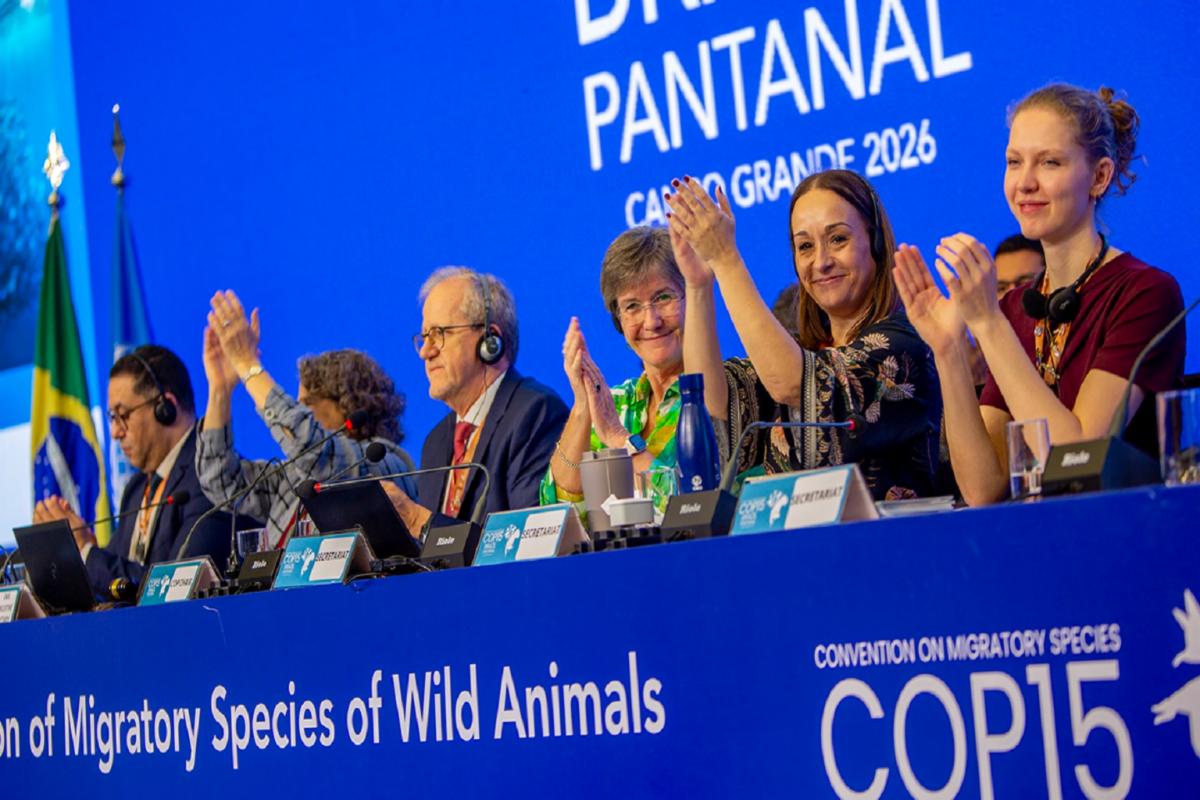
A single species action plan for the European eel was agreed by the parties to the Convention on Migratory Species during their COP 15 which took place in Campo Grande, Brazil, in the heart of the Pantanal from 23-29 March 2026.


The draft plan was put forward by the EU with support from Monaco at the meeting and passed without any changes.


The Sargasso Sea Commission and the Convention on Migratory Species have collaborated on the conservation of the European eel for the last decade. The first range states meeting of the European eel was held in 2016. The first draft of the single species action plan was discussed in 2020. Last year, in Malmo, in a meeting supported by Sweden and Monaco with support from the World Maritime University Sasakawa Global Ocean Institute, the range states finalised the second draft of the plan. This draft was agreed at the CMS COP in March.


The plan includes a specific provision to engage with the new UN Agreement on Biodiversity in Areas Beyond National Jurisdiction (BBNJ) in relation to the Sargasso Sea to coordinate conservation of the European eel.


Image courtesy of IISD/ENB/Angeles Estrada Vigil

Walther Herwig III Visits Bermuda

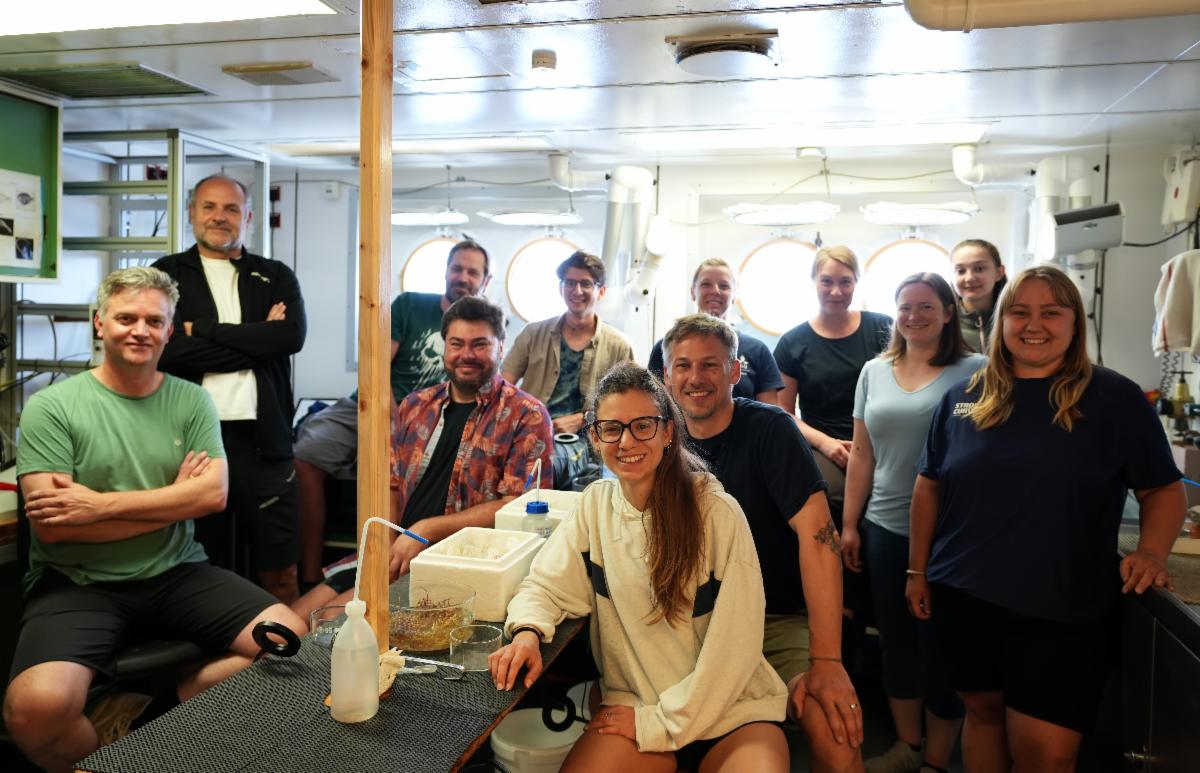
A German-led international team of marine scientists

returned to the Sargasso Sea in April 2026 to continue long-term research on one of the ocean’s most remarkable and still partly unresolved mysteries: the early life stages of the European eel.


The expedition was led by Professor Reinhold Hanel of the Thünen Institute of Fisheries

Ecology (Germany). Hanel's first expedition dates back to 2011, and the research vessel Walther Herwig III has returned to Bermuda every three years since then.


“Many aspects of the eels’ spawning behaviour and early development remain unknown including the exact locations and environmental conditions of spawning,” explained Prof. Reinhold Hanel, Cruise Leader.


“During the recent expedition, researchers collected plankton samples across a large survey area in the western and central Sargasso Sea to determine the distribution, abundance, and size of eel larvae.”


“These data are essential for understanding recruitment processes and long-term population trends of this critically endangered species.


“The work also contributes to broader ecosystem research as, in addition to eel larvae, the scientists are studying plankton communities including jellyfish, sunfish larva and mesopelagic fishes that inhabit the so-called “twilight zone” of the ocean.” Prof. Hanel has been collaborating with the Sargasso Sea Commission for several years and has contributed to scientific initiatives supporting its conservation goals. He also represented Germany at the meetings of the CMS/SSC Range State Workshops that developed the Single Species Action Plan (above).


Image credit Walther Herwig III/Thunen Institute

Creature Feature

Your window into the golden floating rainforest and who's in it!

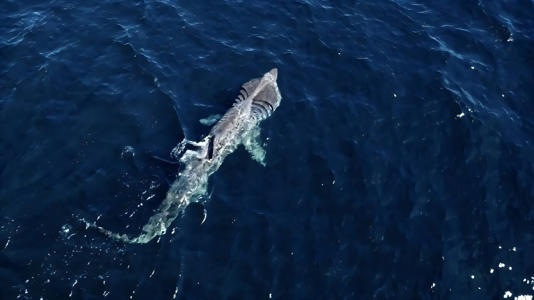
Endangered basking sharks rely on the ocean twilight zone during long-distance migrations

Story from Phys.org by Woods Hole Oceanographic Institution - Endangered basking sharks are not fasting during their long-distance migrations. A new study led by the Woods Hole Oceanographic Institution shows that they may be foraging along the way, and in much deeper areas of the ocean than previously thought. As filter feeders, this species is most often observed close to the surface, especially in waters off of New England, but data show markedly different behaviour during their winter migrations to the Sargasso Sea and the Caribbean.


By analyzing more than 8,000 days of tracking data collected from 37 basking sharks tagged between 2004 and 2011 near Cape Cod, researchers found that they are diving as far down as the lower boundary of the ocean twilight zone, which extends from 200 to 1,000 meters below the surface.


"Reaching depths of 800 to 1,000 meters is physiologically demanding. It's cold, dark, and has low oxygen. Yet these sharks repeatedly dive into the secondary deep scattering layer, a resource that most large pelagic predators cannot exploit," said Jaida Elcock, doctoral candidate in the MIT-WHOI Joint Program and lead author of the paper.


Image credit: Amy Kukulya, Woods Hole Oceanographic Institution

Sargasso On-the-Go

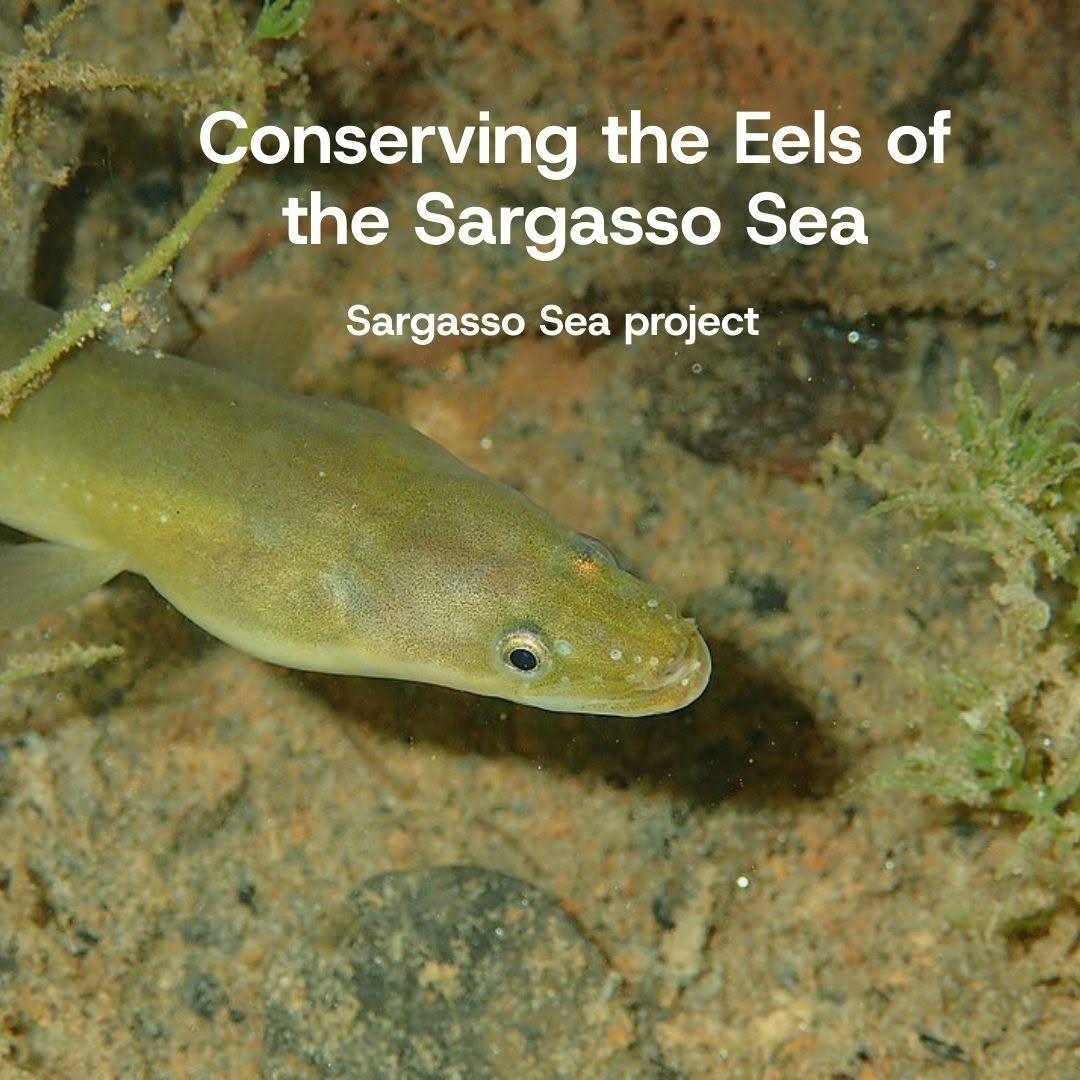
Conserving the eels of the Sargasso Sea


The Sargasso Sea Commission co-hosted the 4th meeting of the Range States of the European eel from October 16-17, 2025. Meeting partners included the Secretariat of the Convention on the Conservation of Migratory Species of Wild Animals (CMS), the World Maritime University Sasakawa Global Ocean Institute, the Government of Sweden and the Principality of Monaco.


Image credit: IW LEARN


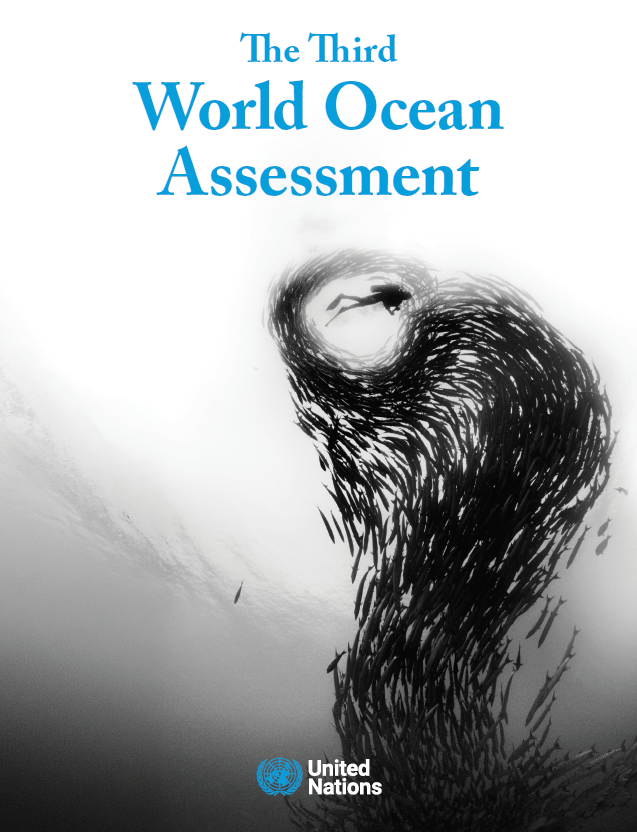
Third World Ocean Assessment Published


The World Ocean Assessment is the only global integrated assessment of the world’s ocean covering environmental, economic and social aspects. The Sargasso Sea has had a dedicated chapter since its first iteration.


Image credit: World Ocean Assessment


IMO urges nations to put ocean policies into practice


To mark World Ocean Day on 8 June, the International Maritime Organization (IMO) is calling on its 176 Member States and the global shipping industry to step up implementation of measures to protect the marine environment. 


Image credit: UN World Oceans Day


Thank you for supporting our mission to protect the Sargasso Sea. We truly appreciate all of the donations and support that we have received over the years -- without which the Sargasso Sea Commission would not exist.
Facebook  Instagram  Linkedin  Youtube