Sen. Cassidy says response to his earlier letter "was anything but open and transparent"
Sen. Bill Cassidy, MD (R-La.), lashed out at the American Medical Association (AMA) on Monday, saying that the organization's response to his previous letter demanding details about its Current Procedural Terminology (CPT) code business was nowhere near good enough.
Although openness and transparency are essential tenets of providing care to patients and families, "the AMA's October 23 reply to my October 6 letter was anything but open and transparent," Cassidy, chairman of the Senate Health, Education, Labor, & Pensions (HELP) Committee, wrote in a letter to AMA President Bobby Mukkamala, MD. "I am concerned that the status quo focuses on enriching the AMA at the expense of patients, while the organization subsequently uses the revenue to advance a political agenda that is not representative of the majority of the medical community. Your recent response did not answer my questions [in a way] that could assuage this concern."
The AMA maintains and annually updates the CPT coding system, which is used by physicians and other healthcare professionals to document and bill for services throughout the healthcare system. In his letter, Cassidy went on to ask some very detailed questions about the AMA's CPT code operation.
Click here to read the full article.
| |
ASIPP is pleased to announce the launch of the Regenerative and Longevity Medicine Section!
This section reflects the growing importance of regenerative and longevity medicine—fields dedicated to restoring health, enhancing vitality, and extending the healthy years of life. From stem cell therapies and tissue engineering to gene therapy and orthobiologics, these disciplines are transforming the way we approach pain management and age-related decline.
Section membership offers:
- Access to ASIPP’s physician database and future data registry
- Opportunities for certification and continuing education
- Section-exclusive resources and updates
No additional cost for ASIPP members!
| | |
CMS’s newly announced ACCESS Model represents an interesting shift in the value-based care world.. After a decade dominated by total cost-of-care models for traditional Medicare (MSSP, REACH) anchored in primary care, this new approach offers something refreshingly different.
But as with anything in healthcare, the promise and the reality may end up looking very different. After all, there is a reason most CMMI models end up increasing costs as opposed to decreasing them. Below are the biggest considerations as this model rolls out.
1) A Welcome Shift Away From Pure Total-Cost-of-Care Pressure
Total-cost-of-care models have many attractive elements, but the truth is that most primary care practices were never set up to take on that level of financial and operational responsibility. Further, the past decade of VBC has been decided by who can maximize risk adjustment FAR more than who can build a care model that reduces preventable spend. To that end, holding pcp’s accountable for total costs when so many variables occur outside their control, it is no surprise that few pcp groups have meaningfully driven cost reductions through care model innovation.
Click here to read the full article.
| |
Upcoming ASIPP Webinars
Register today!
| | |
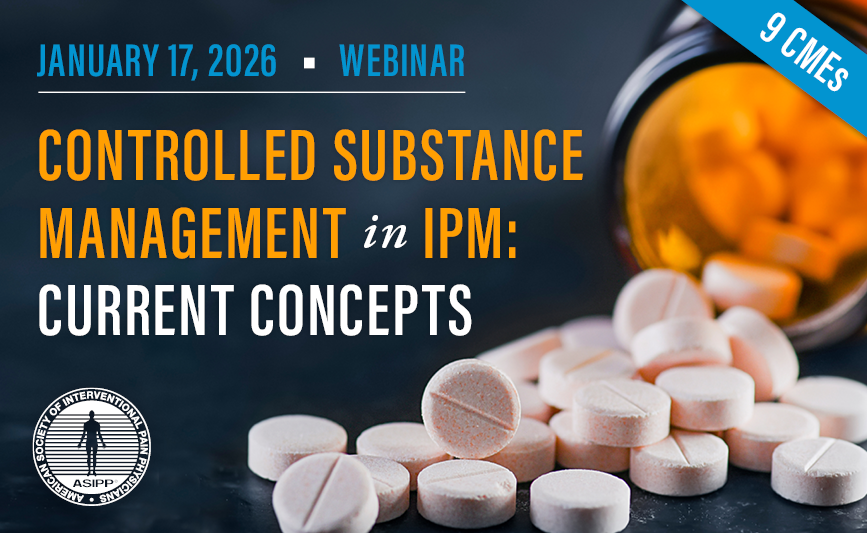
Join ASIPP on January 17, 2026, for an important webinar: Unveiling the Complexities of Controlled Substance Management in Interventional Pain Management (IPM).
Controlled substance management continues to present challenges for pain physicians, from evolving regulations and compliance requirements to balancing patient care with risk mitigation. This webinar will provide expert guidance to help you navigate these complexities and strengthen your practice.
| | |
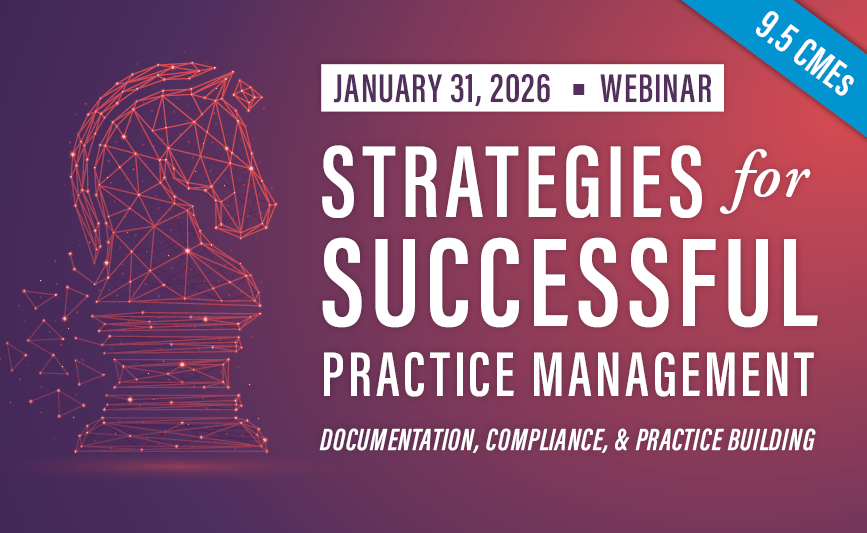
Join ASIPP on January 31, 2026, for our webinar Strategies for Successful Practice Management. This program will focus on practical approaches to strengthen your practice through improved documentation, compliance strategies, and effective practice-building techniques.
Whether you are looking to optimize workflows, ensure regulatory readiness, or position your practice for long-term growth, this webinar will provide valuable insights to support your success.
| | |
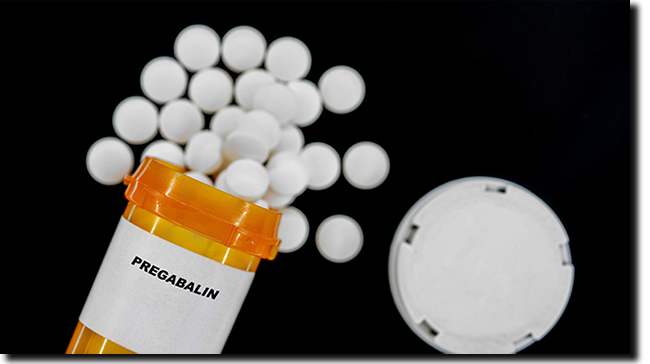
The results of a recent study published online in JAMA Network Open show a substantially higher risk for heart failure (HF) in people taking the antiseizure medication pregabalin for chronic noncancer pain. The risk is particularly high for people with preexisting cardiovascular disease.
1) Comparing Gabapentinoids
The study compared the gabapentinoids pregabalin and gabapentin in relation to increased HF risk. Both medications are among the most commonly prescribed antiseizure medications used off-label to treat chronic neuropathic pain.
2) Purpose and Function
Nerve injury increases a neuron’s production of the α₂δ subunit, the auxiliary protein that directs calcium channel movement. Pregabalin and gabapentin bind to the α₂δ subunit, reducing calcium influx at presynaptic terminals, thereby dampening pain signaling.
3) Which Manages Pain Better?
Pregabalin and gabapentin both bind to the α₂δ subunit of voltage-gated calcium channels, but pregabalin has a higher binding affinity, greater potency at lower doses, and more predictable absorption, which can translate into stronger and more consistent analgesic effects.
Click here to read the full article.
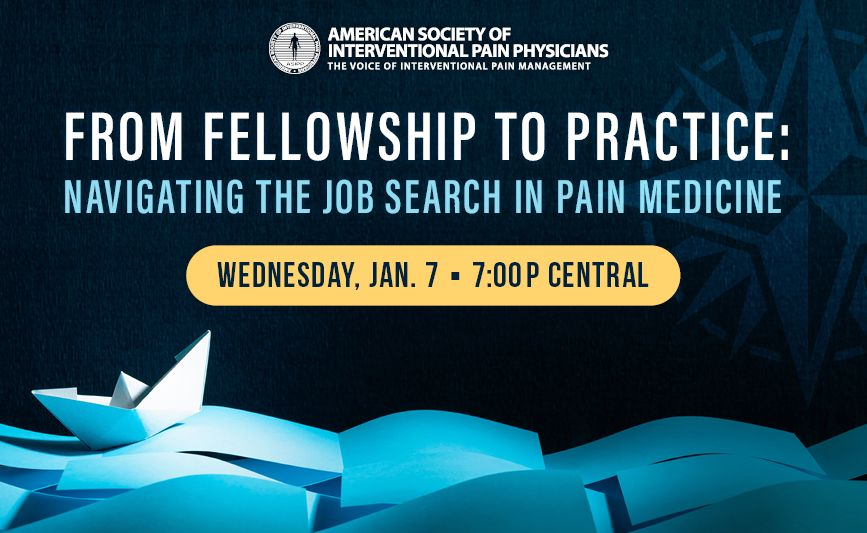
| | This webinar is designed to help pain medicine fellows and early-career physicians navigate the job search. Speakers will break down the pros and cons of key practice types—solo, academic, private group, and corporate-owned—so you can make informed career decisions. The session concludes with a live Q&A, giving you the opportunity to get clear answers to your most important questions. | | |
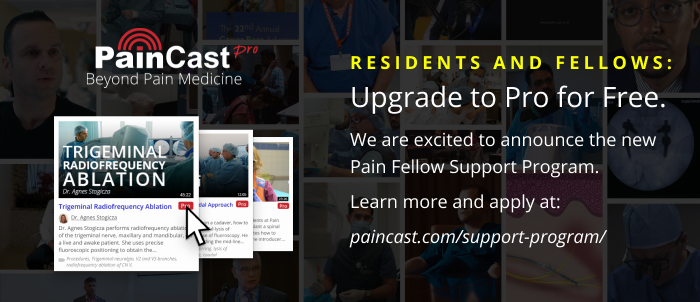
ASIPP is proud to launch our Resident and Fellow Mentorship Program. This initiative is designed to connect trainees with experienced pain physicians to foster professional growth, provide guidance, and strengthen the future of our specialty.
Each mentor would be paired with one to two trainees, but can take more if interested. Trainees will be responsible for initiating introductions and arranging at least one to two video calls per year. These sessions will provide opportunities for mentees to seek advice on clinical decision-making, career planning, research opportunities, and professional development.
We believe that your experience, expertise, and insight can have a lasting impact on the next generation of pain physicians. By volunteering as a mentor, you will play a critical role in shaping the future of our field and ensuring that ASIPP continues to cultivate excellence in interventional pain medicine.
If you are interested in serving as a mentor, please confirm your participation by filling out the appropriate form below.
| | |
Increase in Applicants Reverses Three-Year Decline
For the first time, total enrollment in U.S. MD-granting medical schools reached over 100,000 students in the 2025-26 academic year, according to data released today by the AAMC.
The data also show that the total number of medical school applicants rose 5.3%, reversing a three-year decline. Other than a one-year increase in 2021-22 during the COVID-19 pandemic, it is the largest gain since 2015-16. First-time applicants comprised 76.5% of all medical school applicants, an 8.4% increase.
“The growing number of applicants to medical school reflects the continued strong interest in medicine as a career,” said David J. Skorton, MD, AAMC president and CEO. “Training the next generation of physicians has always been, and will remain, a core mission of academic medicine.”
Click here to read the full article.
| | |
A limited number of qualifying residents/fellows will receive a scholarship to attend the ASIPP 28th Annual Meeting, March 19-21, 2026 at the Hilton New Orleans Riverside. Recipients of this scholarship with receive reimbursement of their meeting registration, and up to three nights stay at the host hotel. This includes room block rate and tax.
Deadline to apply is February 15, 2026.
Click here for more information.
| |
Join Us in New Orleans for ASIPP 2026
Earn CMEs, Expand Networks, and Explore the Future of Pain Management
| | |
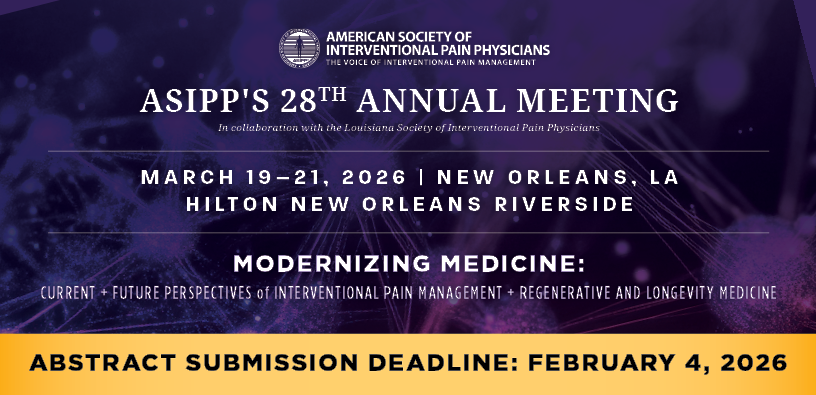
It is our pleasure to invite you to the American Society of Interventional Pain Physicians’ 2026 Annual Meeting, where we will continue to shape the future of Interventional Pain Management.
This 28th Annual Meeting will take place Thursday, March 19 through Saturday, March 21, 2026, at the Hilton New Orleans Riverside in New Orleans, Louisiana.
The 2026 Annual Meeting will provide the tools, knowledge, and connections you need to thrive in the evolving field of interventional pain management.
| | JOIN or RENEW your ASIPP Membership for the best registration rates. | | Hands-On Cadaver Workshops | | | |
|
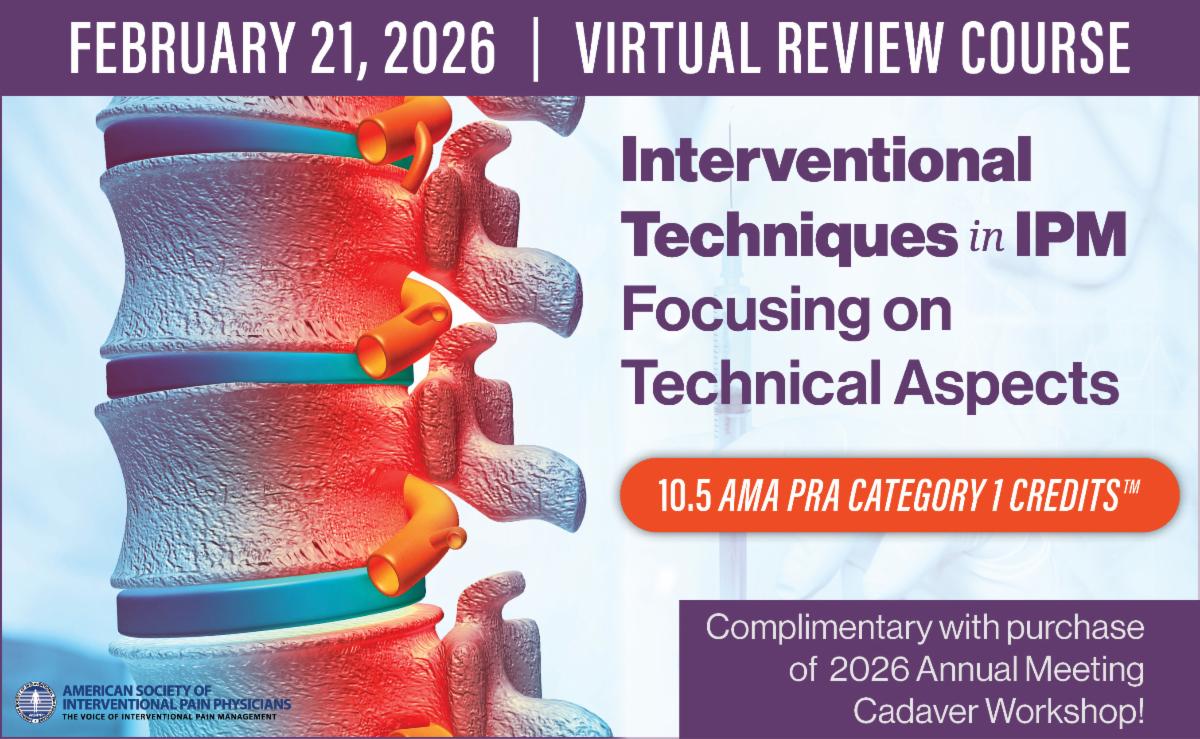
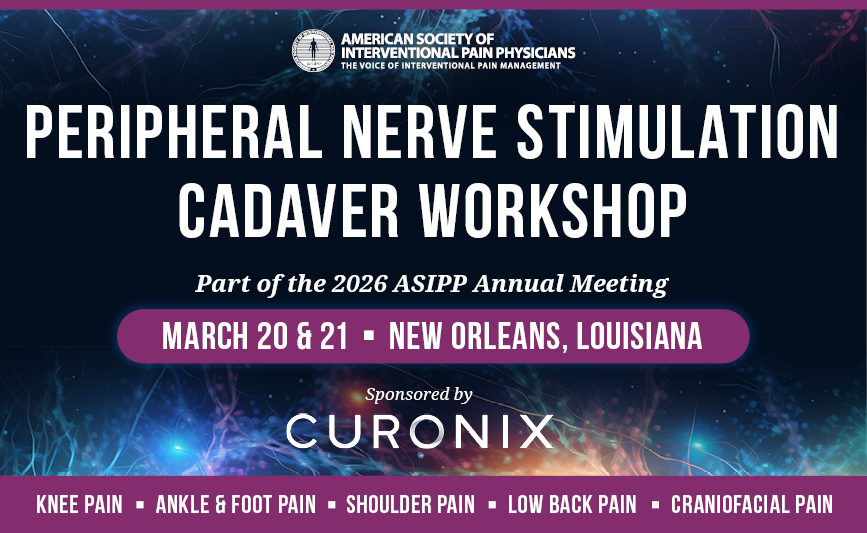
Don't miss the Hands-On Cadaver Workshops taking place March 20 and 21 alongside the Annual Meeting in New Orleans!
These workshops offer practical, guided training in key interventional procedures. This is an invaluable opportunity to sharpen your skills and gain confidence through real-time, instructor-led practice.
Sponsored by Curonix
(non-CME)
(8 CMEs)
- Interventional Techniques
(8 CMEs)
| | |
The Senate will vote Thursday, December 11 on a Republican proposal to replace enhanced health insurance subsidies under the Affordable Act with health savings accounts that would receive federal contributions to pay out-of-pocket expenses, Senate Majority Leader John Thune (R-S.D.) announced Tuesday.
The Senate was already set to vote Thursday on a Democratic plan to extend the expiring subsidies for three years, and Thune’s decision will give Republican colleagues the opportunity to vote for a GOP alternative. He was under heavy pressure from Senate Republicans who warned that failing to advance a Republican plan would be a catastrophe.
“We also will have a vote. Our members have decided that we’re going to vote on a Crapo-Cassidy proposal,” Thune announced after a Senate Republican conference lunch meeting Tuesday.
Click here to read the full article.
| | |
Chronic pain and high blood pressure are highly prevalent among US adults, with one fifth of the population experiencing daily pain and nearly half having hypertension. A new study suggests the two conditions may be connected.
The study, which was published in Hypertension, shows chronic pain may increase the risk for hypertension, independent of multiple confounders. These variables include age, sex, lifestyle factors such as smoking and alcohol use, blood markers such as cholesterol and glucose levels, and use of certain medications such as statins or insulin.
“Previous studies have largely focused on the connections between acute pain and hypertension,” senior author Jill P. Pell, CBE, former director of the School of Health & Wellbeing and the Henry Mechan Professor of Public Health at the University of Glasgow in Glasgow, Scotland, told Medscape Medical News. “Studies of chronic pain and hypertension have been few and have produced inconsistent results.”
Click here to read the full article.
| | |
Apply now!
December 13, 2025
January 24 & February 7, 2026
Four (4) hour virtual exam
- ABIPP Path – Combined CCPM/ CSM Exam
For those with subspecialty in Pain Medicine
Two (2) hour virtual exam
- ABIPP Competency Exam in IPM
For those without primary board certification
Two (2) hour virtual exam
- ABIPP Competency Exam in Regenerative Medicine
Two (2) hour virtual exam
- Controlled Substance Management Competency Exam
Two (2) hour virtual exam
- Documentation, Coding, Compliance, Practice Management Competency Exam
Two (2) hour virtual exam
| | |
In patients with axial spondyloarthritis (axSpA), a higher intake of non-steroidal anti-inflammatory drugs (NSAIDs) was associated with reduced radiographic spinal progression, particularly in those with radiographic disease.
METHODOLOGY:
- Researchers investigated whether the intake of NSAIDs affected the radiographic spinal progression in patients with axSpA, using data from a German cohort.
- They included 252 patients with axSpA (139 with non-radiographic and 113 with radiographic disease; mean age, 35.9 years; 50% men). All patients had at least two consecutive spinal radiographs.
- NSAID intake, stratified by drug type, was assessed over a 10-year follow-up period and scored between 0 and 100, with 0 representing no use and 100 representing full-dose daily use.
Click here to read the full article.
| | | |
We're excited to let you know that the new ASIPP Community, hosted by DocMatter, is now live!
The ASIPP Community on DocMatter will serve as a place for members to collaborate around clinical and research topics to advance the care of their interventional pain patients.
Click here to be a part of the conversation!
| | |
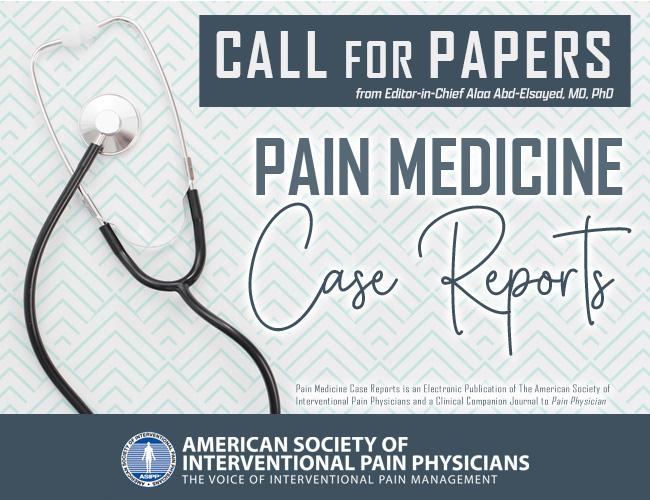
Pain Medicine Case Reports (PMCR) and Editor-in-Chief Alaa Abd-Elsayed, MD, PhD would like to invite you to submit case reports and case series to the PMCR journal. Your article will be published free of charge.
Open access journals are freely available online for immediate worldwide open access to the full text of published articles. There is no subscription fee for open access journals. Open access journals are no different from traditional subscription-based journals: they undergo the same peer review and quality control as any other scholarly journal.
Interested in becoming a member of the PMCR Editorial Board?
Editorial board members are asked to review 2-6 manuscripts per year. Please submit your most up-to-date CV to sgold@asipp.org for consideration.
For more information or to submit your articles, click here.
| | |
We are excited to announce that Pain Medicine Case Reports (PMCR) journal (eISSN 2768-5152) has been accepted for inclusion in MEDLINE and PubMed, the prestigious bibliographic database of the U.S. National Library of Medicine. PMCR, a companion publication to the prestigious Pain Physician journal by ASIPP, joins its counterpart in achieving indexing in both MEDLINE and PubMed, marking ASIPP’s dual presence in these renowned databases.
The inclusion of PMCR journal in MEDLINE signifies a higher level of selectivity, as MEDLINE consists of the top 5,200 biomedical journals. This indexing also means that articles from PMCR will be searchable using NLM Medical Subject Headings (MeSH terms) and other metadata.
The selection for MEDLINE follows a rigorous evaluation process by reviewers from the Literature Selection Technical Review Committee (LSTRC). According to their criteria, the scientific quality of a journal’s content is the primary factor considered for indexing.
We extend our congratulations to the Pain Medicine Case Reports Editor-in-Chief, Deputy Editor-in-Chief, Journal Team, and Editorial Board for this achievement, which underscores the significance and excellence of this esteemed journal.
| | | | |