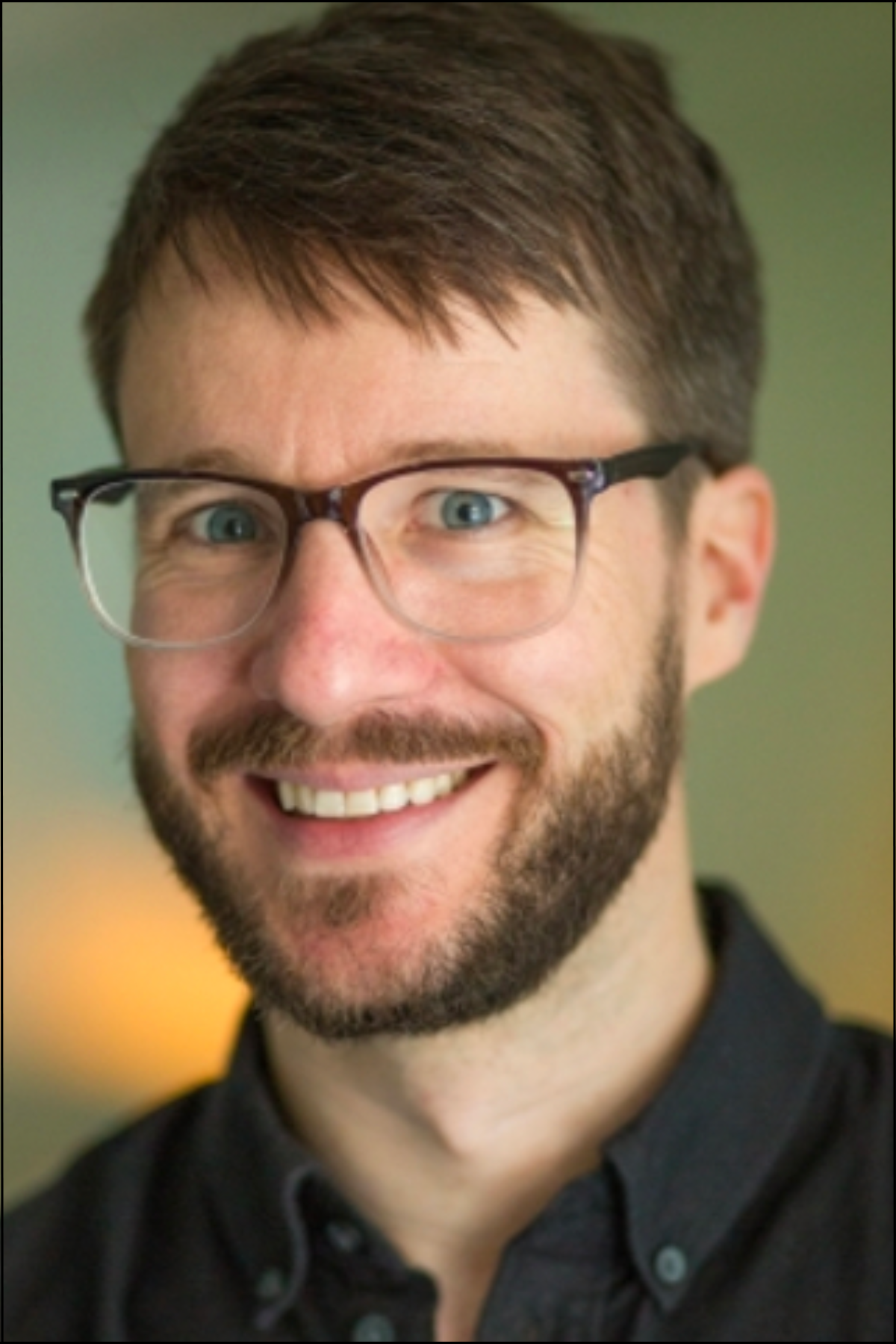
Each quarter, the Membership Subcommittee features an Adolescent Network member who is advancing the field of adolescent nicotine and tobacco research. This quarter, we spotlight Dr. Johannes Thrul.
Describe your current position and your research interests.
I am an Assistant Professor in the Department of Mental Health at Johns Hopkins Bloomberg School of Public Health. My research interests focus on using technology to improve our understanding of health behavior change and to develop mobile health (mHealth) interventions that help people change their harmful substance use and other health risk behaviors. I completed my doctoral training in Germany, did a postdoc at the Center for Tobacco Control Research and Education at UCSF, and have collaborated with researchers from multiple countries around the world. I am a certified smoking cessation counselor and have contributed to trials examining the efficacy of behavioral smoking cessation interventions delivered on Facebook, smartphones, virtual reality, as well as text-messages leveraging peer-mentors. I have also conducted studies using smartphone-based real-time data collection methods such as Ecological Momentary Assessment (EMA). I am currently leading two studies using smartphone-based EMA designs: 1) A NIDA funded R21 study to investigate co-use of cannabis and opioids among patients with chronic pain, and 2) An NCI funded R01 to test urge reduction messages for young adult smokers. I am also involved in multiple studies investigating the impact of the COVID-19 pandemic on mental health, including anxiety and depression.
What excites you most about your current research?
I consider myself an addiction researcher and dabble in research on different substances. In part because I’m very curious, but also because I think that much of the substance use in the real world is really substance co-use. We rarely see people with just a single substance use problem and people frequently combine different substances to get their desired effects. In tobacco research some obvious examples are co-use of tobacco products with alcohol and/or cannabis. One of the areas I’m really interested in is understanding motivations for and patterns of substance co-use with assessing these patterns using mobile technology, for example EMA. In EMA studies we send multiple short surveys to people over the course of the day and get a good sense of their substance use in real world environments. The other area of research I’m excited about is to develop digital and mobile health interventions for smoking cessation. One of my current projects, funded by the NCI, is investigating the efficacy of moment-to-moment intervention messages to reduce smoking urges among young adults. In this study we are first collecting a lot of data on individual participants and are then delivering intervention messages in situations that are relevant to them, triggered by geofences at locations and times when they are at high risk for smoking. Scientifically, we are comparing the efficacy of distraction messages based on Cognitive Behavioral Therapy to acceptance messages based on Acceptance and Commitment Therapy. As you can imagine, this study has a lot of moving pieces, but I’m excited to start running the first participants soon. Eventually, I hope that this work will be able to inform all kinds of mobile smoking cessation interventions moving forward.
How or why did you first get involved or interested in adolescent nicotine and tobacco research?
While I was still working on my masters in clinical psychology, I became a bit disillusioned with the medical model of treating mental disorders after people have already gotten sick and suffered for years and years. Especially knowing that the resources available in the treatment system and the number of providers were not nearly enough to help everyone that needs support. I wanted to get trained and work in an area that helps people improve their mental health and health behavior at a point in time where prevention of negative consequences is still possible. At the time in Germany, most of the research on prevention was happening in substance use and I ended up working on a trial investigating the efficacy of a group-based behavioral smoking cessation intervention for adolescents. I wouldn’t say I really envisioned myself working in tobacco and smoking cessation research before I started doing this work, but once I saw the data on the huge burden of tobacco-related morbidity and mortality, this field of research out of a sudden felt really meaningful and important, and that feeling has stayed with me to this day. I also appreciate the tobacco control training I received at UCSF, which gave me a helpful lens on the role of the tobacco industry in manipulating especially young people and how we can use tobacco control and communication strategies to fight back.
What do you do in your spare time (what are your hobbies?)
A big passion of mine is rock climbing and I go to the climbing gym multiple times a week and outdoors whenever I get the chance. I love the physical challenge and working on overcoming my fear on the rope. And I also appreciate the mindfulness and total presence that comes with rock climbing. It really helps me switch off my brain and restore my energy and focus.
What do you think is the emerging public health concern in adolescent tobacco research?
Young people are often early adopters of new trends and products, and tobacco is certainly no exception. I’m keeping a close eye on developments in the tobacco market landscape for new and trending products that are being used to recruit new users, for example new smokeless tobacco products. We are also seeing a lot of this market and product expansion in the area of cannabis use as well. Over time, I would expect that young people are moving further away from smoking and combustible products to other routes of administration for both tobacco and cannabis and we will need research to both look at the risks of these new products, and develop tailored interventions that can help with quitting for those young people that need the support.
Adolescent Network Updates
Call for members: The SRNT Adolescent Network is looking for 2 SRNT members who are interested in joining the Education Subcommittee.
Education Subcommittee members work together to plan, promote and initiate Network educational events pertaining to tobacco research, with a focus on adolescents and young adults. Educational events include online meetings and presentations, webinars, and workshops.
Time commitment includes the attendance of subcommittee monthly meetings, which occur the first Friday of every month, and engagement in subcommittee activities. Subcommittee activities may vary and include: preparing brief promotional materials, working with presenters and moderators to schedule events, and organizing event flow and scripts as necessary.
If interested in becoming a member of the Education Subcommittee, please email your CV and a brief interest letter to Georges Khalil (gkhalil@ufl.edu) and Kate Flint (Kate.Flint@icf.com) by November 21st, 2022. The brief interest letter should include one to two paragraphs of why the applicant would like to be involved in the subcommittee, any relevant experience related to the work of the subcommittee, and general career/research goals. Students, trainees, and early-stage investigators are encouraged to apply!
Publications from Adolescent Network Members
Barrett EM, Maddox R, Thandrayen J, Banks E, Lovett R, Heris C, Thurber KA. (2022) Clearing the air: underestimation of youth smoking prevalence associated with proxy-reporting compared to youth self-report. BMC Med Res Methodol. 2022 Apr 11;22(1):108. doi: 10.1186/s12874-022-01594-w. PMID: 35410164; PMCID: PMC8996602.
Case KR, Clendennen SL, Tsevat J, Harrell MB.(2022) Risk of respiratory, gastrointestinal, and constitutional health symptoms: A cross-sectional study of Texas adolescent and young adult nicotine and marijuana vapers. Prev Med. Jun;159:107057. doi: 10.1016/j.ypmed.2022.107057. PMID: 35452713; PMCID: PMC9560039.
Cornacchione Ross J, Lazard AJ, Hedrick McKenzie A, Reffner Collins MK, Sutfin EL. (2022) What Cigarillo Companies are Putting on Instagram: A Content Analysis of Swisher Sweets' Marketing from 2013-2020. Nicotine Tob Res. Nov 3:ntac255. doi: 10.1093/ntr/ntac255. PMID: 36326790.
Chaffee BW, Halpern-Felsher B, Croker JA, Werts M, Couch ET, Cheng J. (2022) Preferences, use, and perceived access to flavored e-cigarettes among United States adolescents and young adults. Drug Alcohol Depend Rep. Jun;3:100068. doi: 10.1016/j.dadr.2022.100068. Epub 2022 Jun 3. PMID: 35757567; PMCID: PMC9224229.
Gardner LD, Liu ST, Xiao H, Anic GM, Kasza KA, Sharma E, Hyland AJ. (2022) Electronic Nicotine Delivery System (ENDS) Device Types and Flavors Used by Youth in the PATH Study, 2016-2019. Int J Environ Res Public Health. 2022 Apr 26;19(9):5236. doi: 10.3390/ijerph19095236. PMID: 35564630; PMCID: PMC9101111.
Kowitt SD, Sheldon JM, Vereen RN, Kurtzman RT, Gottfredson NC, Hall MG, Brewer NT, Noar SM. (2022) The Impact of The Real Cost Vaping and Smoking Ads across Tobacco Products. Nicotine Tob Res. Aug 25:ntac206. doi: 10.1093/ntr/ntac206. Epub ahead of print. PMID: 36006858.
Mantey DS, Omega-Njemnobi O, Ruiz FA, Chen B, Springer AE, Kelder SH. (2022) Remote versus In-Person Learning During COVID-19: Comparison of E-Cigarette Susceptibility and Ever Use among a diverse cohort of 6 th Grade Students in Texas. Nicotine Tob Res. Apr 2:ntac084. doi: 10.1093/ntr/ntac084. PMID: 35366321; PMCID: PMC8992352.
Singer JM, Keller-Hamilton B, Roberts ME, Klein EG, Ferketich AK. (2022) Geographic Differences in JUUL Use and Risk Perceptions. Subst Use Misuse. 57(13):1918-1922. doi: 10.1080/10826084.2022.2120360. PMID: 36103627.
Relevant Professional Activities
Adolescent Network Advisory Committee member Dr. Jennifer Cornacchione Ross is hiring a postdoc interested in health communication & tobacco regulatory science. More information can be found here.
Communications From Other Adolescent Network Members
The SRNT Trainee Network is pleased to invite you to our upcoming webinar on “Navigating the Manuscript Peer-Review Process” on Thursday, December 1, 2022 from 2 PM - 3 PM EST. This discussion will be moderated by Dr. Nicholas Felicione (Assistant Professor, University of Buffalo) and includes a panel of academics who will reflect on their experiences with both sides of the manuscript peer-review process.
The panelists include Dr. Noreen Rahmani (recent PhD graduate, University of Toronto), Dr. Julia Chen-Sankey (Assistant Professor, Rutgers University), and Dr. Marcus Munafo (Professor, University of Bristol). Panelists will speak about their experiences (1) responding to reviewer comments and (2) providing feedback as a peer reviewer. Register here!
The SRNT Health Equity Network is now accepting applications for our 2023 Travel Scholarship. This scholarship program supports early career trainees in the field of tobacco-related health equity by providing travel support to attend the 2023 Annual Meeting in San Antonio, TX. Information on eligibility and application requirements can be found here.